
This Fascinating Open-Air Museum In New York Will Transport You To The 1800s
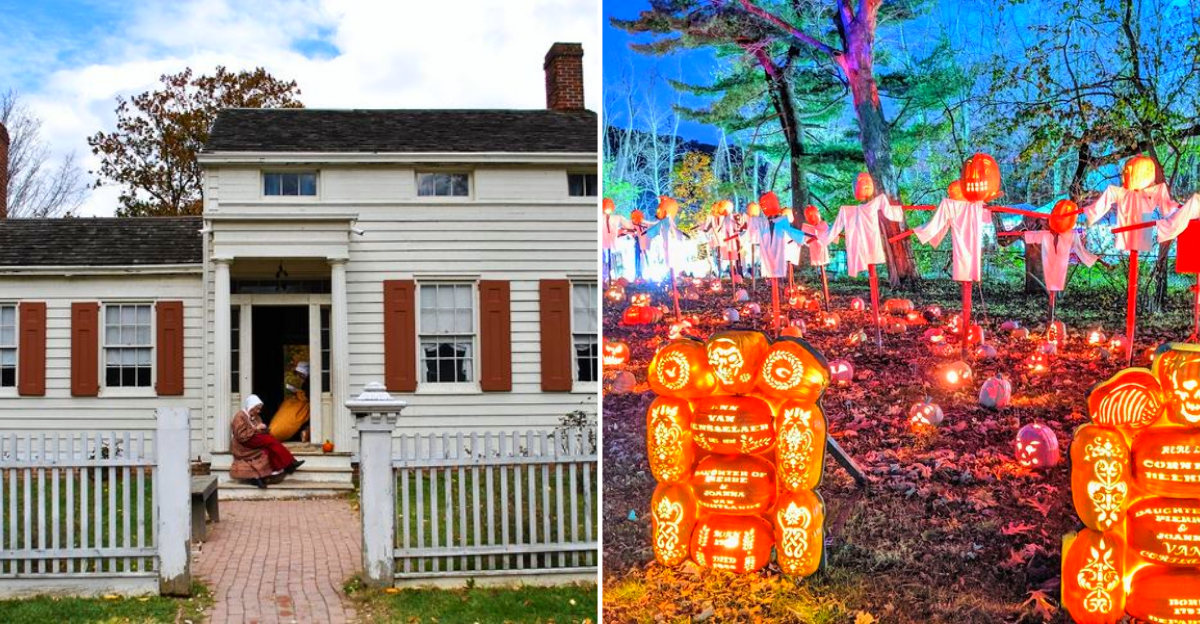
Stepping into this open-air museum in New York feels like walking straight into another century. The noise of modern life fades as historic buildings, costumed interpreters, and carefully preserved surroundings recreate what everyday life looked like in the 1800s.
Every detail, from the architecture to the tools on display, helps bring the past vividly to life.
Visitors wander through old homes, workshops, and village streets, watching demonstrations and learning how people once lived, worked, and connected with their communities. The experience feels immersive rather than staged, making it easy to imagine life during that era.
For anyone curious about history, this fascinating New York museum offers a rare chance to step back in time and see the 1800s up close.
A Living Village Frozen In A Fascinating Era
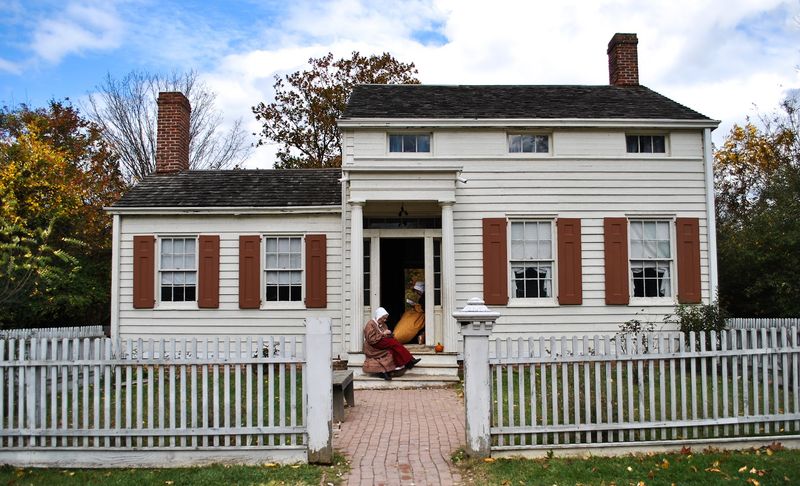
Few places in the northeastern United States manage to hold the past so firmly in place while still feeling alive and welcoming.
The grounds here stretch across rolling fields and wooded paths, with historic structures arranged in a way that feels like an actual community rather than a museum exhibit.
Each building has its own character, from the weathered siding of a general store to the modest windows of a working farmhouse.
What sets this destination apart from a conventional history museum is the sense of continuity. Costumed interpreters do not simply stand beside velvet ropes explaining what things used to look like.
They demonstrate real crafts, tend to real animals, and carry on conversations that reflect genuine knowledge of the period. Visitors often find themselves lingering far longer than planned because the environment rewards curiosity at every turn.
The 209-acre property accommodates a relaxed pace of exploration, making it equally enjoyable for a solo history lover or a family with young children. There are no crowds pressing you forward, no strict timed tours, and no shortage of quiet corners worth discovering.
This is the kind of place that earns a second visit before the first one is even finished.
Old Bethpage Village Restoration And What Makes It Worth The Trip
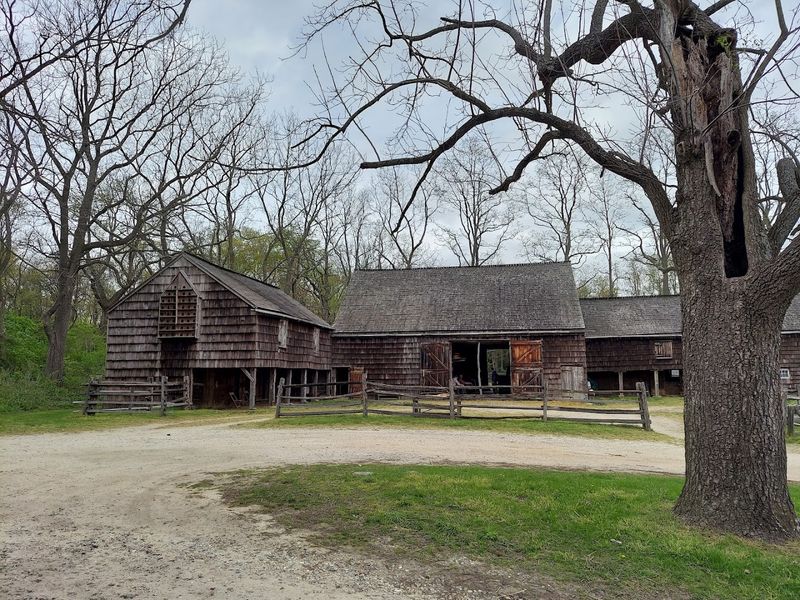
Located at 1303 Round Swamp Rd, Old Bethpage, NY 11804, this living history museum has earned a strong reputation among Long Island residents and visitors from across the state.
With a rating of 4.6 stars, it consistently draws praise for its knowledgeable staff, well-maintained grounds, and the genuine sense of immersion it provides.
Admission is affordably priced at around fifteen dollars per adult, making it accessible for most budgets.
The museum opens Friday through Sunday from 10 AM to 4 PM, so planning ahead is essential. Arriving early gives visitors the best opportunity to explore the full property without feeling rushed, especially on weekends when seasonal events tend to draw larger crowds.
Checking the official website at oldbethpagevillagerestoration.org before your visit is a smart move, as the event calendar fills up quickly with themed programs throughout the year.
Parking is available on site, and the main building near the entrance includes restroom facilities and a small gift shop stocked with handmade items and museum merchandise.
The staff is consistently described as friendly and deeply informed, turning casual questions into genuinely enriching conversations about Long Island history.
Fun fact: many of the buildings were relocated from other parts of Long Island to preserve them.
Historic Buildings That Tell Their Own Stories
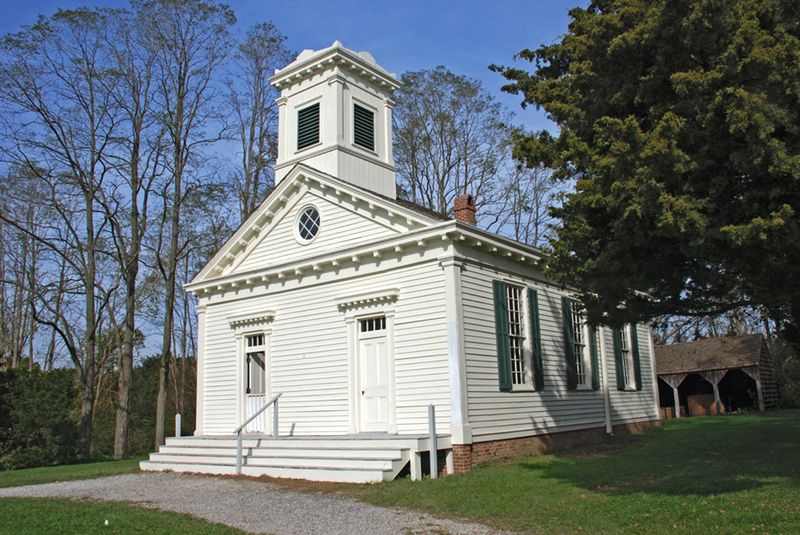
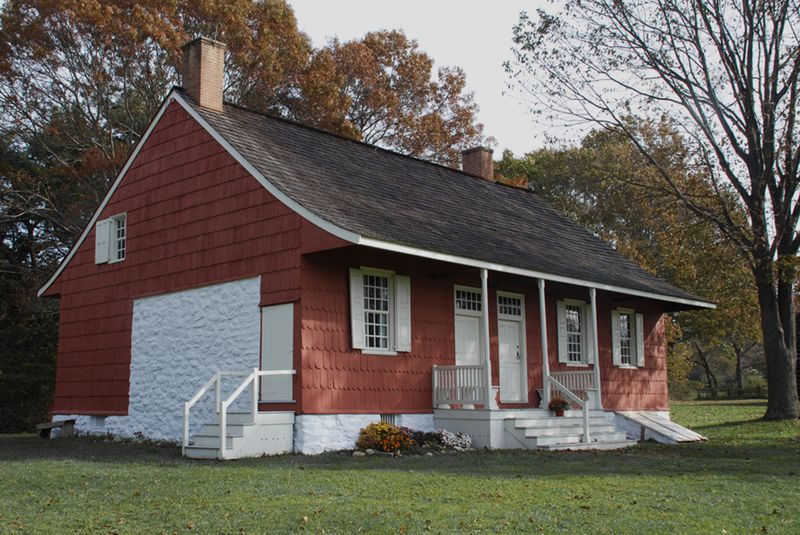
Across the 209-acre property, eighteen historically accurate structures have been carefully preserved and, in many cases, physically relocated from their original sites around Long Island.
Each building represents a distinct aspect of rural 19th-century life, from the blacksmith shop where metal tools were shaped by hand to the schoolhouse where children once sat in rows learning their lessons by rote.
Stepping through the doorway of any one of them feels like crossing a threshold into another century.
The farmhouses are particularly striking because they are not staged replicas. Many retain original materials, period-accurate furnishings, and functional layouts that reflect how actual families lived during that era.
The attention to historical detail is evident in everything from the placement of furniture to the tools hanging on workshop walls. Visitors with a keen eye will notice that no two buildings feel the same, which keeps the exploration consistently engaging.
Children tend to be especially captivated by the working farm areas, where animals roam and seasonal agricultural tasks are demonstrated in real time. Sheep shearing, butter churning, and crop tending are among the activities that interpreters carry out throughout the day.
Watching these processes unfold with genuine equipment and authentic technique gives the experience a depth that no classroom lesson or documentary could fully replicate.
Costumed Interpreters Who Truly Know Their Craft
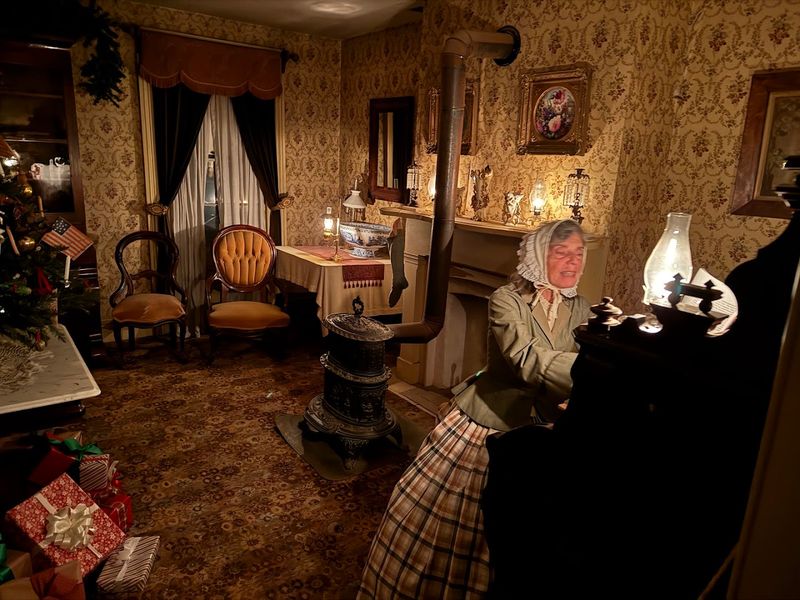
The interpreters at Old Bethpage Village Restoration are not actors reciting rehearsed scripts. They are knowledgeable historians and skilled craftspeople who bring an authentic understanding of 19th-century daily life to every interaction.
Conversations with them can range from the practicalities of food preservation to the social customs of rural Long Island communities, and they handle questions with patience and genuine enthusiasm.
One of the more rewarding aspects of the museum is that visitors are encouraged to engage directly rather than observe from a distance.
An interpreter might invite you to try your hand at a traditional task, explain the mechanics of a period tool, or describe the seasonal rhythms that governed farm life before electricity and modern infrastructure changed everything.
These interactions transform a simple walk through old buildings into something that feels participatory and personal.
The level of preparation these interpreters bring to their roles is evident in the consistency of their knowledge across different areas of the village. Whether you are speaking with someone in the general store or watching a demonstration near the barn, the quality of information remains high.
For visitors who appreciate depth over spectacle, this is exactly the kind of experience that makes a living history museum worth returning to year after year.
Seasonal Events That Transform The Grounds Entirely
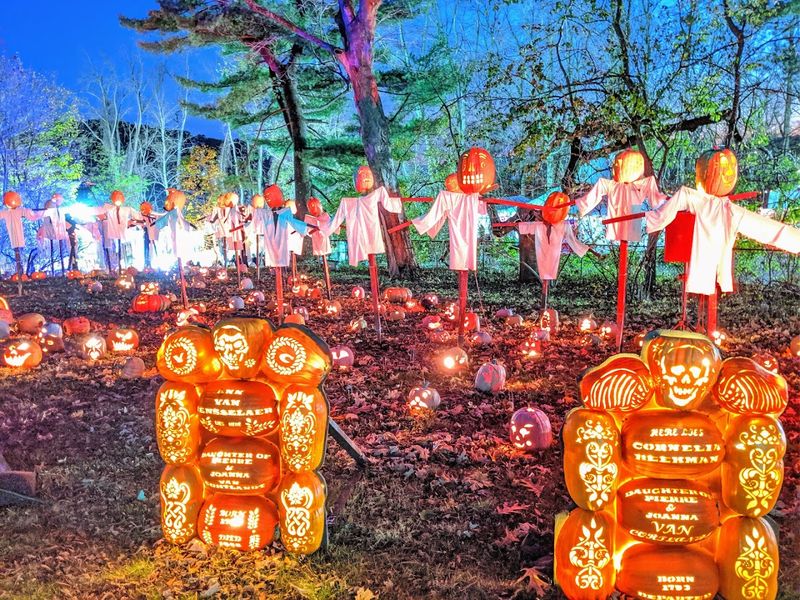
The museum does not rest on the appeal of its permanent exhibits alone. Throughout the year, Old Bethpage Village Restoration hosts a rotating calendar of themed events that draw visitors back across multiple seasons.
The Long Island Fair is among the most beloved, featuring horse shows, live period music, farm animals, and traditional food that gives the grounds an entirely different energy from a standard weekday visit.
Autumn brings some of the most visually striking programming, with elaborately carved pumpkin displays and candlelit evening tours that cast the historic buildings in a warm, flickering glow.
The Candlelight Evenings event in particular transforms the village into something genuinely atmospheric, with fires burning in hearths, seasonal treats available throughout the grounds, and a large outdoor fire pit where visitors can gather and take their time.
Ginger snaps and apple cider are perennial favorites at these events.
Winter programming has also earned a devoted following, especially the Christmas-themed candlelight evenings that bring a cozy, festive quality to the already-charming village setting.
The museum also hosts World War II reenactments sponsored by the American Armor Museum, which attract history enthusiasts from well beyond Long Island.
Checking the events calendar before planning a visit is genuinely worthwhile, because the right event can elevate an already excellent outing into something truly memorable.
The Working Farm At The Heart Of The Experience
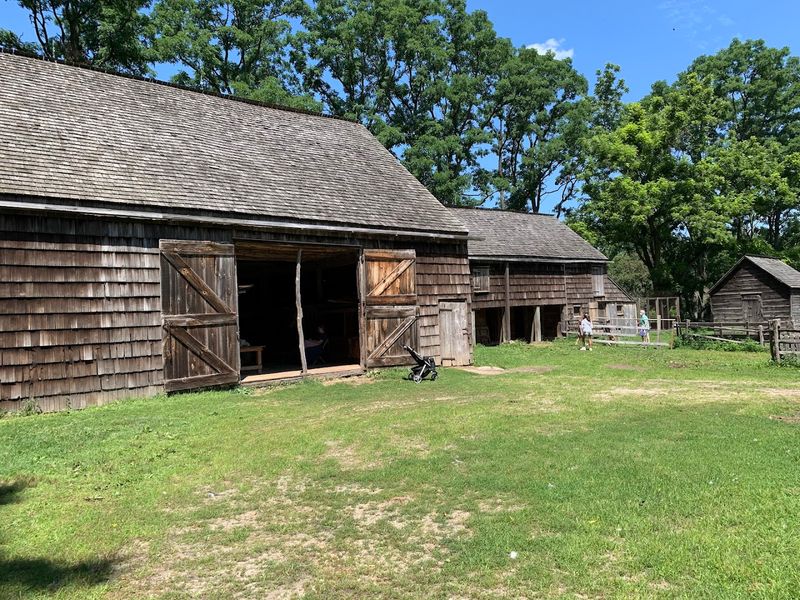
Agriculture was the backbone of rural Long Island life in the 1800s, and the working farm at Old Bethpage Village Restoration reflects that reality with admirable thoroughness.
Animals including horses, sheep, and various barnyard creatures are present throughout the property, and their care is woven into the daily rhythm of the museum experience rather than treated as a separate attraction.
Watching a horse being groomed or a field being worked with period-accurate tools adds a layer of texture that photographs simply cannot capture.
For visitors who grew up in suburban or urban environments, the farm section offers a particularly grounding perspective on how labor-intensive and community-dependent 19th-century life truly was. Nothing here is simplified for dramatic effect.
The tools are heavy, the processes take time, and the results depend on skill developed over years of practice. Interpreters are candid about these realities, which makes the demonstrations feel honest rather than sanitized.
Families with younger children often find the animal areas to be the most immediately engaging part of the visit. Kids who might struggle to stay interested in architectural history tend to light up when they see a real horse up close or watch a sheep being sheared for the first time.
The farm functions as both an educational anchor and a genuinely delightful part of the overall experience.
Exploring The Grounds At Your Own Pace
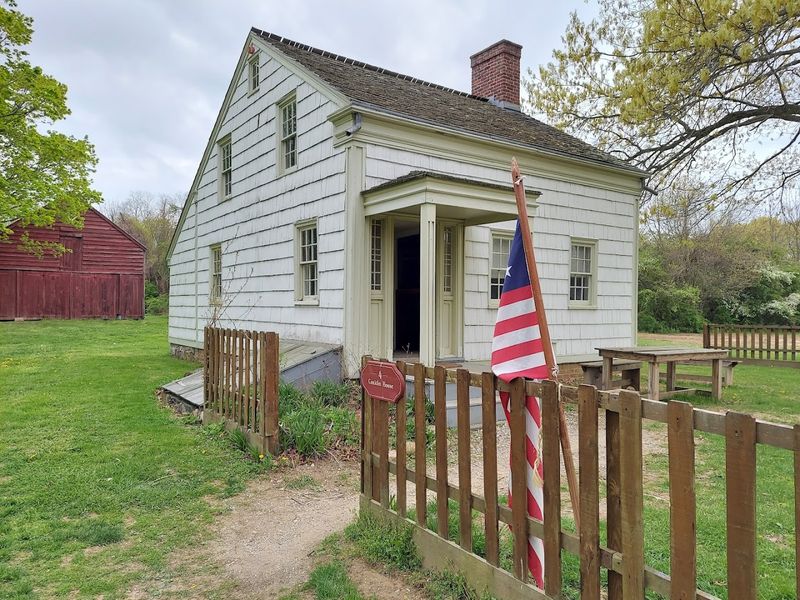
One of the most underappreciated qualities of Old Bethpage Village Restoration is the freedom it extends to every visitor. There are no mandatory guided tours, no strict routes to follow, and no pressure to move through the property at any particular speed.
Visitors are welcome to wander the gravel paths, double back to a building they found interesting, or spend an extended period in conversation with a single interpreter without feeling like they are holding up a group.
The 209-acre footprint means the grounds never feel cramped, even on busier weekend days. Wooded stretches between buildings provide natural breathing room, and the overall layout rewards explorers who are willing to stray slightly off the main path.
Benches and open field areas offer spots to pause, observe, and absorb the atmosphere without any obligation to keep moving.
Practical visitors will want to wear comfortable shoes, as the terrain includes gravel, grass, and uneven ground typical of a working historical property. Arriving at opening time around 10 AM gives the best chance to experience the quieter, more contemplative side of the village before midday visitors arrive.
A visit of two to three hours covers the major highlights comfortably, though genuinely curious visitors have been known to stay the full duration of operating hours without running out of things to notice.
Why Old Bethpage Village Restoration Deserves A Place On Your List
Long Island has no shortage of attractions competing for visitor attention, but Old Bethpage Village Restoration occupies a category largely its own. Cultural institutions that manage to educate, entertain, and genuinely move visitors across multiple visits are rare, and this museum has sustained that quality for decades.
The combination of preserved architecture, living demonstrations, seasonal programming, and open space creates an experience that feels complete rather than narrowly focused.
Adults who visit often remark that the experience shifts their perspective on daily modern life in a way that is quiet but lasting. Watching someone accomplish in an hour what would now take minutes with modern tools has a way of recalibrating one’s sense of what convenience actually costs.
That kind of reflection is not something most tourist destinations manage to provoke, and it speaks well of the museum’s overall design and philosophy.
For anyone living within driving distance of Long Island, a visit to Old Bethpage Village Restoration is one of those decisions that tends to be made once and repeated often. The museum earns its 4.6-star rating not through spectacle alone but through the consistent quality of every element it offers.
Families, solo visitors, school groups, and history enthusiasts all find something here that genuinely resonates, which is about as strong an endorsement as any destination can earn.