
This Fast Growing Montana City Has Longtime Residents Worried About What It Is Becoming
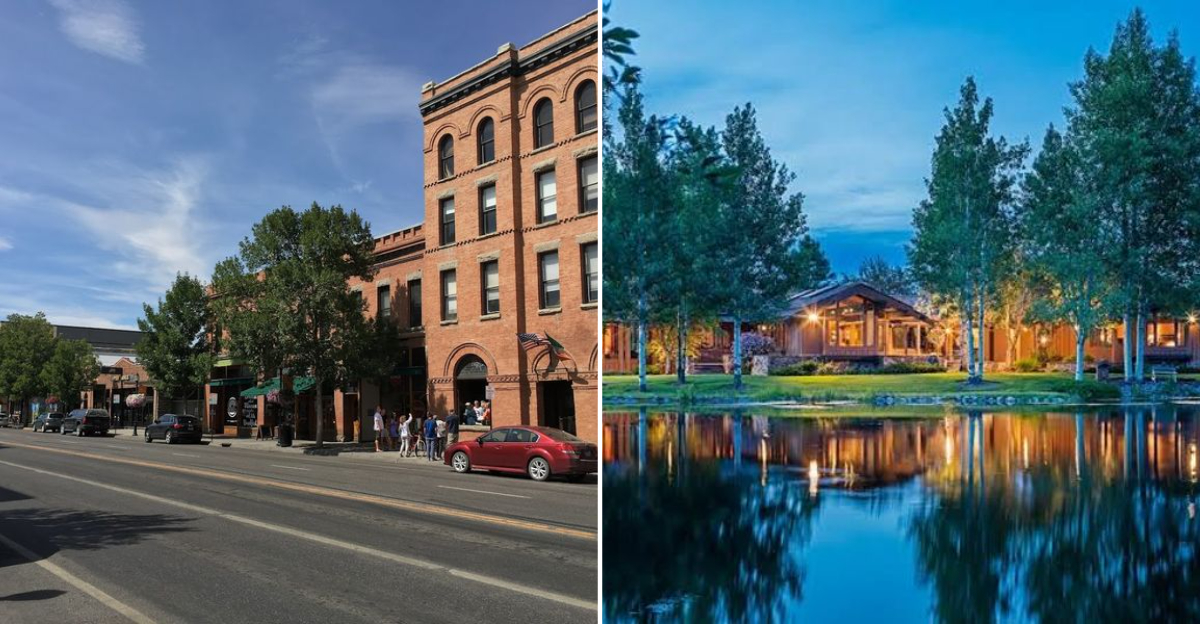
The cranes appeared before most people had time to form an opinion about them. By the time the conversation started, the permits were already approved.
Longtime residents describe a city that is recognizable in shape but different in feeling, the streets the same, the pace something else entirely. Montana doesn’t absorb rapid growth quietly, and this city is finding that out in real time.
Rent climbed in increments that outpaced wages without much public debate. Familiar businesses closed and the replacements catered to a demographic that hadn’t been here long enough to know what used to occupy the space.
The people who built this city over decades are watching a version of it take shape that nobody asked them about, and the worry in those conversations is no longer quiet.
Population Trends Influencing Urban Expansion
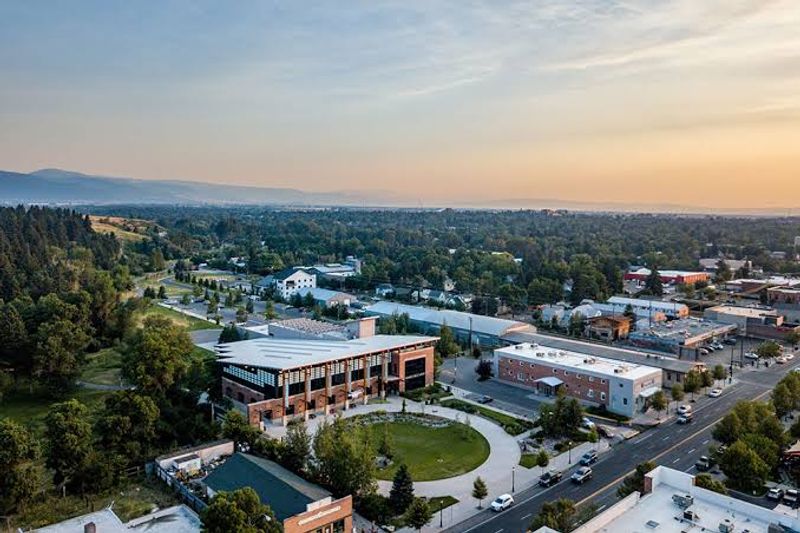
Numbers do not lie, and Bozeman’s numbers are telling a wild story. The city held roughly 59,872 residents in 2026, growing at 1.8% annually.
That might sound modest, but the cumulative effect is enormous.
Since 2020, the population has jumped 11.1%. The broader metro area hit 127,000 people in 2024.
Compare that to the US average growth of 2.5% in the same window, and Bozeman is clearly lapping the competition.
From 2010 to 2023, the city added about 17,762 new residents. That is not just a trend.
That is a transformation. Projections suggest Gallatin County could absorb 64,000 more people by 2045.
Bozeman itself may gain 28,800 additional residents in that same stretch.
Remote workers flooded in during the COVID-19 pandemic. The TV show Yellowstone made Montana look irresistible on screen.
Both factors supercharged an already hot destination.
Longtime locals remember a quieter version of this city. They watched neighborhoods change block by block.
Growth at this speed rarely comes without a cost, and Bozeman is paying that bill right now.
Economic Factors Driving City Development
Bozeman’s economy did not just grow. It accelerated.
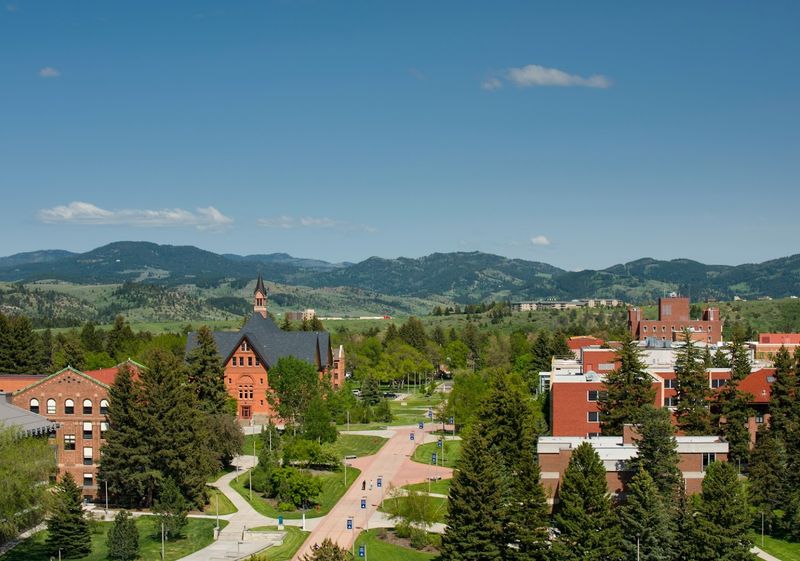
Montana State University anchors a steady base of jobs, research activity, and student spending year-round.
Tech companies started noticing the talent pool here. Remote work made geography less relevant.
Suddenly, professionals earning coastal salaries were choosing Bozeman over San Francisco or Denver.
That income gap created real tension. Local wages stayed relatively flat while new arrivals brought bigger paychecks.
Businesses catering to higher earners expanded quickly across downtown.
Outdoor recreation also drives serious economic weight. Skiing, hiking, fly fishing, and mountain biking bring tourists and new residents alike.
The hospitality and service sectors grew fast to meet that demand.
Yellowstone National Park sits about 90 miles south. That proximity is not just scenic.
It is an economic engine pulling visitors through Bozeman constantly throughout the year.
The cost of living here is now 29% above the national average. Housing expenses run 55% higher than the national benchmark.
Workers in essential roles, including healthcare and emergency services, often cannot afford to live where they work.
That gap between economic growth and wage growth is exactly what worries longtime residents. A booming economy sounds great until you realize the people who built that economy can no longer afford to stay.
Housing Market Shifts And Affordability

The housing market in Bozeman is not just expensive. It is jaw-dropping.
Median home prices in the greater Bozeman area have climbed to levels that put homeownership completely out of reach for many working families.
The rapid appreciation over recent years has been relentless. Figures that once seemed unthinkable have become the new baseline, leaving service workers, teachers, and young professionals with few realistic options.
Renters are not spared either. Apartment costs have risen sharply alongside home prices, hitting hard for those trying to build a life here on modest incomes.
The unhoused population in Bozeman surged dramatically between 2018 and 2024. That reality deserves a full stop.
A city growing this fast should not also be growing its homelessness crisis simultaneously.
Essential workers, including firefighters, nurses, and city employees, frequently commute long distances because they cannot afford local housing. Some leave the city entirely after years of service.
Developers focused on luxury builds because that is where the profit margins live. Affordable housing projects move more slowly and face more hurdles.
The gap between supply and need keeps widening.
Longtime residents who bought homes years ago are sitting on significant equity. But their adult children often cannot afford to stay in the same zip code.
That generational divide is one of the quieter heartbreaks of Bozeman’s growth story.
Infrastructure Demands And City Planning
Roads in Bozeman were not designed for this many people. Traffic backups that once happened during ski season now happen on a regular Tuesday afternoon.
That shift tells you everything.
Water infrastructure is under serious strain. The city sits in a semi-arid valley, and water resources are not unlimited.
Managing supply for a rapidly growing population requires planning that takes years to execute.
Parking downtown became a genuine daily frustration. New residents expect the convenience of a city.
Bozeman’s bones were built for a much smaller population.
City planners are scrambling to update zoning codes and development guidelines. Many residents feel those updates lag behind actual construction activity happening on the ground.
Multi-story buildings are appearing next to older single-family homes. That contrast creates both visual and social friction in established neighborhoods.
Longtime residents feel blindsided by how fast the skyline is shifting.
Urban tree canopy has been reduced as lots get cleared for new construction. Green space that once buffered neighborhoods from noise and heat is disappearing block by block.
Infrastructure investment takes time and money. Both are often in shorter supply than the political will needed to fund them.
Bozeman’s city government is working hard, but the pace of growth keeps outrunning the pace of planning.
Environmental Impacts Of Rapid Growth
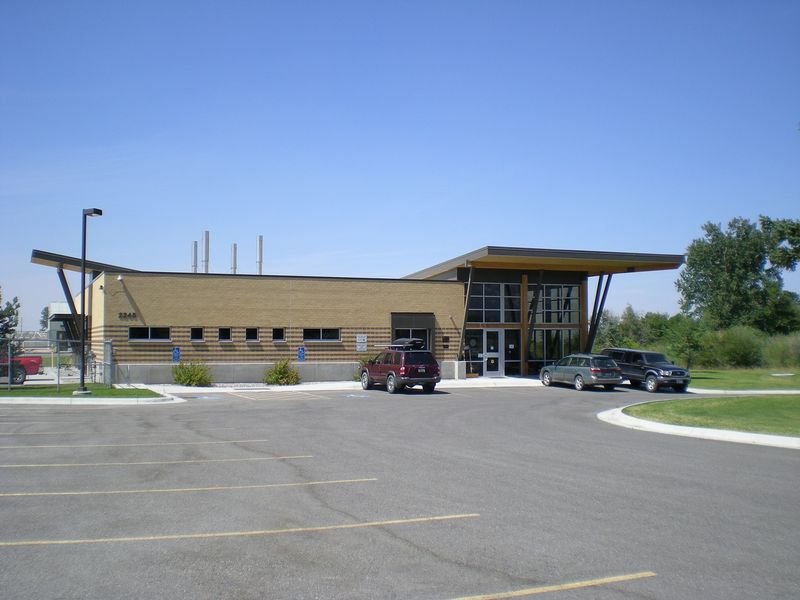
Bozeman sits inside one of the most scenic corridors in the American West. The Bridger Range rises to the north.
The Spanish Peaks anchor the south. That landscape is not just beautiful.
It is fragile.
Rapid development is eating into open land at a visible rate. Fields that held wildlife corridors just five years ago now hold subdivisions.
The transition happened faster than most locals expected.
Stormwater runoff increases as impervious surfaces replace natural ground. Local streams and wetlands absorb that pressure.
Water quality in nearby waterways faces growing risk as development spreads outward.
Urban forests are being removed to make way for luxury housing projects. Trees that took decades to grow disappear in an afternoon.
Neighborhoods lose both shade and ecological function in the process.
Wildlife movement patterns are disrupted when new roads and fences cut across migration routes. Deer, elk, and other animals that once moved freely through the valley now face new barriers every season.
Air quality concerns are also rising. More vehicles on the roads mean more emissions in a valley that can trap pollution under certain atmospheric conditions.
Winter inversions make that problem worse.
Residents who moved to Bozeman specifically for its natural environment now watch that environment shrink. The irony is not lost on anyone.
The very thing that drew people here is what rapid growth is slowly eroding.
Cultural Changes And Community Identity
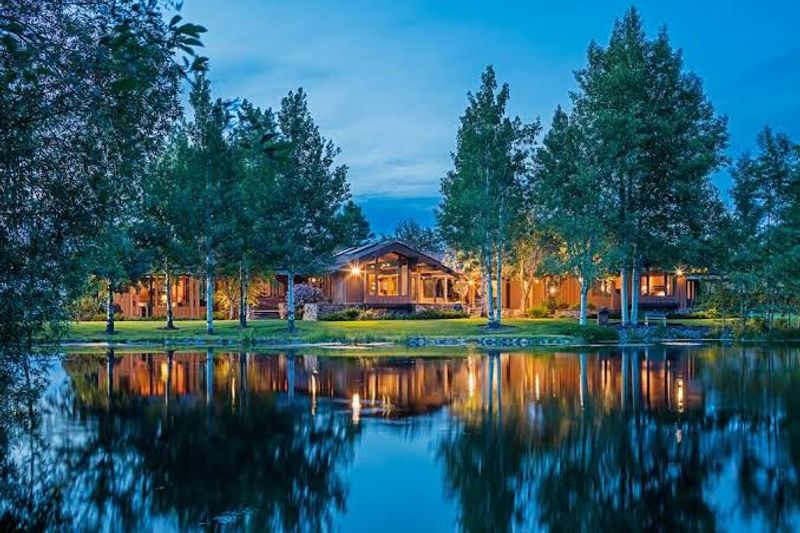
Bozeman used to feel like a college town with a ranch soul. That combination was genuinely rare.
Local diners, independent hardware stores, and community events gave the city a texture that felt earned, not manufactured.
New arrivals bring different expectations. Upscale boutiques and national chains now fill spaces that once held locally owned businesses.
The commercial strip looks more like Scottsdale than small-town Montana.
Long-term residents describe a loss of recognition. They walk streets they have known for decades and see unfamiliar faces, unfamiliar storefronts, and an unfamiliar pace.
That disorientation is real and worth taking seriously.
Montana State University still anchors the city’s intellectual and cultural energy. But even campus culture shifts when the surrounding community changes dramatically around it.
Historic preservation efforts have lost ground to development pressure. Buildings with genuine local history get replaced by structures optimized for profit rather than place.
That trade-off chips away at community memory.
New residents bring their own culture, values, and expectations. That is not inherently bad.
But when the pace of arrival outstrips the pace of integration, friction builds quickly.
Community events that once drew familiar faces now draw crowds of strangers. That shift from community gathering to public spectacle changes the emotional weight of those traditions.
Longtime residents feel like guests at their own party, and that feeling does not fade easily.
Local Government Responses To Growth
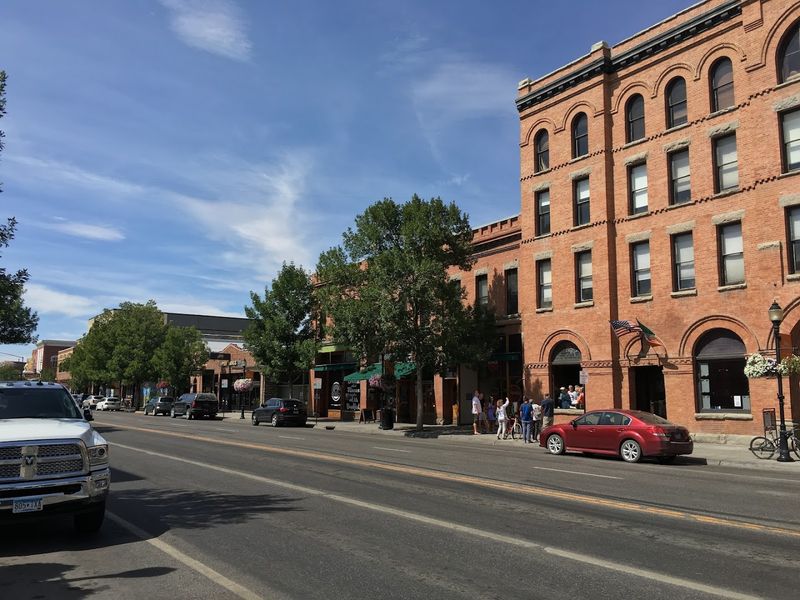
City officials in Bozeman are not ignoring the growth crisis. They are actively revising community plans, updating development codes, and trying to channel growth more strategically across the metro area.
The challenge is speed. Planning processes move on a timeline measured in months and years.
Development decisions happen in weeks. That gap creates outcomes that frustrate residents and overwhelm infrastructure.
Zoning reform has been a central battleground. Some proposals aim to increase housing density to bring costs down.
Others prioritize neighborhood character over supply increases. Both sides have vocal advocates.
Affordable housing mandates have been discussed and debated at length. Implementation has been slower than the conversation.
Developers often find ways to minimize their affordable unit requirements under existing rules.
Gallatin County and the City of Bozeman do not always align on growth priorities. That jurisdictional tension slows coordinated responses to regional challenges like transportation and water management.
Residents have pushed for more equitable representation in local government decisions. There is a growing sense that development interests carry more weight than neighborhood voices in key planning discussions.
Some progress is visible. New parks, updated road projects, and revised zoning in select areas show that the city is trying.
But many residents feel the government is perpetually one step behind a city that is running faster than anyone planned for.
Social Challenges In Expanding Communities
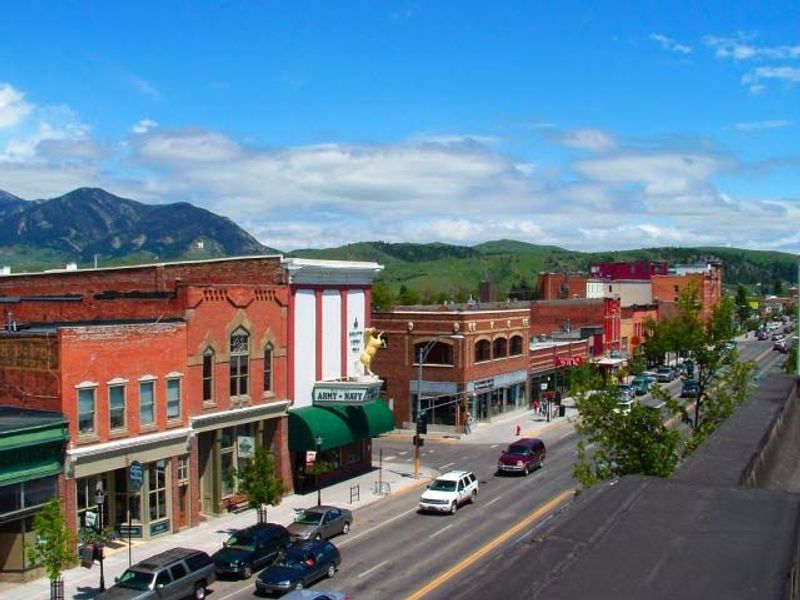
Fast growth does not just reshape skylines. It reshapes the social fabric.
Bozeman is learning that lesson in real time, and the strain is visible across multiple layers of daily life.
Income inequality has sharpened noticeably. Wealthy newcomers and established professionals occupy a different economic reality than service workers, teachers, and young families trying to stay.
That gap generates real resentment.
School enrollment is climbing while resources stretch to keep pace. Classroom sizes grow.
Teachers face higher costs of living on salaries that have not kept up. Some leave the profession or the city entirely.
Mental health resources are under pressure. More residents mean more demand for counseling, crisis services, and community support programs.
Supply has not matched the need.
The unhoused population grew 280% between 2018 and 2024. That figure reflects the human cost of a housing market that moved faster than social safety nets could absorb.
Real people fell through that gap.
Social trust between longtime residents and newcomers takes time to build. When turnover happens fast, that trust does not get a chance to develop.
Neighbors remain strangers longer than feels healthy for a community.
Volunteer organizations and civic groups that once ran on familiar relationships now operate in a more transient environment. Recruiting, retaining, and connecting community members requires more intentional effort than it used to.
Bozeman is still figuring out how to do that at scale.