
This Florida Lake Is One Of The State’s Better-Known Spots For Regular Snake Sightings
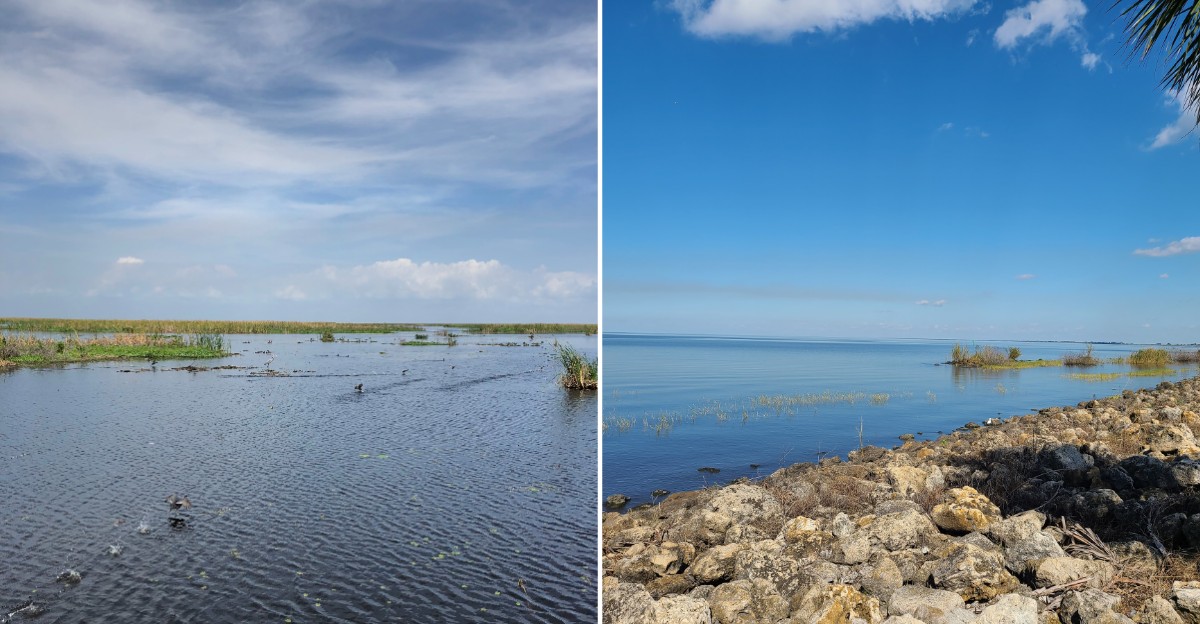
Snakes are only dangerous if you happen to step on one, otherwise these shy creatures will go out of their way to avoid you entirely. This Florida lake still ranks among the state’s better-known spots for regular sightings.
Wildlife officials tracked increased activity across this specific area compared to previous seasons. Warmer temperatures likely played a role, keeping snake activity higher during peak summer months.
Wooded shorelines and rocky areas tend to see the highest concentrations, especially near the water’s edge. Visitors report more frequent encounters lately, sometimes even along popular swimming and fishing spots.
Officials recommend basic precautions like watching where you step and avoiding tall grass near the shore. This lake remains worth visiting, provided guests stay aware of exactly what shares the water with them.
Florida’s Liquid Heart Sets The Stage
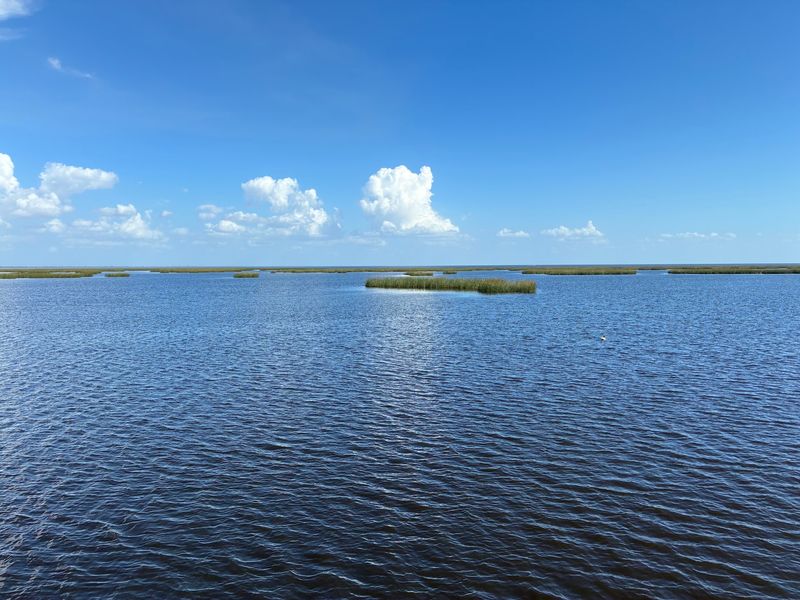
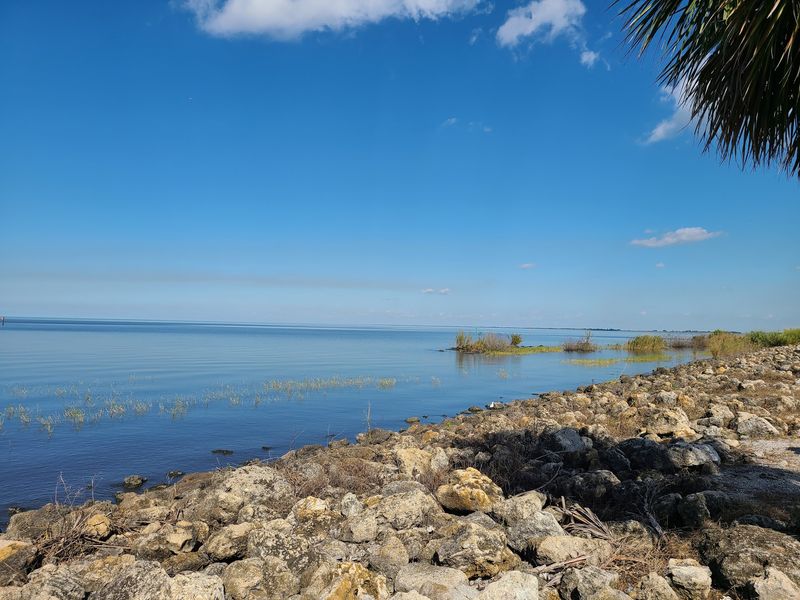
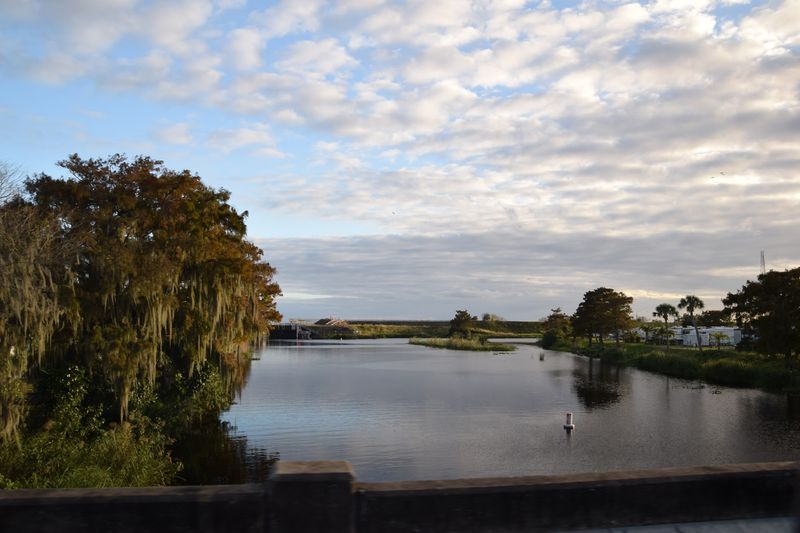
Picture a lake so wide that the far shore disappears over the horizon. Lake Okeechobee covers about 730 square miles, making it the largest lake in Florida and the second-largest freshwater lake in the lower 48 states.
Locals call it the Big O or Florida’s liquid heart, and both nicknames fit. Here’s the funny part, though.
For all that size, the water averages only about nine feet deep.
That shallow depth is the secret to the whole snake story. Sunlight reaches the bottom, plants grow thick, and miles of marsh spread along the edges.
Marsh means fish, frogs, crayfish, and insects, which basically makes it an all-you-can-eat buffet for snakes.
South Florida is home to around 34 or 35 native snake species, plus a few invasive ones, out of 46 species found statewide. A big share of them feel right at home around this lake.
Wetlands, grassy banks, and brushy edges give them places to hunt, hide, and soak up the sun.
The lake also does serious work for people. It helps with flood control and water supply, and it shapes the ecology of the entire region.
The rural towns around it, like Okeechobee City and Clewiston, keep the mood relaxed and outdoorsy.
The lake sits in south-central Florida, and a handy shoreline starting point is Okee-Tantie Recreation Area at 10430 SR 78 W, Okeechobee, FL 34974.
Watersnakes Rule The Shallows
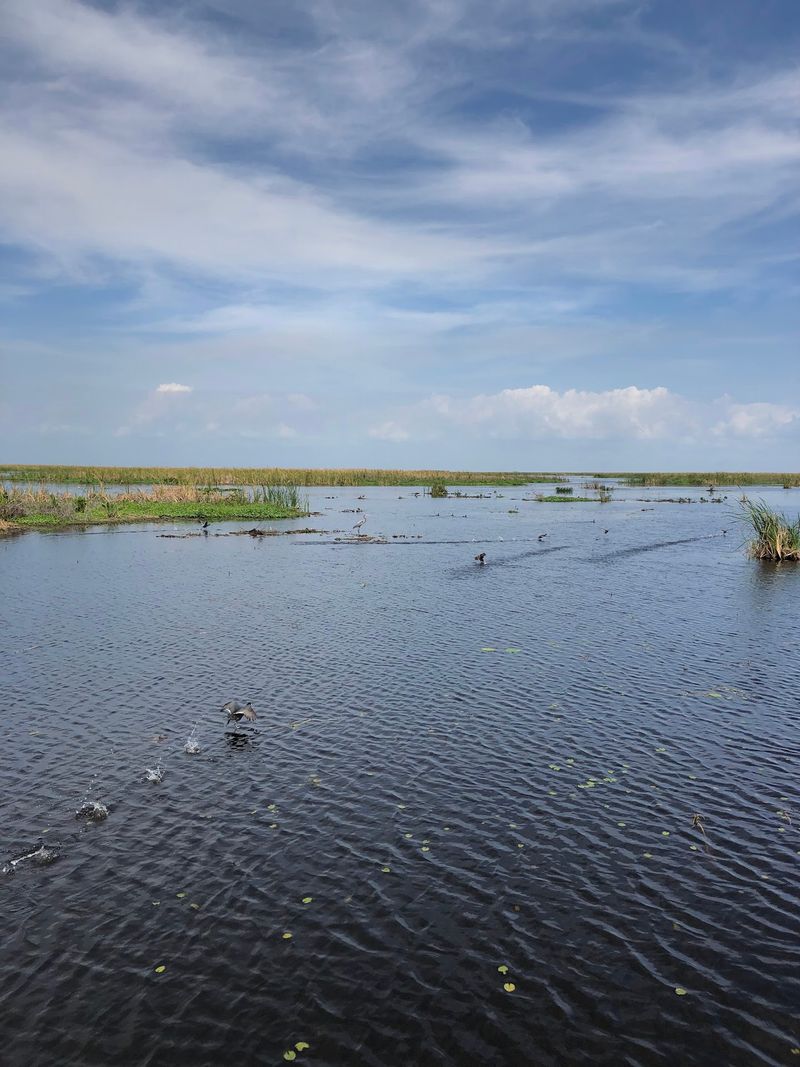
Most snakes spotted at the lake are not out to ruin anybody’s day. The majority are harmless watersnakes, and they spend their time doing one thing really well, which is catching fish.
The usual cast includes the brown watersnake, the Florida green watersnake, and the southern watersnake, which also goes by banded watersnake or Florida watersnake. All three are strong swimmers.
They cruise the shallows, poke around vegetation, and grab fish with impressive speed.
Then there are the smaller characters. The striped swamp snake, sometimes called the striped crayfish snake, loves thick marshy spots.
The swamp snake is a slim, dark little colubrid that slips through slow water hunting amphibians, small fish, and invertebrates.
On land, the Eastern kingsnake, the Florida kingsnake, and the South Florida mole kingsnake also call the region home. Kingsnakes are famous for eating other snakes, including venomous ones.
Talk about a useful neighbor.
Here’s a practical tip. Watersnakes often get mistaken for cottonmouths, and plenty of harmless snakes have been wrongly blamed because of it.
The best move is simple, which is to admire from a few steps away and never try to grab one for a closer look.
Watersnakes will bite if handled, and they can release a stinky musk that nobody wants on their hands. Keep a camera with a good zoom handy instead.
The photos come out better anyway.
The Cottonmouth Deserves Your Respect
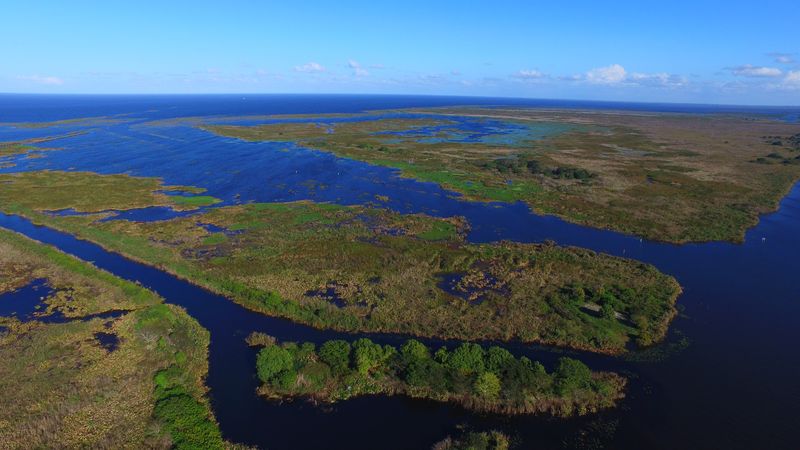
Every lake story needs a villain, and around here the role often goes to the Florida cottonmouth. To be fair, this snake isn’t evil.
It just has a bad reputation and a venomous bite to back it up.
Also called the water moccasin, the cottonmouth is a thick, heavy-bodied snake that usually measures 30 to 48 inches long. It lives in wetlands, canals, and waterways all around the lake.
That means marsh edges and the rim canal are prime territory.
The name comes from a defensive trick. When it feels threatened, the snake opens its mouth wide to show off a bright white lining. Think of it as the snake version of yelling back off.
Cottonmouths usually prefer to stay put or slide away rather than start trouble. Most bites happen when people try to handle, poke, or step on one.
So watch where your feet land, especially in tall grass or near the water’s edge.
A few habits make a big difference. Wear closed shoes instead of sandals, carry a flashlight after dark, and never reach blindly into brush or under logs.
Anglers should check around docks and boat ramps before setting gear down.
If a bite ever happens, stay calm and get medical help right away. Skip the old movie tricks like cutting the wound.
Respect this snake, give it room, and it will happily ignore you.
Rattlers And Coral Snakes On Dry Ground
Ever heard the rhyme about red touching yellow? It’s an old saying people use to tell the coral snake apart from harmless lookalikes, and it matters in Florida.
Just don’t bet your safety on a rhyme alone.
Water isn’t the only snake zone near the lake. Drier spots, pine areas, and palmetto patches can also shelter venomous species found across Florida.
That list includes the Eastern diamondback rattlesnake, the timber rattlesnake, the pygmy rattlesnake, and the coral snake.
The Eastern diamondback is the heavyweight of the group. It has a bold diamond pattern and a rattle that works like a built-in warning siren.
If that buzzing sound starts, the snake is asking for space, so give it plenty.
Pygmy rattlesnakes are the opposite. They’re small, and their rattle sounds more like an insect than an alarm.
Keep an eye on sunny patches of trail where they like to rest.
Coral snakes are shy and spend lots of time hidden under leaves or logs. Their bright red, yellow, and black bands look almost like a toy.
That’s exactly why kids should learn early to look but never touch.
The best defense is awareness. Stick to cleared paths, watch the ground ahead, and use a stick or trekking pole to check thick grass before stepping in.
A little caution keeps the adventure fun instead of frightening.
Pythons Knocking On The Southern Door
Some visitors to Florida never go home, and the Burmese python is the most famous example. These giant constrictors came from Southeast Asia and spread through the Everglades after escaping or being released.
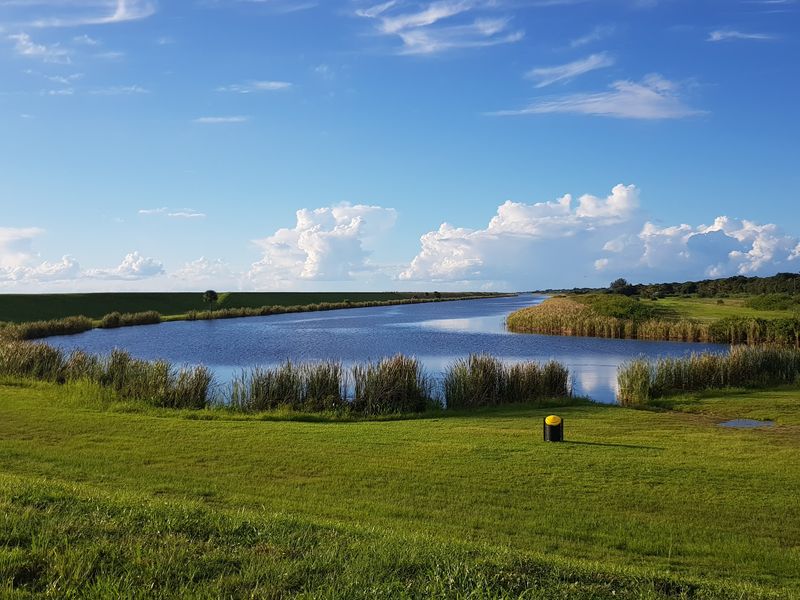
Lake Okeechobee sits near the northern edge of the python’s known range in the state. Sightings have been reported near the lake, though the snakes are not usually found out in the open water itself.
Experts keep a close eye on this area for that reason.
Size is what makes people gasp. Burmese pythons can grow longer than 15 feet and weigh more than 200 pounds. That’s heavier than many grown adults.
They’re also masters of hiding. Their patterned skin blends into grass and mud so well that trained searchers can walk right past one.
Because they’re hard to find, they’re hard to control, and they eat a lot of native wildlife like birds and small mammals.
Not every invader is a monster, though. The Brahminy blind snake is a tiny, thin, shiny snake from southern Asia.
It looks a lot like a worm and is often found in garden soil or potted plants.
Spotting a python is worth reporting. Florida wildlife officials track sightings to help protect native animals, so note the location and snap a photo from a safe distance.
Leave the wrestling to trained experts, no matter how tempting a viral video might sound.
A Shoreline Base Near Okeechobee City
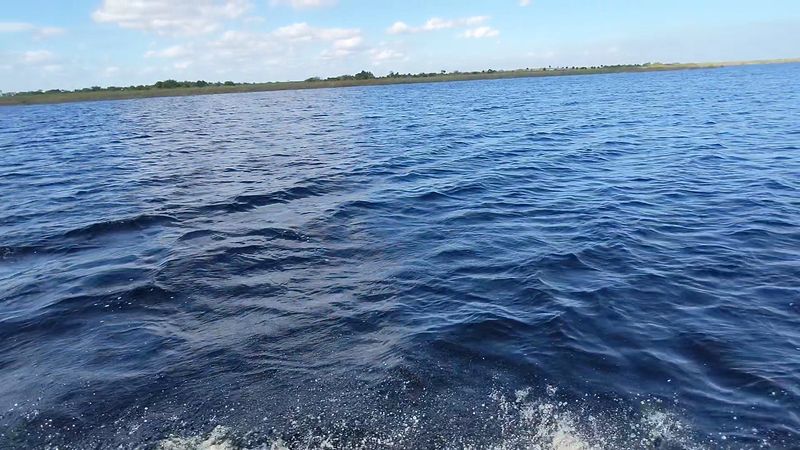
Not everyone wants to hunt for snakes from an airboat, and that’s totally fine. Okee-Tantie Recreation Area near Okeechobee City offers an easy way to enjoy the lake from solid ground.
The area sits where the Kissimmee River meets the lake, which creates a busy mix of water, grass, and wildlife. It has a boat launch, a campground, and a marina.
That makes it a solid home base for anglers, campers, and curious wildlife watchers.
Birding and wildlife viewing are big draws here. Early morning and late afternoon tend to bring the most action, when snakes warm up in the sun and wading birds hunt the shallows.
Bring binoculars, because the best sightings often happen at a distance.
Campers get an extra bonus. Evenings along the water often come with bright sunsets and a starry sky away from big city lights.
After dark, a flashlight sweep across the water can reveal glowing gator eyes, which is spooky and awesome at once.
A few smart habits help here. Keep food sealed, keep pets on a short leash, and don’t let kids wander along the waterline alone.
Gators and cottonmouths both like the same grassy edges people do.
For anyone heading out by boat, a good map or GPS matters. Tall grass can block landmarks, and the lake is big enough to get turned around fast.
Tell someone your route before leaving the dock.
Riding The Lake Okeechobee Scenic Trail
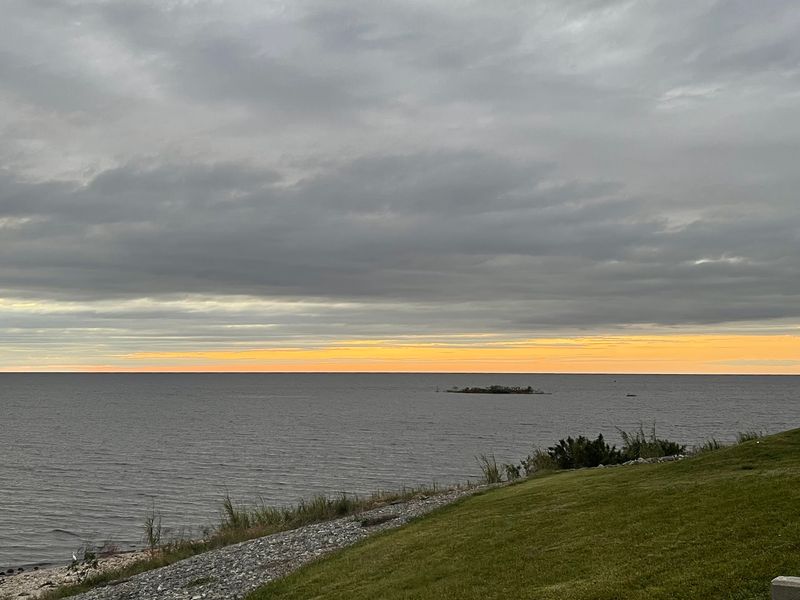
Imagine walking on top of a giant wall with a lake on one side and farmland on the other. That’s pretty much the deal on the Lake Okeechobee Scenic Trail, which locals shorten to LOST.
Yes, the name is a little ironic for a trail that goes in one big circle.
The trail runs about 110 miles along the Herbert Hoover Dike, a 35-foot-high earthen levee that wraps around the lake. From up there, the view stretches over marshes, canals, and open water.
Height helps with snake spotting in a sneaky way. Looking down from the dike gives a clear view of sunny banks and grassy edges where snakes like to bask.
Birds are easy to spot too, from herons to ospreys circling overhead.
Biking is a favorite way to cover more ground. The path is flat, so even beginners can handle a few miles without much trouble.
Walkers and joggers use it too, and plenty of spots along the way work well for a picnic break.
Florida sun shows no mercy, so pack more water than seems necessary and wear a hat. Shade is hard to find along the dike.
Bug spray is smart as well, since mosquitoes love calm days.
Sections near towns tend to have parking and easy access points. Pick a short stretch first, then come back for more once the lake works its magic.
Wild Neighbors And Spooky Lake Legends
Snakes may get the headlines, but they’re hardly the only stars here. The lake is home to an estimated 30,000 alligators, which is enough to make anyone rethink a swim.
Watching them sun on the banks never gets old.
Birdwatchers get a real treat. The Everglades snail kite, a rare hawk that eats apple snails, hunts over the marsh.
Great blue herons, snowy egrets, ospreys, and bald eagles round out the lineup.
Anglers know this place for world-class largemouth bass, along with black crappie, catfish, and bluegill. Manatees, wild turkeys, deer, bobcats, and wild hogs have also been seen around the water.
It’s a whole neighborhood, and snakes are just one part of it.
Then come the stories. Local lore talks about the Okeechobee Skunk Ape, an ape-like creature said to have glowing red eyes.
Some folks even wonder if prehistoric creatures hide in the murky depths, though nobody has pulled one out on a fishing line yet.
One tale carries a more serious tone. When water levels dropped in the early 1900s, a hidden burial area reportedly came to light, holding dozens of skeletons.
Some believe they belonged to Seminole people who suffered through famine, war, and disease.
History, wildlife, and a dash of mystery all mix here. Visit with respect, keep a safe distance from anything with scales, and let the lake tell its own story.