
This Florida State Park Is One Of The Few Places Where You Can Hunt For Ancient Fossils
Most people go to a state park hoping to spot wildlife or find a quiet trail. In Florida, you can spend the day searching the ground for pieces of life that disappeared millions of years ago.
That changes the whole mood of a visit. Every scoop of sand and every patch of exposed earth can hold a shark tooth, bone fragment, or fossilized clue tied to creatures that once moved through this part of the state.
The thrill is not knowing what might turn up next. One small discovery can make you forget how long you have been searching.
Florida already has beaches, springs, and wild landscapes that pull people outdoors, but fossil hunting adds something far more unusual. Few trips let you come home with a piece of ancient history in your hand.
At this park, the state’s distant past is not sealed behind museum glass. It is still waiting to be found.
A Creek Bed Packed With Prehistoric Treasure
Some parks offer souvenirs in a gift shop, but this one hides them in the gravel. Paynes Creek Historic State Park sits along the Peace River, a waterway famous for fossils.
Shark teeth are the most common prize, and many are small, shiny, and nearly black. Pieces of ancient bone, turtle shell, and even horse teeth sometimes turn up too.
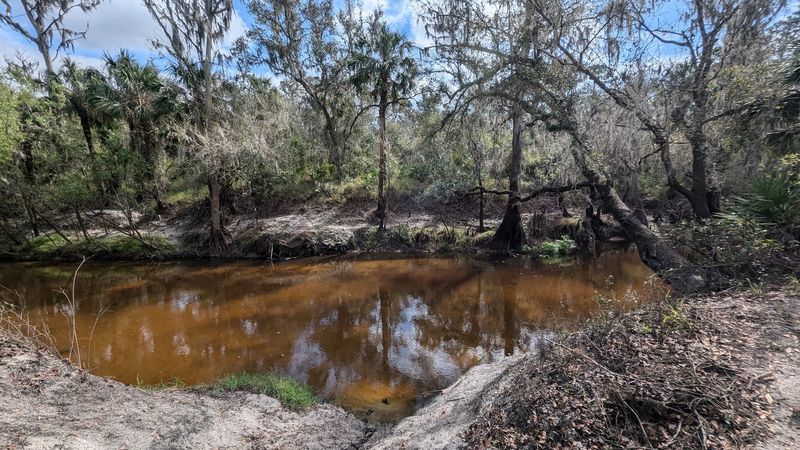
The Peace River region was once covered by a shallow sea. Over time, layers of sediment trapped the remains of sea creatures and later land animals.
Today, the moving water slowly washes those old treasures out of the banks. Each rainy season can reveal a fresh batch waiting to be found.
Part of the fun is that nobody knows what the next scoop will bring. You might find a dozen tiny teeth or one surprising bone chip.
That sense of mystery keeps both kids and grown-ups hunched over their sifters for hours. It feels a bit like a treasure map with no X marking the spot.
Patience is the real secret here. The sharpest eyes usually belong to the calmest hunters.
Rules Every Fossil Hunter Should Know First
Nothing spoils a good hunt faster than breaking a rule you never heard about. Luckily, the guidelines for fossil collecting in the state are simple and friendly.
Hand tools and small screens are the standard gear for casual searching. Big digging equipment is not allowed, and the banks should never be dug into.
Shark teeth, shells, and plant fossils are generally fine for personal collections. Vertebrate fossils, like bones from larger animals, need a special state permit for collecting.
Native American artifacts are a different story altogether. Arrowheads and pottery pieces are protected and must stay exactly where they belong.
Park rules can also change with water levels and safety conditions. A quick check with the staff at the entrance gate is always a smart first step.
Asking questions before you start saves plenty of headaches later. It also helps protect this special place for the next curious explorer.
Think of the rules as part of the adventure. Every good scientist follows a careful plan, and fossil hunters are no different.
Packing The Perfect Fossil Hunting Kit
A kitchen colander might be the most underrated fossil tool in history. Many hunters swear by a simple screen with small holes for sifting gravel.
A short garden trowel or scoop helps lift gravel from the creek bottom. Water shoes protect feet from sharp rocks and slippery spots.
Bring a small bag or container with a lid for your finds. Tiny teeth have a sneaky habit of vanishing from open pockets.
Sun protection matters a lot along open stretches of water. A wide hat, sunscreen, and bug spray will keep you comfortable longer.
Water is another must, since the park has no vending machines. Pack plenty of drinks and snacks before you arrive.
A towel and a dry change of clothes make the ride home far more pleasant. Wet shorts rarely improve a long car trip.
Finally, toss in a magnifying glass if you have one. Looking closely at a find turns a small tooth into a big conversation starter.
Where Two Waterways Meet
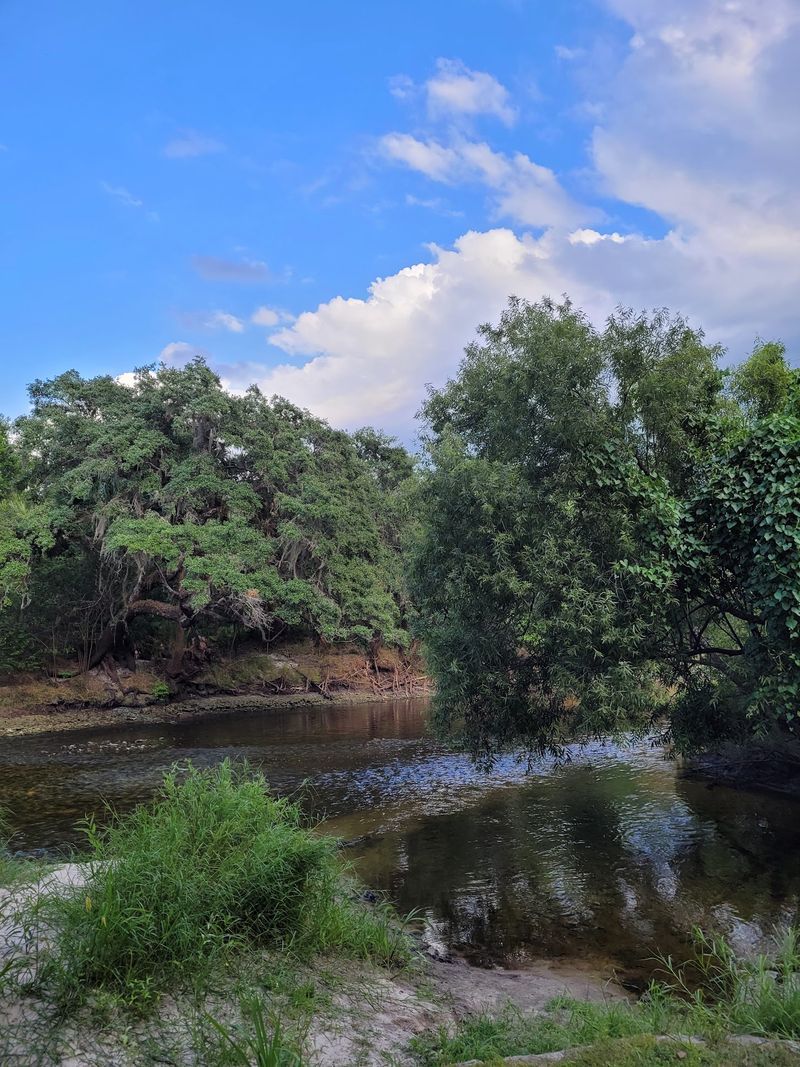
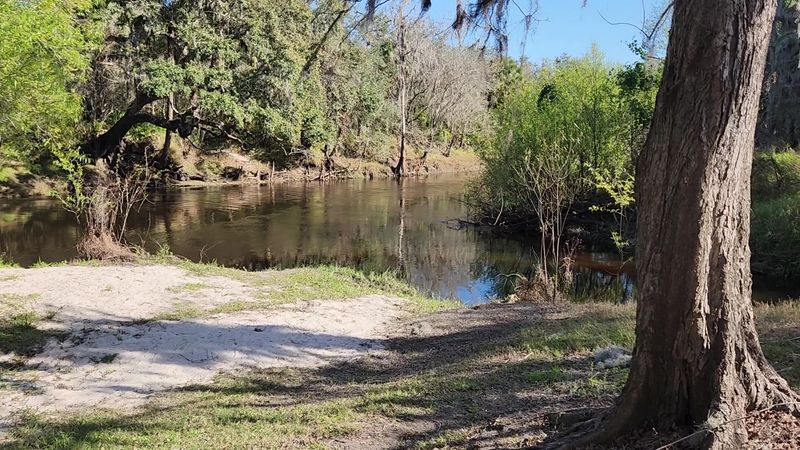
Rivers love a good meeting spot, and this one delivers a beauty. Payne Creek joins the Peace River right inside the park boundaries.
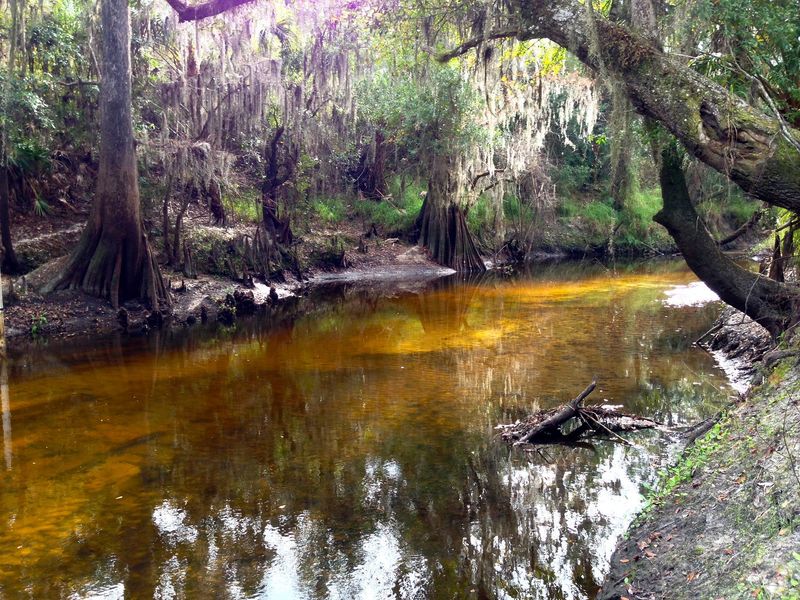
The confluence is one of the prettiest views along the trails. White sand banks, tall cypress trees, and gentle curves of water create a peaceful scene.
The water often has an orange or tea-like tint. That color comes from natural tannins released by leaves and plant roots.
It may look unusual, but it is a normal feature of many rivers in this part of the state. The shade adds a warm glow when sunlight hits the surface.
Giant oaks mingle with the cypress trees along the shoreline. Many have stood strong through countless storms over the years.
Birds often gather near this junction to feed and rest. Keep your eyes on the treetops and the sandy edges.
A few quiet minutes here can feel surprisingly refreshing. It is a lovely place to pause between fossil sifting and hiking.
A Swinging Bridge That Steals The Show
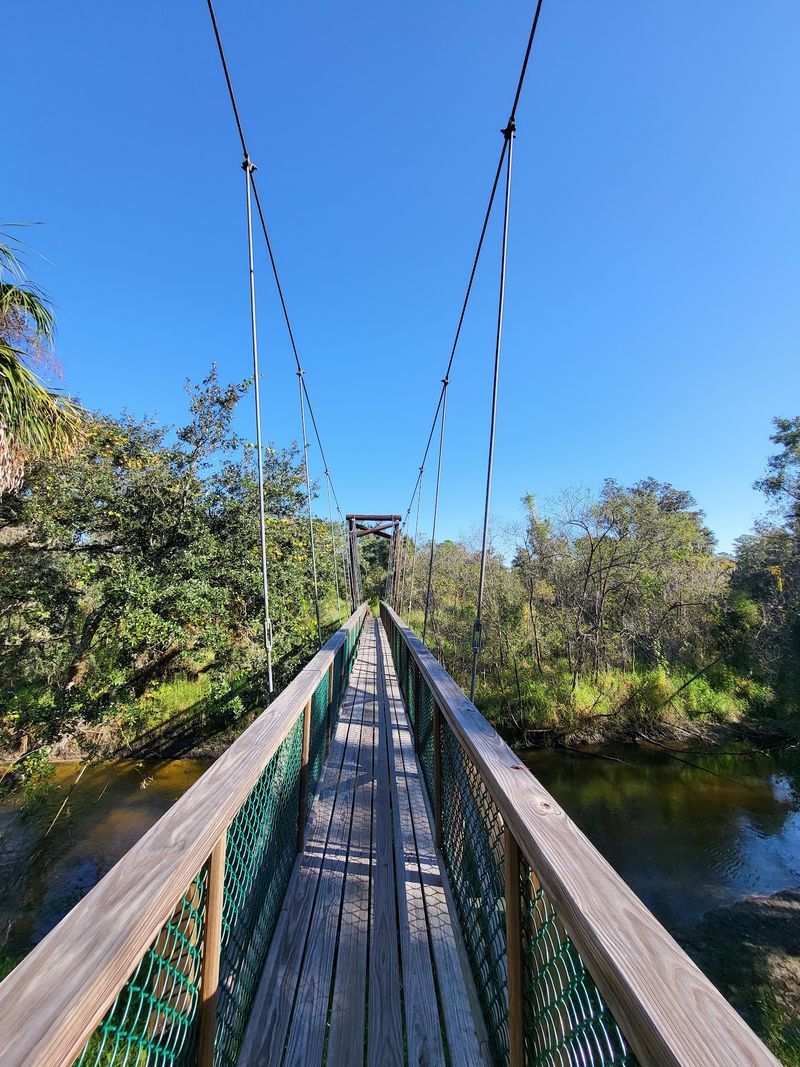
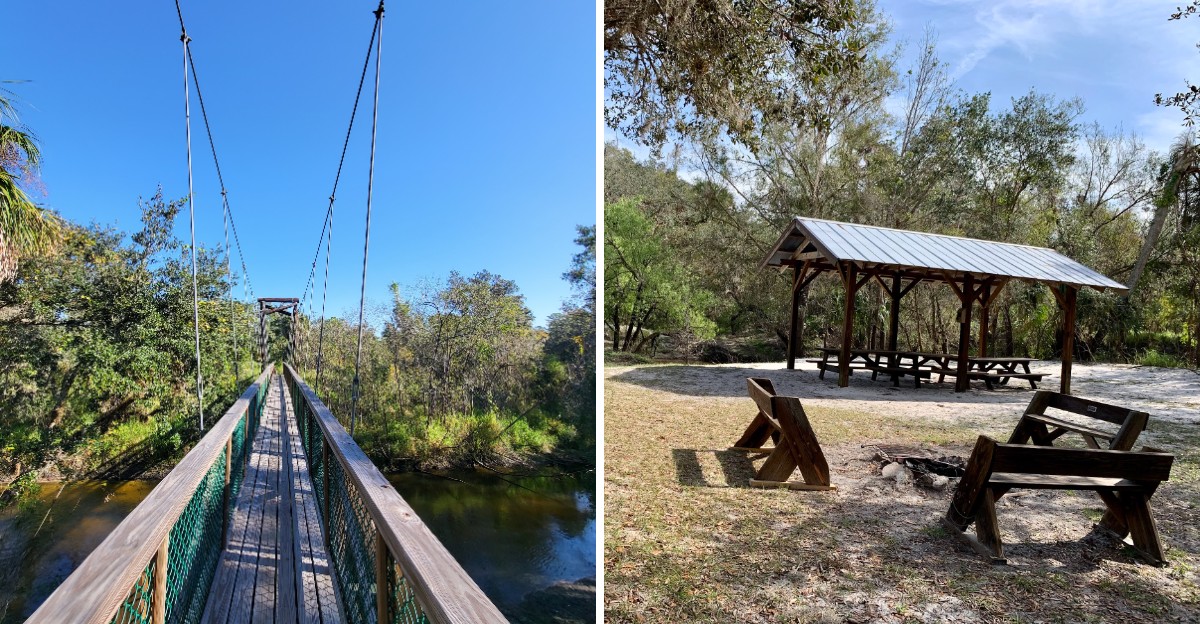
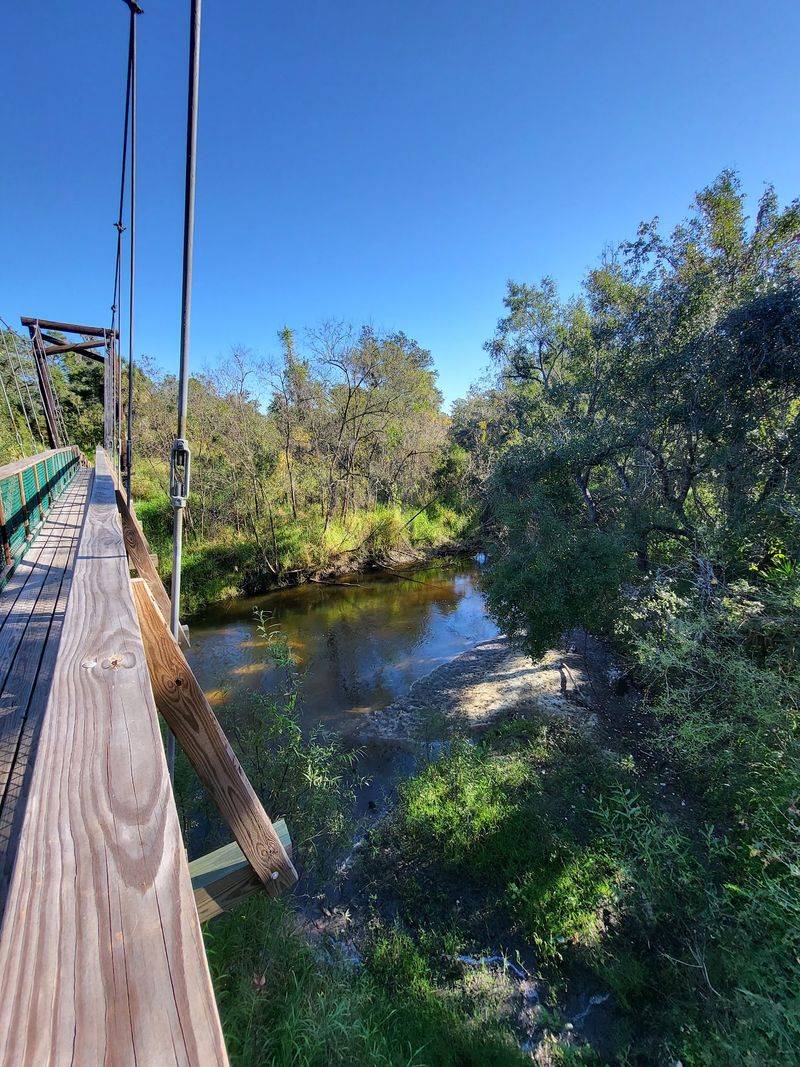
Few trail features earn as many happy grins as a good suspension bridge. This one crosses Payne Creek and sways just enough to feel exciting.
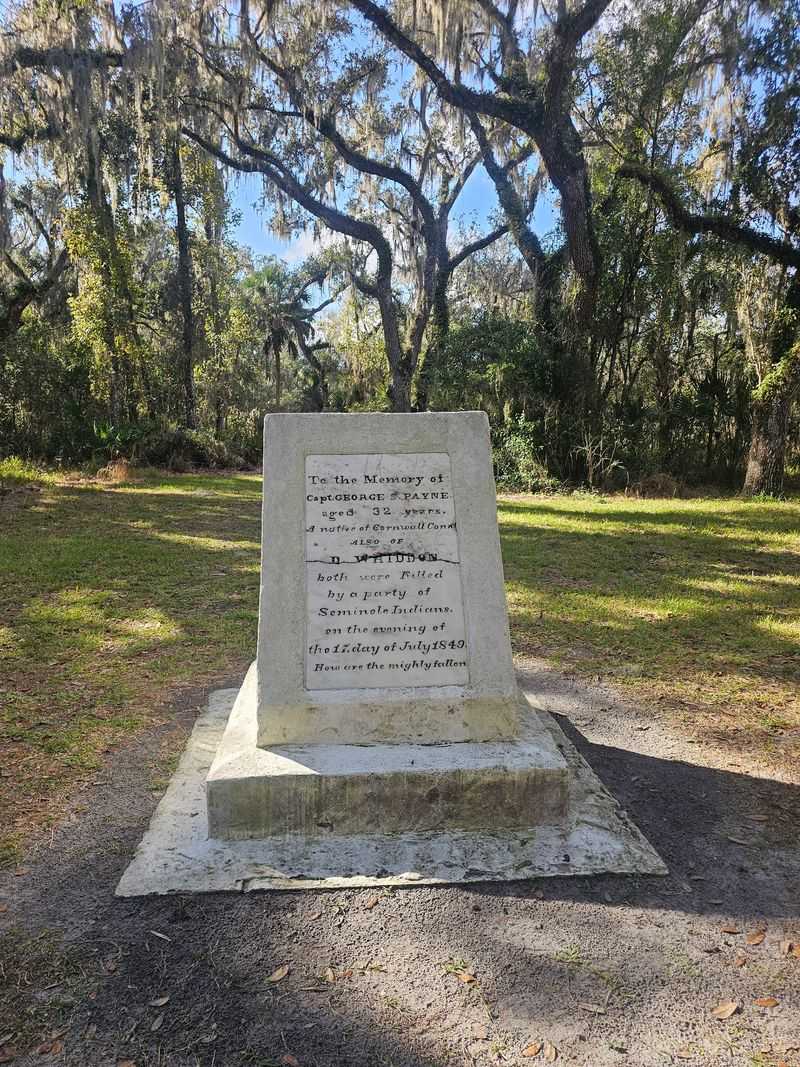
The bridge sits behind the picnic area along an unpaved path. It leads toward a monument honoring Captain George Payne and a fellow trader.
The walk there and back takes around 20 minutes for most people. The path is fairly easy, with flat ground and a relaxed pace.
Kids especially love stepping onto the planks and feeling the gentle bounce. Adults often end up smiling just as much.
The views from the middle are worth a pause. Look down at the creek and you might spot turtles or fish below.
Photographers find plenty to work with here too. The bridge framed by green trees makes a lovely picture in any season.
Hold the rails, take your time, and enjoy the little thrill. It is one of the most talked-about spots in the whole park.
Frontier Stories Inside The Visitor Center
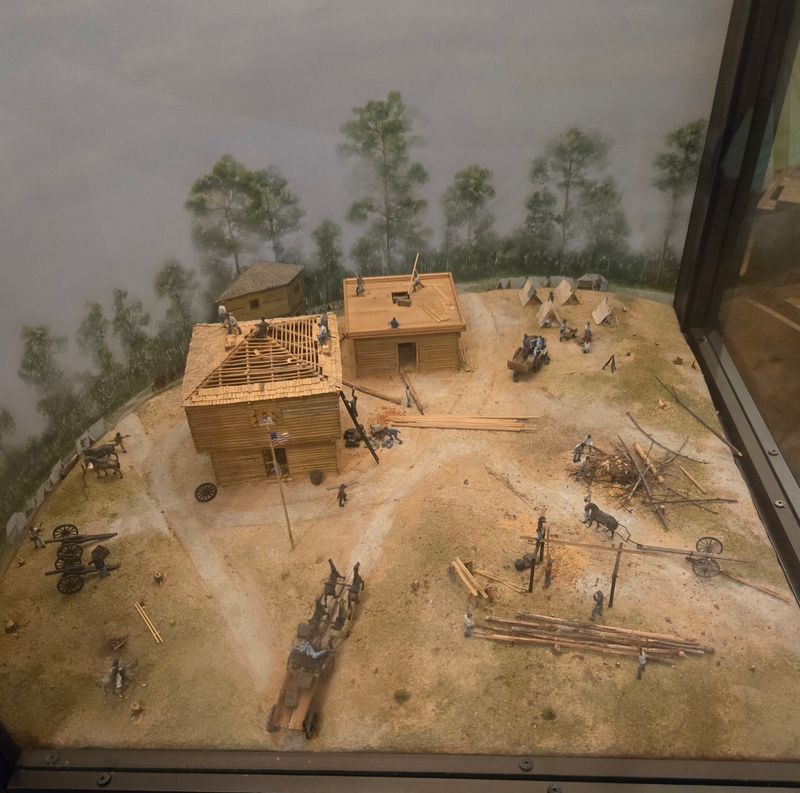
History lovers, get ready for a crash course in frontier life. The visitor center holds a small museum about 19th-century pioneers and the Seminole people.
Back in 1849, a trading post called the Kennedy-Darling Store operated on this land. Traders exchanged goods with Seminoles who lived in the region.
Tensions rose after an attack at the store that year. The event became an important moment in the area’s frontier history.
A short film, about 12 minutes long, helps explain the story. It is a great way to understand the park before heading outdoors.
Displays include artifacts and signs covering the Seminole Wars era. They shed light on how different groups lived and clashed in this region.
The center also offers clean restrooms, water fountains, and trail maps. Staff can point you toward the best spots for your plans.
Spending a half hour here adds rich meaning to every trail. The land feels different once you know its stories.
The Old Fort Chokonikla Site
Forts do not always leave towers behind, but they leave plenty of stories. Fort Chokonikla once stood near the visitor center after the 1849 trading post events.
It was part of a chain of forts built across the southern part of the state. Many towns today still carry names from that same network.
The fort was used only for a short time before being abandoned. Illness among the soldiers made the site difficult to keep running.
No walls remain today, so imagination does the heavy lifting. Signs help you picture where buildings and defenses once stood.
A short paved path behind the visitor center leads to the site. It is an easy stroll for almost anyone in your group.
Standing there brings the museum exhibits to life in a quiet way. You are walking on ground shaped by real events from long ago.
It makes a nice short stop before or after fossil hunting. History and prehistory share the same backyard here.
Paddling The Peace River
Paddles might be the best fossil-hunting upgrade you can bring. A canoe or kayak opens up quiet stretches of the Peace River beyond the trails.
The park has a canoe launch that makes getting on the water simple. Many paddlers enjoy drifting past cypress trees, sandbars, and shady banks.
Going downstream feels easy and relaxing. Just remember you will need to paddle back upstream to return.
Plan your energy carefully and turn around before your arms get tired. A slow, steady rhythm usually works best.
Wildlife sightings are common from the water. Alligators, eagles, and many kinds of birds call this river home.
Keep a safe distance from gators and never feed them. Respecting wildlife keeps everyone happy and safe.
Sandbars along the river can also be fun spots for a break. Check the rules and water levels before stopping to sift for fossils.
Trails Full Of Wild Neighbors
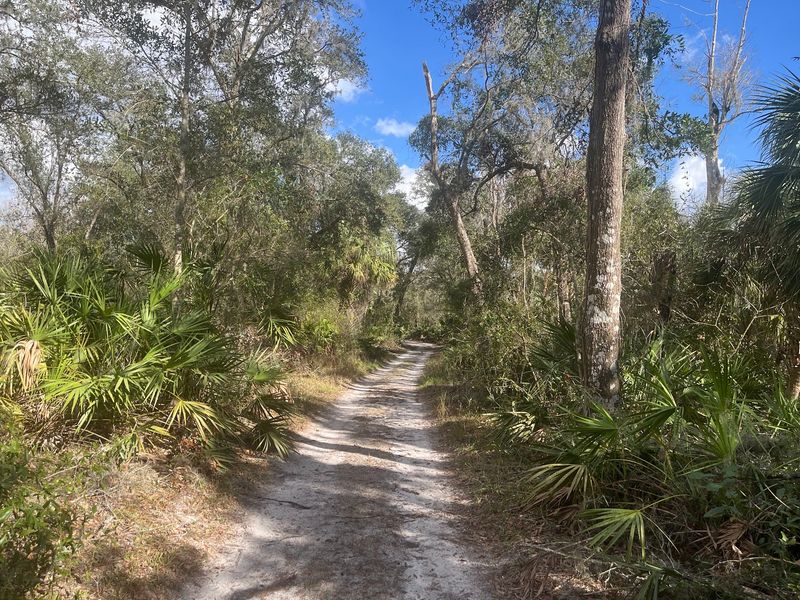
Sneakers work just as well as screens for finding surprises here. The park has several miles of trails through forest, flatwoods, and riverbanks.
Popular paths include the Peace River Trail, the Historic Trail, and the Flatwoods Trail. Most are flat, wide, and fairly easy to follow.
Wildlife fans will find plenty to watch along the way. Gopher tortoises, armadillos, squirrels, and swallow-tailed kites all make appearances.
Birdwatchers can spot a wide variety of species in a single morning. Barred owls sometimes call out with their famous hooting song.
Spring brings colorful wildflowers along the edges of the paths. Benches scattered around give tired legs a chance to rest.
Some trails are sandy and unpaved, so strollers may struggle. Sturdy shoes and plenty of water will make the hike more comfortable.
Leashed dogs are welcome, which makes it great for pet owners. Just keep pups close, especially near the water’s edge.
Planning Your Day At The Park
Great adventures start with a little homework. The park sits at 888 Lake Branch Rd in Bowling Green, Florida in the heart of the state’s Bone Valley region.
Gates open daily from 8 a.m. until sundown hours listed as 8 p.m. The entry fee is a budget-friendly three dollars per vehicle.
Cash is handy, though a QR code payment option has been offered. Check the official park website before heading out for current details.
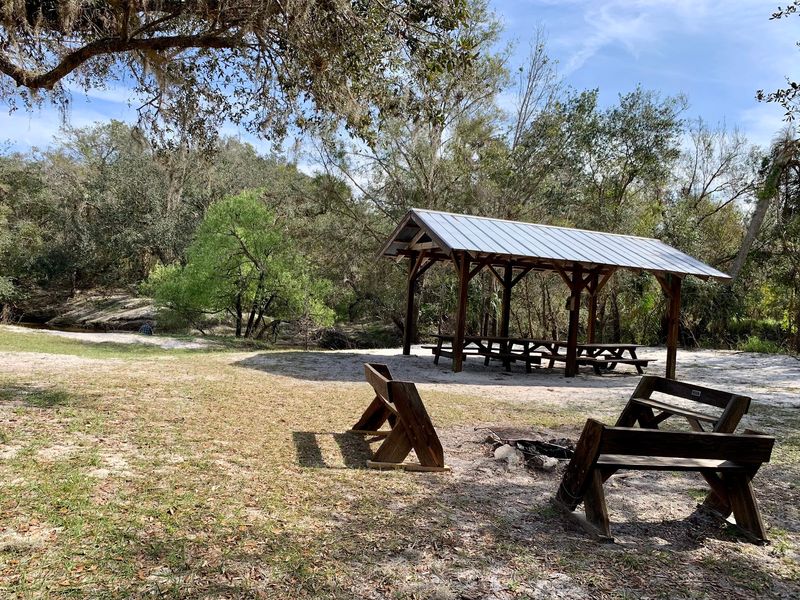
Picnic pavilions, grills, and tables make lunch easy. Some pavilions can be reserved for group gatherings and birthday parties.
A playground with swings and climbing equipment keeps little ones busy. Clean restrooms sit near both the picnic area and the visitor center.
There is no developed campground, but primitive hike-in camping is available. It suits people who enjoy simple nights under the stars.
Cooler months offer the most comfortable weather for hiking and sifting. Pack smart, arrive early, and let the treasures come to you.