
This Florida Trail Takes You To A Mysterious Ghost Town You’ve Never Heard Of
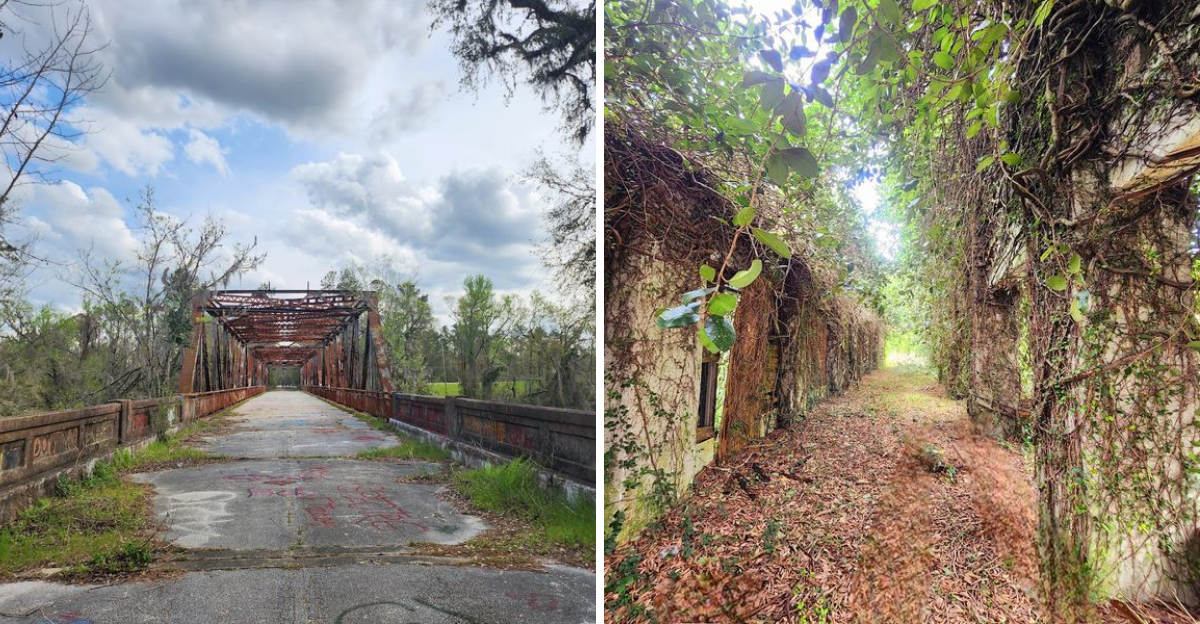
Florida is full of hidden gems, and some of its most intriguing secrets are tucked away along forgotten trails in the woods. Deep in the heart of Madison County, a ghost town lies quietly by the Suwannee River, waiting to be uncovered by adventurous souls.
As you hike through the Florida National Scenic Trail, you’ll find more than just scenic views; you’ll stumble upon a place rich with history and mystery. For those who crave hiking, history, and the thrill of discovering something off the beaten path, this hidden treasure offers an unforgettable journey.
Every step you take brings you closer to a story waiting to be told.
Ellaville: A Forgotten Town On The Florida Trail
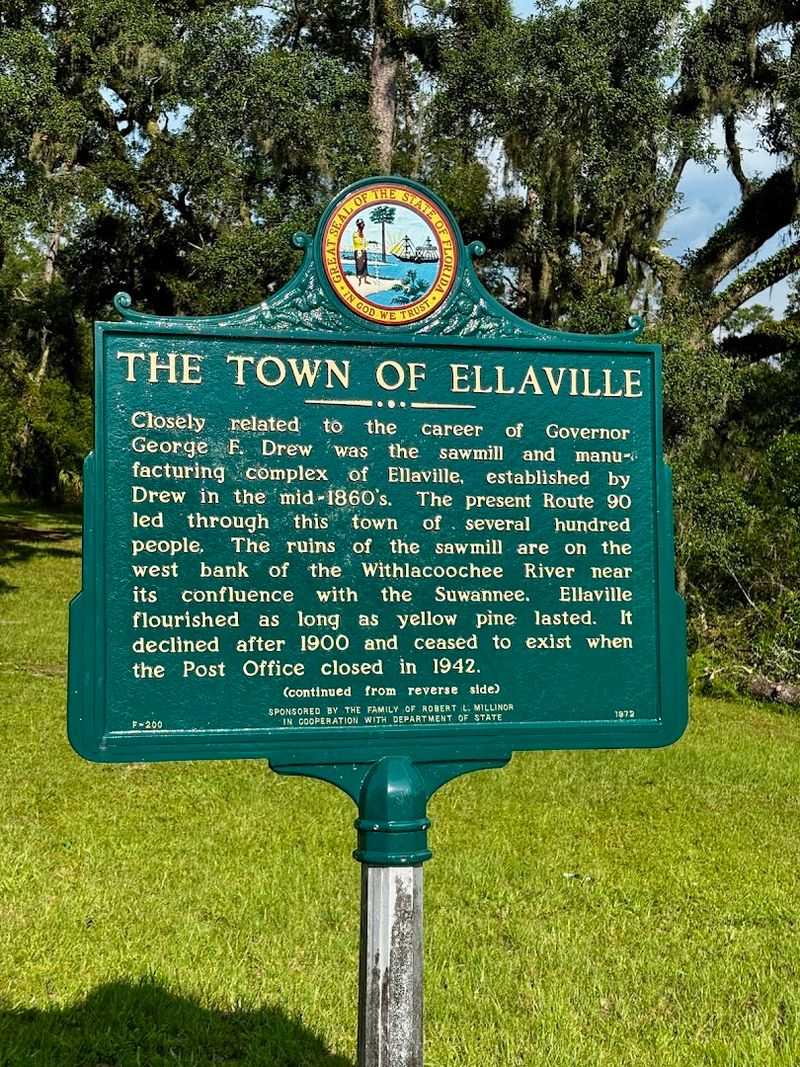
Most Florida ghost towns have been swallowed so completely by time and vegetation that barely a trace remains. Ellaville is different.
Situated along the Florida National Scenic Trail near the Suwannee River, this former mill town still offers visible remnants of the life it once sustained, from crumbling foundations to a historic kiosk that outlines the town’s rise and quiet disappearance.
The site is accessible at 596 NE Drew Way, Lee, FL 32059, and serves as a trailhead for hikers and cyclists exploring the surrounding river corridor. A handful of picnic areas and designated campsites make it practical for those who want to linger rather than rush through.
Ellaville earns a solid 4.4-star rating from visitors who consistently praise its peaceful character and scenic surroundings. The trail through the area is open to both hikers and bikers, making it one of North Florida’s more versatile and underappreciated outdoor destinations.
Hiking To The Ellaville Ghost Town
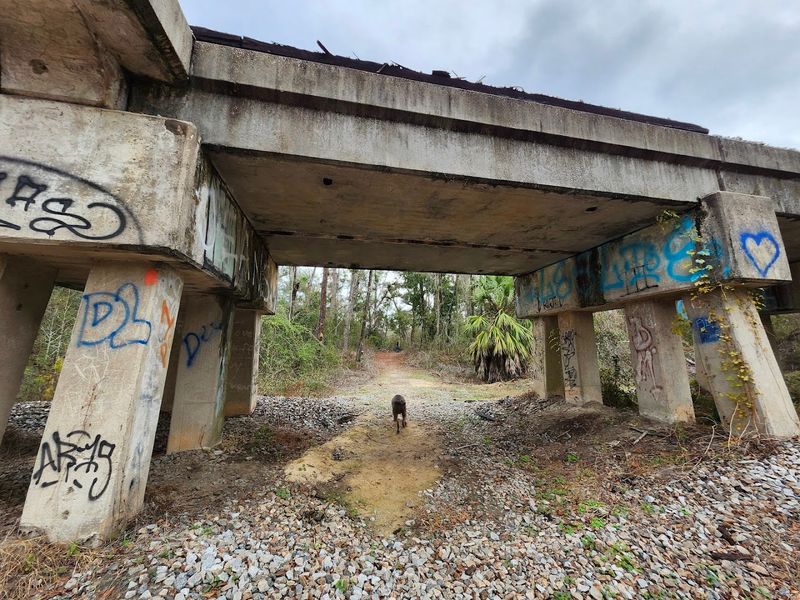
The hike to Ellaville rewards patience. The Florida National Scenic Trail passes directly through the old town site, and the journey itself sets the tone long before any ruins come into view.
Tall oaks and pines form a canopy overhead, and the river occasionally appears through the tree line, offering a sense of quiet that feels genuinely earned.
Visitors frequently report spotting wildlife along the trail, from deer to birds that seem unbothered by human presence.
The trail accommodates both foot traffic and mountain bikes, and the terrain is relatively manageable for most fitness levels. Recent storm damage from Hurricane Idalia in September 2023 affected some sections, but trail crews have cleared the main paths, keeping the route accessible and surprisingly well-maintained for an area so lightly visited.
What’s Left Of Ellaville: Ruins Along The Florida Trail
Walking through Ellaville today means reading the landscape carefully. The ruins are subtle rather than dramatic, old foundations half-consumed by roots and soil, scattered brick remnants that hint at walls once solid enough to house a thriving community.
A wooden kiosk near the trailhead provides historical context that helps visitors interpret what they are seeing.
One of the most frequently mentioned features is an old store with a basement beneath it, which visitors describe as simultaneously eerie and compelling. The contrast between the overgrown surroundings and the structural remnants left behind gives the site a quiet intensity that photographs rarely capture fully.
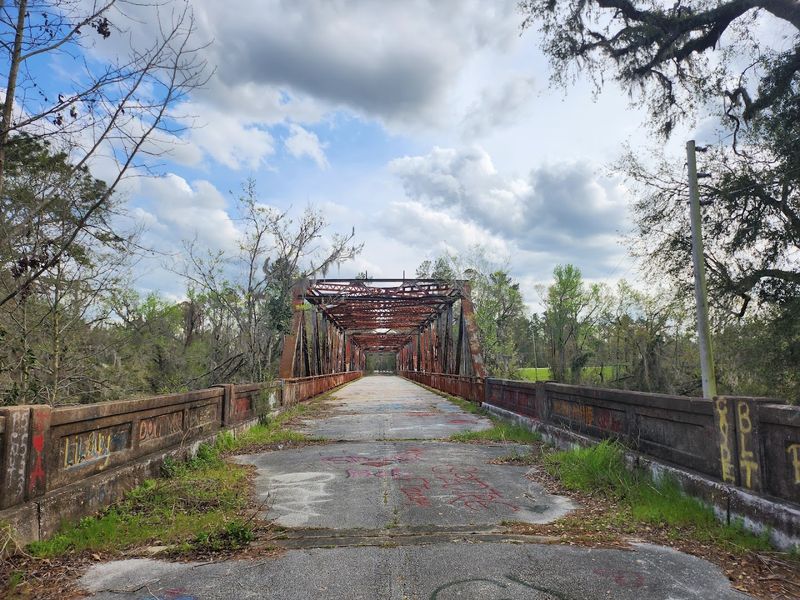
Street art on the old bridge adds an unexpected modern layer to the historical landscape, creating an odd but interesting visual conversation between past and present. Visitors who take time to explore beyond the main trail often discover spring outflows and old foundations that do not appear on any posted map, rewarding those who move slowly and look closely.
The Mysterious History Of Ellaville, Florida
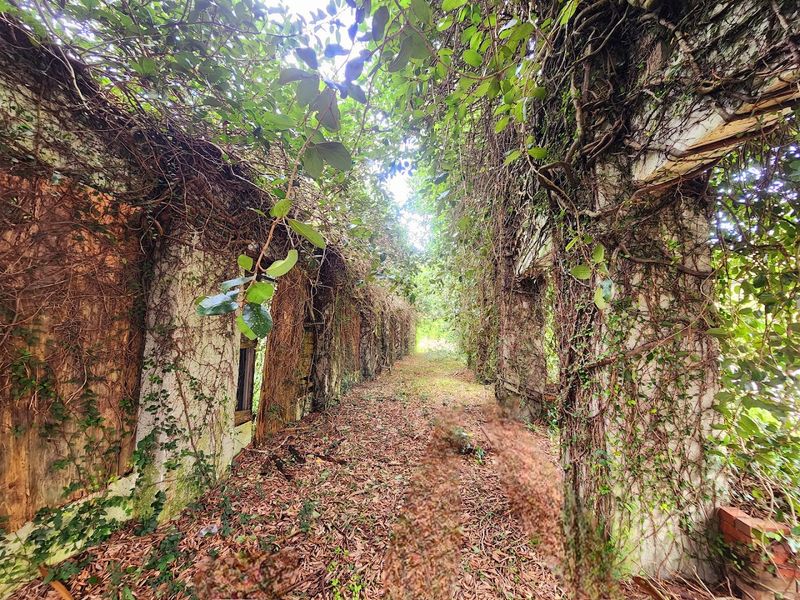
Ellaville was once a legitimate and productive town built around the timber industry. In the late 1800s, the Suwannee River corridor was prime logging territory, and Ellaville operated as a mill town that supplied lumber across the region.
At its peak, the town had a post office, a general store, and a population that supported a functioning community.
The decline came gradually as the timber industry exhausted the surrounding forests and rail lines shifted commerce to other locations. Without economic purpose, residents moved on, and the town slowly lost its identity to time and vegetation.
By the mid-20th century, Ellaville existed only in historical records and the memories of a few local families.
One particularly striking footnote in Ellaville’s history involves serial killer Ted Bundy, who reportedly hid near this area before his final capture in 1978. That detail, verified by multiple sources, adds an unsettling layer to an already atmospheric place and is often mentioned by visitors who enjoy history with a darker edge.
Ellaville’s Quiet: Why This Ghost Town Is Undiscovered
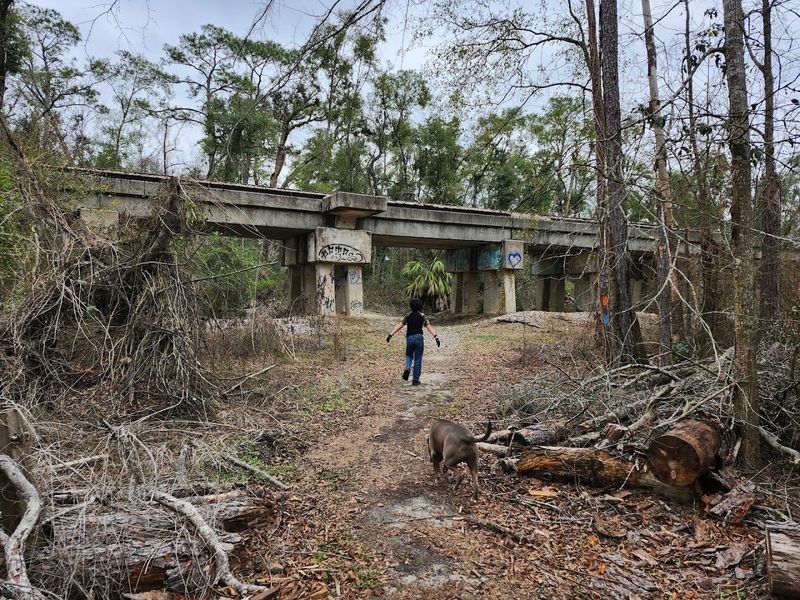
Part of what makes Ellaville so rare is the fact that almost nobody knows it exists. The site is small, the signage is minimal, and the road leading to it does not advertise itself to passing traffic.
Several visitors have noted that if you blink while driving through the area, you will miss the turnoff entirely.
That obscurity is precisely what preserves the atmosphere. There are no crowds, no gift shops, and no guided tours.
The experience is entirely self-directed, which suits the kind of traveler who prefers discovery over performance. One regular visitor described it as a personal sanity check, a place to sit quietly, play guitar, and reset without interruption.
The combination of wildlife, river views, and historical ruins creates a layered experience that rewards curiosity. Sunsets over the Suwannee River are especially striking from this location, and early morning visits offer a stillness that feels almost ceremonial.
The site’s low profile is not a flaw; for the right visitor, it is the entire point.
Why Ellaville Faded Into Obscurity
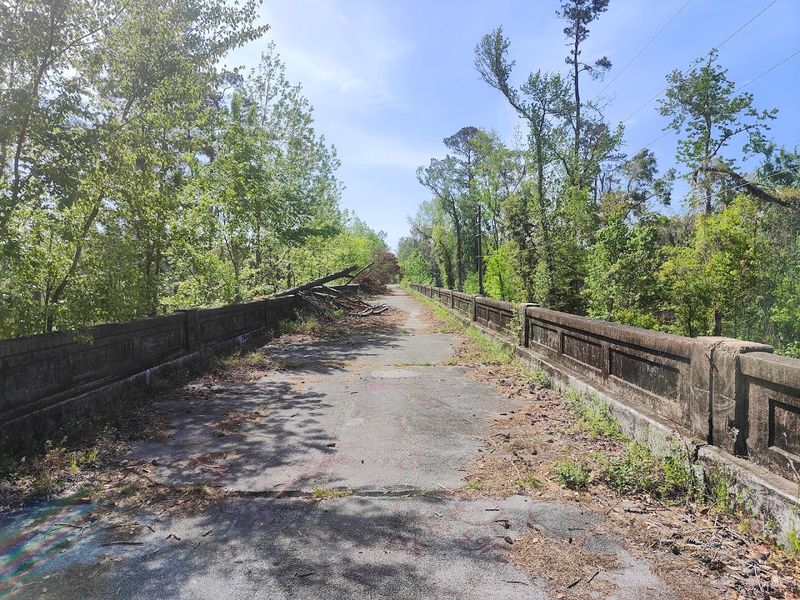
Towns built on a single industry tend to follow a predictable arc. Ellaville rose with the timber trade and fell when the trees ran out.
The Suwannee River, which had been a transportation asset for moving logs downstream, could not compensate for a resource that had been exhausted. When the mills closed, the economic foundation of the town simply ceased to exist.
Rail line changes further accelerated the decline. As train routes shifted to serve larger commercial centers, smaller communities like Ellaville lost their logistical relevance.
Residents relocated to towns with better access to employment and services, leaving behind only the structures they could not easily carry.
Nature moved in quickly after people moved out. Florida’s subtropical climate is efficient at reclaiming abandoned spaces, and within a few decades, Ellaville had largely disappeared beneath new growth.
What remains today is less a ruin and more a suggestion, a faint outline of a community that once had real purpose and real people living within it.
The Lost Town Of Ellaville: Forgotten Florida History
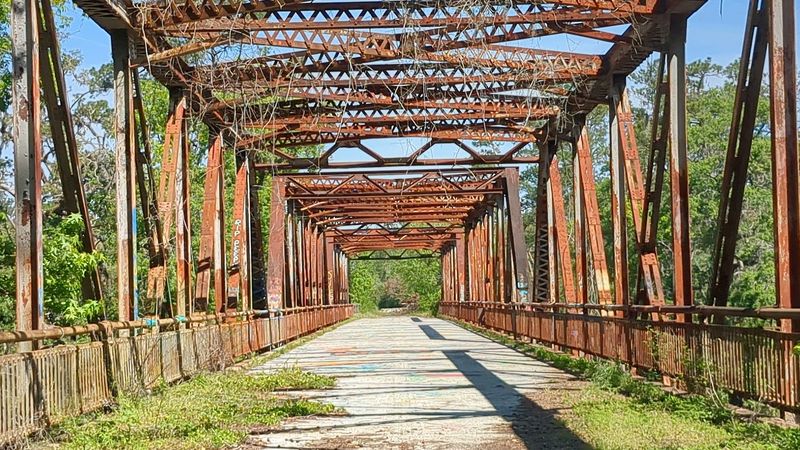
Florida’s history is longer and stranger than most people realize, and Ellaville represents a chapter that rarely appears in standard travel narratives. The town predates many of the coastal resort communities that now define Florida’s popular image, and its story connects more directly to the working lives of 19th-century settlers than to the tourist economy that followed.
Among the features that give Ellaville its historical depth is the presence of old cemeteries within the surrounding landscape. These burial sites, mentioned by longtime visitors and documented in local historical records, serve as quiet reminders that Ellaville was not just a commercial operation but a place where families built lives and buried their dead.
The Hillman Bridge, referenced in several visitor accounts, adds another layer of historical texture to the site. Spanning the Suwannee River and dating back to an earlier era of infrastructure, the bridge has become one of the most photographed features of the area, even as access to it has been periodically restricted for safety reasons in recent years.
Exploring Ellaville’s Ruins On The Florida Trail
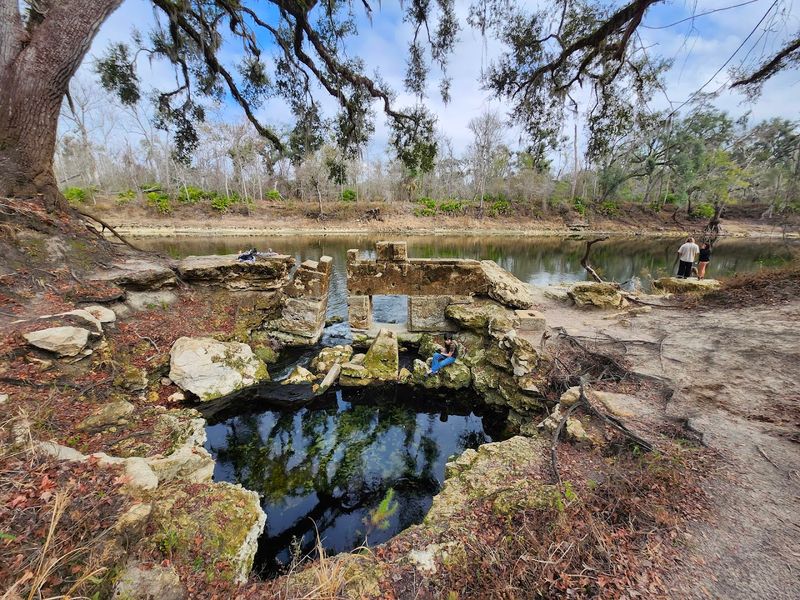
The Florida National Scenic Trail through Ellaville is one of the more unusual segments of the entire trail system. Most sections of the Florida Trail pass through natural landscapes without historical interruption, but the Ellaville segment layers outdoor recreation directly onto a ghost town, creating an experience that is genuinely unlike anything else in the state.
Mountain biking was especially popular here before Hurricane Idalia restructured the landscape in September 2023. The Big Oak trail, which used to begin at the Ellaville trailhead, followed the Suwannee and Withlacoochee Rivers through terrain that riders described as delightful.
Trail clearing efforts have continued since the storm, and the area is gradually recovering its former accessibility.
A small spring just off the main trail offers a refreshing stop for those who know to look for it. The old US 90 bridge over the Suwannee, walkable and historically evocative, gives hikers a direct view of a river crossing that once served real commercial traffic, offering a glimpse of life from a very different Florida era.
Ellaville’s Hidden Secrets Beneath Florida’s Soil
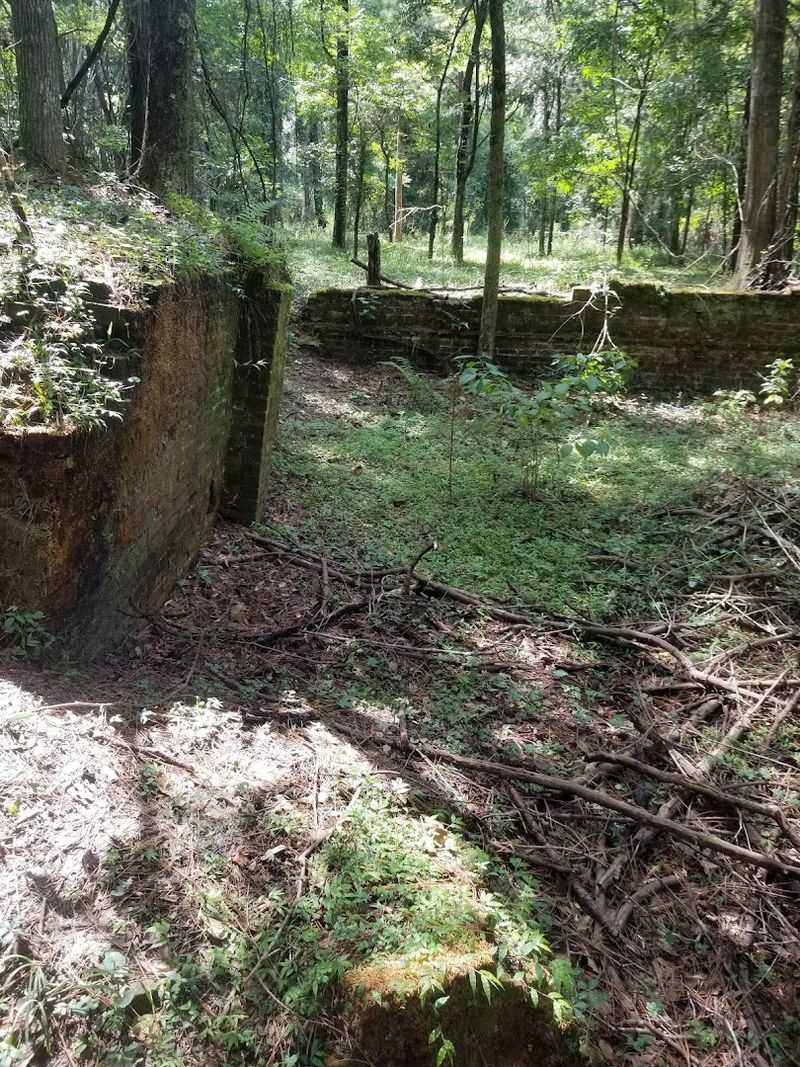
The most compelling aspects of Ellaville are the ones you cannot fully see. Beneath the current trail surface and forest floor lie the remnants of a town that once had infrastructure, commerce, and daily routines.
Foundations extend further underground than the visible ruins suggest, and local historians believe additional structures remain unidentified beneath the vegetation.
The store basement that visitors frequently mention is one of the few above-ground features that gives a sense of vertical depth to the site. Descending into it, even partially, shifts the experience from casual sightseeing to something more atmospheric.
Multiple visitors have described the sensation as genuinely eerie, though the word they keep returning to is beautiful.
Springs near the trail also hint at the underground hydrology that shaped where Ellaville was built in the first place. Fresh water access was essential for any 19th-century settlement, and the springs that surface along the trail today are the same sources that once made this stretch of the Suwannee corridor a practical and appealing place to build a life.