
This Former Illinois State Hospital Is Where Ghost Hunters Come To Investigate After Dark
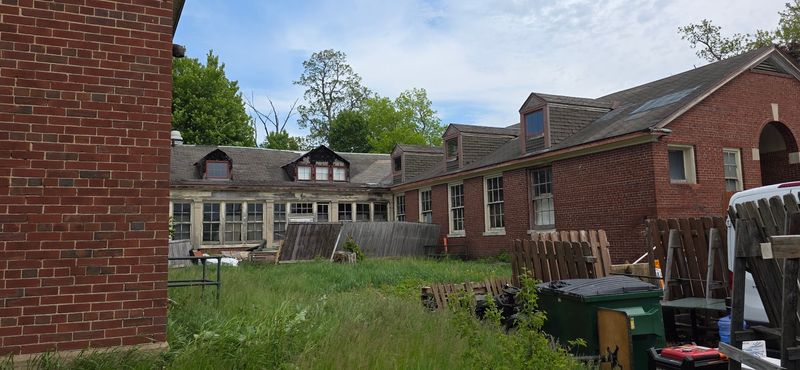
I only meant to take a quick detour off the highway in central Illinois, but a cluster of old brick buildings on a hill made me pull over. The place looked quiet and ordinary in daylight.
Then I learned that people drive hours to explore it after the sun goes down, flashlights in hand. What started as a pit stop turned into one of the most curious history lessons I have ever stumbled into.
A Hilltop Campus Outside Peoria
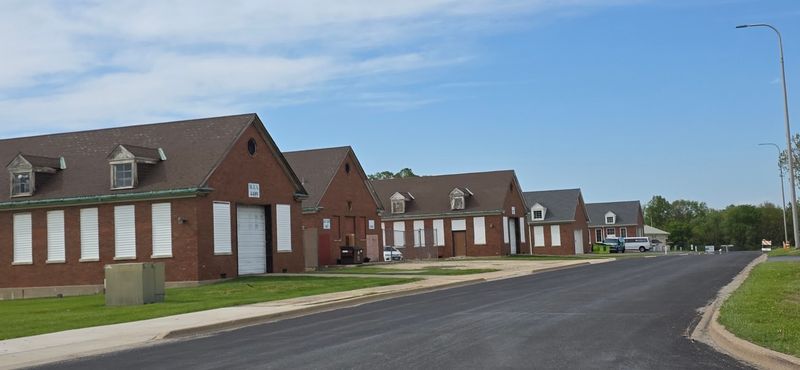
Picture a quiet road on the edge of Bartonville, just outside Peoria, where old brick buildings still stand watch over the Illinois River valley. The Peoria State Hospital Museum sits at 4400 Industry Drive, on part of the grounds of a hospital that once cared for thousands of patients.
Today the site does double duty. By day it works as a museum focused on the hospital’s long history, and by night it hosts guided tours, paranormal investigations, and, in the fall, the Old State Mine Haunted Trail.
Visitors come for very different reasons, and that mix is part of what keeps the place lively.
Getting there from Chicago usually takes two to three hours by car, with most of the drive heading southwest through open corn and soybean country. For families in Peoria, Springfield, or the Quad Cities, it is much closer, making an evening trip realistic without an overnight stay.
Keep in mind that the name has changed over the years. The haunted attraction used to be called the Haunted Infirmary, and some older signs and online listings still use that label.
Knowing both names can save confusion when planning, especially since another haunted house now operates separately in a nearby building.
Seventy Years of Care, 1902 to 1973
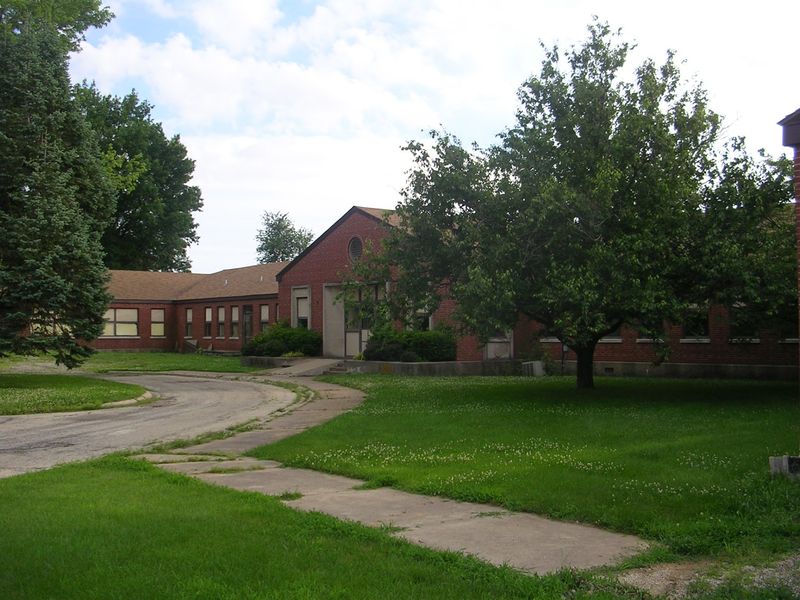
Few people realize the hospital first opened in 1902 under a name that sounds harsh today: the Illinois Asylum for the Incurable Insane. It later became Peoria State Hospital, and it stayed open until 1973.
Over those seven decades, the campus grew into a small town of its own. At one point it had 63 buildings, including patient cottages, work areas, and medical wards.
Many of those structures have since been torn down or turned into other uses, so what remains feels like a few surviving chapters of a much bigger book.
Walking the grounds, you get a sense of scale that photos rarely capture. The hospital was designed as a cottage-style campus, spreading patients across smaller buildings instead of one giant block.
That layout was considered forward-thinking for its time.
Museum staff put real effort into telling this story accurately. Visitors often mention that guides want to restore the hospital’s history and clear up rumors about a dark past that did not always match the facts.
For older kids studying Illinois history, the museum can turn a spooky reputation into a surprisingly thoughtful lesson about how mental health care changed across the twentieth century.
Dr. George Zeller and His Bold Ideas
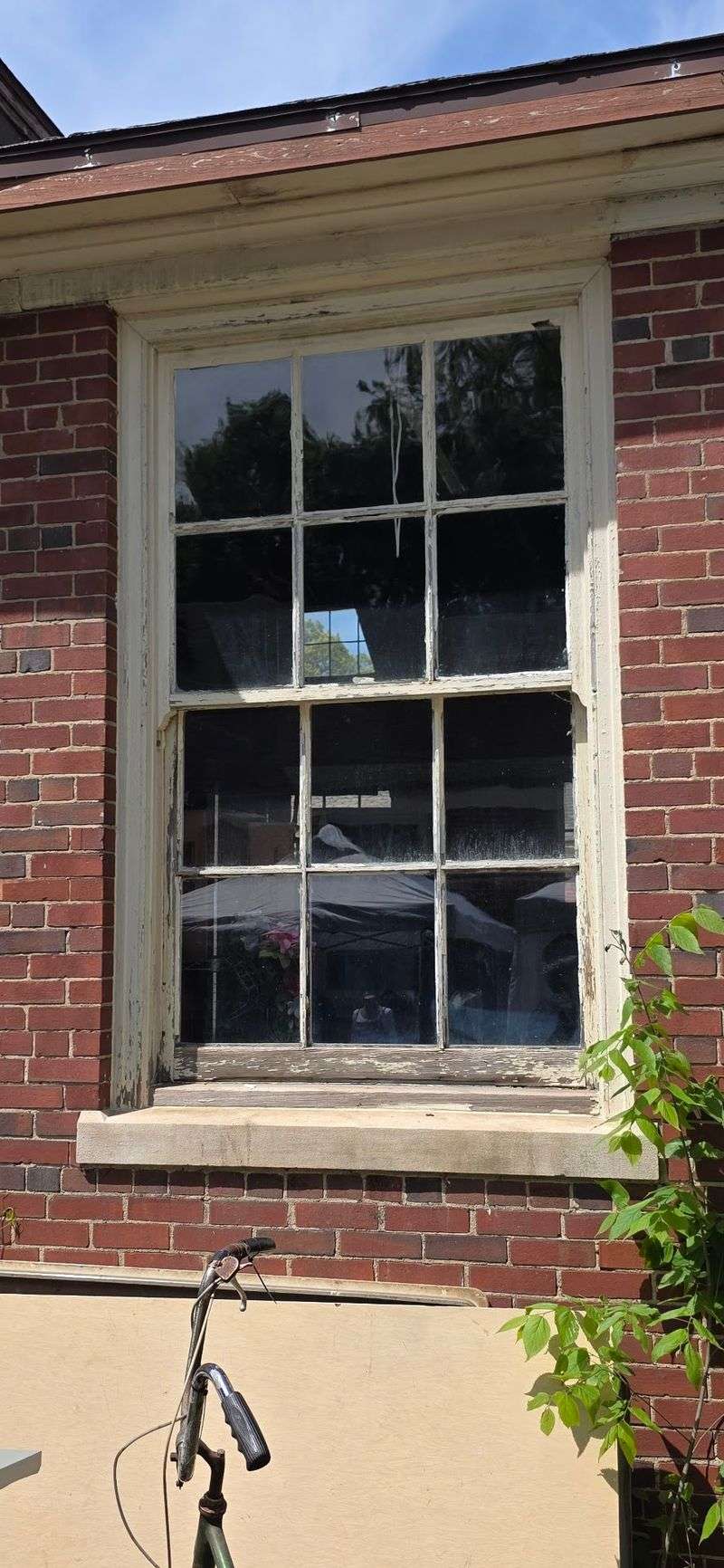
Bars came off the windows. Restraints were removed.
For the early 1900s, that was a startling choice, and it came from Dr. George A. Zeller, the hospital’s most famous leader.
Zeller believed patients deserved humane treatment, fresh air, and dignity. He pushed the hospital toward a more open, caring approach at a time when many institutions relied on locked doors and heavy restraint.
His reforms helped the hospital earn a reputation as a progressive place for its era.
Visitors who tour the museum often leave talking about him. A common reaction is that Zeller seems like a man ahead of his time, someone who went out of his way to help people others had written off.
That warmth shows up again and again in how guides describe him.
His name also connects to one of the site’s best-known legends, which comes up later on the tours. Still, the museum makes a point of presenting Zeller first as a real person with real accomplishments.
Parents may find this a helpful angle for kids, since it shows how one determined individual can change the way a whole community treats its most vulnerable members.
The Legend of Old Book
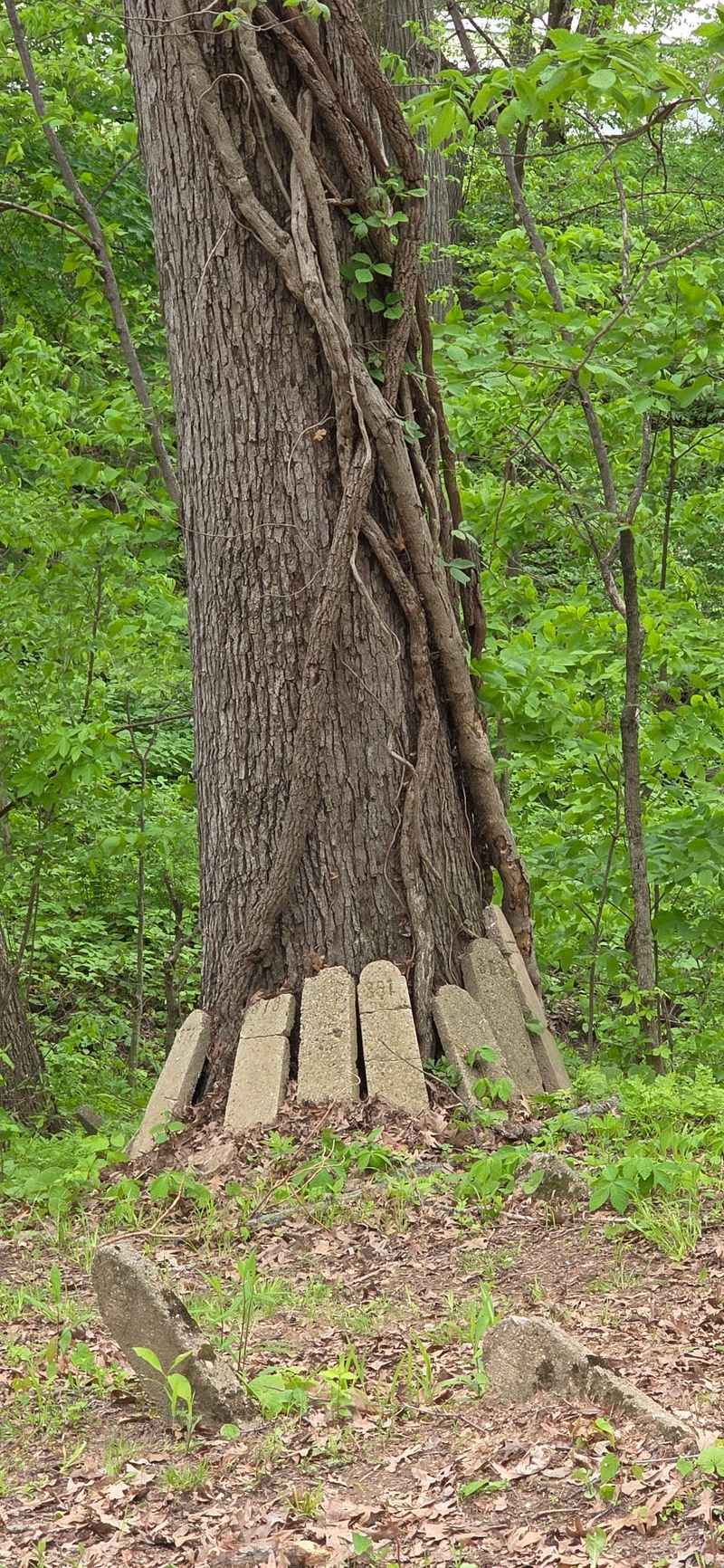
Ask any guide about the grounds, and the story of Manuel A. Bookbinder will probably come up within minutes.
Known as Old Book, he was a patient who could not speak and who worked for years with the hospital’s burial crew.
According to the legend, Old Book grieved openly at every service, often leaning against a large elm tree in the cemetery. When his own funeral took place, Dr. Zeller and many onlookers reportedly saw a figure that looked just like him, weeping beside that same elm, while his casket sat right in front of them.
The story adds that the elm tree withered the following year. Whether you take the tale as fact or folklore, it has become the heart of the hospital’s ghost lore and a big reason investigators travel here.
What makes the story linger is its gentleness. Old Book is remembered less as a frightening figure and more as a loyal, tender soul who cared deeply for fellow patients.
For younger visitors, that framing tends to make the legend feel sad and touching rather than scary, which can be a nice way to introduce ghost stories without nightmares.
Roda Derry and the Scent of Tobacco
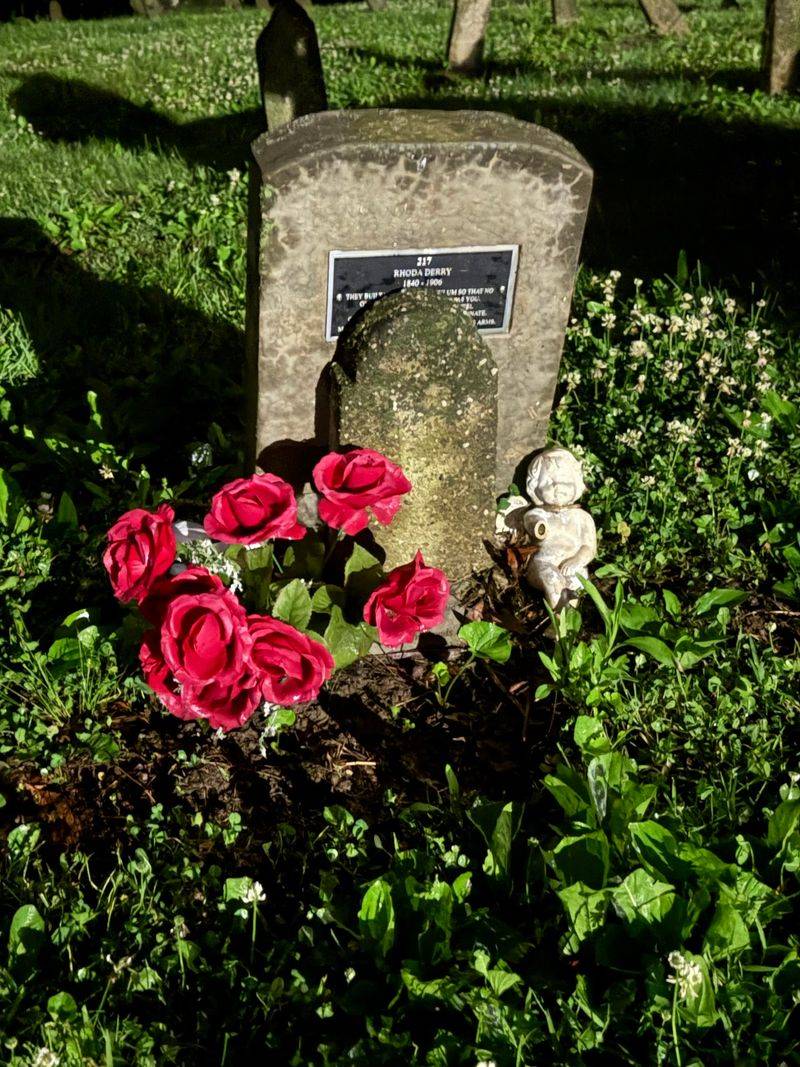
Tobacco smoke, where no one is smoking. That odd detail shows up in many accounts tied to Roda Derry, another patient whose memory lingers in the hospital’s stories.
Roda came to Peoria State Hospital after a very hard life, and she carried lasting physical and emotional scars from it. Her time at the hospital is often described as a period when she finally received more compassionate care, which fits with the Zeller-era approach.
Paranormal investigators say they have noticed the scent of tobacco near her grave and inside some of the remaining buildings. Psychics who have visited report sensing her presence, sometimes describing a figure crouching quietly in one of the rooms.
None of this can be confirmed, of course, but it has become part of the lore guests hear on tours.
Her story is handled with care by the museum, and parents may want to preview it before bringing younger children, since the background touches on difficult themes. Teens, on the other hand, often find it one of the more memorable parts of the night.
It adds a human face to the history and shows why respect matters when exploring places like this.
Pollak Hospital and Cottage B1
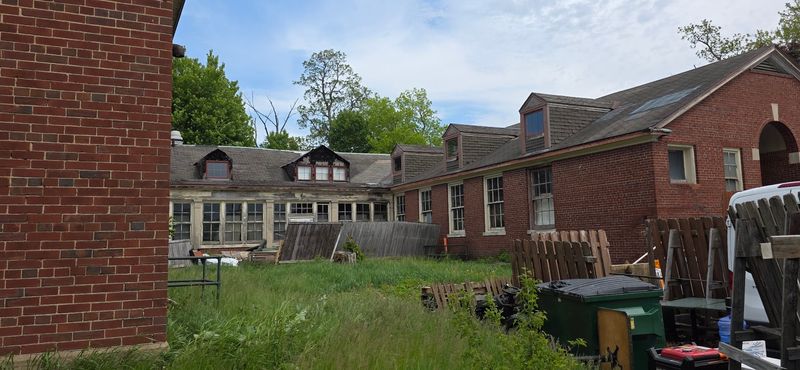
Of all the buildings still standing, two draw the most attention: the Pollak Hospital Building and Cottage B1. Both appear on tours, and both are often described as hotspots by investigators.
Pollak was once a tuberculosis ward, built to treat patients with the lung disease that was common in the early 1900s. Its long hallways and big windows reflect how doctors of that era believed sunlight and fresh air could help recovery.
Today the building plays a role in modern paranormal exploration, and its size alone makes an impression after dark.
Cottage B1 gives a closer look at the cottage-style living that defined the campus. Walking through it helps visitors imagine daily routines for patients and staff, which makes the history feel more personal.
One small but useful note: in the fall, a separate haunted house called Aura operates inside the Pollak building. It is not run by the museum or the Old State Mine Haunted Trail, so tickets and schedules are handled differently.
Checking which attraction you are booking can prevent a mix-up, something past visitors have occasionally run into when searching online for the old Haunted Infirmary name.
History Tours by Daylight
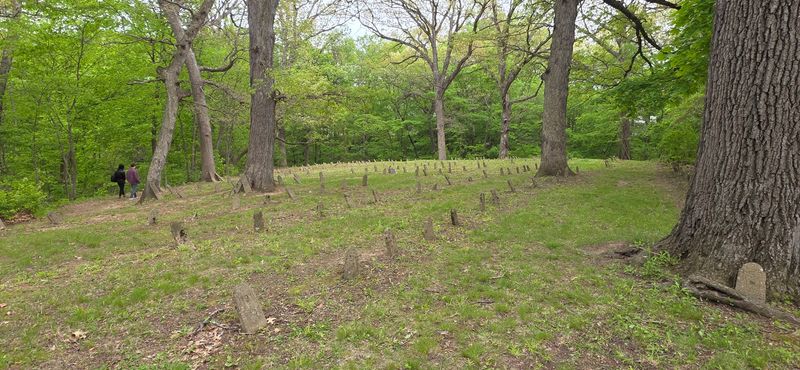
Not everyone wants a scare, and the museum gets that. Public history tours give families a calmer way to explore the grounds, focusing on facts, people, and preserved buildings.
Tours typically include walks through the historic cemeteries and visits to surviving structures. Some groups also watch a short informational video or a history slideshow before heading outside, which gives helpful context before the walking starts.
Guests often praise guides for being knowledgeable, passionate, and even funny, which keeps kids engaged longer than a typical museum visit might.
Private tours are another option. Visitors describe having their tour customized around the topics their group cared about most, whether that meant architecture, patient life, or legends.
That flexibility works well for scout troops, homeschool groups, or relatives with a shared interest in Illinois history.
Accessibility questions come up, and the museum has stated that it is handicap accessible. Some terrain on the grounds is still outdoors and uneven in spots, so families with strollers or mobility needs may want to call ahead and ask which areas are easiest to reach.
Booking online in advance tends to make check-in smooth, and staff are often waiting outside to greet groups when they arrive.
Overnight-Style Paranormal Investigations
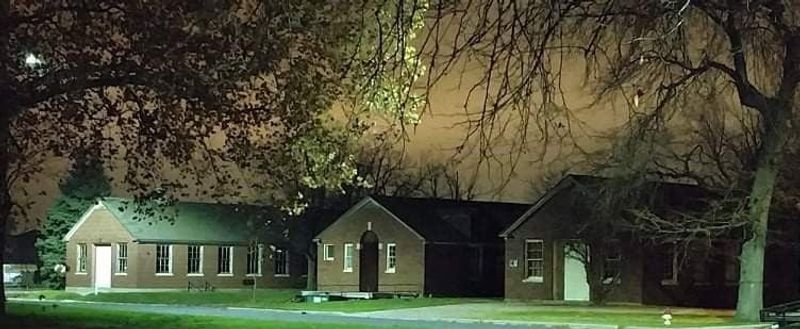
Five hours. That is how long some groups have spent investigating after their guided walk, according to past guests who booked a private ghost hunt.
These investigations usually begin with a tour of the areas you will be exploring, plus true accounts of former staff and patients. After that, teams settle in with flashlights and gear.
A guide often stays with the group, and visitors mention guides who happily join in rather than just standing by. Some tours can even offer access to specialized equipment for those who do not bring their own.
Results vary. One group described a very quiet night, joking that the spirits enjoy company but do not always want to chat.
Others say they noticed activity throughout the evening. Reports on the grounds over the years include voices, unexplained sounds, and sudden temperature changes.
These experiences are aimed at adults and experienced teams rather than young kids, and they tend to run late. Couples have called it a memorable date night, and one visitor even drove in from North Carolina.
The site has also appeared on television programs like Ghost Hunters and Ghost Asylum, which helps explain why investigators from across the Midwest keep booking.
The Old State Mine Haunted Trail
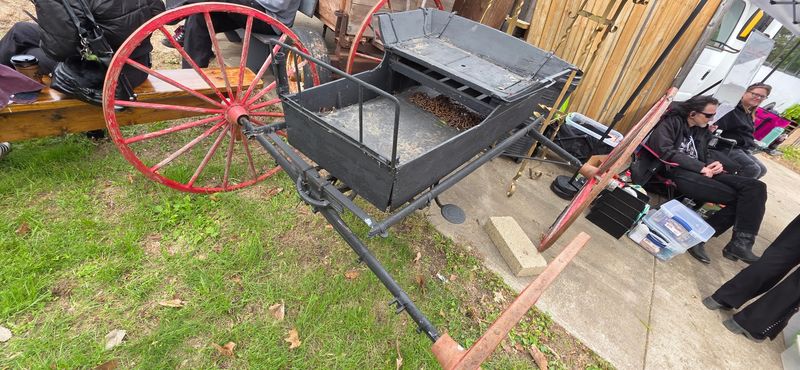
A wagon ride starts things off, and then the woods take over. The Old State Mine Haunted Trail is the fall attraction run by the same team, and it has built a loyal following among Peoria-area thrill seekers.
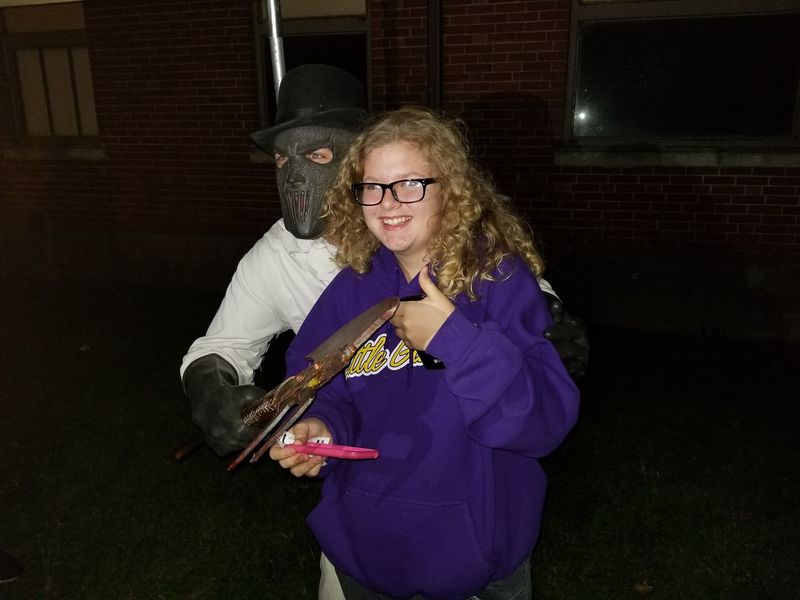
Visitors describe a long trail packed with jump scares, detailed scenes, and costumed actors who interact with guests from start to finish. Makeup, props, and set design get frequent praise, and several people mention the darkness keeps you guessing about what comes next.
Staff space groups apart at the trailhead, so you are less likely to bump into the group ahead.
That same darkness has a downside. Some guests note that footing can be hard to see, with rough steps in places, so sturdy shoes and a steady pace make sense.
One family shared that staff turned off the fog machines when told their son had asthma, a thoughtful touch worth remembering if anyone in your group has breathing concerns.
For parents, a past visitor brought kids aged 12 and 13 who enjoyed getting their scare out of it. Younger children may find it too intense.
The ticket booth entrance has been listed at 4208 W Pfeiffer Road, so double-check directions before heading out.
Lines, Cocoa, and Waiting Game Tips
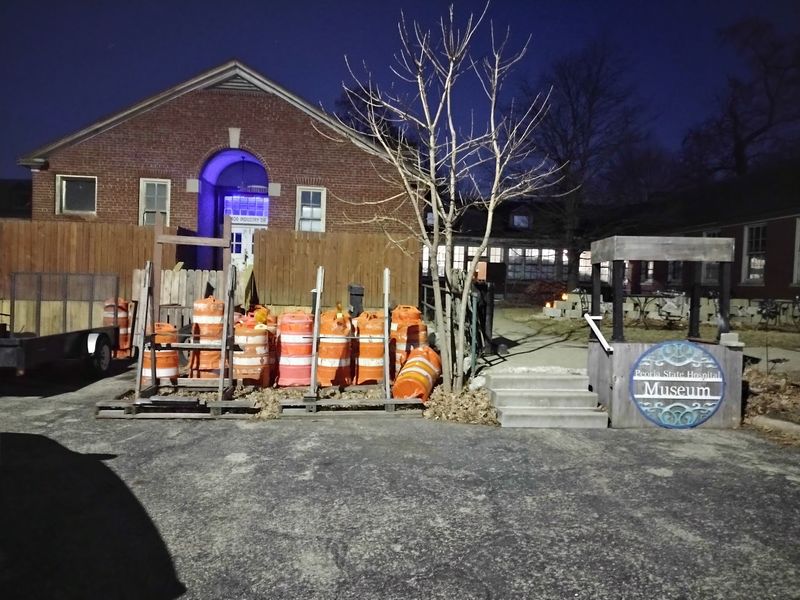
Here is the honest part: waits for the haunted trail can be long. Guests have reported spending two to three hours in line on busy nights, with only a short stretch at the trailhead itself.
The good news is that the team has worked to make the time pass. Past visitors mention covered lines for rainy nights, benches for resting, spooky music, and scare actors roaming the queue.
Classic horror movies have played for people waiting, including an original vampire film that some guests enjoyed as much as the trail. Hot cocoa and roasted pecans have been sold too, a welcome treat on a chilly October night.
Arriving early can help. One family got there at 9 PM and did not reach the trail until 11, and they suggested showing up an hour or two ahead.
Weeknights or earlier weekends in the season may also be calmer, though crowd sizes change year to year.
With kids along, pack layers, since central Illinois nights can turn cold fast in fall. Snacks, a fully charged phone, and a plan for restroom breaks make the wait far easier.
Patience pays off here, and many families say the trail made it worthwhile.
Hours, Tickets, and Planning Ahead
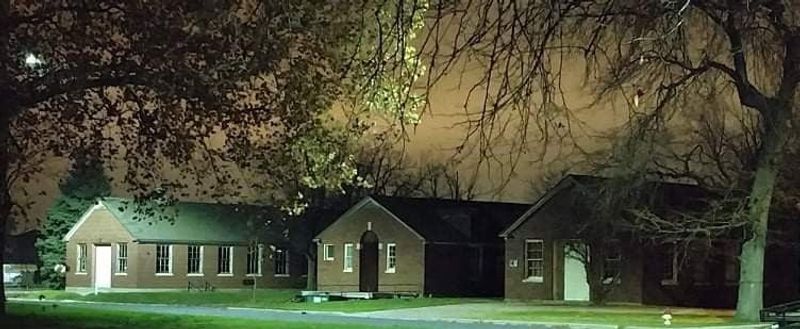
Timing matters more than usual here, since daytime and evening activities run on different schedules. Current listings show the museum open 9 AM to 5 PM on Sunday through Thursday, with evening hours from 7 PM to midnight on Friday and Saturday.
Those late weekend hours line up with the haunted trail and night tours, while weekday hours suit history visits. Seasonal changes are common, especially around Halloween, so checking the schedule before you leave home is a smart move.
As for cost, past visitors have reported trail tickets around $10 in earlier years and about $15 per person more recently. Prices can shift from season to season, and private tours or ghost hunts are priced separately, so confirm the current rates when booking.
Several guests felt the trail was a solid value for the money, particularly given the length and effort put into it.
Online booking is the easiest route for tours and investigations. For the haunted trail, remember the ticket booth location may differ from the museum address.
A little homework up front helps avoid the confusion some guests have faced between this attraction and the unrelated haunted house in the Pollak building.
Who Leaves Happiest
History buffs, ghost hunters, and haunt fans all find something to hold onto here, though rarely the same thing. That range is exactly what sets this spot apart from a typical Halloween stop.
Families with curious tweens and teens may get the most out of a daytime history tour paired with a fall trip to the trail. Adults drawn to the unexplained tend to prefer private investigations, where hours in quiet buildings give room for patience and reflection.
Couples looking for an unusual night out have found it memorable, too.
Very young children are probably better suited to daytime visits, since the trail is intense and night investigations run late. Anyone sensitive to fog, uneven ground, or long waits should plan around those realities.
What lingers most, according to many guests, is the care the owners and guides show for the place. They seem determined to honor Dr. Zeller, Old Book, and the thousands of patients who lived here, rather than just selling scares.
If a two-to-three-hour drive from Chicago sounds like a lot, consider pairing it with a Peoria weekend. You might come for the ghosts and leave thinking about the people instead.