
This Free Arizona Garden Has Roaming Peacocks Among Stunning Desert Plants
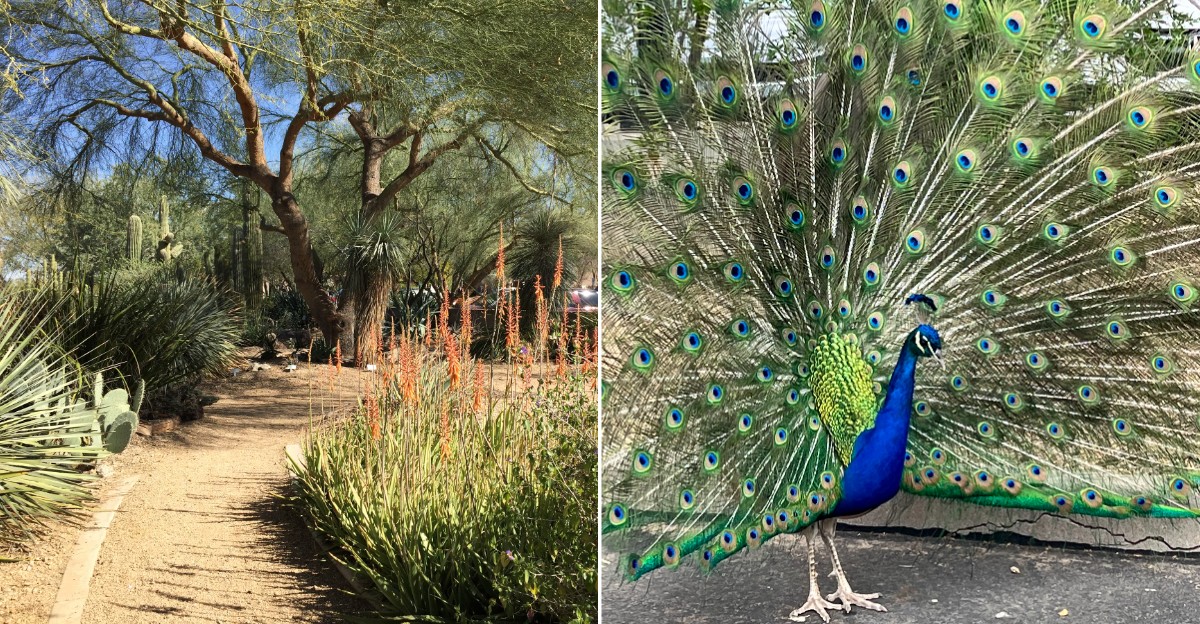
Picture a quiet morning stroll in Arizona. Tall cacti stand like green statues. Sunlight glows on spiky agaves and twisting desert trees. Then a flash of shimmering blue crosses the path in front of you.
It is a peacock, strutting along like it owns the place. And honestly, it kind of does.
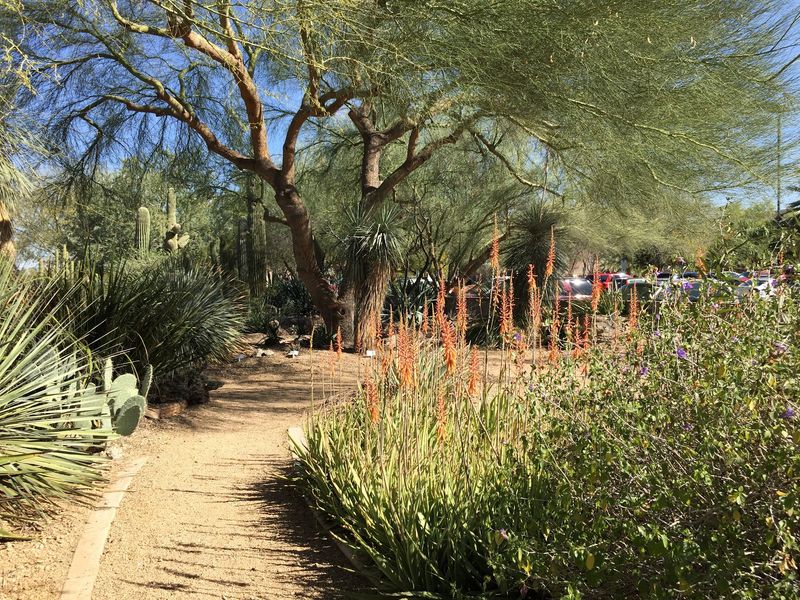
This spot proves the desert is anything but dull. Hundreds of water-wise plants grow here in tidy, themed gardens. Winding paths lead you past blooming shrubs, shady trees, and giant aloes. Signs help you learn plant names as you wander.
Kids giggle at the birds. Plant lovers take notes for their own yards. Arizona is full of big, famous attractions. Yet some of the best moments come from small, surprising places like this one.
A Library Wrapped In Green
Most libraries have a lawn and maybe a bench or two. The one in this corner of Arizona went much bigger.
It sits inside a full desert garden that wraps around the building on every side.
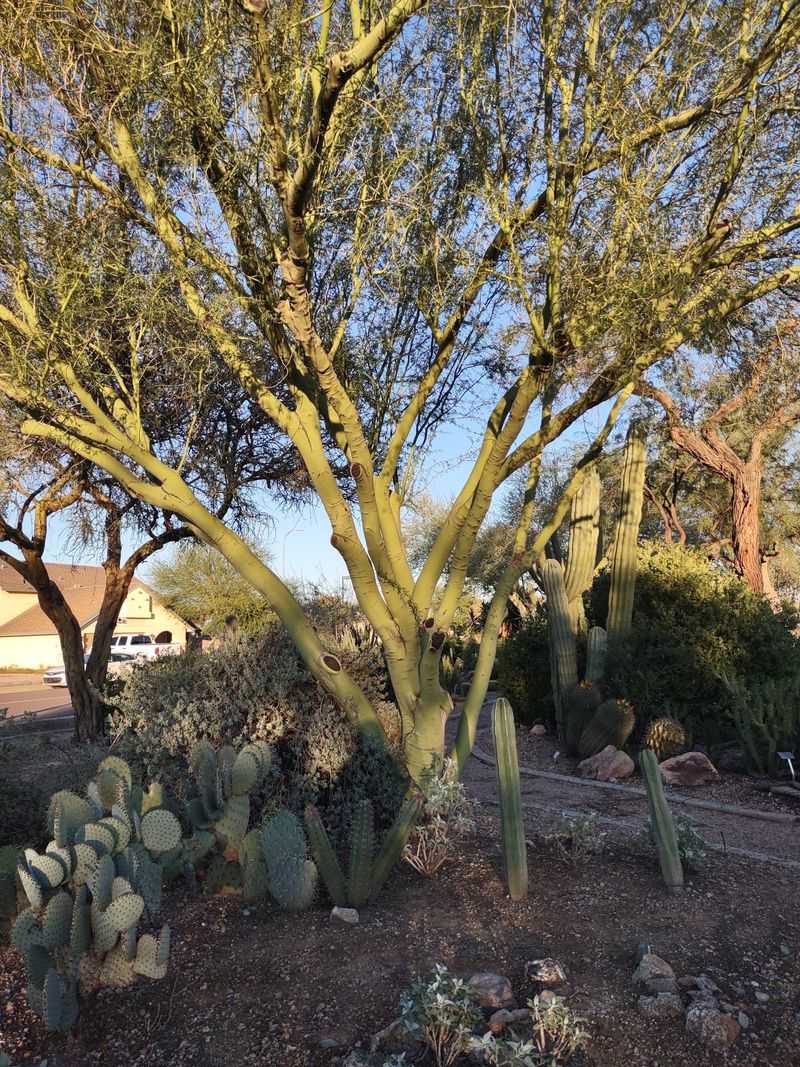
Welcome to the Glendale Xeriscape Garden. It surrounds the Glendale Main Library and serves as an award-winning demonstration garden.
That means it was built to show people how pretty a low-water yard can be.
The word xeriscape might sound strange at first. It simply means landscaping that saves water.
In a hot, dry state like Arizona, that idea matters a lot. Here, you can see it in action instead of just reading about it.
More than 400 kinds of desert-adapted plants grow across the grounds. You will spot cacti, shrubs, flowers, and trees.
Everything is arranged so it looks lush and inviting, not bare or dusty.
Paths curve through the plants and lead you from one area to the next. Everything sits close together, so exploring feels easy.
Many visitors spend about 20 to 30 minutes here, though plant fans often linger longer.
Parking is simple, and entry is free. You can pop in for a quick look or plan a relaxed morning around it.
Who knew a trip to the library could turn into a desert adventure?
Tip: pair your visit with a peek inside the library for cool air and a good book.
Meet The Feathered Welcome Committee
Screeeech! That loud call is often the first hello you will get.
Before you even see a single cactus, the peacocks may announce your arrival.
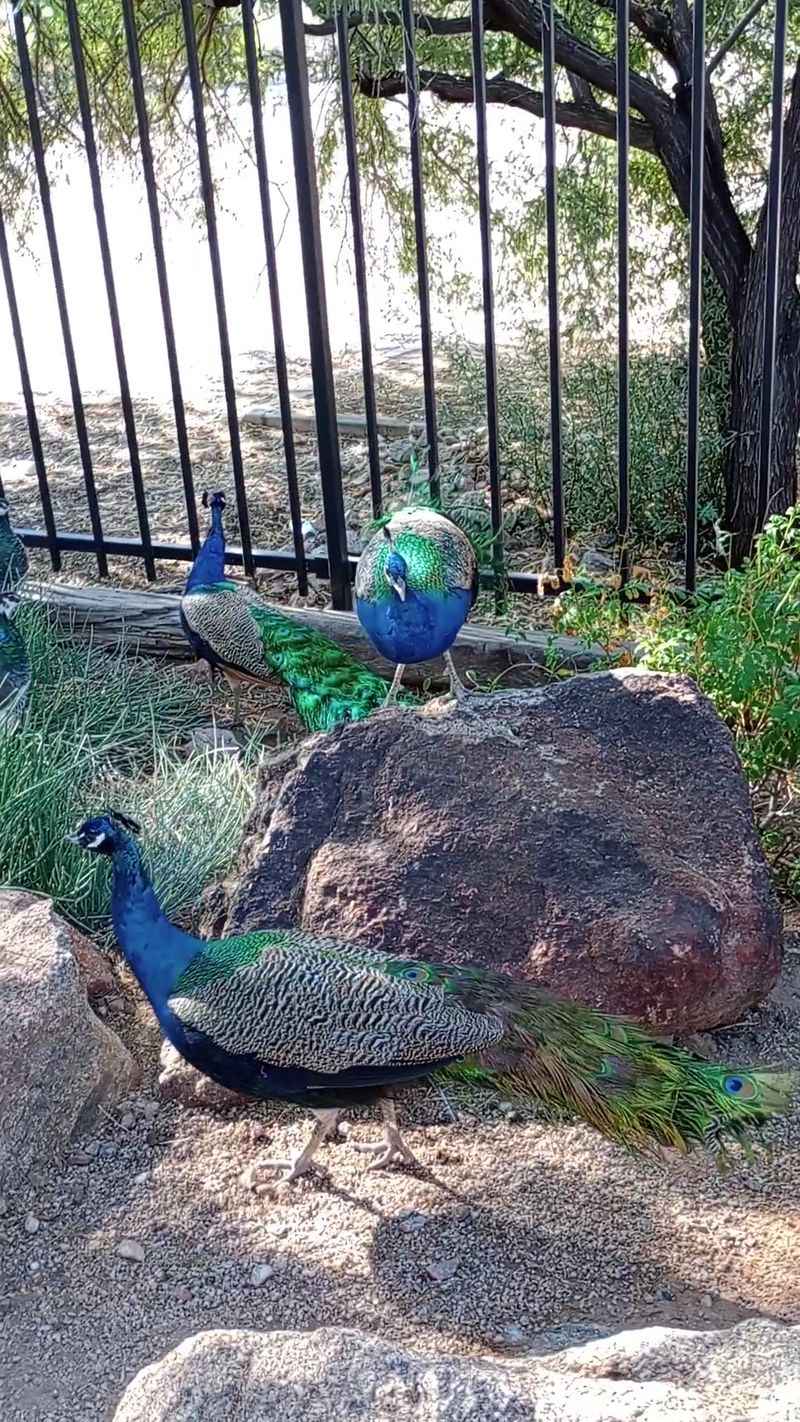
These showy birds are the stars of the garden. Visitors talk about them more than anything else.
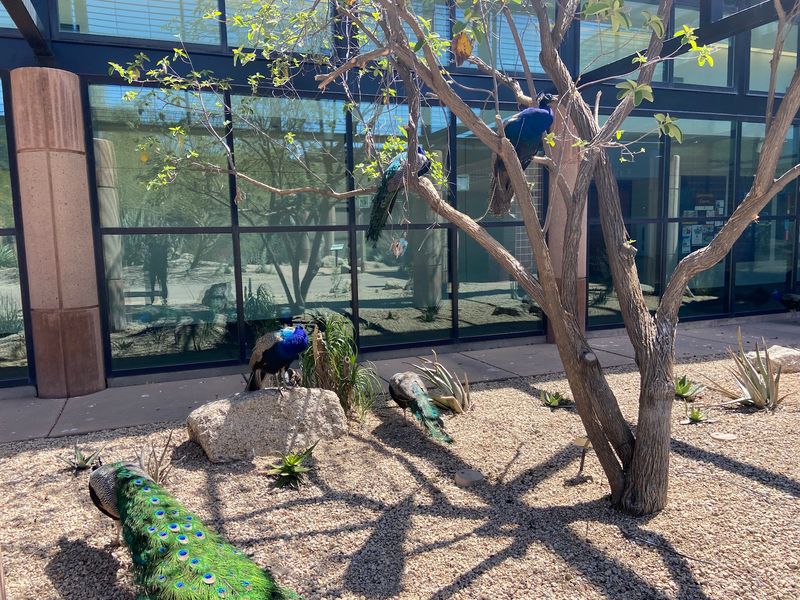
They strut past the library doors, rest under trees, and wander along the paths like tiny royal guards.
Here is a fun bit of history. The peafowl came from nearby Sahuaro Ranch Park and started visiting the library grounds.
Over time, they made the garden part of their daily routine.
The flock used to be much bigger. In late 2025, many birds were moved to help manage the population.
Still, around 35 remain in the area, so your chances of a sighting stay pretty good.
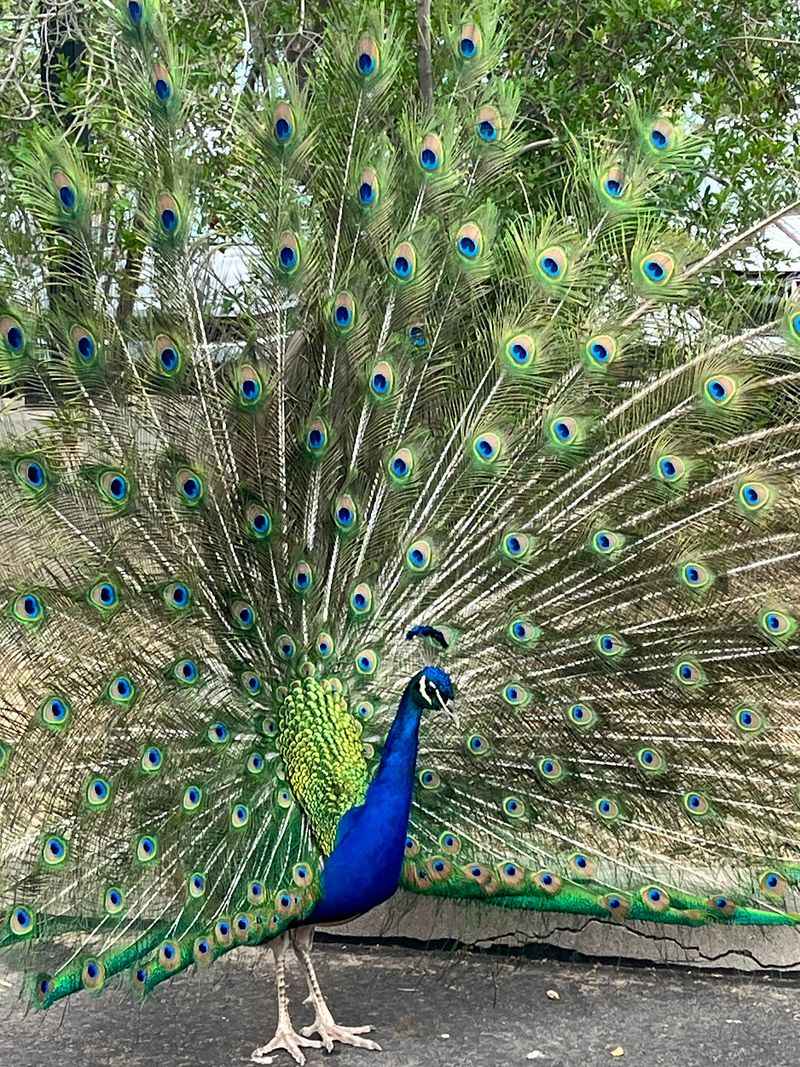
Males show off shimmering blue and green feathers. Females, called peahens, wear softer brown tones.
Lucky visitors sometimes spot baby peacocks trailing behind their moms.
Give the birds plenty of space. They are wild animals, not pets.
Watching quietly from a bench is the best way to see natural behavior.
One more friendly warning: watch your step. Where there are birds, there are droppings, especially near the parking lot and walkways.
Closed-toe shoes are a smart choice.
Can you catch a male fanning out his full tail before you leave?
Spikes, Spines, And Serious Style
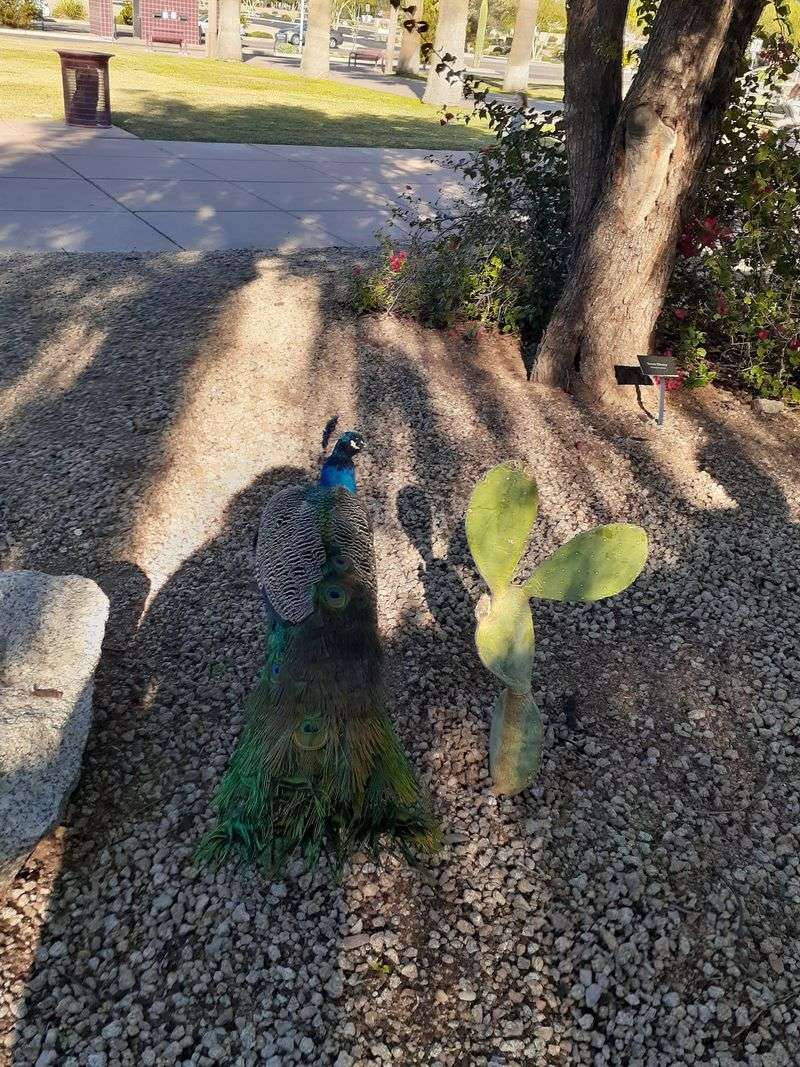
Think all cacti look the same? One lap through the Cactus Garden will change your mind fast.
This section holds more than 250 species of cacti and succulents.
Some are round and chubby, like green balls covered in golden spines. Others stretch tall and skinny toward the sky.
A few spread out in flat, paddle-shaped pads.
Succulents join the party too. Their thick leaves store water, which helps them survive long, dry months.
The aloes here grow surprisingly huge.
Speaking of aloes, one visitor learned a sharp lesson. While posing next to a giant one for a size photo, they got poked.
So admire these plants with your eyes, not your elbows.
Colors are a big surprise for first-timers. You will see blue-gray, deep green, and even purple tones.
When blooming season hits, bright flowers pop out on top of spiny stems.
Marked paths keep you out of the planting beds. This protects the plants and protects you from surprise pokes.
It also makes the whole area feel neat and easy to walk.
Bring your phone or camera. The shapes and shadows make fantastic close-up photos, especially in soft morning light.
Which cactus shape would you choose as your desert mascot: round, tall, or paddle-shaped? Pick a favorite and snap a picture to remember it by.
Where Rain Gets A Second Life
Rain in the desert is a rare treat. When it finally falls, every drop counts.
The Rain Garden shows clever ways to catch and use that precious water.
This area highlights rainwater harvesting. That is a fancy way of saying the ground is shaped to guide water where plants need it most.
Instead of rushing away down the street, rain soaks into the soil.
Look closely at the land as you walk by. You may notice low spots, rocky channels, and plants placed in just the right places.
Each detail has a job to do.
It is like a puzzle built by nature and smart design working together. Once you understand it, you start seeing these tricks in other Arizona yards too.
Homeowners love this section for a reason. It gives real ideas they can copy at home.
Even a small yard can use some of these simple methods.
Kids can learn something here as well. Ask them to guess which way water would flow during a storm.
It turns a garden walk into a fun science lesson.
Interpretive signs explain the water-saving ideas in plain language. Take a minute to read them, and you will walk away a little smarter.
Have you ever thought about where rain goes after it hits your roof? This garden might inspire you to catch some of it.
Shady Trails And Tough Trees
On a hot afternoon, shade feels like gold. One visitor explored the garden on a 100-degree day and still found relief under the trees.
That says a lot about the Tree Trail.
This path features desert-adapted trees that handle heat like champs. They need far less water than many common yard trees.
Yet they still offer cool patches of shade and graceful branches.
Walking the trail feels calm and easy. Leaves rustle overhead, and sunlight makes dancing patterns on the ground.
It is a nice break from the bright, open cactus areas.
Peacocks know this secret too. During the hottest part of the day, they often hide under trees to stay cool.
If you cannot find them in the open, check the shady spots.
Tree signs help you learn names as you go. This makes the trail great for anyone picking trees for their own yard.
You can see how big each one grows before you buy.
Timing makes a big difference in Arizona. Early morning or late afternoon brings cooler air and more active birds.
Midday visits work better in winter months.
Bring a water bottle no matter the season. Desert air dries you out faster than you think.
Which tree would you want shading your own backyard? Pick one, snap a photo of its sign, and take the idea home.
A Snack Stop For Wildlife
Peacocks may steal the show, but they are not the only guests here. Quiet visitors often spot bunnies hopping between plants.
Birds, bees, and butterflies stop by too.
That is thanks to the Habitat Garden. This area was designed to support local wildlife.
Plants here provide food, shelter, and cozy hiding spots for desert creatures.
Flowering shrubs attract busy pollinators. Seeds and berries feed small birds.
Dense branches give rabbits a safe place to rest when hawks fly overhead.
Here is a sneaky tip from a past visitor. Sit quietly on a bench near the black iron fence and wait.
Soon, the wildlife will show up, or you will hear them first.
Patience pays off in this part of the garden. The less you move, the more you see.
It is a peaceful way to slow down and notice small details.
Families can turn this into a game. Make a list of animals to find, like a rabbit, a hummingbird, and a lizard.
Check them off as you spot them.
Please do not feed any animals. Human food can make them sick, and the plants already give them what they need.
How many different critters can you count in ten quiet minutes? You might be surprised by how busy a desert garden can be when you stop and watch.
Tasty Secrets Of The Desert
Ever wondered what the desert tastes like? It is more than sand and sunshine.
The Desert Food Forest shows that dry lands can grow some delicious surprises.
This section features edible desert plants. These are plants that people have used for food, sometimes for a very long time.
Seeing them growing together is eye-opening.
Walk slowly and read the signs. You will learn which plants make fruit, pods, or seeds.
Some might already be growing in Arizona neighborhoods without most people knowing their tasty side.
Here is the important rule, though. Look, learn, and enjoy, but do not pick anything.
The garden is a shared space meant for everyone to see.
Home gardeners get lots of ideas here. A food garden does not need tons of water to succeed.
Choosing plants that love heat can save both money and effort.
Kids usually love this part. It feels like finding hidden treasure in plain sight.
Ask them to guess which plants might be edible before reading the signs.
This area also connects the garden to real life. Water-wise living is not only about looks.
It can put food on the table too.
Which desert plant would you most like to taste someday? Jot down the names you like and look for recipes when you get home.
Books, Benches, And One Last Stroll
Reading and walking usually happen at different times. Here, they team up.
The garden offers a StoryWalk experience that mixes a good story with an outdoor stroll.
Families love it. Kids read pages of a story as they move along the path.
Each stop pulls them forward, eager to see what happens next.
Benches sit throughout the grounds, perfect for a quiet pause. Past visitors say it is a relaxing place to sit and read.
Grab a book from the library and settle in with the peacocks nearby.
Look around, and you will also spot statues and sculptures scattered along the trails. They add fun surprises between the plants.
Photographers enjoy the mix of art, nature, and colorful birds.
Planning is easy. The garden is free and open to the public from dawn to dusk.
Library hours are different and can change, so check the official city website before heading inside.
You will find the garden at 5959 W Brown St, Glendale, AZ 85302. Parking sits right beside the library, so getting started takes only seconds.
Want to make a full day of it? Sahuaro Ranch Park is close by and has more peacocks to meet.
So, which will you pick first: a story, a bench, or a peacock photo? In this corner of Arizona, you can easily enjoy all three.