
This Free Tennessee Museum Keeps Ancient Egypt, Real Fossils, And Lucy Under One Roof
Some of the best Saturdays in Tennessee cost nothing at all. Tucked onto a university campus in the eastern part of the state sits a museum where you can stand beside a life-size early human, study fossil shells hundreds of millions of years old, and walk out without opening your wallet.
Parking is free too, if you know the trick with the front desk. For families counting gas money and retirees looking for an unhurried indoor morning, it is a rare kind of bargain.
A Campus Museum Hiding Behind the Stadium
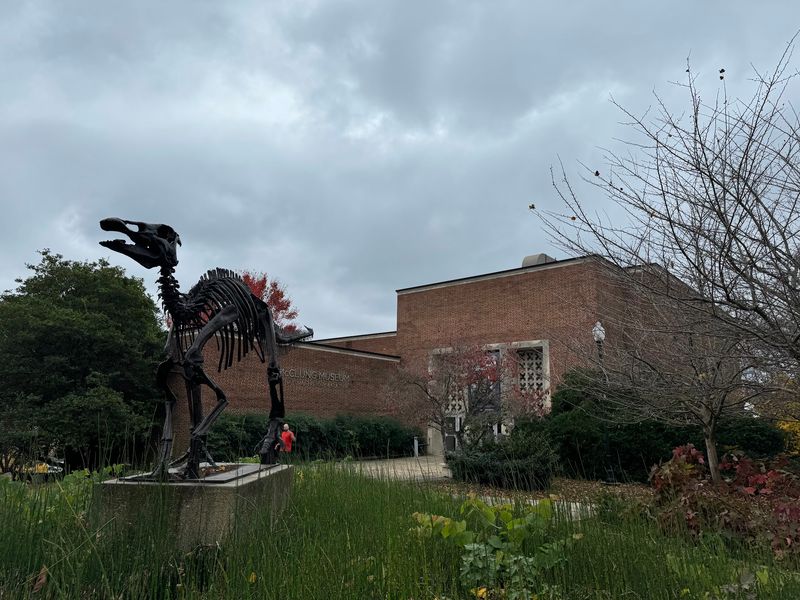
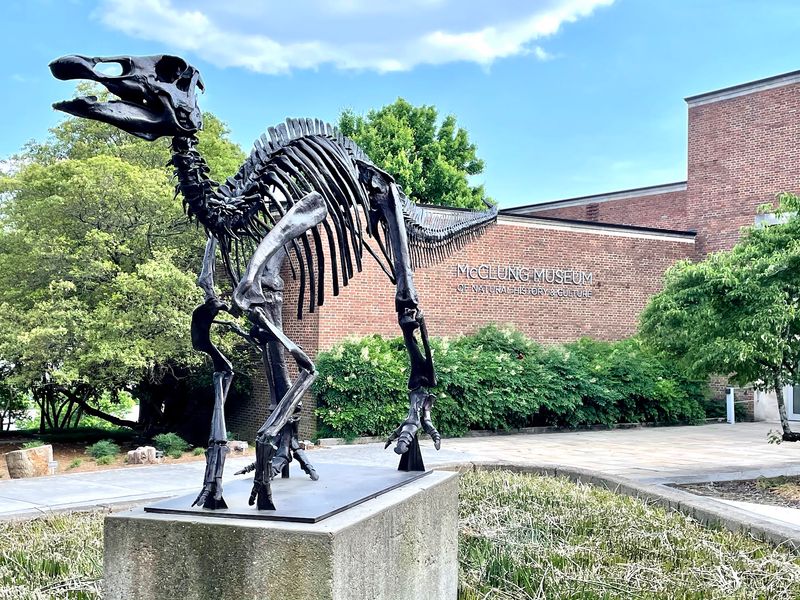
Knoxville hides one of its most interesting buildings in plain sight. The McClung Museum of Natural History & Culture sits at 1327 Circle Park Drive, right in the middle of the University of Tennessee campus, a short walk from Neyland Stadium.
Two floors hold collections that jump between geology, archaeology, art, and human evolution. It is a natural history museum and a culture museum stitched together, which explains the mix of dinosaur casts and hand-woven textiles under one roof.
Do not expect a Smithsonian-scale complex. Visitors regularly describe it as small, and many finish a full loop in an hour, though photographers and label-readers stretch it to two.
What makes the place unusual for Tennessee day-trippers is the price: admission is always free, with donations welcome. There is no gate, no timed-entry fee, no upsell.
One practical warning worth taking seriously. Several visitors mention that GPS apps route drivers to the back of the building or to a student lot, so plan on circling once.
Aim for Circle Park Drive itself rather than trusting your phone’s final turn.
Built by a University, Shaped by Its Students
Generations of Knoxville kids have grown up with this museum. One longtime visitor recalled a grandfather who worked in the building back in the 1970s, and returning decades later to find the galleries updated but the character intact.
Because it belongs to the University of Tennessee, the museum functions as a teaching space as well as an attraction. Classrooms sit inside the building, and student workers often staff the front desk and help interpret the collections.
That academic backbone shows up in the label writing. Repeat guests point out how carefully the exhibits handle cultural context, including openly acknowledging repatriation, the return of culturally significant items to the communities they came from.
Sections of the Native American displays have been marked as removed for repatriation over the years, and the museum explains why rather than quietly emptying a case.
There is a trade-off to the campus setting. Weekday classes can share the halls, which one guest found distracting, and staff have noted that no classes are held on Saturdays or Sundays.
If quiet matters to you, aim for the weekend.
Fossils From Tennessee Rock and Beyond
Clam fossils were not what one visitor expected to find in Knoxville, and yet there they were, pressed into stone older than almost anything else in the building.
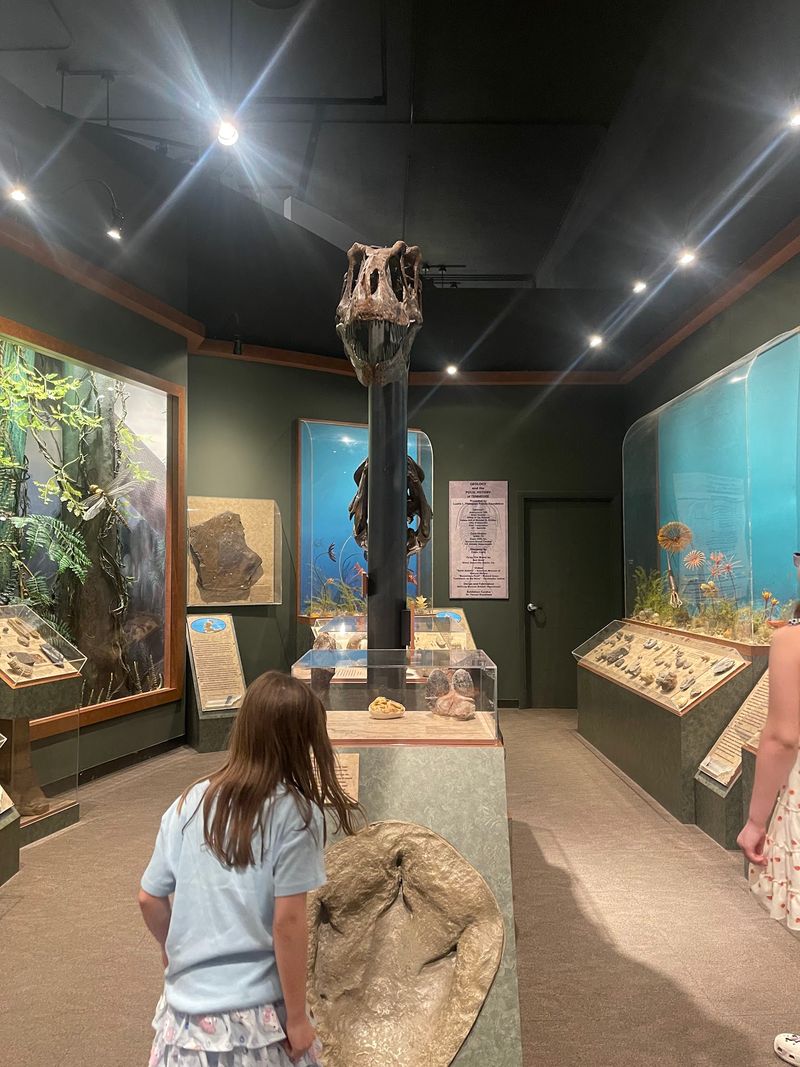
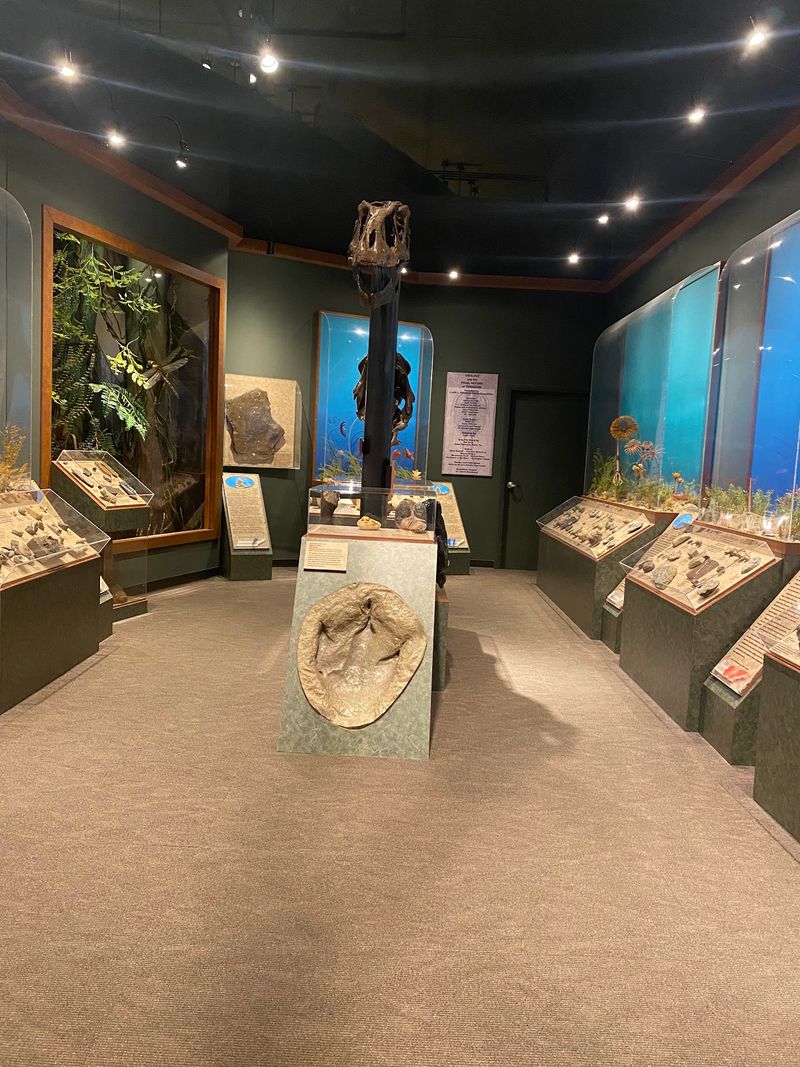
The Geology and Fossil History of Tennessee exhibit gathers specimens from local ground and from far-off sites, some of them hundreds of millions of years old. Ice Age remains share the space with dinosaur casts, giving kids something big and toothy to point at.
Fossils and dinosaurs come up again and again when people describe their visits, and for good reason. The gallery walks you through how the land itself changed, with visual aids and artwork showing the plants and animals that lived here at different chapters of deep time.
One guest called the section on the shifting of the world’s landmasses their favorite thing in the museum. It is the kind of display that turns a vague school lesson into something you can stand in front of.
For elementary-age kids, this is usually the anchor stop. Budget extra minutes here and let them read the fossil labels out loud.
Standing Face to Face With Lucy
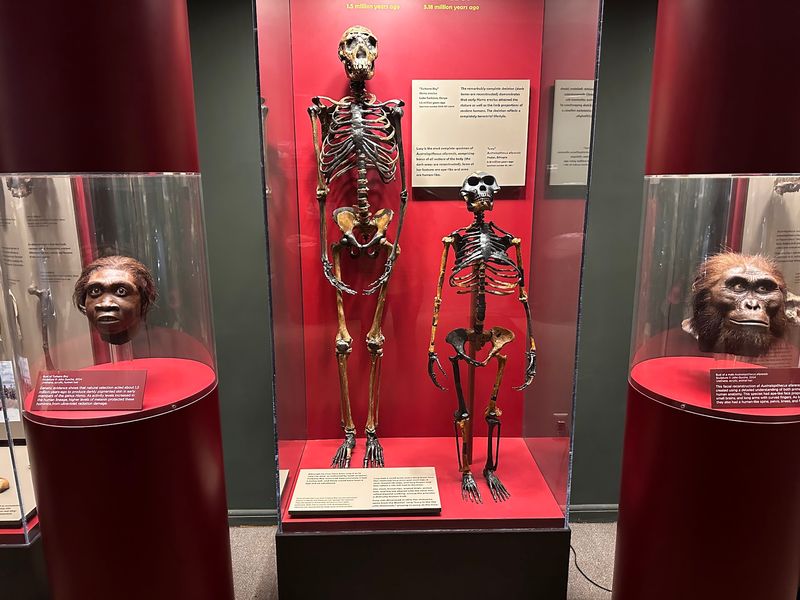
Meeting Lucy is the moment most people remember. The Human Origins: Searching for Our Fossil Ancestors gallery uses casts of fossil hominids to trace how our family tree branched, and it includes a life-size reconstruction of an Australopithecus afarensis, the same species as the famous Lucy skeleton.
The original bones stay in Ethiopia, where they were found, so what you see here is a precise replica. Museums around the world use these copies to teach evolution, and honestly the effect in person is the same: she is small, upright, and startlingly familiar.
Visitors have singled out the castings displayed in context, including a Venus figurine in the human evolution room, as one of the smarter curatorial choices in the building.
Kids tend to react in one of two ways. Some breeze past, others plant themselves at the glass and start asking questions you cannot answer.
Either way, it costs nothing to try. Few places in Tennessee let a child come eye to eye with a three-million-year-old relative on a free afternoon.
The Ancient Egypt Gallery That Closed Its Doors
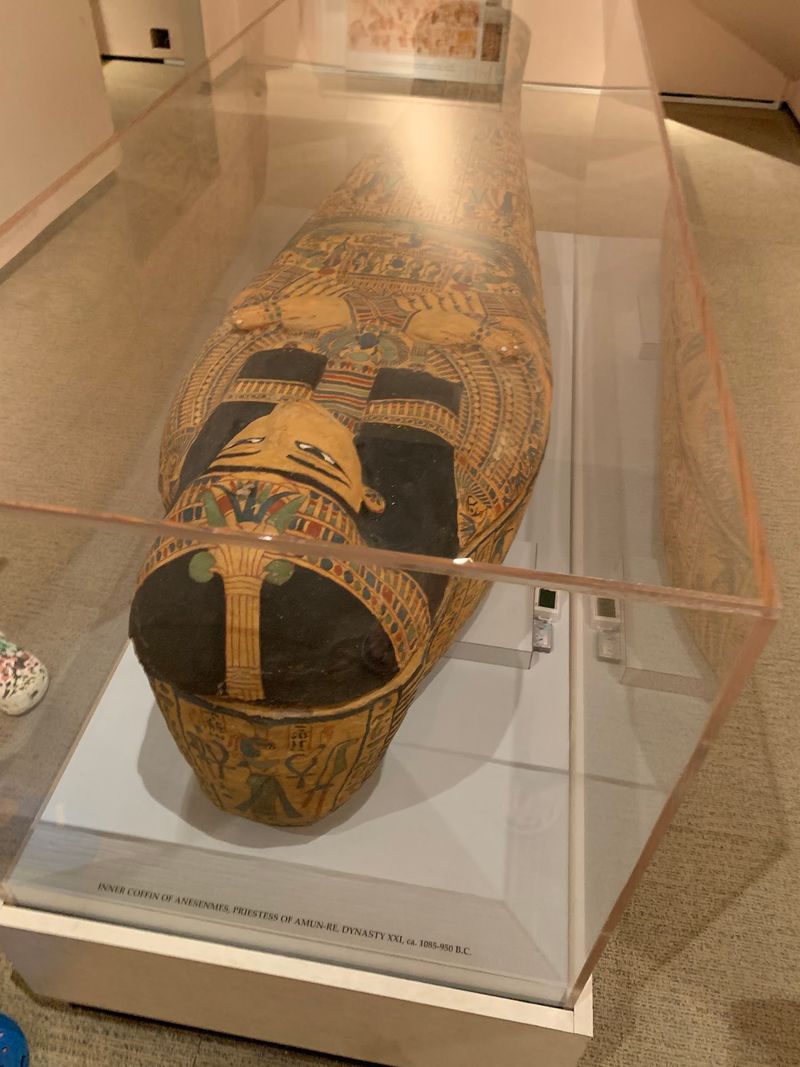
Here is the honest correction to any old guidebook you might be holding. Ancient Egypt: The Eternal Voice, a fixture at the McClung for nearly three decades, closed on July 23, 2022.
The gallery space is being reimagined for future exhibits, so the mummy-and-hieroglyphs stop that older visitors remember is no longer part of the walk-through. Reviews written years ago still rank it among the highlights, which is why the confusion lingers online.
Worth knowing before you promise a child pharaohs. The museum’s own listings and older descriptions of the building still reference Egypt in places, so call ahead at 865-974-2144 if that exhibit is your whole reason for driving over.
Change is fairly normal here. Temporary exhibitions rotate roughly each semester, and staff have encouraged repeat visits specifically because the lineup shifts.
Recent rotations have included Fashioning Ourselves, on clothing and adornment, and Homelands: Connecting through Mounds with Native Art. One guest who was lukewarm on the clothing exhibit called Homelands the single best reason to make the trip.
Check the current schedule online before you load the car.
Native American Art, Mounds, and Regional History
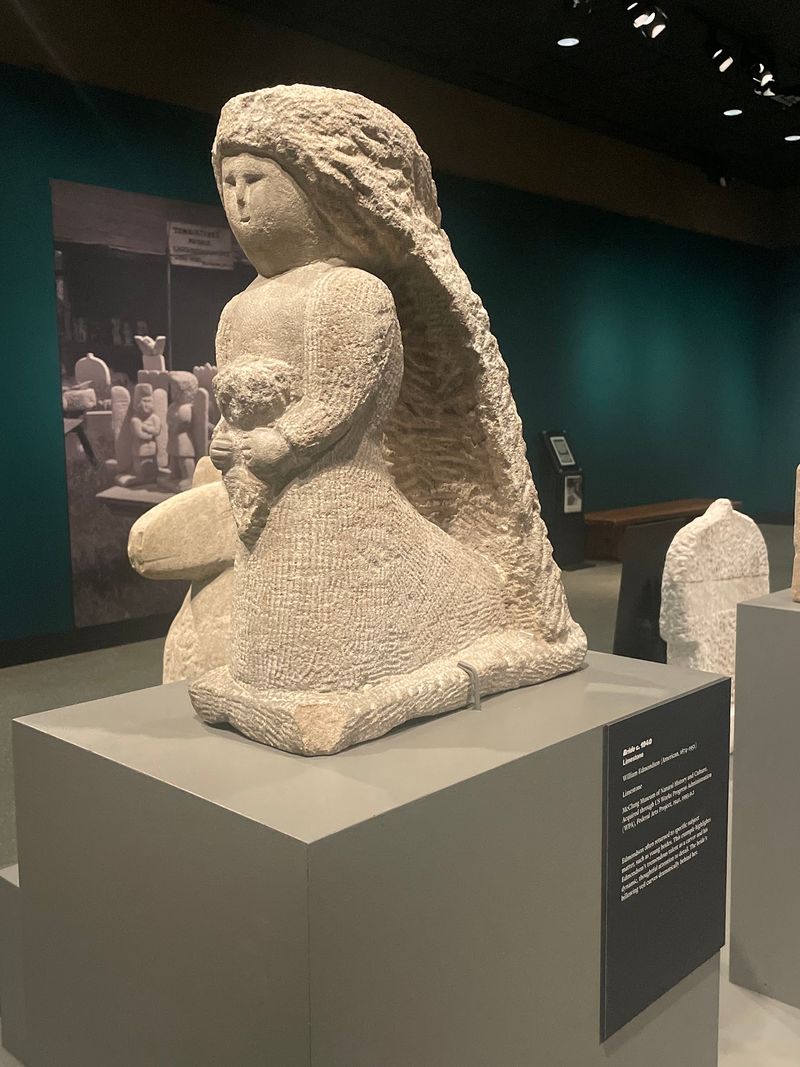
Long before the university, before Knoxville itself, people built mounds across this part of the country. Homelands: Connecting through Mounds with Native Art puts contemporary Indigenous work alongside that deep history, and it has quietly become the exhibit visitors talk about most.
Beautiful pottery, beadwork, and objects from the museum’s Native American holdings fill nearby cases. Artifacts are the single most mentioned feature of the whole museum, and this is where a lot of them live.
Guests have praised how respectfully and currently the information is presented, with the museum openly discussing racial bias and colonialism within the museum industry itself. That is unusual candor for a regional collection.
Local and regional history threads through other rooms too. Displays touch on the story of the area, Civil War era material, world art, and even the freshwater mussels that make Tennessee rivers ecologically remarkable.
The overall feeling is compact but considered. Several people have said the galleries are too small for the quality of what is held back, which is a compliment wrapped in a complaint.
Give this wing your slowest walking pace.
Quiet Halls, a Craft Room, and Who Fits Best Here
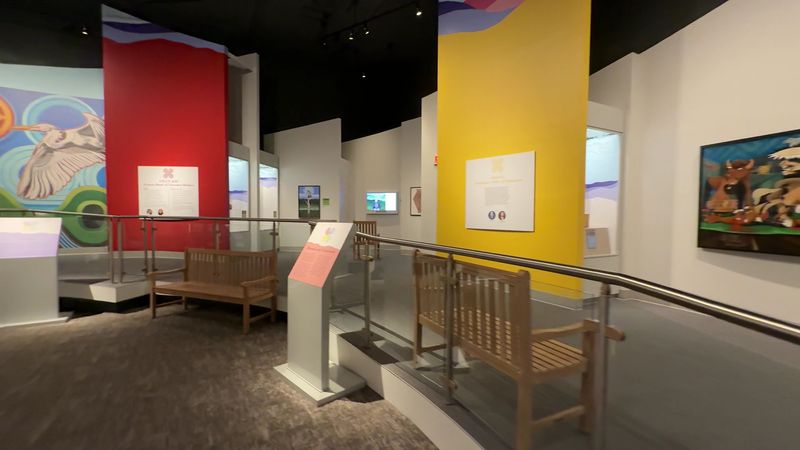
Weekday mornings can feel almost private. More than one guest has described nearly empty galleries and the luxury of reading every panel without anyone waiting behind them.
Families get a real bonus tucked into the layout: a small creative space where children can make art and add their work to the display. Parents have called it a super cute craft room, and it buys you a few extra calm minutes.
The audience this suits best is easy to picture. Curious grade-schoolers, homeschool groups, retirees who like a manageable indoor outing, and out-of-state travelers passing through who want an hour of substance instead of a tourist strip.
Rushed visitors sometimes finish in thirty minutes. Detail-lovers report happily spending closer to two hours, which happens to match the free parking window.
Not everything lands for everyone. Some guests have found particular exhibits light on narrative, and construction around the building has complicated arrivals at times.
Still, the museum holds a 4.6-star average across roughly 679 opinions on Google, which is strong company for a small campus institution. Friendly greetings at the desk come up often.
Hours, Free Parking, and the Drive From Your Town
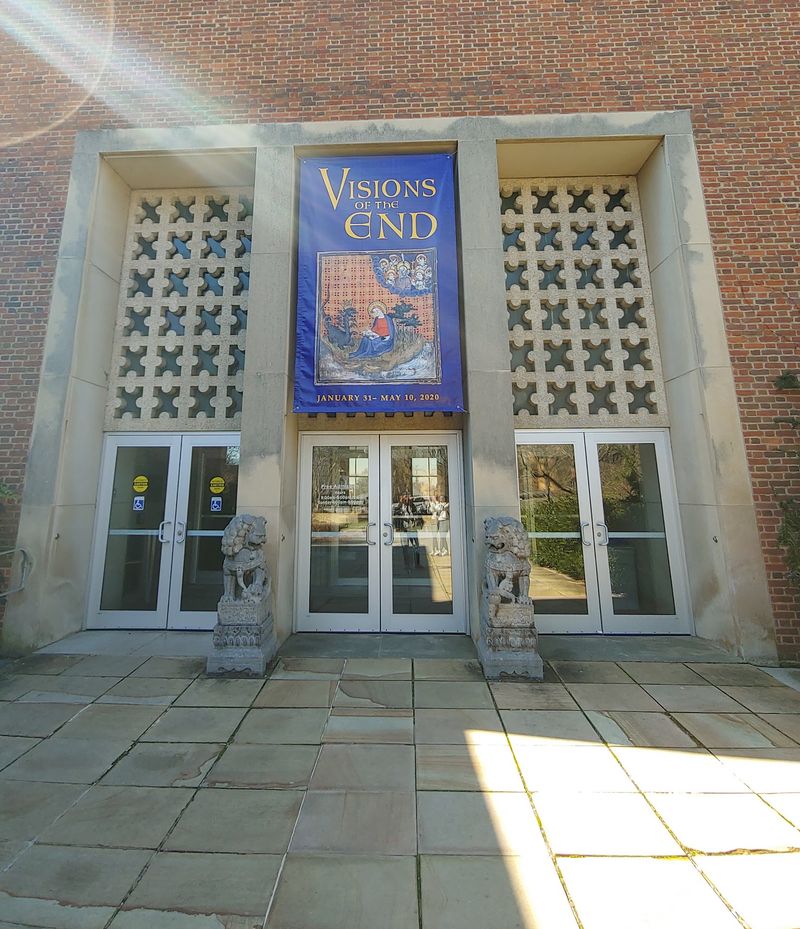
Timing matters more than money here. Doors open Tuesday through Saturday from 9 AM to 6 PM and Sunday from 10 AM to 5 PM, with Mondays closed, plus university holidays and home football game days.
Parking is the part people get wrong. Ten free spots sit directly in front of the entrance on Circle Park Drive, first come first served, and you validate your license plate at the front desk after you arrive.
Guest services may also ask for your zip code, and the pass generally covers two hours.
If those spaces are full, hourly paid parking nearby works through the Park Mobile app. Hours and details can change seasonally, so a quick look at mcclungmuseum.utk.edu before leaving saves frustration.
Drive times from Tennessee metros: roughly 1 hour 40 minutes from Chattanooga, about 114 miles. Nashville runs close to 2 hours 58 minutes, around 180 miles.
Memphis is the long haul at roughly 6 hours and 390 miles.
Accessibility is solid. The building is wheelchair accessible, a wheelchair can be requested at arrival, and baby-changing tables are in both restrooms.
A Cheap Knoxville Day, Start to Finish
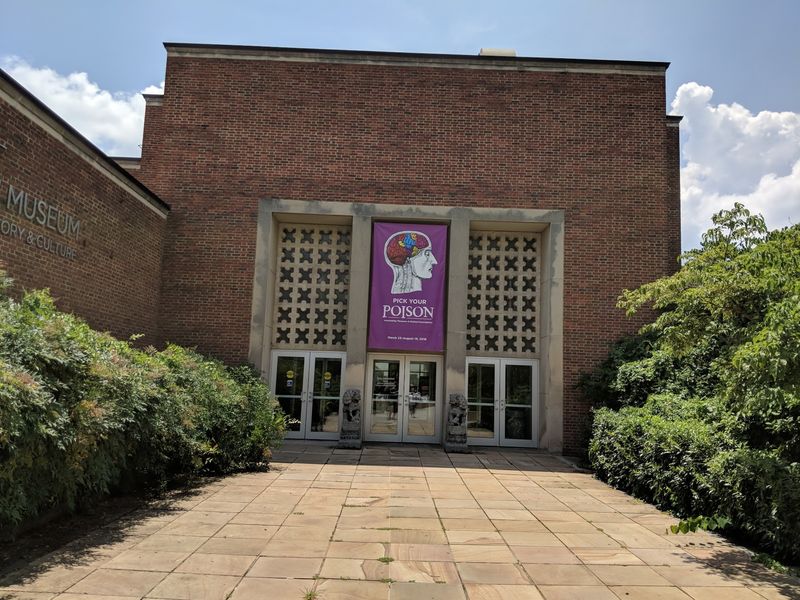
Add it up and the numbers are hard to argue with. Admission free, parking free, and lunch downtown for under ten dollars a person puts a whole outing well below the cost of a nice dinner out.
There is no cafe inside, but packed lunches are welcome on the benches in Circle Park just outside the entrance, and campus dining sits within walking distance. Downtown Knoxville handles the rest: Pete’s Coffee Shop & Restaurant runs daily meat-and-three specials around $10, Yassin’s Falafel House does wraps for $7 to $8, and Dazzo’s Pizzeria pairs a slice with sides for under $8.
A small gift shop stocks items tied to the collections, which is where the souvenir dollar tends to go. Restrooms are on site; wifi has been reported as absent.
So, the soft verdict. If you want a sprawling, all-day museum, this is not that, and old references to Egypt no longer apply.
What you get instead is a tidy, thoughtfully written two floors with real fossils, a Lucy you can stand beside, and a bill of exactly nothing. For a fall Saturday in East Tennessee, that math works.