
This Georgia Berry Farm Offers $12 Per Gallon Blueberry Picking Unlimited Fresh Berries And The Most Refreshing Blueberry Lemonade
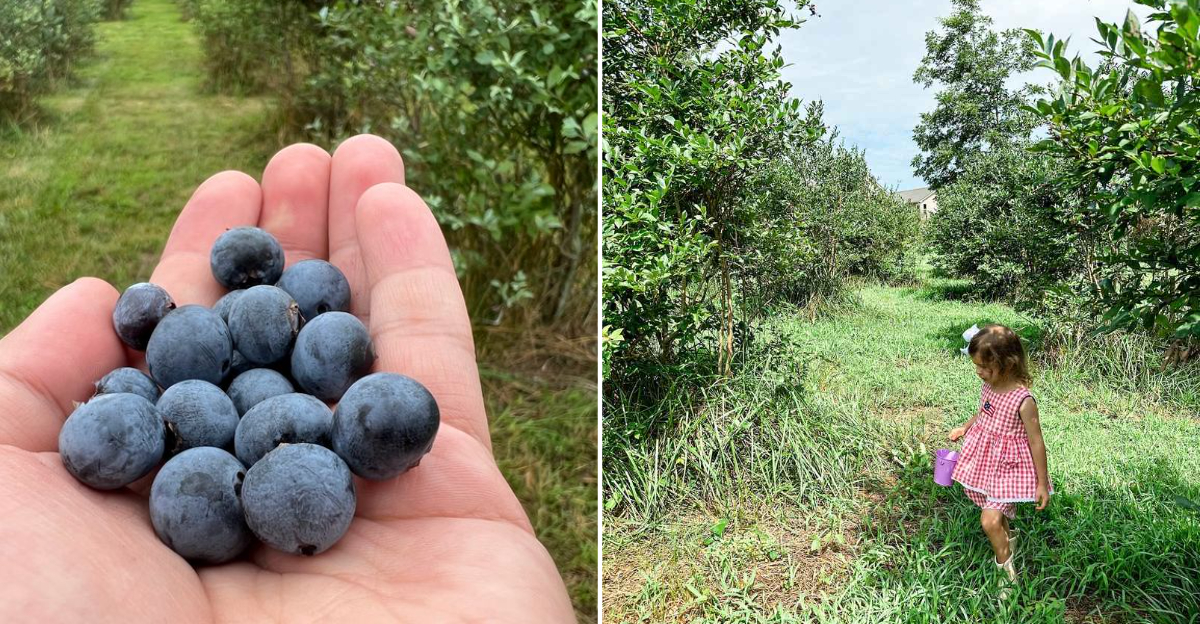
There’s something satisfying about paying for food by the effort you put into finding it yourself. This Georgia berry farm built its entire business around that idea.
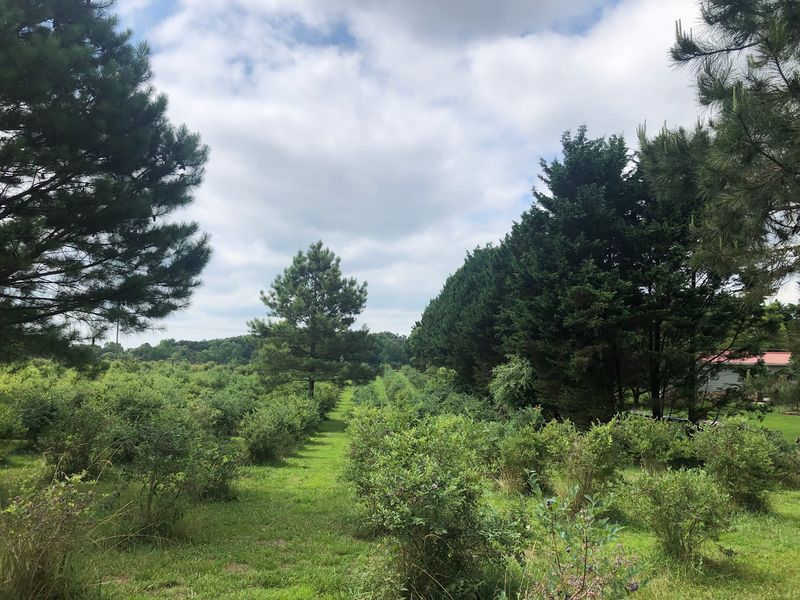
Rows of blueberry bushes stretch further than most visitors expect, heavy enough that picking a full bucket barely takes any real effort. Buckets fill up fast, and nobody’s rushed to stop after just one.
Kids run between rows while parents pick at their own pace, in no particular hurry. A stand near the entrance sells lemonade made with the same berries growing just a few feet away.
That drink alone gets people talking as much as the picking does. This farm turned a simple afternoon into something worth the drive.
Affordable Picking Rates In Georgia
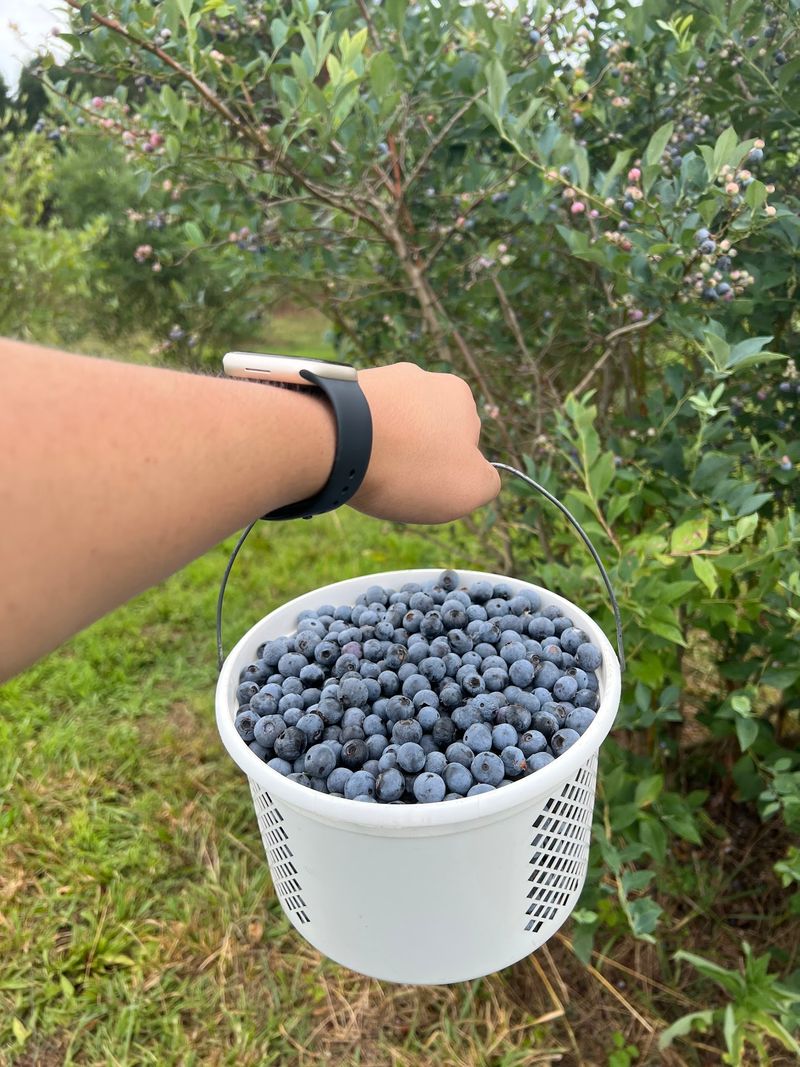
Berry picking does not have to cost a fortune, and Blueberry Garden’s proved that point for over a decade. At their peak, the farm offered U-pick blueberries at rates that made filling a whole gallon bucket feel like a steal.
The value always felt fair for fresh, organic produce.
Bringing cash was always a smart move since the farm operated as a small, two-person setup. Skipping the card fees helped keep things running smoothly for the owners.
An appointment system was in place to make sure visitors actually found berries waiting for them. That small detail made a big difference.
Nobody wants to drive out only to find empty bushes. The system kept things organized and fair for every family that showed up ready to pick.
While the U-pick portion of Blueberry Garden’s is now permanently closed, the farm still sells jam, preserves, farm-fresh eggs, and plants throughout the year. The value-driven spirit that made this place special did not disappear with the picking season.
Supporting this small farm feels rewarding, with products that still deliver the honest, farm-direct quality visitors love. The farm sits at 5475 Crow Rd, Cumming, GA 30041, and was a beloved spot in Forsyth County.
Endless Supply Of Fresh Ripe Blueberries
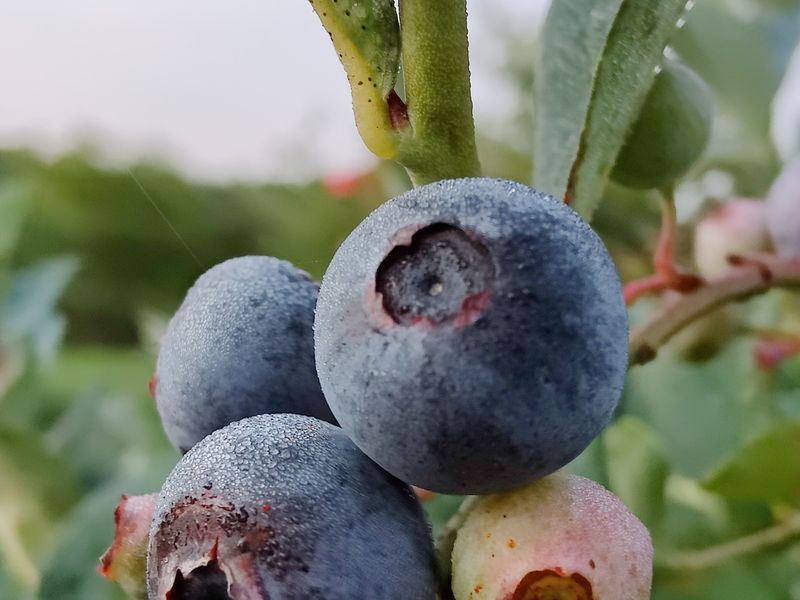
Blueberry Garden’s once had over three acres of blueberry bushes spread across two full fields. That is a lot of berries.
Visitors regularly reported filling multiple gallon buckets in under an hour, and some berries grew as big as grapes. The variety selection was impressive, meaning you got different flavors and sizes all in one visit.
The bushes were grown using organic practices. No pesticides.
No herbicides. Just healthy soil, natural pollinators buzzing around, and fruit that tasted the way blueberries are supposed to taste.
Picking straight off the bush and popping one in your mouth right there in the field was basically the whole experience in one bite.
Fresh farm blueberries hit completely differently compared to store-bought ones. The texture is firmer, the sweetness is more natural, and the flavor has actual depth.
Once you try them fresh, the plastic clamshell at the grocery store feels like a downgrade.
The farm ran an appointment-based system during picking season to make sure every visitor found ripe berries ready to go. Berry availability is never guaranteed without some planning, so that system was genuinely helpful.
Going earlier in the morning was always the smarter move before Georgia heat turned the fields into an outdoor sauna. Even with U-pick closed, the legacy of those organic blueberry acres remains part of Blueberry Garden’s memorable Georgia farm story.
Health Benefits Of Blueberries From Farms
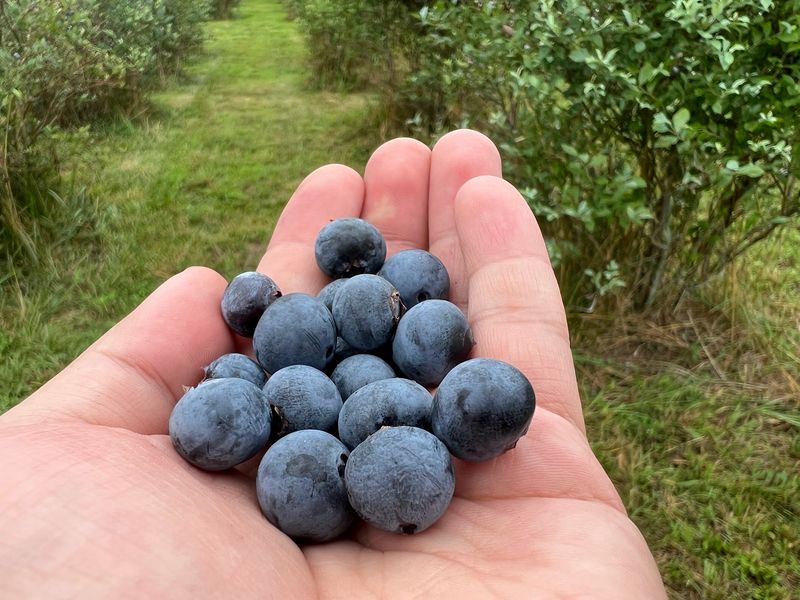
Blueberries are basically a superfood wearing a very humble disguise. That deep blue color comes from anthocyanins, which are natural compounds linked to reducing inflammation in the body.
Regular blueberry consumption has been connected to better cardiovascular health, sharper brain function, and improved gut health. That is a lot of work for such a small fruit.
Farm-grown blueberries, especially those raised without pesticides or herbicides like the ones at Blueberry Garden’s, carry all those benefits without the chemical baggage. Organic practices mean the fruit develops naturally.
The nutrients stay intact, and you are not washing off a layer of synthetic residue before eating.
Blueberries are packed with fiber, vitamin C, vitamin K, manganese, and potassium. They may also help protect against pre-diabetes and type 2 diabetes over time.
Athletes have even started eating them regularly because the anti-inflammatory effects can support muscle recovery after hard workouts.
Eating blueberries straight from the bush, still warm from the Georgia sun, is about as farm-to-body as nutrition gets. There is no processing, no packaging, and no sitting in a cold storage facility for weeks.
The freshness you get from a farm like Blueberry Garden’s means you are getting the fruit at its nutritional peak. Whether eaten fresh, blended into smoothies, or added to oatmeal, organic blueberries are a smart, healthy snack choice.
Perfect Occasions For Berry Picking Activities
Berry picking is one of those activities that works for almost every occasion. Birthday outing? Yes. Summer date? Absolutely.
That is basically the perfect scenario. Blueberry Garden’s built its reputation on being a spot where everyone from toddlers to grandparents could have a genuinely fun time without anyone getting bored or exhausted.
The farm in Cumming attracted families, couples, and groups of friends who wanted something more hands-on than a movie or a mall trip. There is a real satisfaction in filling your own bucket.
You worked for those berries. You earned that lemonade on the way out.
Blueberry season in Georgia typically runs through the warmer months, making it a natural fit for summer vacation plans. School is out, the days are long, and kids actually want to be outside.
Berry picking keeps them moving, curious, and away from screens for at least a couple of hours, which feels like a win for everyone involved.
Even now that the U-pick portion has closed, visiting Blueberry Garden’s to grab fresh lemonade, jam, or farm eggs still makes for a worthwhile stop. The farm atmosphere alone is calming and grounding in a way that a grocery run simply is not.
If you are planning a family outing in the Forsyth County area, keeping small local farms like this one on your radar is always a solid idea for creating real, memorable moments together.
Seasonal Tips For Harvesting Blueberries
Blueberry season in Georgia usually kicks off in late spring and runs through midsummer. The exact window depends on the variety being grown and what the weather has been doing.
Farms with multiple blueberry varieties, like Blueberry Garden’s once had, tend to have a longer picking window because different types ripen at different times. That overlap is a real advantage for visitors.
Going early in the morning is always the right call. Georgia heat builds fast, and by midday the fields can feel brutal.
Morning picking means cooler temperatures, better energy, and berries that have not been sitting in direct heat all day. The fruit is firmer and easier to handle before the sun really gets going.
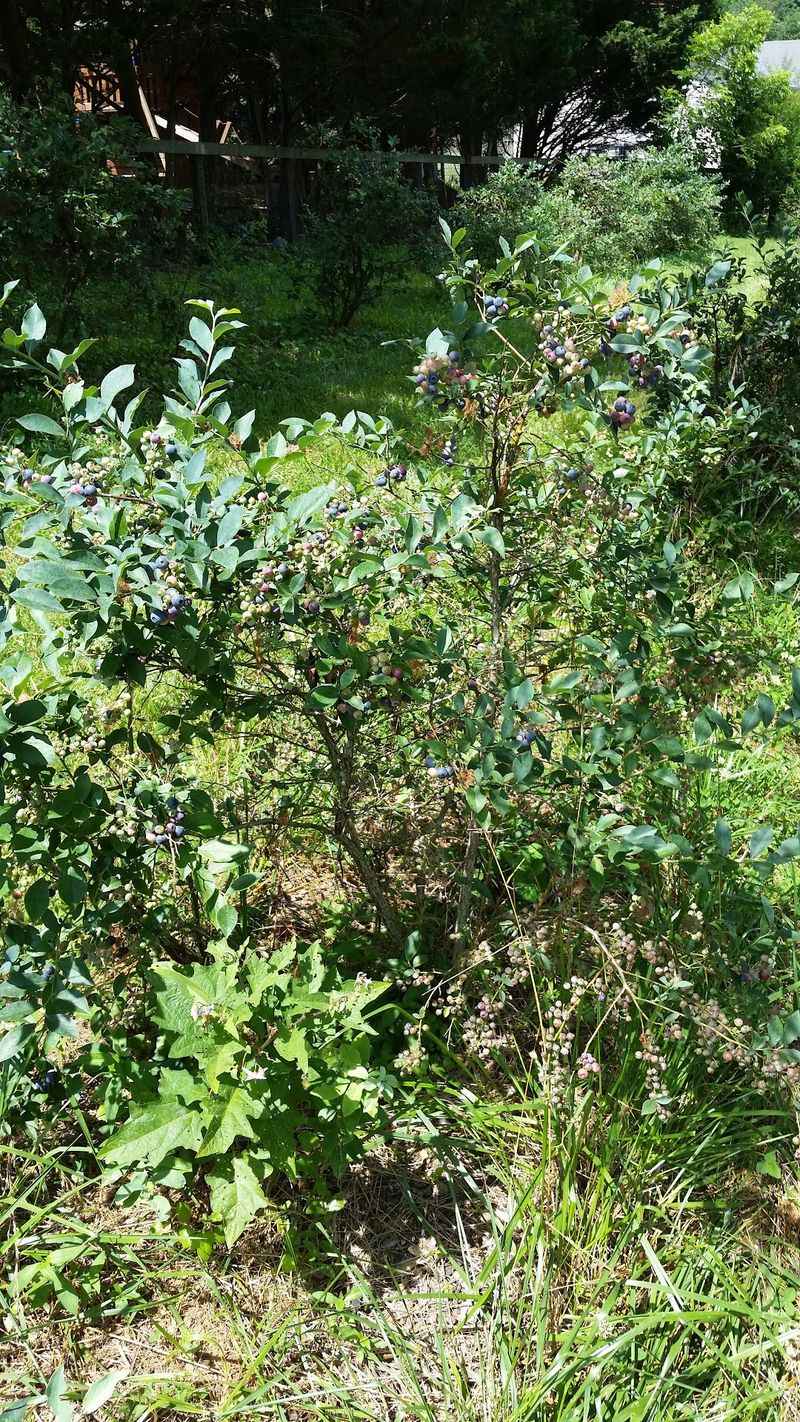
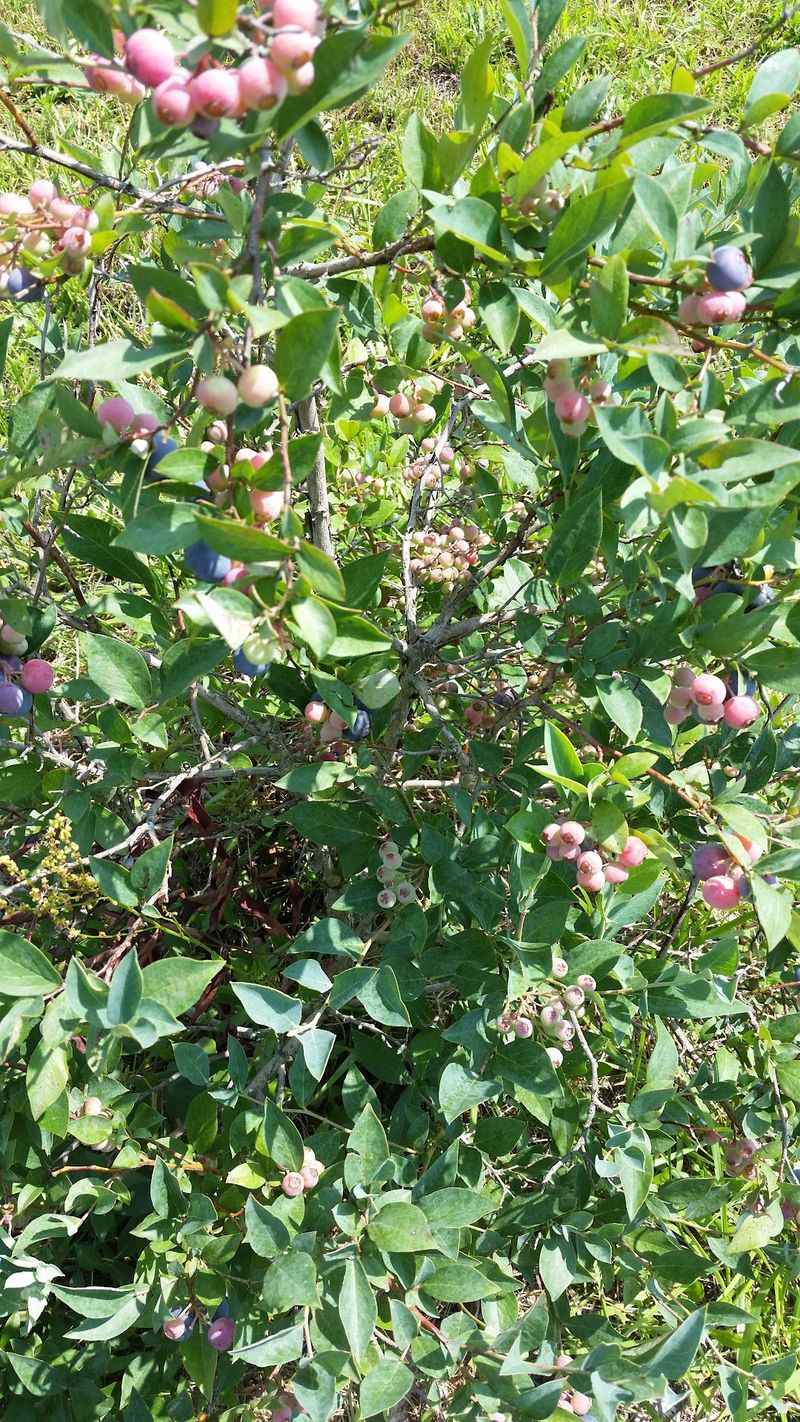
When harvesting, look for berries that are fully blue with no red or green at the base. A ripe blueberry comes off the bush with almost no effort.
If you have to pull hard, it probably needs another day or two. Patience during picking pays off in flavor, and rushing the harvest means ending up with tart, underripe fruit.
Blueberry Garden’s appointment system during their U-pick years was a smart move for exactly this reason. Knowing that the crop was ready before you made the drive saved a lot of disappointment.
Berry availability changes fast, especially late in the season. Planning, arriving early, and picking gently are the three habits that make a farm visit genuinely productive and enjoyable for everyone in your group.
Crafting Refreshing Lemonade Drinks
Blueberry lemonade might sound like a simple drink, but when it is made right, it is genuinely hard to forget. Blueberry Garden’s version became one of the most talked-about parts of visiting the farm.
People who went primarily for the berry picking often left mentioning the lemonade just as much. That is a strong statement about a cup of juice.
A good blueberry lemonade starts with real ingredients. Fresh blueberries, real lemon juice, water, and a natural sweetener like sugar or maple syrup are all you need.
Some recipes simmer the blueberries with a bit of lemon juice first, then strain the mixture to pull out a rich, concentrated juice. That liquid becomes the base, and the result is a drink with serious depth of flavor.
The color alone is worth talking about. Blueberry lemonade turns this gorgeous deep purple that looks almost too pretty to drink.
Almost. The tartness of the lemon balances the sweetness of the berries in a way that feels refreshing rather than overly sugary.
On a hot Georgia afternoon, it hits exactly right.
Making it at home is genuinely straightforward. Simmer one cup of blueberries with a splash of lemon juice until the berries break down.
Strain, cool, then mix with fresh-squeezed lemon juice and a simple syrup. Pour over ice and enjoy something that tastes far more impressive than the effort involved.
Blueberry Garden’s set a high bar, but this recipe gets you surprisingly close to that farm-stand quality.
Family Friendly Activities At Fruit Farms
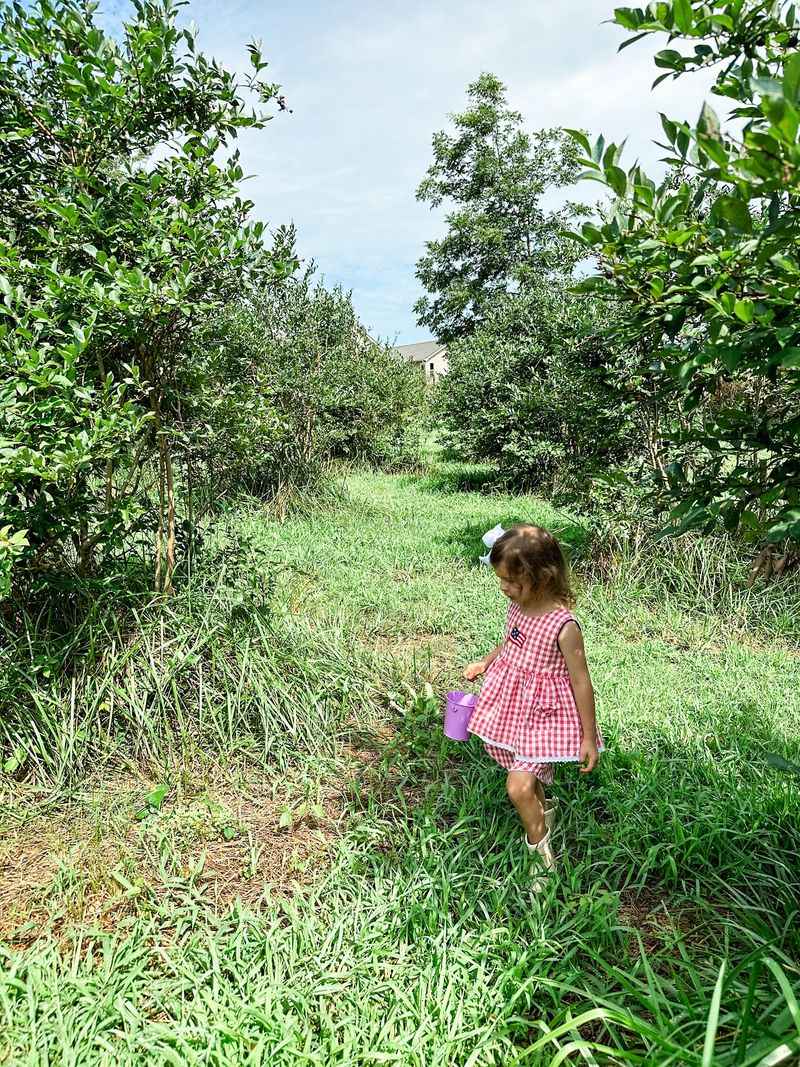
Fruit farms are underrated as family destinations. Blueberry Garden’s had a small playground on the property, which meant little kids who maxed out their berry-picking attention span still had somewhere to burn energy.
That small detail made the visit more relaxed for parents trying to wrangle toddlers between the bushes.
The farm was a two-person operation run by a husband and wife who clearly cared about the experience visitors had. That personal touch showed up in small ways.
The owners were known for being friendly, sharing gardening advice, and making visitors feel genuinely welcome rather than just processed through a transaction.
Farm visits teach kids things that are hard to explain in a classroom. Where food actually comes from.
How long it takes to grow something. What organic farming looks and smells like up close.
When a child picks their own food and then eats it, the connection between effort and reward becomes real in a way that sticks with them.
Even beyond the picking, Blueberry Garden’s offered farm-fresh eggs and other products that visited feel complete.
Going home with a carton of eggs and a jar of blueberry jam alongside your freshly picked berries turned a simple outing into a full farm haul.
Activities like these create the kind of low-pressure, high-memory family days that do not require a theme park budget or a two-hour drive. Sometimes the best outings are the ones happening right in your own county.
Sustainable Farming Practices Behind The Berries
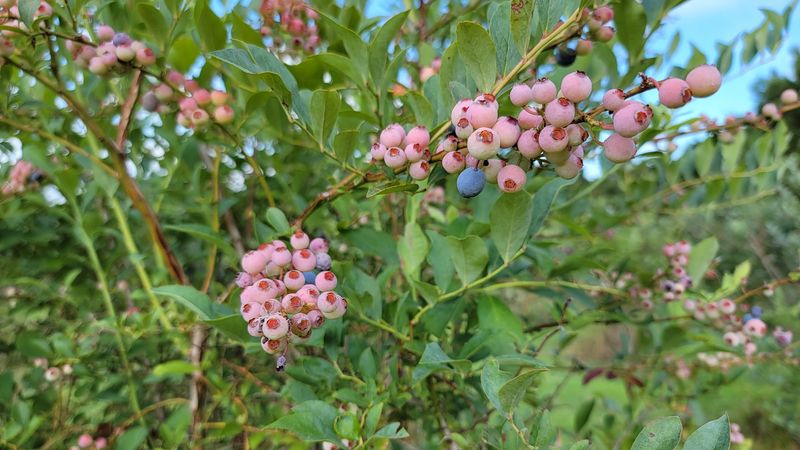
Blueberry Garden’s ran an organic operation, and the proof was visible the moment you walked onto the property. Bees and pollinators buzzed freely around the bushes.
Ant hills dotted the ground. Grass clippings gathered naturally at the base of the plants.
For some visitors, that looked messy. For anyone who understands organic farming, it looked exactly right.
No pesticides were sprayed on the blueberry bushes. No herbicides touched the ground.
No synthetic fertilizers were used to push unnatural growth. The result was a farm where the ecosystem functioned the way it was supposed to, with natural processes doing the work that chemicals would otherwise handle.
This approach mattered especially to parents. Knowing that kids could grab a berry off the bush and eat it without worry was a genuine comfort.
The owners made that a priority, and visitors noticed. A farm without chemical inputs is a healthier environment for everyone on it, including the soil, the insects, and the people picking fruit in the summer heat.
Sustainable farming also means working with the land rather than against it. Blueberry Garden’s demonstrated that a small, two-person farm could maintain high standards without industrial equipment or corporate backing.
After 13 years of operation, the decision to close the U-pick portion was made thoughtfully, with the owners prioritizing safety and quality over scale.
That commitment to doing things right, even when it meant stepping back, is the kind of farming philosophy worth respecting and supporting whenever possible.