
This Georgia State Fair Favorite Is Known for Its Smoked Turkey Legs
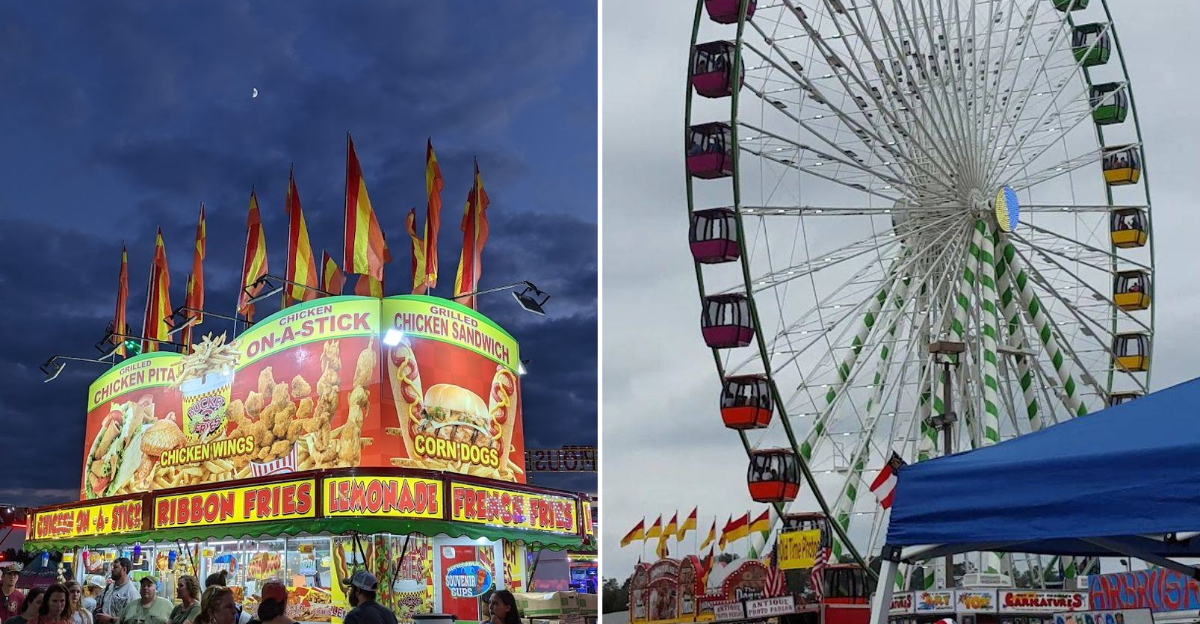
State Fair favorites are the places that capture everyone’s attention at the event. Beyond the countless rides, games, and performances, many visitors come for one very specific reason.
Smoked turkey legs. In Georgia, these iconic fair treats are more than just food.
They are a tradition and a must-have experience that evokes the sights, smells, and excitement of the fairgrounds. The smoky aroma drifts through the air.
It draws crowds to vendors who have perfected their recipes over years. Each turkey leg is generously sized, juicy, and packed with flavor.
This keeps people coming back year after year. For fairgoers, grabbing one of these turkey legs is almost a rite of passage.
It is a delicious way to taste the state’s culinary charm while enjoying the lively energy of Georgia’s fairs.
History And Origin Of Turkey Legs At Events

Smoked turkey legs have been a fair staple for decades, but most people do not know how they got there.
The trend really took off in the 1980s and 1990s when theme parks and state fairs started looking for bold, dramatic foods that could be eaten while walking. A giant turkey leg fit the bill perfectly.
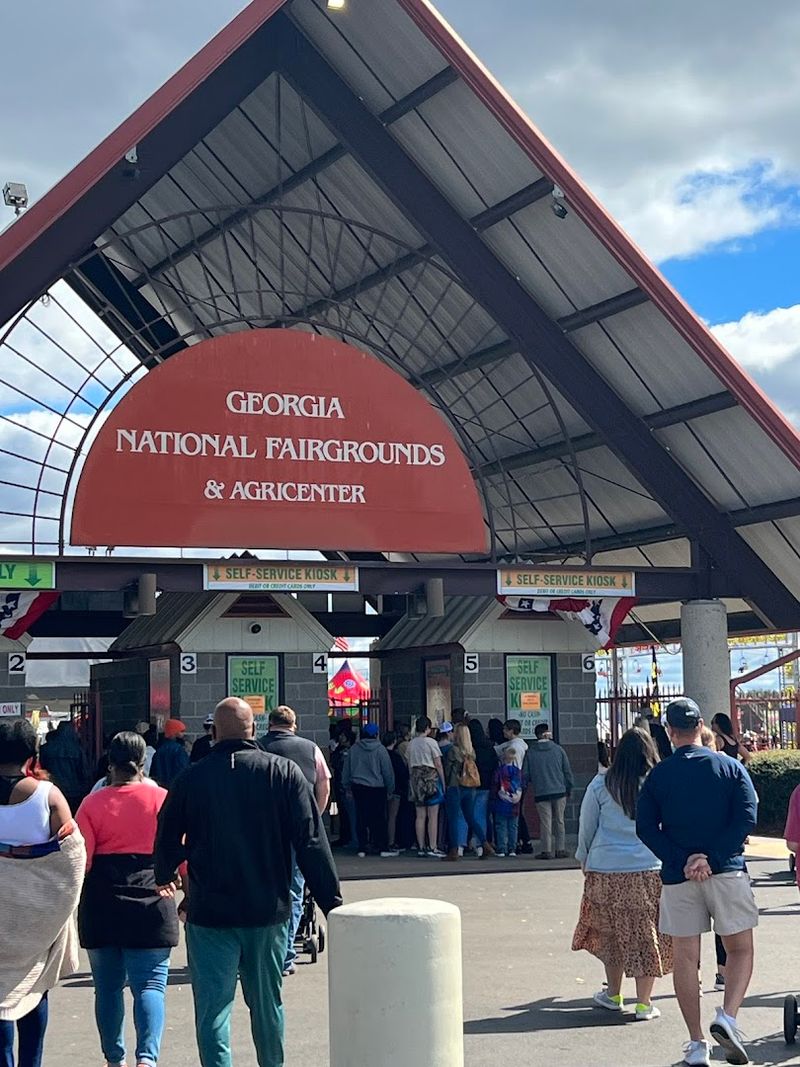
At the Georgia National Fairgrounds and Agriculture Center, located at 401 Golden Isles Parkway, Perry, GA 31069, this tradition runs deep. Concessions by Cox has been serving smoked turkey legs at the Georgia National Fair since 1998.
That is over two decades of perfecting the craft.
The drumstick itself became a symbol of indulgence and fun. You are not just eating food at a fair.
You are making a statement. The size alone turns heads and makes people in line immediately rethink their pretzel order.
Historians of American food culture point to state fairs as the birthplace of many beloved comfort foods. Turkey legs earned their throne through sheer flavor and spectacle.
Nobody walks past a smoking pit without stopping to look twice.
Techniques For Achieving Ideal Smoke Flavor
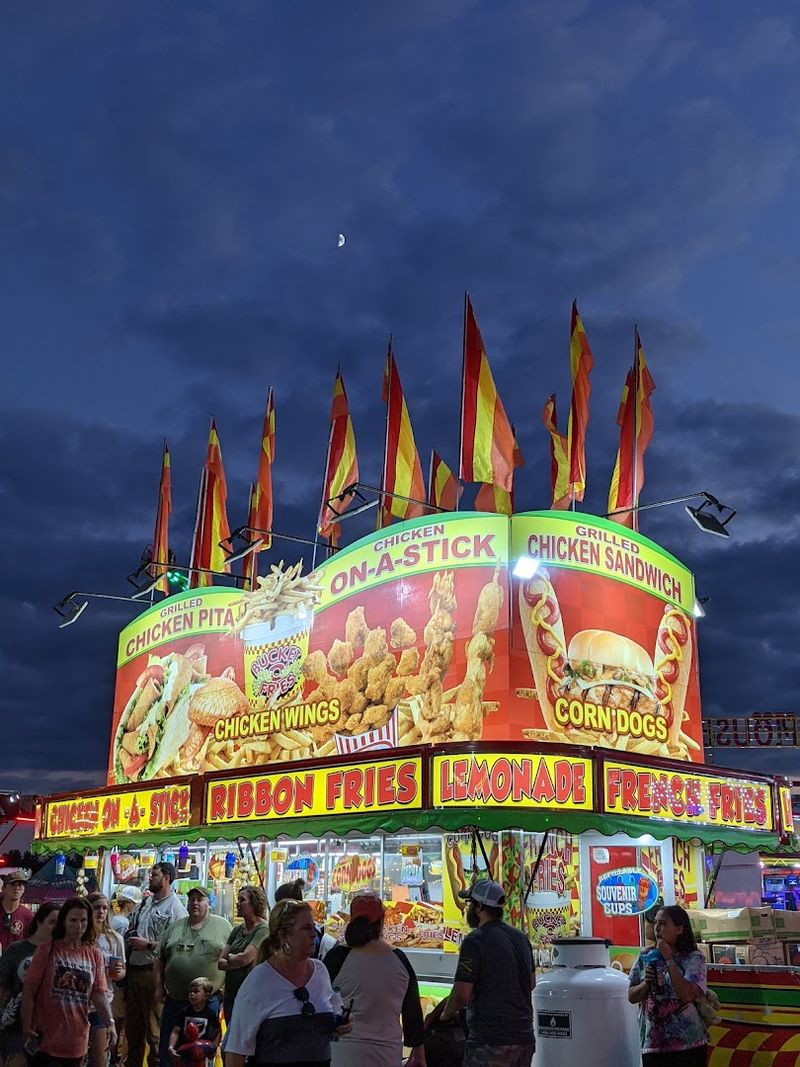
Getting that deep, smoky flavor is not an accident. It starts with brining the turkey legs in a mixture of water, kosher salt, brown sugar, and aromatics like garlic, onion, thyme, and bay leaves.
The brine soaks into the meat and keeps it juicy during the long cook.
After brining, the legs are patted dry and left to rest so the surface can form a tacky layer called a pellicle. That layer is what grabs the smoke and holds it to the meat.
Without it, the smoke just floats right past.
Wood choice matters a lot here. Hickory and applewood are popular picks because they burn clean and add a sweet, robust flavor.
Some pitmasters mix wood types to build complexity. The smoking temperature is usually set between 225 and 300 degrees Fahrenheit, and the cook can take three to five hours depending on size.
The goal is an internal temperature of 175 to 180 degrees. When you hit that mark, the meat pulls away from the bone with almost no effort.
That is when you know it is ready.
How To Choose Quality Turkey Legs From Suppliers
Not all turkey legs are created equal, and that matters more than most people realize. When buying in bulk for a fair or large event, you want legs that are uniform in size so they cook evenly.
Inconsistent sizing means some legs overcook while others are still raw in the middle.
Look for legs that are deep pink with no gray patches or off smells. Fresh turkey legs should feel firm to the touch.
If the packaging has excessive liquid pooling at the bottom, that can be a sign the meat was previously frozen and thawed improperly.
Reputable suppliers provide USDA-inspected product with clear labeling on weight and processing date. Concessions by Cox processes over 67,000 pounds of meat during the 11-day Georgia National Fair alone.
That kind of volume demands a reliable supply chain. Buying from established poultry distributors who work directly with farms ensures consistent quality.
Ask suppliers about their cold chain management. Proper temperature control from farm to delivery truck to your smoker is what separates a good turkey leg from a great one.
Quality sourcing is the foundation of everything else.
Pairing Suggestions With Local Side Dishes

A smoked turkey leg on its own is already a full experience, but the right side dish takes it to another level. Georgia has a rich Southern food tradition, and the options around Perry are no exception.
Cornbread is a natural companion. It soaks up the smoky drippings and adds a slightly sweet contrast to the savory meat.
Collard greens cooked low and slow with a bit of seasoning are another classic pairing. The slight bitterness of the greens cuts through the richness of the turkey.
Baked beans with a hint of molasses bring a sweet and smoky echo that ties the whole plate together.
Mac and cheese is always a crowd-pleaser, especially the baked Southern style with a golden crust on top. Coleslaw adds crunch and a tangy freshness that balances the heaviness of smoked meat.
If you want something lighter, a simple cucumber and tomato salad with vinegar dressing works surprisingly well. Perry and the surrounding Middle Georgia region have no shortage of local vendors and restaurants serving these classics.
Pairing your turkey leg with one or two of these sides turns a snack into a full Southern feast.
Popular Serving Styles And Presentation Ideas

The classic presentation is simple and iconic. You hand someone a turkey leg wrapped in foil at the base and let them go.
No plate, no fork, just pure handheld glory. That is part of what makes it so fun.
You are eating like a Viking, and nobody is judging you for it.
Some vendors at the Georgia National Fair serve the legs on wooden trays with a side of dipping sauce. Honey mustard, barbecue sauce, and chipotle mayo are popular options.
A small cup of sauce on the side lets guests customize each bite.
For sit-down events or catered gatherings, turkey legs can be sliced off the bone and served over rice or grits. This makes the portion easier to manage and stretches the meat further for large groups.
Garnishing with fresh herbs like parsley or thyme adds color and a fresh aroma that contrasts nicely with the smoky exterior. Some creative cooks even shred the smoked meat and pile it onto slider buns for a fair-inspired sandwich.
Presentation does not have to be fancy. It just needs to match the energy of the food itself.
Tips For Preparing Turkey Legs For Large Crowds
Feeding a crowd with smoked turkey legs is a logistical puzzle, but it is absolutely doable with the right plan. Start by calculating how many legs you need per person.
One large leg typically serves one adult, so order accordingly and add a ten percent buffer for unexpected demand.
Brining can be done in large food-safe coolers overnight. Use a basic brine ratio and make sure every leg is fully submerged.
Weight them down with a plate if needed. This step cannot be skipped if you want juicy, flavorful results at scale.
Stagger your smoking batches so you have a continuous supply coming off the smoker throughout the event. Holding finished legs in a covered pan at around 150 degrees keeps them warm without drying them out.
A commercial holding cabinet works great for this. Pre-label your fuel and wood supply so volunteers or staff know exactly what to use and when.
Communication is everything when you are running a high-volume operation. Concessions by Cox manages tens of thousands of pounds during the Georgia National Fair by running a tight, well-organized system.
That level of planning is the real secret ingredient.
Variation In Spice Rubs And Seasonings Used

The spice rub is where a pitmaster gets to show personality. A classic rub for smoked turkey legs usually includes paprika, garlic powder, onion powder, black pepper, kosher salt, and a touch of chili powder.
That base builds a crust on the outside called bark, and it is absolutely packed with flavor.
Some cooks add brown sugar to the rub for a hint of sweetness that caramelizes during the smoke. Others go bold with cayenne for heat, or smoked paprika for a deeper, earthier profile.
Ground thyme and dried oregano give a more herbaceous finish that pairs well with the natural flavor of turkey.
Regional variations pop up all across Georgia. Some vendors near Perry lean into a more peppery, savory rub with minimal sweetness.
Others go for a sweet heat combo that keeps people coming back for seconds. Experimenting with your own blend is half the fun.
Start with a tested base recipe and then adjust from there. Keep notes on what you change so you can replicate your best batch.
Seasoning is not a one-size-fits-all situation. It is a conversation between the cook and the meat.
Environmental Impact Of Sourcing Turkey Legs
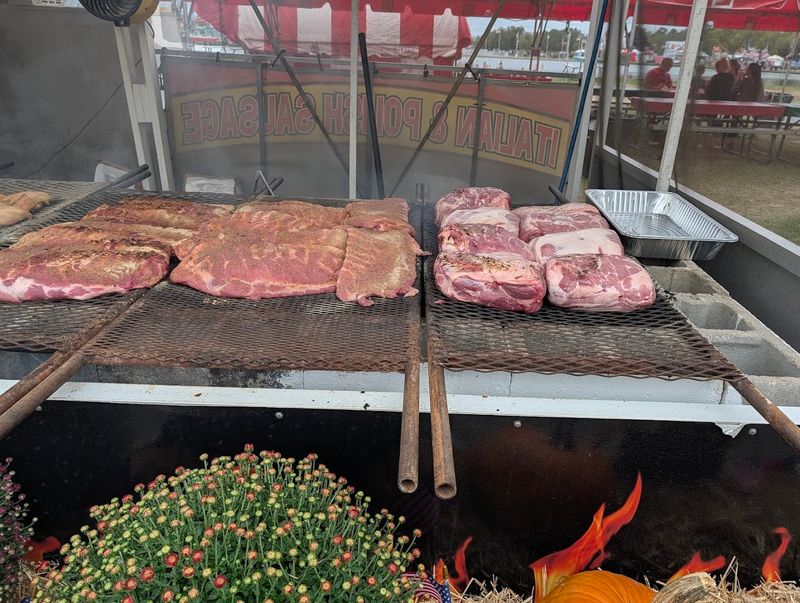
Sourcing turkey legs responsibly has a real environmental footprint worth thinking about. Large-scale poultry production uses significant amounts of water, land, and feed.
Being aware of where your turkey comes from is the first step toward making more sustainable choices as a vendor or consumer.
Buying from regional poultry farms reduces transportation emissions. Georgia has a strong agricultural base, and sourcing locally supports both the environment and the local economy.
Shorter supply chains also mean fresher products, which is a win on every level.
Look for suppliers who follow responsible waste management practices on their farms. Poultry litter, when handled correctly, can be composted and used as fertilizer rather than polluting waterways.
Some farms are also moving toward reduced antibiotic use and more humane raising conditions, which aligns with growing consumer demand for cleaner sourcing.
At a venue as prominent as the Georgia National Fairgrounds and Agriculture Center, vendor choices around sourcing send a message. That message reaches thousands of attendees.
Supporting suppliers who prioritize sustainability creates a ripple effect. Fair food does not have to come at an environmental cost.
Smarter sourcing decisions today help protect the land that makes Georgia agriculture possible in the first place.