
This Georgia Town Might Surprise You As One Of The Unhappiest Places In The Country
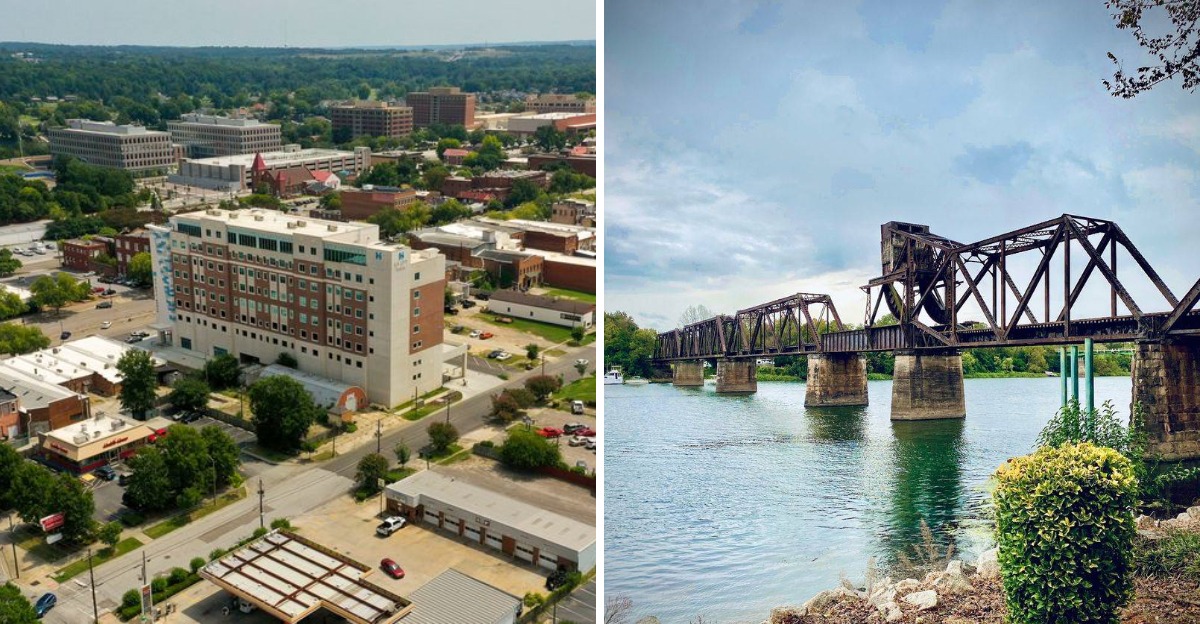
Would you believe a Georgia town keeps showing up on America’s unhappiest-city lists, yet its own residents practically laugh at the label? Something about that contradiction is honestly too good to skip.
Picture golf legends chasing green jackets every spring, a wide river hauling soul music and cotton mill history along its banks, and porches full of neighbors who wave at total strangers passing by.
Historic churches, a canal older than most states, and colorful murals covering brick downtown walls tell a story no ranking system could fully capture.
So which version wins? The struggling statistics or the stubborn Southern charm that locals swear by?
Stick around, because this Georgia surprise might just change how you judge a place forever.
Founded In 1736 And Still Telling Its Story
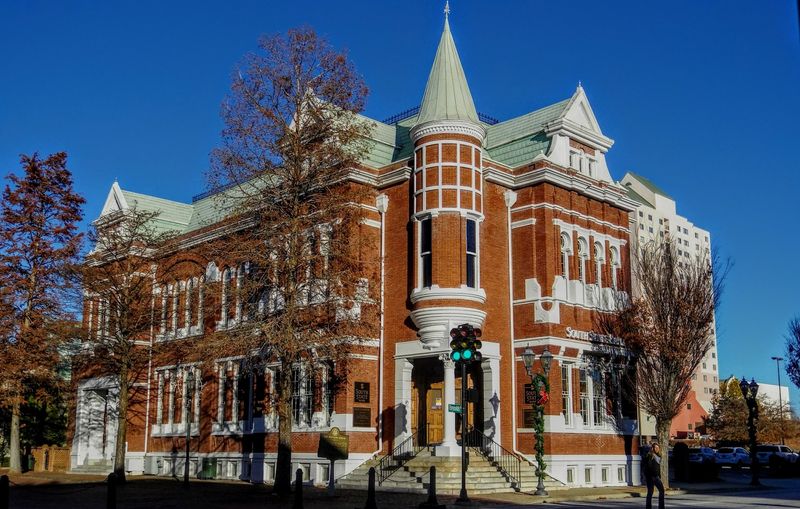
British General James Oglethorpe planted this settlement on the Savannah River back in 1736. The name honored Princess Augusta, bride of Frederick, Prince of Wales.
Growth came fast. Augusta became Georgia’s second oldest and second largest city, and served as the state capital from 1785 to 1795.
Creek and Cherokee peoples lived across this land long before those dates. The river carried goods, news, and newcomers through both the Revolutionary and Civil War eras.
Nine neighborhoods here now sit on the National Register of Historic Places. That is an unusual amount of preserved streetscape for a mid-sized Southern city.
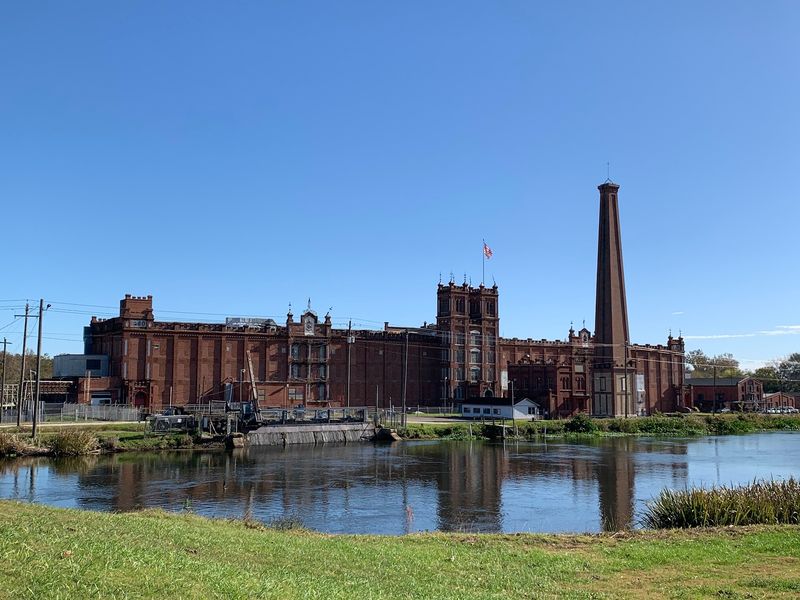
The Confederate Powderworks chimney still stands as a reminder of wartime industry. Walk a few blocks downtown and the layers stack up quickly.
Visitors curious about the full picture can start at the city’s core, since Augusta, Georgia, in the United States, spreads out along the water near the South Carolina line.
History here does not sit behind glass. It leans against the sidewalk, waiting for someone to notice.
April Belongs To The Masters

One golf tournament changed a city’s global reputation forever. The Masters arrives every April at Augusta National Golf Club, and tens of thousands of visitors follow it here.
Hotel rooms vanish. Traffic thickens.
Locals rent out driveways and talk about azaleas like old friends.
The influence spills far past the course. Restaurants hang tournament photos, businesses borrow golf words for their names, and even the minor league baseball team goes by the GreenJackets.
Sports do not stop when the crowds leave, either. The Ironman 70.3 Augusta triathlon puts swimmers straight into the Savannah River, and the Augusta Futurity brings cutting-horse riders to town.
That mix creates a strange rhythm. For one week the city feels like the center of the sporting world, then it exhales for eleven months.
Anyone visiting outside April should know the club itself is private and not open for casual tours.
Still, golf conversation flows freely at nearly every counter and coffee shop in the area.
The Savannah River Sets The Pace
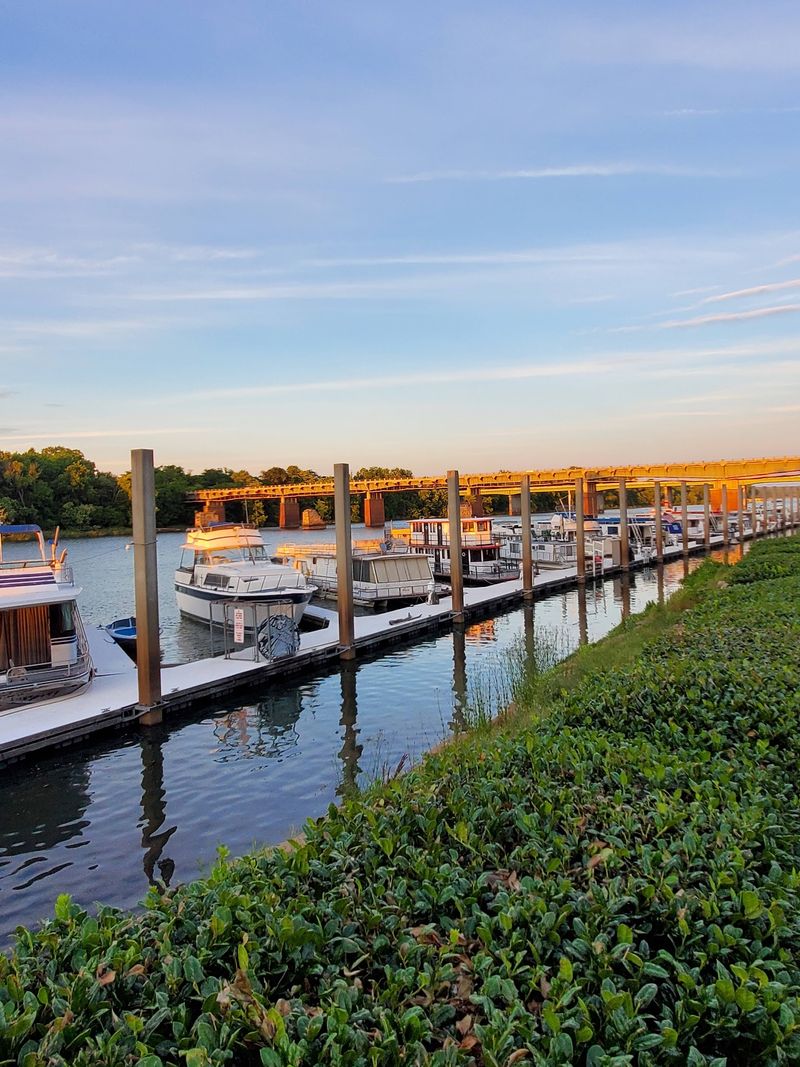
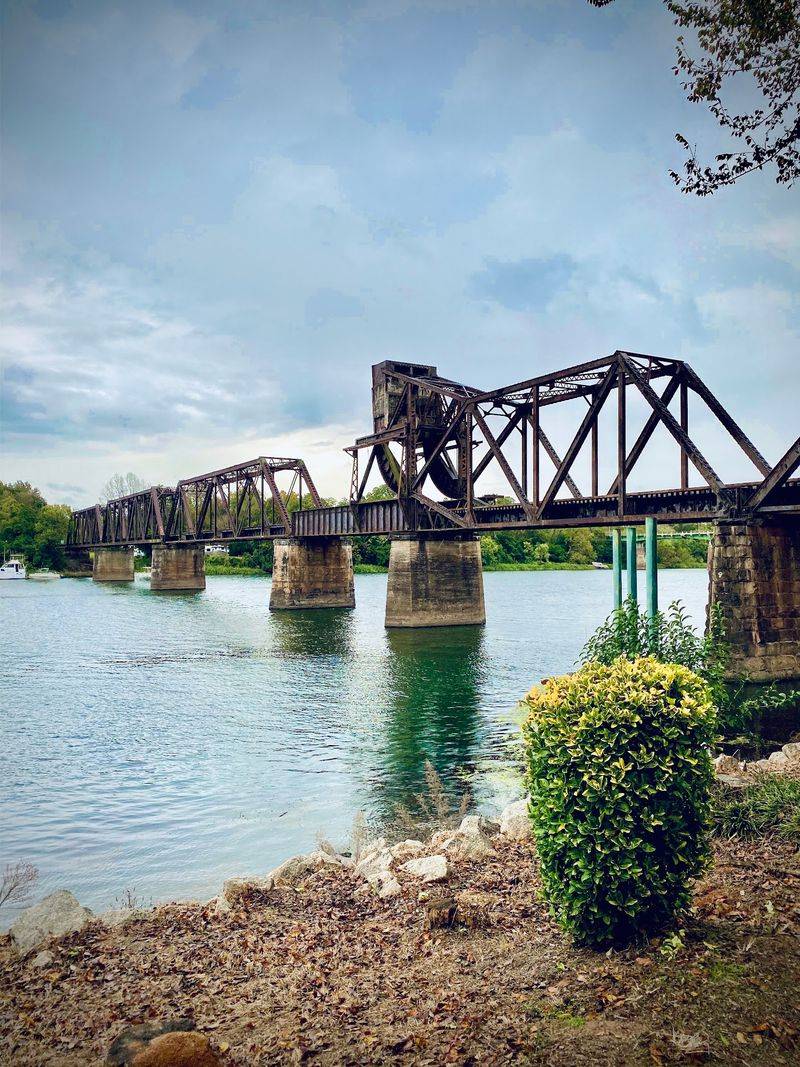
Water shapes almost everything about this place. The Savannah River draws the boundary between Georgia and South Carolina, and the city grew along its flat slopes.
Augusta sits near the Fall Line, where the hilly Piedmont drops toward the coastal plain. That geography gives the riverfront a gentle, scenic quality.
The Augusta Riverwalk delivers the best free entertainment in town. Paved paths handle walkers, joggers, and cyclists, with wide views of moving water.
Kayakers put in regularly, and boat tours run through the Augusta Canal National Heritage Area. The canal opened in 1847 and once powered mills that made this the second-largest inland cotton market on earth.
Phinizy Swamp Nature Park adds a wilder option, with boardwalks over wetlands and plenty of birds.
City address for the municipal government is simply Augusta, Georgia, and most river access points sit within a short drive of downtown.
Mild weather means the outdoors stays open nearly year-round. That counts for something no survey measures well.
Where Soul Music Grew Up
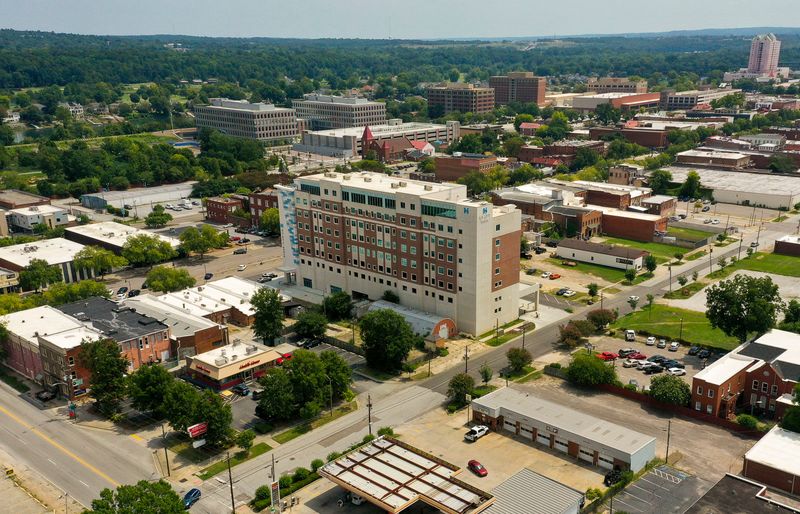
James Brown learned to move in this city. He practiced at the Imperial Theatre downtown, and Augusta still claims him proudly.
He is not the only name. Opera singer Jessye Norman and trombonist Wycliffe Gordon also came from here.
Broad Street carries the creative load today. Artists’ Row lines up galleries and studios beside locally owned restaurants, and murals brighten brick walls between them.
The Miller Theater reopened in 2018 and now hosts the Augusta Symphony. The Gertrude Herbert Institute of Art runs classes and exhibitions in a historic house.
Festivals do the rest of the work. Arts in the Heart of Augusta celebrates dozens of cultures with food and performance, while the Westobou Festival leans into visual and performing arts.
Museum lovers get the Morris Museum of Art, focused entirely on art of the American South.
For a city labeled unhappy, the calendar stays surprisingly loud with music, paint, and applause.
Cyber Jobs, Hospitals, And Growing Pains
Follow the paychecks and the picture sharpens. Healthcare anchors much of the local economy, with Augusta University serving as Georgia’s health sciences university.
Fort Gordon adds another pillar. It hosts the U.S.
Army Cyber Command, which pulled technology and cybersecurity companies into the region.
Advanced manufacturing and logistics keep expanding too, helped by easy access to major interstates.
Momentum exists, but so do headaches. Reports point to infrastructure funding gaps, rising traffic congestion, and housing affordability pressure on working families.
The city has wrestled with budget deficits in recent years. Income inequality shows up in the data as a drag on broader progress.
Those two realities live side by side. A cyber engineer and a part-time retail worker can share a street and experience very different versions of the same place.
Workforce development programs aim to narrow that gap over time.
Numbers rarely explain a whole city, though they do explain why national rankings sometimes land where they do.
Southern Manners Are Not A Marketing Slogan
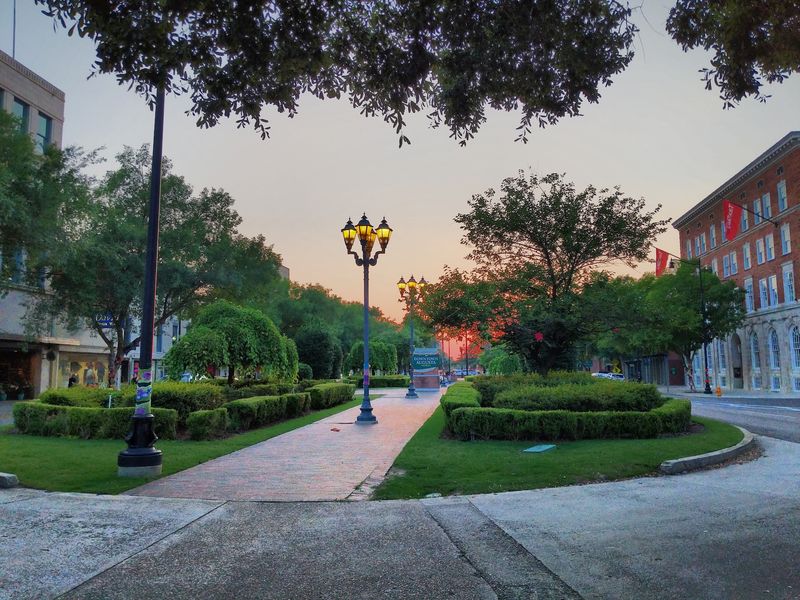
Strangers say hello here without a reason. That small habit shapes the everyday mood more than most visitors expect.
Neighborhood associations stay active across the city, organizing cleanups, block events, and preservation pushes. Volunteering opportunities are easy to find for anyone who asks around.
Local businesses feed off that loyalty. Family-run shops and kitchens survive because regulars keep showing back up.
The pace feels slower than in bigger Georgia metros. People linger over meals and take the long route along the river.
Big-city ambitions still show, especially downtown, where new tenants keep moving into old buildings. The balance between ambition and small-town familiarity gives the city its character.
Festival season pulls everyone into the same few blocks, and that shared space builds real connection.
None of this erases the hard statistics about crime or income. It does explain why residents often push back against the unhappy label.
Community, it turns out, is difficult to measure with a survey question.
Landmarks That Refuse To Fade
Presidents, preachers, and college founders all left fingerprints here. The Boyhood Home of President Woodrow Wilson shows how the 28th president spent his early years.
The Ezekiel Harris House dates to 1797 and remains one of the oldest structures around.
Springfield Baptist Church holds a remarkable distinction as the oldest African American church in the country still meeting on its original site. Morehouse College traces its beginnings to this very spot.
Meadow Garden was home to George Walton, a signer of the Declaration of Independence. The Augusta Museum of History pulls the threads together, with exhibits covering golf and James Brown alike.
Preservation work has continued for decades. Old cotton warehouses and mills now hold apartments, offices, and restaurants through adaptive reuse.
Trails follow the length of the 1845 canal, linking several of these sites on foot or bike.
Serious history buffs could fill two full days without repeating a stop.
Few cities this size guard their past so stubbornly.
Everyday Life On A Smaller Budget
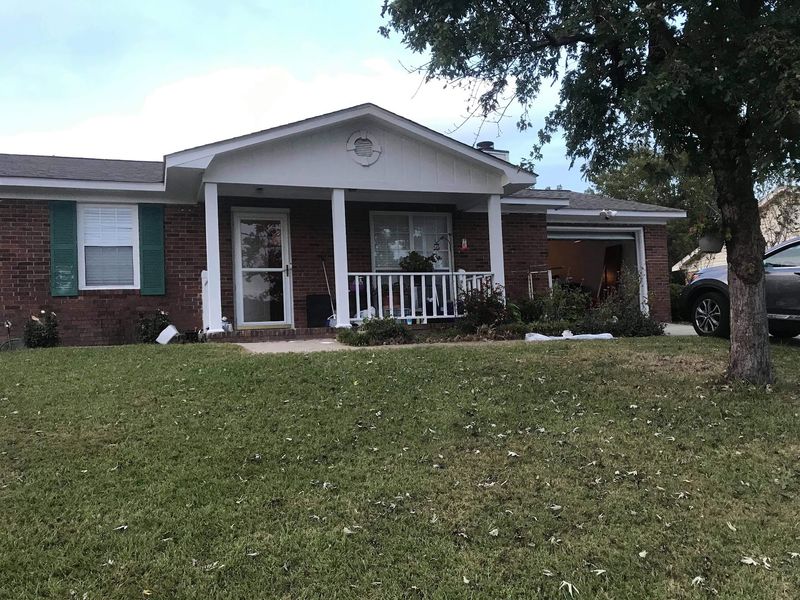
Rent shocks people here, but in the pleasant direction. Cost of living sits notably below the national average, and housing prices stay friendlier than in many comparable cities.
Population density is lower than the national average too. That translates into shorter lines, easier parking, and a calmer daily tempo.
The community is diverse, blending backgrounds and cultures across neighborhoods and campuses.
Education and healthcare dominate the job landscape, and Augusta University runs community health and continuing education programs that reach beyond its classrooms.
Getting around is straightforward. Interstate 20 runs through the area and connects the city to other regional hubs, which makes weekend trips simple.
Affordability does not solve everything, of course. Reports still flag job security and financial strain as real concerns for many households.
For newcomers on a tight budget, though, the math often works better here than in flashier destinations.
That practical advantage keeps drawing people who want space without a punishing mortgage.
Why The Unhappiest Label Keeps Sticking
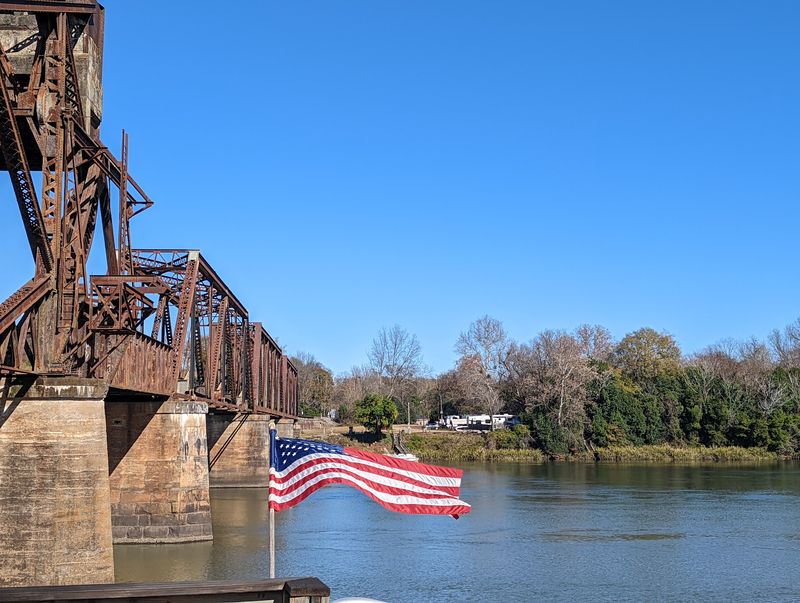
So where does the gloomy title actually come from? WalletHub rankings have placed Augusta among the country’s unhappiest cities more than once.
IIn its 2026 list, the city landed 171st out of 182 cities.Earlier years, including 2023, brought similarly low placements.
The methodology compares 182 cities across 29 metrics. Emotional and physical well-being, income and employment, and community and environment all factor in.
Depression rates, life satisfaction, poverty levels, and job security carry weight. Crime concerns and economic uncertainty were cited among the reasons for low marks.
Rankings like these flatten a lot of nuance. They cannot record a neighbor lending tools or a Saturday morning on the canal trail.
Meanwhile the city keeps investing in urban renewal, workforce training, and infrastructure fixes.
Residents tend to shrug at the headlines and point toward the river instead.
Augusta, Georgia, holds real challenges and real charm at the same time. Visiting is the only honest way to decide which side speaks louder.