
This Gorgeous Alabama Small Town Offers Pure Calm Without The Crowds
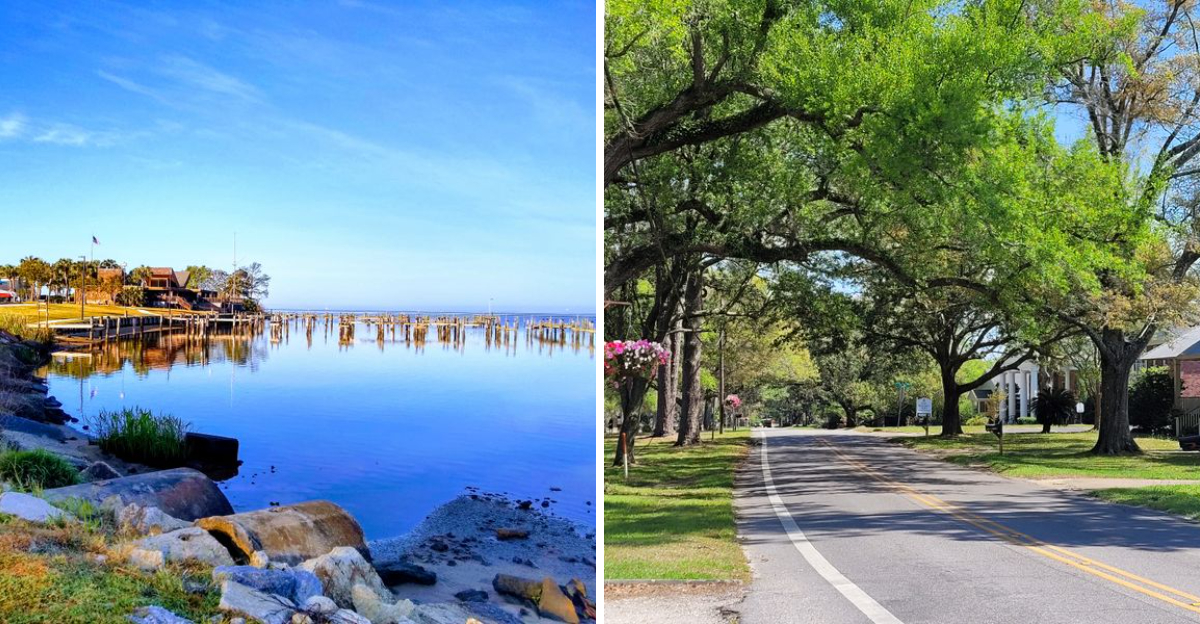
Fairhope sits along the eastern shore of Mobile Bay like a secret shared among those who prefer substance over spectacle. The population hovers around 22,000, which means you can find good coffee and conversation without fighting for parking or waiting in lines that snake around corners.
Something about the combination of water, oak trees, and a fiercely independent founding story has created a place that refuses to rush. If you’ve grown tired of destinations that feel like theme parks or towns that have traded character for tourist dollars, Fairhope offers a different kind of escape.
Mobile Bay Sunsets Set The Tone For Daily Life
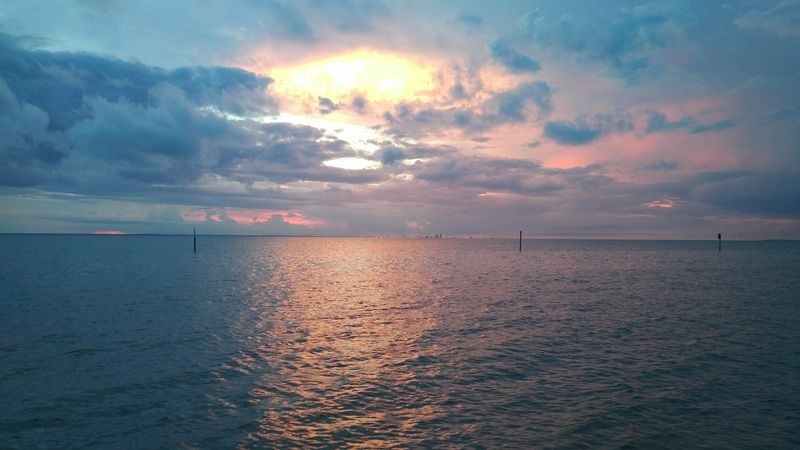
People in Fairhope organize their evenings around the western sky. When the sun drops toward Mobile Bay, the light turns everything gold, then pink, then a shade of purple that photographers spend years trying to capture.
You’ll see families walking to the pier with blankets, couples pausing mid-conversation to watch, and locals who’ve witnessed thousands of these sunsets still pulling over to take another look.
The bay itself stretches wide and shallow, which means the horizon sits far enough away to give the sky room to perform. On clear nights, the colors layer themselves in bands that shift by the minute.
The ritual of watching has become woven into the town’s rhythm, a daily reminder that some things matter more than productivity.
This isn’t about finding the perfect Instagram angle or checking something off a list. The sunsets here function as a communal pause button, a moment when the town collectively agrees to stop and pay attention.
That habit of noticing beauty without commodifying it sets the tone for everything else Fairhope does.
A Walkable Downtown Encourages Slow Wandering
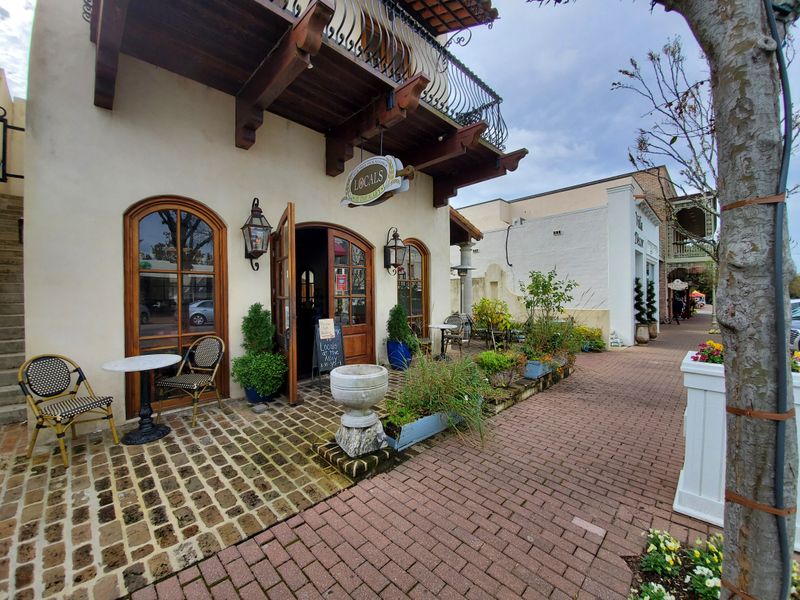
Downtown Fairhope spans about six blocks of brick sidewalks, local businesses, and architecture that reflects a century of thoughtful building rather than corporate expansion. You can park once and spend hours moving between bookstores, galleries, and restaurants without ever feeling like you’re covering too much ground.
The scale feels human, designed for conversation rather than commerce.
Shop owners still stand in doorways and wave to regulars. The cafés have tables that spill onto sidewalks, and nobody rushes you to finish your coffee and free up the seat.
Benches appear frequently enough that resting becomes part of the experience rather than an admission of defeat.
The streets follow a grid that makes navigation simple, but the real pleasure comes from abandoning any specific destination. Side streets reveal hidden courtyards, unexpected art installations, and residential blocks where live oaks create tunnels of shade.
Walking here feels less like exercise and more like eavesdropping on a town that’s comfortable with itself.
Bayfront Parks Offer Open Space Without The Noise
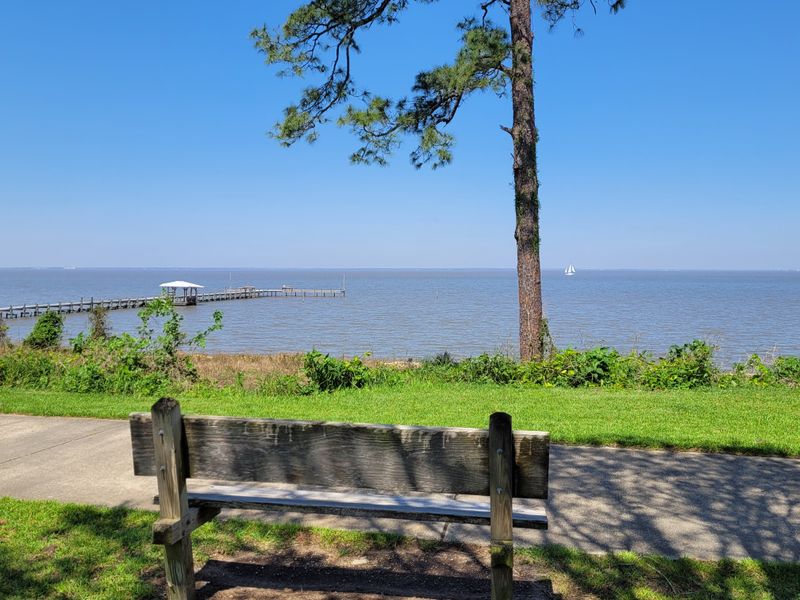
Fairhope Municipal Pier anchors a series of waterfront parks that run along the bay like a green ribbon. The grass stays thick and well-maintained without feeling manicured into submission.
Families spread blankets, dogs chase tennis balls, and people read books under trees that have been providing shade since before anyone thought to call this place a tourist destination.
The parks connect to each other through paths that wind past rose gardens, playgrounds, and benches positioned to face the water. You can walk the entire stretch in thirty minutes or spend an afternoon moving between different vantage points.
The absence of commercial development along this stretch feels almost radical in an age when every bit of waterfront typically gets monetized.
What strikes visitors most is the quiet. No jet skis scream across the bay.
No vendors hawk souvenirs or overpriced snacks. The parks exist simply as public space, available to anyone who wants to sit and watch pelicans dive or sailboats drift past.
That restraint speaks volumes about what Fairhope values.
Local Shops And Cafés Keep Things Personal And Unhurried
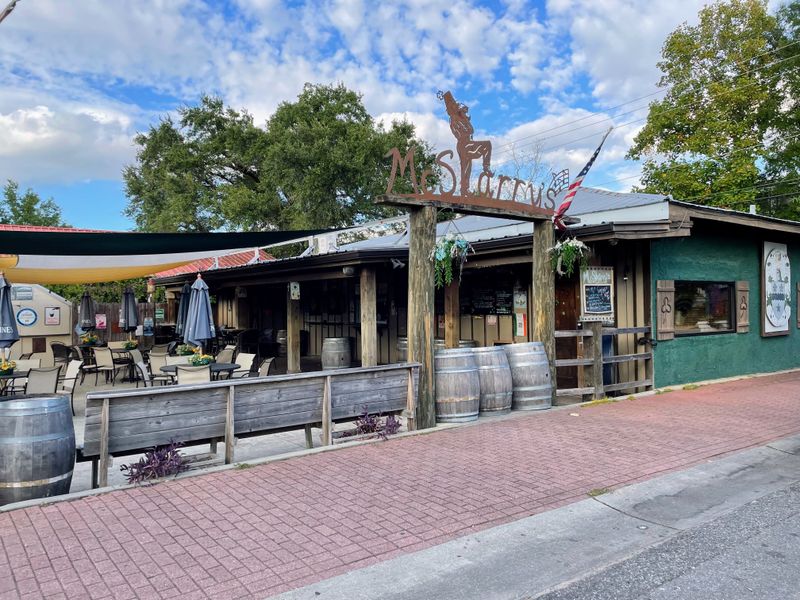
Chain stores exist in Fairhope, but they hide on the outskirts while the downtown belongs to businesses with names like Page and Palette Bookstore and Panini Pete’s. The owners know their regulars by name and remember what you ordered last time.
Transactions feel more like exchanges between neighbors than anonymous commercial interactions.
Coffee shops serve as informal community centers where conversations start easily and nobody minds if you linger over a single cup for an hour. The bookstore hosts author events that draw crowds willing to stand in the back just to hear someone read aloud.
Art galleries rotate local work and stay open late on First Fridays when the whole town seems to spill into the streets.
This emphasis on local ownership creates a particular kind of economic ecosystem. Money circulates within the community rather than vanishing into corporate headquarters elsewhere.
The pace of service reflects that priority, with baristas who take time to steam milk properly and shop clerks who’ll help you find exactly what you need even if it means less profit for them.
Tree-Lined Streets Create A Relaxed Residential Feel
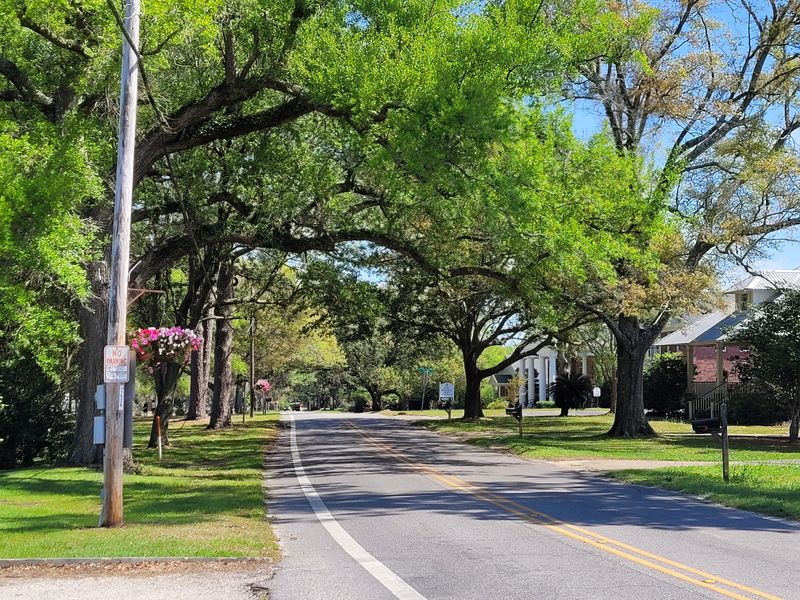
Live oaks dominate Fairhope’s residential neighborhoods with branches that spread wider than the trees grow tall. Spanish moss drapes from limbs in gray-green curtains that sway with Gulf breezes.
Walking through these streets feels like moving through a series of outdoor rooms, each one shaded and cool even during summer afternoons.
The homes themselves span different eras and styles without jarring transitions. Craftsman bungalows sit next to 1950s ranches and newer construction that respects the scale of what came before.
Front porches face the street, and people actually use them, creating a streetscape where human presence feels natural rather than staged.
The town’s founding as a single-tax colony in 1894 means land ownership follows unusual patterns, with residents leasing rather than owning the ground beneath their homes. That quirk has helped preserve the character of neighborhoods by preventing the kind of teardown-and-rebuild cycle that homogenizes so many American towns.
The result feels both timeless and distinctly Southern, a place where shade matters as much as square footage.
Art And Creativity Are Part Of Everyday Life
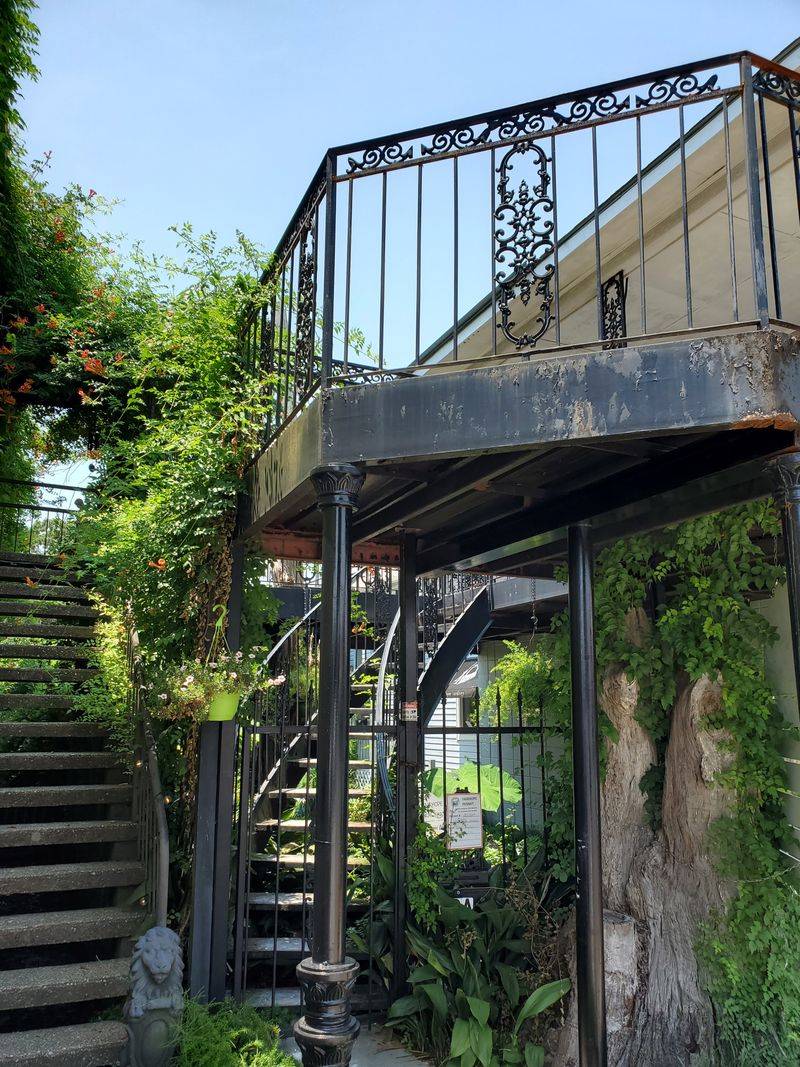
Art in Fairhope doesn’t confine itself to galleries or special events. Sculptures appear in parks, murals cover building walls, and public spaces host rotating installations that change with the seasons.
The Eastern Shore Art Center anchors a creative community that includes painters, potters, writers, and musicians who’ve chosen this town specifically because it supports their work.
Monthly art walks bring hundreds of people downtown to browse new exhibitions, meet artists, and move between venues with wine glasses in hand. The atmosphere feels celebratory rather than pretentious, with conversations about technique and inspiration happening naturally between strangers.
Studios open their doors, and you can watch glassblowers shape molten material or painters work on canvases that smell of fresh oil paint.
This creative energy influences everything from restaurant menus to shop displays. Business owners collaborate with local artists for window installations and seasonal decorations.
The result is a visual richness that rewards attention, with details that reveal themselves slowly rather than shouting for notice. Creativity here functions as infrastructure rather than amenity.
The Pace Feels Steady Even During Peak Seasons
Tourist season brings more visitors to Fairhope, but the town never tips into chaos. Restaurants might have longer waits, and parking requires slightly more patience, but the fundamental character remains intact.
The infrastructure can absorb the increase without straining, and locals don’t flee to quieter ground the way residents of true tourist towns often do.
Part of this resilience comes from Fairhope’s lack of major attractions designed to concentrate crowds. There’s no theme park or famous landmark that creates bottlenecks.
Visitors distribute themselves across parks, shops, and beaches without overwhelming any single location. The town has also resisted the kind of development that prioritizes volume over quality.
Even during the busiest weekends, you can find quiet corners and uncrowded spaces. The bayfront parks stretch long enough that people spread out naturally.
Restaurants take reservations seriously and don’t overbook to maximize profit. This restraint requires saying no to certain kinds of growth, a discipline that many coastal towns abandon in pursuit of revenue.
Fairhope has chosen differently, and the payoff shows in its ability to remain itself regardless of season.
Nature And Water Stay Close Without Feeling Touristy
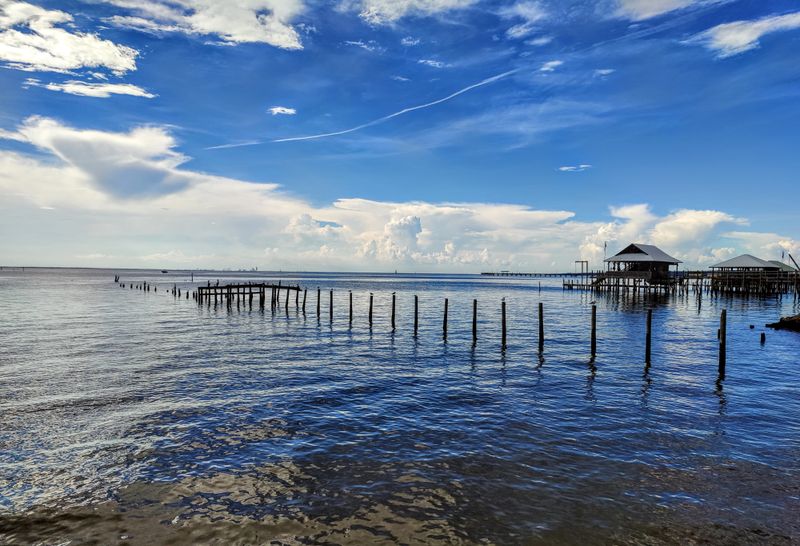
Mobile Bay touches Fairhope along miles of shoreline that remains remarkably undeveloped. Public beach access points appear regularly, marked by simple signs rather than elaborate facilities.
You can walk down, spread a towel, and spend hours watching the water without encountering vendors, lifeguard towers, or the infrastructure that typically accompanies coastal access.
The bay itself functions as an estuary where fresh water from rivers mixes with salt water from the Gulf. This creates unique ecosystems that support an impressive variety of birds, fish, and marine life.
Dolphins surface regularly, and during migration seasons, the sky fills with species moving along the flyway. Nature here doesn’t perform for tourists but simply continues its cycles whether anyone’s watching or not.
Trails wind through maritime forests where palmetto and pine create habitat for everything from armadillos to red-tailed hawks. You can kayak through marshes, fish from piers, or simply sit and watch wind patterns move across the water’s surface.
The lack of commercialization means these experiences remain free and accessible, requiring nothing but the willingness to show up and pay attention.
Community Events Feel Neighbourly Rather Than Crowded
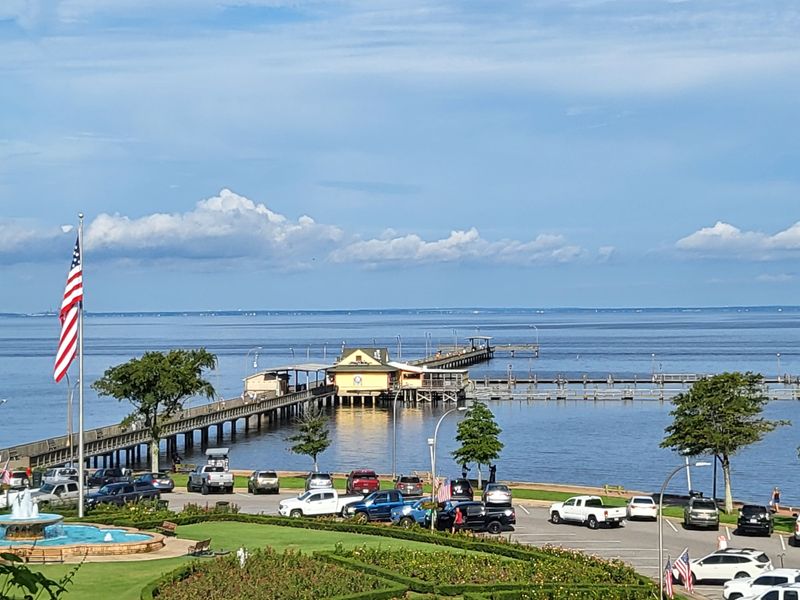
Fairhope’s event calendar includes farmers markets, concerts, and festivals that draw participants without overwhelming the spaces that contain them. The Friday farmers market takes over a parking lot near the pier with vendors selling vegetables, flowers, and prepared foods.
People shop slowly, stopping to chat with farmers about growing conditions and recipe suggestions.
Evening concerts in the park bring families with blankets and coolers. The music ranges from bluegrass to jazz, performed by regional musicians who play for audiences that actually listen rather than treating the performance as background noise.
Kids run around while adults settle into conversations that pick up threads from previous weeks.
These gatherings function as social glue, creating repeated opportunities for connection without the pressure of formal socializing. You’ll see the same faces week after week, building the kind of casual familiarity that defines small-town life at its best.
The scale remains manageable, with crowds large enough to feel festive but small enough that you can still move freely and find friends without coordinating through text messages.
The Town’s Size Makes It Easy To Settle In Quickly
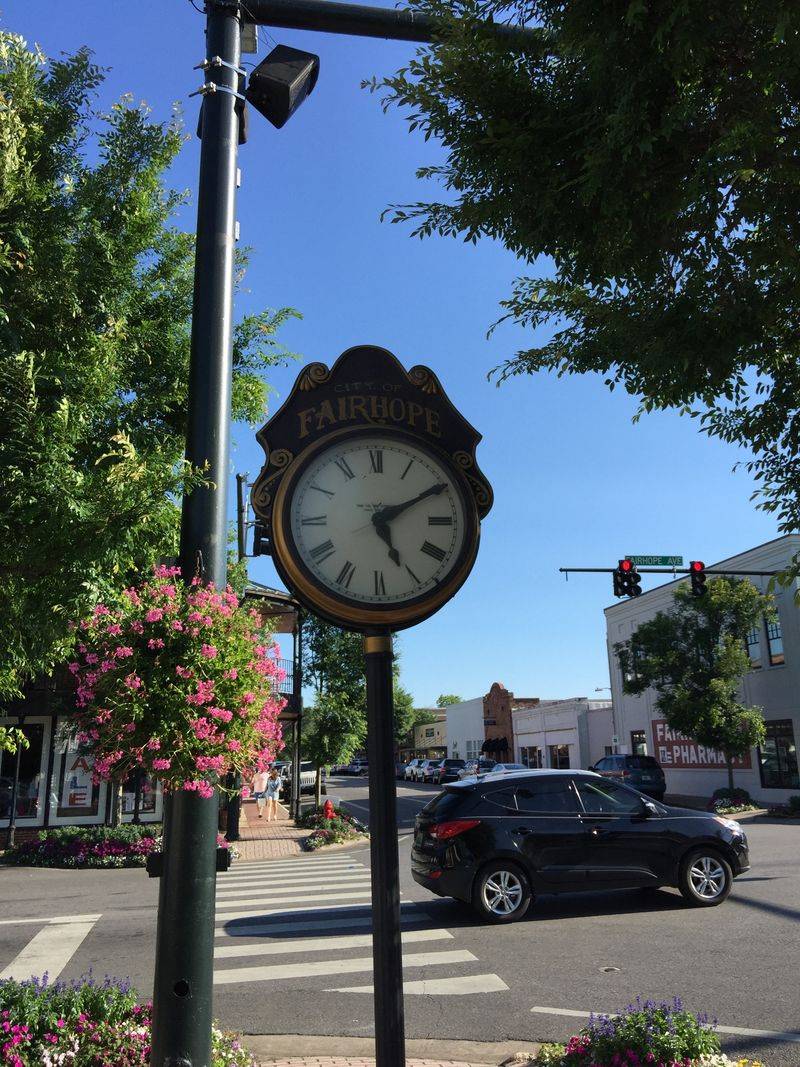
Fairhope’s population of roughly 22,000 creates a sweet spot where the town offers enough variety to stay interesting but remains small enough to navigate quickly. Within a few days, you’ll recognize landmarks, know which coffee shop opens earliest, and have opinions about which sunset viewing spot works best.
The learning curve feels gentle rather than overwhelming.
Newcomers report feeling welcomed rather than scrutinized. The town has absorbed enough transplants over the years that fresh faces don’t trigger suspicion or exclusion.
Local organizations actively recruit volunteers, and community events provide natural entry points for meeting people. The combination of Southern hospitality and bohemian openness creates an unusually accessible social environment.
Geographic compactness helps too. Everything sits within a few miles of everything else, which means you can explore thoroughly without spending days in the car.
The layout makes sense intuitively, with the bay providing a constant orientation point. This ease of navigation extends beyond physical space into social territory, where the networks of connection remain visible and penetrable rather than hidden behind decades of established relationships.
Coastal Beauty Exists Without Resort-Style Chaos
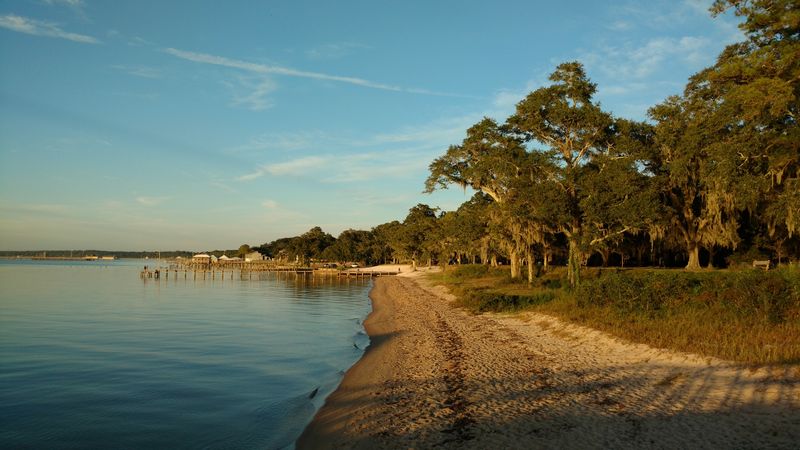
Most coastal towns in Alabama have chosen the resort path, building high-rises and entertainment complexes that transform waterfronts into vertical cities. Fairhope rejected that model, maintaining building height restrictions and preserving sight lines to the bay.
The result is a coastline that still looks like a place where people live rather than a destination designed for temporary escape.
You won’t find beach clubs, water parks, or the aggressive commercialization that characterizes Gulf Shores or Orange Beach. The absence of these amenities might disappoint visitors seeking that kind of vacation, but it delights those who prefer subtlety to spectacle.
The trade-off seems clear: Fairhope sacrifices certain kinds of revenue in exchange for maintaining its character.
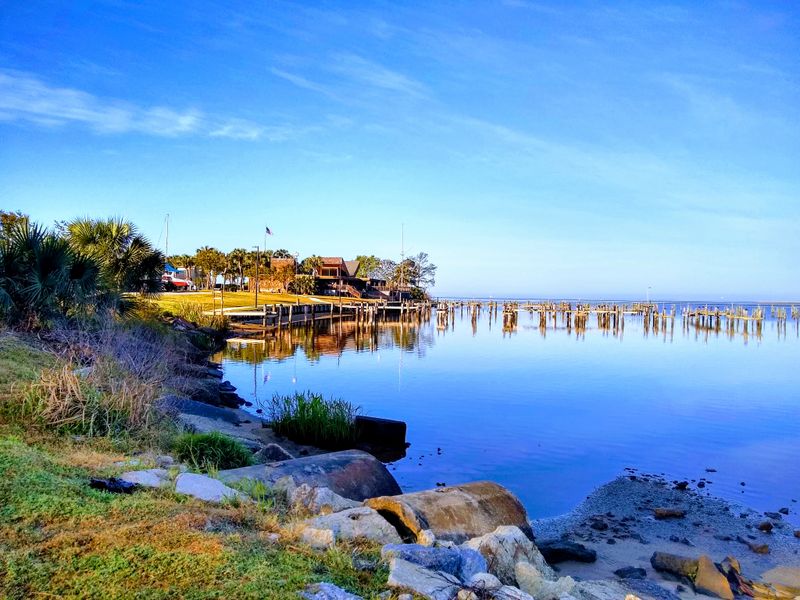
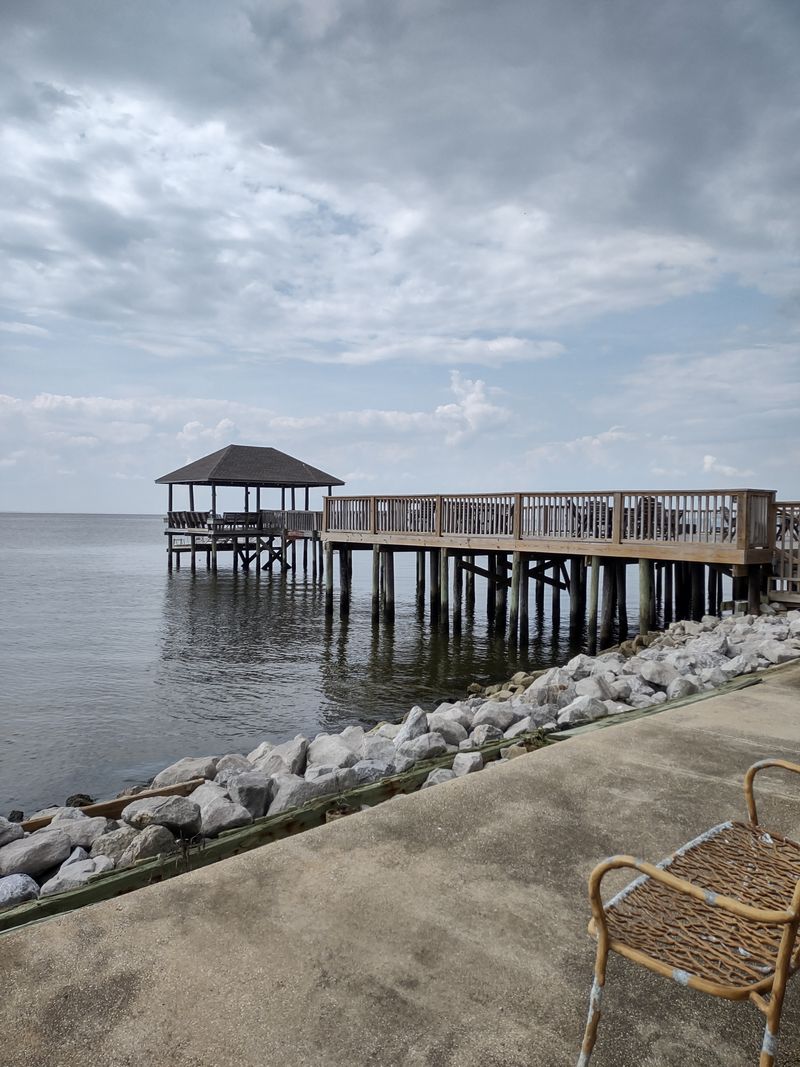
The coastal beauty here reveals itself through understatement. Morning light on the bay, shadows cast by pier pilings, the particular shade of blue that water becomes in late afternoon.
These pleasures require attention rather than adrenaline, patience rather than a packed itinerary. For travelers tired of destinations that feel like amusement parks, Fairhope offers proof that coastal towns can choose a different path.
Fairhope Balances Quiet Living With Gentle Energy
The apparent contradiction at Fairhope’s heart is that it feels simultaneously sleepy and vibrant. You can spend mornings in profound quiet, walking empty streets while the town wakes slowly.
By afternoon, downtown hums with activity as shops open, restaurants fill, and the social life of the community becomes visible. Neither mode dominates completely.
This balance requires intention. The town could easily tip toward becoming either a retirement village or a tourist trap, but it resists both extremes through a combination of planning, community involvement, and the occasional good fortune of geography.
The single-tax land system creates economic incentives that favor stability over speculation. The engaged citizenry shows up to planning meetings and votes in local elections.
What emerges is a place that accommodates different rhythms and preferences. Early risers find their peace.
Night owls discover live music and late dinners. Families access parks and activities.
Artists find studio space and audiences. Retirees enjoy comfort without isolation.
The town holds space for all these lives simultaneously, creating a texture rich enough to sustain long-term residence while remaining welcoming to visitors seeking temporary refuge from louder, faster places.