
This Gorgeous Nevada Town Feels Like It Belongs In A Hallmark Movie
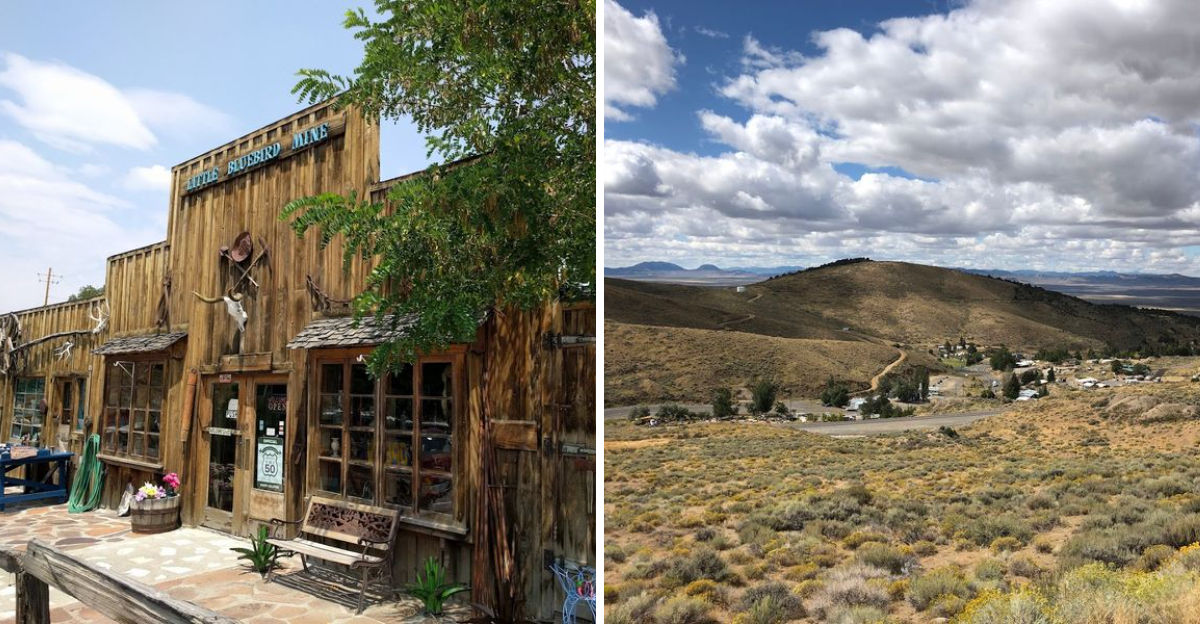
High on the western slopes of the Toiyabe Range, one small Nevada town feels like it runs on mountain air, quiet streets, and old stories. Sitting at 6,575 feet, it has fewer than 200 residents and buildings that have watched more than 150 years pass by.
That kind of history gives the whole place a rare, lived-in charm that cannot be faked. The pace is slower, the scenery feels cinematic, and the crisp air makes every wander through town feel a little more memorable.
It is easy to imagine a romantic film unfolding here, complete with second chances, porch conversations, weathered storefronts, and a main street that looks almost too charming to be real.
It Sits Along Nevada’s Famous Loneliest Road
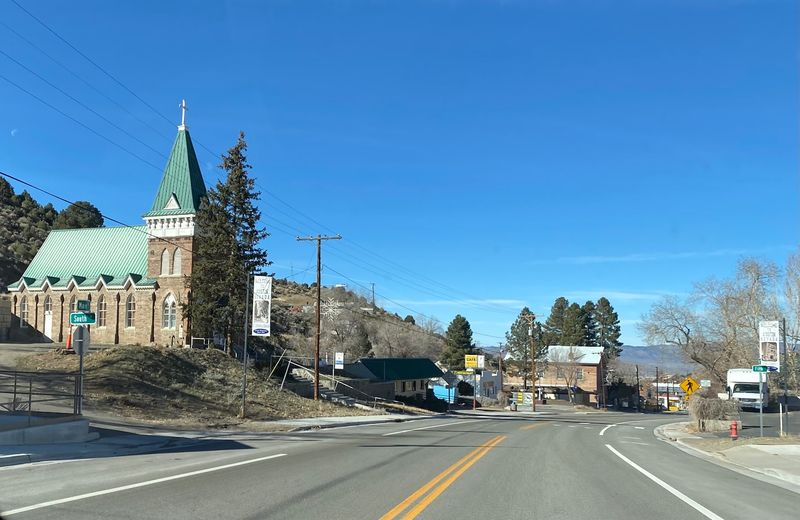
U.S. Route 50 earned its title as the Loneliest Road in America from a 1986 magazine article that warned travelers about the isolation.
The highway cuts through central Nevada with long stretches between towns, passing through Austin as one of the few places to stop for miles in either direction. Life magazine once suggested that survival skills might be necessary for the journey.
Austin appears along this route like a small oasis of civilization. The town serves travelers who need fuel, food, or simply a reminder that other people still exist out here.
Route 50 runs directly through the historic main street, giving drivers a glimpse of 19th-century architecture framed by mountains.
The road itself has become part of the town’s identity. Visitors who complete the cross-Nevada journey can collect a survival certificate from the state tourism office, and Austin represents one of the memorable waypoints along that adventure through wide-open country.
The Town Was Founded During A Silver Rush In The 1860s
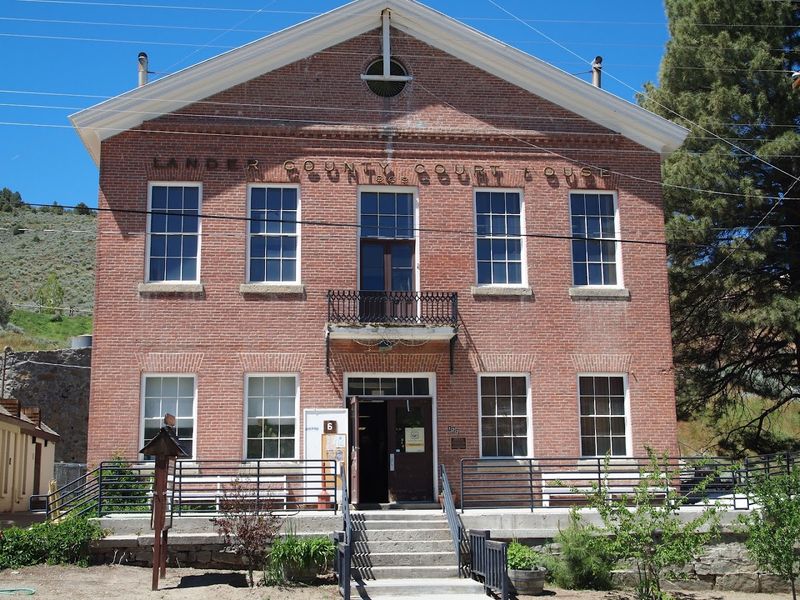
Silver ore discovered in Pony Canyon in May 1862 brought thousands of prospectors to these mountains within months. By 1863, Austin had grown into a full-fledged mining camp with more than 10,000 residents hoping to strike it rich.
The Reese River Mining District produced millions of dollars in silver during its peak years.
Mining companies built stamp mills and smelters to process the ore pulled from the surrounding hills. The population swelled so rapidly that Austin became the seat of newly created Lander County in 1863.
Hotels, saloons, theaters, and newspapers all appeared to serve the booming population.
The rush eventually slowed as the easily accessible silver ran out. By the early 20th century, the population had dropped dramatically, leaving behind the historic structures that now give Austin its timeless appearance.
What remains today captures that brief, intense period when silver brought the world to this remote valley.
Its 19th-Century Buildings Give Main Street A Storybook Look
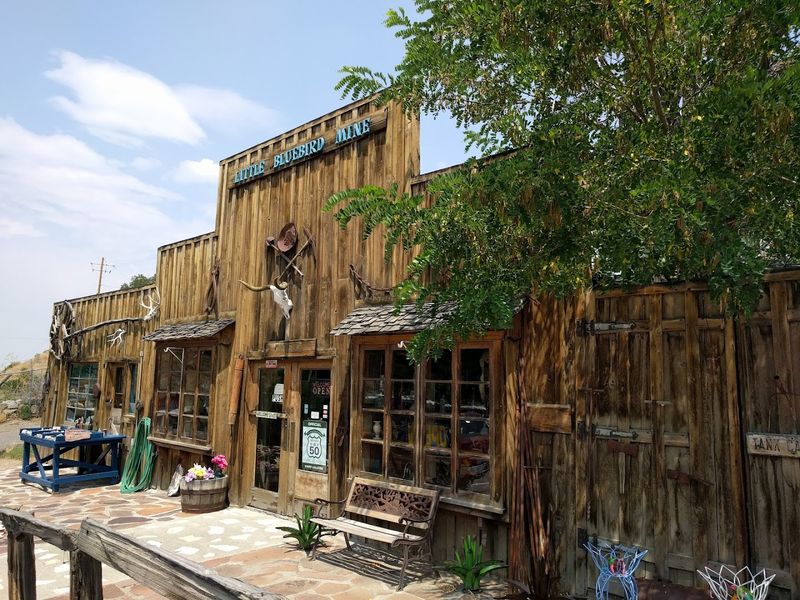
Main Street in Austin presents a row of structures that have stood since the mining boom days. Brick and wood buildings with false fronts and covered walkways create a cohesive streetscape that looks remarkably intact for a town that saw its glory days more than a century ago.
Many of the commercial buildings retain their original proportions and details.
The architecture reflects the practical needs of a frontier mining town combined with touches of Victorian style. Windows with original glass, hand-painted signs, and decorative cornices show that even in remote Nevada, builders cared about appearance.
Walking along the wooden sidewalks feels like stepping onto a film set, except everything here is genuine.
Preservation happened partly by accident, as economic decline meant fewer resources for demolition or modernization. The buildings simply endured through Nevada’s dry climate and the care of residents who understood their value.
Today, that accidental preservation gives Austin an authenticity that planned historic districts sometimes lack.
Old-School Saloons Add To The Small-Town Character
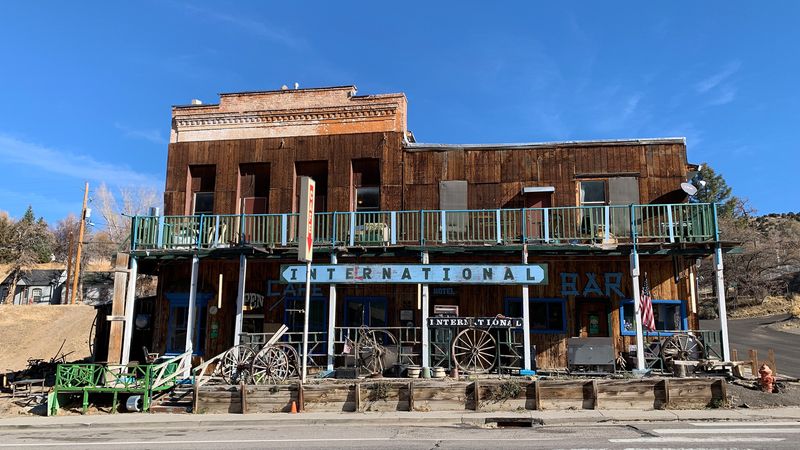
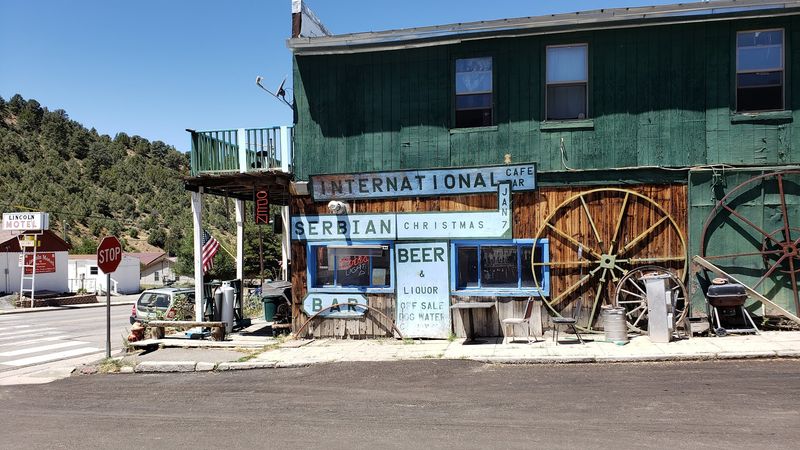
Several drinking establishments in Austin maintain the atmosphere of frontier watering holes. The International Hotel, built in 1863, still operates and includes a bar where miners once spent their earnings.
Dark wood, vintage fixtures, and walls lined with historical photographs create an environment that honors the building’s long history.
These establishments serve locals and travelers who appreciate a cold drink in surroundings that feel connected to the past. Conversations happen easily in small spaces where everyone becomes part of the same social fabric for an evening.
The bartenders often know the town’s history and share stories about the characters who have passed through over the decades.
Visiting one of Austin’s saloons offers more than refreshment. The experience provides a window into how social life functions in a town where population has dwindled but community remains strong.
People gather in these spaces much as they did 150 years ago, making them living museums of small-town Nevada culture.
Stokes Castle Makes The Town Feel Wonderfully Unexpected
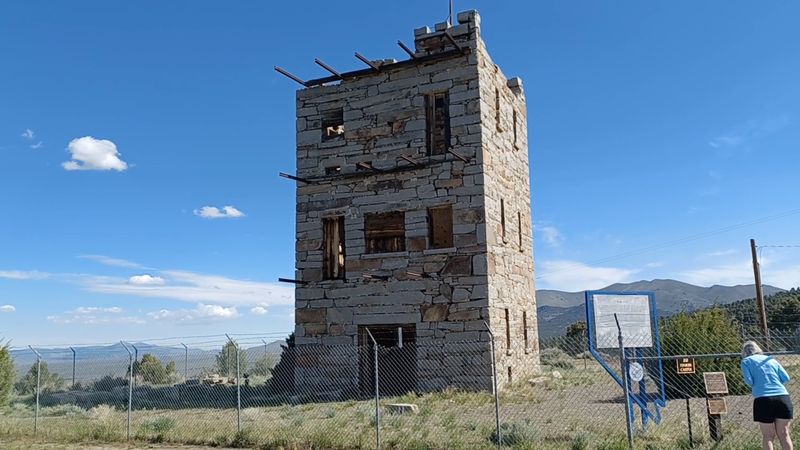
A three-story granite tower stands on a hillside just outside Austin, looking like it was transported from medieval Europe. Anson Phelps Stokes built this structure in 1897 as a summer home, modeling it after a tower he had seen in Italy.
The castle served as a family retreat for only a few months before being abandoned.
The building rises from the sagebrush with walls made from hand-cut native stone. Windows frame views of the Reese River Valley below, and the interior rooms once featured elegant finishes that contrasted sharply with the rough mining town nearby.
Time and weather have stripped away the roof and floors, leaving a romantic ruin.
Finding a European-style castle in the Nevada desert creates a moment of genuine surprise. The structure seems improbable in this landscape, yet there it stands as evidence of one wealthy family’s eccentric vision.
Visitors can walk around the exterior and imagine the brief period when this strange tower functioned as intended.
The Castle Overlooks The Reese River Valley
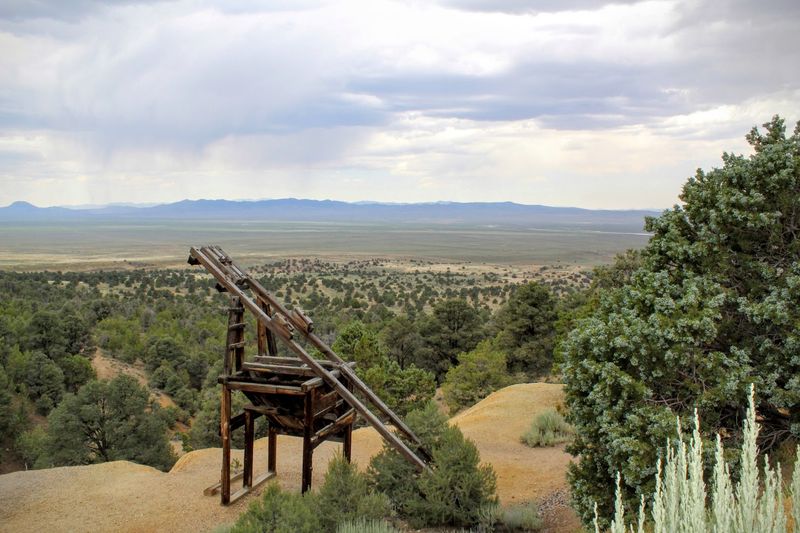
From the hillside where Stokes Castle sits, the Reese River Valley spreads out in shades of green and brown. The valley floor holds the narrow ribbon of the Reese River, which despite its name is really more of a creek that flows north through central Nevada.
Mountains rise on both sides, creating a corridor of open land between the ranges.
The elevation provides perspective on Austin’s setting in this landscape. The town appears small against the valley and mountains, a compact cluster of buildings that represents human ambition in a vast environment.
Sagebrush covers the hills, and the air carries the clean scent of high desert.
Standing at this viewpoint explains why Stokes chose this location for his summer retreat. The scenery offers both grandeur and tranquility, a combination that must have appealed to someone seeking escape from eastern cities.
The valley remains largely unchanged since his time, still wild and sparsely populated.
The Mountain Setting Gives Austin Its Gorgeous Backdrop
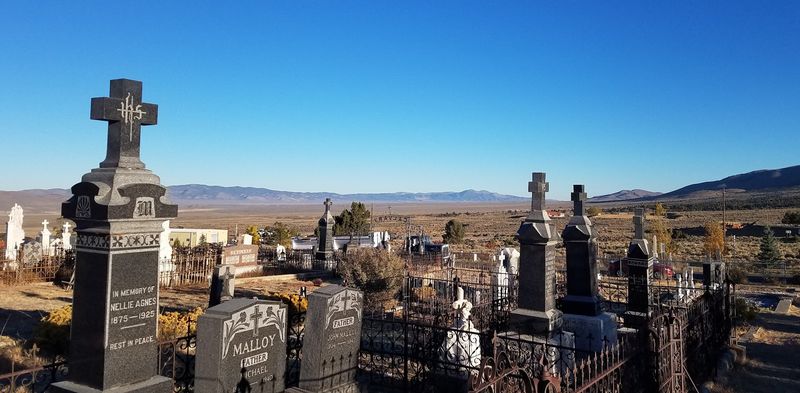
The Toiyabe Range rises directly behind Austin, providing a dramatic backdrop to the town’s modest buildings. These mountains reach above 10,000 feet in places, with slopes covered in pinyon pine and juniper at lower elevations and bare rock near the summits.
Snow often caps the peaks well into spring, creating striking contrasts with the valley below.
Austin sits at an elevation that gives it four distinct seasons, cooler summers than the lower Nevada deserts and winters with regular snow. The mountain setting influences the climate and the character of the place.
Residents live with constant awareness of the peaks that loom above, shaping daily life and providing endless recreational opportunities.
Photography enthusiasts find the combination of historic buildings and mountain scenery endlessly rewarding. Morning and evening light paints the peaks in changing colors while illuminating the old structures along Main Street.
The scale of the mountains makes human constructions seem temporary, yet the town has persisted here for more than 160 years.
Historic Churches Help Explain Its City Of Churches Nickname

Austin earned the nickname City of Churches during its boom years when multiple denominations built houses of worship to serve the growing population. St. Augustine’s Catholic Church, constructed in 1866, still stands with its Gothic Revival details and tall steeple.
The Methodist, Episcopal, and other congregations also established churches that became landmarks.
These buildings represent more than religious practice. They show how quickly the mining camp transformed into a proper town with institutions meant to last.
The churches were built with care and quality materials, suggesting that residents expected Austin to remain significant for generations. Their survival demonstrates the durability of good construction and the dedication of small congregations.
Several of the historic churches continue to hold services, though with far fewer parishioners than in the 1860s. Walking past these buildings provides a sense of the town’s former scale and ambitions.
The steeples still punctuate the skyline, visible from various points around Austin as reminders of faith and community.
The Town Works As A Quiet Base For Central Nevada Exploring
Austin’s location along Route 50 makes it a practical stopping point for travelers exploring central Nevada’s remote attractions. The town offers basic services including lodging, fuel, and food, which become valuable when the next services might be 70 miles away.
Several small inns and a motel provide accommodation for visitors who want to spend time in the area.
Using Austin as a base allows access to ghost towns, hot springs, and wilderness areas within an hour’s drive. The town itself requires only a few hours to explore thoroughly, but the surrounding region holds enough to occupy several days.
Mornings can begin with coffee on Main Street before heading out to discover abandoned mines or hiking trails.
The pace of life here suits travelers seeking quiet rather than entertainment. Evenings bring remarkable stargazing as light pollution remains minimal.
The town provides just enough infrastructure to support exploration while maintaining the peaceful atmosphere that draws people to remote Nevada in the first place.
Nearby Outdoor Trails Add Adventure To The Sweet Escape
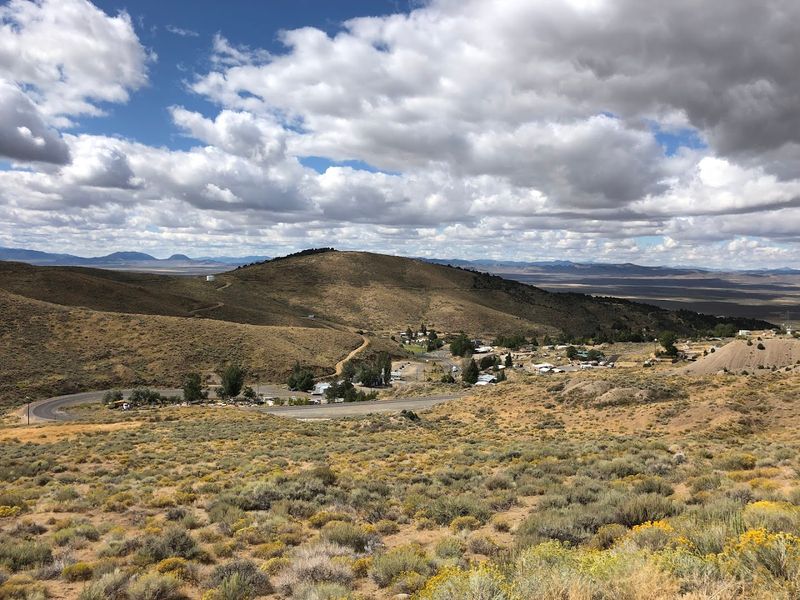
Trails in the Toiyabe Range and surrounding areas offer hiking opportunities that range from easy walks to challenging climbs. The Austin Summit Trail leads to panoramic views of multiple mountain ranges and valleys, rewarding the effort required to gain elevation.
Other paths explore canyons where mining relics can still be found among the vegetation.
Spring and fall provide ideal conditions for outdoor activities, with moderate temperatures and wildflowers adding color to the landscape. Summer heat at lower elevations sends hikers toward the cooler heights, while winter snow creates opportunities for snowshoeing.
The trails see relatively few users, offering solitude that has become rare in more popular outdoor destinations.
Exploring these paths adds a physical dimension to understanding Austin’s setting. The same mountains that provided silver ore also created the dramatic scenery that makes the town photogenic.
Walking through this landscape connects visitors to the experience of the miners and settlers who made their lives here despite the challenges of remote, rugged terrain.