
This Gorgeous Texas State Park Lets You Dig For Prehistoric Shark Teeth On A Secret Fossil Beach
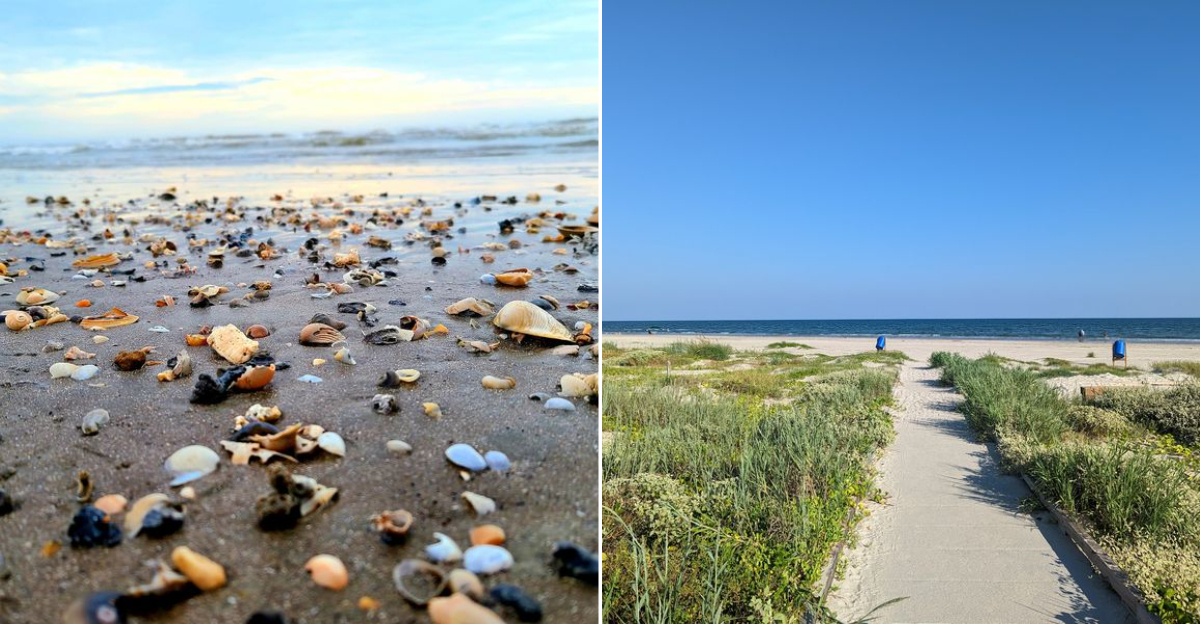
A shark tooth you dug up yourself makes for a pretty cool keepsake sitting in a display case back home. This Texas state park lets you search for exactly that on its own hidden fossil beach.
Visitors dig through sand and shallow water, uncovering fossils that date back millions of years. Regulars know the best times to search, usually right after a storm shifts the sand and reveals buried layers.
You won’t need fancy gear here, just patience and a good eye. Families often turn it into a full day out, comparing finds before they head home.
The park offers plenty beyond the fossil beach too, with trails and views worth the visit on their own. This park proved that sometimes prehistoric history sits a lot closer to the surface than you’d think.
History Of Fossil Formation Along The Coast
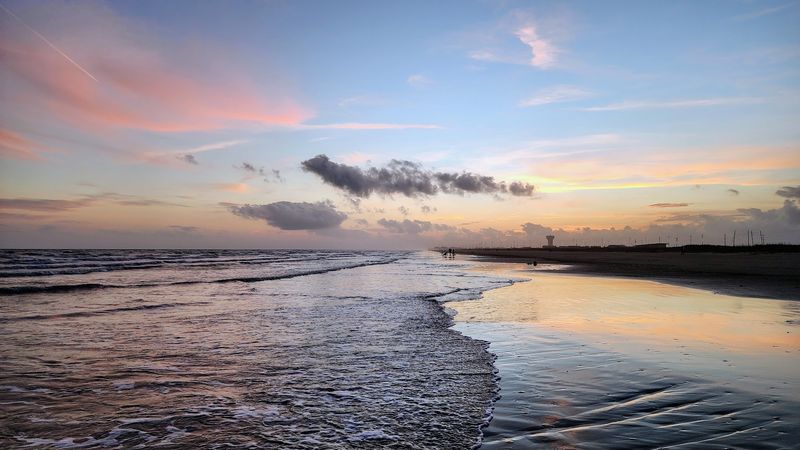
Long before anyone dreamed up beach chairs or sunscreen, this entire region sat underwater. Warm, shallow seas covered the land, and sharks cruised through them by the thousands.
Sharks shed teeth constantly, sometimes thousands over a lifetime. Those teeth sank into the mud and got buried under layer after layer of sediment as sea levels rose and fell across millions of years.
Fast forward to today. Storms, strong currents, and offshore dredging churn up those buried layers, and longshore currents carry the loosened teeth along the coast until the surf finally spits them onto the sand.
Here is the detail that trips people up at first. Most of the teeth found here are black, not white like a modern shark tooth.
That color comes from phosphate soaking into the tooth over an incredibly long fossilization process. Sometimes iron oxide in the sediment adds orange streaks or rusty speckles, which makes certain finds look almost painted.
So a black triangle in a pile of crushed shells is not a rock. It is a piece of a food chain that vanished before humans existed, delivered to the beach by pure ocean mechanics.
That slow geological conveyor belt keeps running, which is why the shell beds look a little different after every big weather event. You can explore this coastal history at 14901 FM3005, Galveston, TX 77554.
Types Of Prehistoric Shark Teeth You Can Find
Everybody shows up secretly hoping for a Megalodon tooth the size of a hand. Reality check: those are extremely rare along the Texas coast, though they have turned up in Galveston-area waters now and then.
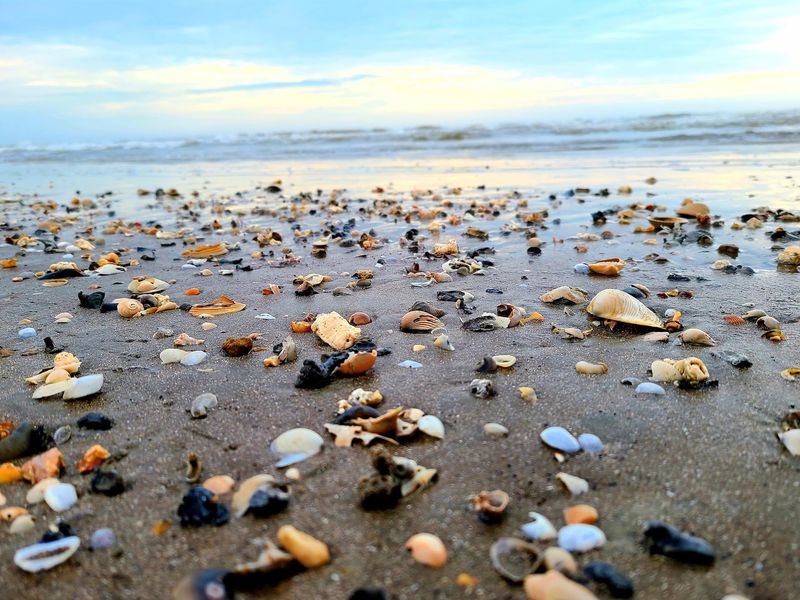
What actually shows up in the shell hash is a lot more varied and honestly more interesting. Bull shark teeth make up the bulk of finds along this coastline, small and sturdy with a broad triangular blade.
Tiger shark teeth are the show-offs of the group. They curve to one side with a deep notch, almost like a tiny hooked blade, and they are hard to mistake once you know the shape.
Mako teeth look completely different. Long, narrow, and smooth-edged, built for grabbing rather than sawing, which matches how fast those sharks hunted.
Prehistoric Great White teeth occasionally appear too: wide triangles with serrated edges, though spotting one takes patience and a good eye.
Color helps enormously. Fossilized teeth run glossy black or deep brown, which stands out against pale sand and bleached shell fragments once your brain calibrates to it.
Most finds are small, sometimes barely bigger than a fingernail. That is part of the fun, because the tiny ones hide in plain sight and reward slow, careful looking more than luck.
Best Times Of Year For Fossil Hunting In Texas
Timing matters more than luck here. Low tide and the outgoing tide expose wide shell beds that would otherwise sit underwater, and those beds are where teeth collect.
Big storms rearrange everything. After hurricanes or strong weather systems, the Gulf tends to churn up and deposit fresh material, which can turn an ordinary stretch of sand into a much richer search zone.
Season-wise, there is no closed window. Fossil hunting works year-round on this coast, though comfort varies wildly between a mild January morning and a humid August afternoon.
Winter has quiet appeal. Crowds thin out, temperatures hover in a pleasant range, and the beach feels wide open, which makes slow scanning far more enjoyable.
Light is the underrated factor. Early morning or the hour before sunset cuts glare off wet sand and water, and dark triangles suddenly pop against the pale background.
Midday sun does the opposite. Everything glares, shells look washed out, and eyes get tired fast, which is how people walk right past finds.
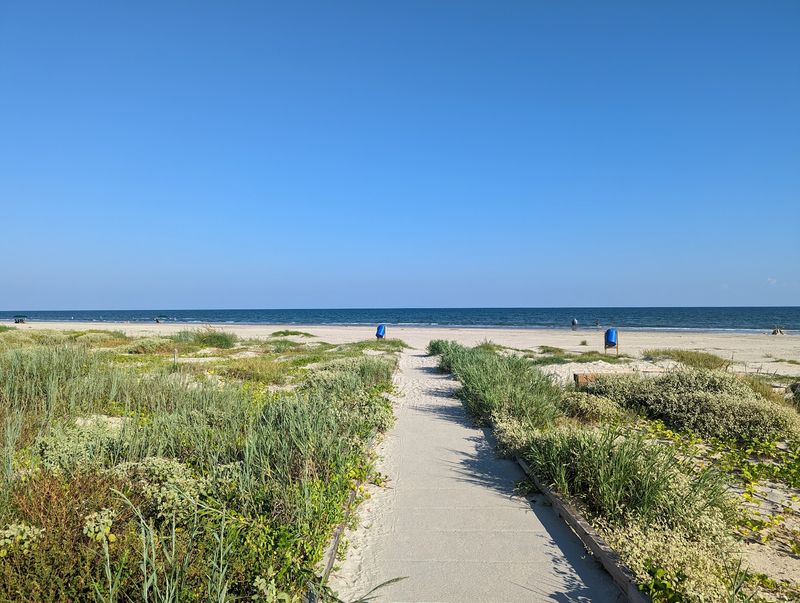
Wind is nearly constant out here, so a hat that stays on and layers that block the breeze make longer searches realistic. The park opens at 7 AM daily and stays open until 10 PM, which leaves plenty of room for both sunrise and sunset timing.
Tools And Techniques For Digging At The Shoreline
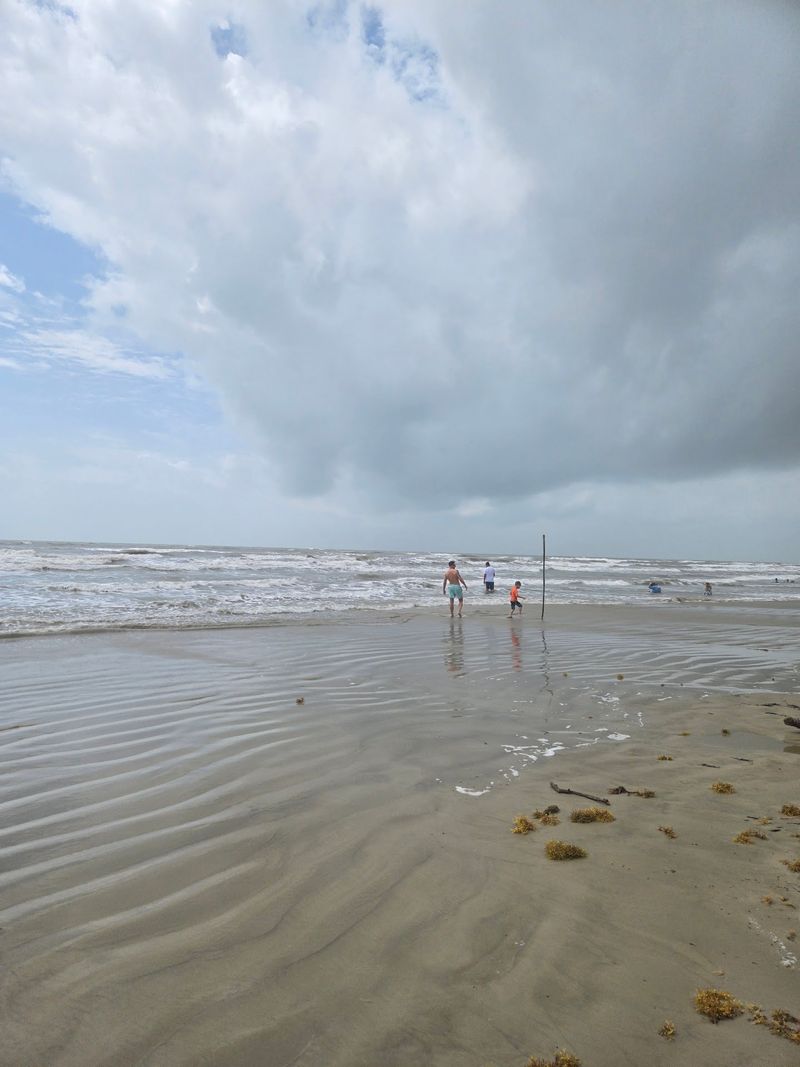
Strategy beats stamina on a beach like this. The smartest searchers focus on the wrack line, that ribbon of crushed shell and debris the surf pushes up and leaves behind.
Inside those shell beds, the game is pattern recognition. Look for small black or dark brown triangles among gray and white fragments, and expect your brain to flag a hundred pebbles before it flags a real tooth.
A shark tooth sifter makes life easier. It pairs a screened basket with a scoop-style head, so a load of sand and shell hash can be shaken until the fine grains fall through.
What stays behind is the good stuff. Larger shells, pebbles, and occasionally a tooth sit right there in the mesh, which feels ridiculously satisfying.
A simple hand scoop works too for testing promising pockets of shell. Waterproof boots or sturdy sandals keep feet comfortable, since wet sand and shell edges are not kind to bare toes.
Slow movement wins. People who sprint down the beach see far less than someone crouched over one productive shell pile for ten minutes.
One important note about this particular park. The activity here is observation and discovery, not collecting, so the reward is the find itself and a good photo to prove it happened.
Environmental Preservation Efforts In The Park
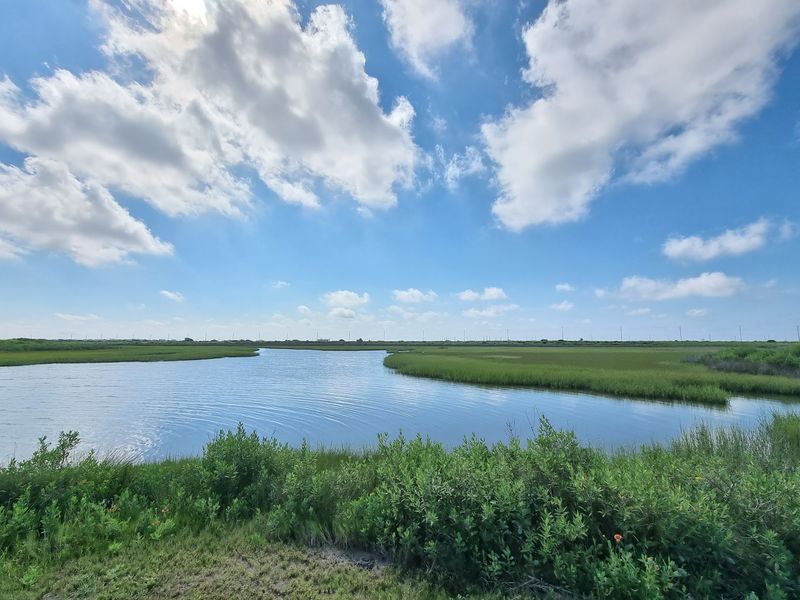
Two thousand acres of barrier island sounds like a lot until you learn it is the last undeveloped public land on Galveston Island. That single fact explains why so much effort goes into protecting it.
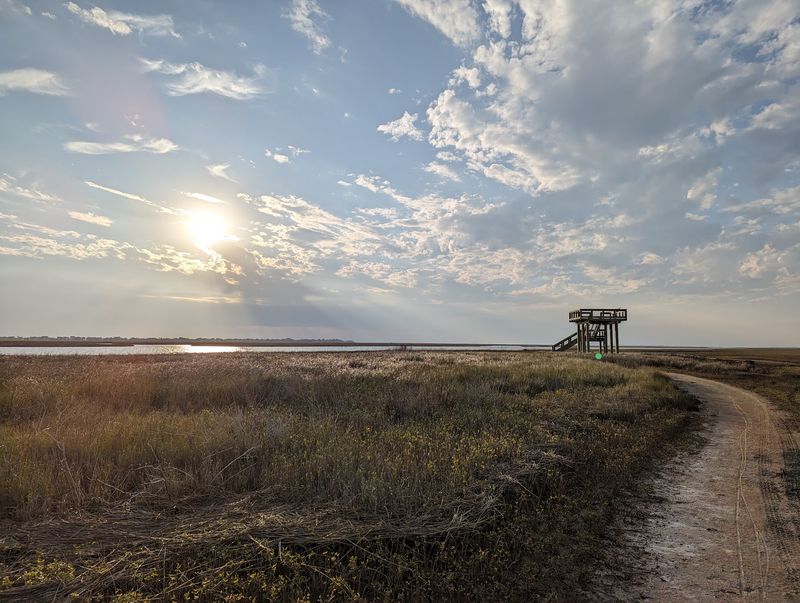
The park stretches from Gulf beach across to coastal prairie and bayside wetlands. Having both sides protected keeps an entire habitat chain intact instead of just a strip of sand.
Restoration work here has been serious. Around 200 acres of intertidal marsh have been revitalized, and breakwaters were built to shield vulnerable shoreline from constant wave energy.
Invasive plants get attention too. Chinese tallow trees have been pushed back through controlled burns and ongoing management, which gives native prairie grasses room to recover.
Barrier islands never sit still, and staff knows it. A 50-year plan guides decisions around coastal storms, shifting land use, and rising sea levels affecting the marshes.
Local and federal partners help fund and support that long-range work. It is the kind of planning that rarely makes headlines but keeps a place standing decades from now.
For visitors, all of this shows up quietly. Healthier marsh means more fish nurseries, more birds, and a beach that still looks wild instead of engineered.
Wildlife Species That Inhabit The Coastal Area
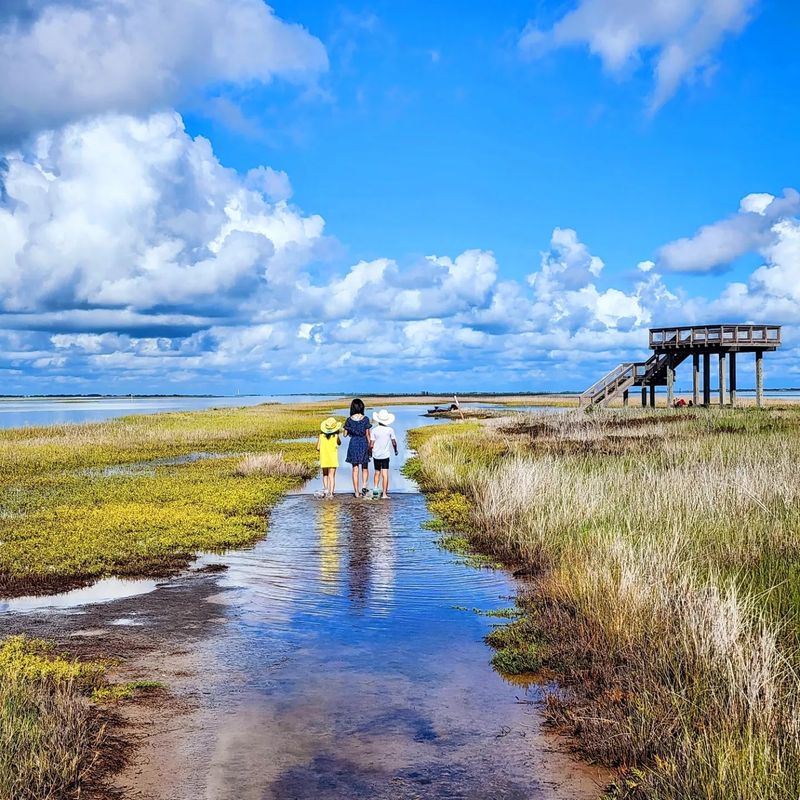
Over 300 bird species have been recorded here, which is a genuinely absurd number for one park. Birders treat this place like a pilgrimage site during spring and fall migration.
Great Blue Herons stalk the shallows with that slow, deliberate walk. Snowy Egrets flash bright yellow feet, and Laughing Gulls provide the soundtrack whether anyone asked for it or not.
Piping Plovers skitter along the wet sand, and various ducks and raptors rotate through with the seasons. Bring binoculars or accept that you will squint a lot.
Land animals keep things lively too. Raccoons, armadillos, marsh rabbits, opossums, and coyotes all move through the coastal prairie, mostly at dawn and dusk.
Alligators live in the wetland areas, which is a real consideration on bayside trails. Red-eared sliders sun themselves on logs and are considerably less alarming.
The bay and salt marshes work as nurseries for marine life. Spotted seatrout, redfish, flounder, blue crab, and shrimp all depend on those shallow protected waters.
Fiddler crabs are the underrated stars, waving oversized claws across the mudflats like tiny traffic directors. Dolphins have been spotted offshore too, which turns a plain beach walk into a highlight reel.
Guidelines For Responsible Fossil Collection
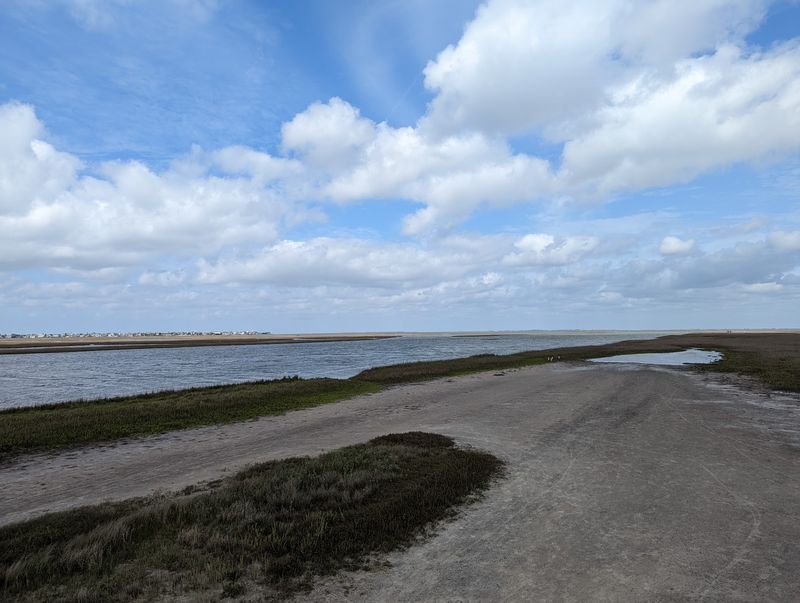
Here is the part that surprises people, so it is worth being blunt. Collecting fossils, rocks, or minerals inside Galveston Island State Park is not allowed.
That rule comes straight from Texas Parks and Wildlife Department regulations. Disturbing or altering natural features within a state park without authorization is off the table.
So the hunt still happens, just with a different ending. Find the tooth, photograph it, admire it, then set it back where it was for the next curious person.
It sounds like a letdown until you think about the math. Thousands of visitors pocketing one small treasure each would empty those shell beds fast.
Leaving finds in place keeps the experience alive for everyone. The discovery itself is the payoff, and a good photo travels home just fine.
These rules also protect the broader ecosystem. Digging up dunes or hauling away shell material affects the shoreline structures that hold this barrier island together.
Plenty of beaches outside park boundaries allow collecting, so serious hunters have options nearby. Inside the park, the smarter move is treating the whole place like an open-air museum where touching is fine and taking is not.
Educational Programs About Paleontology At The Park
Rangers here run interpretive programs throughout the year, and they cover far more than a quick list of bird names. Sessions dig into how the island formed, what lives here now, and what lived here long before.
Paleontology is not always the headline topic. Geology talks and beach walks naturally circle fossils, ancient sea levels, and the creatures that left those teeth behind.
The Friends of Galveston Island State Park pitch in heavily. This volunteer group leads interpretive programs and supports efforts like Camp Wild, aimed squarely at getting kids outside and curious.
Programs shift with the seasons and staff availability. Checking the park schedule before a visit is the difference between stumbling into a guided walk and missing one by an hour.
Kids tend to lock in fast during these sessions. Handing a seven-year-old a shell and explaining how it fits into a food chain beats any classroom worksheet.
Adults get plenty out of it too. Learning why teeth turn black or how longshore currents sort beach debris changes how the entire shoreline looks afterward.
Calling ahead at 409-737-1222 is a simple way to confirm what is running. A little planning turns a beach day into something people actually remember.