
This Grand Mansion In New York Lets You Step Straight Into The Gilded Age
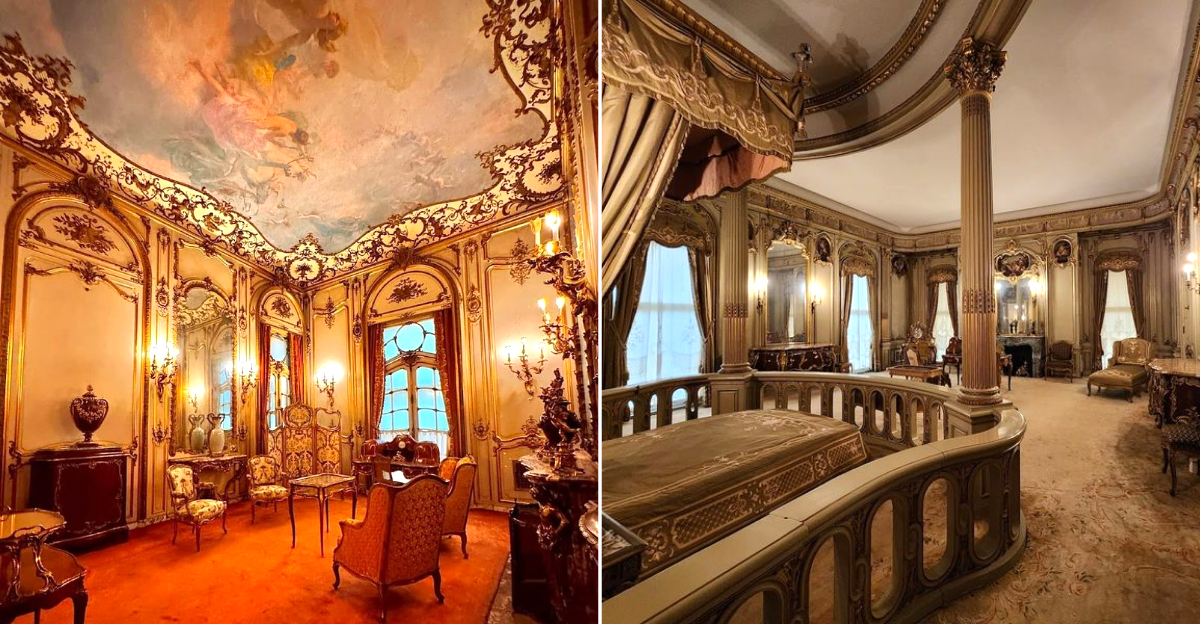
Grandeur still has a way of making an impression, and this New York mansion delivers it the moment you arrive. The architecture alone hints at a time when every detail mattered, but stepping inside takes it even further.
Ornate ceilings, richly decorated rooms, and carefully preserved interiors bring the Gilded Age back to life in a way that feels immersive rather than distant.
Walking through the space, you begin to notice how everything was designed to impress, from sweeping staircases to intricate finishes that reflect both wealth and craftsmanship.
It is not just about admiring the building, it is about experiencing a moment in history that still feels surprisingly vivid today.
A House That Makes You Question Your Own Life Choices
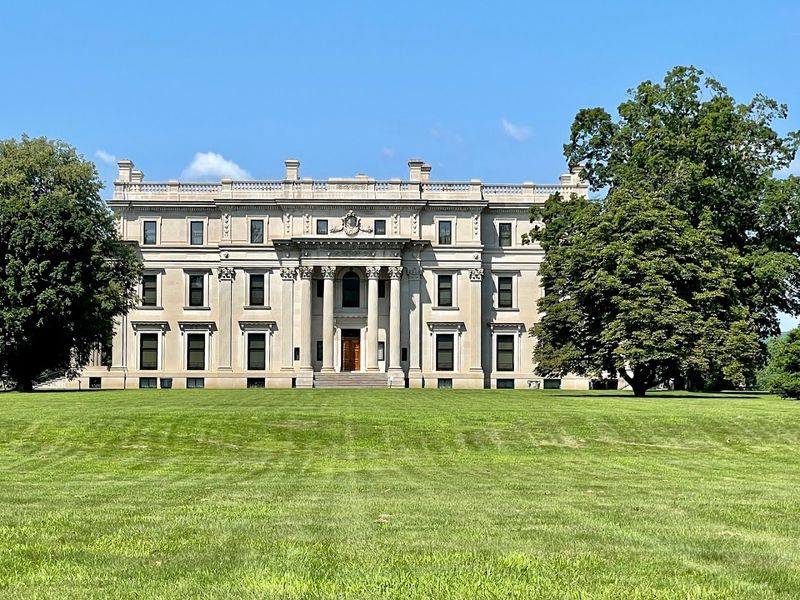
Picture this: you walk up to a building so stately and composed that your first instinct is to straighten your shirt and apologize for your sneakers. That is roughly what arriving at the Vanderbilt Mansion feels like, and honestly, it never gets old.
The structure commands the landscape with quiet authority, sitting on a bluff above the Hudson River as if it has been there since the beginning of time and fully intends to remain there forever.
Completed in 1899 and designed by the renowned architectural firm McKim, Mead and White, the mansion was never the largest Vanderbilt property. The family casually referred to it as a cottage, which should tell you everything you need to know about the scale of their wealth and their relationship with understatement.
Fifty-four rooms, imported marble, carved ceilings, and furniture sourced from across Europe filled every corner of this so-called modest retreat.
Standing outside and looking up at those limestone columns, you get a clear sense that this place was built not just for comfort but as a statement. The Hudson Valley setting amplifies everything, framing the estate in rolling hills, open sky, and river views that feel almost theatrical in their perfection.
Frederick And Louise Vanderbilt And The Story Behind The Walls
Frederick William Vanderbilt was the grandson of Cornelius Vanderbilt, the railroad tycoon whose fortune became one of the largest ever assembled in American history.
Frederick inherited a considerable portion of that wealth and used it with a particular fondness for real estate, collecting properties the way most people collect houseplants.
Hyde Park was among his favorites, a place he returned to regularly throughout his adult life.
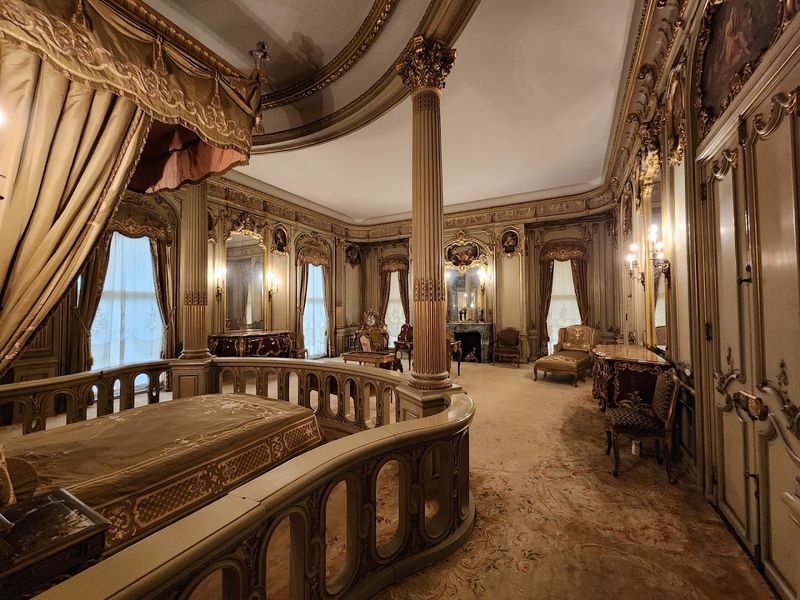
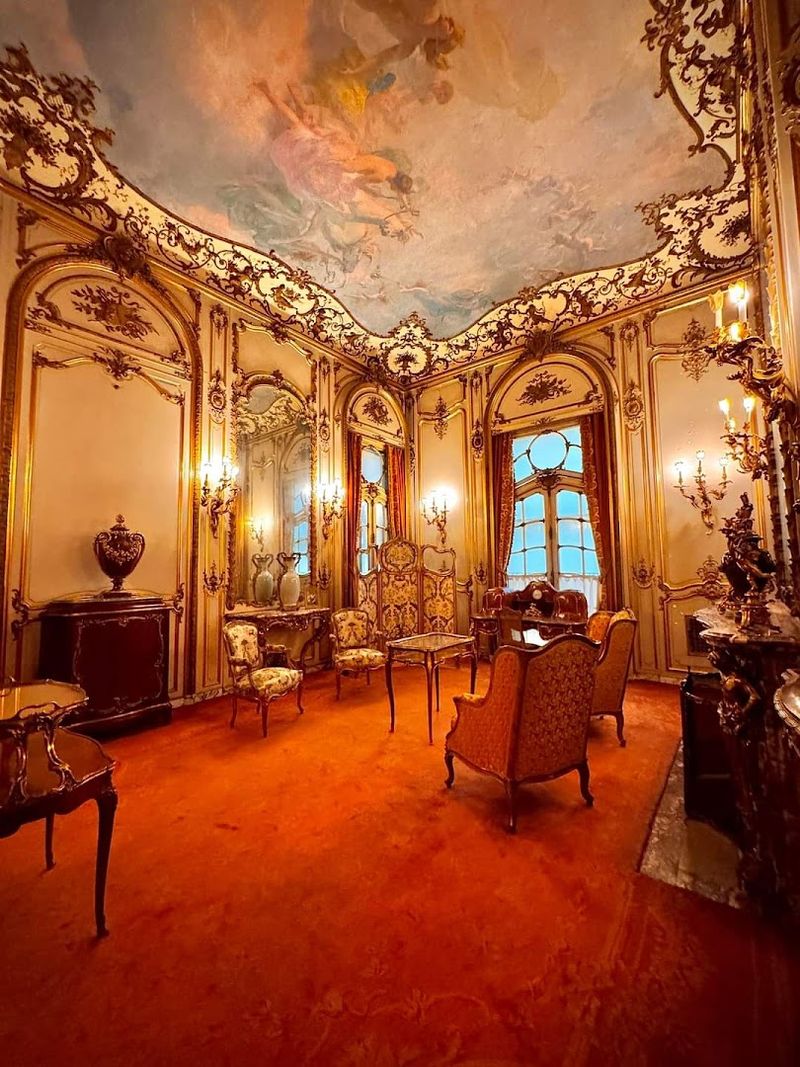
His wife Louise was an equally fascinating figure, older than Frederick and known for her refined tastes in interior decoration. Her influence is visible throughout the mansion, particularly in the elaborate bedroom suite designed specifically for her on the second floor.
The room reads like a small palace unto itself, with silk fabrics, gilded details, and furnishings imported from France that still sit in place today exactly as she left them.
The couple had no children, and when Frederick passed away in 1938, the property passed through several hands before being donated to the federal government. The National Park Service has managed the estate since 1940, maintaining its original contents with remarkable care.
Knowing that context as you walk through each room adds a layer of meaning that transforms sightseeing into something closer to genuine connection with the past.
Touring The Mansion Room By Room
Guided tours at the Vanderbilt Mansion National Historic Site are the main event, and they earn every bit of the enthusiasm visitors bring to them.
Rangers and volunteer guides lead groups through the first and second floors as well as the basement level, pausing in each room to share stories that bring the architecture and furnishings to vivid life.
The format is relaxed enough that you can linger, look closely, and ask questions without feeling rushed.
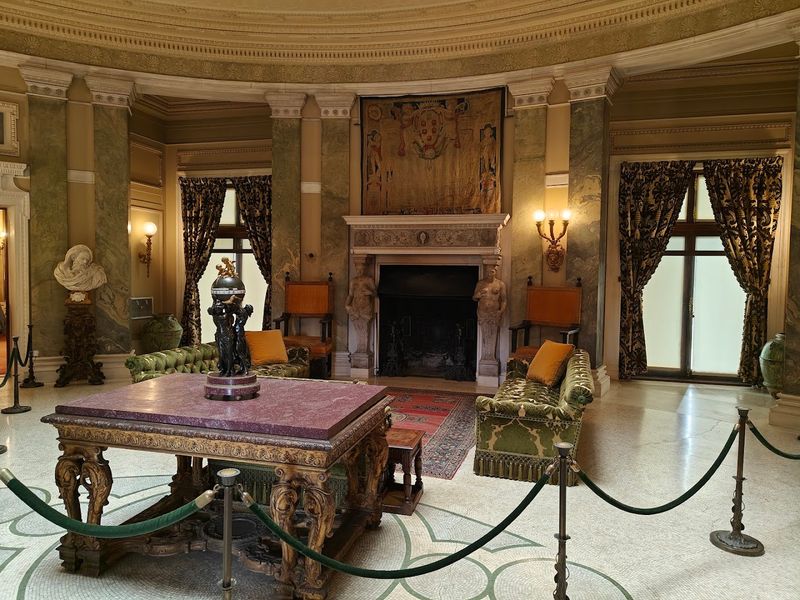
The main hall greets you with soaring ceilings and a grandeur that sets the tone immediately. From there, the tour moves through formal reception rooms, a dining room built to seat dozens of guests, and private chambers that reflect the very specific social customs of the era.
Separate bedrooms for husband and wife were standard among the wealthy class, and the mansion preserves that arrangement with its original decor intact, right down to the locks on the connecting door.
The basement tells a different and equally compelling story, revealing the working infrastructure that kept the household running. Servants quarters, storage rooms, and utility spaces give a more complete picture of life at the estate.
Located at 119 Vanderbilt Park Rd, Hyde Park, NY, the site is open daily from 10 AM to 4 PM, with tours priced at $15 per person.
The Grounds That Deserve Just As Much Of Your Time
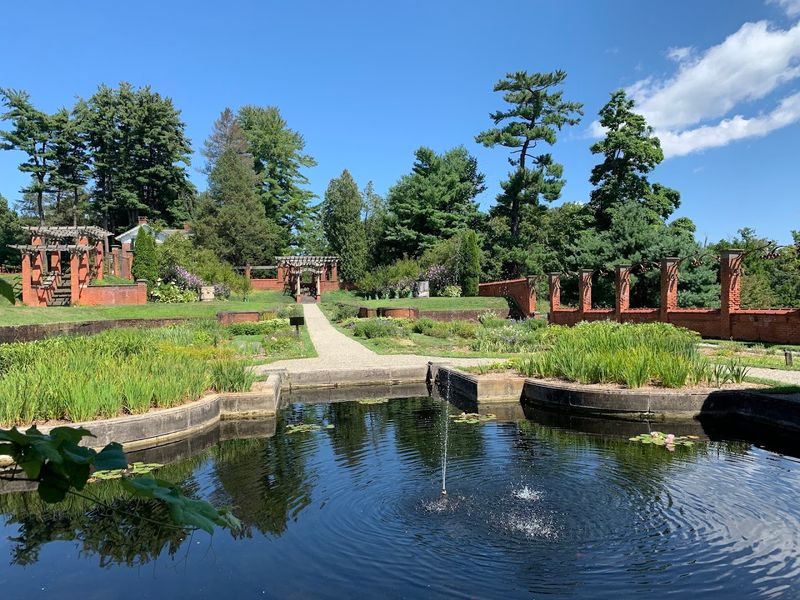
Most visitors arrive focused on the mansion itself, which is entirely reasonable, but those who spend time on the surrounding grounds often leave calling that portion the highlight.
The estate covers a generous stretch of Hudson Valley landscape, with walking trails, river overlooks, and a formal Italian garden that feels like a separate destination entirely.
Maintained largely by local volunteers, the garden rewards visitors who make the short walk from the main house.
Mature trees line the paths leading toward the river, and several viewpoints along the bluff offer unobstructed sightlines across the Hudson that photographers find endlessly useful. The carriage house, a substantial structure in its own right, sits near the main building and adds to the sense that you are exploring an entire self-contained world rather than a single attraction.
Seasonal visits each offer something distinct. Spring brings blooming gardens that transform the grounds into a wash of color, while autumn delivers the Hudson Valley foliage that the region is celebrated for.
Even a winter visit has its own appeal, with the bare trees and quiet grounds lending the estate a contemplative atmosphere. Entry to the grounds is free, making it an accessible option for anyone who wants a pleasant walk with serious historical scenery as a backdrop.
What Makes The Tour Guides Genuinely Worth Mentioning
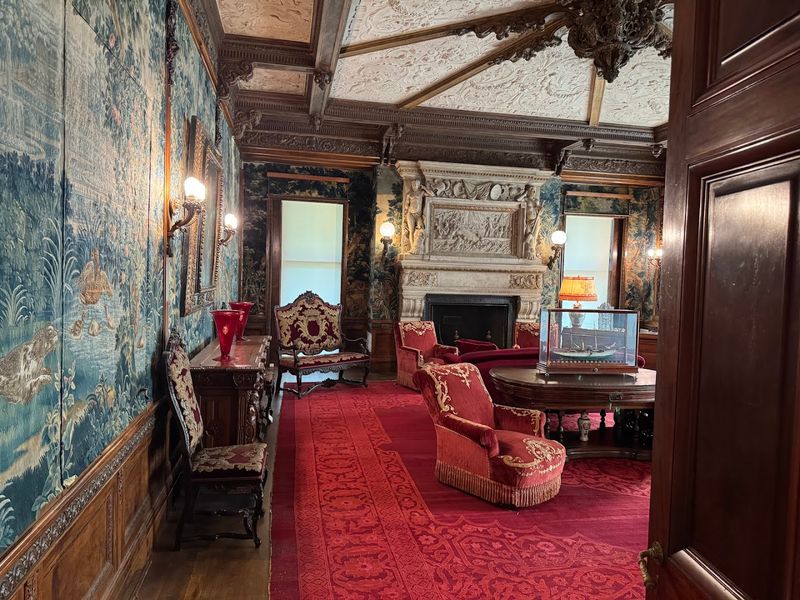
There is a particular kind of tour guide who recites facts in a flat, practiced monotone and makes you wonder if a brochure would have been more engaging. The guides at the Vanderbilt Mansion are emphatically not that kind.
Visitors consistently note the warmth, depth of knowledge, and genuine enthusiasm that rangers and volunteer guides bring to every tour, making the experience feel less like a school lesson and more like a conversation with someone who truly loves this place.
The storytelling approach used here sets the mansion apart from many historic house museums. Rather than cataloguing objects and dates, guides frame the Vanderbilts as real people with complicated lives, social pressures, and personal quirks that make them relatable despite the astronomical wealth.
That human dimension keeps the tour engaging from start to finish, and the flexible format means you can explore at your own pace between the structured portions.
Questions are genuinely welcomed, and guides seem to enjoy the unexpected ones most. Whether you want to know about the architecture, the furniture provenance, the domestic staff, or the family dynamics, the depth of available knowledge is impressive.
For first-time visitors, arriving early in the day tends to offer a slightly more relaxed experience before larger groups begin to arrive.
Practical Tips For Planning Your Visit
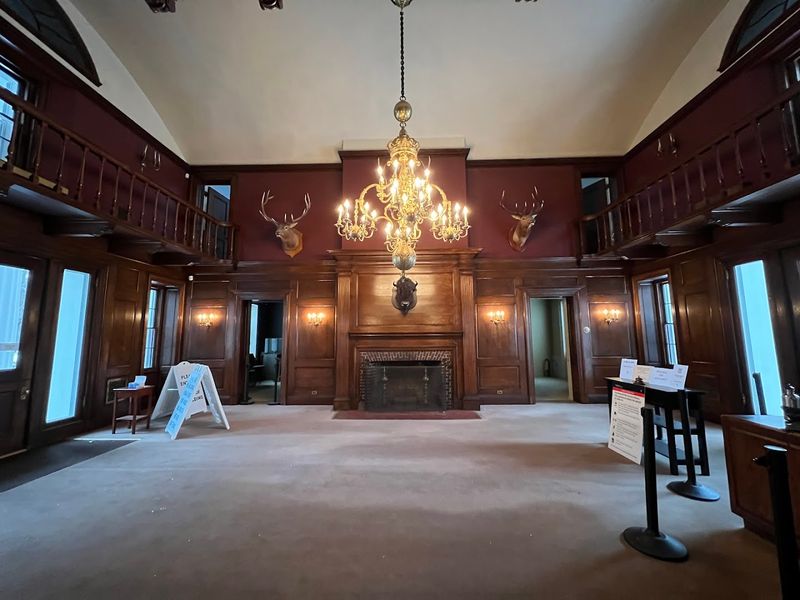
Arriving at the Vanderbilt Mansion with a bit of preparation makes the experience considerably smoother. Tickets for the mansion tour are sold in person at the visitor center and cannot be purchased online in advance, so arriving early on busy days is a practical strategy.
Tours run throughout the day within the 10 AM to 4 PM window, and the visitor center staff can tell you immediately which time slots are available.
Holders of the America the Beautiful National Parks Pass receive free entry for up to four people, which represents meaningful savings for families. Children aged 15 and under are admitted free regardless.
The visitor center itself is worth a few minutes of exploration before your tour, with exhibits that provide useful context about the Vanderbilt family and the Gilded Age more broadly.
The mansion has no air conditioning, so summer visitors should plan accordingly by arriving early in the morning before the heat builds inside the rooms. Water bottles are permitted inside, but food and other beverages are not.
The site is fully wheelchair accessible, with a lift and elevator available throughout the tour route. Comfortable walking shoes are recommended for anyone planning to explore the trails and garden areas after the mansion tour concludes.
Why The Vanderbilt Mansion Stands Apart In The Hudson Valley
The Hudson Valley has no shortage of historic properties, presidential libraries, and scenic attractions competing for a visitor’s attention on any given weekend.
What distinguishes the Vanderbilt Mansion is the combination of factors that rarely align so neatly in a single destination: original furnishings, exceptional setting, knowledgeable guides, accessible pricing, and a story compelling enough to hold interest well beyond the tour itself.
Many historic house museums present reconstructed or approximated interiors, relying on period-appropriate pieces gathered after the fact. The Vanderbilt Mansion holds the actual objects that Frederick and Louise used, purchased, and surrounded themselves with during their lifetimes.
That authenticity changes the texture of a visit in ways that are difficult to articulate but immediately felt when you stand in a room and understand that nothing around you has been staged for your benefit.
The estate also sits near other significant sites in Hyde Park, including the Franklin D. Roosevelt Presidential Library and Museum, making it a natural anchor for a full day of exploration in the region.
For anyone drawn to American history, architectural craft, or the complicated social world of the late nineteenth century, this mansion offers a window that is clear, well-maintained, and genuinely worth the drive up the Hudson Valley.