
This Hidden Alabama Restaurant Is Winning Over Crowds With Some Of The Best Gumbo In The State
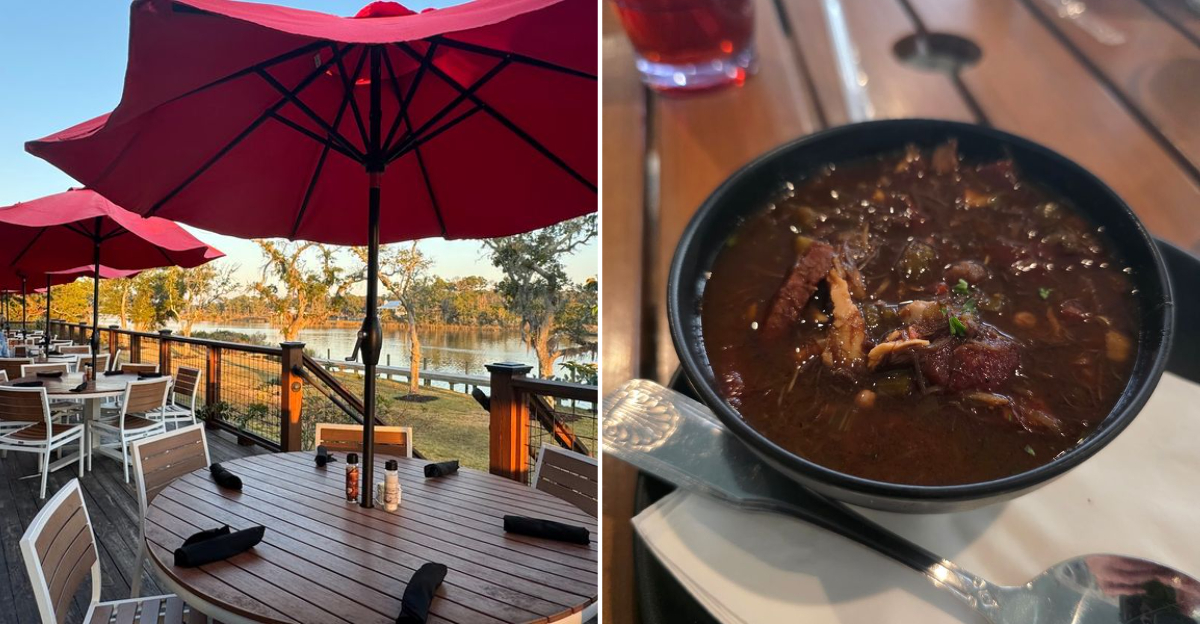
There’s an old Cajun saying, you can’t rush a roux, and you can’t rush good gumbo either. This Alabama restaurant understands that patience better than most.
Every pot simmers slowly, built the traditional way without shortcuts to speed up the process. Regulars order the same bowl every visit, trusting the recipe to taste exactly like it did the last time.
Nothing about the flavor feels diluted or adjusted for a broader audience. Portions stay generous, matching the reputation this restaurant built through actual conversation rather than advertising.
Word about the gumbo spread the old fashioned way, without any flashy marketing behind it. This restaurant proved that sometimes the best gumbo comes from the most unexpected places.
Rich History Behind Alabama Gumbo Traditions
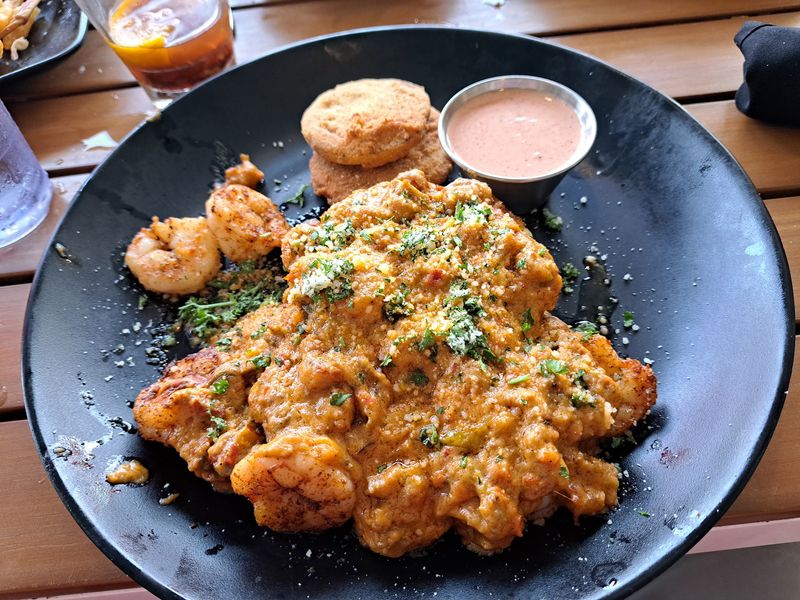
Gumbo is one of the rare dishes that is genuinely American from top to bottom. Its roots run through West African, French, Spanish, German, and Native American Choctaw kitchens all at once.
The word itself comes from a West African term for okra, which hints at what the earliest versions leaned on for thickening. French settlers brought the roux, though the gumbo version is cooked far darker than anything in a French cookbook.
Spanish cooks contributed sofrito, which slowly morphed into the celery, bell pepper, and onion combination that Cajun and Creole cooks call the holy trinity. Choctaw cooks added file, a fine powder ground from dried sassafras leaves.
Along the Gulf Coast, seafood gumbo became the default. Alabama sits right on the water, so shrimp and crab were the obvious stars long before anybody wrote it down as a rule.
Bon Secour has been a working seafood community for generations, with shrimp boats and oyster houses shaping daily life. A restaurant serving gumbo here is not borrowing a tradition.
It is standing in the middle of one.
That history shows up in the bowl, from the depth of the roux to the seafood pulled from nearby waters. You can find it at
Essential Ingredients That Define Alabama Gumbo
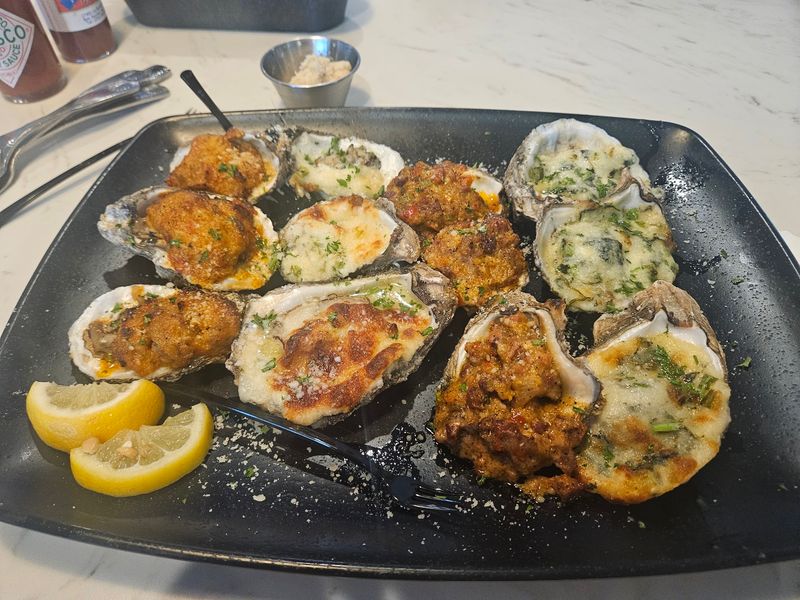
Shrimp, crabmeat, and andouille sausage. That trio does the heavy lifting in the Seafood Gumbo here, and none of it hides behind the broth.
Underneath sits the holy trinity of onion, celery, and bell pepper, softened until sweet and melted into the base. It is the flavor foundation nearly every Alabama gumbo shares.
Okra shows up in plenty of state recipes, doing double duty as vegetable and thickener. Some cooks add tomatoes, which leans the dish toward the Creole side of the family tree.
Alabama has its own signature touches too. Sweet Vidalia onions turn up in home recipes, and Conecuh hickory smoked sausage is practically a state treasure in gumbo pots across the region.
Andouille brings smoke and a little bite, which keeps the seafood from getting lost. Crabmeat adds sweetness.
Shrimp adds snap. Together they make the bowl feel like a whole meal rather than a starter.
The gumbo is one of the most talked-about items on the menu at this Bon Secour spot, mentioned by name more than most entrees. That is saying something at a place known for enormous oysters and crab claws.
Good gumbo is really about ingredient quality, not tricks. When shrimp comes off boats nearby, the recipe barely needs help.
Techniques And Tips For Perfect Gumbo Texture
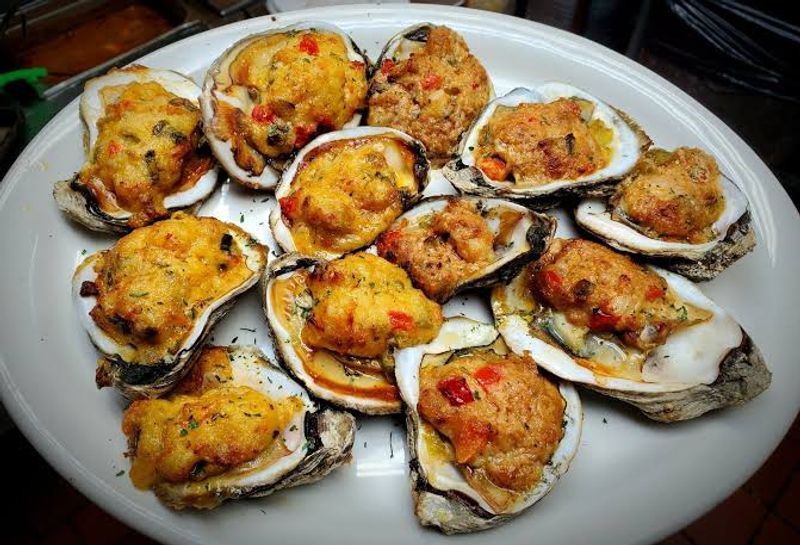
Everything starts with the roux, and the roux does not forgive distraction. Flour and oil cook together while somebody stirs almost nonstop, watching the color shift from pale gold toward deep chocolate.
Darker roux means bigger, richer flavor. It also means a shorter path to disaster, because a burnt roux cannot be rescued.
Cooks toss it and start over.
Once the color is right, the chopped vegetables go in. They soften, release moisture, and stop the roux from cooking any further, which is a neat little trick.
Stock gets added slowly with constant stirring so the whole thing stays silky instead of lumpy. Rushing this step is how gumbo ends up grainy.
Then comes the long part. Gumbo usually simmers at least three hours, letting the flavors settle into each other.
Nobody makes great gumbo in thirty minutes.
Shellfish goes in near the end. Shrimp turned rubbery is a tragedy, and crabmeat falls apart if it swims too long.
File powder, if used, gets stirred in after the pot leaves the heat. Boiling it makes the texture stringy, which nobody wants in their spoon.
A kitchen turning out gumbo at this volume runs the process daily, which is exactly why the consistency stays steady from lunch through the dinner rush.
Pairing Alabama Gumbo With Local Side Dishes
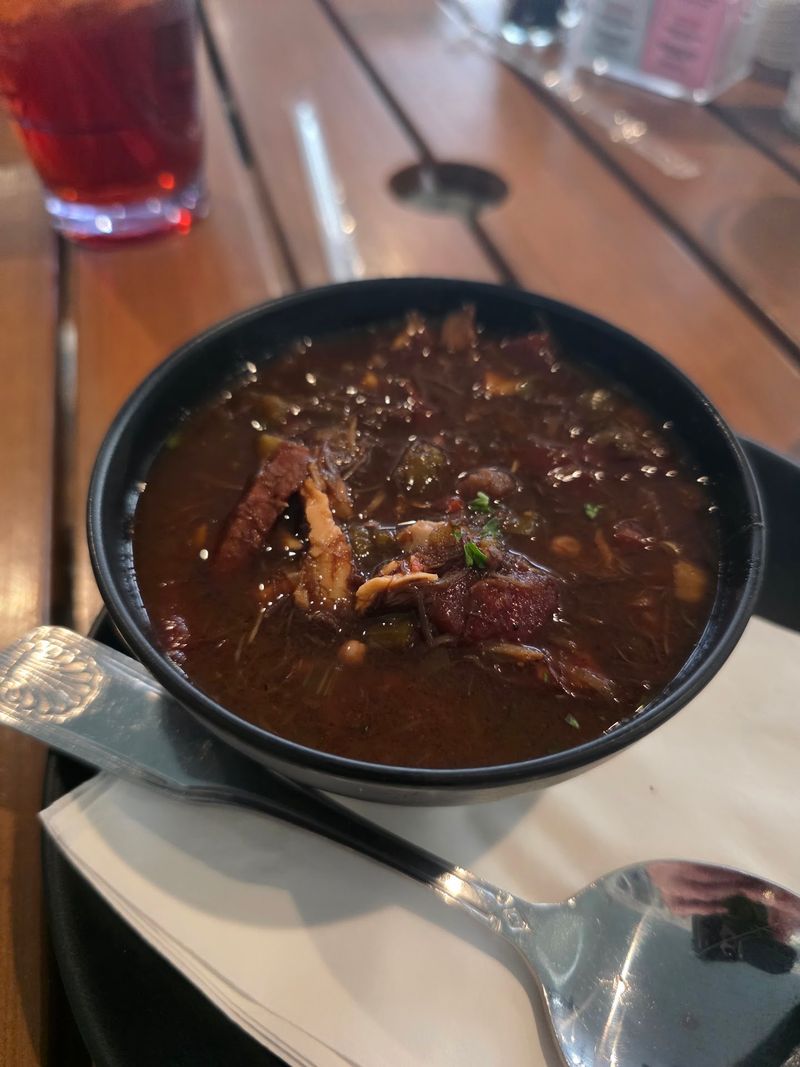
Rice first. Hot, fluffy white rice sits under the gumbo and soaks up the broth, and that pairing has never needed improvement.
Potato salad is the classic Gulf Coast wildcard. Some folks keep it politely on the side; others drop a scoop straight into the bowl and stir it around like it is completely normal.
Cornbread works because it plays against the savory broth. Hush puppies do something similar with a crunchier edge, and crusty French bread exists purely for mopping.
Fried okra deserves its own mention. Crispy, salty, and easy to eat by the handful, it turns up on the side menu here alongside a solid lineup of Southern staples.
The kitchen lists fresh collard greens, marinated coleslaw, steamed broccoli, seasoned green beans, mashed potatoes, and seasoned lima beans cooked with andouille sausage. That last one is basically a side dish with a personality.
Coleslaw brings something cool and creamy to balance the warmth of the stew. Collards bring a little vinegary bite.
Building a plate here is half the fun, since the menu runs long enough that groups rarely order the same thing twice. Pair gumbo with two contrasting sides and you have a complete Gulf Coast meal without touching an entree.
Seasonal Variations And Freshness In Alabama Gumbo
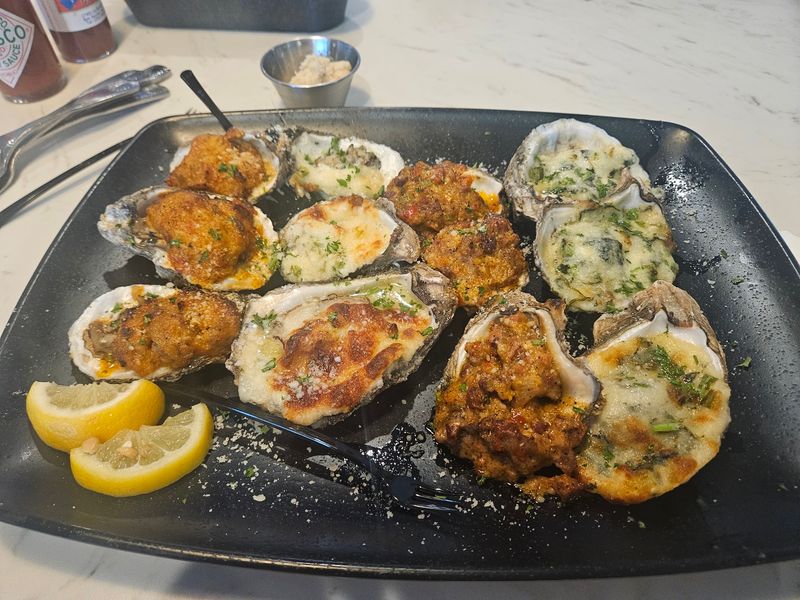
Gumbo has a reputation as cold-weather food, which the Gulf Coast politely ignores. Seafood gumbo gets eaten here in July with the ceiling fans spinning, and nobody thinks twice.
What actually changes through the year is what goes in the pot. Local seafood follows a calendar, and cooks follow the seafood.
Alabama’s spring brown shrimp season generally runs May through July. The fall white shrimp season usually kicks off around mid-August, bringing a slightly different sweetness to the table.
Summer is peak season for blue crabs along the coast, plus okra and late tomatoes coming out of local gardens. Everything lines up perfectly for a rich, vegetable-heavy gumbo.
Sitting in Bon Secour puts this restaurant within reach of working docks, which matters more than any recipe detail. Shorter distance from boat to kitchen means better texture and cleaner flavor.
The fresh catch board changes too. Triple tail and triggerfish have both shown up as daily specials, which tells you the kitchen buys what is actually running.
Visiting in different seasons gives you slightly different meals. Summer brings crab-heavy abundance, fall brings white shrimp, and cooler months bring bigger crowds on the covered deck.
Doors open at 11 AM most days and 10 AM on Sundays, so timing your trip around lunch usually means shorter waits.
The Role Of Spice And Heat In Alabama Gumbo
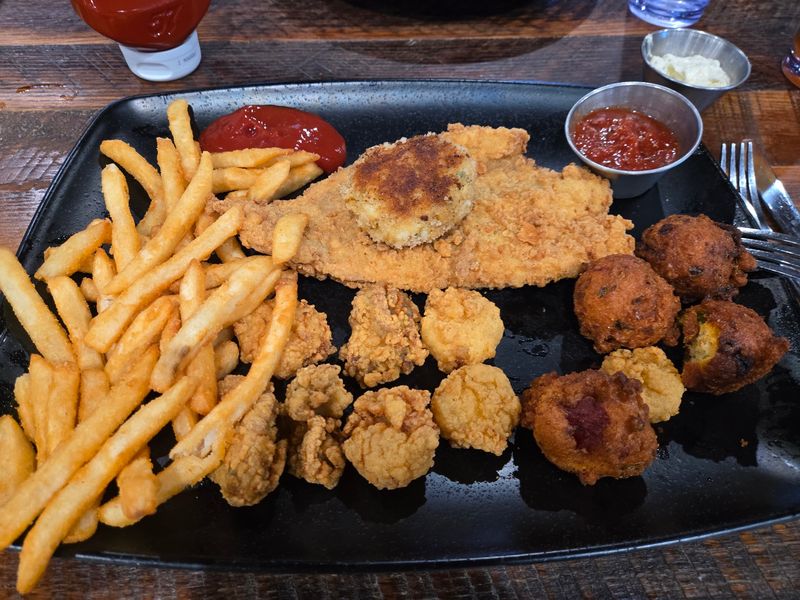
Here is a common misunderstanding. Gumbo is bold, not necessarily blistering, and the two are very different things.
Heat levels swing wildly from cook to cook. One pot might barely tingle while another comes with a warning label, and both can be excellent.
The standard spice lineup includes thyme, oregano, bay leaves, salt, black pepper, and garlic powder. Cayenne or red chili gets added for lift rather than punishment.
Worcestershire sauce shows up in a surprising number of Gulf Coast recipes. It adds a savory backbone that most people taste without being able to name.
Some cooks stir in a splash of liquid crab boil, which layers in that unmistakable seafood-shack flavor. A little goes a very long way.
Restaurants generally aim for the middle. Season the pot well, then let Louisiana hot sauce sit on the table so diners can push the heat wherever they want it.
That approach makes sense for a place feeding big groups, golf trips, families, and clubs of sixteen people at once. Everyone gets to build their own comfort level.
Ordering tip worth knowing: taste first, then add. The dark roux carries plenty of flavor on its own, and drowning it in sauce hides the work that went into it.
Cultural Influences Shaping Alabama Gumbo Recipes
Few dishes carry as many passports as gumbo. Native American, African, Caribbean, Spanish, and French cooking all left fingerprints on the same pot.
African cooks gave it okra and its name. French cooks gave it the roux.
Spanish cooks gave it sofrito, which became the trinity. Choctaw cooks gave it file.
Creole gumbo usually leans on shellfish with a dark roux, file, or both. Cajun gumbo tends to be roux-based and might feature shellfish or fowl instead.
Alabama adds its own accent to all of it. Conecuh sausage, state-grown vegetables, and Alabama catfish show up in recipes you will not find anywhere in Louisiana.
Coastal towns like Bon Secour push the seafood angle hardest, since the shrimp and oysters are basically local produce. The gumbo reflects the geography.
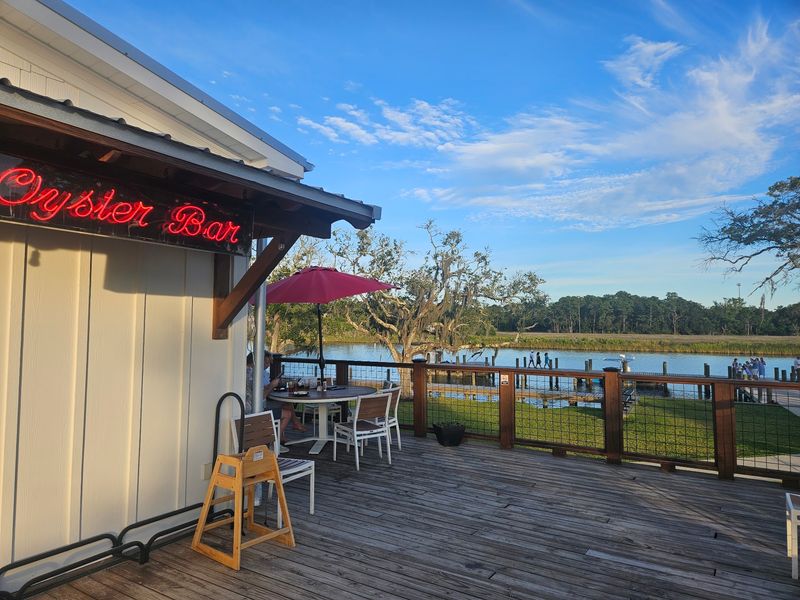
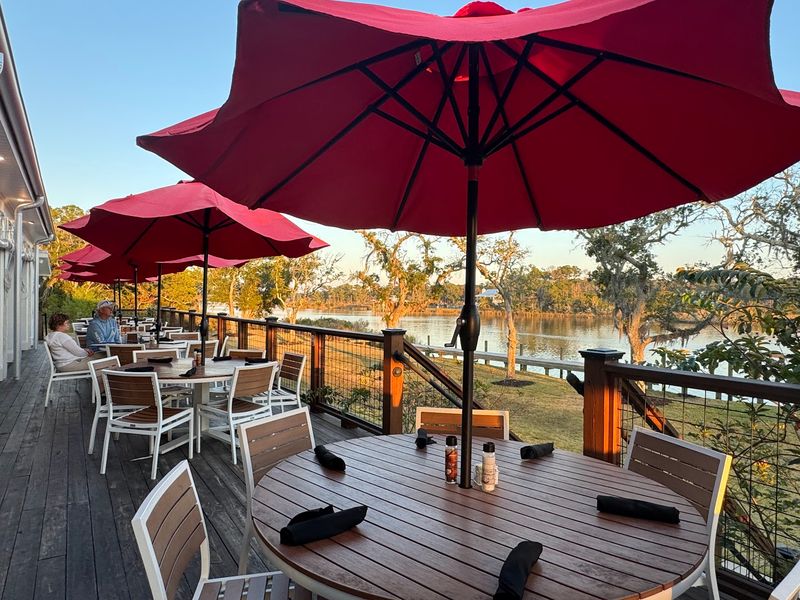
The restaurant itself fits the same pattern of blending. Casual bayside setting, live music on the deck, an onsite store, and a menu long enough to cover oysters, prime rib, tacos, and pasta.
It is a working-coast restaurant that grew into a destination without losing the tin-roof, no-frills character. The road literally ends at the parking lot.
That mix of influences is exactly what makes the gumbo here feel specific to Alabama rather than borrowed from somewhere else.
Health Benefits And Nutritional Value Of Alabama Gumbo
Comfort food with actual nutritional credentials is a rare combination, and seafood gumbo pulls it off better than most stews.
Shrimp and crab bring solid protein without heavy fat. That protein load is a big reason a single bowl feels filling rather than snack-sized.
The vegetables matter more than people assume. Okra, bell peppers, celery, and onions all contribute fiber along with vitamins and minerals.
A serving of gumbo with rice can deliver Vitamin A, Vitamin C, several B vitamins, iron, calcium, and potassium. That is a decent showing for something that tastes this indulgent.
Leaner protein choices push the numbers further. Recipes built around chicken thighs or catfish keep the richness while trimming things down a bit.
Portion size and roux amount are the main variables. A modest bowl over rice lands very differently than a bread-and-butter marathon.
At this Bon Secour restaurant, pairing gumbo with steamed broccoli, green beans, or collards makes for a balanced plate without sacrificing anything enjoyable.
Weekday lunch tends to be the calmer time to visit, with the kitchen running from 11 AM most days. Weekend evenings can bring long waits, though there is plenty of outdoor space to pass the time.
Eat well, sit by the water, and let the sunset handle the entertainment.