
This Hidden City In Iowa Offers The Kind Of Community Spirit Many Places Have Lost
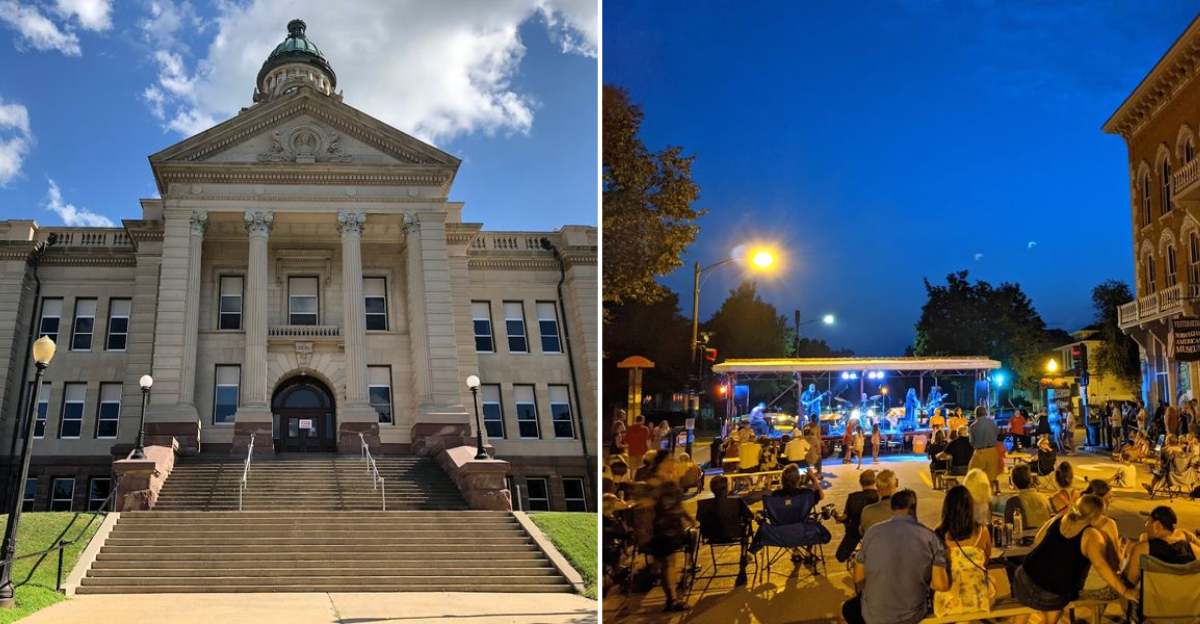
Community spirit sounds simple until you realize how rarely it shows up in practice. In Iowa, it has been preserved naturally without any forced effort.
Neighbors show up for each other in ways that larger cities stopped expecting. Local events fill genuinely, and volunteer efforts attract real participation.
The sense that everyone has a stake in how things go runs through the daily fabric of life here. This state has always carried a reputation for Midwestern warmth, but this city delivers something more specific.
It delivers a place where people know each other by name and still treat the community as something worth protecting. Newcomers describe a welcome that feels immediate rather than gradual.
The integration here does not require a waiting period. What this city has managed to hold onto is increasingly rare.
That alone makes it worth understanding before the rest of the country figures it out.
Foundations Of Community Spirit In Iowa
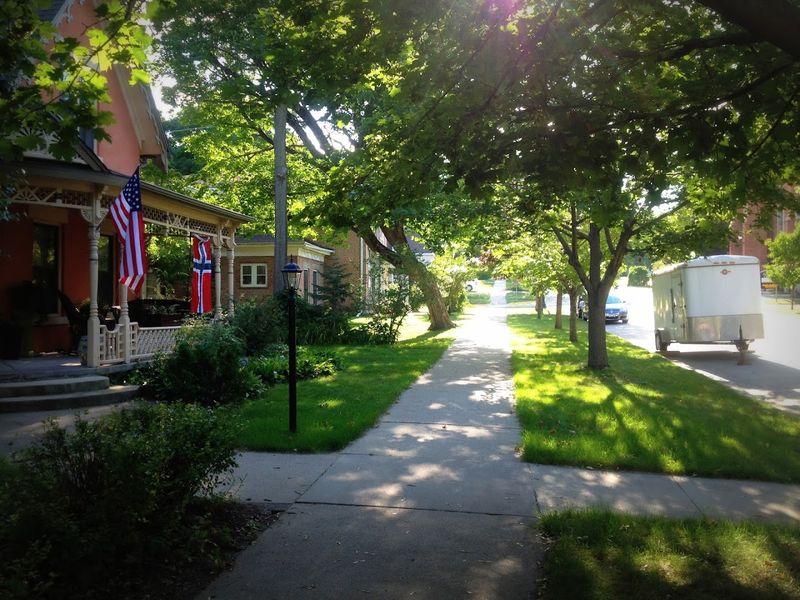
This city did not accidentally become a community-first town. The roots run deep here, shaped by Norwegian-American settlers who arrived in the 1850s and believed that neighbors help neighbors.
That value never left. It grew into something the whole city carries today.
The Driftless Area geography plays a role, too. Nestled among bluffs and river valleys of the Upper Iowa River, Decorah feels naturally contained.
It is the kind of place where everyone bumps into each other at the farmers’ market or on the Trout Run Trail. That physical closeness creates real social closeness.
Luther College adds an intellectual and civic energy to the mix. Students volunteer locally, attend city events, and bring fresh ideas into the community.
The college and the town genuinely feed each other in productive ways.
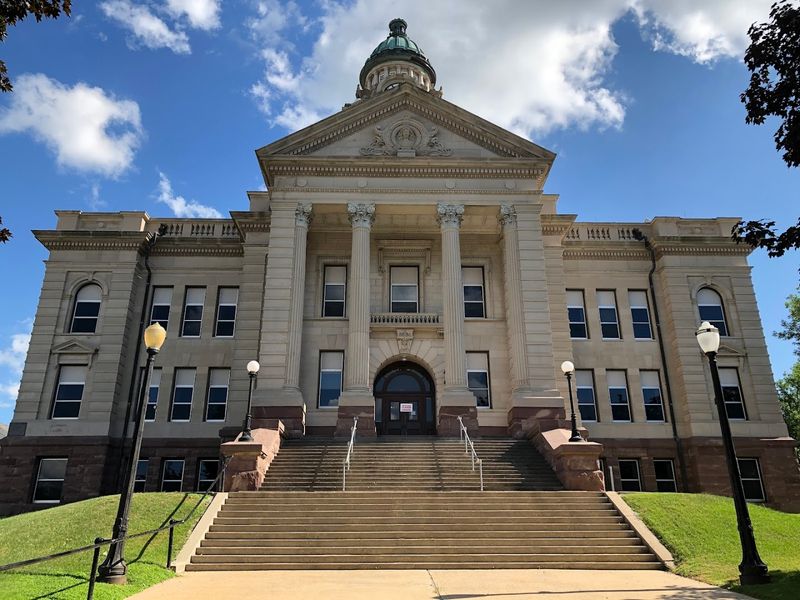
Decorah is also the county seat of Winneshiek County. That means local government, schools, and services are all centered here.
Residents feel invested in how the city runs because they see the results every single day.
Low crime rates and highly rated public schools make families feel safe putting down roots. People stay for decades.
Long-term residents build long-term relationships. That stability is the true foundation of everything good happening here.
You can find Decorah in the heart of the Driftless Area in northeastern Iowa.
Neighborhood Activities That Bring People Together
Neighborhood life in Decorah is genuinely active. People are not just living near each other.
They are actually spending time together in shared spaces and at regular local events that happen throughout the year.
The Trout Run Trail is a big part of daily social life. It is an 11-mile paved loop around the city.
You will see walkers, cyclists, dog owners, and families out there on any given afternoon. Casual conversations happen constantly on that trail.
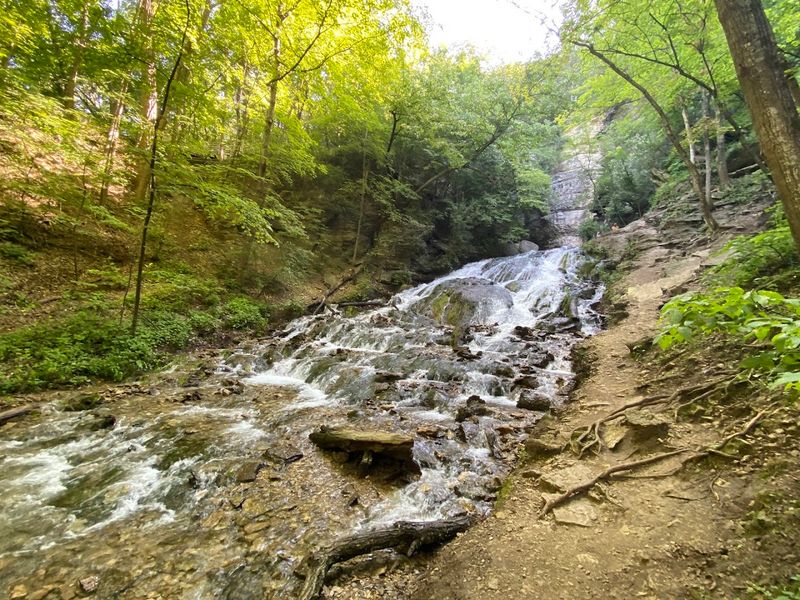
Dunning’s Spring Park draws people in with its natural waterfall and picnic areas. Families set up there on weekends.
Kids splash around while adults relax. It is low-key and completely free, which means everyone can access it without thinking twice.
The Decorah Farmers Market is another weekly anchor. Local vendors set up downtown, and neighbors show up not just to buy produce but to catch up with friends.
It doubles as a social event without even trying to be one.
Block parties and neighborhood cookouts pop up organically in summer. Residents on the same street know each other by name.
Kids play together across yards without anyone needing an organized playdate. That natural rhythm of neighborhood connection is rare.
Decorah has held onto it with both hands, and residents clearly appreciate that it still exists here.
Local Initiatives Supporting Social Connections
Decorah runs on local energy. The businesses, organizations, and programs here are built by residents for residents.
That insider ownership makes everything feel more personal and more connected to actual community needs.
Dragonfly Books is a beloved downtown bookstore that hosts readings, community discussions, and youth events. It is not just a place to buy books.
It functions as a neighborhood living room where people gather around shared ideas and stories.
Agora Arts is another local hub. It supports local artists and brings creative programming into the community.
Art connects people in ways that are hard to explain but easy to feel when you walk through a gallery opening on a Friday evening.
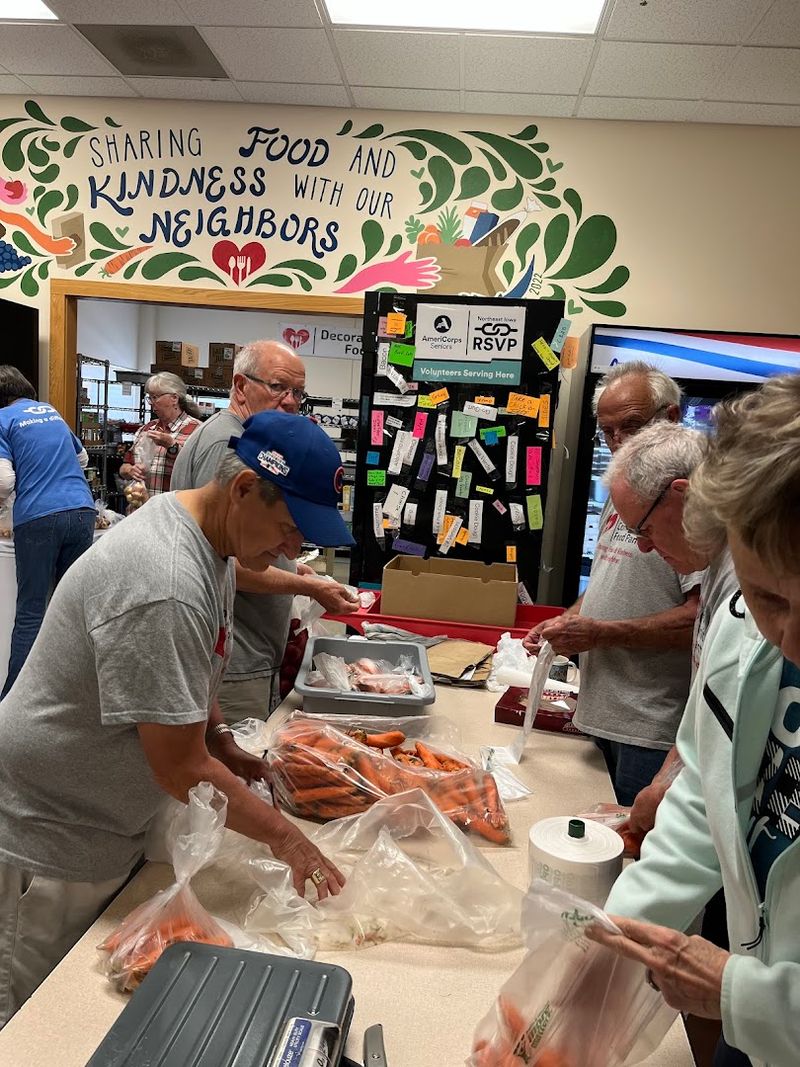
The Decorah Community Food Pantry operates with strong volunteer support. It serves residents facing food insecurity while also creating a network of people committed to caring for their neighbors.
That kind of practical compassion builds real social fabric.
The Decorah Community Free Clinic provides healthcare to those who need it most. Volunteers from the medical community give their time consistently.
These initiatives are not charity projects run from the outside. They are homegrown responses to real local needs, driven by people who live right here and care about what happens to their neighbors every single week of the year.
Volunteer Opportunities That Strengthen Bonds
Volunteering in Decorah is not a resume line. It is a lifestyle.
Residents show up regularly for causes they care about, and the variety of opportunities means almost anyone can find a way to contribute meaningfully.
The Decorah Public Library actively recruits volunteers for programs, events, and community outreach. Libraries are civic anchors, and Decorah’s residents treat theirs with real investment.
Showing up to help there connects you with a wide cross-section of the community fast.
Trail maintenance on the Trout Run Trail and in local parks draws outdoor enthusiasts who want to give back to the natural spaces they use. Work parties are social events as much as labor days.
You leave tired but connected to people who share your values.
Luther College students partner with local nonprofits through service-learning programs. That keeps a steady stream of motivated young volunteers flowing into community organizations.
It also builds lasting bridges between the college and the broader city population.
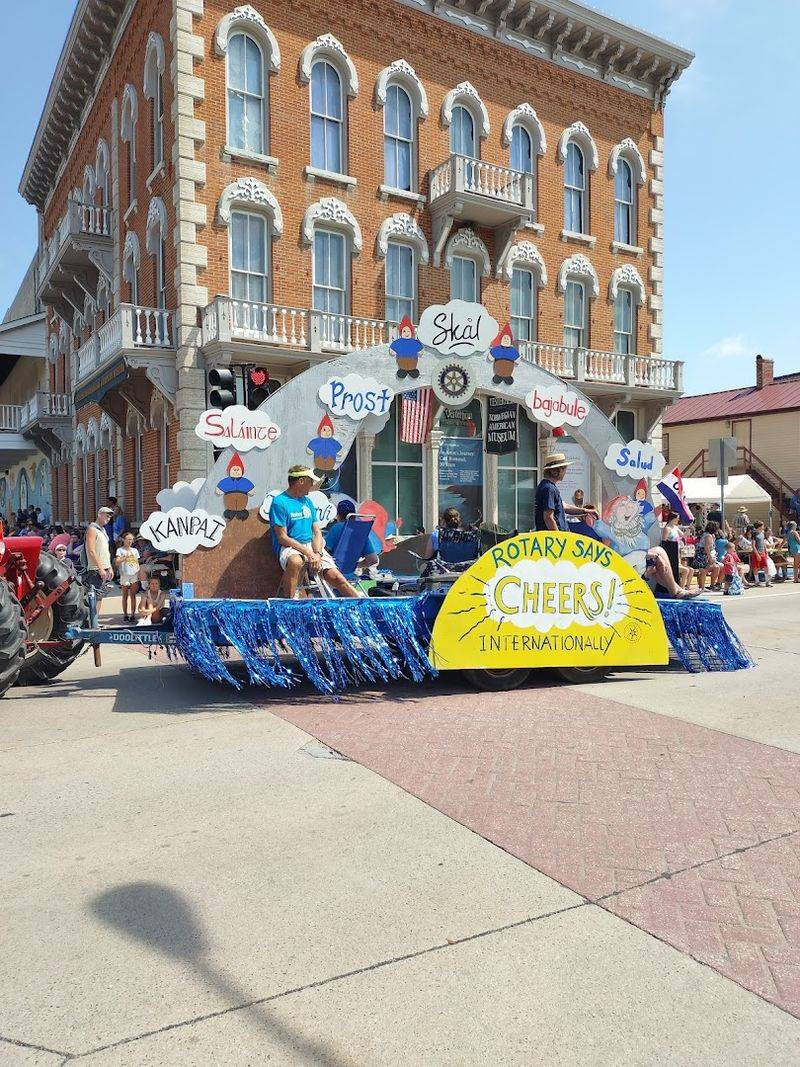
Nordic Fest, Decorah’s massive annual celebration of Norwegian-American heritage, runs almost entirely on volunteer power. Hundreds of residents sign up every year to make it happen.
Working that event alongside your neighbors for a shared cultural goal creates bonds that outlast the festival weekend by months and sometimes years. Volunteerism here is how friendships actually start.
Cultural Events Celebrating Togetherness
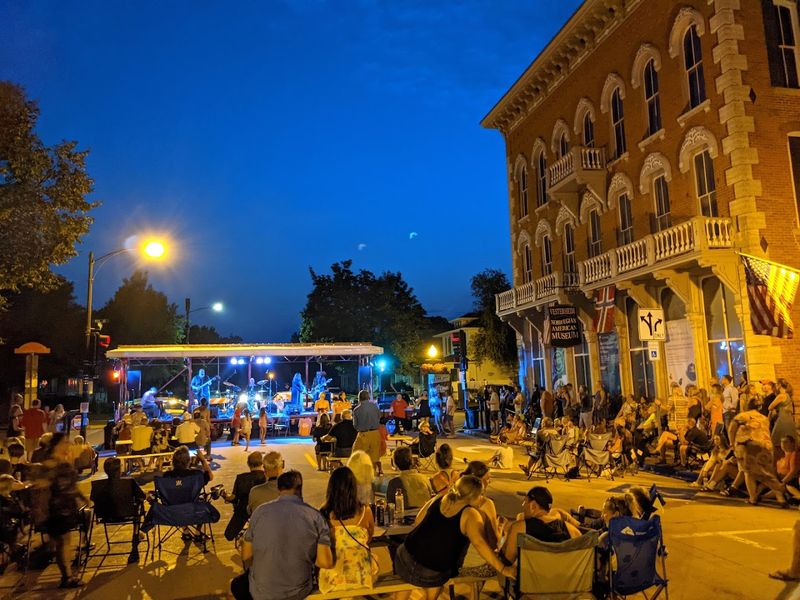
Nordic Fest is the crown jewel of Decorah’s cultural calendar. Held every July, it draws over 10,000 visitors to celebrate Scandinavian heritage through food, music, folk dancing, and traditional crafts.
For a city of 7,500 people, that is a massive deal.
The Vesterheim Norwegian-American Museum anchors the city’s cultural identity year-round. It is the largest museum in the United States dedicated to a single immigrant group.
Exhibits, workshops, and special programs run consistently, giving residents ongoing reasons to engage with their heritage.
Luther College hosts concerts, theater productions, and lectures that are open to the public. These events bring the campus and the city together in genuinely enjoyable ways.
A world-class choir concert in a small Iowa town is the kind of surprise that makes Decorah unforgettable.
Art fairs, holiday markets, and seasonal celebrations fill out the rest of the year. There is almost always something happening downtown.
Residents plan around these events. They bring family, invite friends, and run into acquaintances they have not seen in weeks.
Cultural events here are not just entertainment. They are community maintenance.
Every shared celebration reinforces the sense that Decorah is a place worth caring about. That emotional investment keeps residents engaged long after the festival banners come down and the folding chairs get packed away for another season.
Community Stories That Inspire Participation
Every strong community has stories that keep its spirit alive. Decorah has plenty of them.
These are not polished PR narratives. They are real accounts of neighbors helping neighbors that get passed around at coffee shops and community meetings.
The Decorah Community Free Clinic started because local medical professionals saw a gap and decided to fill it themselves. No outside funding came first.
No big institution launched it. A group of committed locals just started showing up.
That origin story matters because it proves what residents here can do when they decide to act.
Local businesses have their own versions of this. Shops that survived difficult economic years did so partly because residents made a conscious choice to support them.
That loyalty is a community decision, not just a shopping habit. People talk about it openly and with real pride.
Stories about Luther College students partnering with local farms, schools, and nonprofits circulate regularly. They remind the broader community that young people here are invested.
That is encouraging for longtime residents who want to see Decorah thrive in future decades, too.
These stories do something practical. They lower the barrier to participation.
When you hear about an ordinary person doing something meaningful locally, it becomes easier to imagine doing something yourself. Decorah’s community stories are recruiting tools that nobody had to design on purpose.
They just work naturally.
Educational Programs Encouraging Civic Pride
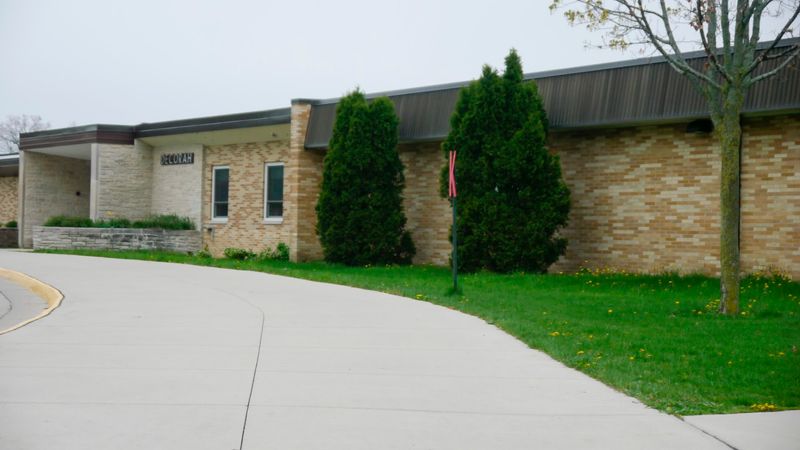
Civic pride in Decorah starts early. Local schools do not just teach reading and math.
They weave in lessons about the community, the environment, and what it means to be a responsible resident of this specific place.
Decorah’s public schools are highly rated, which reflects genuine community investment in education. Parents volunteer in classrooms.
Local businesses sponsor school programs. That web of support means kids grow up understanding that their community cares about their development personally.
Luther College brings educational energy far beyond its own campus. Public lectures, workshops, and cultural programs are regularly open to the wider community.
Residents can access college-level learning without paying tuition. That is a real civic benefit that not many small towns enjoy.
Environmental education programs tied to the Driftless Region teach students about the bluffs, rivers, and ecosystems right outside their doors. Kids who learn to value their natural surroundings grow into adults who protect and celebrate them.
That environmental stewardship becomes a form of civic pride, too.
Youth programs connected to the library, local nonprofits, and cultural organizations give young residents early experiences of participation.
When a teenager volunteers at Nordic Fest or helps at the food pantry, they are learning what community membership actually feels like from the inside. Those early lessons tend to stick for a very long time.
Public Spaces Designed For Gathering
Public spaces in Decorah are genuinely designed for people to use together. They are not decorative.
They are functional, accessible, and deeply woven into daily community life across all seasons and age groups.
Phelps Park sits on a bluff overlooking the city and offers sweeping views of the Driftless Region landscape. Families hike up for sunset picnics.
Couples walk the trails on weekday evenings. The park is a shared living room with a spectacular view that never gets old.
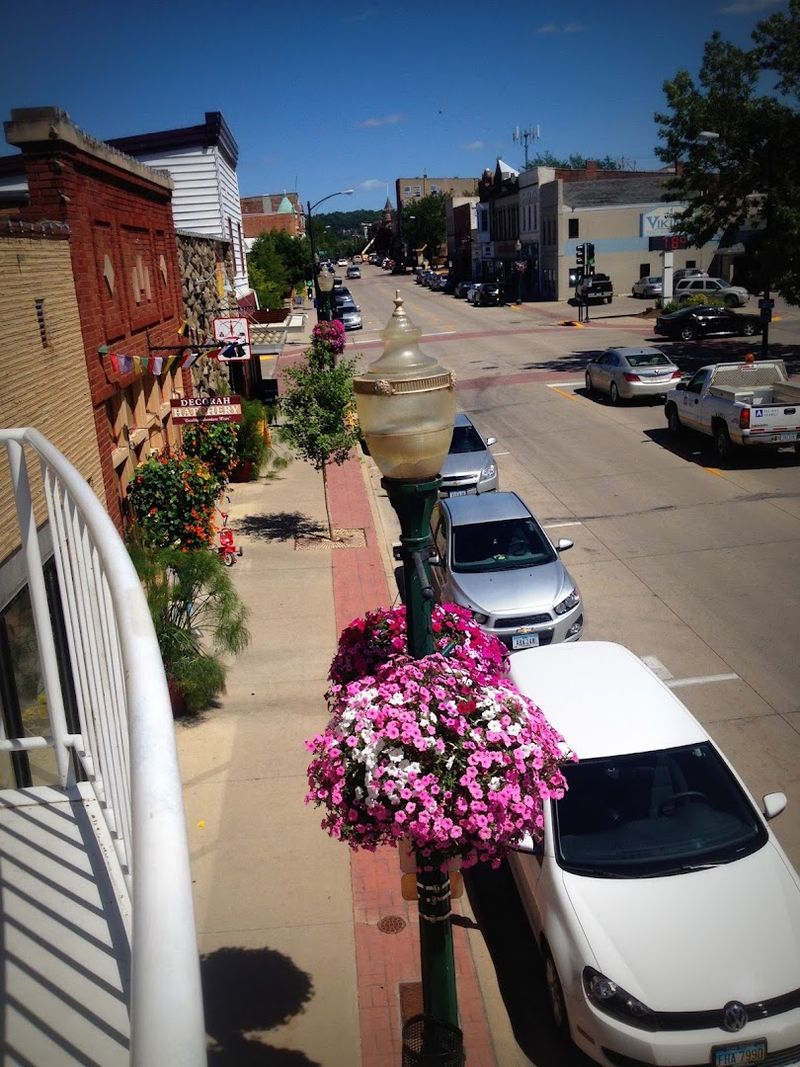
Downtown Decorah itself functions as a public gathering space. The walkable main street has locally owned shops, cafes, and galleries that encourage people to linger.
Benches, planters, and open sidewalks make it easy to stop and talk to someone you know, which happens constantly here.
The Upper Iowa River corridor provides kayaking, fishing, and swimming access for residents throughout the summer. Water recreation is inherently social.
Sharing a river with your neighbors builds a different kind of relationship than sharing a parking lot does.
Dunning’s Spring, with its natural waterfall right inside the city limits, is the kind of public asset most towns would build a resort around. Decorah keeps it free and open.
That choice says a lot about local values. Shared natural spaces without price tags are one of the clearest expressions of what community actually means in practice here.