
This Hidden Georgia Roadside Stand Serves Peach Cobbler Worth The Drive
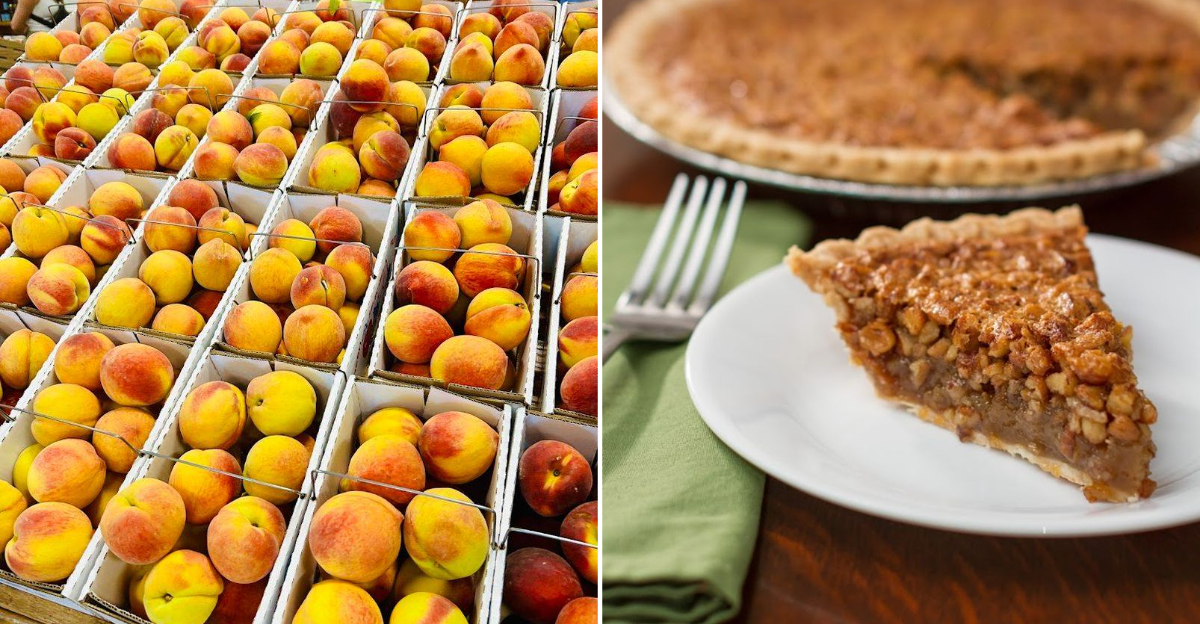
I used to be afraid that swallowing a peach pit would grow a tree inside me. Ridiculous, I know, and the pit is way too big to swallow anyway.
Standing in front of this Georgia roadside stand, breathing in brown sugar and slow-cooked peaches, I finally understood where that myth came from.
Something about a perfect peach does make you feel like it could take root in your chest and stay there forever. This stand is not trying to impress anyone.
No fancy signage, no curated aesthetic, no prix fixe tasting menu with a peach component. Just cobbler, made the way it has always been made, served warm in a paper cup by someone who learned the recipe from those before them.
And one bite is all it takes to make you pull over every single time you pass through Georgia for the rest of your life.
History Of Peach Cobbler In Georgia
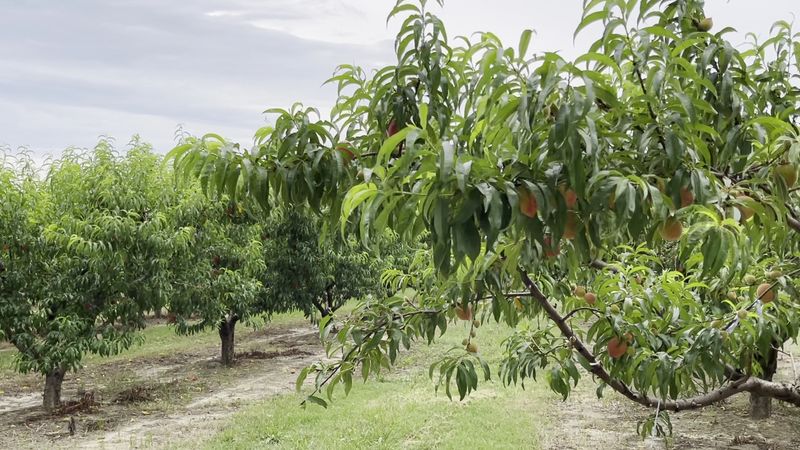
Georgia earned its peach nickname honestly. The state has been growing peaches commercially since the mid-1800s, and cobbler became the most beloved way to celebrate the harvest.
Warm fruit, a buttery crust, and a hot oven turned simple ingredients into something unforgettable.
Lane Southern Orchards carries that history proudly. Founded in 1908 as Diamond Fruit Farm, the operation has grown to roughly 11,000 acres in Fort Valley.
That is over a century of peaches, and the cobbler recipe reflects every bit of that experience.
Fort Valley sits in Peach County, which is basically the epicenter of Georgia peach culture. The soil and climate there create fruit with a natural sweetness that store-bought peaches simply cannot match.
Cobblers made with local peaches taste completely different from anything you find in a grocery store bakery.
The Peachtree Cafe and Bakery at Lane Southern Orchards produces around 75 pounds of peach cobbler daily during the peak summer season. That number tells you everything about how popular this dessert really is.
Visit them at 50 Lane Rd, Fort Valley, GA 31030, just five minutes west of I-75 at Exit 142.
Popular Peach Varieties Used In Desserts
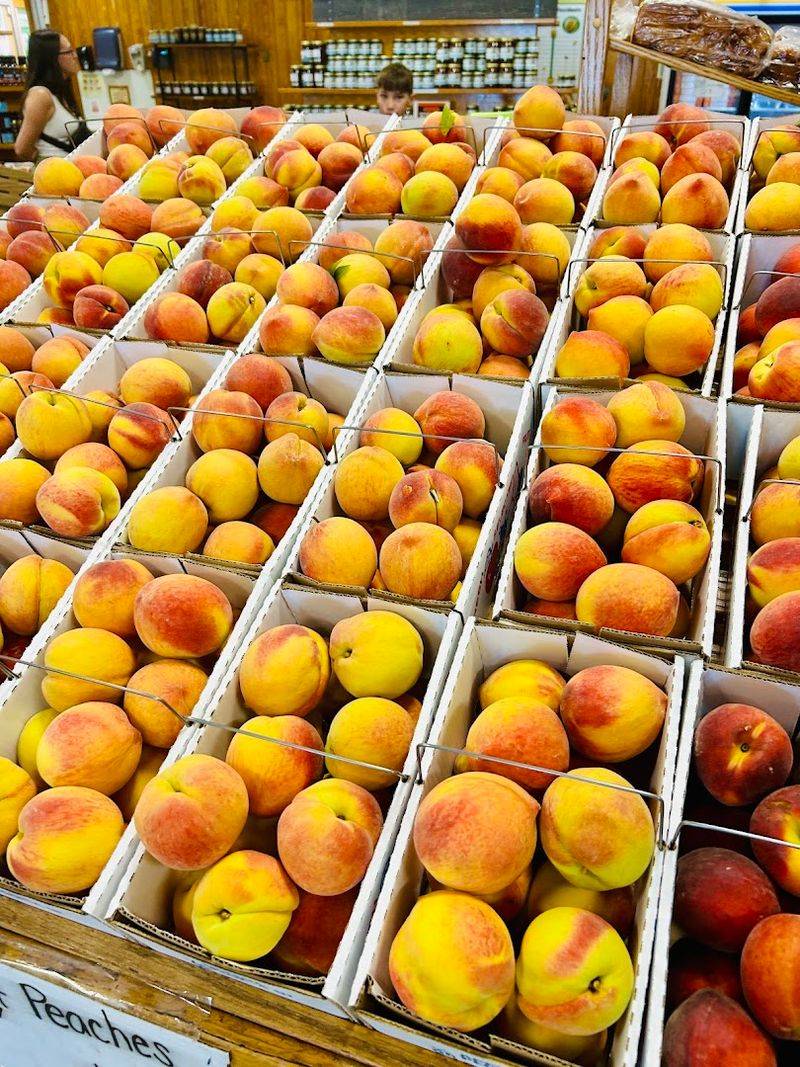
Not all peaches are created equal, and Georgia farmers know this better than anyone. Lane Southern Orchards grows multiple varieties across its massive property, each ripening at different points throughout the summer season.
That staggered harvest keeps fresh fruit available for a longer stretch of time.
Freestone peaches are the gold standard for cobbler baking. The pit separates cleanly from the flesh, which makes prep work fast and easy.
Visitors who have bought a whole box of peaches from Lane report that the peaches peel effortlessly and the pit practically falls out on its own.
Clingstone varieties, where the flesh grips the pit tightly, tend to be juicier and more intensely flavored. Some bakers prefer them for cobblers because that extra juice soaks into the crust beautifully.
Lane grows both types, so the bakery team can select whichever variety is at peak ripeness on any given day.
The flavor difference between a fresh Georgia peach and an out-of-season imported one is dramatic. Local varieties grown in Peach County soil carry a floral sweetness that intensifies when baked.
That natural sugar caramelizes in the oven and creates the deep, rich flavor that makes Lane Southern Orchards cobbler so memorable.
Traditional Baking Techniques For A Perfect Crust
A great cobbler crust is not an accident. It takes the right ratio of butter, flour, and heat to get that perfect golden-brown top that shatters slightly when you press a spoon through it.
Lane Southern Orchards has been perfecting this process for generations, and the Peachtree Cafe bakery team takes that craft seriously.
Traditional Southern cobbler is different from pie. There is no bottom crust.
Instead, a thick batter is poured over the fruit and rises around it during baking. The result is part cake, part crust, all delicious.
The batter absorbs the peach juice as it cooks, creating layers of flavor in every bite.
Temperature control matters enormously. Baking a cobbler too fast burns the top before the center sets.
Too slow, and the crust turns pale and doughy. The bakery at Lane produces around 75 pounds daily in summer, so their team has dialed in the timing with real precision.
Butter quality also plays a major role. Real butter creates a richer, more complex flavor than margarine substitutes.
Lane sells a peach cobbler mix and kit for home bakers who want to recreate the experience in their own kitchen. Following traditional techniques at home gets you surprisingly close to the real thing.
Regional Flavor Profiles Unique To Georgia
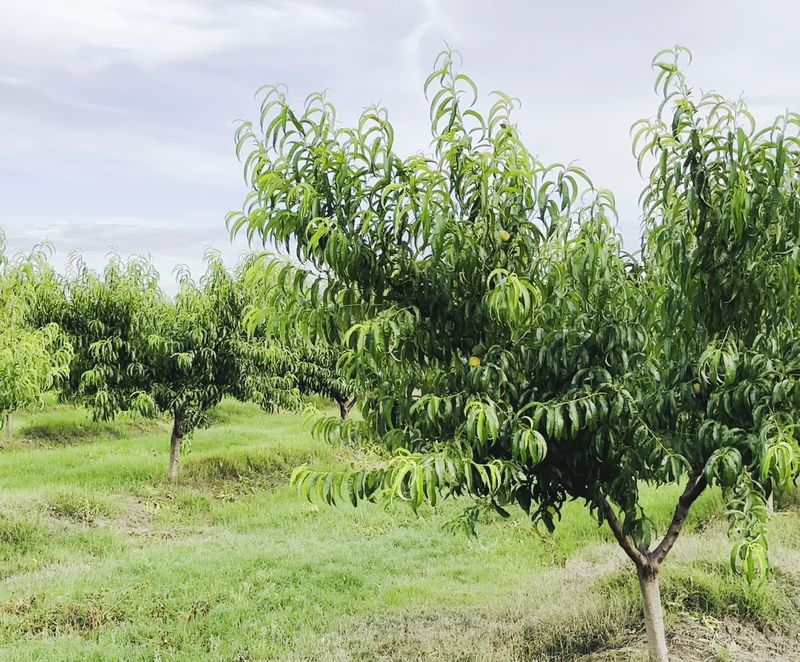
Georgia peaches have a flavor identity that is entirely their own. The warm, humid summers and well-drained red clay soil of middle Georgia create growing conditions that produce fruit with a floral aroma and rich sweetness.
That terroir shows up clearly in every cobbler baked at Lane Southern Orchards.
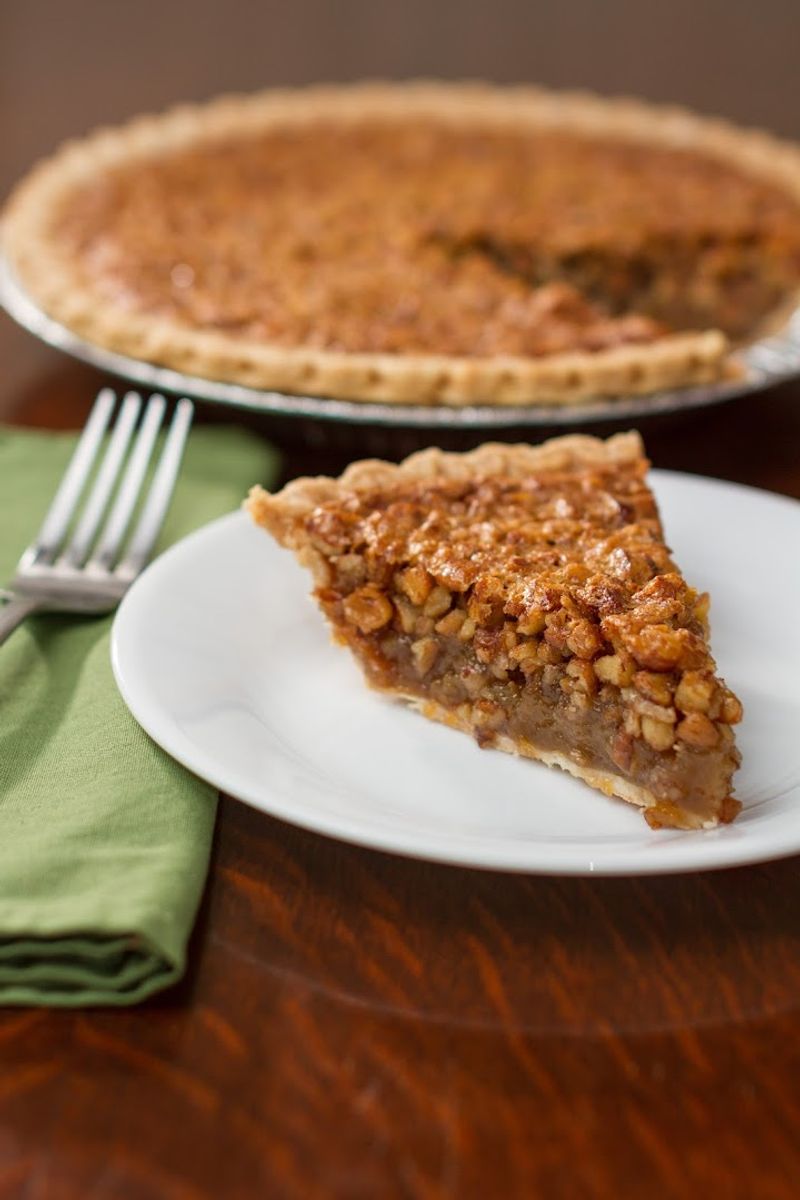
The regional flavor profile goes beyond just the peaches. Lane also incorporates locally grown pecans into their dessert lineup, including pecan pie baked fresh at the Peachtree Cafe.
Pecans grown in Georgia carry a buttery, slightly earthy flavor that pairs naturally with sweet peach desserts.
Southern baking traditions also shape the flavor experience. Recipes passed down through generations tend to use more butter and vanilla than commercial versions.
That approach creates a warmth and depth in the finished cobbler that feels genuinely homemade rather than mass-produced.
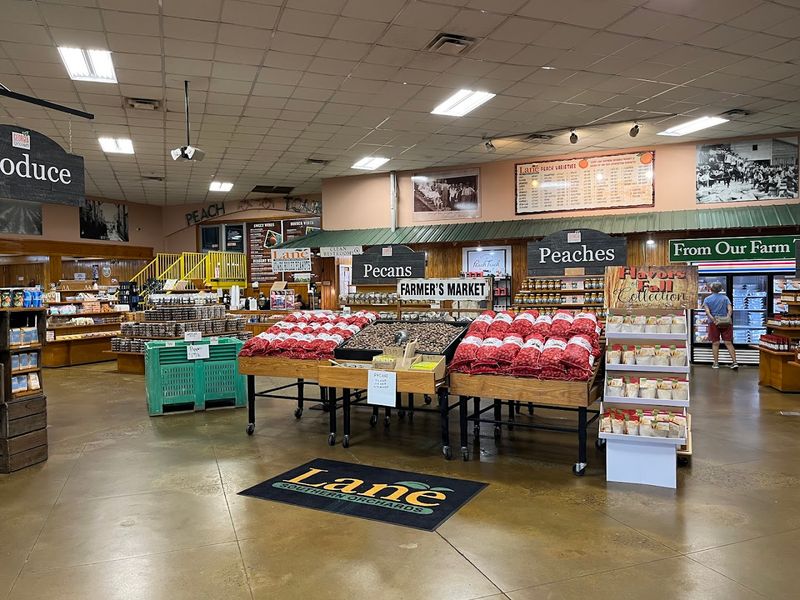
Lane Southern Orchards stocks the market shelves with peach jams, jellies, preserves, and peach salsa, all reflecting local flavor traditions.
Trying these products alongside the cobbler gives visitors a full picture of what Georgia’s food culture actually tastes like.
The combination of orchard-fresh fruit and time-tested Southern recipes makes this region unlike anywhere else in the country.
Benefits Of Eating Fresh Peaches
Fresh peaches are genuinely good for you, and Georgia grows some of the best ones available anywhere. A single medium peach contains vitamins A and C, potassium, and dietary fiber.
That combination supports immune health, skin health, and digestion all at once.
Lane Southern Orchards sells fresh peaches by the box during peak season, consistently described as some of the juiciest and most flavorful around. The fruit is picked at optimal ripeness rather than harvested early for long-distance shipping.
That timing makes a measurable difference in both nutrition and taste.
Fresh peaches also contain antioxidants called polyphenols, which help protect cells from damage. Eating fruit in season and close to where it was grown means fewer nutrients are lost during storage and transit.
Buying directly from an orchard like Lane is one of the most straightforward ways to get maximum nutritional value from your fruit.
Beyond nutrition, there is a simple joy in biting into a perfectly ripe peach that no supplement can replicate.
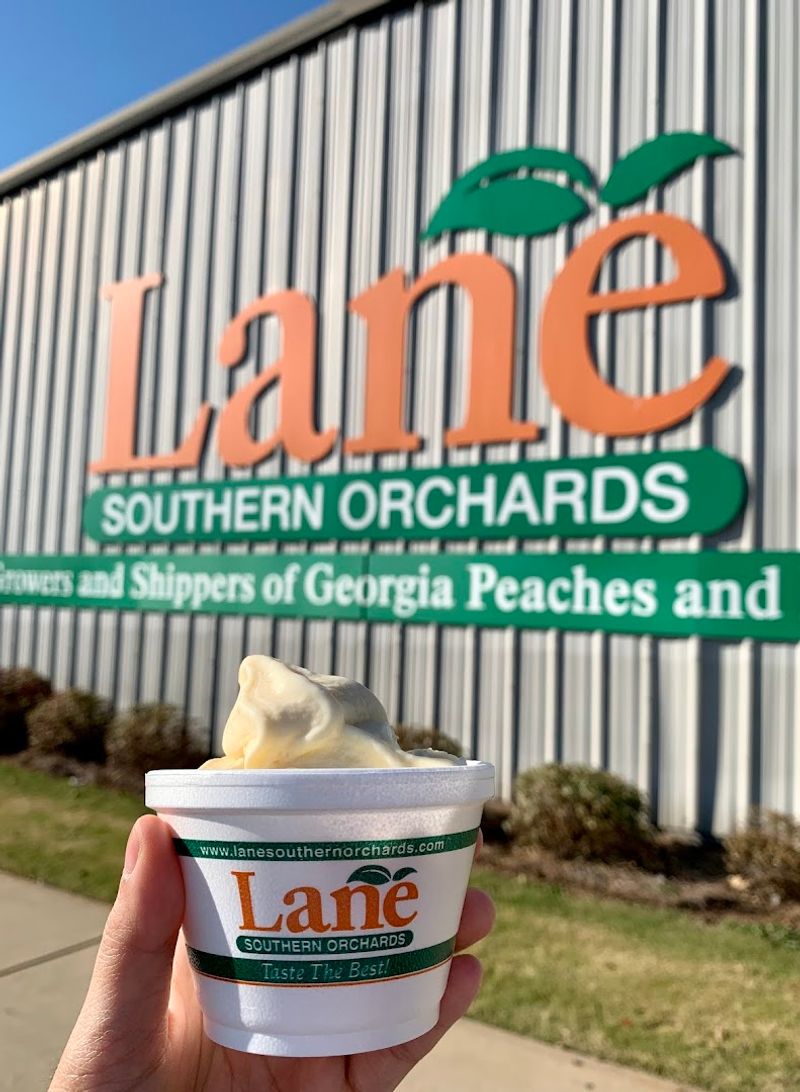
Lane Southern Orchards offers peach ice cream and fresh peach cider alongside the cobbler, giving visitors multiple ways to enjoy the fruit at its absolute peak, seasonal eating at its most satisfying.
Seasonal Availability And Harvest Times
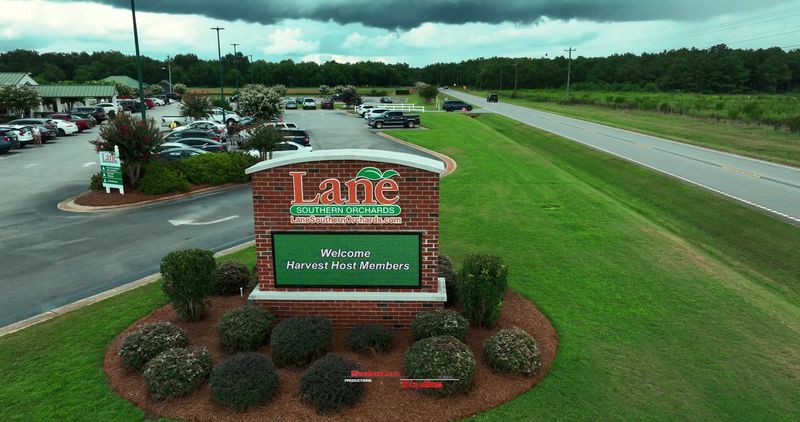
Timing your visit to Lane Southern Orchards makes a real difference in what you experience. Georgia peach season typically runs from late May through August, with peak flavor usually hitting in June and July.
That window is when the Peachtree Cafe bakery is at full production, cranking out around 75 pounds of cobbler every single day.
Lane is open every day of the year from 9 AM to 6 PM, which means you can visit outside of peach season, too. Frozen cobblers and jarred peaches are available year-round for those who miss the summer harvest.
The market also carries pecans, which are harvested in the fall and available throughout the winter months.
Spring brings its own appeal. Strawberry picking runs from April through May, and families with kids tend to love that experience.
October adds a corn maze and hayrides to the mix, making the property a genuinely different destination depending on when you show up.
Lane Southern Orchards is reportedly the only farm in Georgia that still hand-packs its peaches. Visitors can watch the packing process on a self-guided tour during the active harvest season.
Seeing where your food comes from adds a layer of appreciation to every bite of cobbler you eat afterward.
Tips For Serving Peach Cobbler With Accompaniments
Peach cobbler served warm is a completely different experience from cobbler served at room temperature. The warmth softens the crust slightly and releases the peach aroma in a way that hits you before the first bite even happens.
At Lane Southern Orchards, the Peachtree Cafe serves it fresh from the oven whenever possible.
Vanilla ice cream is the classic pairing, and for good reason. The cold creaminess against the hot cobbler creates a contrast that makes both components taste better.
Lane also offers peach ice cream, which doubles down on the fruit flavor and creates a more unified dessert experience if you want to go that route.
Whipped cream is a lighter option for those who want something less rich alongside the cobbler. A small drizzle of heavy cream poured directly over the warm crust is an old-fashioned Southern move that works surprisingly well.
It soaks into the crust and adds richness without overwhelming the peach flavor.
For home bakers using the Lane cobbler mix kit, serving the dessert in individual ramekins creates a more polished presentation. Warming the ramekins before adding the cobbler helps maintain the temperature longer at the table.
A light dusting of cinnamon over the top just before serving adds a subtle spice note that complements the peach beautifully.
Local Ingredients Supporting Sustainable Farming
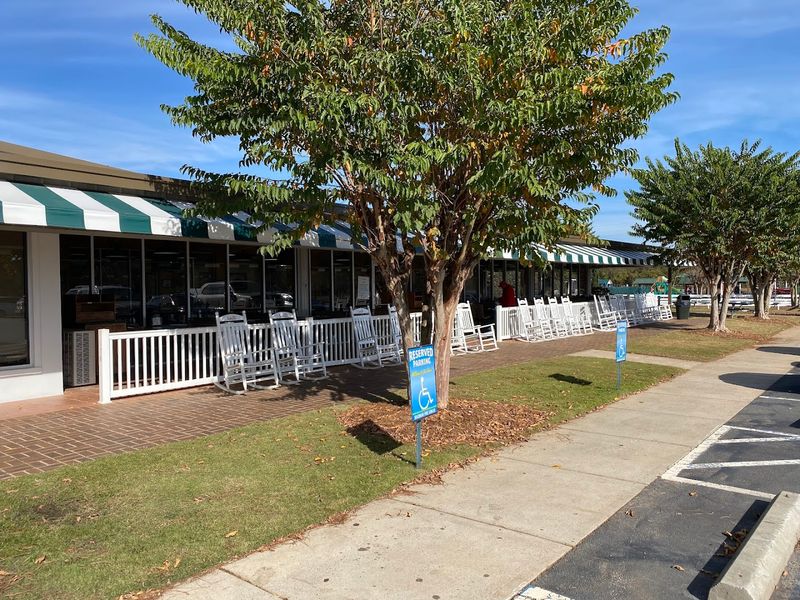
Lane Southern Orchards operates on approximately 11,000 acres in middle Georgia. That scale creates real responsibility, and the farm has maintained its land and practices across multiple generations since 1908.
Longevity like that does not happen without a genuine commitment to keeping the soil productive year after year.
Growing peaches and pecans on the same property creates a natural agricultural balance. Pecan trees are long-lived and deep-rooted, which helps stabilize soil and reduce erosion.
Rotating attention between the two crops across seasons allows the land to recover and remain fertile without exhausting any single section of the property.
The farm market at Lane sells products made almost entirely from ingredients grown or sourced locally. Peach jams, jellies, preserves, and peach salsa all come from fruit harvested on or near the property.
Buying these products directly supports the farming operation and keeps money within the local Georgia economy.
That choice prioritizes fruit quality over speed and keeps skilled local workers employed through the harvest season.
Supporting places like Lane Southern Orchards means supporting a food system that values craft, community, and land stewardship over pure industrial efficiency.