
This Hidden Hike In New York Will Enchant You With Its Stunning Rock Formations And Secret Tunnel Waterfalls
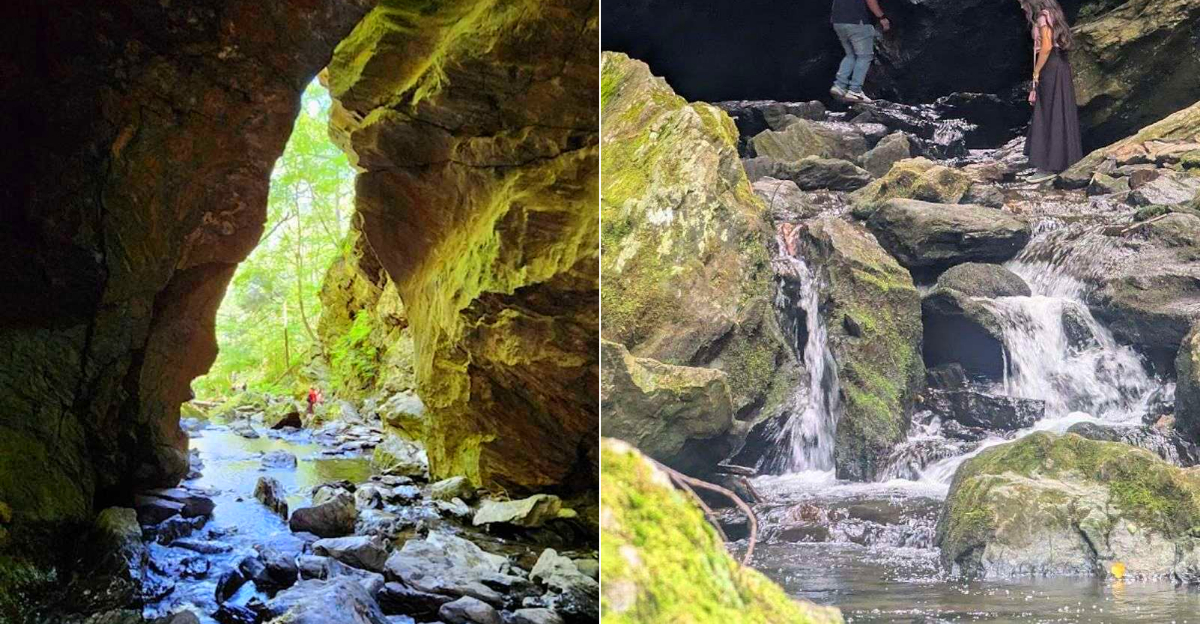
Adventure feels a little different when the trail itself holds a surprise. Somewhere in New York is a hike that winds through dramatic rock formations, narrow passages, and one unforgettable feature that visitors rarely expect to find along a forest path.
The deeper you go, the more the landscape begins to feel almost storybook-like.
Towering stone walls rise around sections of the trail, creating natural corridors that make the walk feel wonderfully secluded. Then comes the highlight that keeps hikers talking long after they leave: a hidden tunnel carved straight through the rock.
Passing through it adds a small sense of discovery to the journey, turning an already scenic hike into something far more memorable. For anyone who enjoys unusual trails and landscapes that feel a little magical, this New York hike delivers an experience you will not forget.
A Natural Wonder That Defies Easy Description
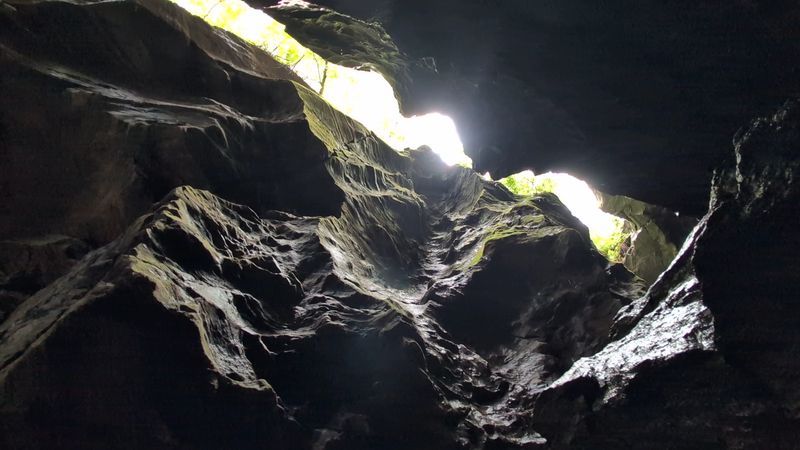
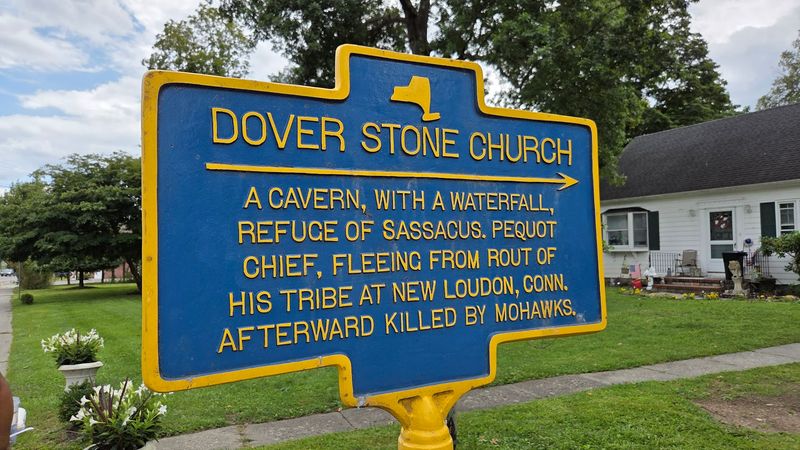
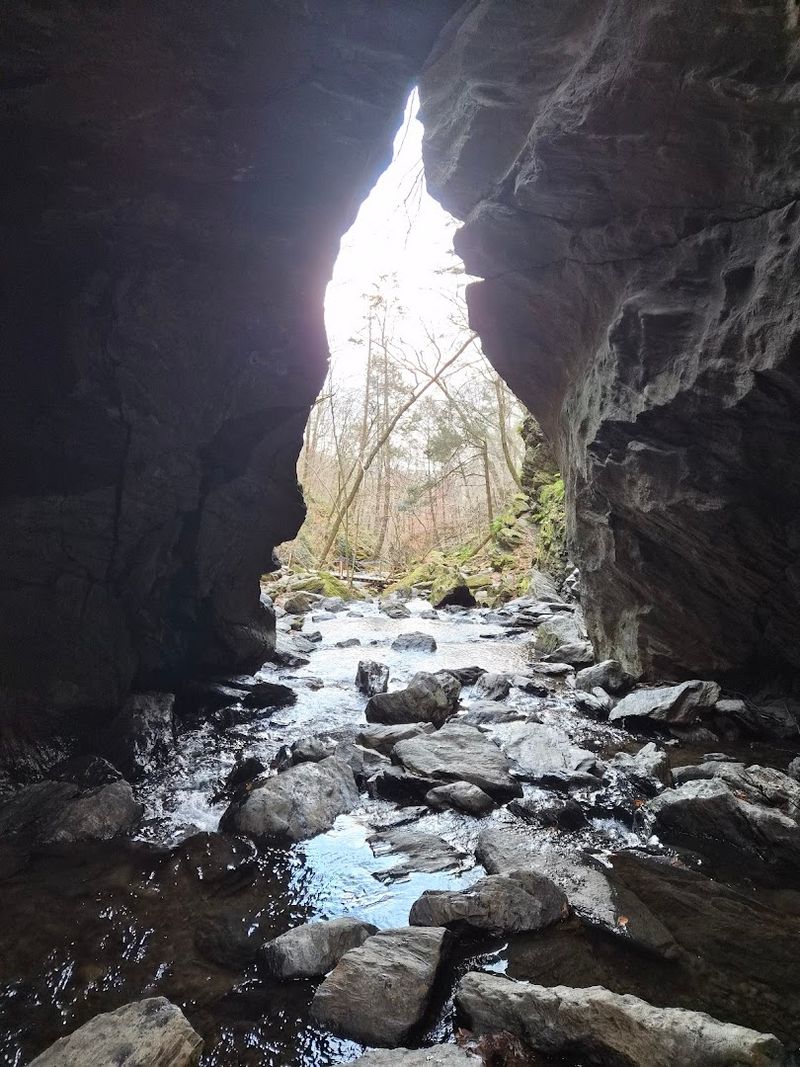
Few places in New York manage to feel both ancient and alive at the same time, but Dover Stone Church pulls it off with quiet confidence. The cave itself is shaped like a cathedral nave, with high arching stone walls that rise dramatically above a small waterfall spilling down from inside.
Standing at the entrance, the temperature drops noticeably, and the sound of moving water fills the air in a way that feels almost orchestrated.
The geological formation was created by centuries of water erosion cutting through the local bedrock, leaving behind a hollow chamber that early settlers found so striking they named it after a place of worship. That name has stuck for good reason.
The cave interior holds a sense of stillness that is hard to find anywhere else in the region.
Leashed dogs are welcome on the trails, benches are placed along the path for rest, and the entire preserve is free to enter. Families with young children hike here regularly, and the accessible terrain makes it approachable for beginners.
The preserve is meticulously maintained by the town, which keeps the trails clean, clearly marked, and safe for all skill levels.
Dover Stone Church Preserve And How To Find It
Located at 3128 NY-22 in Dover Plains, NY 12522, Dover Stone Church Preserve sits along a stretch of road that looks entirely ordinary from the outside. The trailhead is tucked between two private residences, and the entrance is easy to miss if you are not paying close attention.
A small sign marks the path, and once you step through the tree line, the suburban surroundings disappear almost immediately.
Parking directly at the trailhead is reserved for local residents, so visitors are asked to leave their vehicles at the Dover Elementary School parking lot across the street or at nearby businesses. The walk from the school lot to the trailhead takes only a few minutes and adds a gentle warm-up to the beginning of the hike.
The preserve is maintained by the Town of Dover and can be reached by calling (845) 832-6111 for additional information.
Getting here from New York City takes roughly two hours depending on traffic, making it a comfortable day trip. The surrounding area includes charming small towns, historic architecture, and scenic country roads that reward anyone willing to take the slower route home after the hike.
Three Trails With Three Very Different Personalities
Dover Stone Church Preserve offers three distinct trails, each blazed in a different color and suited to a different type of hiker. The red trail leads directly to the cave and waterfall, running approximately one mile on mostly flat and level ground.
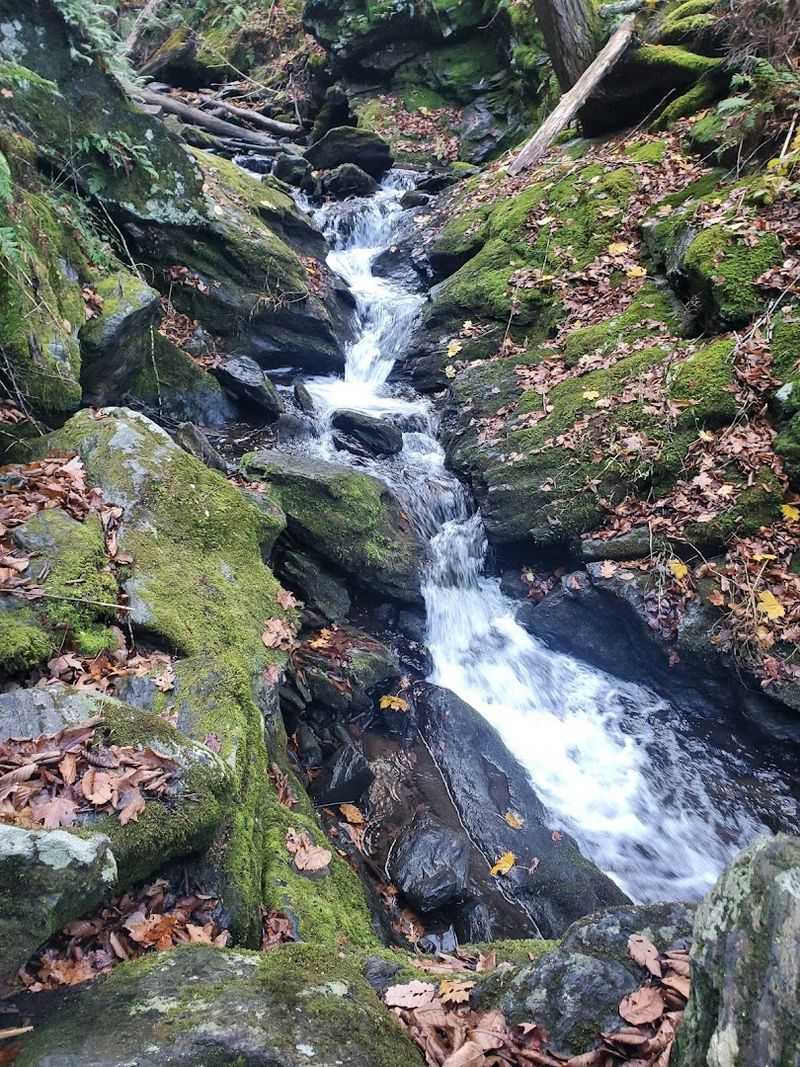
It is the most popular route and the one most hikers tackle first, following a gentle stream the entire way.
The blue trail stretches about 1.5 miles round trip and climbs to a lookout point that rewards the effort with open views above the tree canopy. Plan for roughly 30 minutes of moderate hiking to reach the top, and wear shoes with solid grip since some sections involve uneven footing.
The yellow trail covers about one mile in each direction and passes through a quieter section of the forest where the ambient noise of the valley fades into a noticeable hush.
Hiking all three trails in a single visit takes approximately one hour, making it an ideal outing for families or anyone with limited time. The trails are clearly signed at every junction, so getting turned around is genuinely unlikely.
Each path offers its own texture, pace, and reward, giving repeat visitors a reason to come back and explore a different route each time.
The Red Trail And Its Rewarding Journey To The Cave
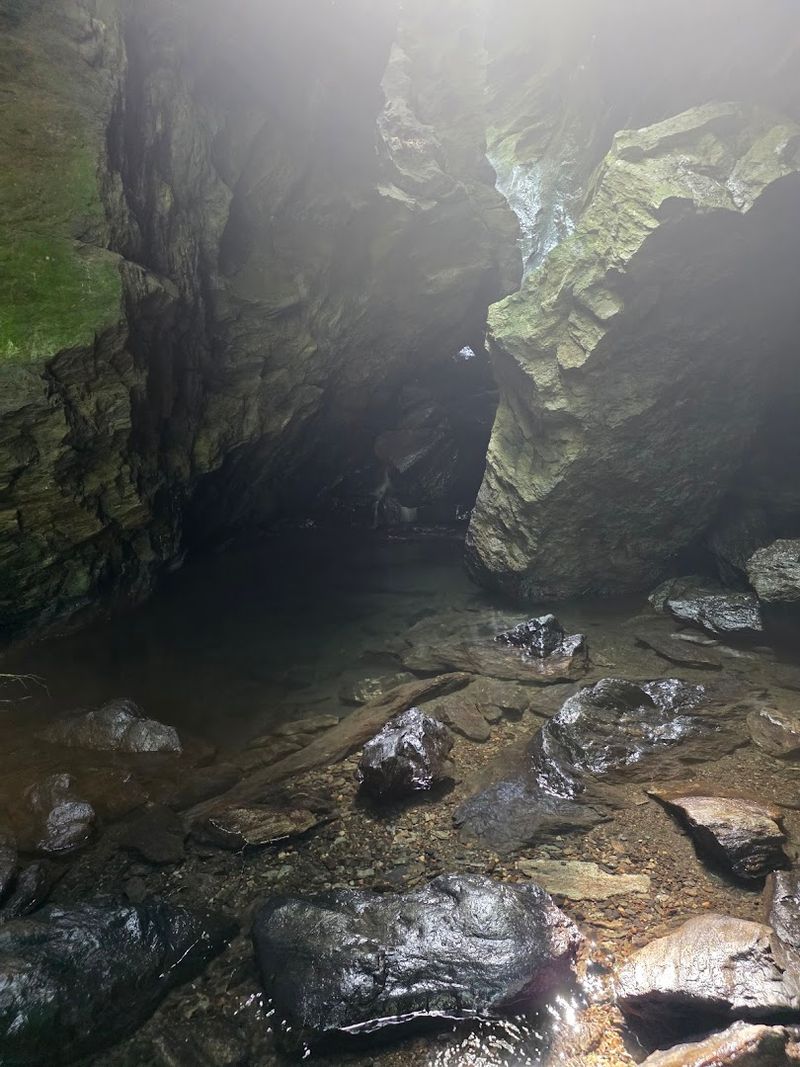
The red trail is where most first-time visitors start, and it sets a tone that is hard to beat. The path runs alongside a small stream that crosses and recrosses the trail several times through a series of stepping stones, keeping the walk playful and engaging throughout.
The sound of running water follows you the entire way, growing louder as the cave draws closer.
Within about ten minutes of starting the hike, the trail opens into a rocky clearing where the cave comes into full view. The formation towers above the surrounding landscape, and the waterfall inside the cavern spills down over mossy stone into a shallow pool at the base.
The visual impact of that first sighting tends to stop people mid-step.
Entering the cave requires stepping across large flat rocks, so slip-resistant footwear is strongly recommended. The interior is cool and dim, with the waterfall creating a fine mist that settles on exposed skin.
A headlamp is helpful for exploring deeper into the chamber, though the experience near the entrance is already extraordinary. The red trail is rated easy and is genuinely accessible for beginner hikers and curious families looking for something memorable without requiring advanced fitness.
Inside The Cave That Earned Its Cathedral Name
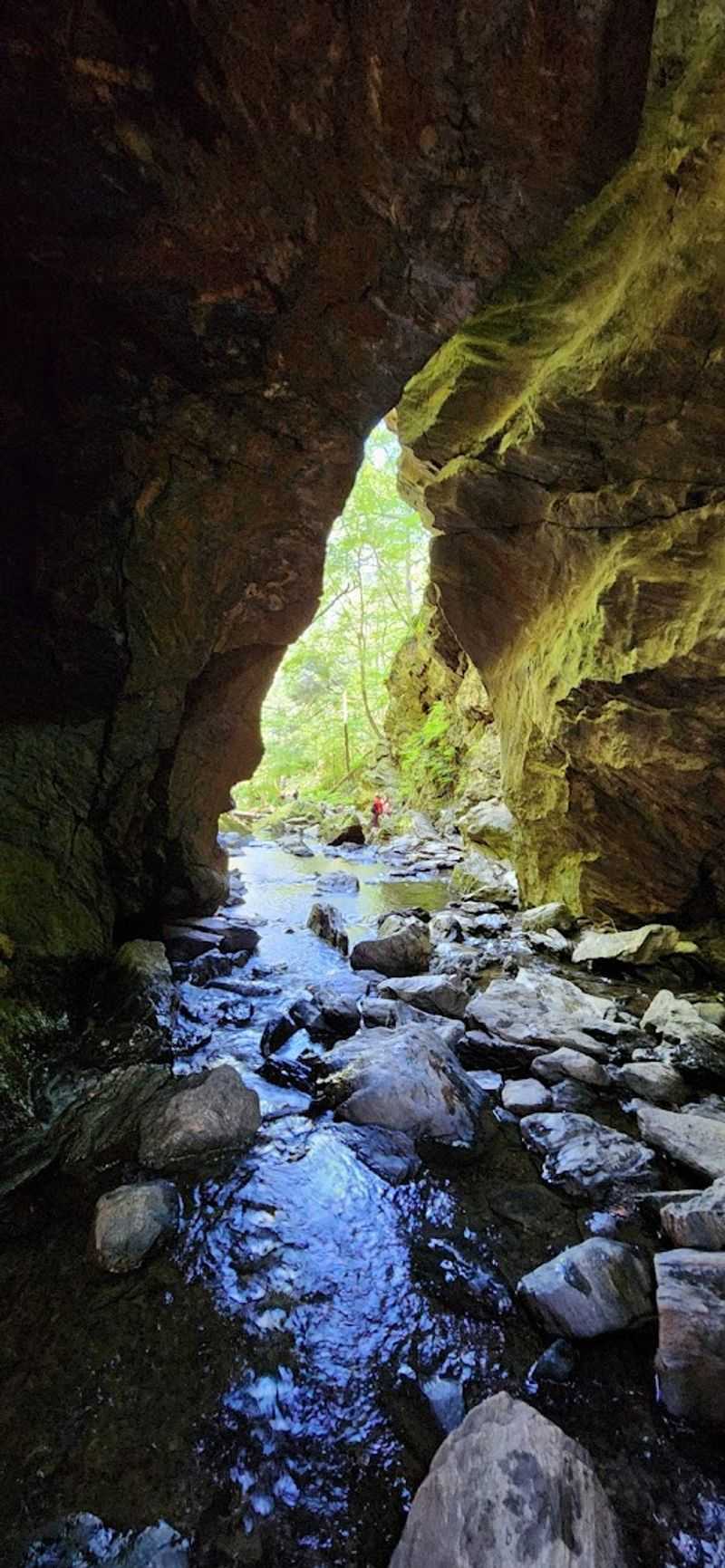
Stepping inside Dover Stone Church feels like entering a room that nature spent centuries designing without any input from anyone. The ceiling arches upward in a shape so reminiscent of Gothic stonework that the name feels less like a nickname and more like an accurate description.
Cool air circulates through the chamber regardless of the season, making it a refreshing stop on warm summer days and an atmospheric one in autumn.
The waterfall inside the cave is the centerpiece of the entire preserve. Water drops from a cleft in the upper rock face and flows down into the stream below, producing a steady, resonant sound that fills the hollow completely.
On days when water levels are high, the falls run with impressive force. During drier months, the flow softens but never disappears entirely.
Photographers tend to linger here for good reason. The interplay of natural light filtering through the cave entrance, the texture of the wet stone walls, and the motion of the water creates a scene that rewards patience and different angles.
The cave is entered at your own risk per posted signage, and large rocks near the base require careful footing. Hundreds of photographs have been taken here, and somehow none of them fully capture what standing inside actually feels like.
The Blue Trail Climb And The View From Above
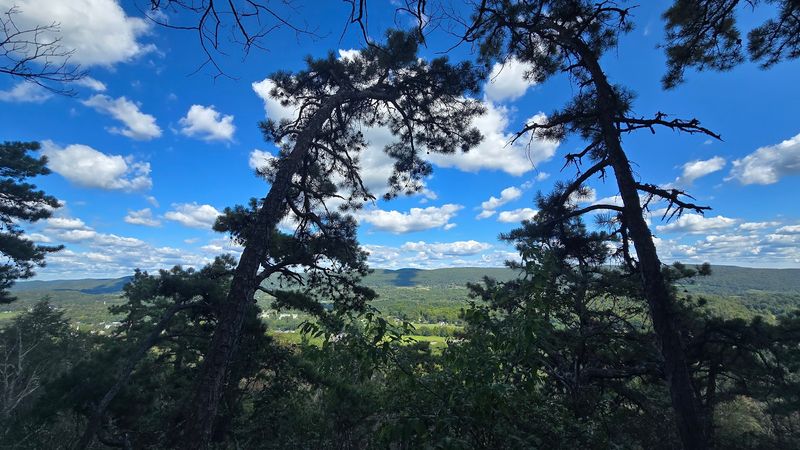
The blue trail is the preserve’s most physically demanding route, but demanding is a relative term here. It gains elevation steadily over its 1.5-mile round trip distance, passing through dense second-growth forest before opening onto a lookout point that sits above the surrounding valley.
The climb takes around 30 minutes at a comfortable pace, and the trail surface is well-worn and easy to follow throughout.
At the top, the view extends across the wooded hillsides of Dutchess County in a wide, unhurried panorama. On clear days the visibility stretches considerably, and in autumn the foliage transforms the entire hillside into a layered composition of orange, red, and gold.
The lookout itself is modest in scale but generous in atmosphere, offering a quiet place to catch your breath and take in the surroundings.
The descent back down the blue trail moves quickly and provides a different perspective on the forest as you travel in the opposite direction. Many hikers combine the blue trail with the red trail in a single outing, finishing at the cave after completing the climb.
That sequence makes for a satisfying full morning of hiking that covers the preserve’s best features without feeling rushed or overly strenuous for most fitness levels.
What To Wear And Bring For A Comfortable Visit
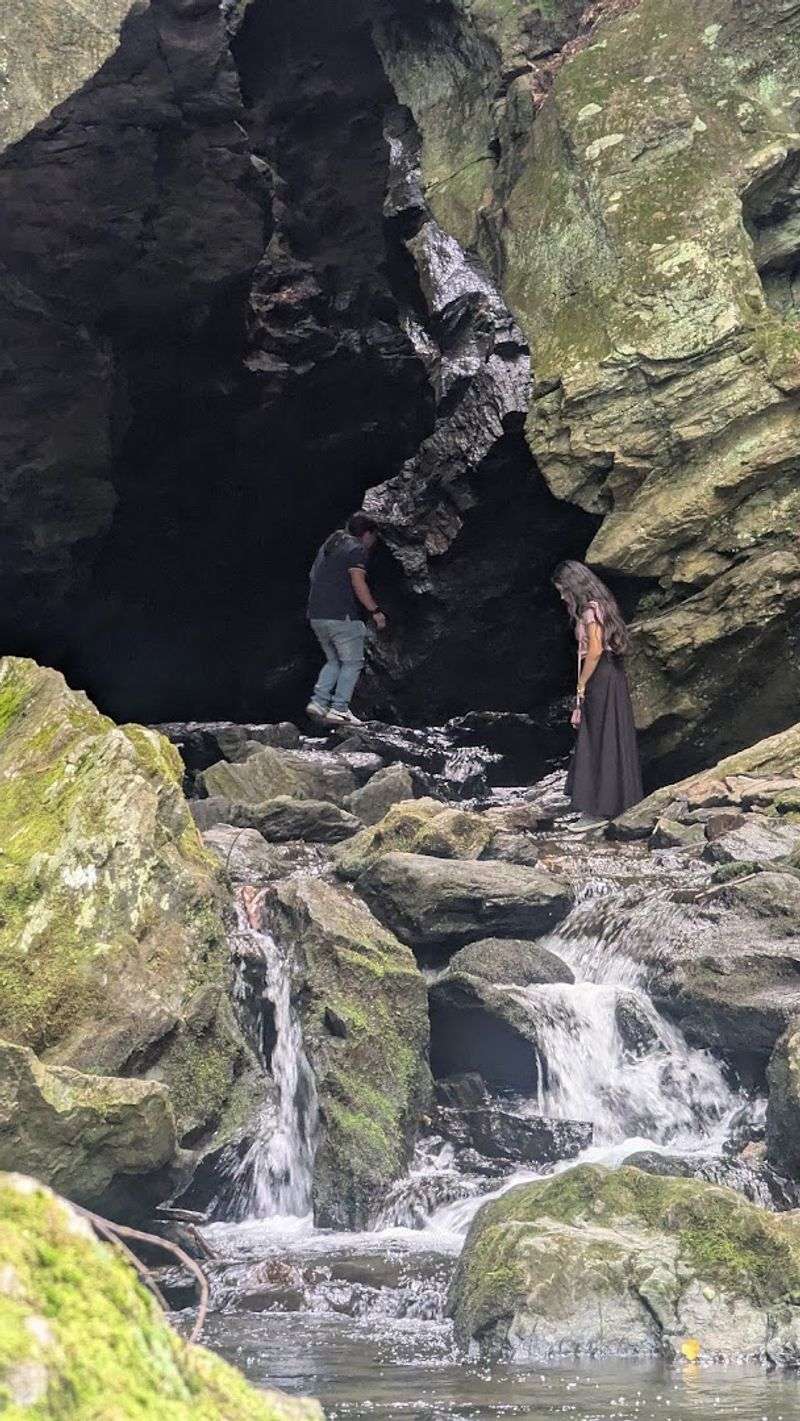
Preparation makes a meaningful difference on the Dover Stone Church trails, even though the hikes are relatively short. The terrain near the cave involves large, uneven rocks that can be slick when wet, so footwear with a firm grip is genuinely important rather than optional.
Trail runners work well on the forested sections, but waterproof hiking boots are the smarter choice for anyone planning to step inside the cave or cross the stream multiple times.
Bringing a water bottle is always a good idea, though the trails are short enough that dehydration is rarely a concern for healthy adults. A small backpack with a light snack, a phone with downloaded maps, and a headlamp for cave exploration covers most contingencies.
The valley near the cave runs noticeably cooler than the surrounding area, sometimes by ten to fifteen degrees, so a light layer in the bag can prevent an unexpected chill.
The trails are open year-round, and each season brings its own character. Spring brings rushing water and wildflowers along the stream.
Summer keeps the cave delightfully cool. Autumn delivers spectacular foliage.
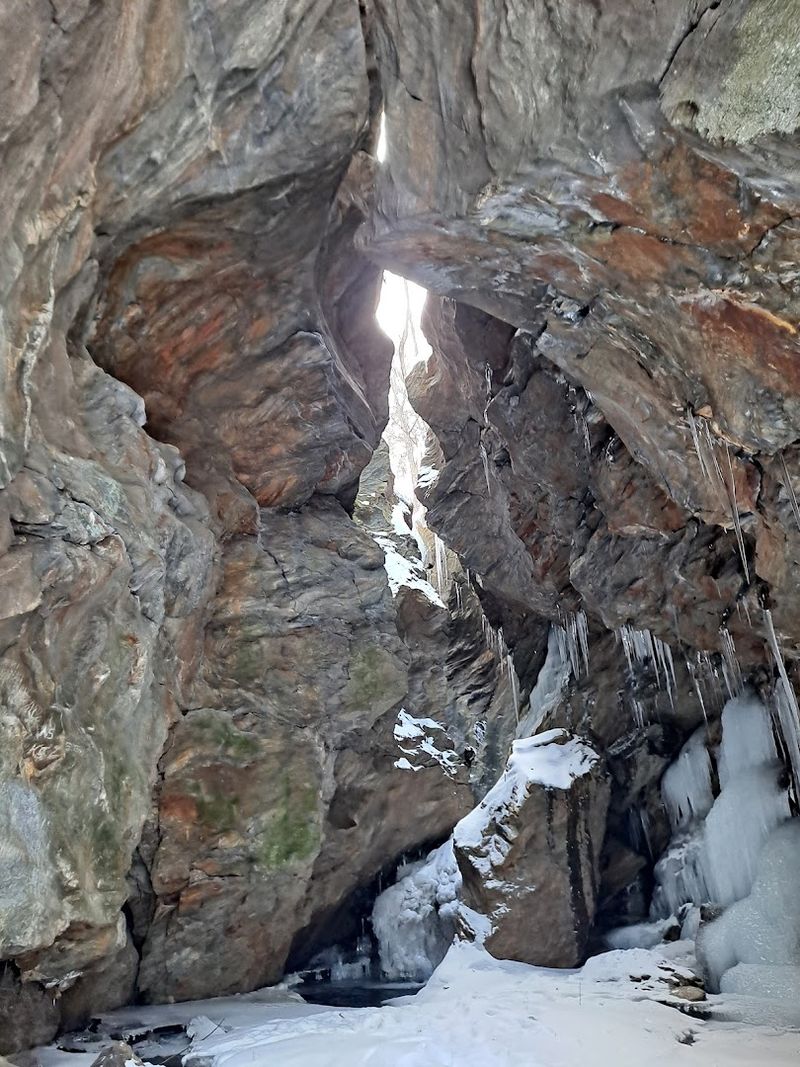
Winter visits are possible but require extra caution due to ice on the rocks and trail surfaces. Checking trail conditions before arriving in cold months is a practical step worth taking.
Visiting With Family, Dogs, And First-Time Hikers
Dover Stone Church is one of those rare outdoor destinations that works equally well for seasoned hikers and people who have never owned a pair of trail shoes. The red trail to the cave is flat, short, and clearly marked, making it a genuine option for young children, older adults, and anyone easing into outdoor activity.
Families with strollers should note that the rocky terrain near the cave is not pushchair-friendly, but the forested section of the trail is manageable.
Dogs are welcome on the trails as long as they remain on a leash. The stream crossings tend to be popular stops for four-legged visitors, and the cool air near the cave provides welcome relief for dogs on warm days.
Benches are positioned at several points along the paths, offering places to rest and observe the surroundings without feeling rushed.
The preserve is free to enter, which makes it an especially attractive option for families looking for meaningful outdoor time without a budget commitment. Weekday visits tend to be quieter than weekends, though even on busy days the trails rarely feel crowded.
The general atmosphere is relaxed and friendly, with most visitors genuinely happy to share the space and occasionally point out a favorite angle of the cave to anyone who asks.
Why Dover Stone Church Deserves A Place On Your List
There are plenty of hiking destinations across New York State that attract attention through marketing and reputation, but Dover Stone Church earns its visitors through the quality of the experience itself.
The combination of a cathedral-shaped cave, an interior waterfall, a clear running stream, and multiple trail options in a single compact preserve is genuinely unusual.
Very few places in the Northeast pack this much geological and natural interest into such an accessible package.
The preserve holds a 4.8-star rating from hundreds of visitors, a number that reflects consistent satisfaction rather than novelty alone. Repeat visitors return across different seasons specifically to see how the landscape changes, and many have described the place as carrying an almost meditative quality that is difficult to articulate but easy to feel.
That kind of response does not come from a place that is merely pretty. It comes from a place that has real character.
Adding Dover Stone Church to a weekend itinerary alongside the surrounding Hudson Valley towns creates a day that balances natural exploration with the pleasures of a historically rich region. The hike itself takes about an hour, but the impression it leaves tends to last considerably longer.
For a free, accessible, and genuinely captivating outdoor experience, few spots in New York come close.