
This Hidden Lagoon In Alabama Is One Of The State’s Best-Kept-Secrets
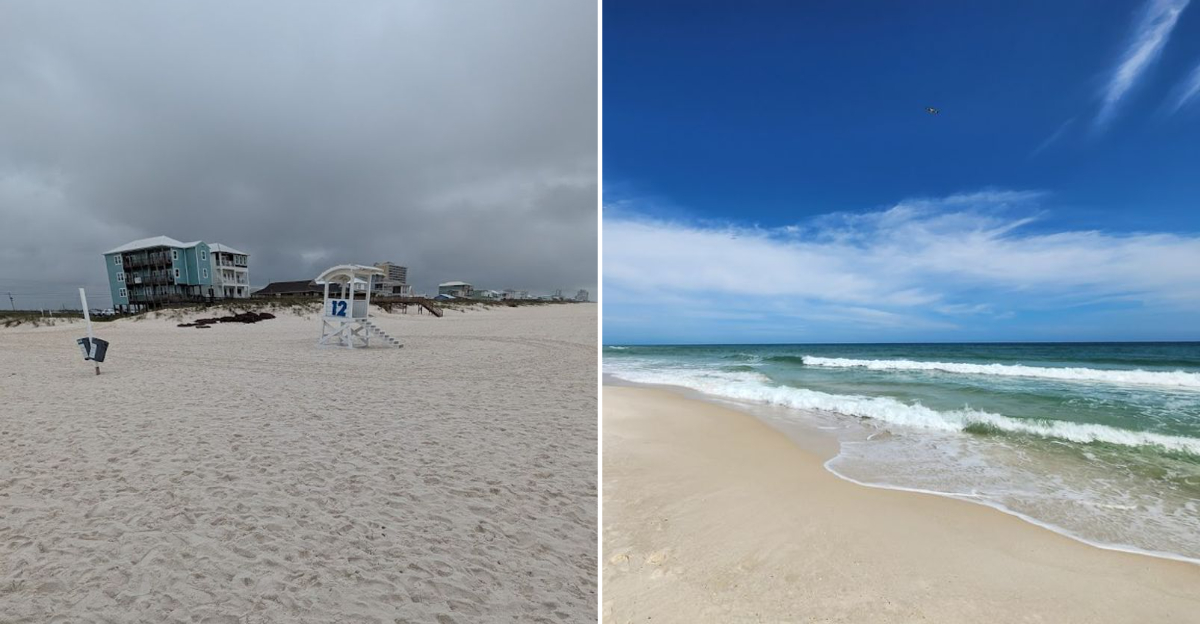
Alabama tourists head straight for the beach. The smart ones take a wrong turn first.
This lagoon does not advertise itself. There is no sign pointing to it.
No parking lot built for crowds. No photo is making the rounds that gives away exactly where to look.
Just a stretch of water in this state that somehow, in 2026, still feels like it belongs to the people who stumbled across it. The water is the kind of clear that makes you stop and look twice.
Not because you have never seen clear water before. Because you did not expect to find it here.
Locals have been coming to this spot for generations. They do not talk about it much to outsiders.
Not out of unfriendliness. Out of the very reasonable desire to keep something beautiful exactly the way it is.
Quiet. Uncrowded.
Worth every wrong turn it takes to get there.
Unique Wildlife In The Hidden Lagoon
This park sits right where two ecosystems collide, and the wildlife here reflects that perfectly. You get Gulf species on one side and lagoon creatures on the other.
That overlap creates a rare mix of animals you rarely see in one place.
Ospreys are a regular sight, diving sharply into the narrow inlet to catch fish. Pelicans glide low over the water in classic formation.
Egrets stand still in the shallows like they own the place.
The western edge of Little Lagoon borders the Bon Secour National Wildlife Refuge. That refuge provides critical habitat for migratory birds and nesting sea turtles.
The endangered Alabama beach mouse also lives in this protected zone.
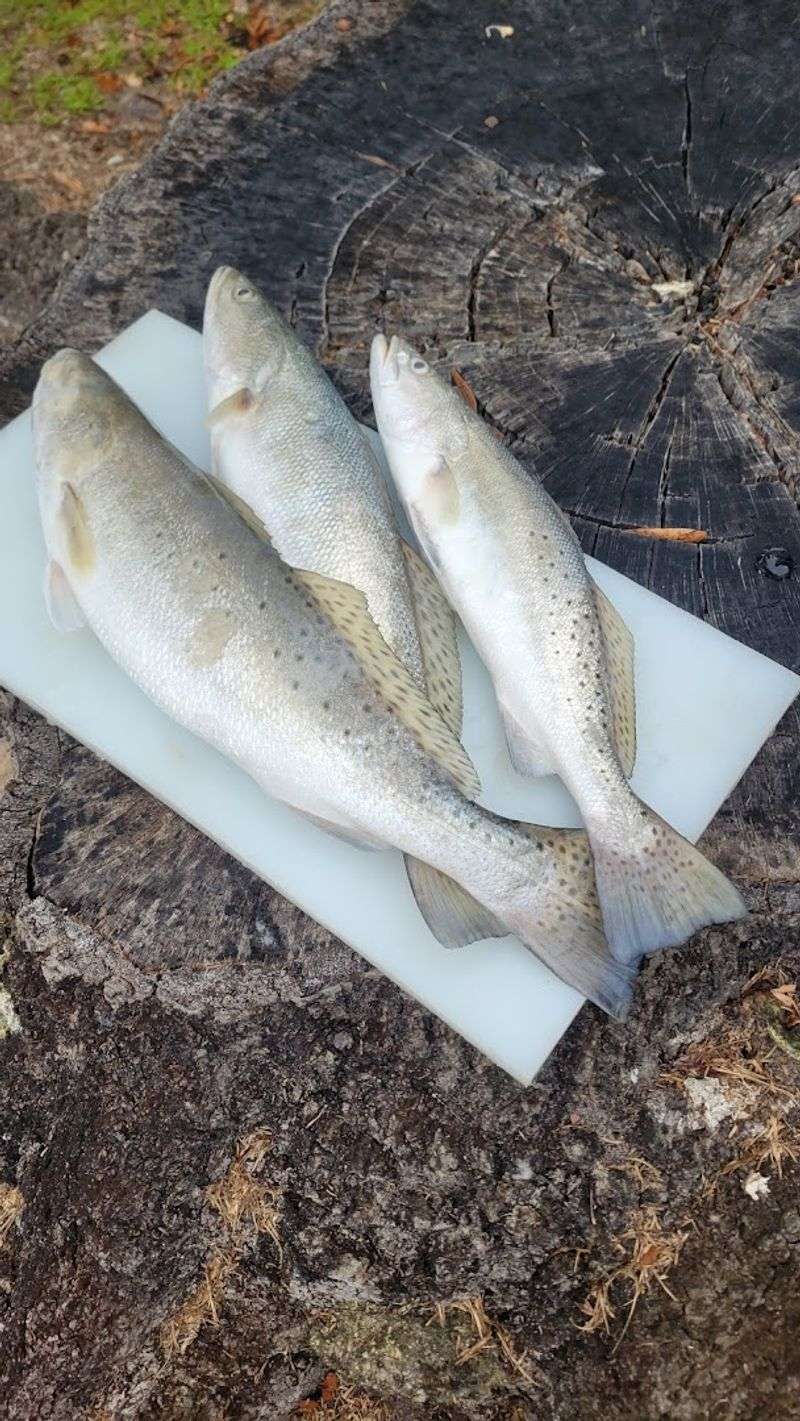
Crabs skitter across the sandy bottom in the shallows. Flounder, redfish, and speckled trout move through the pass regularly.
The water is shallow enough that you can actually watch fish swim right beneath you.
Manatees have even been spotted passing through. The city has posted signs warning visitors to watch for them.
Spotting one here feels like winning a small wildlife lottery.
Lagoon Pass Park is located at W Beach Blvd, Gulf Shores, AL 36542, about three miles west of Highway 59 on Highway 182.
Water Activities To Enjoy Year-Round
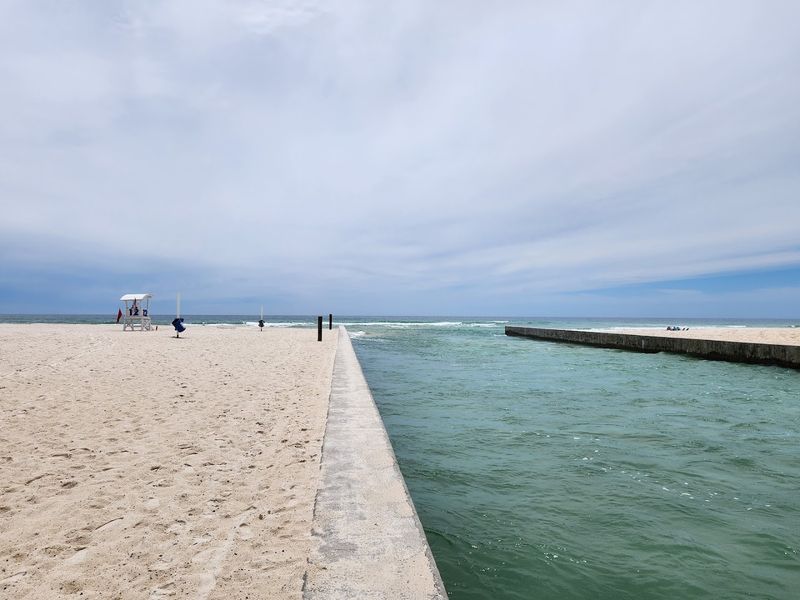
The water here never really takes a day off, and neither do the people who love it. Little Lagoon stays calm almost year-round, which makes it ideal for paddling.
The Gulf side adds a completely different energy just a short walk away.
Kayaking and paddleboarding are popular on the lagoon side. The shallow, still water makes it easy for beginners.
You can cover a good stretch of the lagoon without fighting waves or currents.
Fishing from the pier is a favorite activity for all ages. Flounder, speckled trout, and redfish are commonly caught right here.
You do not need a boat to have a solid fishing session at this park.
The Gulf side beach has lifeguards during peak season, which is a big plus for families. When Gulf surf gets rough or undertow picks up, the lagoon side becomes a perfect backup.
Parents especially appreciate having both options in one location.
Sand dollar hunting happens on both sides of the park. Kids love scanning the shallow bottom for them.
It turns a regular beach day into a mini treasure hunt.
Swimming in the lagoon is generally safe for young children. The water rarely exceeds knee depth near the pass.
That alone makes it worth the trip for families with little ones.
Flora And Fauna Around The Lagoon
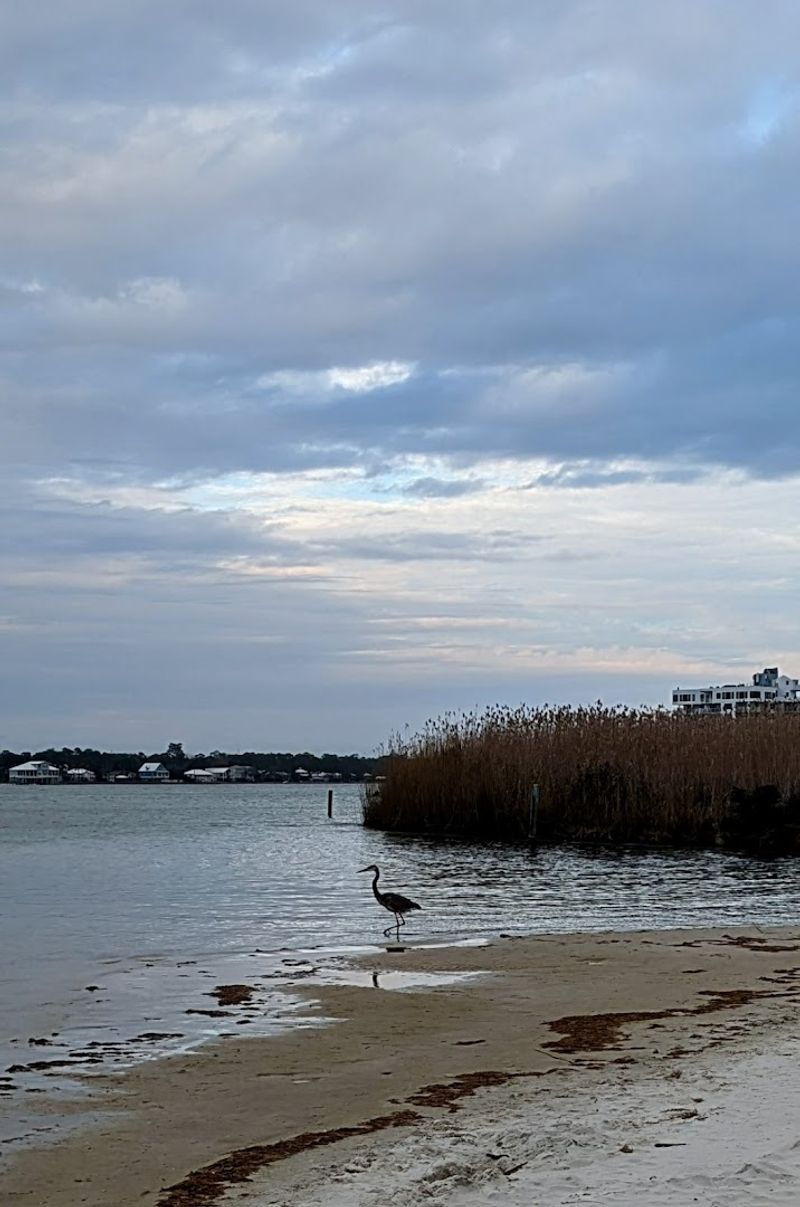
Fresh water from Lake Shelby flows through a reed forest before entering Little Lagoon. That natural filter creates a lush, green corridor of coastal vegetation.
The reeds provide cover for birds, insects, and small aquatic creatures.
Spartina grass and coastal marsh plants line sections of the lagoon’s edge. These plants stabilize the shoreline and reduce erosion naturally.
They also serve as a nursery habitat for juvenile fish and shrimp.
Sea oats grow on the Gulf side dunes near the park. These grasses are protected under Alabama law, so do not pick them.
They anchor the dunes and help protect the coastline from storm erosion.
The brackish water of Little Lagoon supports a unique mix of freshwater and saltwater plant species. That combination is rare along the Gulf Coast.
It creates a layered ecosystem that supports more biodiversity than either environment alone.
Wildflowers and native shrubs appear along the park’s edges depending on the season. Spring brings bursts of color that attract butterflies and bees.
The whole landscape feels more alive than a typical beach park.
The Bon Secour National Wildlife Refuge nearby adds another layer of protected natural habitat. Together, these two areas create a green corridor along the coast.
Wildlife moves freely between them, which keeps populations healthy and thriving.
Best Times To Experience Calm Waters
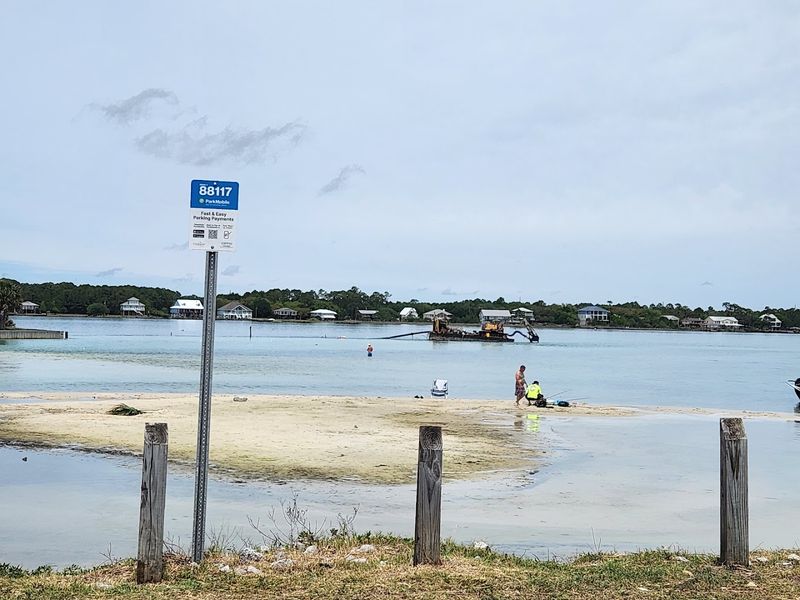
Morning is the magic hour at Lagoon Pass Park. The water on the lagoon side is glassy and still before the afternoon breeze picks up.
Arriving early also means fewer people and better parking.
Weekdays are noticeably less crowded than weekends, especially during summer. If you can swing a Tuesday or Wednesday visit, do it.
The park feels completely different without the weekend rush.
Late spring and early fall are arguably the best seasons overall. Temperatures are comfortable, and the tourist crowds thin out significantly.
The water is still warm enough to enjoy, and wildlife activity increases during migration periods.
Summer afternoons bring afternoon thunderstorms, which is pretty standard for coastal Alabama. Arriving before noon lets you enjoy peak calm conditions.
You can wrap up before the storms roll in around mid-afternoon.
Winter visits are surprisingly pleasant on mild days. The lagoon stays relatively calm in cooler months.
Birdwatching is actually excellent in winter because migratory species pass through in large numbers.
Tidal patterns also affect water conditions at the pass. Incoming tides push clearer Gulf water into the lagoon.
Outgoing tides create a gentle current that fish and birds both take advantage of actively.
Checking tide charts before your visit adds a whole new layer to the experience. Low tide exposes more sandy shallows for exploring.
High tide brings deeper water that is better suited for kayaking and paddleboarding.
Scenic Trails Surrounding The Lagoon
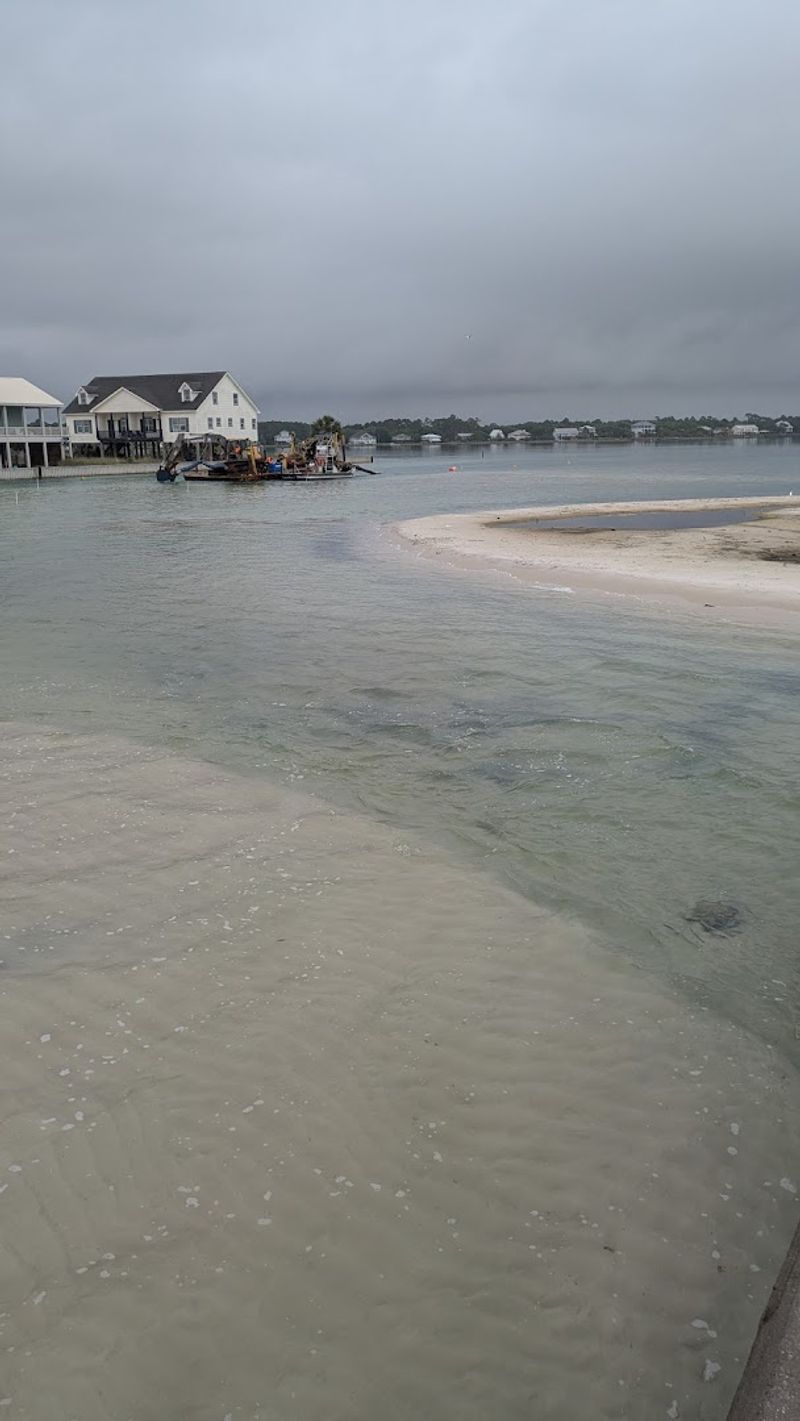
The area around Lagoon Pass Park is not just about the water. The surrounding landscape offers some genuinely scenic walking routes.
You can move between the lagoon and the Gulf side easily on foot.
The short path under the bridge connecting the parking area to the Gulf beach is a highlight. It only takes a couple of minutes to walk.
But those few steps take you from calm lagoon water to open Gulf waves, which feels dramatic every single time.
The Bon Secour National Wildlife Refuge trails are close by and worth exploring. Those trails wind through coastal scrub, pine flatwoods, and wetland areas.
Wildlife sightings are common along those paths, especially in the early morning.
The Alabama Coastal Birding Trail officially recognizes Lagoon Pass Park as a birding stop. That means the area has been vetted as a prime location for bird observation.
Bringing binoculars along the walking paths here is never a bad idea.
The shoreline of Little Lagoon itself offers informal walking along the water’s edge. The ground is mostly sandy and easy to navigate barefoot.
You can follow the lagoon in either direction and find new views around every bend.
Sunset walks along the Gulf side of the park are genuinely stunning. The light hits the white sand and water in a way that feels almost cinematic.
It is a simple pleasure that costs absolutely nothing.
Photography Tips For Landscapes
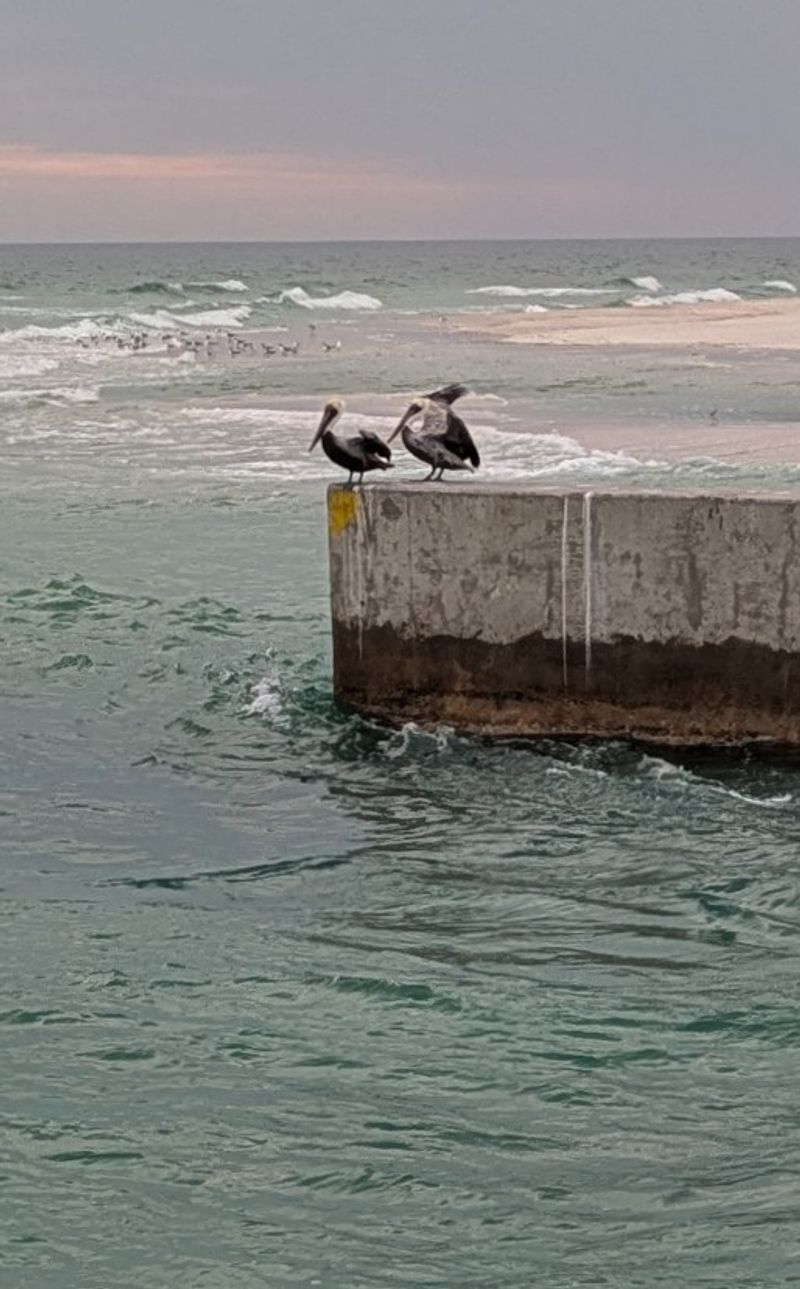
Lagoon Pass Park is a photographer’s playground, and not enough people know it yet. The contrast between the calm lagoon and the open Gulf creates two completely different shooting environments.
You can get both in a single visit without moving your car.
Golden hour here is exceptional. The early morning light hits the lagoon water at a low angle and creates incredible reflections.
Get there before 8 a.m. for the best soft light conditions.
Birds are everywhere, and they are not shy. Pelicans, egrets, and terns move through regularly.
Use a medium telephoto lens to capture them without disturbing their natural behavior.
The bridge over the pass makes a great compositional element. Use it as a leading line to draw the eye toward the Gulf.
Wide-angle shots from beneath the bridge frame the water beautifully.
Candid moments near the water feel natural and unposed. Ask permission before photographing strangers, obviously.
Sunset from the Gulf side offers dramatic skies with the white dunes in the foreground. The dune grasses add texture and depth to landscape shots.
A polarizing filter cuts glare on the water and makes colors pop significantly.
Overcast days actually work well here, too. Soft diffused light eliminates harsh shadows on the sand.
Wildlife portraits especially benefit from that even, flattering light.
Safety Measures For Visitors
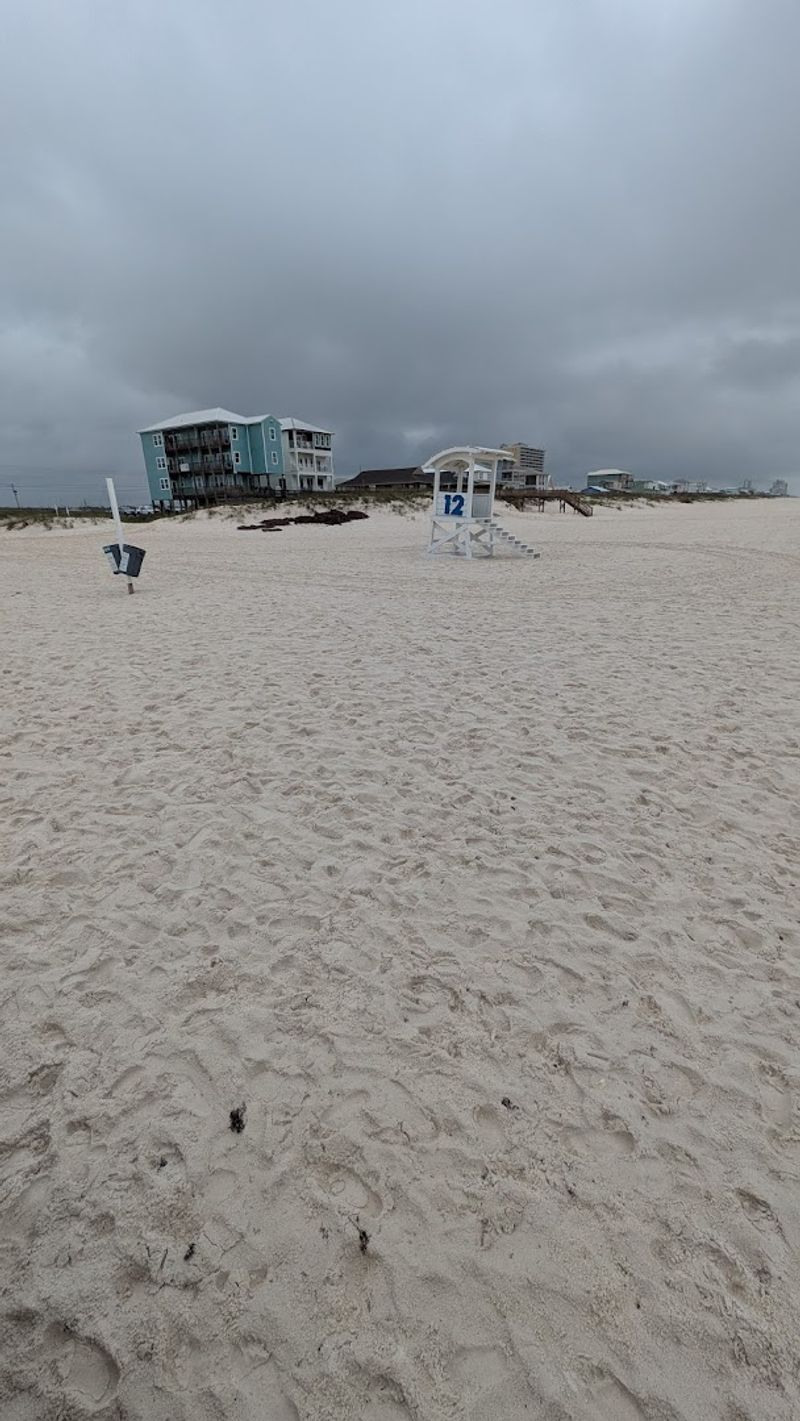
Lagoon Pass Park is generally a safe and family-friendly spot, but a few things are worth knowing before you go. The tidal current through the pass can move faster than it looks from the shore.
Swimming directly in the pass channel is not recommended for that reason.
The lagoon side is much calmer and safer for young swimmers. Water depth near the pass rarely exceeds knee height in most areas.
Still, supervising children near the water at all times is always the right call.
Manatee warning signs are posted in the area. These gentle animals do migrate through the pass occasionally.
Give them space if you spot one and never attempt to touch or approach them.
Sun protection is non-negotiable on the Gulf Coast. Reapply sunscreen every two hours, especially if you are in the water.
UV rays reflect off both sand and water, which intensifies sun exposure significantly.
Afternoon thunderstorms are common in the summer months. If you hear thunder or see lightning, exit the water immediately.
The park has restroom facilities on the east side where you can wait out a storm safely.
Parking can be limited during peak season. Arriving early avoids both the parking scramble and the midday heat.
The park charges a parking fee consistent with other Gulf Shores public beach access points.
Local History And Cultural Significance
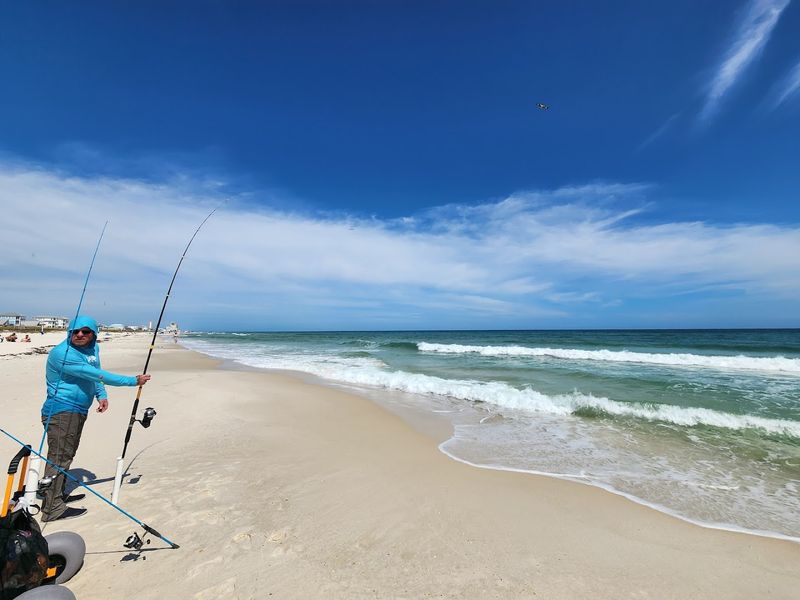
Little Lagoon has been part of life along the Alabama Gulf Coast for generations. Locals have fished, explored, and gathered here long before the area became a tourist destination.
The pass itself has always served as a natural gathering point for both people and wildlife.
The Alabama Department of Transportation actively maintains the pass through regular dredging. That process keeps water flowing freely between the Gulf and the lagoon.
Without it, the lagoon could stagnate, and the entire ecosystem would suffer.
The Bon Secour National Wildlife Refuge, established nearby, reflects the region’s long commitment to coastal conservation. The name Bon Secour comes from French and means good harbor or safe harbor.
French explorers and settlers were among the earliest Europeans to navigate these coastal waters.
Lagoon Pass Park sits on land that has witnessed centuries of change along the Alabama coast. Hurricanes, development, and environmental shifts have all left their mark on this stretch of shoreline.
Yet the lagoon itself has remained a constant and resilient feature of the landscape.
The park’s recognition on the Alabama Coastal Birding Trail adds cultural weight to its natural appeal. That designation connects it to a statewide network of important ecological sites.
It signals that this place matters beyond just a pretty beach stop.
Generations of Gulf Shores families have passed down knowledge of this spot. That oral tradition is part of what keeps it feeling like a genuine local treasure.