
This Hidden Montana Hot Spring Is One Of The States Most Treasured Natural Spots
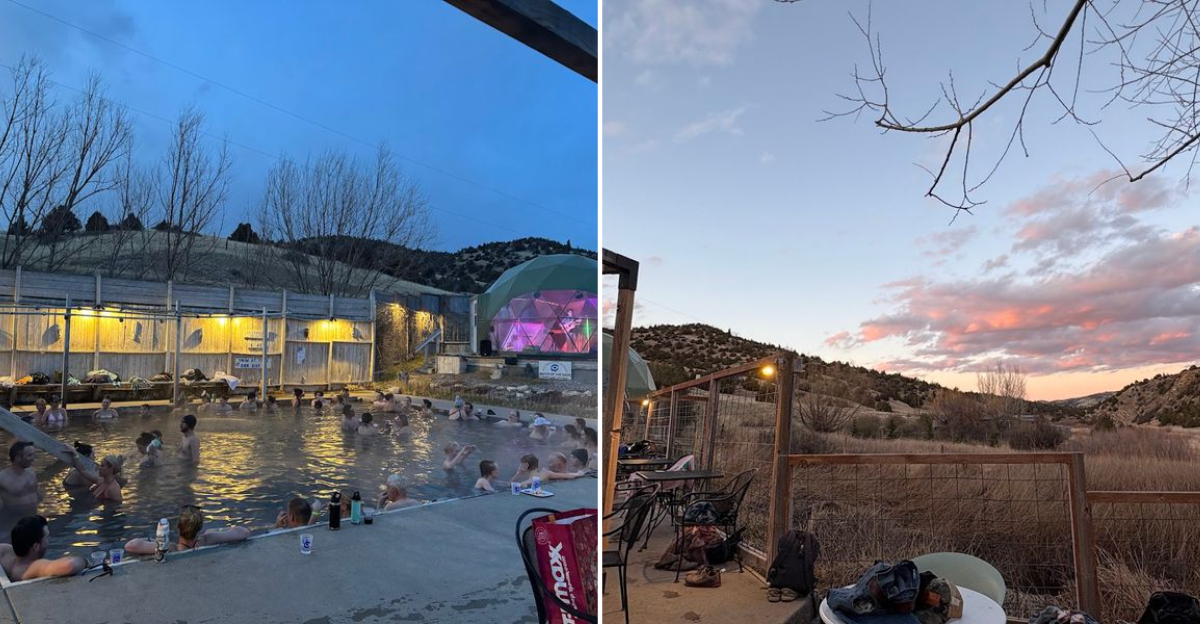
Finding a natural hot spring with no parking lot, no entrance fee, and no crowd waiting ahead of you feels increasingly unlikely. Montana still has one that delivers all three.
The approach takes commitment, the terrain isn’t for casual visitors, and the reward makes it worthwhile. Steam rises from water that sits at exactly the right temperature regardless of the season surrounding it.
The contrast between air and water in winter makes the experience something else entirely. This state has natural assets that the outdoor community has been slowly discovering for years.
This hot spring has stayed ahead of that discovery curve longer than most. The treasured designation among those who know about it comes from the combination of access difficulty and payoff quality.
Few natural spots in the state offer both at this level simultaneously. Visitors who make the journey describe it with the kind of language people reserve for experiences that genuinely exceeded what they expected to find.
The location stays deliberately vague in most conversations about it. The people who have been there understand exactly why.
Benefits Of Soaking In Mineral Rich Waters
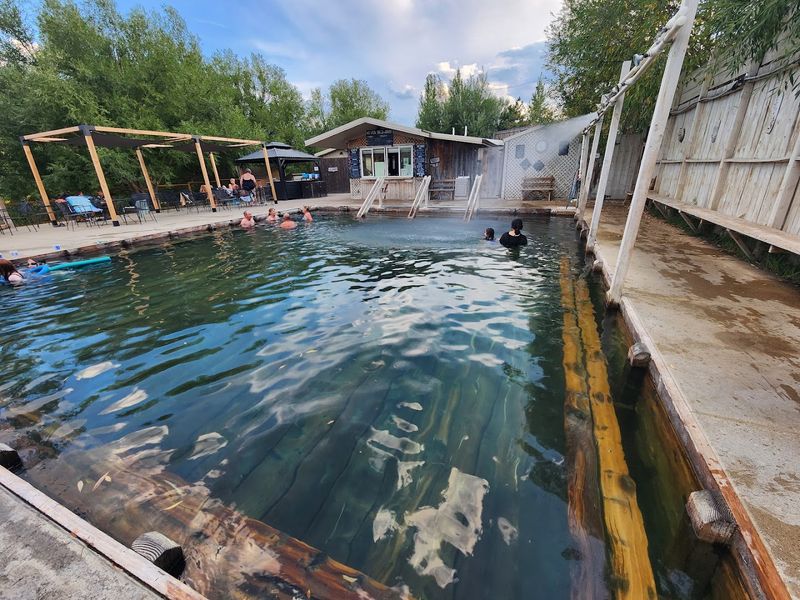
This hot spring earns the nickname Water of the Gods for good reason. The water here flows from artesian springs at around 129 degrees Fahrenheit.
A sprayer system cools the pool down to a comfortable 100 degrees in summer and up to 106 degrees in winter.
Mineral-rich water has been used for healing for thousands of years. The springs at Norris contain a very low sulfur content, which means no rotten egg smell.
Your silver jewelry will not tarnish here either, which is a nice bonus most people do not expect.
Soaking in warm mineral water helps relax tight muscles and ease joint discomfort. Many visitors report feeling noticeably calmer after just one hour in the pool.
The heat improves circulation, which helps your body recover faster from physical activity.
The 30-by-40-foot pool holds over 38,000 gallons of fresh water. It gets drained and refilled every single night.
The floor is made from locally milled fir planks resting directly over the springs, giving the whole experience a natural, earthy feel.
No chemicals are used in the cleaning process. The pool gets pressure-washed weekly, keeping things clean without harsh additives.
That commitment to chemical-free water makes soaking here feel genuinely restorative, not just recreational. You can find Norris Hot Springs at 42 MT-84, Norris, MT 59745.
Geothermal Activity And Unique Spring Formation
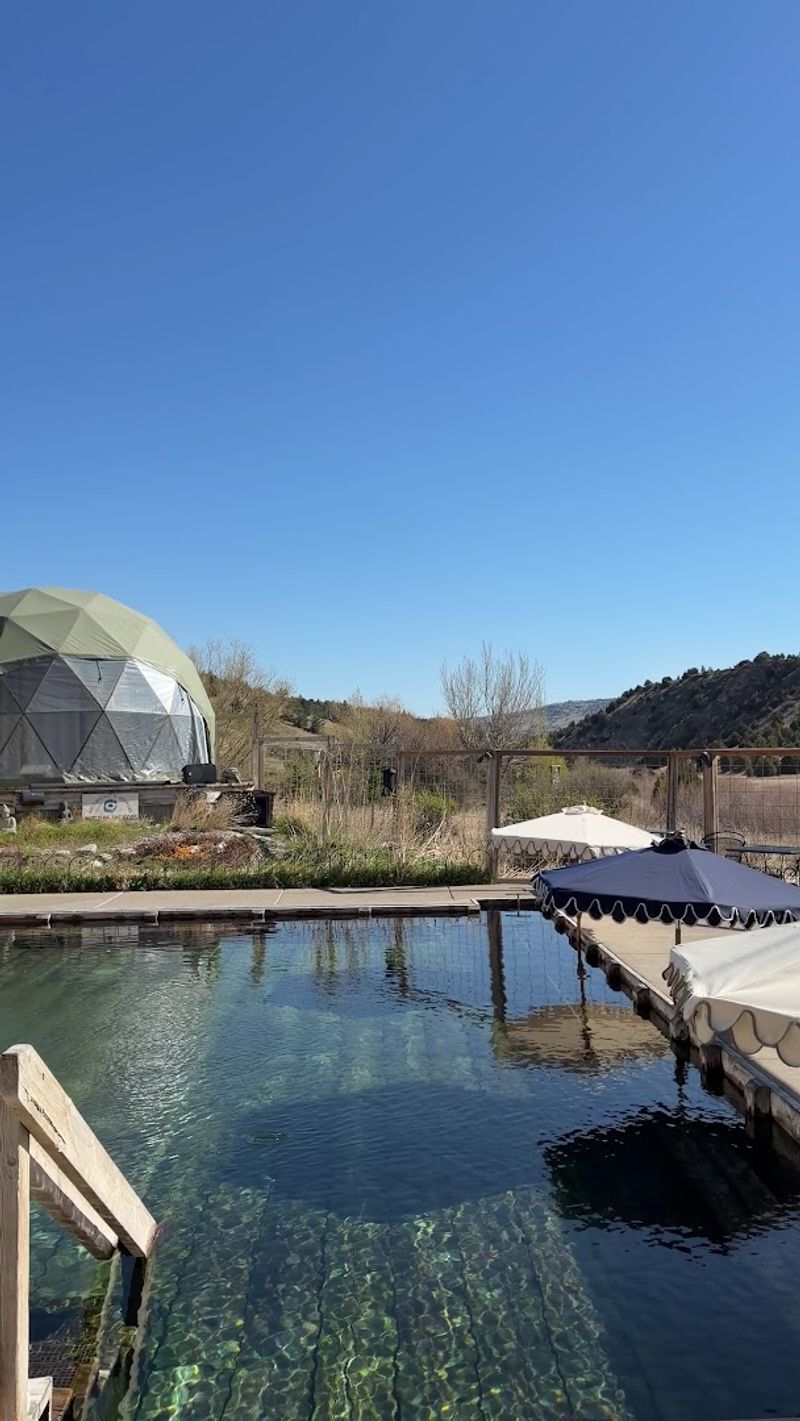
The ground beneath Norris Hot Springs is doing something remarkable. Deep below the surface, geothermal heat pushes water upward through a series of artesian springs.
That process has been happening here long before anyone built a pool around it.
Artesian springs work differently from typical groundwater sources. Pressure from underground rock layers forces water upward naturally, without pumps or machinery.
At Norris, that water reaches the surface already heated to about 129 degrees Fahrenheit.
The Madison River Valley, where Norris sits, is part of a geologically active region of southwest Montana. The same volcanic forces that power Yellowstone National Park, located not far away, contribute to the geothermal energy found here.
That connection to a larger natural system makes this spring feel like part of something ancient.
What makes the pool design especially interesting is the wooden floor. Locally milled fir planks sit directly over the spring vents.
You can actually feel the warmth rising through the wood when you walk across it.
The spring output is consistent enough to refill the entire pool every night. That natural flow rate is impressive for a geothermal source this size.
The reliability of the springs is part of why this location has been a gathering spot for well over 150 years, drawing people who recognized what the earth was offering them.
Wildlife And Surrounding Flora Near Hot Springs
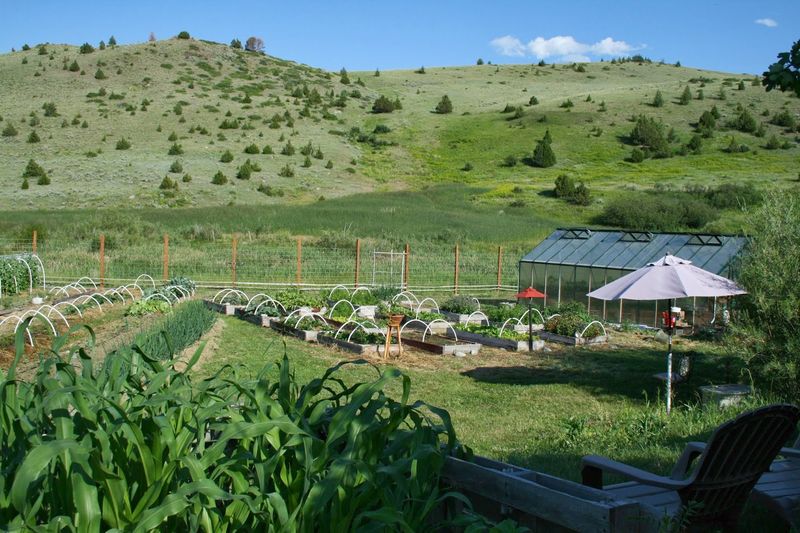
The Madison River Valley surrounding Norris Hot Springs is alive in ways that surprise first-time visitors. The valley floor is wide and open, framed by rolling hills covered in sagebrush and native grasses.
It is the kind of landscape that makes you stop and actually look around.
Mule deer and white-tailed deer are common sights near the property, especially during early morning and evening hours. Pronghorn antelope sometimes graze in the open fields just off the highway.
Hawks and eagles circle overhead regularly, riding thermals above the valley.
The Madison River, which runs near the area, supports a healthy trout population. Fly fishing is popular along this stretch of water, and the riverbanks host willows, cottonwoods, and native shrubs that provide habitat for songbirds and small mammals.
Wildflowers bloom across the valley from late spring through summer. Common species include lupine, balsamroot, and Indian paintbrush.
These native plants attract pollinators like bumblebees and butterflies throughout the warmer months.
The landscape around Norris has remained relatively undeveloped, which helps wildlife move freely through the area. Visitors who spend time outside the pool often notice how quiet and undisturbed the surroundings feel.
Being outdoors here is its own kind of experience, separate from the soak but equally worth your attention.
Best Times To Visit For Optimal Relaxation
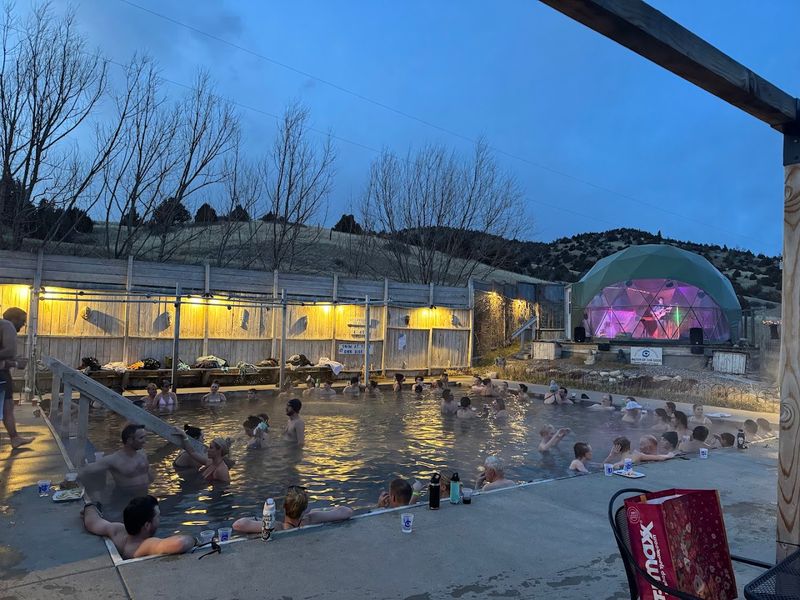
Timing your visit to Norris Hot Springs can make a real difference in your experience. The springs are open Thursday through Monday, from 10 a.m. to 10 p.m.
Arriving earlier in the day on weekdays tends to mean a quieter, less crowded pool.
Winter visits have a devoted following for good reason. The pool temperature climbs to around 106 degrees Fahrenheit in the colder months.
Soaking in hot mineral water while cold mountain air surrounds you is an experience that is hard to describe without sounding dramatic about it.
Summer mornings before noon are a solid choice for those who prefer a calmer atmosphere. Evenings on weekends draw bigger crowds, especially when live acoustic music plays in the geodesic dome beside the pool.
If you enjoy that social energy, Friday and Saturday evenings are worth planning around.
Private soaking sessions are available on Wednesdays by reservation only. That option gives you the entire pool to yourself for a set time block.
It is especially popular with couples and small groups who want a more personal experience.
Camping is available from May through September for those who want to stay overnight. Arriving the evening before and soaking first thing in the morning is a strategy many repeat visitors swear by.
The campground sits close enough to the pool that you can walk over in a bathrobe without anyone judging you.
Safety Tips For Enjoying Natural Hot Springs
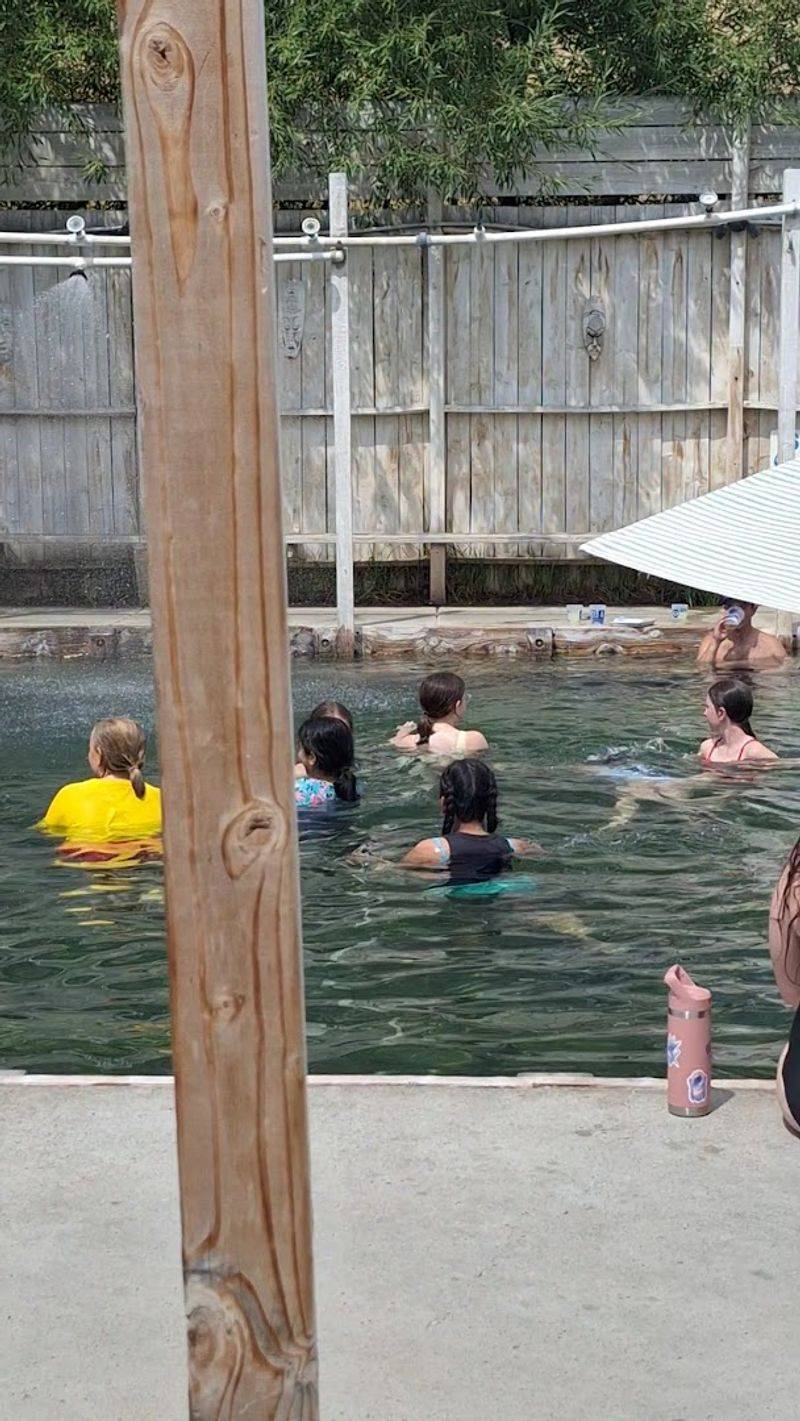
Natural hot springs are genuinely wonderful, but a few common-sense precautions go a long way. The pool at Norris is maintained at 100 to 106 degrees Fahrenheit depending on the season.
That is warm enough to cause overheating if you stay in too long without taking breaks.
Hydration matters more than most people realize when soaking in hot water. Bring a water bottle and drink regularly throughout your visit.
The heat causes your body to lose fluids faster than normal, even when you do not feel like you are sweating.
Children should be supervised closely around any hot spring environment. Life jackets and pool floaties are available at Norris for younger visitors.
The pool is not deep, but safety awareness around warm water is always worth maintaining.
People with heart conditions, high blood pressure, or pregnancy should consult a doctor before soaking in hot springs. The elevated water temperature puts additional stress on the cardiovascular system.
Most healthy adults tolerate it well, but knowing your own limits is smart practice.
There are no lockers at Norris Hot Springs, so leave valuables secured in your vehicle. The dressing rooms are on-site but are open-air, which means winter visits require a little extra planning for changing.
Bringing a warm robe or dry layers to change into quickly makes cold-weather visits much more comfortable and enjoyable.
Cultural Significance And Historical Background
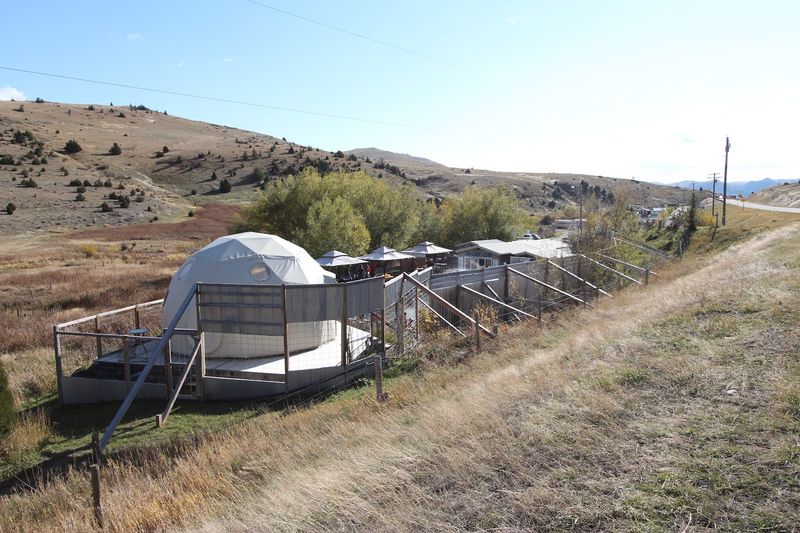
Long before Norris Hot Springs had a parking lot or a cafe, Native Americans were already using these thermal waters. Indigenous peoples in this region recognized the healing properties of the springs and visited them for rest and recovery.
That history stretches back centuries before any commercial development took place.
Gold miners arrived in the 1860s and built the first pool at this site. They had been working the surrounding mountains and apparently decided warm mineral water was a reasonable reward for hard labor.
The town of Norris itself was formally established in 1865 as a business hub serving nearby mining communities.
The springs have been in continuous use ever since, which is a remarkable streak for any natural attraction. Over 150 years of visitors have passed through this small valley, each generation finding their own reasons to return.
That continuity gives the place a layered quality that newer destinations simply cannot replicate.
The nickname Water of the Gods has been attached to Norris for generations. It reflects the reverence people have consistently felt toward these springs across very different cultural periods.
That kind of reputation does not develop overnight.
Today the property honors that history by keeping the experience grounded and authentic. The wooden pool construction echoes older building traditions.
The focus on natural water quality and minimal chemical use connects the current operation back to the original values of the people who first built here.
Available Amenities And Accommodations Nearby
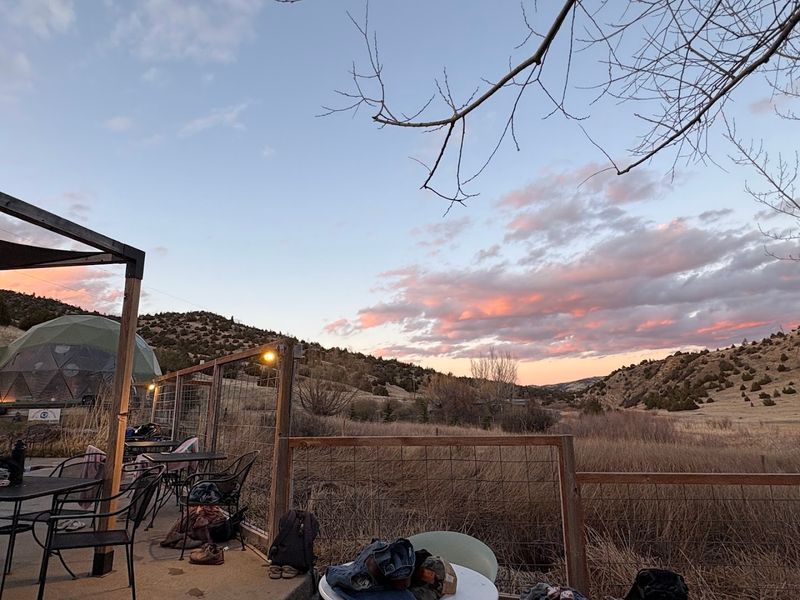
Norris Hot Springs offers more than just a place to soak. The 50 Mile Cafe and Grill serves food made with locally sourced ingredients, and the menu includes standout items like pickle pizza and beet salad.
Ordering food from the pool area is an option, which means you barely have to move to eat.
The geodesic dome beside the pool hosts live acoustic music on Friday and Saturday evenings during the season. The stage inside the dome is heated using geothermal energy from the springs themselves.
That detail is both practical and genuinely impressive as a design choice.
Camping is available from May through September, with RV sites offering full hookups alongside tent camping areas. The bathhouse on the property has received consistent praise for being clean and well-maintained.
Showers are available for campers, which makes it easy to rinse off after a long soak.
WiFi is available on-site, though there is no cell service in the area. That combination tends to produce a surprisingly focused and present atmosphere among visitors.
Many people find the lack of phone service to be an unexpected highlight of the trip.
The campground sits just steps from the pool, making overnight stays incredibly convenient. Rates have varied over the years, but the proximity to the hot springs adds real value to any camping stay here.
For road trippers moving between Yellowstone and Glacier, this stop fits naturally into the route.
Environmental Conservation Efforts And Protection
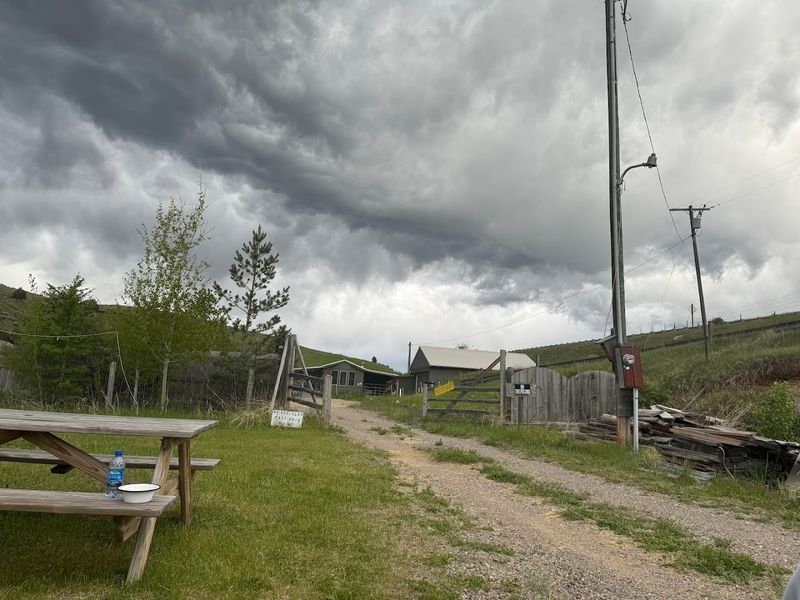
Norris Hot Springs takes its environmental responsibilities seriously, and it shows in the daily operations. The pool is drained and refilled every single night with fresh mineral water from the artesian springs.
No chemicals are used in the process, relying instead on weekly pressure washing to keep the pool clean.
That chemical-free approach is not just a marketing point. It reflects a genuine commitment to keeping the water as natural as possible for both visitors and the surrounding environment.
Runoff from chemical treatments can affect local soil and waterways, so avoiding them altogether matters here.
The food operation also reflects conservation values. The cafe prioritizes locally sourced and organically grown ingredients, including produce grown directly on the property.
Shorter supply chains mean lower transportation emissions and fresher food on the plate.
The geothermal energy from the springs is used to heat the stage inside the geodesic dome. That practical application of natural energy reduces the need for external power sources.
Using what the land already provides is a straightforward conservation principle that Norris applies consistently.
The relatively undeveloped nature of the surrounding property also contributes to local ecosystem health. Keeping the land open and free of heavy construction allows native plants and wildlife to move through the area naturally.
That restraint in development is itself a form of conservation, one that benefits both the environment and the visitors who come here to experience Montana at its most genuine.