
This Hidden New Hampshire Italian Restaurant Serves The Classics Locals Love
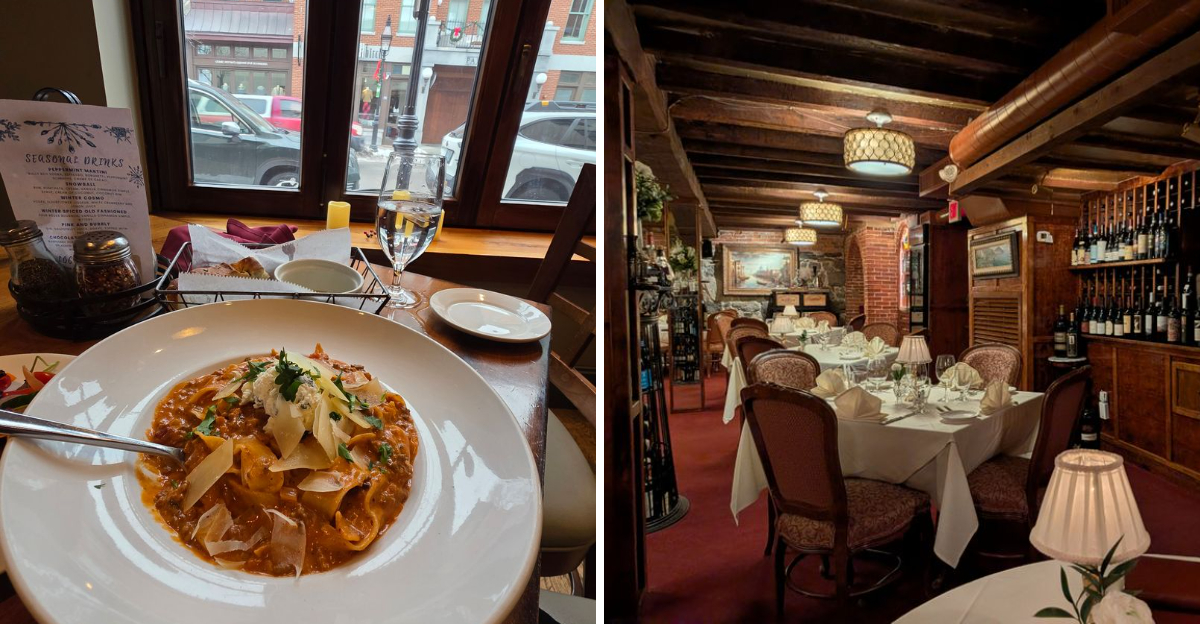
Portsmouth holds many culinary treasures, but few compare to the authentic Italian experience waiting on Penhallow Street. Massimo’s Ristorante has quietly built a reputation among those who appreciate traditional Italian cooking executed with precision and care.
For anyone seeking genuine flavours rooted in Northern Italian tradition, this restaurant offers something increasingly rare. Dishes are prepared the way they have been for generations and served in an atmosphere that honours the craft without unnecessary pretence.
A Classic Old-World Italian Menu That Has Stood The Test Of Time
Massimo’s approach to Italian cuisine reflects a deep respect for recipes that have endured because they simply work. The menu reads like a love letter to Northern Italian cooking, featuring dishes that rely on quality ingredients and proper technique rather than trendy reinterpretations.
Guests consistently praise the authenticity of preparations that taste remarkably similar to meals enjoyed in trattorias across Italy.
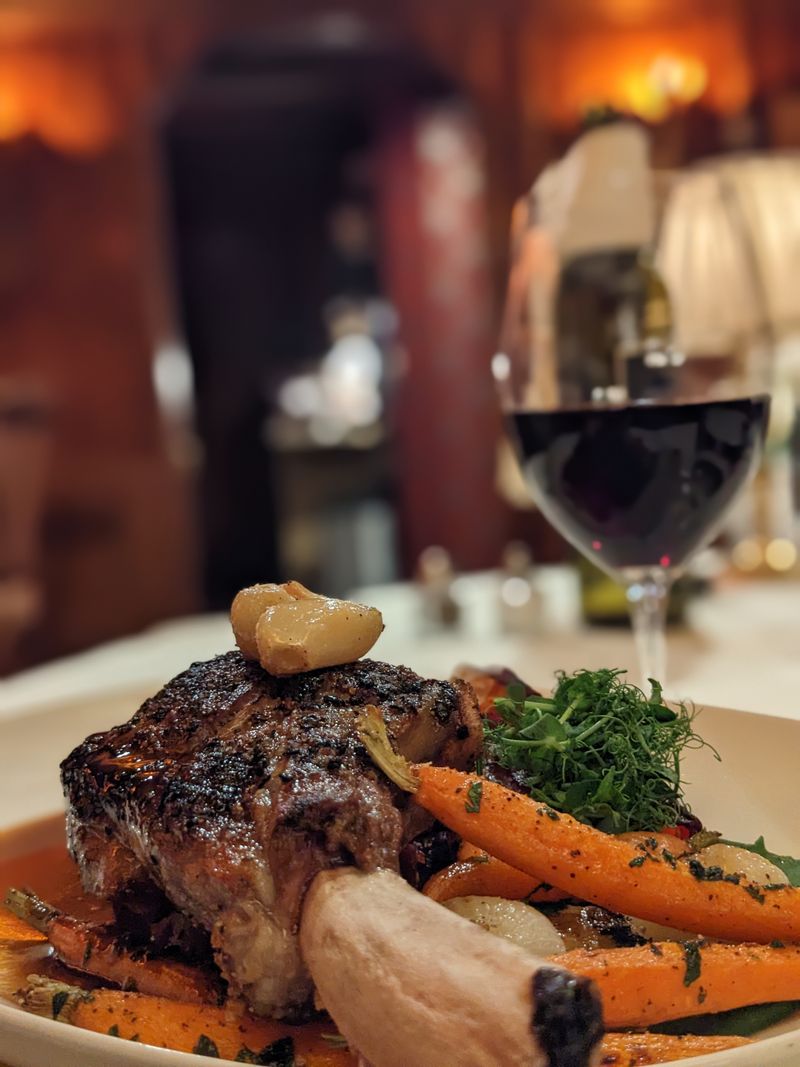
Located at 59 Penhallow Street in Portsmouth, the restaurant maintains a menu that balances familiarity with excellence. Regulars return for the same dishes year after year, confident that the carbonara will arrive with perfectly emulsified sauce and the veal chop will be cooked exactly as requested.
This consistency stems from a kitchen that understands Italian cooking as a discipline requiring both skill and restraint.
The menu’s enduring appeal lies in its refusal to chase culinary trends. Instead, Massimo’s focuses on perfecting classics that have satisfied diners for decades.
Every dish represents a commitment to traditional methods that honor Italian culinary heritage while meeting the expectations of discerning local patrons.
House-Made Pastas Are A Cornerstone Of The Kitchen
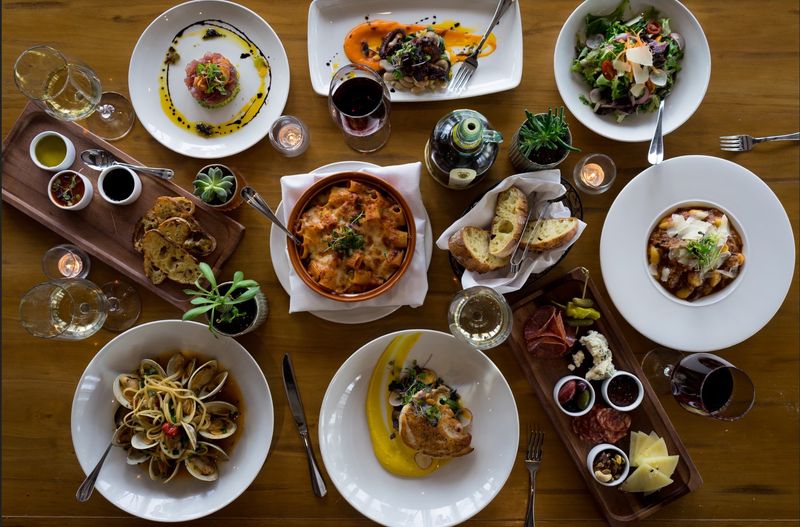
Few things distinguish an exceptional Italian restaurant from a merely good one quite like house-made pasta. At Massimo’s, the pasta program represents the foundation upon which much of the menu builds.
Tagliatelle carbonara arrives at tables with noodles that possess the perfect tooth, absorbing sauce in a way dried pasta simply cannot replicate.
The kitchen produces multiple pasta varieties daily, each suited to specific preparations and sauces. Trottole pasta appears in the mushroom dish, its spiral shape designed to capture every bit of the butter sauce and shaved truffle.
Guests frequently mention the texture and flavor of these pastas in reviews, noting how they compare favorably to pasta eaten during trips to Italy.
Making pasta from scratch requires time, skill, and dedication that many restaurants skip in favor of convenience. Massimo’s commitment to this labor-intensive process shows in every bite.
The pasta program alone justifies visits from diners who appreciate the difference between good pasta and truly exceptional pasta crafted with care and expertise.
Traditional Sauces And Techniques From Northern Italy
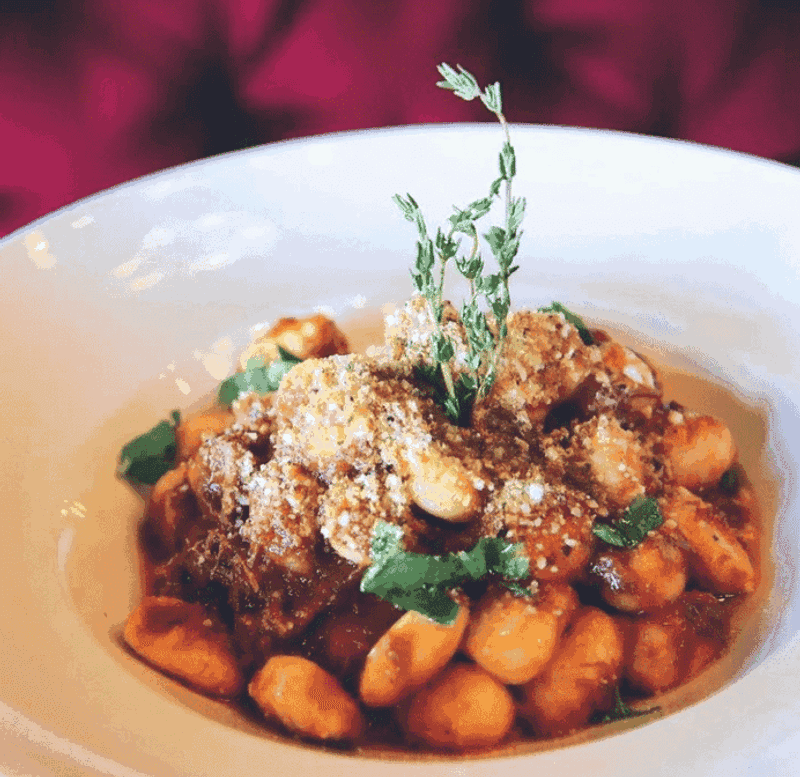
Northern Italian cooking differs significantly from the Southern Italian cuisine many Americans know best. Massimo’s menu reflects this regional distinction through sauces that favor butter over olive oil and techniques that emphasize subtlety over boldness.
The carbonara sauce achieves its silky texture through proper emulsification of egg yolk and pasta water, a technique that requires timing and skill.
San Marzano tomato sauce accompanies the Kobe meatballs, providing sweetness and acidity that complement the rich beef without overwhelming it. The chestnut demi-glace served with the wagyu sirloin demonstrates the kitchen’s comfort with complex sauce work that builds flavor through reduction and careful seasoning.
These preparations require knowledge that comes from studying traditional methods rather than shortcuts.
Reviewers who have traveled extensively in Italy consistently note how closely Massimo’s sauces resemble those encountered in Northern Italian restaurants. This accuracy stems from understanding that great Italian cooking often relies on restraint and allowing quality ingredients to shine through proper technique rather than heavy-handed seasoning or excessive components.
Elegant Yet Unpretentious Dining That Appeals To Locals
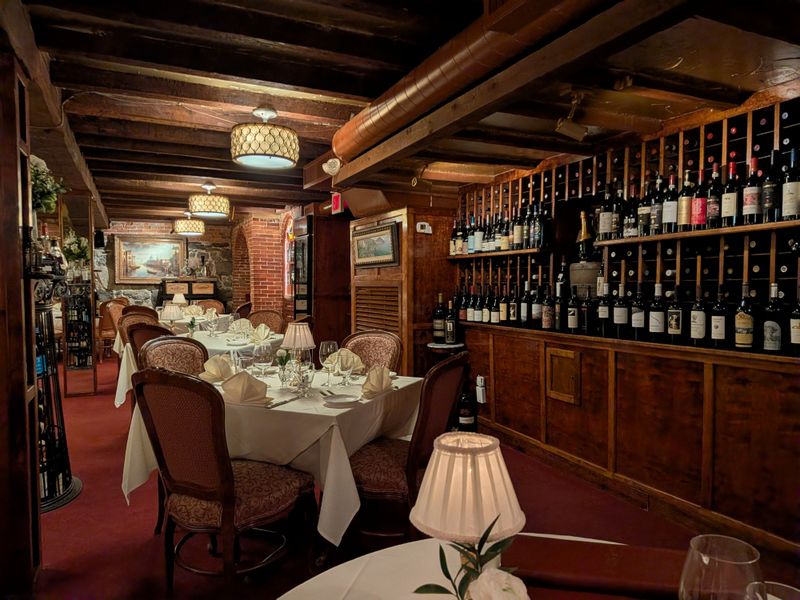
The dining room at Massimo’s manages a delicate balance between formal elegance and genuine warmth. Brick and stone walls create an atmosphere reminiscent of Italian restaurants found in historic European buildings, while oil paintings of Italian countryside scenes add visual interest without feeling stuffy.
The downstairs dining area offers a more formal experience, while upstairs seating provides a slightly relaxed vibe for those preferring casual sophistication.
Service strikes the right tone throughout the evening. Staff members demonstrate professional training without the stiffness that sometimes accompanies fine dining.
They check on tables with appropriate frequency, offer knowledgeable recommendations when asked, and step back when diners prefer conversation over constant attention.
Locals have embraced Massimo’s precisely because it provides special-occasion dining without pretension or attitude. The restaurant welcomes anniversary celebrations and casual date nights with equal enthusiasm.
Massimo himself often greets tables personally, creating connections that transform first-time visitors into regular patrons who return for both the food and the genuine hospitality that makes every meal feel significant.
Massimo’s Meat And Seafood Dishes Reflect Italian Tradition
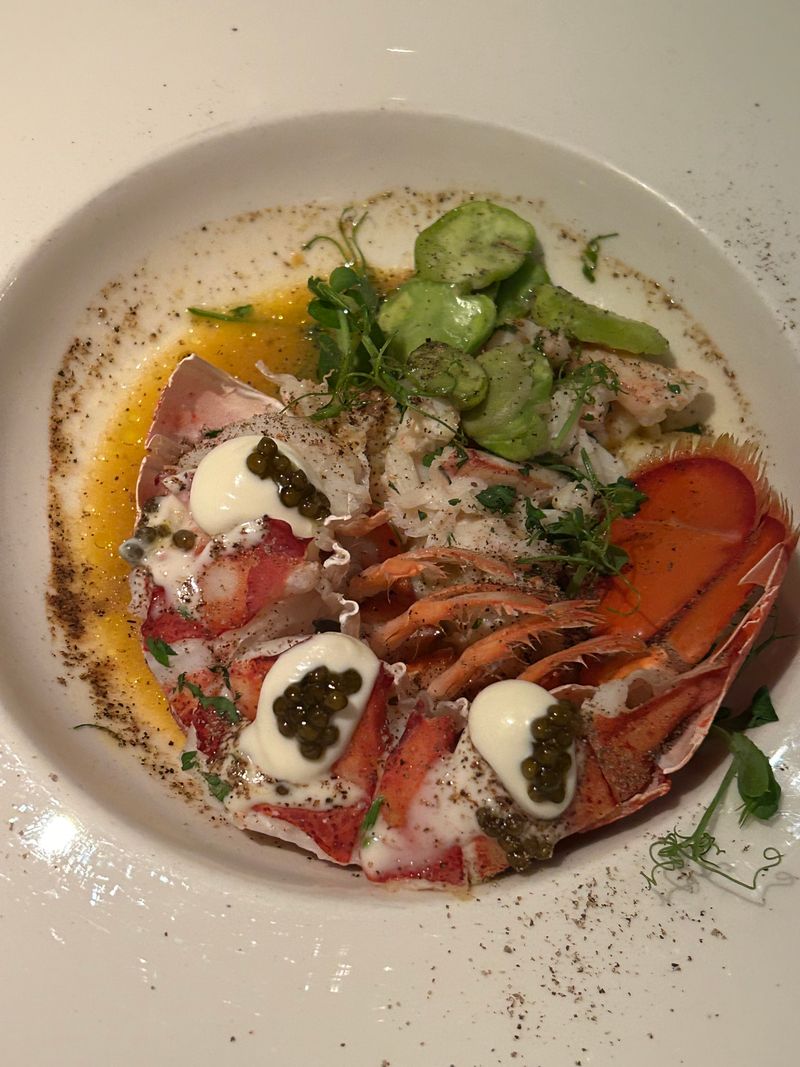
Italian cooking treats proteins with respect, allowing quality meat and seafood to speak for themselves through proper preparation rather than heavy manipulation. The bone-in veal chop at Massimo’s exemplifies this philosophy, arriving perfectly cooked with accompaniments that complement rather than compete.
American wagyu sirloin receives similar treatment, served over Brussels sprouts and potatoes with that remarkable chestnut demi-glace that ties everything together.
Seafood preparations demonstrate equal care and restraint. Swordfish appears cooked precisely to maintain moisture and flavor, while halibut benefits from techniques that honor its delicate texture.
The grilled octopus appetizer shows proper char and tender meat, proving the kitchen understands how to handle proteins that easily become rubbery in less capable hands.
Portion sizes reflect Italian generosity without crossing into excess. Diners consistently mention leaving satisfied but not uncomfortably full, a balance that allows room for dessert while ensuring value for the investment.
The espresso-rubbed duck and bone-in ribeye both receive praise for cooking accuracy and thoughtful presentation that makes each plate feel considered rather than rushed.
Generous Portions That Keep Diners Satisfied
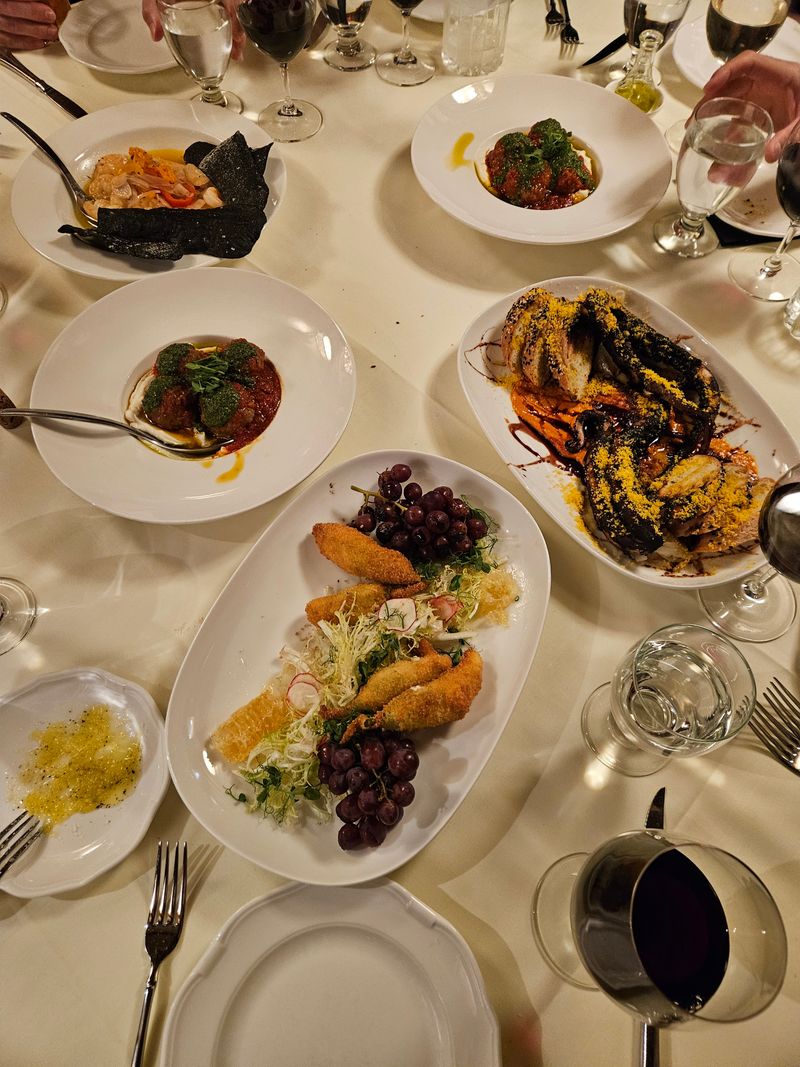
American diners sometimes associate fine dining with tiny portions and lingering hunger, but Italian restaurants traditionally serve amounts meant to satisfy rather than merely tease. Massimo’s follows this tradition, delivering plates that justify their prices through both quality and quantity.
The Kobe meatball appetizer arrives as a generous portion that could serve as a light meal, while pasta dishes provide enough to leave diners contentedly full.
Entrees maintain this philosophy of abundance without waste. The wagyu sirloin looks like a filet in size, and the veal chop provides substantial protein accompanied by thoughtful sides.
Guests mention feeling they received excellent value, with prices that seem remarkably reasonable given both the quality of ingredients and the amount of food arriving at the table.
This approach to portioning reflects confidence in the cooking and respect for guests who invest in a meal out. Massimo’s understands that satisfaction comes from both flavor and substance, creating an experience where diners leave happy rather than hungry or overstuffed.
The balance demonstrates kitchen judgment that considers the entire dining experience from first bite through final impression.
An Intimate Atmosphere That Feels Like A Local Secret
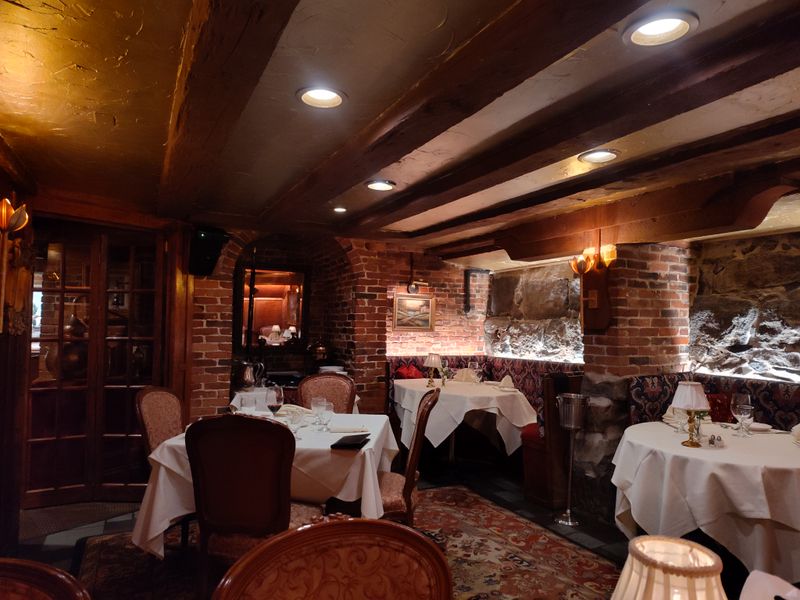
Despite its 4.7-star rating and numerous glowing reviews, Massimo’s maintains an atmosphere that feels discovered rather than overrun. The restaurant layout creates intimate spaces that allow conversations to flow without competing with neighboring tables.
Downstairs seating particularly excels at providing privacy and romance, making it popular for anniversaries and special celebrations that benefit from quieter surroundings.
The building itself contributes to this sense of discovery. Descending into the lower dining room feels like entering a hidden space that exists outside normal time, enhanced by the historic architecture and thoughtful design choices.
Velvet seating and carefully placed lighting create pockets of warmth that invite lingering over final bites and last sips of wine.
Locals appreciate this quality immensely, returning regularly without feeling the restaurant has become a tourist destination that sacrifices authenticity for volume. Reservations remain essential, but the restaurant manages capacity in ways that preserve the intimate experience that makes meals here feel personal and special rather than rushed or crowded.
This balance between popularity and preservation defines Massimo’s appeal.
Seasonal Ingredients Highlighted In Time-Honoured Recipes
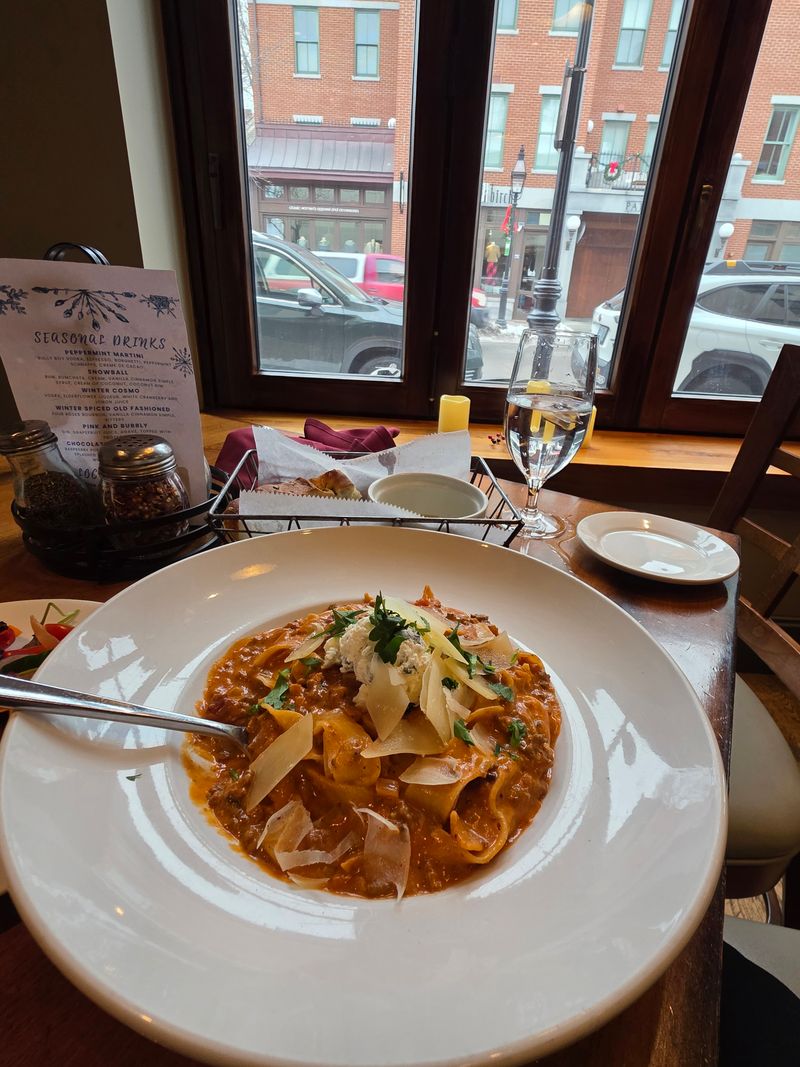
Italian cooking has always celebrated ingredients at their peak, incorporating what grows best in each season into preparations that have endured for generations. Massimo’s honors this tradition by featuring seasonal components that change throughout the year while maintaining the classic framework of each dish.
English peas appear in the carbonara during their brief season, adding sweetness and color that enhances the traditional preparation without fundamentally altering it.
Wild mushrooms feature prominently in the trottole pasta dish, their earthy flavors complemented by butter sauce and shaved black truffle. Brussels sprouts accompany the wagyu sirloin, roasted to bring out their natural sweetness and providing textural contrast to the tender beef.
These seasonal choices demonstrate kitchen awareness of what tastes best when, rather than forcing ingredients year-round regardless of quality.
This approach connects Massimo’s to centuries of Italian culinary tradition that understood food tastes better when eaten in its proper season. The menu evolves subtly as ingredients come and go, rewarding regular visitors with variety while maintaining the core dishes that define the restaurant’s identity and keep loyal patrons returning throughout the year.
Desserts Like Tiramisu And Cannoli Made With Care
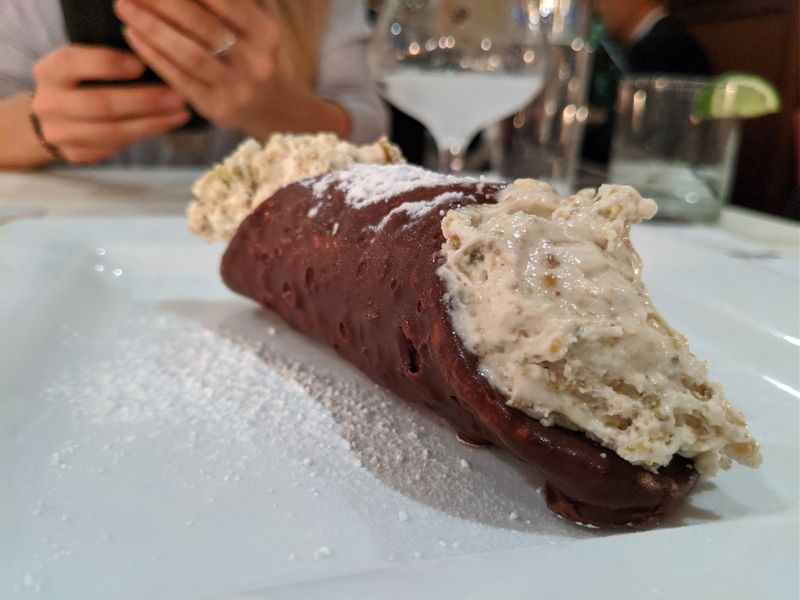
Italian desserts occupy a special place in the meal structure, providing a sweet conclusion that balances the savory courses preceding them. Massimo’s dessert program takes these classics seriously, preparing tiramisu and cannoli with the same attention to detail evident throughout the menu.
The chocolate bomb dessert earns particular praise, arriving as a delicate chocolate shell concealing layers of cake and mousse that one reviewer declared the best dessert experienced in twenty years.
Cannoli appear handmade with crispy shells and creamy filling that maintains proper texture rather than becoming soggy or overly sweet. The tartufo provides rich chocolate satisfaction with graham cracker crumbs dusted on the plate adding textural interest.
These desserts frequently arrive with celebratory touches like sparkling candles for anniversaries, small gestures that enhance special occasions without feeling forced or insincere.
Servers consistently recommend saving room for dessert, advice worth heeding given the quality of the final course. Pairing espresso or cappuccino with these sweets completes the Italian dining experience properly, providing closure that feels both traditional and satisfying.
The dessert program demonstrates that Massimo’s commitment to excellence extends through every course rather than fading after entrees leave the kitchen.