
This Hidden New York Italian Restaurant Serves Generous Plates Locals Say Feel Straight From Italy
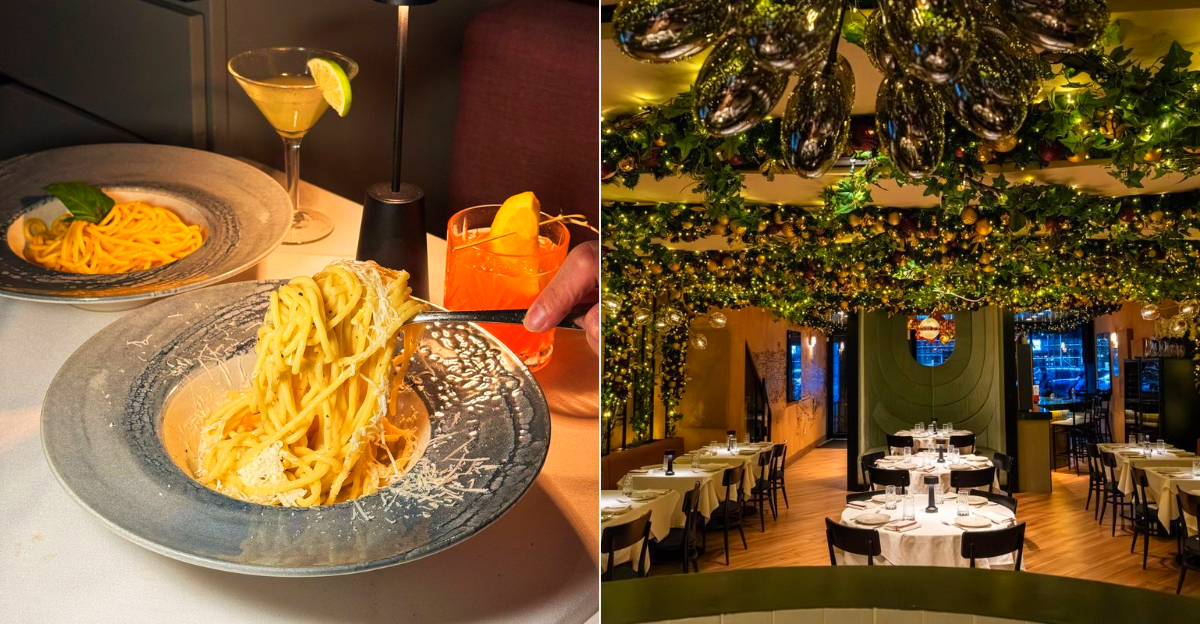
You can walk this stretch of Astoria for years and still miss the doorway locals quietly protect. Then one evening you step inside and the room immediately changes the pace of your night, warmth in the air, familiar aromas drifting from the kitchen, tables settling into an unhurried rhythm that makes staying feel easy.
The plates land generous without tipping into excess, built on balanced flavors that blow minds away. Sauces cling properly to pasta, portions satisfy without dulling the palate, and seasoning speaks with the steady confidence of a kitchen that doesn’t need to explain itself.
What keeps people loyal is how naturally the place folds into everyday life. It works for lingering dinners, spontaneous drop-ins, and nights when comfort matters more than novelty.
Over time, it becomes less of a destination and more of a second dining room for those lucky enough to know it’s there.
A Neighborhood Entrance That Keeps Its Promise
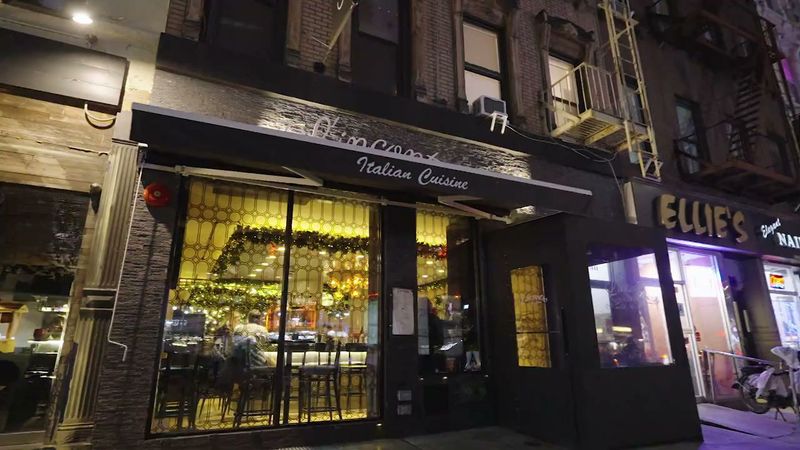
First impressions at Trattoria L’Incontro whisper rather than shout, which suits the neighborhood perfectly. You notice the calm frontage only after the aromas drift outward, tugging your curiosity in a steady, persuasive way.
Step through the door and the hum of conversation steadies your pace, as if the room has set its own comfortable rhythm.
Soon enough, details sharpen and the grace notes appear. Servers glide without fuss, and the open warmth makes you feel like you have joined a familiar routine rather than a scene.
Somewhere in the conversation, you register how close it sits to the quiet stretch of 21-76 31st Street, Astoria, NY 11105, nestled among homes that keep the street grounded.
Once seated, the room’s composure becomes part of the experience. Tables encourage dialogue, and the light lands softly on plates, letting color and texture speak on their own terms.
You sense longevity in the gestures, not a performance but a practiced welcome, and that steadiness becomes its own promise.
By the time bread arrives, your shoulders have dropped a notch. You study the menu with growing curiosity rather than urgency.
The evening feels unhurried, structured around appetite, conversation, and the comfort of honest cooking that knows exactly where it belongs.
A Kitchen Led By Roman Discipline
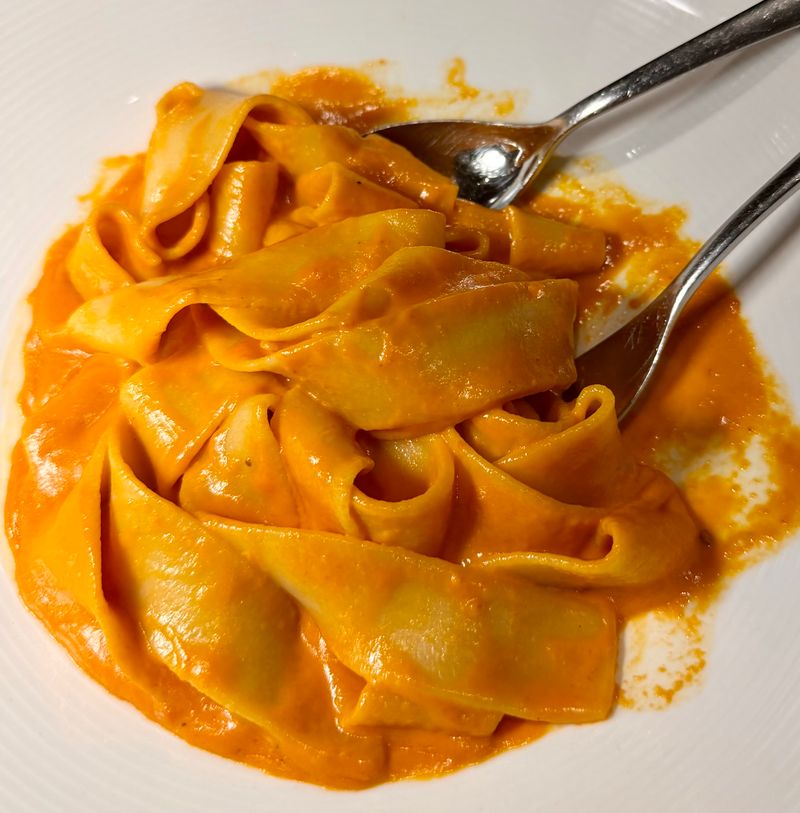
Origins matter when a kitchen cooks with restraint and assurance, and here the lineage points to Rome and central Italy. The logic of those traditions shows in the seasoning, where salt, acidity, and fat strike truce rather than rivalry.
Technique serves clarity, not spectacle, because the food should taste like itself first.
Watch how sauces finish in the pan, how pasta water keeps the texture supple, and how olive oil adds sheen without heaviness. The discipline is felt rather than announced, a pattern of choices that privileges balance.
Over time the menu has shifted gently, yet the core approach remains steady and dependable.
What you taste is experience applied quietly. Plates arrive complete but never crowded, and garnishes support rather than decorate.
The kitchen respects sequence, knowing how flavors should unfold across antipasti, primi, and secondi so the meal stays lively from start to finish.
For all the craft, there is ease. Recommendations arrive plainly, and you feel guided rather than managed.
The impression is of a family-run operation that values constancy, where the most important idea is simple: feed people well, and do it with care every single night.
Why Generosity Reads As Italian
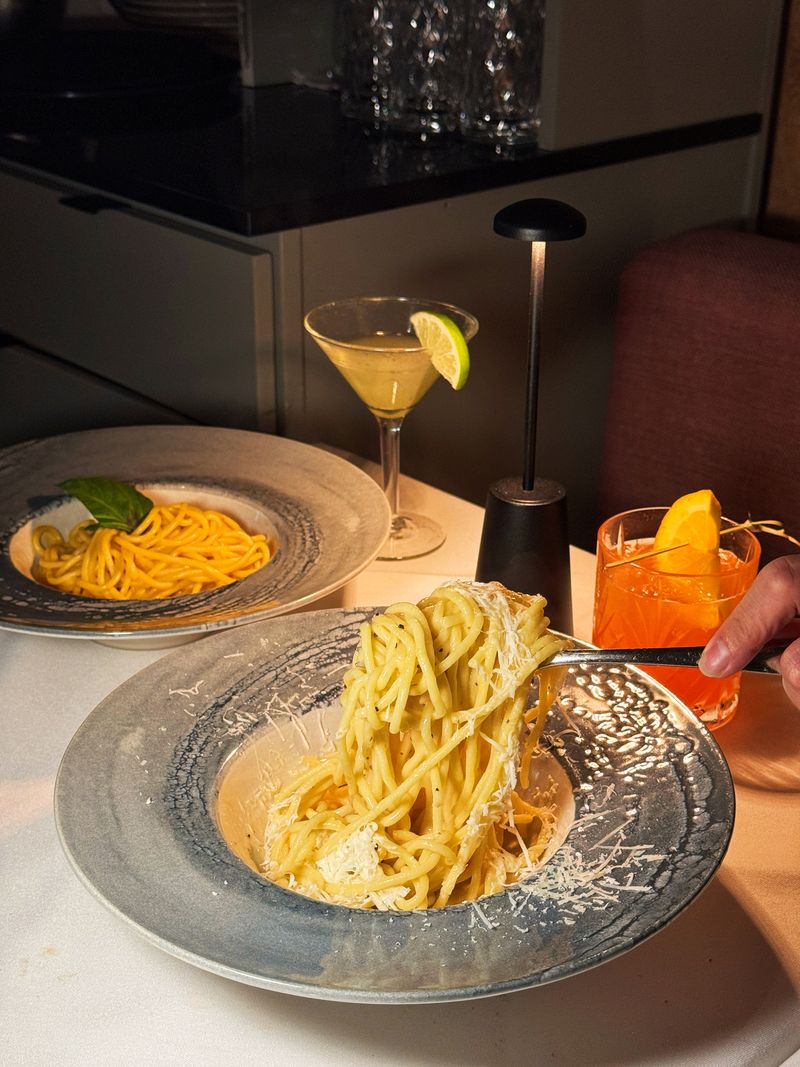
Abundance means something particular in Italian dining, and you can feel that philosophy on each plate. Portions arrive hearty enough to satisfy without tipping into novelty sizing.
Sauces coat rather than drown, maintaining shape and texture so every bite lands with intention.
Olive oil gives silk instead of sludge, and acidity stays bright to keep the palate alert. Tomato sauces remain savory and lively, not sweet, and cream appears only when the structure calls for it.
The result is generosity that invites steady eating, the kind that pairs easily with conversation over several courses.
You notice it in the pacing as much as the plating. A bowl of pasta holds temperature beautifully, letting you linger without punishment.
Proteins reach the table rested properly, which means you can share bites without losing tenderness or moisture.
That restraint never feels austere. Rather, it reflects a cook’s understanding of appetite across an entire meal.
The last forkful tastes as balanced as the first, which is harder to achieve than it looks. It is the difference between portion as theater and portion as hospitality, and diners read it immediately.
Antipasti That Set The Tone
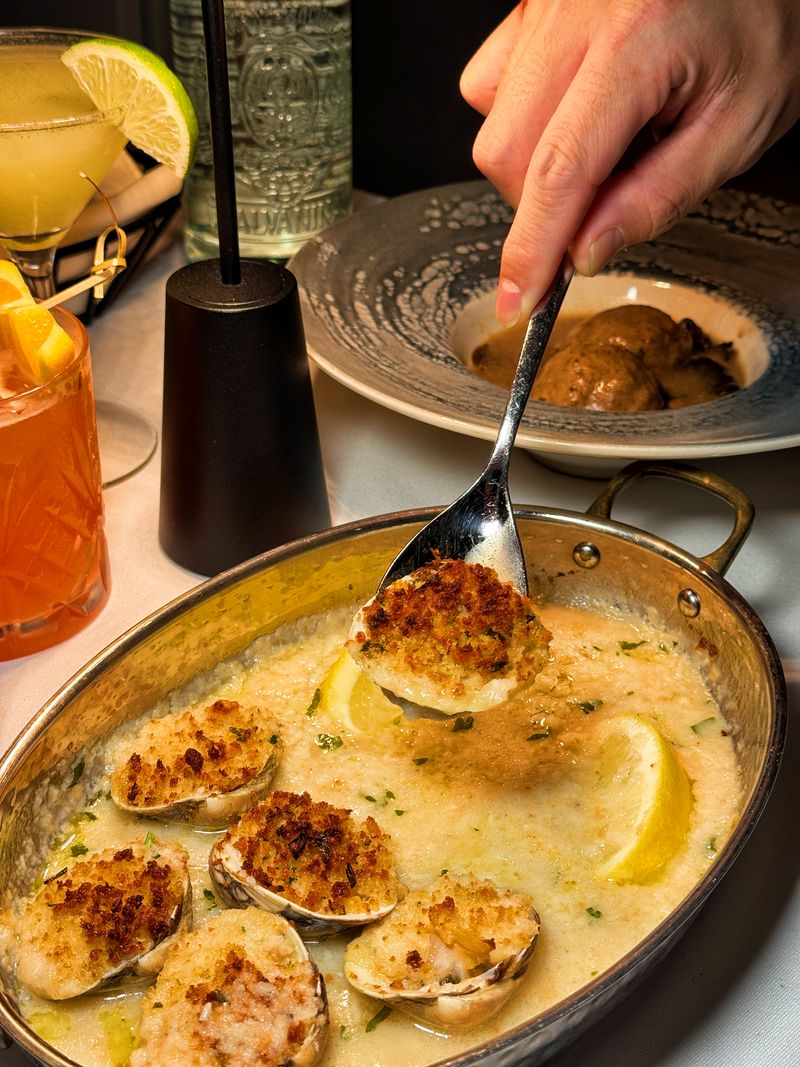
Openings shape expectation, and the antipasti here manage appetite with quiet intelligence. Baked clams arrive steaming and briny, the breadcrumbs crisp but not sandy, the lemon squeeze measured.
A stuffed artichoke eats like a conversation starter, tender leaves giving way to savory heart.
Salads lean clean and purposeful, with arugula bringing peppery lift and Parmigiano shaving in measured salinity. Prosciutto with figs lands sweet-salty in a way that readies the palate rather than tiring it.
Every component suggests a longer arc, hinting at the meal’s balance while leaving plenty of room for the pastas ahead.
Timing helps the cause. Plates reach the table in comfortable cadence, letting you share without the usual juggling act.
Crisps stay crisp, greens stay lively, and heat holds steady so nothing wilts before you can enjoy it properly.
By the time you finish, the table feels warmed up. The appetite has direction, the conversation has rhythm, and the kitchen’s perspective has declared itself eloquently.
Not flashy and not austere, these beginnings strike that rare midpoint where appetite grows sharper, not louder, and everything that follows tastes more focused.
Secondi With Patience And Restraint
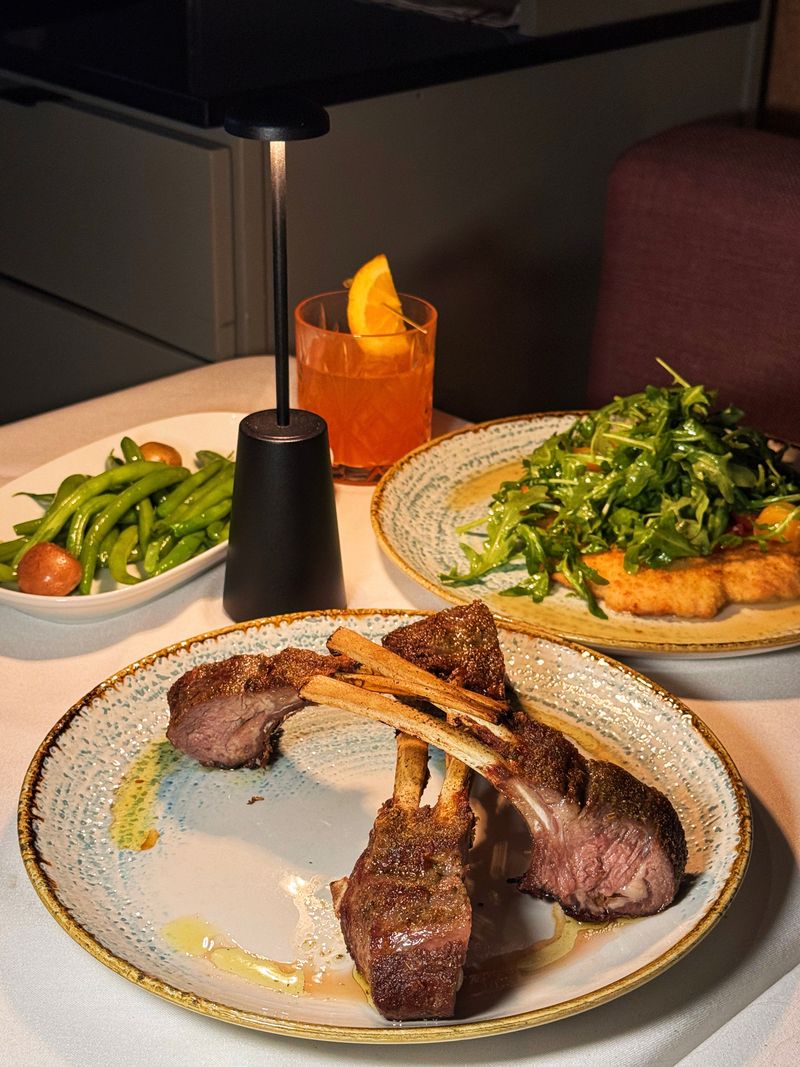
Main courses benefit from the same steady hand seen across the menu. Osso buco arrives with marrow-rich depth, the braise glossy and aromatic without excess reduction.
A pork chop shows careful searing and a gentle rest, proof that temperature control matters as much as seasoning.
Fish stays clean and precise, with branzino presented so the flesh flakes naturally and the skin carries quiet crispness. Sauces step aside, letting the quality of the protein hold center.
Garnishes stay disciplined, the plate composed to maintain heat and texture through the final bite.
Size finds that generous-but-sensible register the restaurant understands well. Sharing still makes sense, yet a single diner can finish comfortably.
The point is nourishment without drama, satisfaction without stunt portioning.
With sides aligned to complement rather than compete, the experience feels coherent. Potatoes roast properly, greens keep bite, and acids land on time.
Nothing shouts, everything talks, and the meal’s narrative stays intact, leading you toward dessert with your appetite still engaged rather than exhausted.
The Dining Room’s Measured Warmth
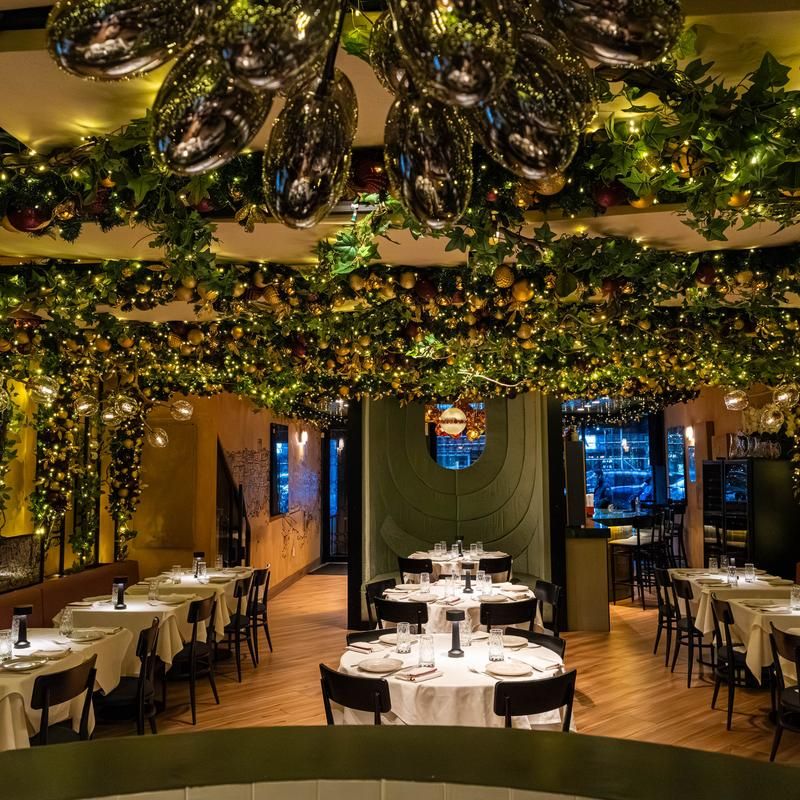
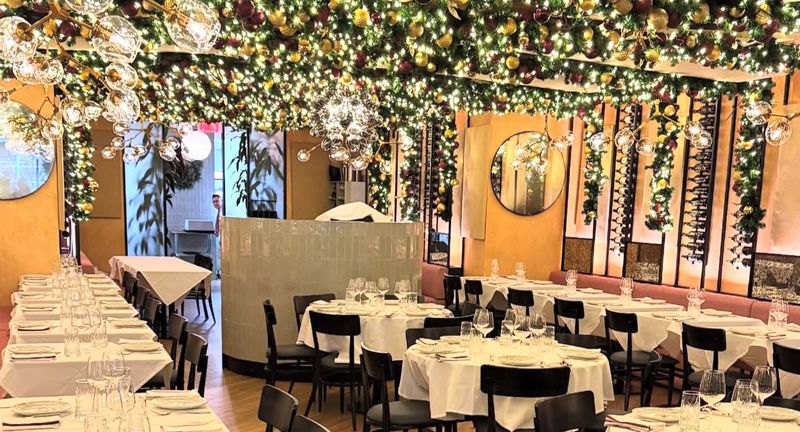
Rooms carry memory, and this one feels confidently lived in. You notice how the tables sit close enough to encourage conversation, yet not so tight that plates feel at risk.
Lighting favors faces and food equally, a practical kindness that photographers and grandparents both appreciate.
Decor avoids performance, choosing subtle nods over theme-park gestures. The space is handsome the way a well-worn leather jacket is handsome, which is to say comfortable in its own skin.
That comfort spreads across the dining room, easing posture and lowering voices to a conversational register.
Even on busy nights, the hum remains steady rather than chaotic. Staff move with a practiced path, sidestepping congestion before it forms.
Guests settle naturally, as though the room has taught people how to inhabit it over time.
By the end of the meal, the environment has done what great rooms do. It made your evening easier, it kept focus on the table, and it reminded you that hospitality is architecture as much as personality.
Quiet decisions, thoughtfully repeated, create warmth you can feel without needing it pointed out.
Portions That Travel Well Tomorrow
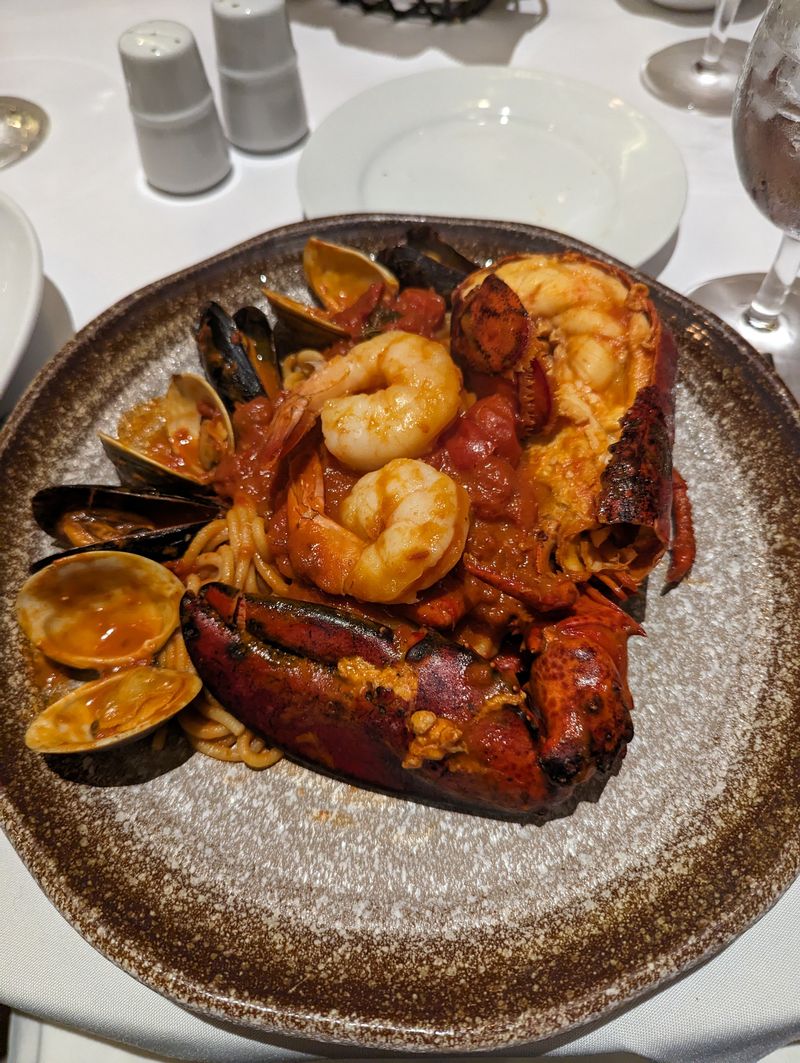
Generosity has a second life when leftovers reward patience. Many plates here reheat gracefully, especially pastas with sturdy sauces that keep structure intact.
You end up planning lunch while still enjoying dinner, which is an underrated form of hospitality.
Practicality matters when a restaurant sends food home, and this kitchen seasons with tomorrow in mind. Salt, acidity, and fat remain balanced after a rest, so the flavors feel composed rather than collapsed.
You get value without compromise, a rarity in a city where portions often chase spectacle.
There is also the simple pleasure of revisiting a favorite bite in a quieter setting. The memory of the room lingers while the dish carries the evening forward, which makes the experience stretch beyond a single sitting.
It is abundance turned into continuity.
When you finally clean the container, you might find yourself checking the calendar for a return visit. That is how loyalty grows here: through satisfaction that persists, not just an impressive first act.
Thoughtful cooking travels, and this kitchen knows the route well.
Astoria As The Perfect Context
Neighborhoods decide how restaurants live, and Astoria rewards consistency over performance. The streets around the trattoria feel residential and steady, the kind of blocks where people greet the same shopkeepers daily.
That stability supports a dining room designed for returning guests rather than endless novelty.
Locals appreciate portion fairness, reasonable pacing, and cooking that respects ingredients without unnecessary flourish. Walk-ins mingle with reservations, and the room absorbs both comfortably.
The effect is a restaurant that behaves like part of the neighborhood’s daily rhythm.
Geography also protects the experience. With fewer itinerant crowds, evenings unfold with less pressure and fewer interruptions.
Tables turn naturally, not hastily, which keeps the mood cohesive even on the busiest weekends.
In that context, the food’s honesty reads plainly. Plates feel rooted because the place is rooted, and loyalty deepens because the relationship is mutual.
Astoria offers the quiet stage; the kitchen fills it with clarity, warmth, and the kind of hospitality that does not need a spotlight.
Dessert And A Proper Goodbye
Endings should resolve the meal rather than rewrite it, and dessert here follows that wisdom. A pistachio creme brulee carries clean nut aroma under a fine glassy top, the custard set just enough to hold.
Cannoli keep their shells crisp, with filling that tastes subtle and fresh rather than over-sweet.
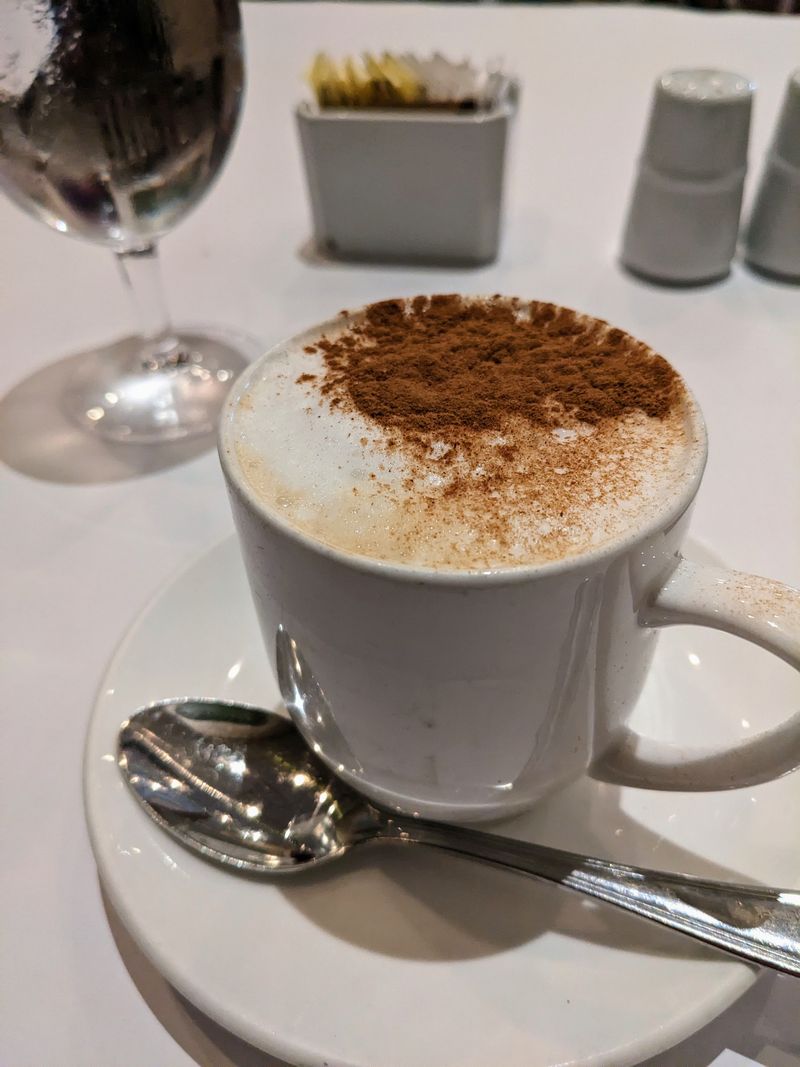
Espresso arrives hot and fragrant, cut to the bitterness that clears the palate without scalding it. If a seasonal tart appears, the fruit tastes like itself first, glazed neatly, and sliced to share.
Nothing leans cloying, which means the final bites feel welcome instead of obligatory.
Service remains attentive to the last sip. Checks come without hurry, and the table is yours until you are ready to leave.
That courtesy feels like a final course, as satisfying as the sweets themselves.
Walking out, you notice how quietly the evening reached its conclusion. No theatrics, no campaign for attention, just a proper goodbye that honors the time you spent.
And for many diners, that may be the most persuasive reason to return soon.