
This Hidden New York Italian Spot Serves Handmade Pasta Locals Wish They Could Keep Quiet
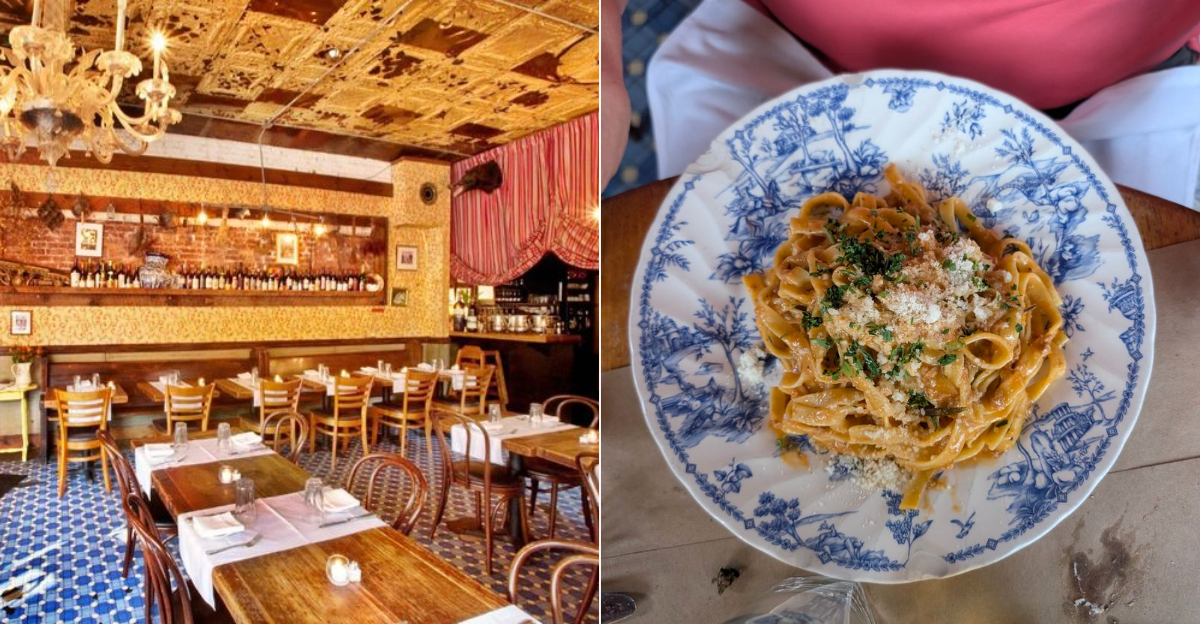
Neighbourhood places that move at their own pace invite a different kind of attention, where dinner feels like a conversation rather than a checklist and familiar faces shape the rhythm of the room. These are the spots that reward patience, encourage lingering, and make small details feel meaningful like a well-timed refill, or a table that catches the evening light just right.
That is where Al Di Là Trattoria comes in! It sits quietly on Fifth Avenue, and the regulars prefer it that way, knowing the best tables reward patience and appetite in equal measure.
Handmade pasta carries the story, but the grace notes appear everywhere, from thoughtfully chosen wines to calm, attentive service that never pulls focus from the plate. It’s the sort of place that values craft over spectacle, which helps explain why locals tend to share its name sparingly.
Crossing Into Park Slope’s Quiet Confidence
Crossing into Park Slope, the city loosens its tie and remembers how to breathe. Brownstones keep their composure while the sidewalks invite an unhurried pace, the kind that makes spontaneous dinners feel sensible.
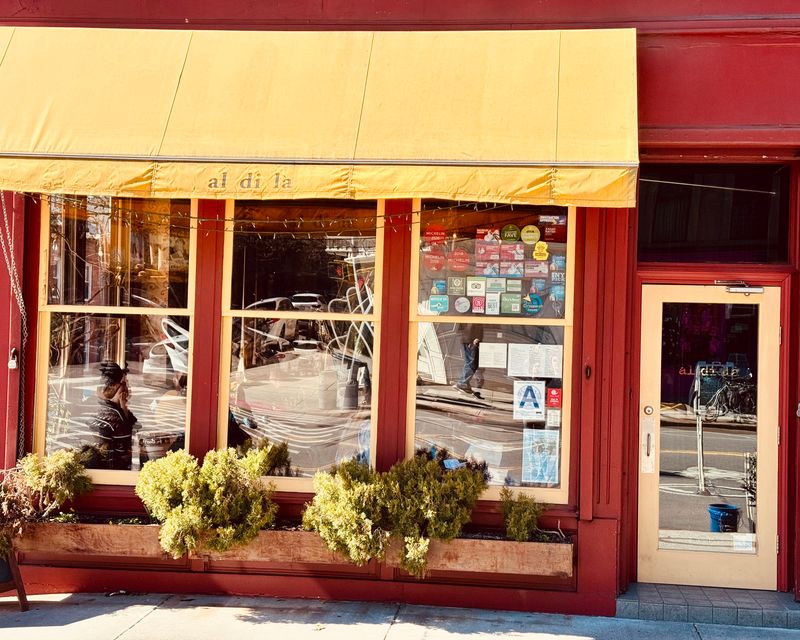
You notice the storefront for Al Di Là Trattoria only after your shoulders drop, because it behaves like a neighbor rather than a billboard. There is a gentle hum here that suggests things have time to develop.
The address appears almost incidental, yet the effect is anything but: midway along Fifth Avenue, the room at 248 5th Ave, Brooklyn, NY 11215 reveals itself gradually. Step inside and the mood lands somewhere between lived in and carefully minded, never fussy.
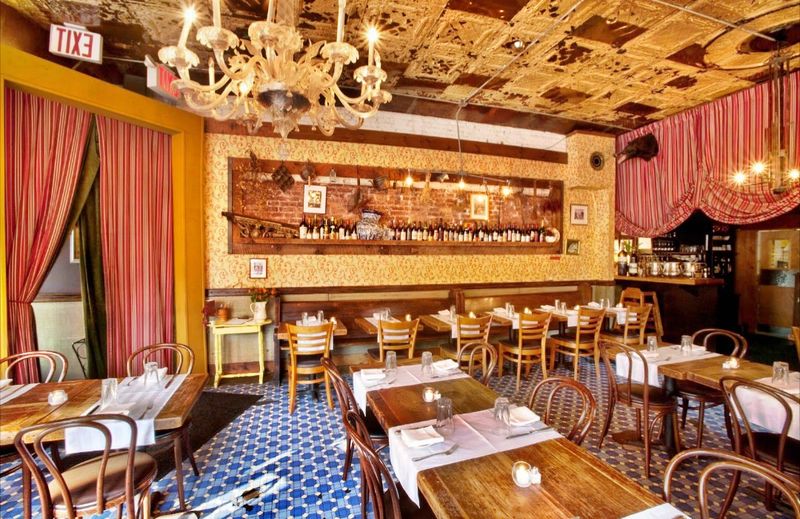
Lighting prefers warmth to drama, letting faces, not fixtures, anchor the scene. Tables sit close enough for low conversation yet never feel opportunistic.
What follows is a kind of civility that New York still excels at when it chooses. Menus arrive without script, water appears without theatrics, and someone notes your hesitation with a calm suggestion rather than a sales pitch.
The point is not performance. The point is the assurance that dinner will proceed at a human tempo, thoughtfully and without rush.
A Restaurant Built On Patience And Craft
A restaurant founded on patience announces itself quietly. Since opening in 1998, Al Di Là Trattoria has refined a focused view of northern Italian cooking under a steady, thoughtful hand.
The kitchen does not chase trends, preferring techniques that reward repetition and restraint. Guests feel that continuity immediately, as if the room were calibrated to make time behave.
History here reads like a commitment rather than a marketing line, and you sense it in the discipline of the menu. Choices remain measured, sauces speak clearly, and garnishes work rather than pose.
Returning diners recognize familiar anchors, yet nothing tastes complacent. The team keeps improving the details you only notice after the second bite.
Longevity carries responsibilities that Al Di Là meets without ceremony. Regulars measure new meals against fond memory, and the kitchen accepts the challenge with quiet confidence.
You come expecting the same equilibrium of flavor and texture and leave appreciating how deliberately it is maintained. Reliability turns into trust, and trust makes even a simple plate feel like a promise kept.
Handmade Pasta As A Daily Discipline
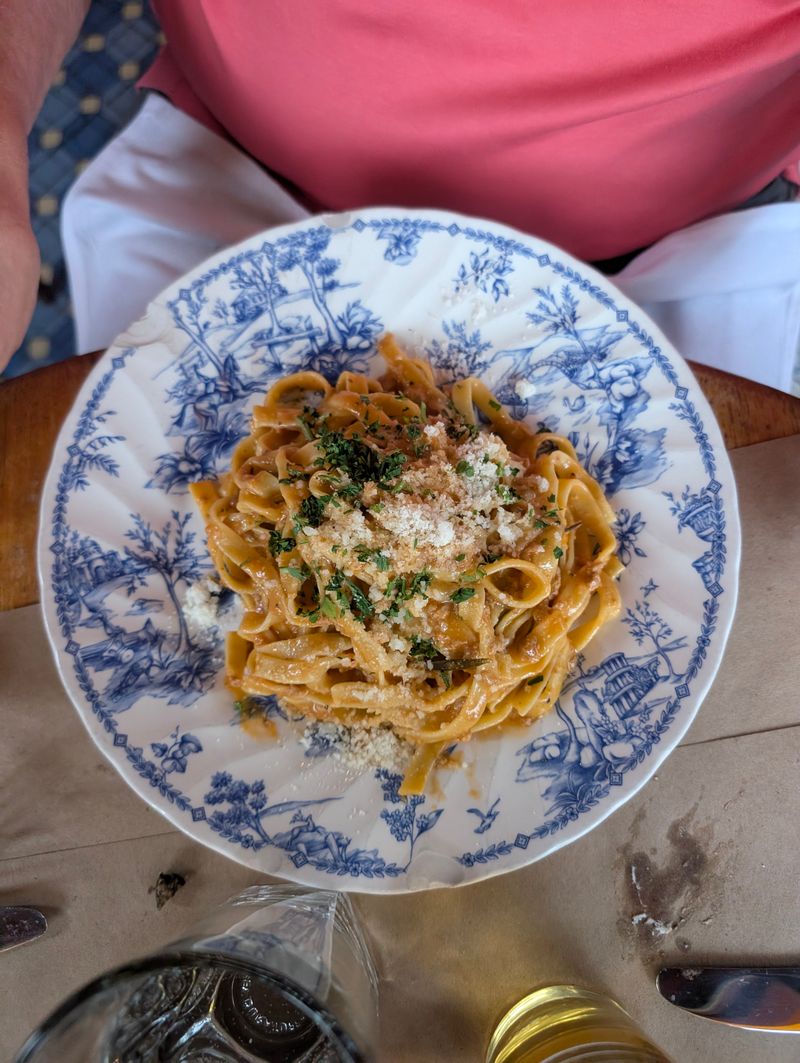
Handmade pasta, when treated as routine rather than stunt, shows its character in the first chew. Dough gets mixed, rested, and shaped with the kind of care that resists shortcuts, then matched with sauces that listen before they speak.
The result is texture with intention, a gentle elasticity that gives way at precisely the right moment. You notice wheat flavor standing firm beneath everything.
Shapes rotate thoughtfully, and the kitchen pairs each with sauce that respects architecture. Tagliatelle holds a ragu without drowning, while pappardelle suits deeper, slower flavors that need breadth.
Filled pastas arrive seasoned for clarity, never heavy or perfumed to distraction. The point is tactile intelligence, not cleverness.
Even portioning reflects a craft mindset. Plates satisfy while leaving room for curiosity about the next course, which might be a second pasta or a quietly confident secondo.
You taste method in every detail, from the salt of the cooking water to the gloss of emulsified sauce. Nothing shouts, yet you hear everything.
How The Menu Reflects Regional Sensibility
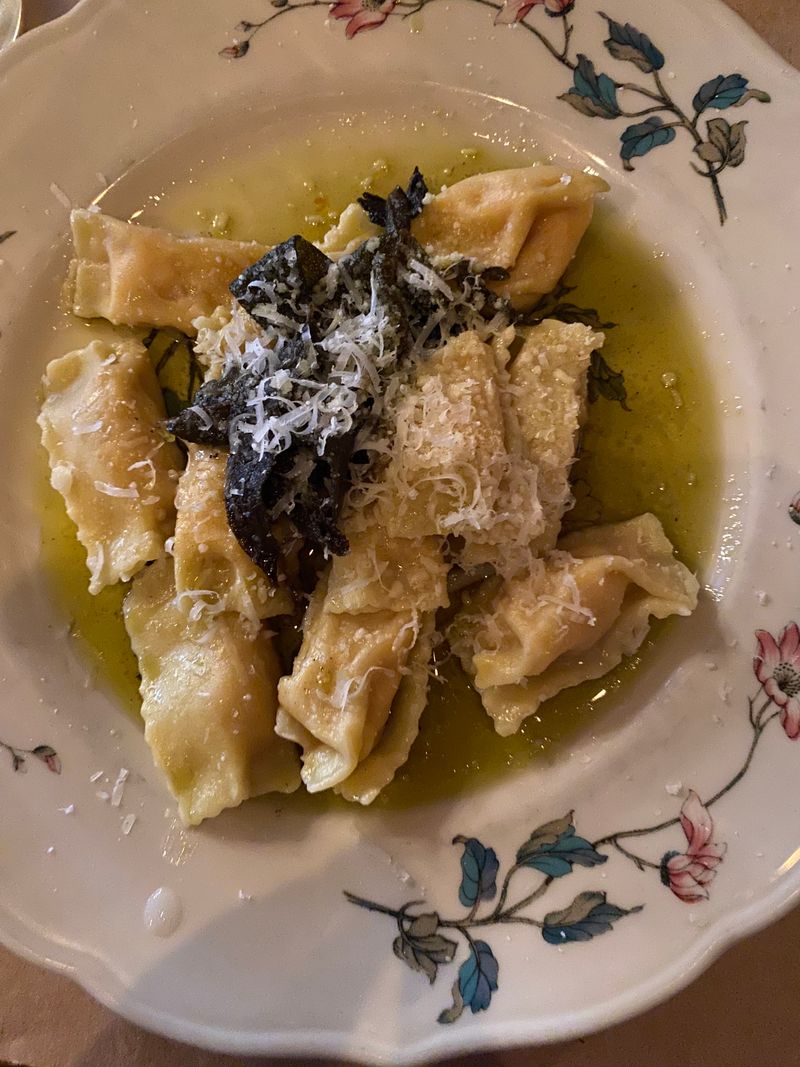
Menus that read like editorials, not catalogues, do diners a favor. Al Di Là builds its list around northern Italian sensibilities, letting the seasons do meaningful work.
Tomatoes appear when they taste like sun, mushrooms step forward when the air cools, and greens arrive to refresh rather than decorate. Butter, herbs, and careful reductions keep their balance with quiet assurance.
Filled pastas demonstrate the house philosophy in miniature. The stuffing whispers instead of shouting, seasoning remains precise, and the pasta itself commands the spotlight.
Sauces bind rather than smother, showing their purpose through texture and temperature. You finish a plate feeling heard, not lectured.
Secondi follow the same logic, often placing simple, well handled proteins beside vegetables that feel integral rather than obligatory. The choices never read as timid, only disciplined.
That discipline keeps the palate alert from antipasto to dolce. By evening’s end, your memory catalogs harmony rather than pyrotechnics.
The Pleasure Of A Meal That Does Not Rush You
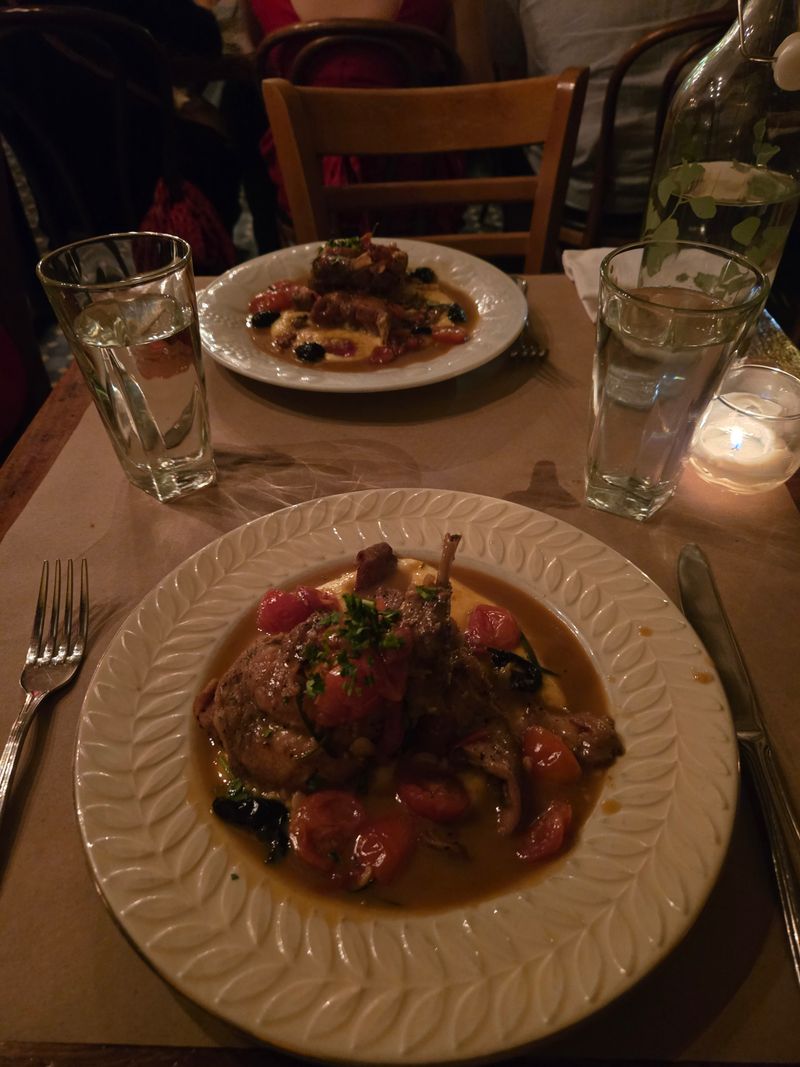
Pacing can redeem or ruin a good kitchen, and here it redeems with ease. Courses arrive in a rhythm that respects conversation, letting bites and thoughts alternate naturally.
Servers read the table without choreography, interceding when needed and vanishing when not. You sense competence rather than choreography, and that difference relaxes the shoulders.
The room keeps a low frequency hum that flatters voices. Glassware clinks without clamor, and plates land softly, as if they understood the tone of the table.
Even on lively nights, the staff protects space for focus. Attention settles, and flavors register more completely.
This measured cadence makes dinner feel longer in the best way. You leave without checking the time twice, carrying a sense that the evening unfolded, it did not merely pass.
That is a luxury in New York, and one this dining room grants without pretense or fuss. Presence becomes the quiet signature.
Portion Philosophy And The Comfort Of Enough
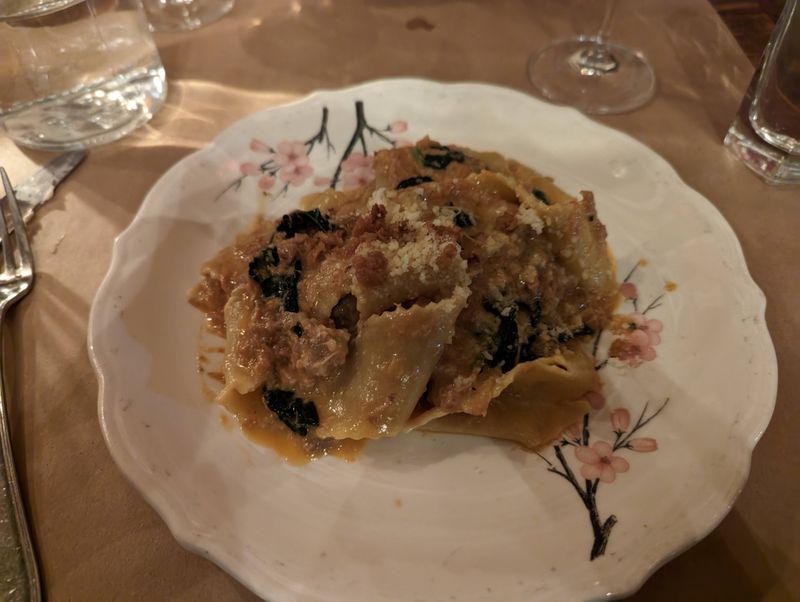
Enough is a beautiful word when it comes to dinner. Portions at Al Di Là aim for satisfaction that invites a second choice, not surrender.
Pasta bowls land generous yet measured, designed to balance appetite with attention. You feel ready to share an antipasto, consider a secondo, and still save room for cake.
This approach encourages repeat visits because the meal ends with energy, not fatigue. Plates avoid theatrical excess and instead give seasoning, temperature, and texture the stage.
That moderation creates space for a glass of amaro or a small dessert without regret. The kitchen seems to trust you to notice restraint as a virtue.
Practicality also plays a role. Balanced portions keep conversation lively and prevent the lulls that follow overeating.
They also highlight the pasta’s craftsmanship, which shines brightest at a sensible scale. By the time the check arrives, you feel cared for rather than conquered.
Why Locals Keep It Quiet
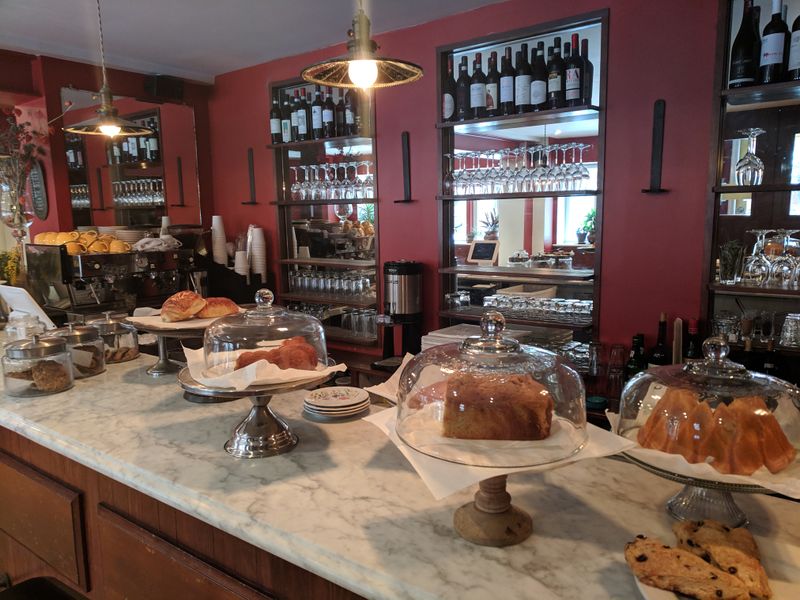
Neighborhood loyalty sometimes speaks in whispers. Regulars describe Al Di Là with the relaxed affection reserved for places that have already proven themselves.
You hear stories about favorite pastas, reliable service, and dinners that mark life’s quieter milestones. The tone is protective, not exclusive, as if volume might disturb the charm.
Attention can distort a room’s rhythm, and Park Slope knows it. Reservations get tighter, pacing stretches thin, and the hum changes pitch when hype takes over.
Here, longevity owes more to steady local support than to national spotlights, and the dining room feels better for it. Newcomers blend in easily when they arrive curious rather than convinced.
That gentle protectiveness makes sense when a restaurant feels woven into weekly life. It becomes the place you trust for visiting relatives, low key celebrations, and spontaneous Thursday dinners.
People share the recommendation selectively, hoping to preserve what makes it special. The secret, of course, is already in the pasta.
A Dining Room That Feels Human
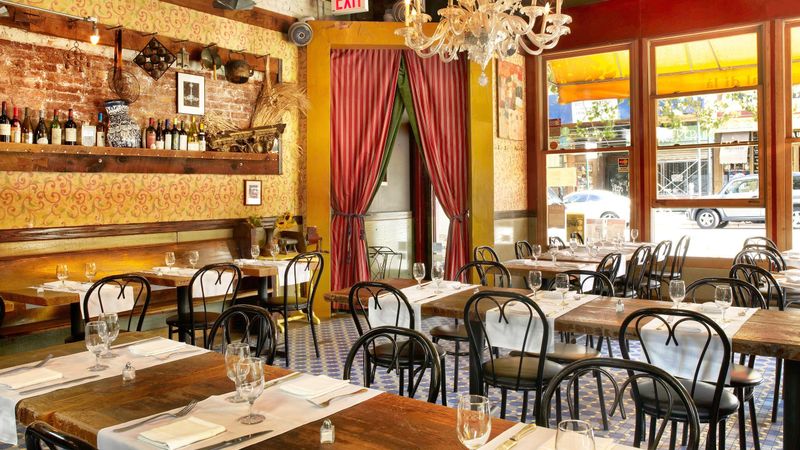
Human scale is the rarest luxury. Al Di Là’s dining room resists staging, letting conversation, not decor, provide the flourish.
Servers remember faces, the bar steers you kindly, and the small decisions that shape a night happen without announcement. You sit down and the room aligns around comfort, not choreography.
Even the attached wine bar around the corner keeps the tone consistent, offering a gentle detour when the main room fills. The list skews thoughtful rather than flashy, finding bottles that cooperate with pasta instead of competing.
Staff speak fluently about options without making a scene of it. Your glass ends up exactly where it should.
By evening’s end, the place feels less like a destination and more like a good habit. The memory that lingers is not a single dish, but the equilibrium of food, service, and pace.
In a city of spectacles, that balance reads as quietly radical. You leave wanting to return before the week ends.