
This Hidden Oregon Coastal Walk Offers Stunning Pacific Views Without The Tourist Crowds
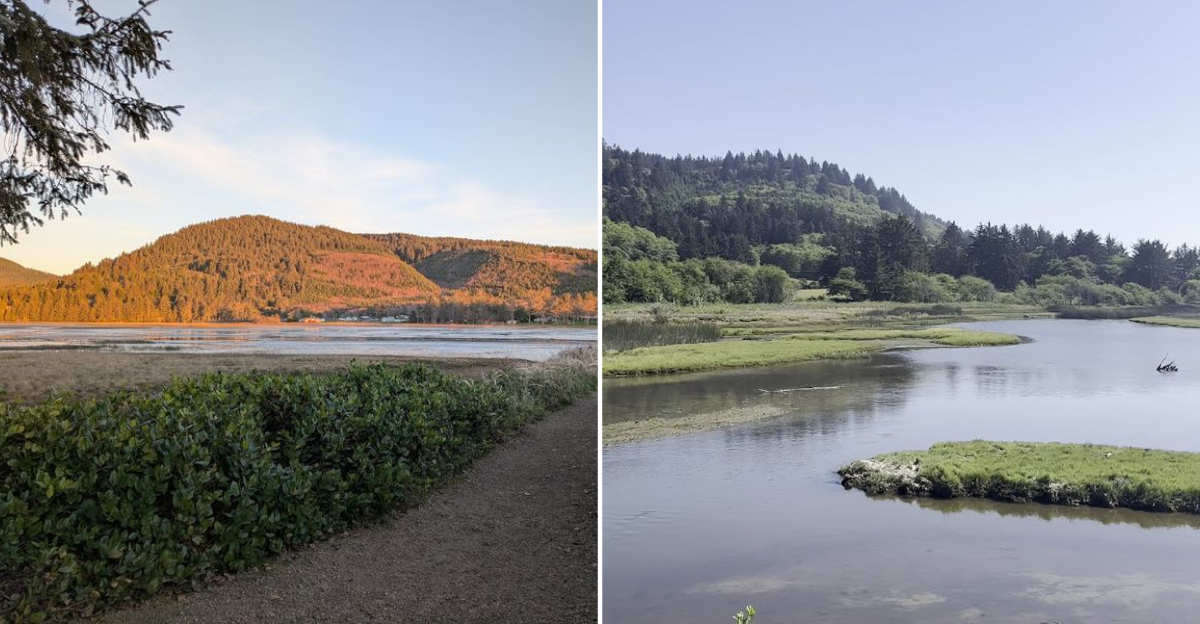
Every popular stretch of the Oregon coast has a lesser-known neighbor. A walk that runs along the same Pacific offers the same dramatic views and asks for nothing in return except the willingness to look a little harder than everyone else.
This one runs along a section of coastline that most visitors drive past without a second thought. No large parking lot pulling them in.
No landmark is famous enough to make the itinerary. Just a trail, the Pacific doing what the Pacific does, and enough space between you and the nearest stranger to actually hear the waves.
The views here are the kind that stop a conversation mid-sentence. Cliffs dropping into water so blue it looks adjusted.
Wind strong enough to remind you that you are standing on the edge of something much bigger than your travel plans. Oregon has no shortage of beautiful coastline.
But the stretches that stay with you longest are rarely the ones everyone already knows about. They are the ones you had to find yourself.
This is one of them.
Vivid Wildlife Observations Along The Trail
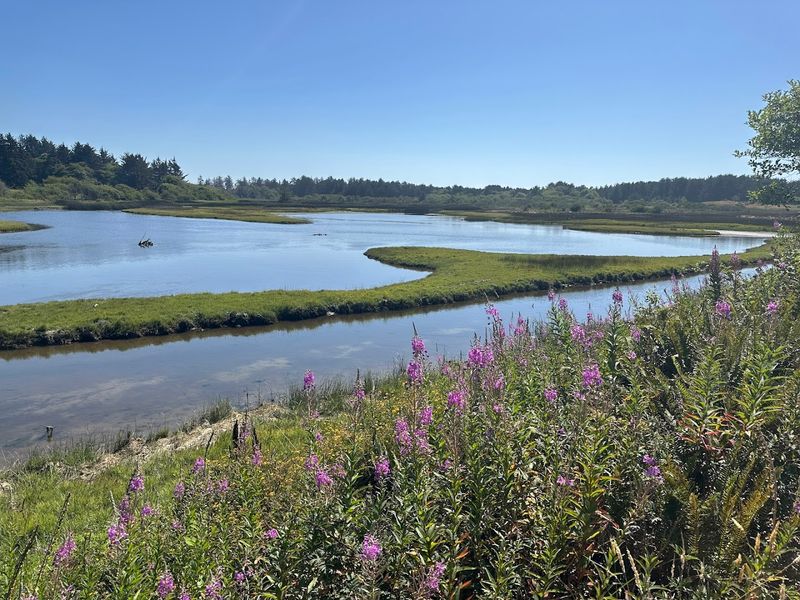
Wildlife here does not hide. The moment you enter the trail, something is already moving in the marsh grasses nearby.
Great blue herons wade slowly through shallow water like they own the place.
Bald eagles are spotted regularly overhead. Beavers and river otters work quietly along the waterways.
Coyotes sometimes appear at dusk near the forest edges.
Black bears have also been sighted in the area, so stay aware on the trail. Fresh scat near the path is a real reminder that wild animals are active here.
It adds a little edge to an otherwise peaceful walk.
Salmon move through the estuary during seasonal runs. The mix of freshwater and saltwater habitats creates a rich feeding ground for many species.
Over 43 bird species have been identified within the park boundaries.
Walking the Beltz Dike Trail gives you a front-row seat to all of this. Fresh stream water flows on one side.
Salt marsh stretches out on the other side. You get two completely different ecosystems in one short walk.
The park is located at Sandlake Rd, Cloverdale, OR 97112, and it is free to enter daily from 8 AM to 8 PM.
Unique Coastal Plant Diversity
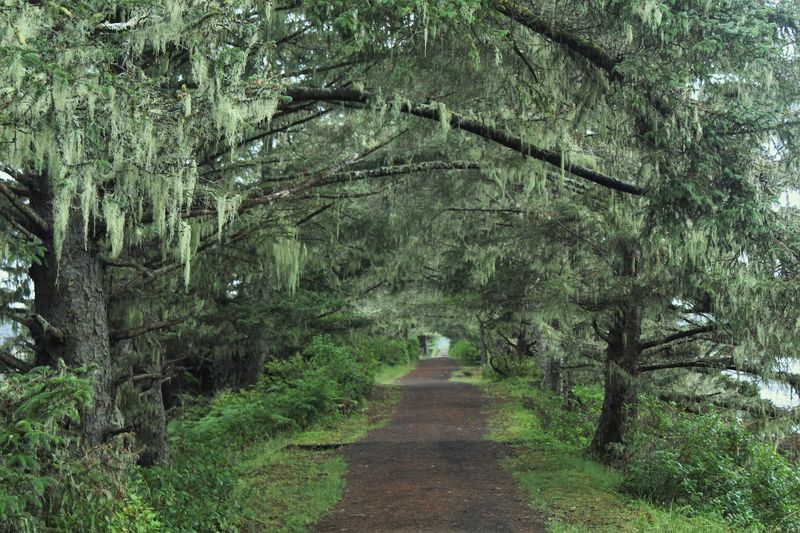
The park is literally named after a plant, so you know the vegetation here is worth paying attention to. Sitka Sedge, or Carex aquatilis v. dives, is a native grass-like plant found throughout the property.
It thrives in wetland areas and gives the landscape a lush, layered look.
Beyond the sedge, the trail passes through several distinct plant zones. You move from tidal flat vegetation into dense conifer forest and then out onto open dune grasses.
Each zone feels like a completely different world.
Pine-scented forest sections are especially refreshing on warm days. The canopy filters light beautifully in the late afternoon.
Ferns and mosses carpet the forest floor in thick green patches.
Dune plants near the beach hold sand in place with deep root systems. Without them, the dunes would shift dramatically with every storm.
These plants are doing critical work that most visitors never think about.
Saltwater marsh edges are lined with reeds and grasses that filter runoff naturally. The variety of plant communities packed into 357 acres is genuinely impressive.
Botanists and casual walkers alike find something interesting at every turn on this trail.
Quiet Beaches With Secluded Sand Dunes
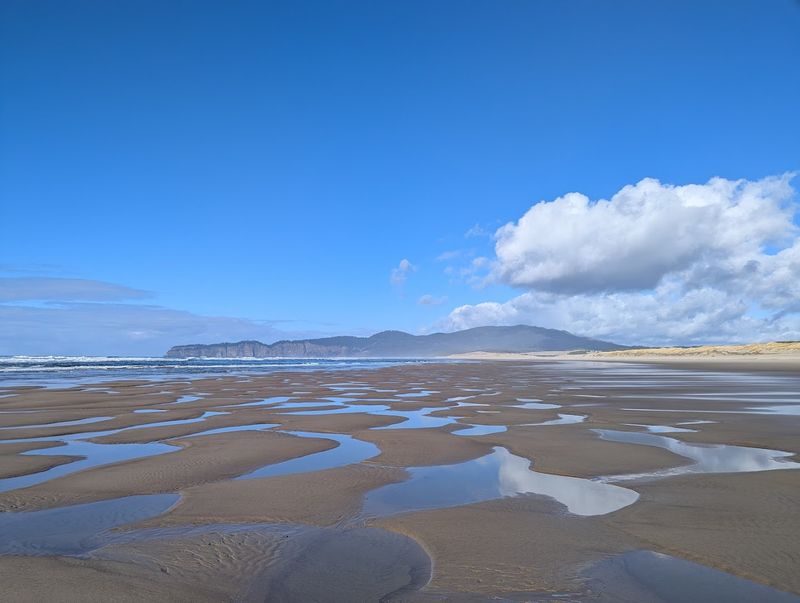
The beach at the end of the Beltz Dike Trail is one of the quietest stretches of Oregon coastline you will find. No vendors, no umbrellas stacked in rows, no noise.
Just sand, wind, and open water.
Getting there requires a short uphill push through loose sand near the dune crests. It is brief but worth every step.
Once you reach the top, the Pacific opens up in front of you in a way that genuinely stops you mid-stride.
Views from the dune crests stretch from Haystack Rock and Cape Kiwanda to the south, all the way up to Cape Lookout in the north. That is a sweeping panorama that most visitors at crowded beaches simply do not get.
You earn this view with your legs.
The sand here is soft and clean. Bring a blanket and something to eat.
People have been known to sit for hours just watching the waves roll in without seeing another soul.
Even on summer Saturdays, the beach stays calm. The limited parking lot naturally keeps crowds small.
It is one of those rare Oregon spots where solitude is practically built into the design of the place.
Rare Birdwatching Opportunities In Coastal Habitat
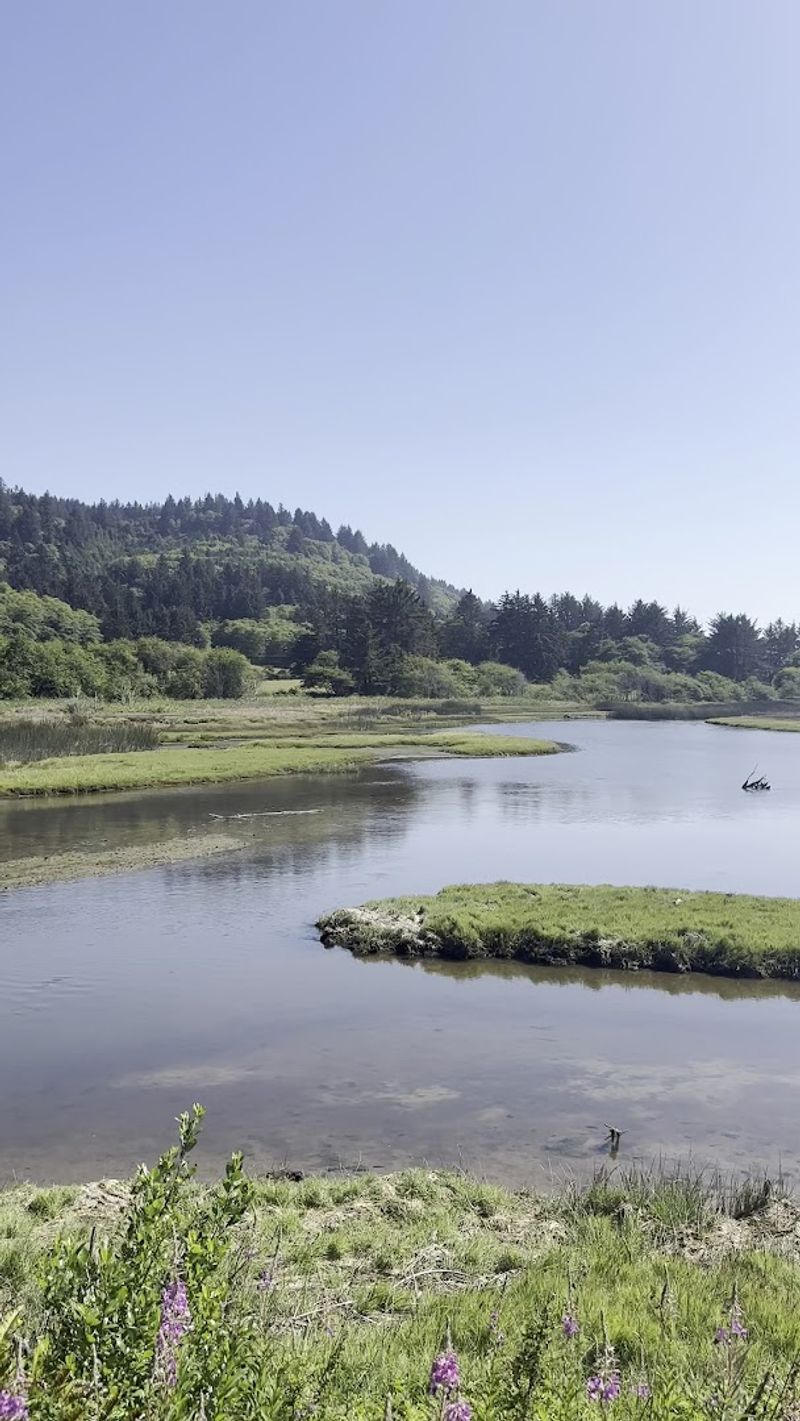
Birdwatchers call this place a paradise, and that is not an exaggeration. Over 43 bird species have been recorded within the park.
That number keeps growing as more observers visit and document what they see.
Western Snowy Plovers nest on the beach seasonally. They are a threatened species, and the park takes their protection seriously.
From March 15 through September 15, certain beach sections are restricted to protect active nesting areas.
Eagles circle above the estuary with impressive regularity. Kingfishers dart low over the water with that distinctive rattling call.
Vultures ride thermals above the dune ridges in the afternoon.
The mix of habitats is what makes birdwatching here so productive. You get shorebirds on the beach, wading birds in the marsh, raptors above the forest, and songbirds deep in the conifers.
That range in one small area is unusual.
Early mornings are the best time to visit for birding. The park opens at 8 AM, which lines up perfectly with peak bird activity.
Bring binoculars and move slowly. The birds here are active but not overly skittish, which gives you genuinely great viewing moments without much effort.
Photographic Perspectives Of Pacific Horizons
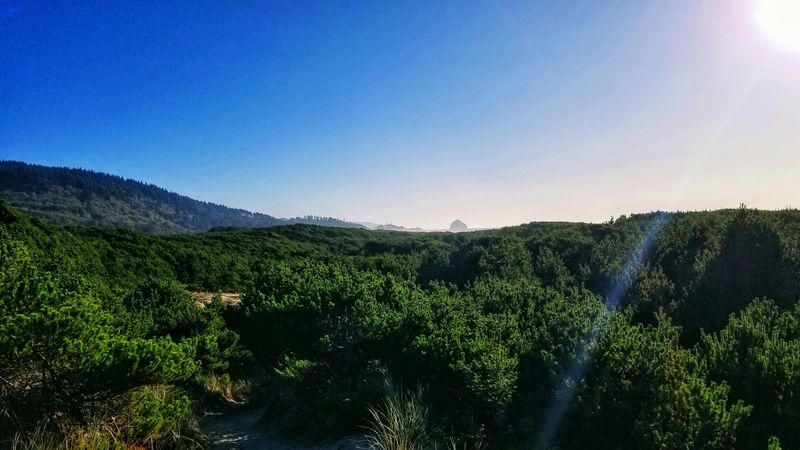
Photographers who visit Sitka Sedge come back with full memory cards. The variety of compositions available along the trail is genuinely surprising for a relatively short walk.
You get wetlands, forest light, dunes, and open ocean all within about 3.5 miles.
The dune crests are the best spots for wide Pacific shots. From up there, you can frame Haystack Rock in one direction and Cape Lookout in the other.
On clear days, the light hits the water in a way that makes every shot look effortful even when it is not.
The Beltz Dike Trail offers great reflective water shots in the morning. The calm estuary surface mirrors the sky and surrounding vegetation.
Golden hour here is absolutely worth planning around.
Forest trail sections create moody, filtered light compositions. Ferns and sedge grasses frame the path naturally.
You do not need to stage anything because the environment does the work for you.
Wildlife shots are also plentiful here. Patient photographers have captured herons, eagles, and otters without using long telephoto lenses.
The animals are close enough on many parts of the trail that a standard zoom lens works well. No crowds blocking your shot is a real bonus.
Environmental Conservation Efforts In The Area
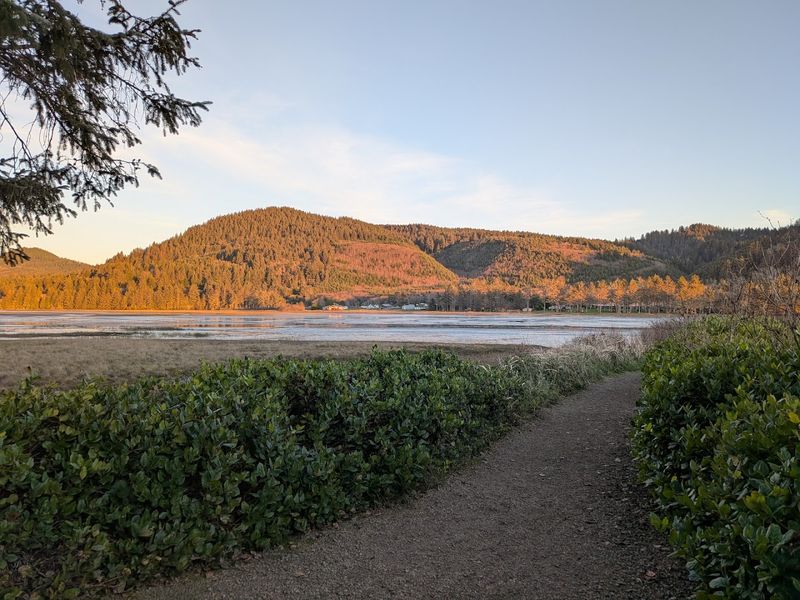
This land has a layered history that makes its current protected status feel genuinely earned. The property was originally the Beltz farm, a working cattle operation on an estuary.
It went through multiple development proposals, including plans for a golf course and a resort.
Oregon State Parks ultimately acquired the land, and conservation managers have worked steadily to restore its natural functions. The old dike system, originally built for farming, now serves as a trail and a buffer between freshwater and saltwater zones.
A rusted tide gate near Tierra Del Mar still prevents flooding today.
Western Snowy Plover management is an active priority here. Seasonal beach restrictions are enforced to protect nesting birds.
Dogs and horses are subject to specific access rules that change based on the time of year.
The park operates on a pack-in, pack-out policy. No trash bins are provided on-site, which keeps the environment clean and discourages casual littering.
Visitors consistently leave the park in excellent condition.
Oregon State Parks staff and volunteers monitor the area regularly. The fragile ecosystem of tidal flats, dune habitats, and forested wetlands requires ongoing attention.
Staying on marked trails is one of the simplest and most important things visitors can do to help preserve this place.
Changing Tides And Coastal Geology Insights
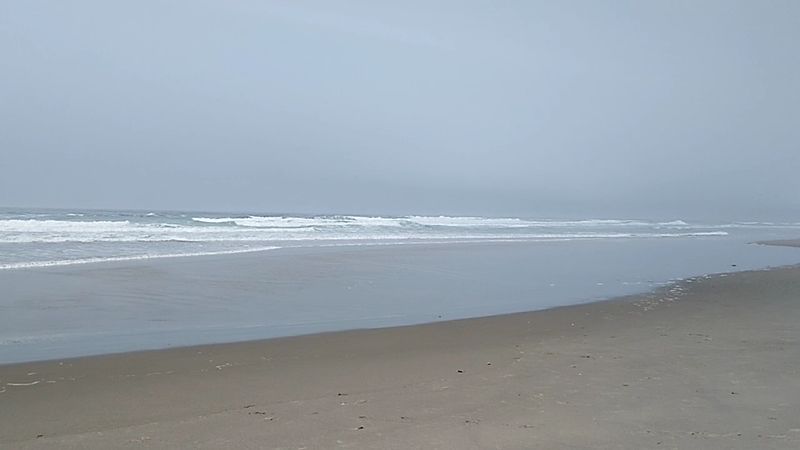
Entering the Beltz Dike Trail gives you a clear look at how tides shape this landscape daily. On one side of the dike, fresh stream water flows steadily.
On the other side, saltwater marsh expands and contracts with the tides. The contrast is visible and fascinating.
Sand Lake estuary sits at the south end of the park. It is a dynamic system where ocean tides push saltwater inland and then retreat.
This constant movement sculpts the mudflats, channels, and marsh edges you see from the trail.
The dunes near the beach are also geologically active. Wind constantly moves sand across the surface, reshaping crests and slopes over time.
Plants like beach grass and native sedges stabilize these formations, but the process is always ongoing.
Coastal erosion is visible along some beach sections. Storm surges cut into the dune faces during the winter months.
Visiting in different seasons shows you just how dramatically this coastline shifts across a single year.
The geology here reflects millions of years of Pacific coastal processes. Sediment carried by rivers meets ocean deposits along this stretch.
For anyone interested in how coastlines actually work, this estuary is a living classroom with no admission fee and no crowds blocking your view.
Seasonal Weather Patterns Affecting The Walk
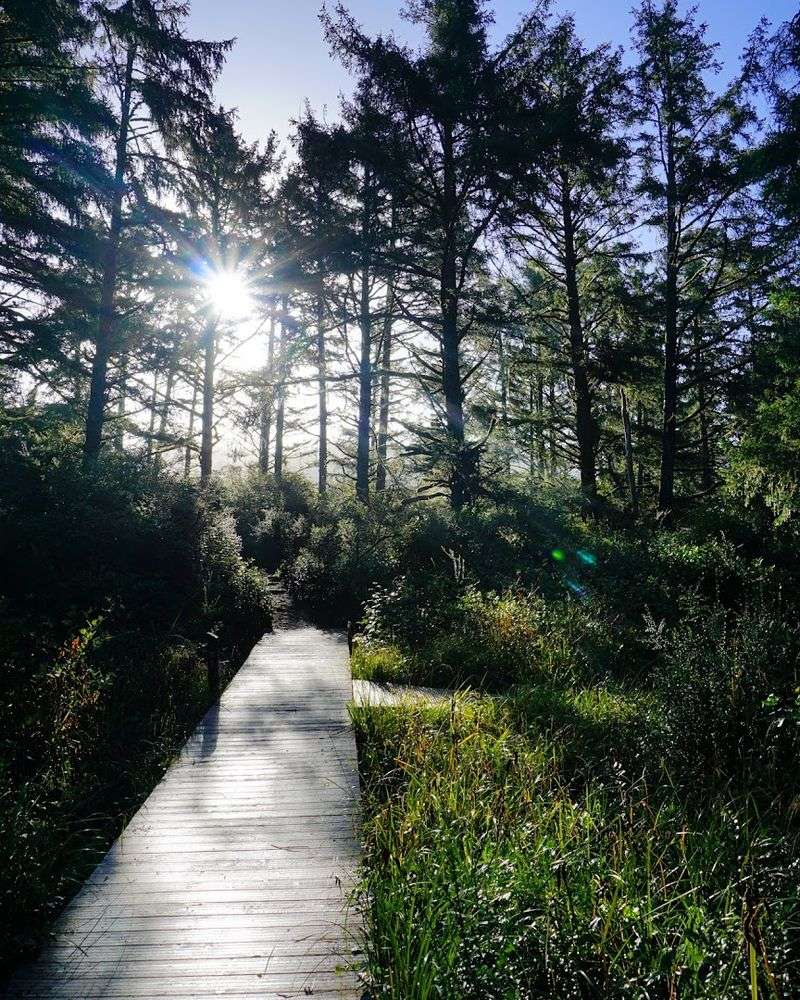
Oregon coast weather is famously unpredictable, and Sitka Sedge is no exception to that rule. Summer visits are generally pleasant, with mild temperatures and occasional morning fog that burns off by midday.
The forest sections of the trail provide welcome shade on warmer afternoons.
Wind is a constant presence near the beach and dune areas. On exposed dune crests, gusts can be strong enough to make you rethink your hat choices.
The forested trail sections offer a natural windbreak that makes the walk comfortable even on blustery days.
Bugs are a real consideration during warmer months. The wetland and shaded forest areas are prime mosquito territory.
Bringing insect repellent is genuinely useful advice for summer visits, not just a suggestion.
Winter visits bring rain and dramatic skies. Storm light on the Pacific horizon can produce incredible photography conditions.
The trails stay mostly walkable in winter, though the sandy beach approach gets wetter and softer.
Spring and fall offer the most balanced conditions for visiting. Crowds are thinner, temperatures are moderate, and wildlife activity is high during migration periods.
The park is open daily from 8 AM to 8 PM year-round, so planning around daylight hours is straightforward regardless of the season you choose.