
This Hidden Oregon Garden Looks Like It Was Pulled From A Storybook
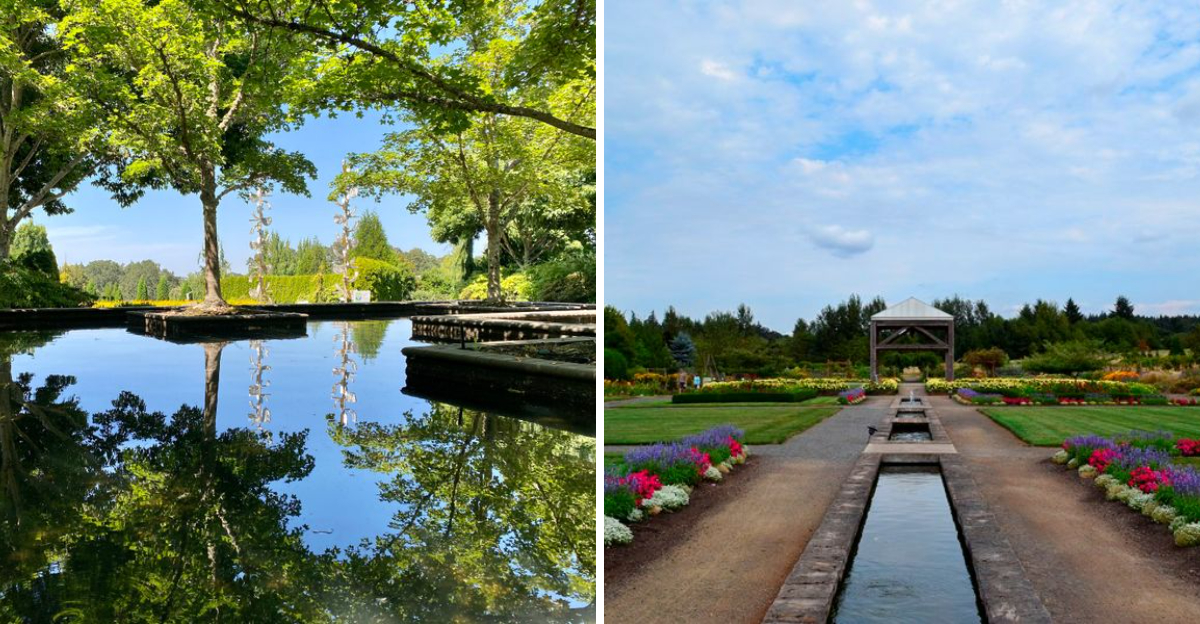
Tucked away in the small town of Silverton, Oregon, sits a botanical treasure that feels like it belongs in the pages of a fairy tale. The Oregon Garden sprawls across 80 acres of rolling hills, meandering paths, and specialty gardens that change with every season.
Whether you’re wandering past tranquil ponds or discovering hidden corners filled with rare plants, this place offers an escape that’s both peaceful and enchanting. It’s the kind of destination that reminds you to slow down, breathe deeply, and remember why gardens matter.
It Spans 80 Acres—But Somehow Still Feels Intimate
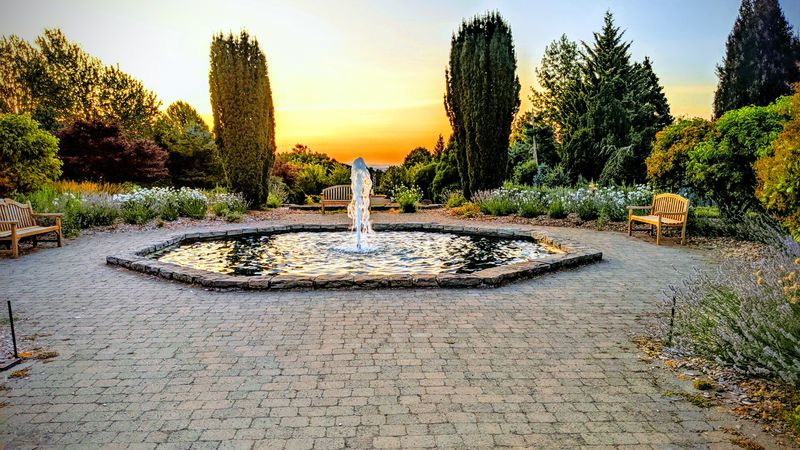
Size doesn’t always translate to distance, and The Oregon Garden proves that beautifully. Spread across 80 acres of gently rolling terrain, the garden manages to feel approachable rather than overwhelming.
Paths curve and divide in ways that invite exploration without confusion.
Visitors often spend hours here without realizing how much ground they’ve covered. The layout encourages wandering at your own pace, with benches positioned thoughtfully along the way.
Even on busier days, the space absorbs crowds gracefully.
Located at 879 W Main St in Silverton, the garden opens daily from 10 AM to 3 PM. Guests frequently mention how the design balances openness with seclusion, creating pockets of quiet even when others are nearby.
You never feel rushed, and you never feel lost—just pleasantly immersed in a landscape that unfolds one charming scene at a time.
More Than 20 Specialty Gardens, Each With Its Own Personality
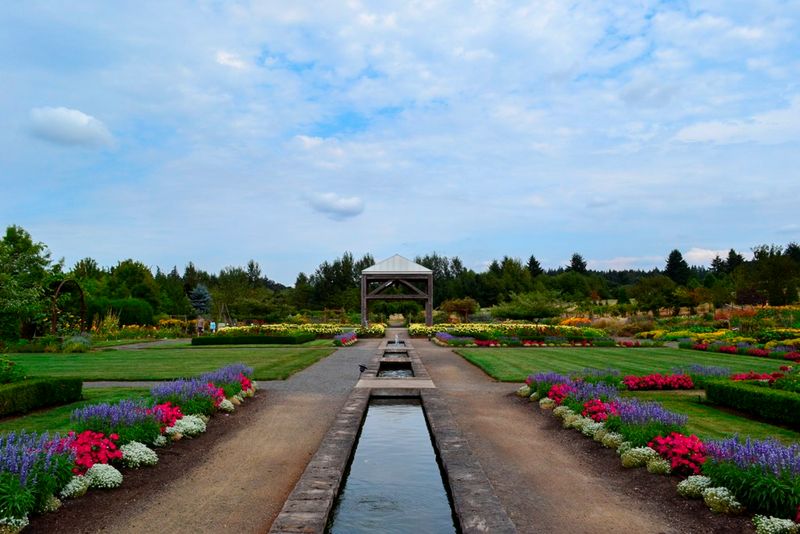
Walking through The Oregon Garden feels less like visiting one place and more like discovering a series of small worlds. Over 20 specialty gardens occupy different corners of the property, each with a distinct theme and character.
One moment you’re admiring the structured elegance of the Conifer Garden, and the next you’re stepping into the playful chaos of the Children’s Garden.
The variety keeps things interesting without feeling chaotic. Wetlands transition into rose gardens, which give way to native plant collections and ornamental displays.
Each area has been designed with intention, offering something new to notice every time you visit.
Guests appreciate how the gardens shift with the seasons, too. Spring bulbs give way to summer blooms, which fade into autumn color and winter evergreens.
No two visits are ever quite the same, which is exactly the point.
Winding Paths That Make You Forget Where You Parked
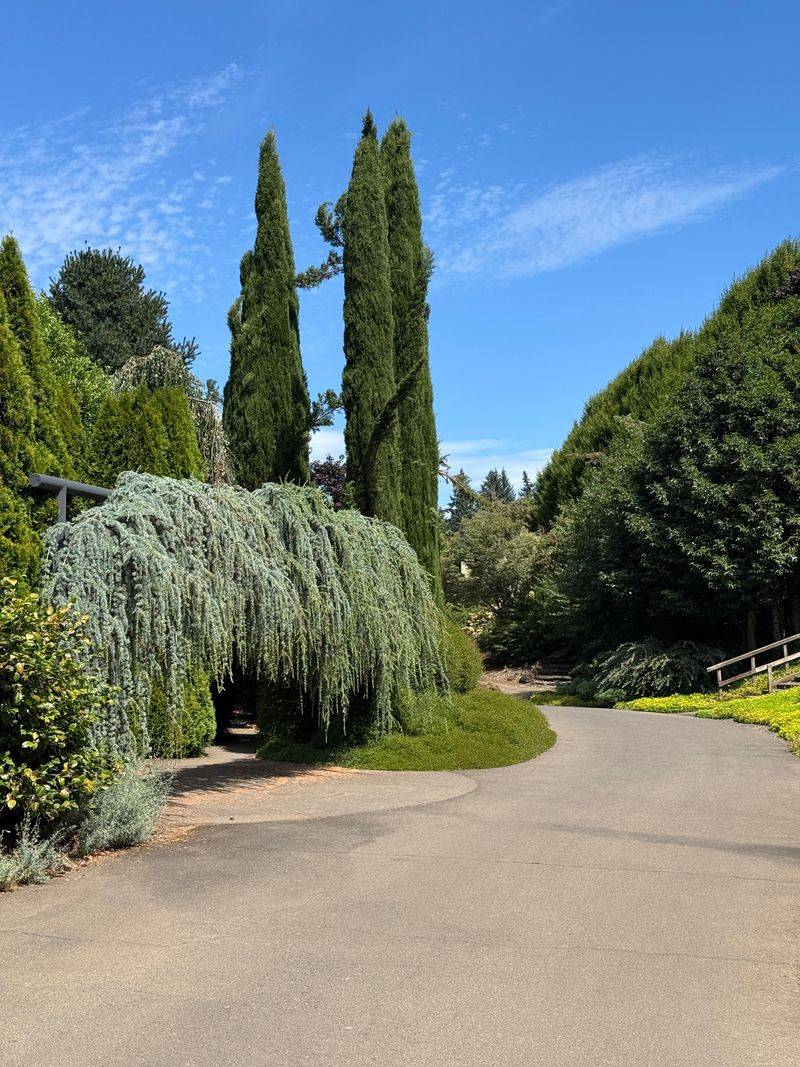
Straight lines have no place here. Paths curve and loop through the garden in ways that feel organic rather than engineered.
You follow one trail thinking it will lead back to the entrance, only to find yourself beside a pond you didn’t know existed.
That sense of pleasant disorientation is part of the charm. The layout encourages exploration without heavy-handed signage or rigid directions.
Visitors mention how easy it is to lose track of time while wandering, which is a feature, not a flaw.
Gentle inclines make the walk manageable for most fitness levels, and benches appear just when you need them. The paths themselves are well-maintained, wide enough for strollers and wheelchairs in most areas.
You can walk for two hours or four, depending on how many detours you take and how often you stop to look closer.
Bridges, Ponds, And Water Features Straight Out Of A Children’s Book
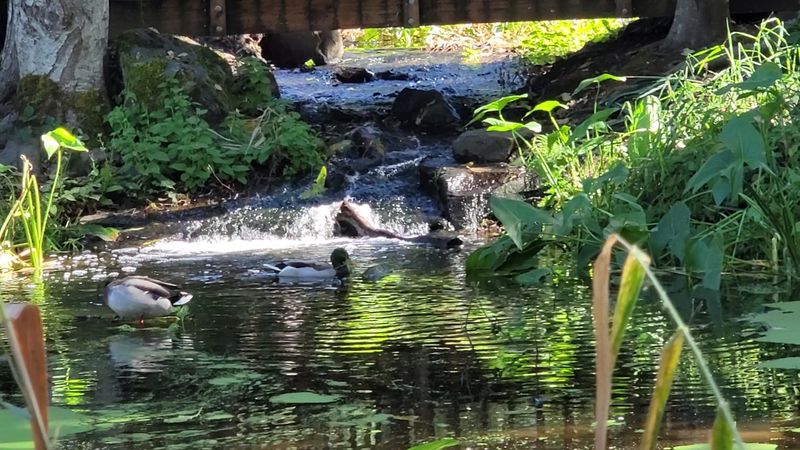
Water plays a starring role throughout the garden, showing up in ponds, streams, and fountains that feel both deliberate and natural. Small bridges arch over quiet waterways, inviting you to pause and watch for frogs or fish below.
Children love these spots, and adults find them surprisingly calming.
The A-Mazing Water Garden is a particular favorite, though it’s occasionally closed for seasonal maintenance. When open, it offers a whimsical maze experience centered around water.
Other ponds are scattered throughout the property, each with its own ecosystem of plants and wildlife.
Dragonflies hover over the surface in summer, and ducks paddle lazily between lily pads. Visitors often mention the sound of water as one of the most memorable parts of their visit—gentle, constant, and soothing.
It’s the kind of detail that makes the garden feel alive rather than static.
Seasonal Blooms That Rewrite The Story All Year Long
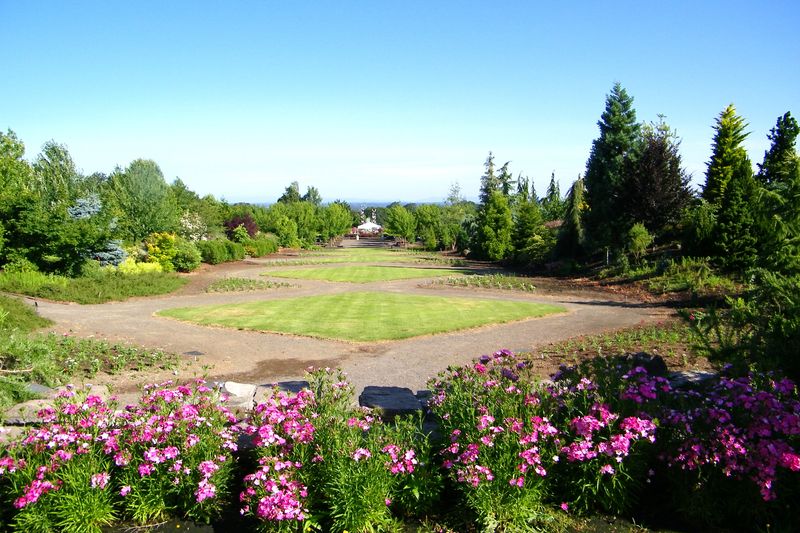
Spring arrives early here, with bulbs pushing through the soil while snow still lingers in the surrounding hills. Tulips, daffodils, and hyacinths create bursts of color that feel especially vivid after a gray winter.
By summer, roses take over, filling the air with fragrance and drawing bees by the hundreds.
Autumn brings a different kind of beauty, with Pacific Sunset maples turning shades of orange and red that rival any New England display. Even winter has its moments, as evergreens hold their ground and early-blooming hellebores offer quiet surprises.
Staff encourage visitors to return throughout the year to see how the garden transforms. Each season tells a different story, and regulars often have strong opinions about which one is best.
The truth is, there’s no wrong time to visit—just different moods and colors to appreciate.
A Garden Designed To Be Explored Slowly
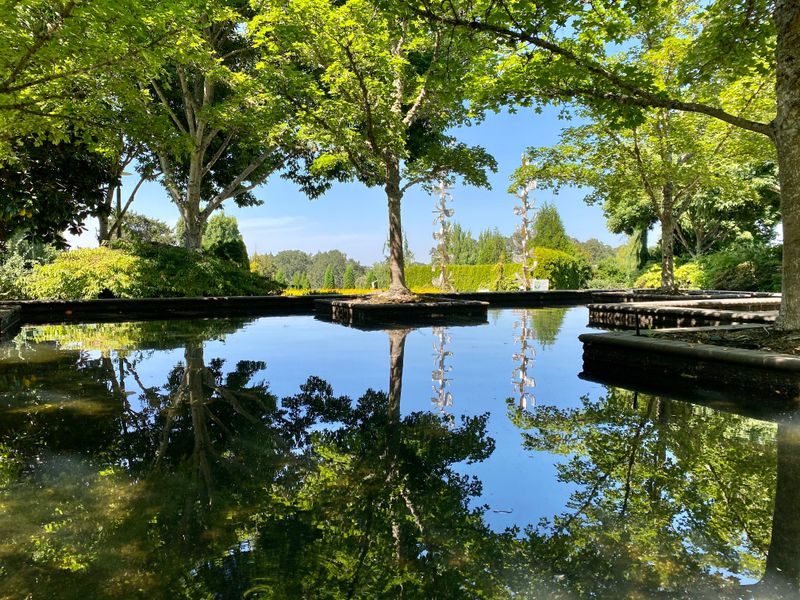
Rushing through this place would be like skimming a novel—you’d miss most of what makes it worthwhile. The Oregon Garden rewards patience and attention, offering layers of detail that only reveal themselves when you slow down.
A plant label might teach you something new, or a bench might offer the perfect view of a distant hillside.
Many visitors take advantage of the tram, which runs every 30 minutes and provides a guided overview of the property. Drivers like Doug and Phil are known for their enthusiasm and knowledge, sharing stories about the garden’s history and pointing out features you might otherwise overlook.
But walking remains the best way to experience the garden. You control the pace, choose your own detours, and stop whenever something catches your eye.
Guests often mention spending two to four hours here, and even then, they rarely see everything.
It’s Tucked Away In Silverton, Not A Big City
Silverton doesn’t show up on most tourist maps, which is part of its appeal. This small town sits about 40 minutes southeast of Salem, surrounded by farmland and forested hills.
It’s the kind of place where locals know each other by name and the pace of life feels deliberately unhurried.
The Oregon Garden fits perfectly into this setting. There’s no urban noise, no traffic congestion, just a quiet corner of the Willamette Valley where plants take priority.
Visitors often pair a garden visit with a walk through downtown Silverton, which offers charming shops, cafes, and murals.
The location also means the garden feels less crowded than similar attractions near Portland or Eugene. Parking is plentiful, and advance tickets aren’t usually necessary except during special events.
It’s accessible without being overrun, which strikes a balance that’s increasingly rare in popular destinations.
You Can Wander For Hours Without Seeing Everything
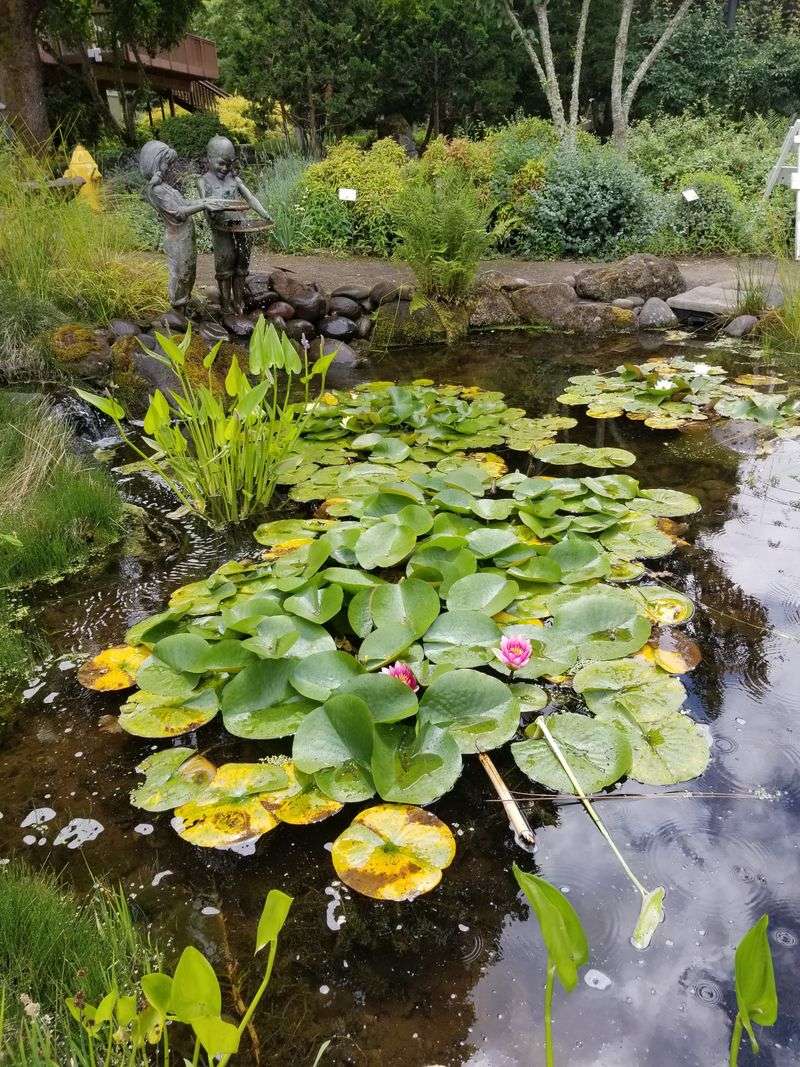
Completionists might find The Oregon Garden frustrating, because there’s always one more path to explore or one more corner to investigate. The property is large enough that even a thorough visit leaves something for next time.
Trails loop and intersect in ways that encourage spontaneous decisions rather than rigid itineraries.
Guests who visit regularly often discover new details on each trip—a plant they hadn’t noticed before, a bench with a particularly nice view, or a section of the garden they’d somehow missed entirely. The layout doesn’t follow a single obvious circuit, which means there’s no “right” way to experience it.
That openness can feel liberating. You’re free to focus on what interests you most, whether that’s water features, native plants, or simply finding a quiet spot to sit.
The garden accommodates different styles of exploration without judgment or pressure.
Even The Quiet Corners Feel Intentional
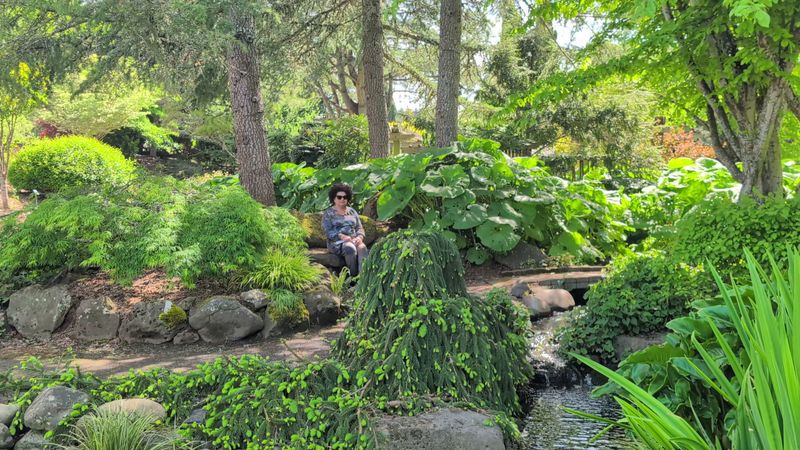
Not every part of the garden demands attention, and that’s by design. Some areas are meant to be discovered quietly, offering moments of solitude rather than spectacle.
A simple bench under a tree, a small clearing surrounded by ferns, or a narrow path that leads away from the main routes—these spaces feel deliberate rather than forgotten.
Staff clearly understand that gardens need breathing room. Not every square foot needs to be planted with showstoppers or filled with activity.
The quiet corners provide contrast, giving your eyes and mind a chance to rest between more elaborate displays.
Visitors often mention these spots as their favorites, precisely because they feel less staged. There’s a sense of stumbling upon something personal, even though thousands of people pass through each year.
It’s a small but important detail that separates a well-designed garden from a merely impressive one.
It’s Equal Parts Manicured And Wild
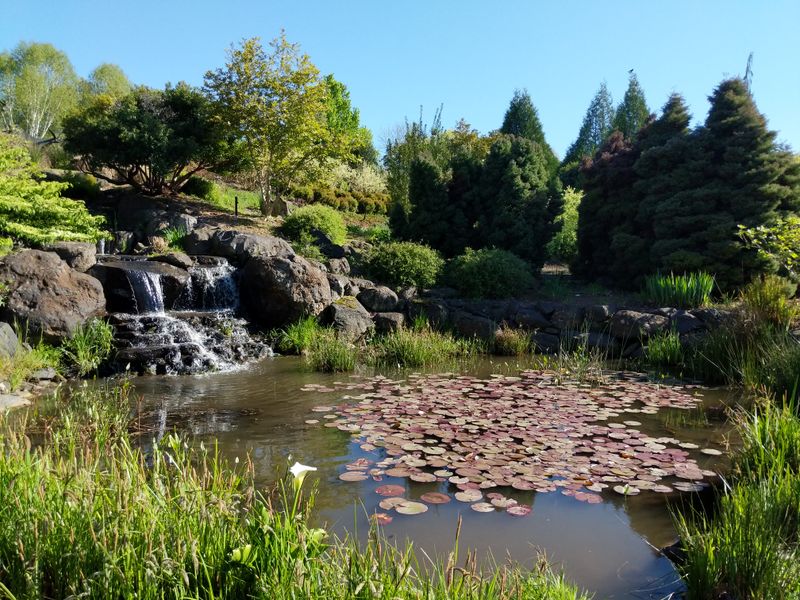
Gardens can err too far in either direction—overly controlled or completely untamed. The Oregon Garden manages to split the difference, offering formal plantings alongside areas that feel almost wild.
Roses are pruned and staked with care, while nearby wetlands are left to their own devices, hosting frogs, dragonflies, and native grasses.
That balance creates visual variety and ecological richness. You get the satisfaction of seeing human artistry in the designed spaces, plus the unpredictability of nature doing its own thing.
Birds and pollinators appreciate the mix, and so do visitors who enjoy both order and spontaneity.
The wetlands area is particularly popular with families, as kids love searching for frogs and watching ducks paddle through the reeds. Meanwhile, the more formal gardens appeal to plant enthusiasts who want to see careful cultivation and rare specimens.
Everyone finds something that resonates.
Water-Wise And Sustainable, Without Losing The Magic

Sustainability doesn’t always announce itself, but it’s woven throughout The Oregon Garden’s design. Many of the plantings prioritize native species and water-wise selections that thrive without excessive irrigation.
The garden demonstrates that environmental responsibility and visual appeal aren’t mutually exclusive.
Staff members are knowledgeable about sustainable practices and happy to discuss them with curious visitors. Educational opportunities appear throughout the property, though never in a heavy-handed way.
You can learn as much or as little as you want about water conservation, native ecosystems, and organic gardening methods.
The garden also maintains a small nursery where guests can purchase plants, often at very reasonable prices. Many of these are the same species grown on the property, allowing visitors to take a piece of the garden home and apply similar principles in their own yards.
It’s Family-Friendly Without Feeling Like A Theme Park
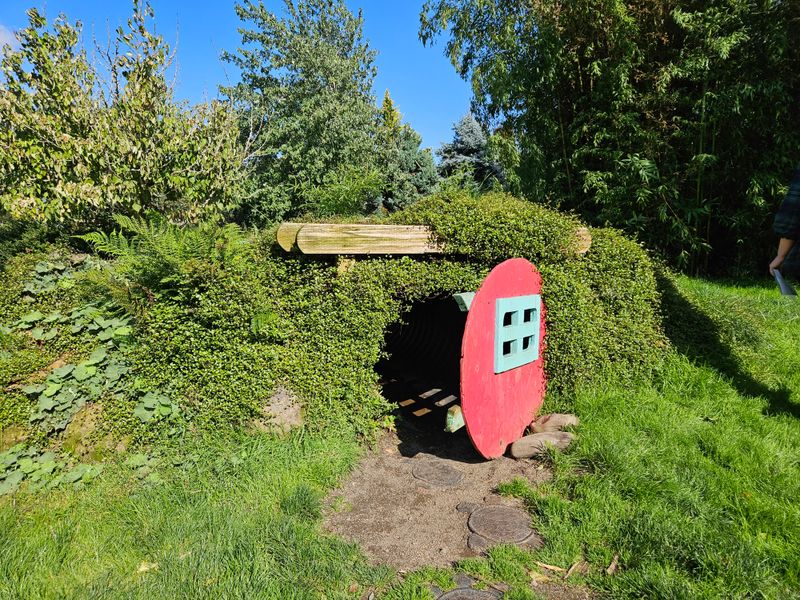
Children find plenty to engage them here, but the garden never veers into cartoonish territory. The Children’s Garden includes a pirate ship play structure, a dinosaur fossil sand pit, and an underground tunnel to crawl through—all designed to spark imagination without overwhelming the natural setting.
Chickens wander nearby, adding a farmyard element that kids adore.
Meanwhile, adults appreciate that the garden doesn’t sacrifice sophistication to accommodate families. There’s no loud music, no flashing lights, just well-designed spaces that work for multiple ages.
Families can picnic on the lawn, search for frogs in the wetlands, or simply walk together at whatever pace suits them.
Dogs are welcome, which adds another layer of family-friendliness. Leashed pets can join the adventure, making it easier for households to visit together.
The garden manages to be inclusive without losing its essential character as a place of beauty and calm.
Photogenic Without Feeling Staged
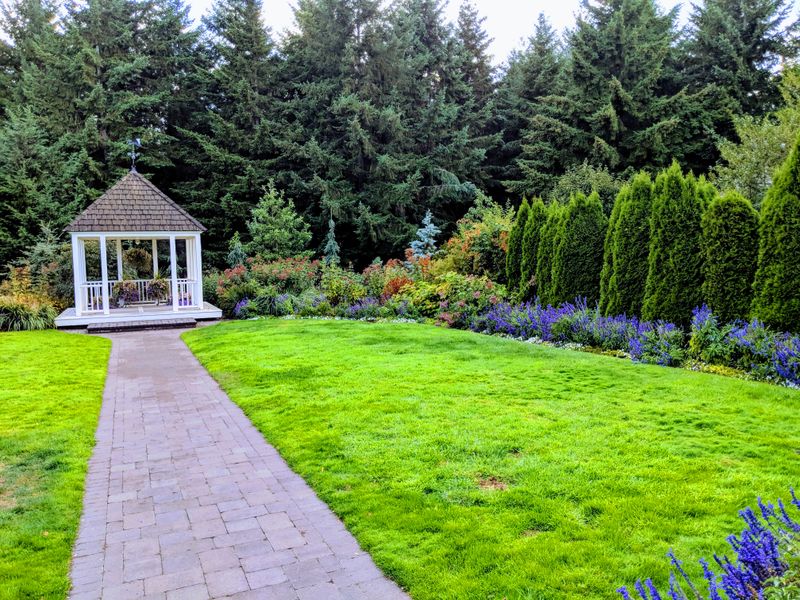
Instagram-worthy spots appear around every corner, but they never feel manufactured for social media. The bridges, ponds, and flower displays photograph beautifully because they’re genuinely attractive, not because they’ve been engineered for maximum likes.
Natural light filters through trees, water reflects sky and foliage, and seasonal blooms provide ever-changing backdrops.
Wedding photographers have taken notice, and the garden hosts ceremonies throughout the year. The grounds offer multiple event spaces, each with its own character.
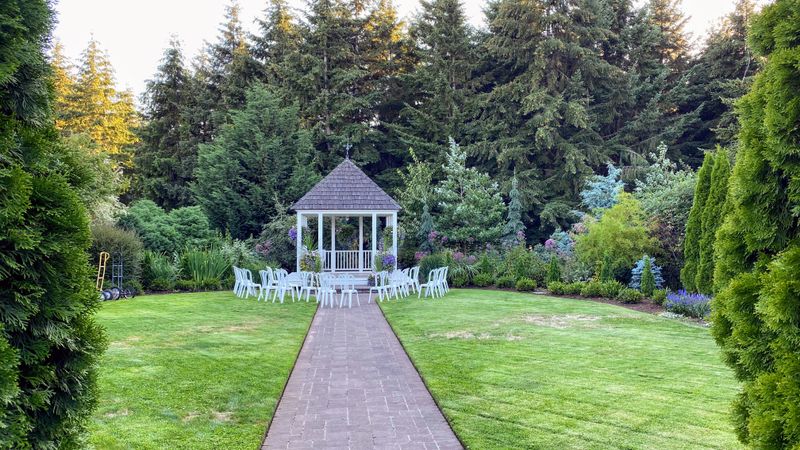
A gazebo overlooks a pond, lawns stretch beneath mature trees, and pathways provide romantic settings for portraits.
Even casual visitors leave with memory cards full of images. The garden rewards both serious photographers and phone-camera snappers equally.
There’s no need to hunt for the perfect angle—beauty presents itself naturally, which is perhaps the highest compliment you can pay a designed landscape.
It Feels Less Like A Garden And More Like A World You Step Into
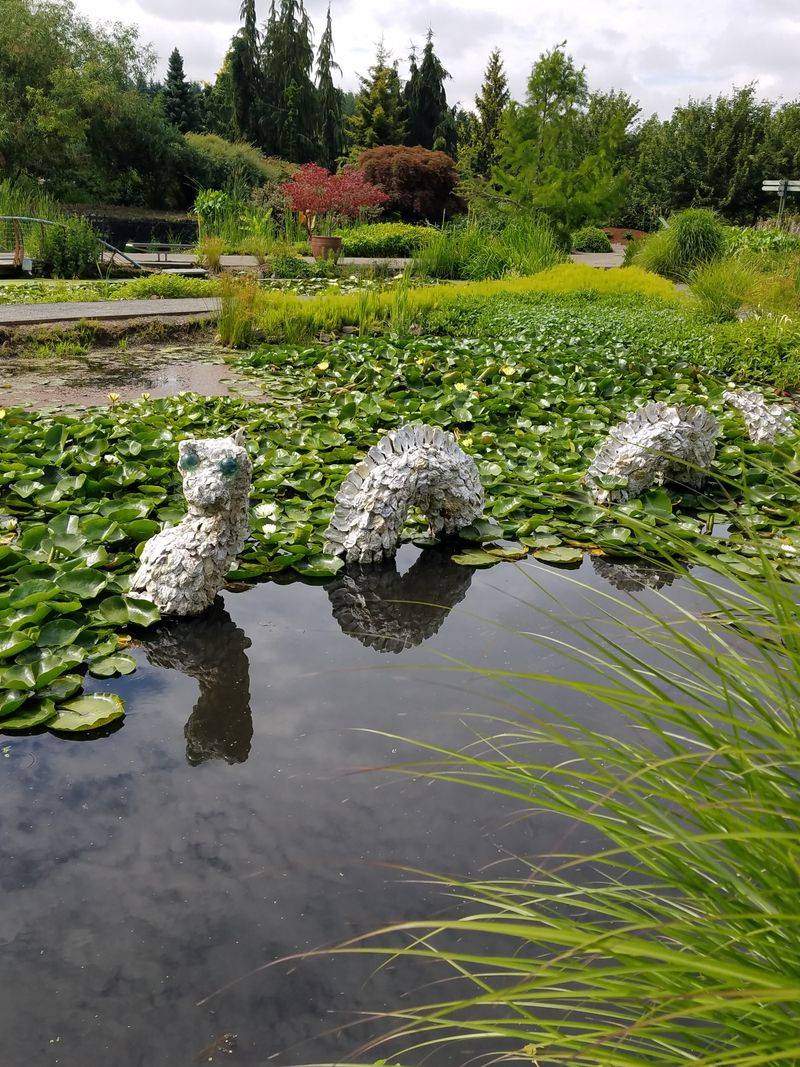
The best gardens create a sense of transportation, and The Oregon Garden succeeds completely. Within minutes of arriving, the outside world fades into background noise.
Traffic, deadlines, and daily stress lose their urgency when you’re watching dragonflies hover over a pond or reading about a plant you’ve never encountered before.
That immersive quality comes from thoughtful design and genuine care. Staff members are friendly and knowledgeable, maintaining the property with obvious pride.
The result is a place that feels loved rather than merely managed, which visitors notice and appreciate.
Many guests mention returning regularly, sometimes weekly or daily during maternity leave or retirement. The garden becomes part of their routine, a reliable source of beauty and peace.
That kind of loyalty speaks to something deeper than simple aesthetics—it suggests a place that genuinely nourishes those who visit it.