
This Hidden South Carolina Lake Has Cabins That Stay Booked In Advance
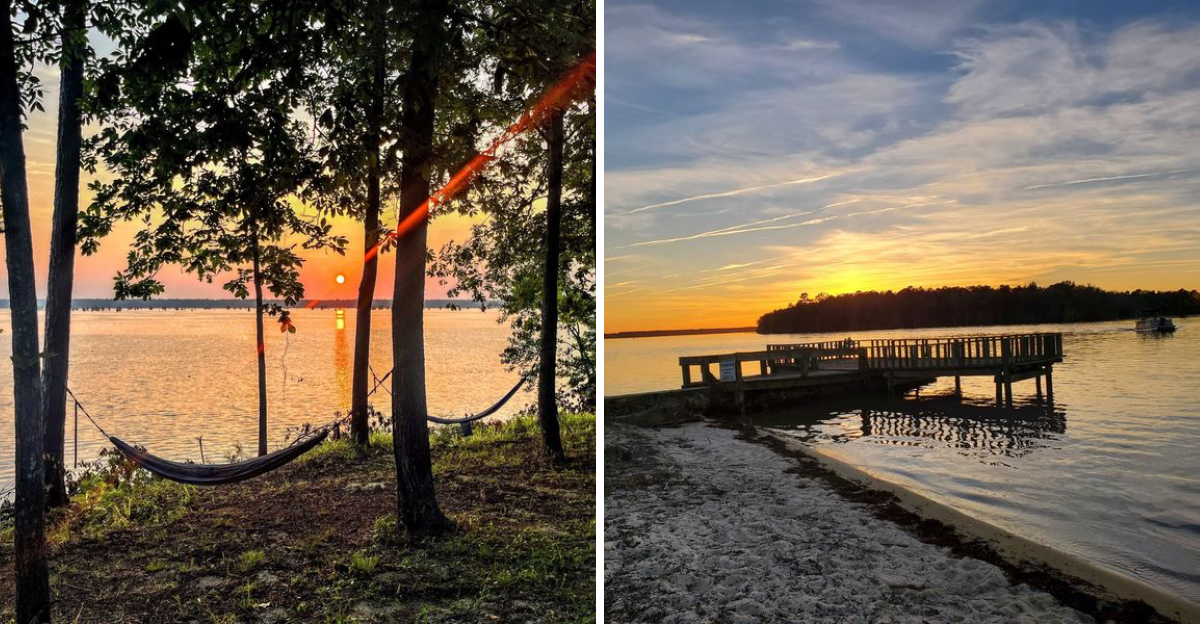
A lake in South Carolina keeps filling every cabin along its shoreline.
Water stretches for miles here, wide enough to swallow a whole afternoon without anyone noticing the time.
Mornings turn soft orange and pink before the wind rolls in and boats start crossing the surface.
A story sits beneath that water most visitors never learn, a landscape that once looked nothing like this.
Cabins here range from simple to spacious, yet nearly all of them share the same private dock and view.
Families return year after year, often booking their next stay before they leave.
South Carolina holds plenty of lakes, but few fill up calendars quite like this one.
Curious what keeps pulling people back to the same quiet shoreline?
Grab your boots and find out for yourself.
The View Every Cabin Fights For
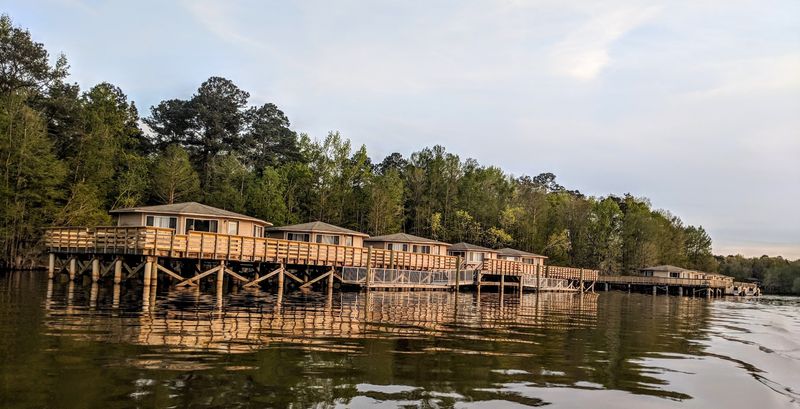
Every cabin on this lake is really chasing the same thing, and it is not hard to understand why. Lake Marion spreads out for miles in every direction, and a cabin with a clear line to the water holds onto guests long after the fishing rods get put away.
Mornings arrive quiet, with mist lifting off the surface and sunrises spreading soft orange and pink across water still as glass. By midday the mood changes entirely.
Wind picks up, boats crisscross the open water, and the horizon flattens into a long silver line that stretches farther than most first-time visitors expect. Evenings bring the softest light of the day, when porches and decks up and down the shoreline fill with people simply watching the water do very little at all.
Not every cabin gets the same angle on the lake, and the ones that catch a wide, unobstructed sweep of water become the most fought-over reservations on the calendar. Cypress trees rising straight out of the shallows add a strange, almost prehistoric silhouette to the whole scene.
That single view, repeated in some form at cabin after cabin around the shoreline, explains most of why this lake keeps pulling people back.
Simple Living, Lake Style
Cabin life around Lake Marion tends to follow the same easy rhythm no matter which stretch of shoreline a family picks. Wet swimsuits dry on porch railings.
Sandy feet track through the door and nobody minds much. Kitchens stay simple but functional, built for cooking breakfast, packing a cooler for the boat, and grilling whatever came off a hook that afternoon.
Air conditioning matters here more than people expect, since Lowcountry summers run warm and heavy with humidity that settles in for the whole season. Wi-Fi exists at most cabins now, though cell service still drops out in the quieter coves, so downloading maps and music before arrival remains a smart habit.
Decks and screened porches double as the real living room during the warmer months, hosting slow mornings with coffee and long evenings with cards or conversation. Grocery runs get planned ahead, since the last stretch of road toward many cabins passes few stores.
None of this requires luxury to feel good. The appeal sits in stripped-down comfort, a place built around water access rather than extra features nobody uses.
Multiply that simple formula across dozens of cabins ringing the shoreline, and a pattern becomes obvious: people keep returning to something plain that still feels exactly right.
A Lake That Didn’t Exist A Century Ago
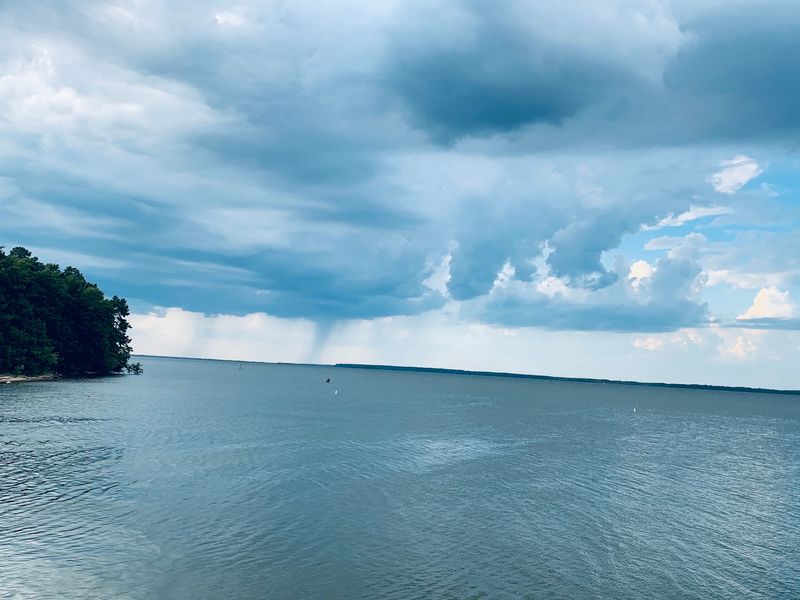
This lake did not exist a century ago, and the story of how it got here shapes everything cabin guests see today. Workers built it as part of the Santee Cooper Hydroelectric and Navigation Project, begun in the late 1930s and finished in 1941, when the Santee River was dammed and a huge stretch of the surrounding landscape disappeared underwater.
Jobs and electricity drove the project, both badly needed across South Carolina during the Great Depression. The lake carries the name of General Francis Marion, a Revolutionary War figure nicknamed the Swamp Fox, whose former property sat among the land the rising water eventually covered.
Thousands of people relocated as entire stretches of forest and farmland vanished beneath the new reservoir. A canal roughly twenty miles long was cut to connect the Santee and Cooper rivers, improving navigation through the region for decades afterward.
Flooded timber still stands below the surface in places, and old river channels wind invisibly beneath boats that pass overhead without any idea what lies underneath. Every cabin porch facing this water sits above a landscape that once looked completely different, a fact that adds real weight to what otherwise feels like simple scenery.
Docks And Ramps All Along The Shore
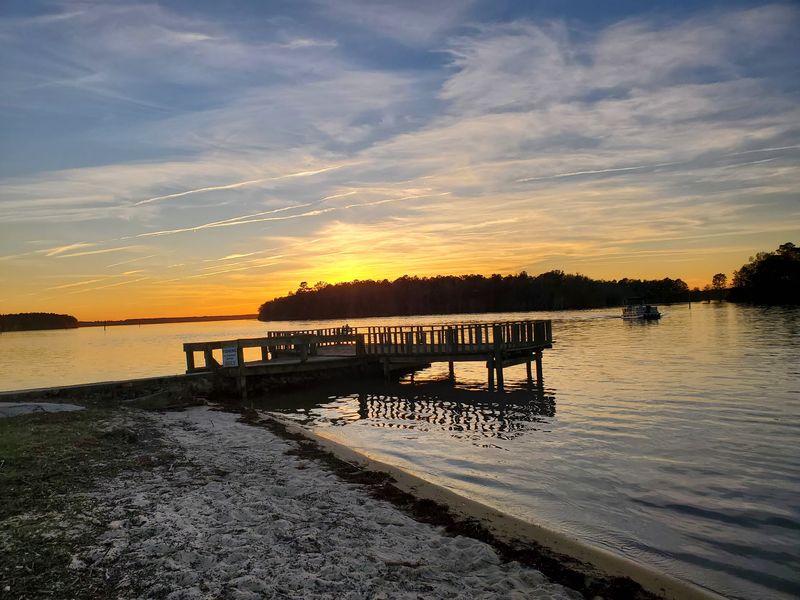
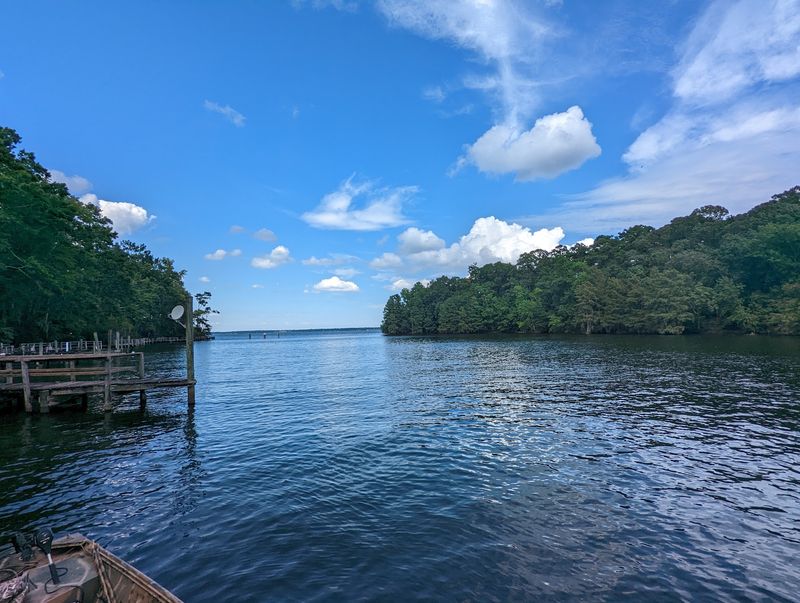
Private docks show up outside cabin after cabin along this shoreline, and that access changes the entire rhythm of a stay. Guests can launch a boat or kayak steps from where they are sleeping, skipping the wait behind trailers that public ramps often bring on busy weekends.
Docks double as gathering spots, used for fishing at sunrise, sunbathing at noon, and quick swims whenever the heat gets uncomfortable. The lake itself spans roughly 110,000 acres, so no single dock or cove defines the experience.
Open water stretches in one direction while quiet backwaters hide in another, giving paddlers calm mornings among herons that barely move as a kayak glides past. Faster crowds have their own space too, with water skiing and jet skiing suited to the wider sections when conditions cooperate.
Public ramps and marinas dot other parts of the shoreline for visitors without direct dock access from their cabin, and boating rules apply lake-wide regardless of which shore a trip starts from. Jumping straight off a private dock remains one of the simplest pleasures available here, costing nothing and cooling everyone down within seconds.
Direct water access like this, repeated at property after property, turns an ordinary stay into something closer to full lake life.
Where Anglers Never Run Out Of Stories
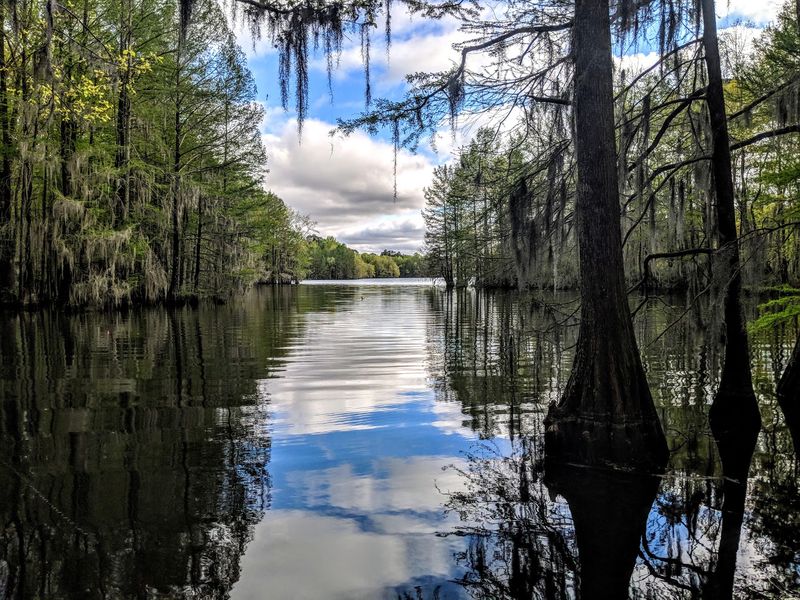
Fishing talk around this lake gets serious fast, and the reputation stretches well beyond South Carolina’s borders. Largemouth bass draw the most attention from serious anglers, while striped bass and several catfish species keep casual visitors coming back season after season.
Crappie and bream round out the list, often the easiest targets for younger fishers still learning to read the water. Underwater structure explains most of the success, since sunken trees, flooded timber, and old river channels create shelter where fish naturally gather in numbers.
Cabin docks up and down the shoreline give guests a home base for casting a line before breakfast with almost no effort involved. Boat anglers push farther out, working coves, points, and open flats that behave differently depending on the season and time of day.
Local outfitters around the lake offer guided trips, rentals, and tackle for visitors who want expert help rather than trial and error. A valid South Carolina fishing license is required everywhere on the water, and checking current regulations before a trip avoids an unwanted conversation with a game warden.
Patience pays off here more than expensive gear ever does. Some mornings deliver a cooler full of fish, and others simply hand over a quiet sunrise, which tends to satisfy people just as much.
Wild Edges Beyond The Water
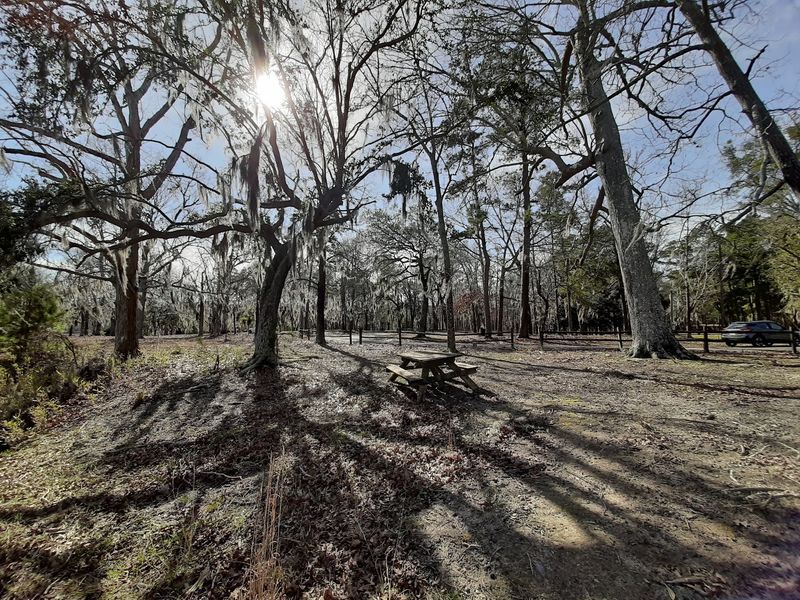
Land lovers get just as much reason to visit as anglers and boaters do. Santee State Park sits along the western edge of the lake, with trails winding through Lowcountry woods and a biking route covering even more ground for visitors who want to explore beyond the shoreline.
The park also offers lake access, picnic spots, and swimming areas that make an easy afternoon without needing a boat at all. Its rondette cabins draw plenty of curiosity on their own, ten of them standing directly on piers above the water.
Santee National Wildlife Refuge adds another layer entirely, with close to 300 resident and migratory bird species recorded within its boundaries over the years. Bald eagles and ospreys headline the list for most visitors, while waterfowl gather in large numbers during the cooler months of the year.
Wright’s Bluff Nature Trail leads to an overlook of Cantey Bay, and driving routes allow for the same views without a long walk for anyone short on time. Old Santee Canal Park brings miles of additional trails and boardwalks, unfolding wetland scenery slowly rather than all at once.
Binoculars and insect repellent belong in every visitor’s bag here. Combining lake mornings with trail afternoons gives any stay around this lake real variety beyond the water itself.
Small Towns Keep The Pace Slow
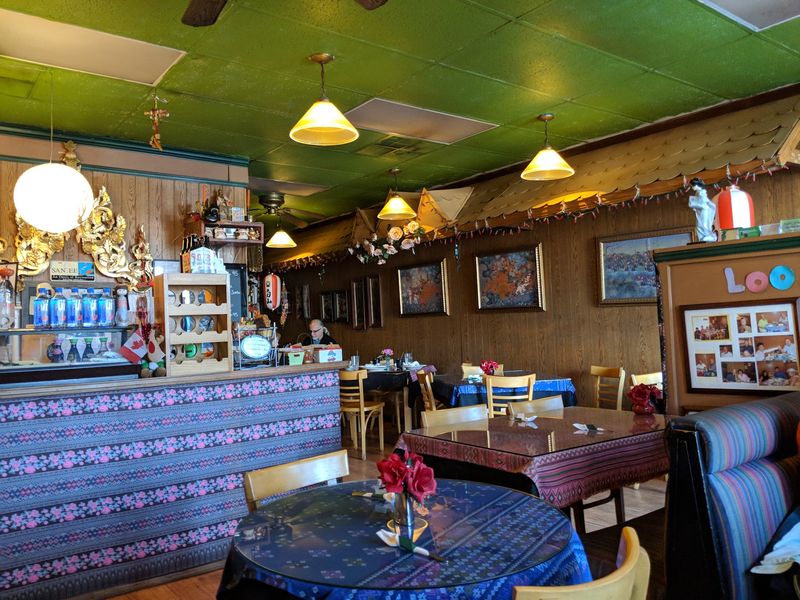
Small towns ring this lake in every direction, and each one runs at its own unhurried pace. Elloree offers playgrounds, a park, a jogging track, and pickleball courts for visitors who want something active between lake days.
Its small shops line quiet streets, the kind of place where browsing takes an hour and conversation slows things down even further. The Tearific Teapot Museum surprises most first-time visitors, since a teapot collection is not what people expect to find near a fishing lake.
Antique hunting stretches into nearby Santee as well, drawing shoppers looking for older furniture and odd, one-of-a-kind finds. Roadside stands appear during growing seasons, selling fresh produce whenever the harvest cooperates with the calendar.
Dining options range from casual fish camps to sit-down restaurants, with portions that tend toward generous rather than modest. Southern hospitality is not a marketing line around here, and strangers strike up conversations at checkout counters without much prompting.
Historical sites add real depth to the region beyond its shops and restaurants, with the Santee Indian Mound and Fort Watson both sitting within easy reach for curious travelers. Time spent off the water in towns like these rounds out a lake trip nicely, giving visitors somewhere to go on the one afternoon the fish are not biting.
Why Cabin Calendars Fill Up Fast
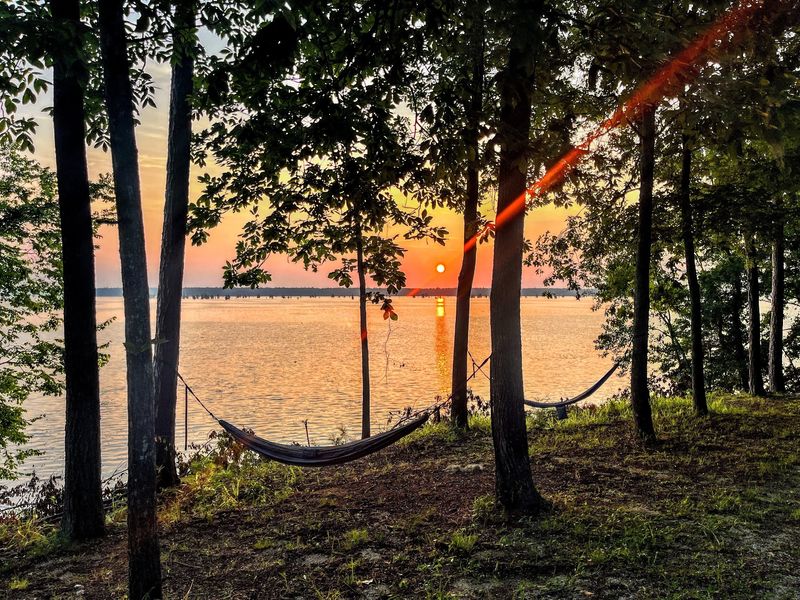
Ask around this lake and one thing comes up constantly: cabins here stay booked, often months before the season even starts. Part of that comes down to sheer variety.
Waterfront cabins, rustic cottages, and family-sized lake houses dot the shoreline in numbers few other lakes in the region can match, giving visitors real choice rather than one or two overpriced options. Part of it comes down to timing.
Summer brings swimming weather and busy water, spring softens the edges with wildflowers and picking-up fishing, autumn cools the air without emptying the lake, and even winter draws its own quiet crowd chasing waterfowl at the refuge. Weather can shift quickly in the Lowcountry, so flexible travelers who watch the shoulder seasons often find better availability and calmer water than peak-summer visitors ever do.
Word of mouth does plenty of the heavy lifting too, since families who find a cabin they love tend to rebook before they even leave for home. Add in private docks, nearby golf courses, small-town charm, and a wildlife refuge just down the road, and the pattern becomes easy to understand.
Demand like that rarely happens by accident. Views, access, and comfort line up often enough around this lake that visitors keep returning to the same stretch of shoreline year after year.