
This Historic National Park In Minnesota Is One Of America’s Most Overlooked Treasures
Most people can name Yellowstone or the Grand Canyon without hesitation, but mention a lesser-known park along the Minnesota–Canada border and you may get a puzzled look. This extraordinary destination is built almost entirely on water, making it unlike any other national park in the country.
A vast network of interconnected lakes, remote islands, and quiet shorelines creates a landscape that has attracted explorers, fur traders, and nature lovers for centuries. Anyone searching for a national park experience that feels peaceful, unhurried, and refreshingly uncrowded will find this northern wilderness well worth the journey.
Minnesota’s Only National Park
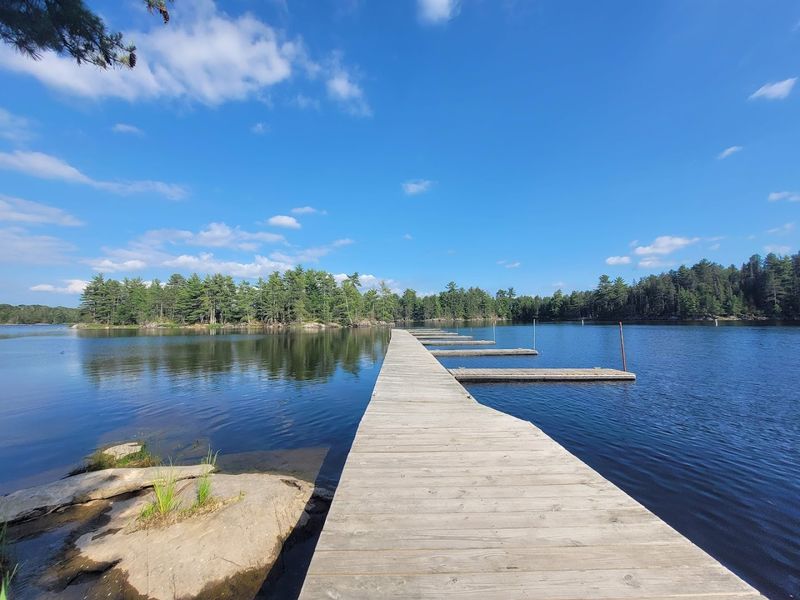
Of all the states in the American Midwest, Minnesota stands out as the only one with a national park, and that park is Voyageurs. Established on April 8, 1975, it covers roughly 218,000 acres of land and water along the International Boundary with Canada, in the northern reaches of the state.
Most visitors arrive through one of three main visitor centers: Rainy Lake, Ash River, or Kabetogama Lake. Each offers a distinct entry point into the park’s character, with rangers, exhibits, and guided programs that set the tone for exploration.
The Rainy Lake Visitor Center is generally considered the most comprehensive starting point.
What makes this park singular is not just its geography but its identity. It is a place that rewards patience and curiosity, offering something genuinely different from the trail-heavy, crowd-dense experience common at more famous parks across the country.
Named After The Historic Voyageurs
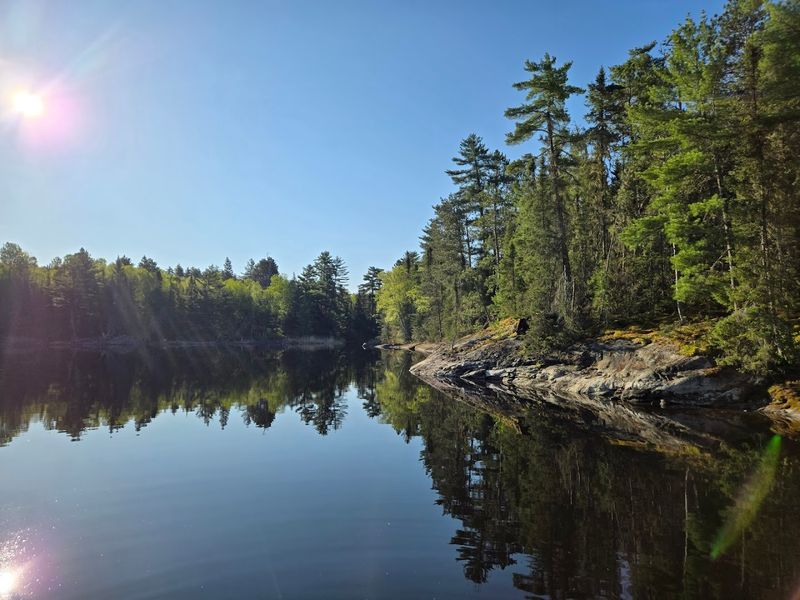
The park takes its name from the French-Canadian fur traders known as voyageurs, who paddled these waterways from the late 17th century through the early 19th century. These men were professionals of remarkable endurance, capable of paddling up to 16 hours a day while carrying heavy loads across long portages between lakes.
Their canoe routes connected Montreal to the interior of North America, and the lakes of present-day Voyageurs National Park formed a critical corridor in that vast trading network. The North West Company, one of the dominant fur trade enterprises of the era, relied heavily on these routes to move beaver pelts east and trade goods west.
Understanding this history changes how you see the landscape. Every stretch of open water carries the memory of those early journeys, and paddling across Rainy Lake today still evokes something of that original spirit of purposeful movement through wild country.
A National Park Built Around Water
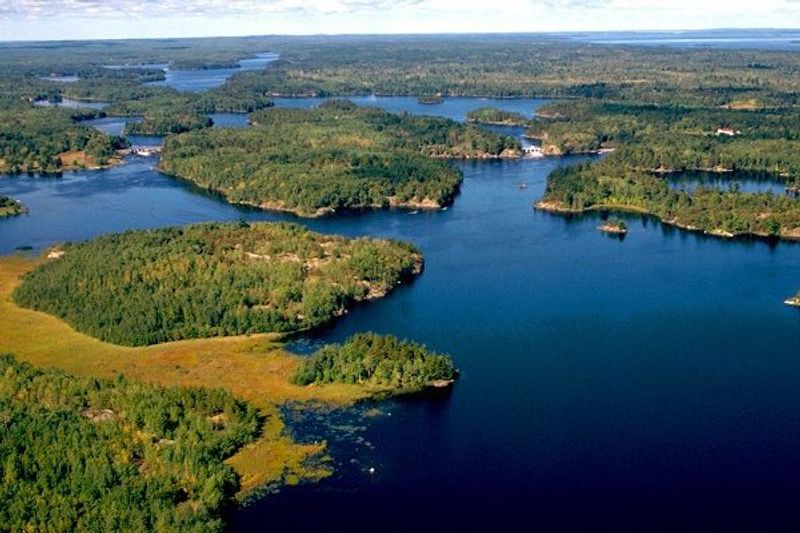
Roughly 40 percent of Voyageurs National Park is water, which makes it fundamentally different from nearly every other unit in the National Park System. Four large lakes anchor the park: Rainy Lake, Kabetogama Lake, Namakan Lake, and Sand Point Lake.
Together they create a liquid landscape that cannot be fully appreciated from any single shoreline.
Because so much of the park is accessible only by boat, the experience here is deliberately unhurried. You cannot simply pull into a parking lot and walk to a viewpoint.
Getting to many of the park’s most compelling places requires a motor boat, canoe, or kayak, which filters out a certain kind of casual visitor and rewards those who come prepared.
The park’s address is simply Minnesota, and its phone number for visitor information is +1 218-283-6600. More planning details are available at the official NPS site at nps.gov/voya, which is worth consulting before any visit.
Houseboats Are A Signature Experience
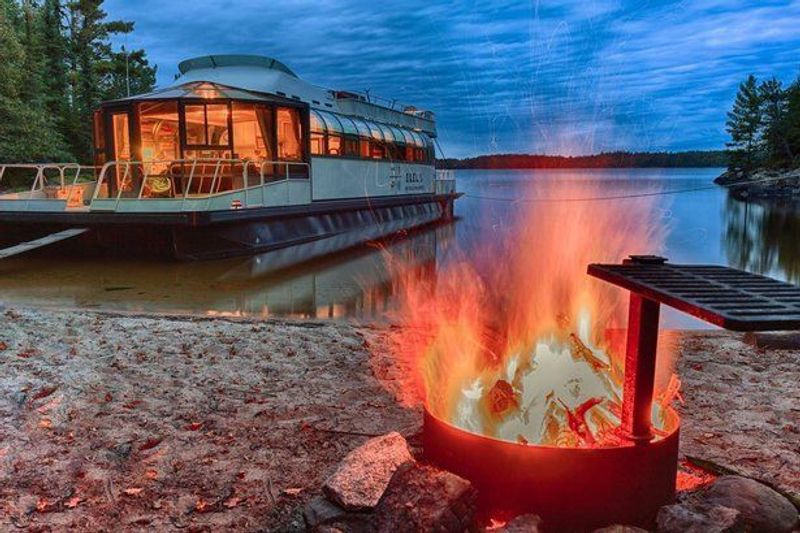
Few experiences in the American national park system compare to spending several nights on a houseboat in Voyageurs. Several outfitters near the park rent fully equipped houseboats that sleep multiple guests, allowing families or groups to travel the lakes at their own pace and anchor at private island campsites each evening.
The appeal is straightforward: you wake up on the water, surrounded by forested islands and open sky, with no schedule beyond your own curiosity. Fishing off the deck in the morning, swimming in the afternoon, and watching the stars emerge at night becomes a natural rhythm that most people find genuinely restorative.
Houseboats are not a budget option, but they represent one of the most immersive ways to experience what makes this park distinctive. Booking well in advance is strongly recommended, particularly for summer weekends, as availability fills quickly among those who already know how good this experience can be.
One Of The Midwest’s Best Stargazing Spots
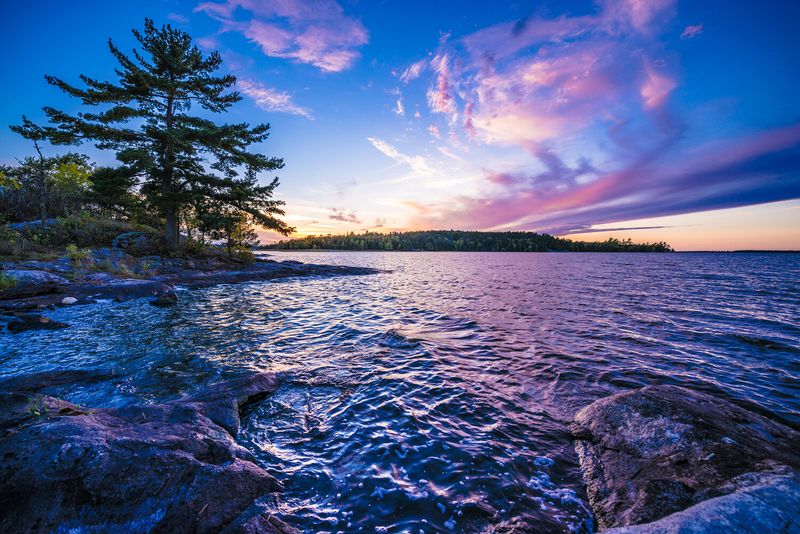
Voyageurs National Park holds International Dark Sky Sanctuary designation, which places it among a select group of protected areas worldwide recognized for the quality of their night skies. The remote location along the Minnesota-Canada border means light pollution is minimal, and on clear nights the results are genuinely spectacular.
The Milky Way appears as a broad, luminous band across the sky on moonless summer evenings, and even casual observers without telescopes can identify star clusters, planets, and occasional meteor streaks with the naked eye. The lakes add a reflective dimension that amplifies the effect, doubling the sky in still water.
Rangers occasionally lead evening programs focused on astronomy, which are worth attending for both the information and the company. If stargazing ranks among your priorities, plan your visit around a new moon and check weather forecasts carefully.
Clear skies in northern Minnesota are not guaranteed, but when they arrive, the show is genuinely hard to forget.
A Landscape Shaped By Ancient Glaciers
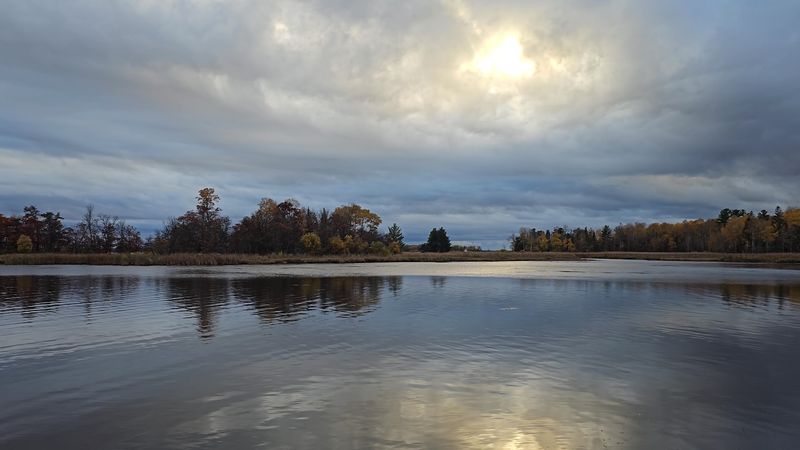
The terrain of Voyageurs National Park tells a geological story that stretches back more than 2.7 billion years. The exposed bedrock throughout the park belongs to the Canadian Shield, one of the oldest rock formations on Earth, and glaciers that retreated roughly 10,000 years ago carved the basins that now hold the park’s lakes.
That glacial history is visible everywhere you look. Smooth, rounded rock outcrops line the shorelines, and the countless islands scattered across Rainy and Kabetogama lakes are essentially the tops of submerged ridgelines left behind as glacial meltwater filled the landscape.
The topography feels ancient in a way that is difficult to articulate but easy to sense.
Geology enthusiasts will find the park particularly rewarding, but you do not need any background in earth science to appreciate what you are seeing. Standing on a bare rock outcrop with a lake stretching out in every direction gives you a clear, unhurried sense of how old and patient this land truly is.
Home To Moose, Eagles, And Black Bears
Wildlife watching at Voyageurs National Park requires no special equipment beyond patience and a willingness to move quietly. The park supports healthy populations of black bears, white-tailed deer, river otters, beavers, and the occasional moose, particularly in areas with shallow water vegetation near lake margins.
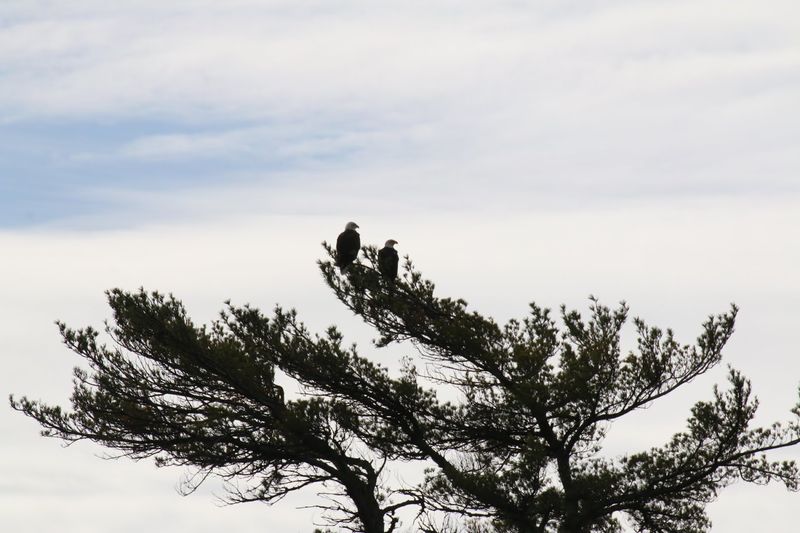
Bald eagles are among the most reliably spotted animals here. The lakes provide excellent fishing habitat, and eagles are frequently observed perched on dead snags near the water or circling overhead in the warmer months.
Common loons are equally present, and hearing their calls echo across the water at dusk is one of those experiences that stays with you long after you leave.
Wolves also inhabit the park, though sightings are rare and genuinely exciting when they occur. The park’s remote character and limited human foot traffic in many areas create conditions where wildlife behaves with a degree of normalcy that more crowded parks simply cannot offer visitors.
Historic Canoe Routes Across The Lakes
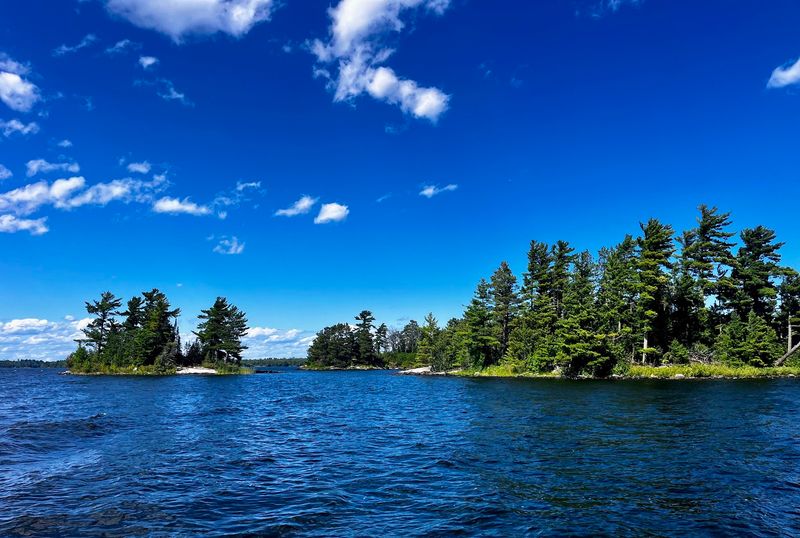
Long before motorboats and rental houseboats, the waterways of Voyageurs were traveled by canoe, and that tradition remains very much alive today. Paddlers can follow historic routes across Kabetogama and Namakan lakes, portaging between water bodies much as the original voyageurs did centuries before.
The Cruiser Lake Trail system on the Kabetogama Peninsula offers one of the more demanding multi-day experiences in the park, combining lake paddling with interior hiking to reach backcountry campsites at places like Jorgens Lake and Peary Lake. The trails can be overgrown in summer, so checking current conditions with park staff before setting out is genuinely useful advice.
Canoe and kayak rentals are available through outfitters near the park’s main entry points. For those who prefer a guided experience, ranger-led paddling programs offer both instruction and historical context.
The combination of physical effort and quiet scenery makes canoe travel through Voyageurs one of the more satisfying outdoor experiences available in the upper Midwest.
A Great Place To See The Northern Lights
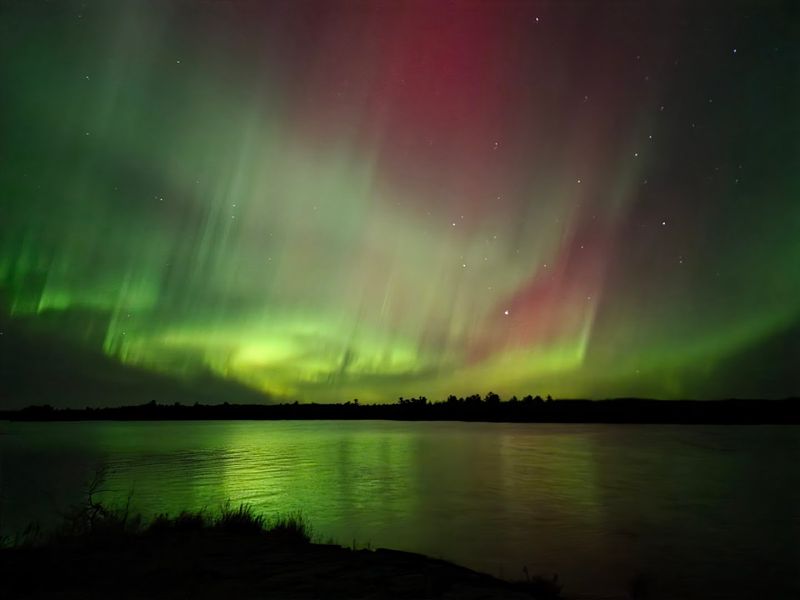
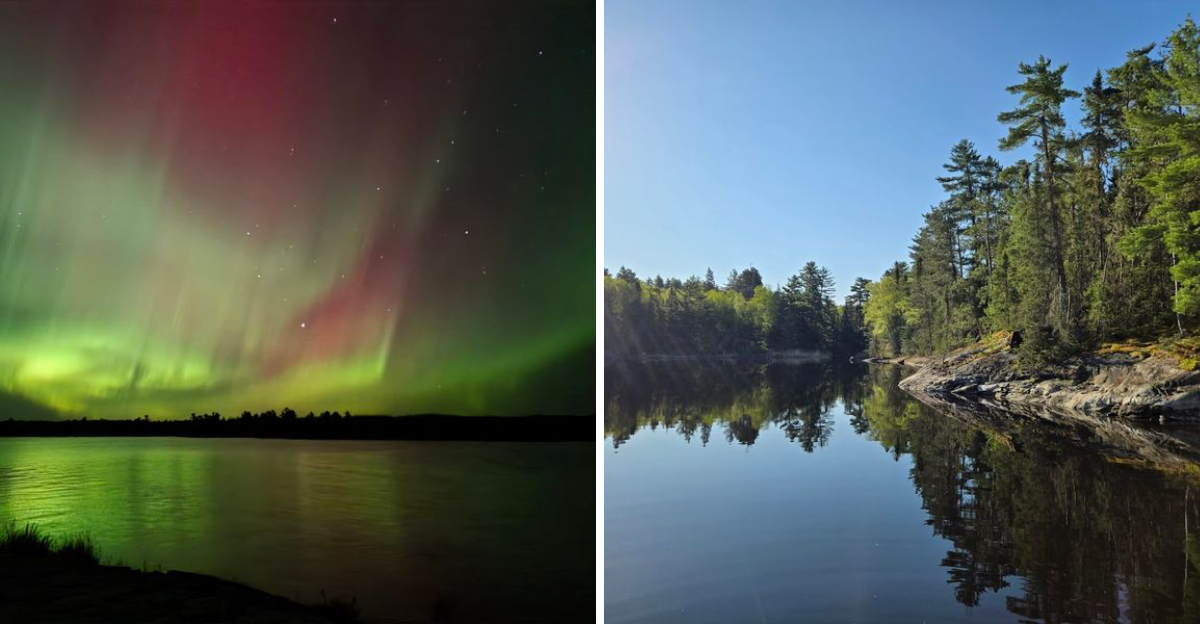
Voyageurs National Park sits far enough north that aurora borealis sightings are a genuine possibility, particularly during periods of elevated solar activity. The park’s dark sky designation and wide-open lake surfaces create ideal conditions for viewing the northern lights when they do appear, with minimal obstructions on the horizon and no competing artificial light.
Late summer through early spring offers the most reliable aurora windows, with September and March often cited as productive months. Clear nights with high geomagnetic activity are the key variables, and several free apps and websites track solar storms in real time, making it possible to plan around favorable conditions with reasonable accuracy.
Visitors who arrive hoping for aurora and find cloudy skies should not consider the trip wasted. The park’s other qualities hold up independently of the light show overhead.
That said, those who do witness a full display over Rainy Lake tend to describe it as one of the more affecting things they have seen in a national park anywhere.
Quiet Islands And Remote Shorelines
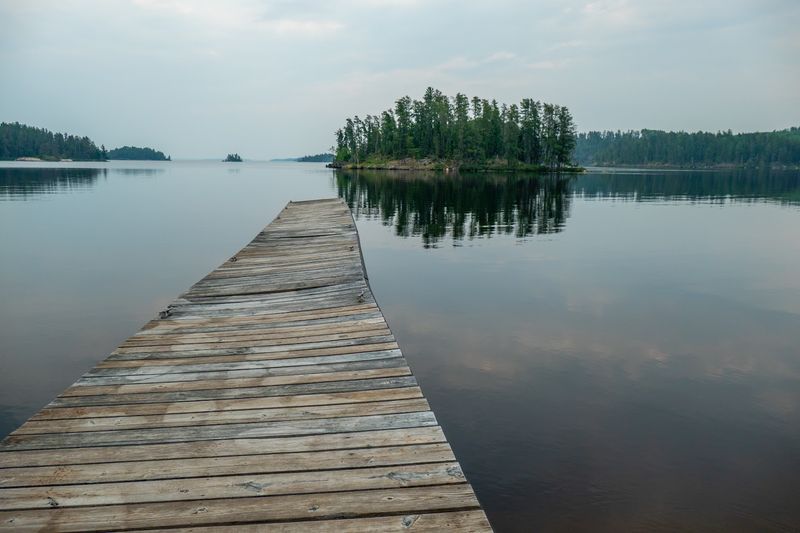
The park contains more than 500 islands scattered across its four major lakes, and many of them host designated campsites accessible only by water. Spending a night on one of these islands is about as close as most people will get to genuine solitude in the modern national park experience.
The absence of roads on the Kabetogama Peninsula and across most of the island landscape means that the quietest parts of Voyageurs stay quiet. You are not competing with passing traffic or crowds at a trailhead.
The sounds you hear are wind, water, loons, and whatever wildlife decides to pass through your corner of the shoreline after dark.
Island campsites can be reserved through Recreation.gov, and doing so well in advance is strongly advised for summer visits. The most exposed sites offer the best stargazing and wind relief from insects, which can be significant in July.
Choosing your site thoughtfully, based on orientation and shelter, makes a meaningful difference to the overall experience.