
This Historic Nevada Site Offers A Glimpse Into Elko’s Ranching Past
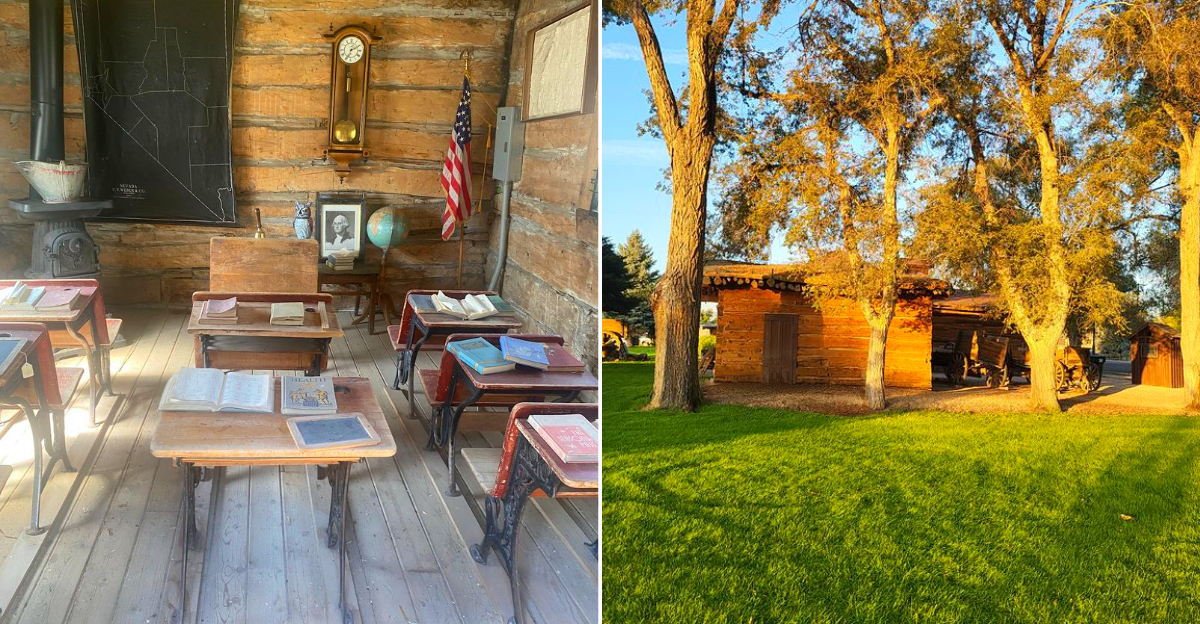
A roadside stop gets a lot more interesting when the buildings have actually lived a life. Weathered logs, old tools, and rooms built for everyday work give this corner of Nevada a sense of history that feels close enough to touch, not sealed away behind glass.
The structures were moved here piece by piece so their stories would not disappear. Now you can explore a schoolhouse, peek into a blacksmith shop, and see a two-story log home that once belonged to a working ranch family.
Nothing feels overdone. That is part of the charm.
There is more than history here, too. Helpful staff can point you toward nearby sights and worthwhile detours, while the shaded park behind the property gives you an easy excuse to slow down for a while.
It is a simple stop, but one with real character. You may pull in for information and leave remembering the buildings instead.
A Ranch That Traveled Sixty Miles To Reach You
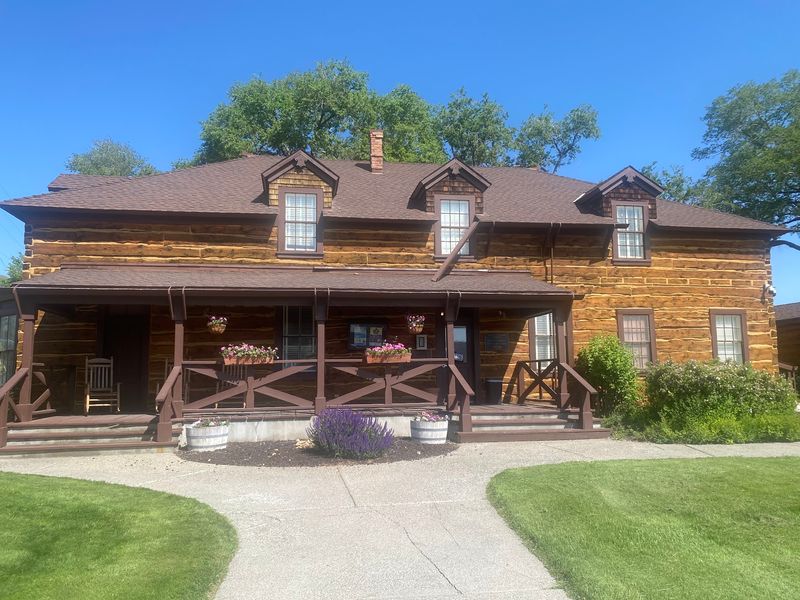
Most historic buildings stay right where they were built. The structures at Sherman Station Visitor’s Center did something far more unusual, moving roughly sixty miles from their original spot in Huntington Valley to their current home in town.
The ranch dates back to the late 1800s, when Valentine and Sophie Walther raised their family in this rugged corner of Nevada. When the property faced an uncertain future, community members organized a rescue effort rather than let the logs rot away.
The historic buildings were relocated about sixty miles from Huntington Valley to Elko and restored at their new home. You can still see the hand hewn logs and the sod topped roofs that kept the family warm through hard winters.
Standing in the middle of the campus, you get a real sense of how a working ranch was laid out. Nothing sits behind glass here, and the scale feels honest rather than oversized.
Knowing the buildings were saved by volunteers adds weight to the visit. You are not just looking at old wood, you are looking at what a town decided was worth keeping.
Inside The Two Story Log Home Where A Family Grew Up
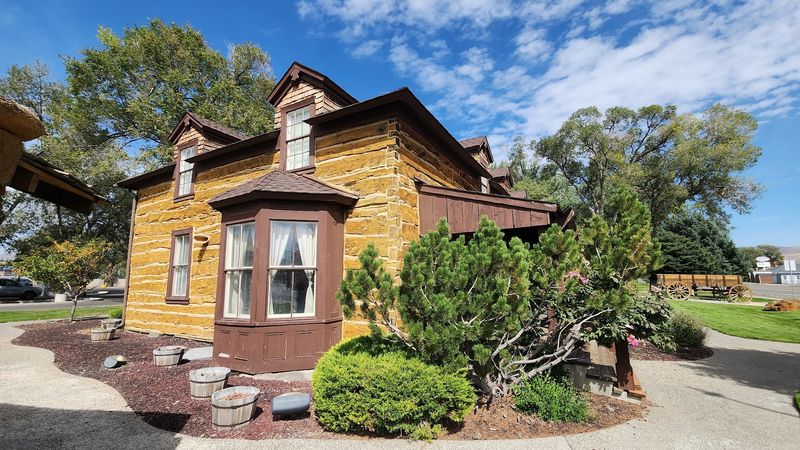
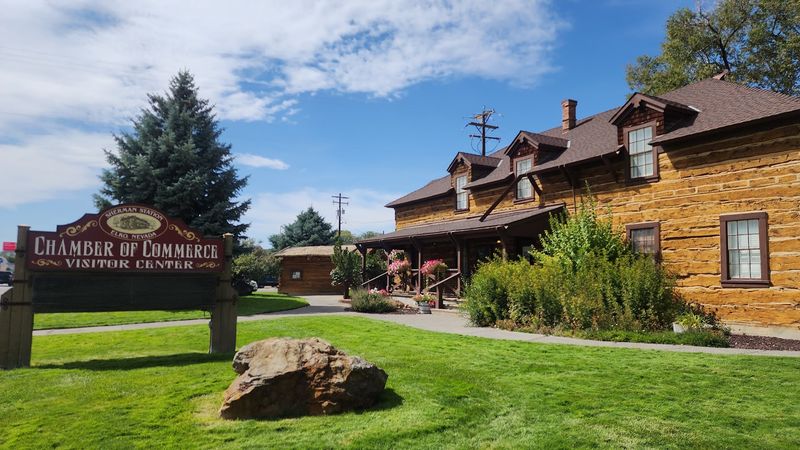
The main house anchors the whole property, and it is bigger than most people expect from a ranch dwelling of its era. Two full stories of stacked logs, built to hold a large family through long Nevada winters.
Walk through the front door and you find the visitor desk, a small gift shop, and displays that explain how the Sherman Station Visitor’s Center came together. The wood floors creak in the way old floors should.
Children were raised in these rooms, doing chores before school and after. Picture the noise, the boots by the door, the kitchen running from dawn onward.
The gift shop keeps things simple with local books, souvenirs, and maps rather than mass produced trinkets. It is a good spot to grab something meaningful for the drive home.
Take a moment to look up at the ceiling beams and the joinery. The carefully fitted logs and joinery have held for well over a century. You will likely spend more time inside than you planned, which is exactly how these visits tend to go.
Outbuildings That Show How A Working Ranch Ran
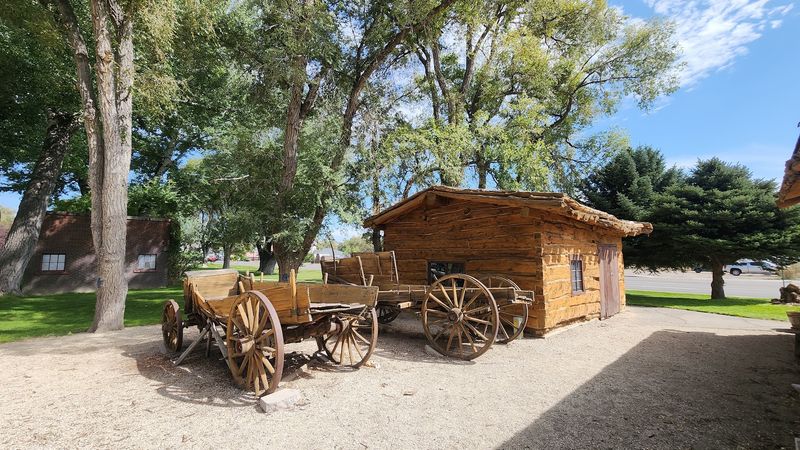
Ranching was never a one building operation, and the campus makes that clear. Scattered across the grounds you will find a one-room schoolhouse, a creamery, a blacksmith shop, and other historic outbuildings.
Each one handled a specific job. The creamery kept milk and butter cool, the blacksmith shop kept tools and horseshoes in working order, and the schoolhouse gave ranch kids their lessons without a long ride into town.
Peeking into the blacksmith shop is a favorite stop for a lot of visitors. Iron tools, a forge setup, and the smell of old timber make the work feel close rather than distant.
Sherman Station Visitor’s Center lets you move between these buildings at your own pace. There is no set route and no rush. Give yourself twenty or thirty minutes outside. The details reveal themselves slowly, especially when you read the interpretive signs.
Staff Who Actually Know What To Recommend
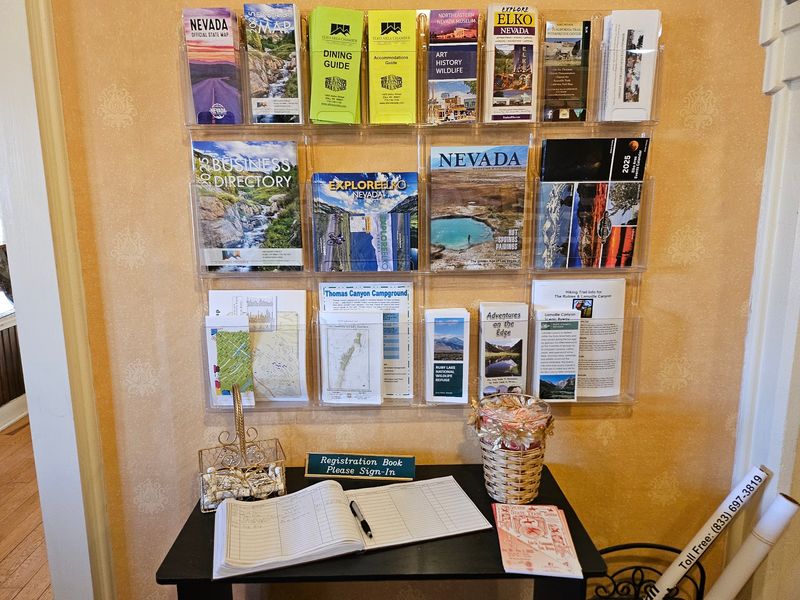
Plenty of information desks hand you a pamphlet and go quiet. That is not how things run at Sherman Station Visitor’s Center, where the people behind the counter genuinely enjoy talking about their corner of Nevada.
Ask about hiking trails, museums, scenic drives, or where to grab a sandwich, and you will get specific answers rather than vague suggestions. They know which roads wash out and which viewpoints are worth the extra miles.
Travelers passing through on longer road trips often mention how much time the staff spend helping them plan. Questions get answered patiently, and nobody makes you feel rushed.
If your schedule is tight, tell them how many hours you have. They are good at building a short list that fits.
The staff also know the ranch history well, so the buildings outside come alive once you have heard a few stories. Details about the Sherman family and the relocation project add real context.
Come with questions. That is the fastest way to turn a five minute stop into an hour you actually remember.
Where To Find It And When The Doors Are Open
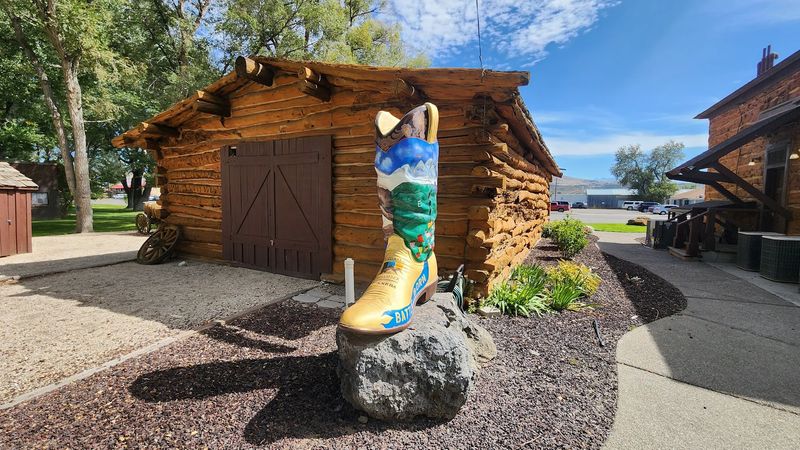
Planning matters here, mostly because the hours are shorter than a typical roadside stop. Current official hours are 9 AM to 5 PM Monday through Thursday and 9 AM to 4 PM Friday.
You will find Sherman Station Visitor’s Center at 1405 Idaho St, Elko, NV 89801, right along one of the main routes through town. Parking sits close to the buildings, so there is no long walk from the car.
Weekday travelers have the advantage. If your trip lands on a weekend, check access before relying on being able to explore the grounds.
Mornings tend to be quieter, giving you more one on one time at the desk. Mid afternoon works well too, especially if you want to combine the visit with the park behind the property.
Aim for at least forty five minutes. Between the outdoor buildings, the main house, and a conversation about local attractions, the time goes quickly. Check the calendar before you drive, and the stop will fit smoothly into your day.
The Shady Park Waiting Right Behind The Buildings
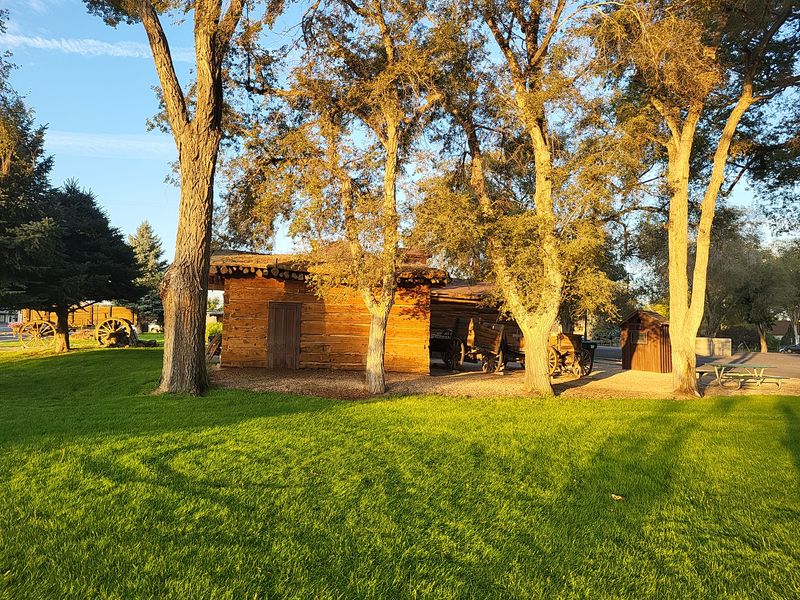
Behind the historic structures sits a wide green park filled with mature trees, and it changes the whole feel of the visit. Grass, shade, picnic space, and room for kids to burn off road trip energy.
Families often pair the two, touring Sherman Station Visitor’s Center first and then spreading out a blanket under the old cottonwoods. Nevada summers get warm, so that canopy is genuinely welcome.
Pack a lunch if you are driving through around midday. Eating outdoors beats another meal in the car, and the setting is peaceful. The trees themselves are worth noticing. Some have been standing long enough to have watched the town grow around them.
Dog owners and stroller pushers will find the paths easy going. Nothing here is steep or complicated. Photographers get a nice combination too, with log walls and sod roofs framed against tall greenery. Late afternoon light works especially well.
Building the park into your stop turns a quick information visit into a proper break. Your legs will thank you before the next stretch of highway.
Small Details That Reward A Slower Look
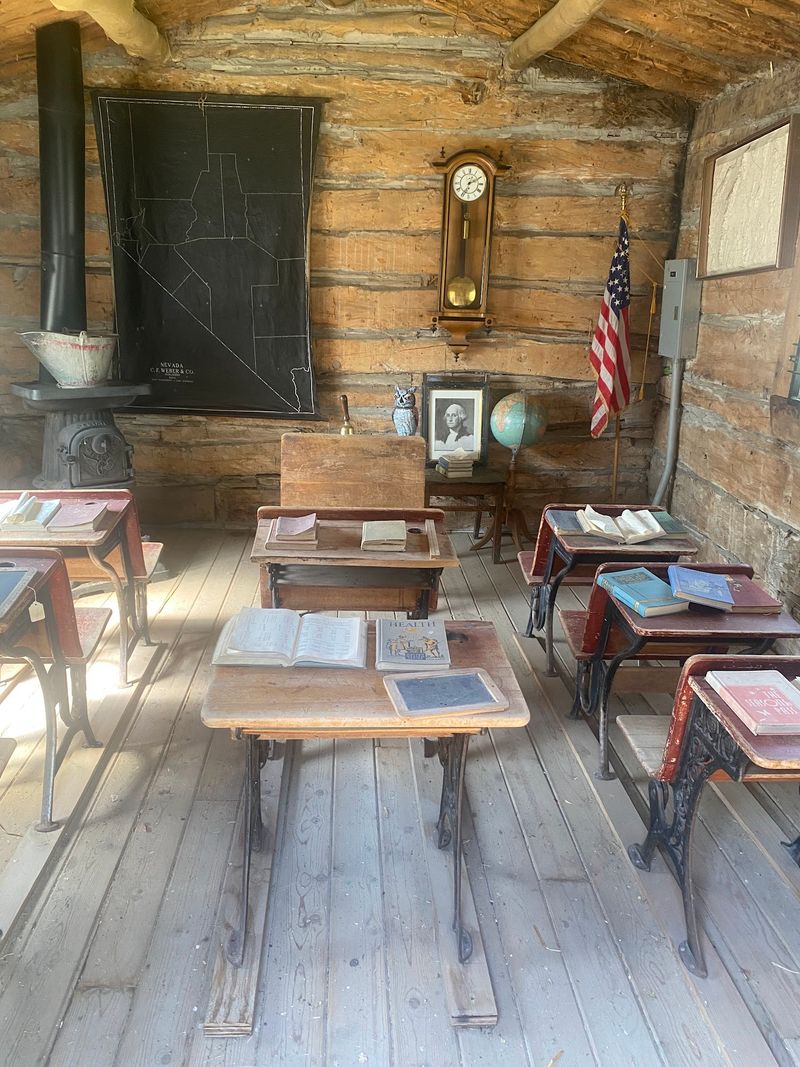
Rushing through would be the easy mistake. The best parts of this property hide in small details, like notched log corners, worn door latches, and the grass growing on top of the sod roofs.
Sod roofing was practical insulation for people living far from lumber yards. Dirt and grass held heat in winter and pushed it away in summer, and seeing it up close explains more than any textbook paragraph.
Look at how the logs were shaped. Each one was cut and fitted by hand, and the slight irregularities are proof of human work rather than machinery.
Interpretive signage around Sherman Station Visitor’s Center fills in the gaps with dates, names, and explanations of what each building did. Reading two or three of them changes how you see the rest.
Kids often latch onto the schoolhouse, comparing it to their own classrooms. That comparison sparks better questions than most museum exhibits manage.
Slow down and circle the property twice if you have time. The second pass almost always turns up something you missed, and it costs you nothing but a few extra minutes.
Why This Stop Deserves A Spot On Your Nevada Route
Long drives across the Great Basin can start blending together. A stop like this breaks the pattern, giving you something to actually see, touch, and think about before you climb back behind the wheel.
What makes Sherman Station Visitor’s Center work is the combination. History and hospitality sit in the same place, so you leave with both a better understanding of ranch life and a solid plan for the rest of your day.
Preservation efforts here continue through a nonprofit that handles repairs and upkeep. Roofs get patched, logs get treated, and the buildings stay standing because people keep choosing to maintain them.
Admission friendly, quick to tour, and easy to reach, the property suits solo travelers, families, and anyone curious about how northeastern Nevada was settled. You will walk away with a clearer picture of what daily work looked like before machines took over most of it.
Add it to your route through Elko. Twenty minutes gets you the highlights, an hour gets you the full story, and either way the detour pays off.