
This Historic New York Building Once Served As A Private Art Gallery, Now It’s A Wonderland Of Crafts And Design
New York buildings rarely sit still in one identity for long, and this Columbus Circle landmark proves it beautifully. What began as a wealthy collector’s private art gallery has become a bold home for craft, design, and material imagination.
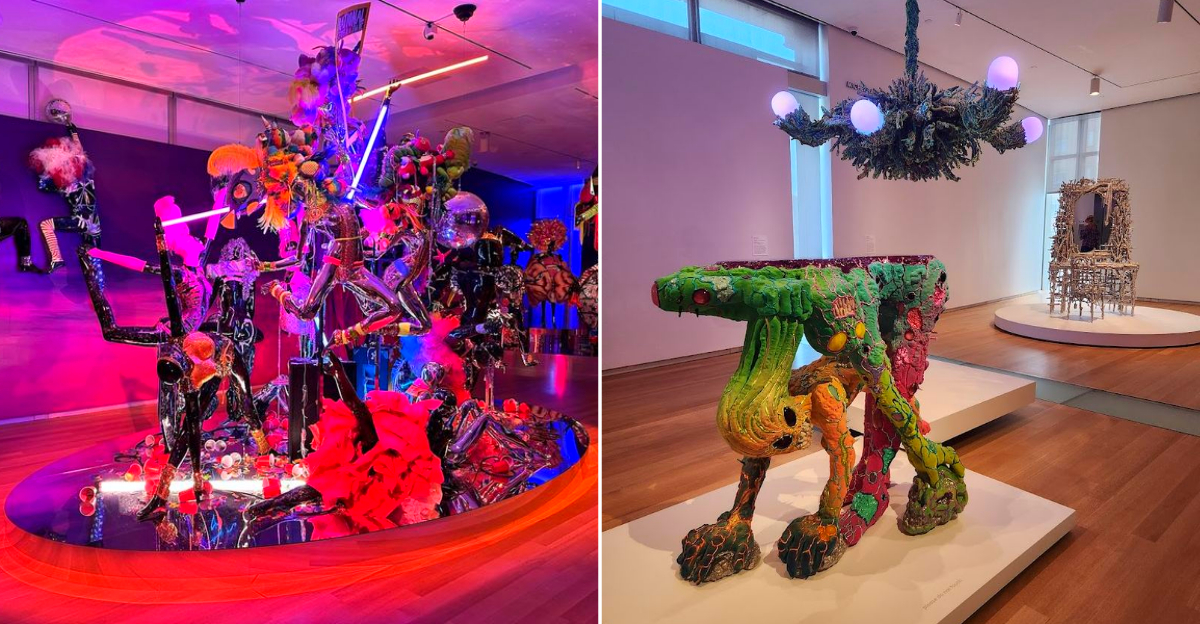
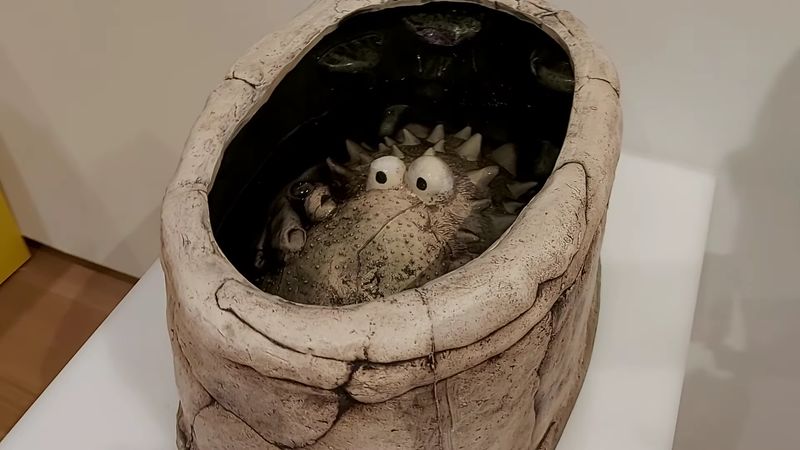
Inside, the focus is not distant, untouchable art that feels locked away from everyday life. It is work shaped by hands, tools, risk, patience, and ideas that turn glass, metal, clay, fiber, wood, and found objects into something unexpected.
The building itself carries that sense of reinvention, moving from old-world grandeur into a place where contemporary makers get the spotlight. Visitors can expect color, texture, unusual forms, and pieces that make you lean closer instead of walking past quickly.
For anyone who likes art with fingerprints, process, and personality, this New York museum feels less like a quiet gallery and more like a castle built for creativity.
A Building That Refused To Be Ordinary
Before a single painting was hung or a ceramic bowl placed on a pedestal, the building itself was already making a statement. Commissioned by Huntington Hartford, heir to the A&P supermarket fortune, the structure at 2 Columbus Circle opened in 1964 as the Gallery of Modern Art.
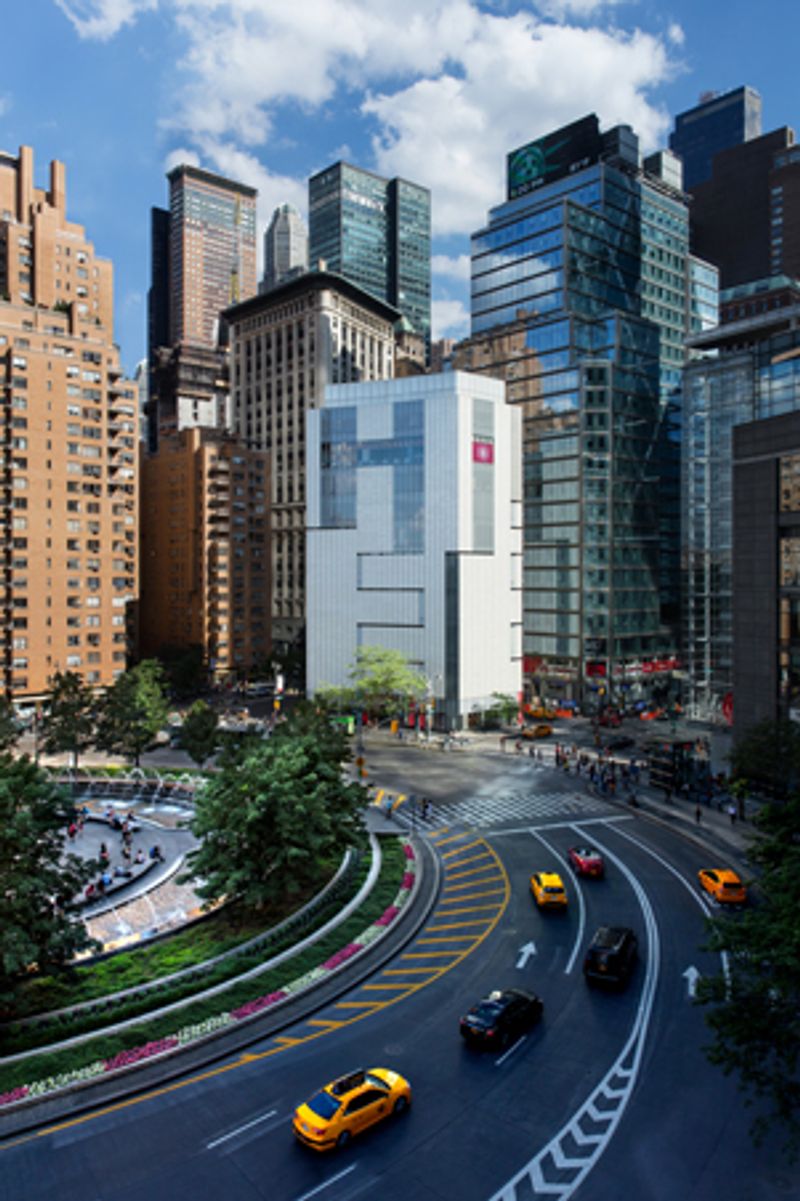
Architect Edward Durell Stone designed it with a marble-clad curved facade and filigree-like porthole windows that looked unlike anything else in New York City.
Critics were not always kind to the design, but the building had personality in abundance. It stood out in a city that already had plenty of architectural confidence.
Hartford wanted a space that reflected his personal vision for art, and Stone delivered something bold, strange, and genuinely unforgettable.
The building went through several owners and purposes over the decades, including a stint as the New York Cultural Center. Eventually it found its permanent calling when MAD moved in and renovated the space between 2005 and 2008.
Today the structure is both a landmark and a canvas, proving that a building with strong bones and a complicated past can absolutely find its best chapter later in life.
Meet MAD, The Museum With A Mission
Founded in 1956 as the Museum of Contemporary Crafts, MAD has always believed that making things by hand is a form of genius. The museum officially moved to its current home at 2 Columbus Cir, New York, NY 10019, opening its renovated doors in September 2008.
The renovation, led by architect Brad Cloepfil of Allied Works Architecture, transformed the interior while preserving the building’s unmistakable character.
MAD’s mission is refreshingly clear: collect, display, and interpret objects that show how contemporary and historic makers push the boundaries of craft, art, and design.
The museum champions both artisanal techniques and digital methods, treating a hand-thrown pot and a laser-cut sculpture with equal respect and curiosity.
What sets MAD apart from other New York museums is its focus on process, not just product. The building features working artist studios on its upper floors, meaning visitors can sometimes watch a real artist in the middle of creating something remarkable.
That kind of access is rare in any city, and in a place as busy as New York, it feels genuinely special. MAD earns its name every single day.
Huntington Hartford And His Grand Gamble
Not every art collector gets to build their own museum, but Huntington Hartford had both the ambition and the inheritance to try. He poured his fortune into creating the Gallery of Modern Art as a counterweight to what he saw as the overly abstract direction of mainstream art institutions.
Hartford preferred 19th and 20th-century figurative work, and he wanted New York to have a place that honored that tradition.
The gallery opened with fanfare in March 1964, drawing attention as much for its unusual building as for its collection. Hartford had genuine passion for art, even if his tastes ran against the grain of the era’s critical establishment.
His gallery operated for several years before closing in 1969, a casualty of shifting cultural tides and financial pressures.
Fairleigh Dickinson University stepped in and reopened the space as the New York Cultural Center, keeping the building active with exhibitions through 1975. After that came a long stretch of institutional use and eventual vacancy.
Hartford’s original gamble did not survive in its first form, but it planted a seed. The building he commissioned would eventually become something even more vibrant than he likely envisioned.
Galleries That Give You Room To Breathe
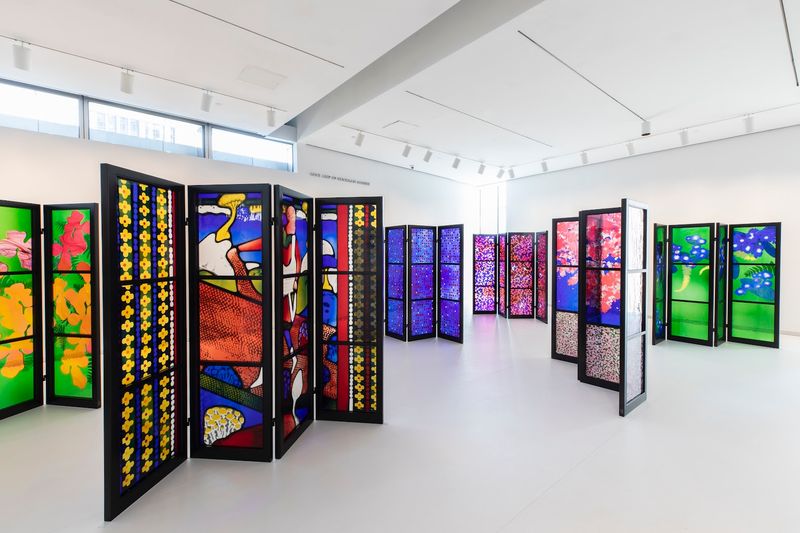
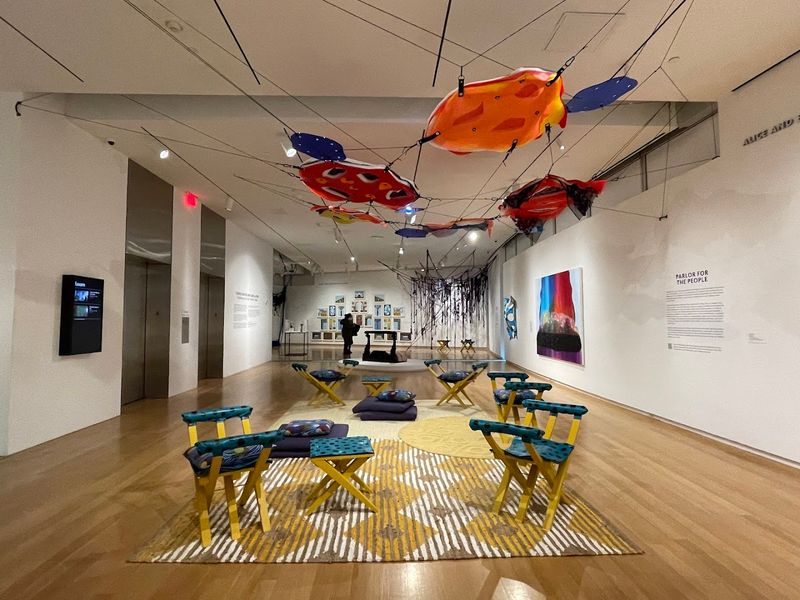
Good curation is an art form in itself, and MAD practices it with real skill. The galleries are airy and thoughtfully arranged, giving each object enough space to communicate on its own terms.
Visitors frequently note how calm the museum feels compared to the overwhelming scale of places like the Met or MoMA. At MAD, you can actually stop and look without being swept along by a crowd.
The exhibitions rotate regularly, covering everything from studio jewelry and ceramics to furniture, digital design, and experimental textiles. Each floor tends to feel like its own world, curated with a specific mood and narrative in mind.
The museum has hosted memorable shows featuring everything from Barbie’s cultural evolution to the intricate work of contemporary fiber artists.
One particularly beloved feature is the dedicated gallery for contemporary and modern studio jewelry, which treats wearable art with the same seriousness as any wall-hung piece. Jewelry at MAD is not an afterthought.
It is a full conversation about material, form, and meaning. Visitors who arrive expecting a quick walkthrough often find themselves lingering far longer than planned, which is honestly the best possible problem a museum can create.
Artist Studios: Where The Magic Is Still Wet
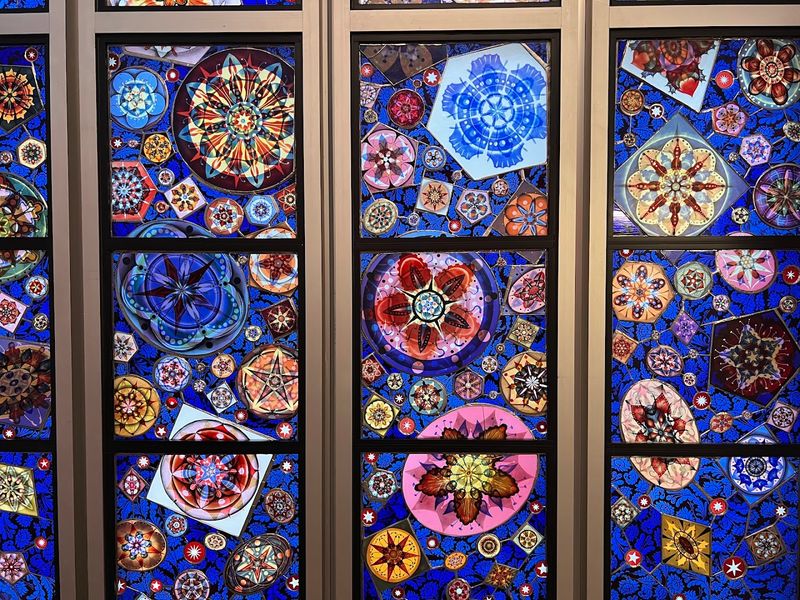
Few museums in the world let you watch art being born in real time, but MAD built that experience right into its floors. The upper levels of the building include active artist studios where residents work on projects during museum hours.
On a lucky visit, you might walk past an open door and find a craftsperson mid-process, hands deep in clay or bent over an intricate metalwork piece.
That kind of access changes how you experience everything else in the building. Seeing the finished objects in the galleries hits differently after you have glimpsed the concentration and effort that goes into making them.
The studios are not staged demonstrations. They are real working spaces, and the artists inside are genuinely focused on their craft.
Visitors are sometimes able to briefly chat with the artists, which turns a standard museum visit into something closer to a studio tour. The energy on those floors is different from the polished quiet of the galleries below.
There is the pleasant smell of materials, the subtle sound of tools, and the unmistakable atmosphere of creative work happening right now. MAD understood that showing the process is just as powerful as showing the result.
Interactive Exhibits That Pull You In
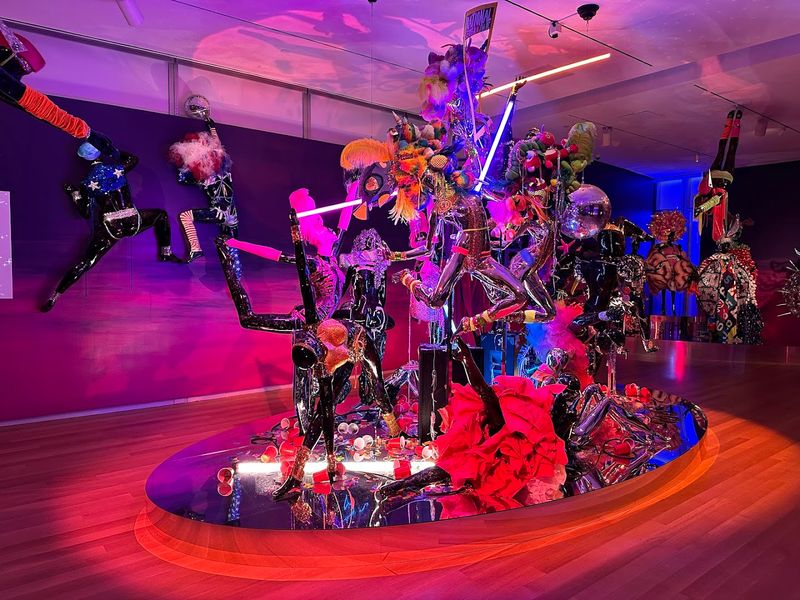
MAD does not believe in the hands-off museum experience, at least not entirely. Several of the exhibitions include interactive elements that invite visitors to participate rather than just observe.
Past shows have featured stations where guests could pick up coloring pencils and contribute their own marks to a larger artistic conversation. That kind of participation is surprisingly satisfying.
The interactive components are not gimmicks. They connect to the museum’s core belief that making things is a fundamental human activity worth celebrating and experiencing firsthand.
When you sit down and try to create something, even something small, you develop a new respect for the artists whose finished work surrounds you.
Educational workshops and programs extend that philosophy beyond the gallery floor, offering structured learning experiences for all ages.
MAD has always positioned itself as a place where curiosity is welcome and where the line between viewer and maker is intentionally blurred.
Families with kids find the museum particularly engaging for exactly this reason. Adults who arrive expecting to simply look often leave having made something with their own hands, which is a pretty wonderful way to spend an afternoon in New York.
The Gift Shop That Earns Its Own Reputation
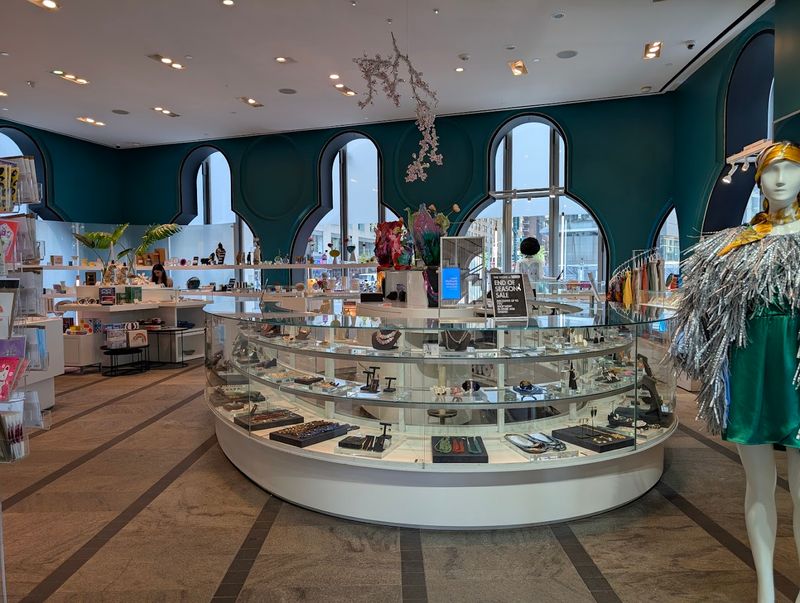
Museum gift shops have a reputation for being forgettable, but MAD’s shop operates at a completely different level. The selection reads more like a curated design fair than a souvenir stand.
Handmade jewelry, artisan ceramics, beautifully designed books, and one-of-a-kind decorative objects fill the space near the entrance, and resisting the urge to buy something requires genuine willpower.
The shop reflects the museum’s values directly. Every item feels chosen with intention, favoring independent makers and thoughtful design over mass-produced novelty.
Prices range from genuinely accessible to investment-worthy, meaning there is usually something for every budget and every taste.
For visitors who love design but do not always connect with traditional fine art, the gift shop can actually serve as the perfect introduction to what MAD stands for.
Browsing the objects there gives you a quick education in the museum’s aesthetic philosophy without requiring you to read a single wall label.
Many regulars treat a stop at the shop as a ritual, checking in on new arrivals the way others might browse a favorite boutique. It is, by any fair measure, one of the best museum shops in New York City.
Columbus Circle And The View From Above
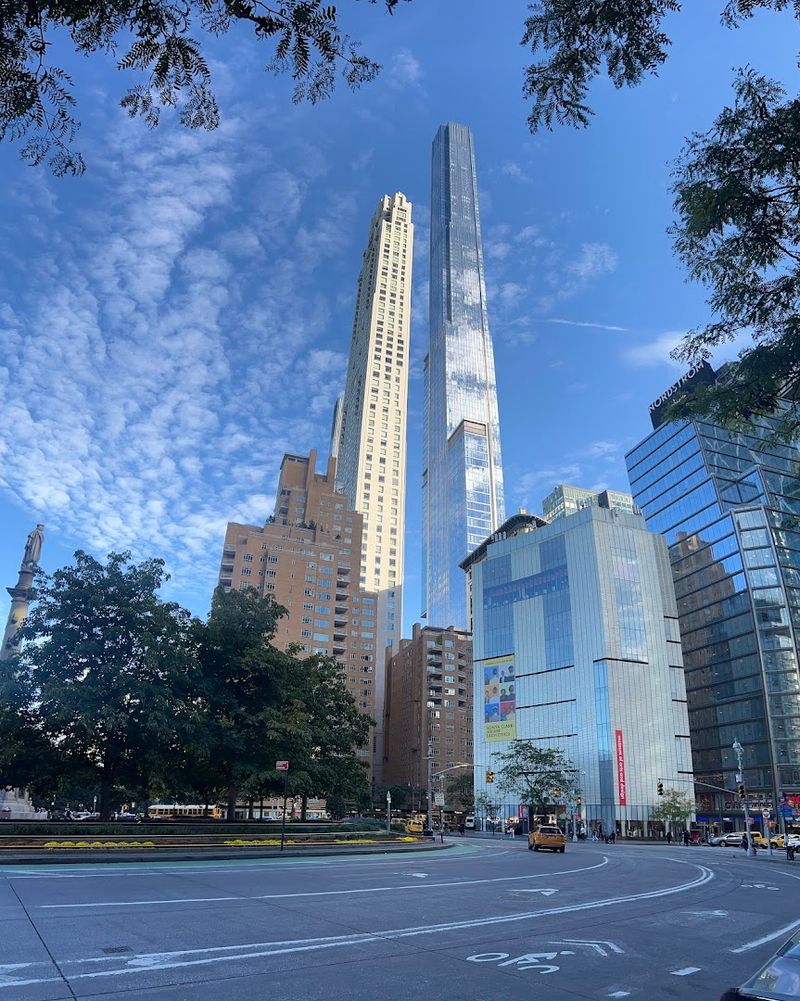
The location of MAD is not incidental to the experience. Sitting right at Columbus Circle, the museum occupies one of New York’s great urban crossroads, where Midtown energy meets the southern edge of Central Park.
The surrounding area is lively, walkable, and filled with the particular electricity that makes New York feel like nowhere else on earth.
Inside the building, the upper floors offer views that are genuinely arresting. The restaurant Robert, on the top floor, has long been celebrated for its panoramic sightlines over Central Park and the city skyline.
Even from the gallery windows, the view of Columbus Circle below gives the experience an added layer of visual drama.
Pairing a museum visit with a walk through Central Park afterward is one of those combinations that feels almost too good to be accidental.
The park’s southern entrance sits just steps from the museum’s front door, making it easy to transition from admiring handcrafted objects indoors to enjoying the city’s most famous outdoor space.
For first-time visitors and longtime New Yorkers alike, that pairing makes a MAD visit feel like a complete afternoon rather than just a single attraction.
Why MAD Deserves A Spot On Every New York Itinerary
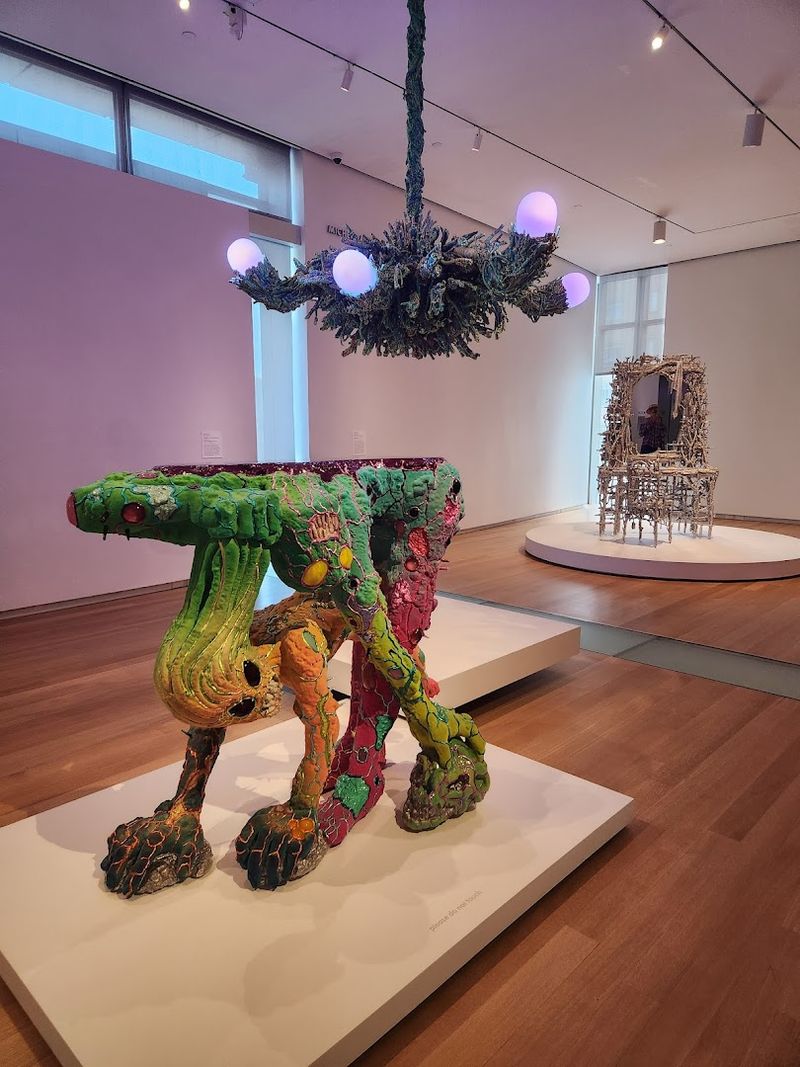
MAD is not the biggest museum in New York, and it does not try to be. What it offers instead is focus, intimacy, and a genuine point of view.
The exhibitions are well curated, the space is manageable, and the overall experience rewards visitors who appreciate craft and creativity over sheer volume. You can see the whole museum in an hour or two without feeling rushed or shortchanged.
The museum is open Tuesday through Sunday, with extended hours on Thursday evenings, making it accessible for a range of schedules.
Admission is priced at a level that reflects the quality of the experience, and Thursday visits offer a more budget-friendly option for those who plan ahead.
The museum’s phone number is available at 212-299-7777 for any questions before your visit.
MAD holds a 4.2-star rating, which tells you something real about the consistency of the experience. New Yorkers return here repeatedly, which is the most honest endorsement any museum can receive.
For anyone who has ever been moved by a beautifully made object, this place delivers that feeling across every single floor. Come curious, leave inspired, and maybe leave carrying something from that exceptional gift shop too.