
This Historic Tennessee Fort Has A Remarkable Past That Few Visitors Know About
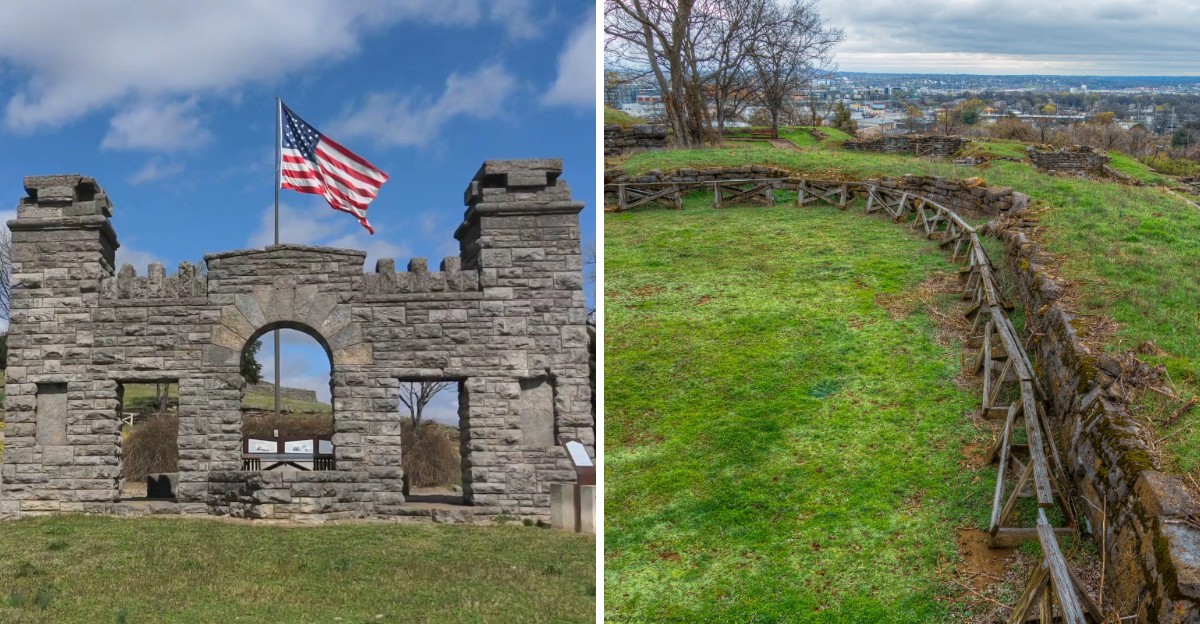
More than 2,700 laborers, mostly people who had escaped slavery and free Black workers, built a massive stone fort in just five months. They hauled rock up a hill by hand.
I find it interesting that so few people know their names.
The result became the largest inland stone fortification built during the Civil War. Its eight-point star shape earned praise as the most perfect piece of defensive design in the country.
In 2019, UNESCO even named it a Site of Memory.
Today, the hilltop sits right next to a busy Tennessee city. Admission is free, and the skyline views are a bonus.
I can see why curious travelers keep adding it to their lists.
The Real Builders Deserve The Spotlight First
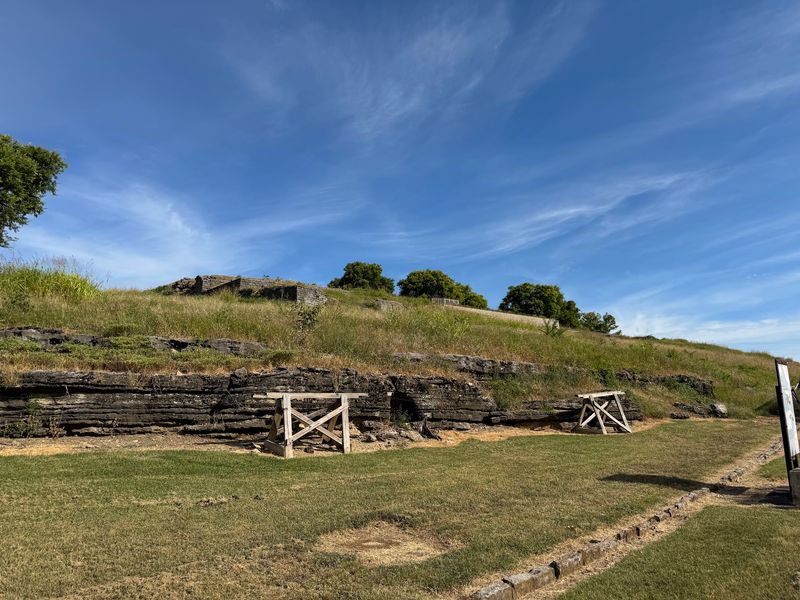
Credit usually goes to generals, but this fort’s true story starts with workers. Fort Negley Visitors Center and Park tells how more than 2,700 conscripted laborers built the fort between August and December 1862.
Most were people who had escaped slavery, often called contrabands at the time, along with free Black individuals. Their work marked the first extensive use of newly freed Black people in the Federal war effort.
The conditions were brutal. Historians estimate hundreds of laborers never made it home, and only 310 ever received pay for their work.
That detail hits hard once you stand on the hill they shaped. Every stone you see connects to someone who carried, cut, or stacked it under heavy pressure.
Captain James St. Clair Morton supervised the project for the Union Army. Still, the site makes it clear that the labor came from people fighting for their own freedom.
Keep this history in mind as you explore. It turns a pleasant walk into something much more meaningful.
The interpretive panels around the park share more of this story. Reading a few as you go adds powerful context to the views.
An Eight-Point Star That Impressed The Experts
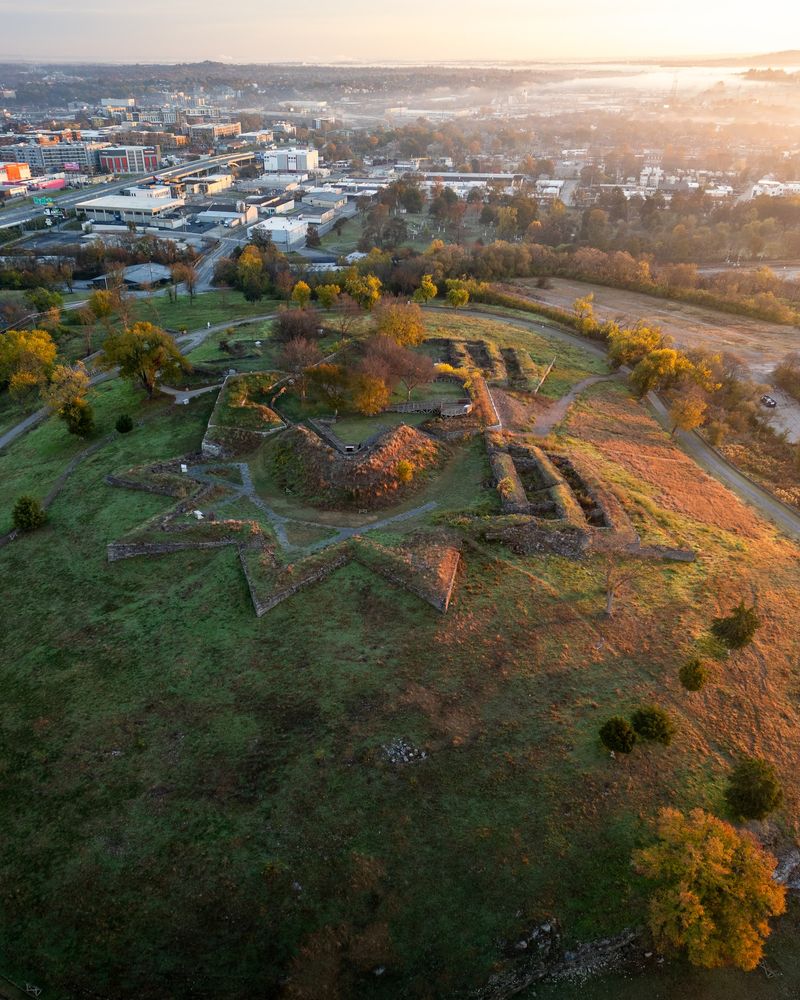
Shapes matter in defense, and this one was a showstopper. Fort Negley used an eight-point star design that someone once called the most perfect piece of defensive architecture in the country.
Why a star? Pointed angles let defenders cover more ground and cut down on blind spots.
Think of it as 1860s geometry homework with very high stakes.
The Union Army built the fort after taking Nashville in February 1862. The city quickly became one of the most heavily fortified places in the nation.
In fact, Nashville ranked second only to Washington, D.C. That’s quite a title for a city now better known for music.
Size adds to the wow factor. Fort Negley stands as the largest inland stone fortification built in the United States during the Civil War.
The reconstructed site covers roughly four acres. From the ground, the angles feel bold and deliberate.
Try spotting the star shape as you move around the path. Aerial photos in the visitors center help, and they make you appreciate the planning behind every wall.
Those Opening Shots Probably Came From Right Here
Here’s a twist many people miss. The fort was never directly attacked, yet it still played a starring role in a major clash.
Its artillery likely fired the opening shots of the Battle of Nashville on December 15-16, 1864. That battle became one of the most important moments of the western campaign.
So the fort did its job mostly by being there. A big stone star on a hill sends a clear message without saying a word.
Federal troops stayed for years afterward. Soldiers, including United States Colored Troops, occupied Fort Negley until at least 1867.
That fact adds another layer to the story. Black Americans helped build the fort and later helped hold it.
Staff at the front desk can explain how the battle lines spread south of town. Asking a question or two is worth it, since the field stretched well beyond this hill.
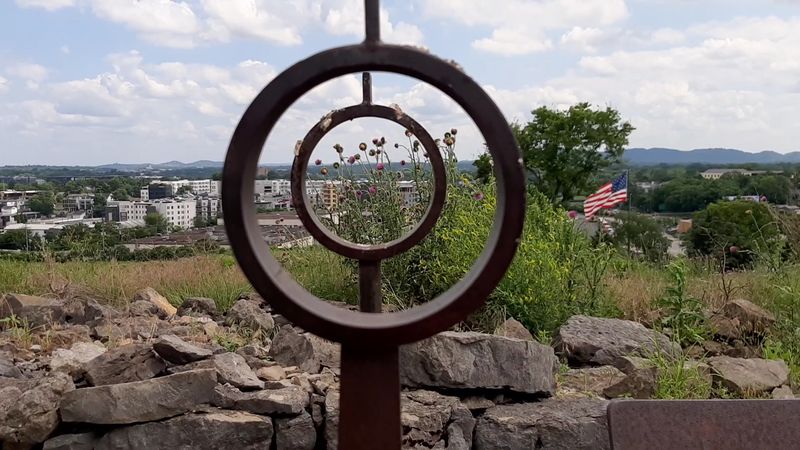
Standing near the walls, you can see why this spot mattered. The high ground gave clear sight lines over the approaches to Nashville, Tennessee.
A Comeback Story Worthy Of Its Own Movie
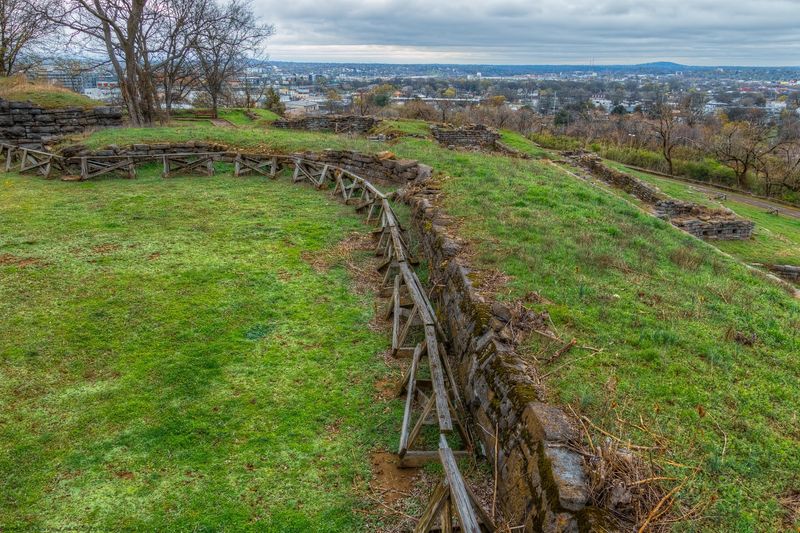
Few landmarks get rebuilt twice, but Fort Negley keeps bouncing back. After the Civil War, the site slid into disrepair.
In 1869, members of Nashville’s early Ku Klux Klan gathered at the fort for a final public demonstration, during which they ceremonially disbanded. It’s a dark chapter, and the park doesn’t hide it.
Then came a fresh start. The City of Nashville bought the property in 1928.
Between 1936 and 1938, the Works Progress Administration reconstructed the fort. The project employed 800 men, and the site reopened to the public in 1938.
Sadly, neglect returned by the mid-1960s. Trees and time crept back over the walls.
Recognition helped turn things around. The fort joined the National Register of Historic Places in 1975.
A city restoration followed in 2004. The current visitors center opened on December 15, 2007, which is a fun date match with the battle anniversary.
UNESCO added a big honor in 2019. The fort became a Site of Memory in its Slave Route Project.
Each rebuild left marks you can still learn about. It’s a site with serious staying power.
Start Indoors Before You Hit The Hill
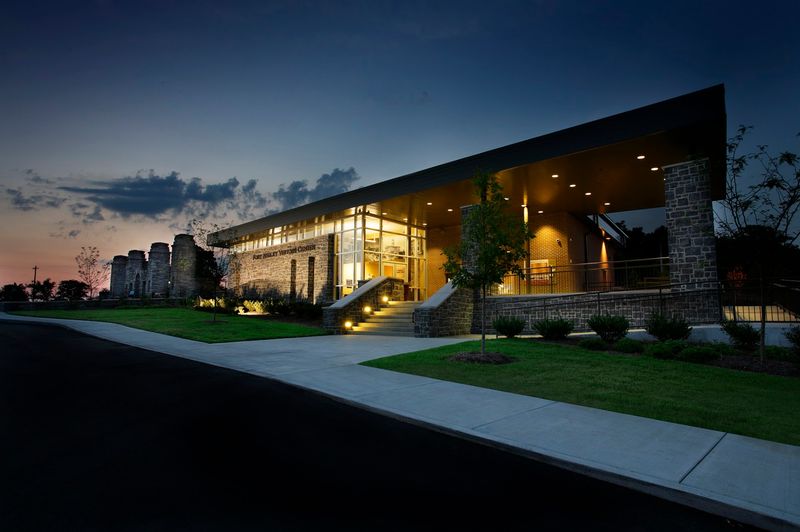
Smart visitors begin at the Fort Negley Visitors Center. It gives you the backstory before the walls start talking.
Inside, interactive touch-screen exhibits break the history into bite-size pieces. A small multipurpose theater screens films that set the scene.
Two 20-minute films run here. The Fall of Nashville covers the city’s occupation, while Defending Nashville: The Story of Fort Negley focuses on the fort itself.
Got a family history hobby? A lobby kiosk lets you search the national Soldier and Sailor Database for Civil War ancestors.
That could turn a quick stop into a personal discovery. Imagine finding a relative’s name in a few taps.
Admission is free, and donations are welcome. Public restrooms are available during operating hours too.
Hours shift with the seasons. From September through May, it opens Tuesday through Friday from noon to 4 p.m., plus Saturday from 9 a.m. to 4 p.m.
Summer brings earlier Friday hours. The center stays closed Sunday and Monday, so plan around that.
Your Sneakers Will Thank You For This Loop
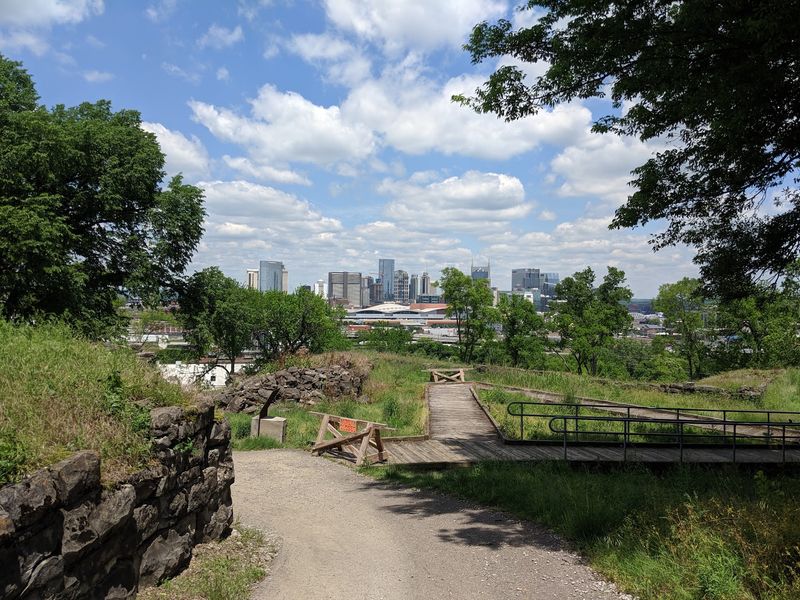
Good news for walkers: the grounds open daily from dawn to dusk. That means you can explore long before the visitors center unlocks.
A paved path of about half a mile circles the fort. It’s an easy stroll with plenty of chances to stop and read.
Twenty interpretive panels dot the park. They share stories about the builders, the soldiers, and the site’s long life.
Inside the fort, boardwalks usually stretch about a quarter-mile. Right now, though, the historic structure on top is closed for Master Plan Phase 1 construction.
Reopening is expected in the fall. Until then, the loop trail stays open and still offers plenty to see.
Early risers have an advantage here. The morning light and quiet path make history feel calm and close.
Comfortable shoes are a smart choice. Some sections climb, and you’ll want to pause often anyway.
Bring water on warm Tennessee days. Shade can be limited, and those panels are worth reading slowly.
Hunt For Fossils Older Than The Dinosaurs
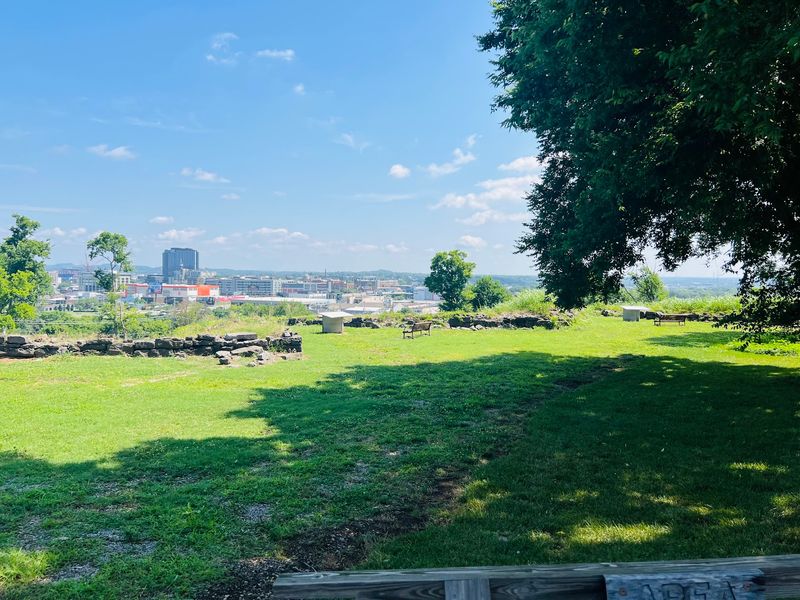
Four hundred million years. That’s the age of the fossils waiting at the Fossils at the Fort collection site.
Yes, these critters beat the dinosaurs by a long shot. The rocks hold traces of ancient sea life from when this area looked very different.
Kids usually love a treasure hunt. This one comes with real science and zero shovels required.
Searching through the rocks is a hands-on break from reading panels. It also sparks great questions about how the land formed.
Close by, a milkweed garden features native Tennessee plants. Monarch butterflies favor milkweed, so the garden supports these colorful travelers.
Together, these spots show that the park offers more than military history. Nature and deep time get their moment too.
Families can easily mix both experiences. Start with fossils, then wander over to see the garden.
Bring a magnifying glass if you have one. Tiny details pop out fast, and young explorers feel like real scientists.
Just follow posted rules for collecting. That keeps the fun going for everyone.
Skyline Views That Put Everything In Perspective
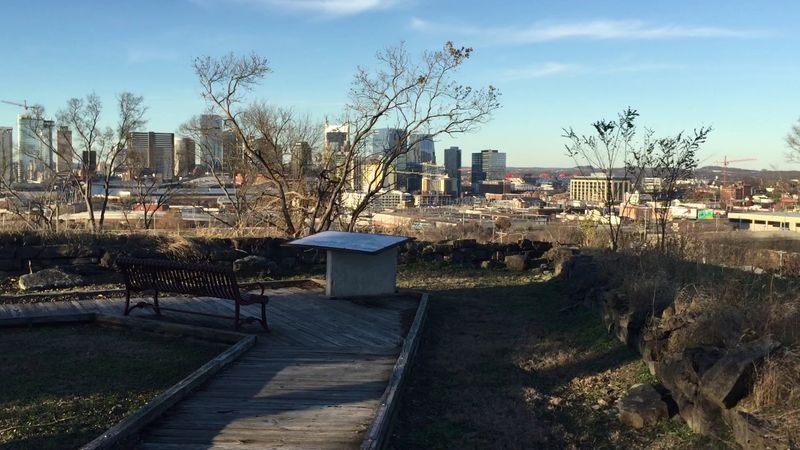
Downtown Nashville sits about two miles north, and the view from this hill is wide open. Panoramic skyline scenes rank among the park’s best surprises.
That view also explains the fort’s purpose. Union planners wanted high ground that watched over the city and its approaches.
Today, cameras replace cannons. Photographers love the contrast between old stone and modern towers.
The fort sits between the Chestnut Hill and Edgehill districts. It’s close enough to downtown for an easy side trip.
Look for the full address at 1100 Fort Negley Blvd, Nashville, TN 37203. Your map app will handle the rest.
Parking is very limited because of ongoing construction. Carpooling makes life easier, especially on Saturdays.
Dawn-to-dusk park hours give you flexibility. Golden hour can make the skyline glow beautifully.
Take a moment to pause before snapping photos. Seeing a modern city from a hill built by freedom seekers feels powerful.
Few skyline spots carry that much meaning. This one earns its place on any Nashville, Tennessee itinerary.
Bigger Plans Are Taking Shape Next Door
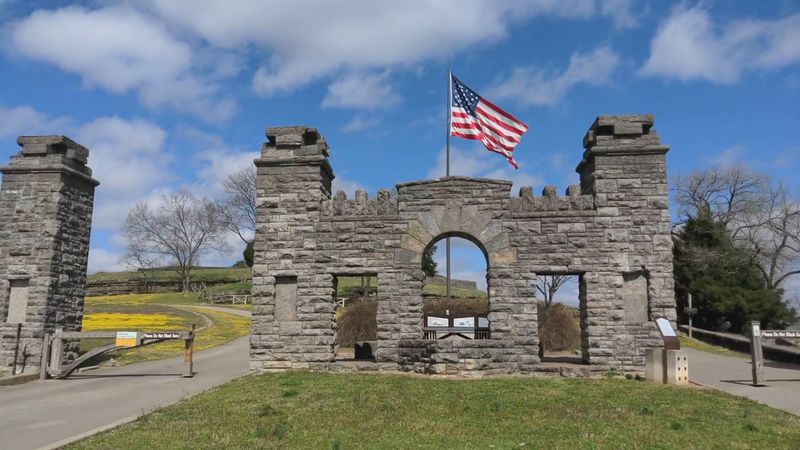
Change is coming fast to this corner of Nashville. The former Greer Stadium site is being folded back into Fort Negley Park.
That old ballpark land sits right beside the fort. Returning it to the park helps restore the bigger historic landscape.
Master Plan Phase 1 work is already underway. It’s the reason the hilltop fort is closed for now.
Patience should pay off. The fort structure is expected to reopen in the fall.
Neighbors make the area even more fun. The Adventure Science Center sits right next door, perfect for a full family day.
Groups have options too. School programs, field trips, and guided group tours are offered by reservation.
History fans may enjoy local organizations here. The site hosts the Nashville Civil War Roundtable and Fort Donelson Camp 62, Sons of Union Veterans.
Check hours before heading out. Construction can affect parking and access.
Visiting now lets you see the transformation in progress. Coming back later shows how far Fort Negley Visitors Center and Park has grown.