
This Idaho Lodge Is Home To Wild-Caught Salmon That Food Lovers Never Forget
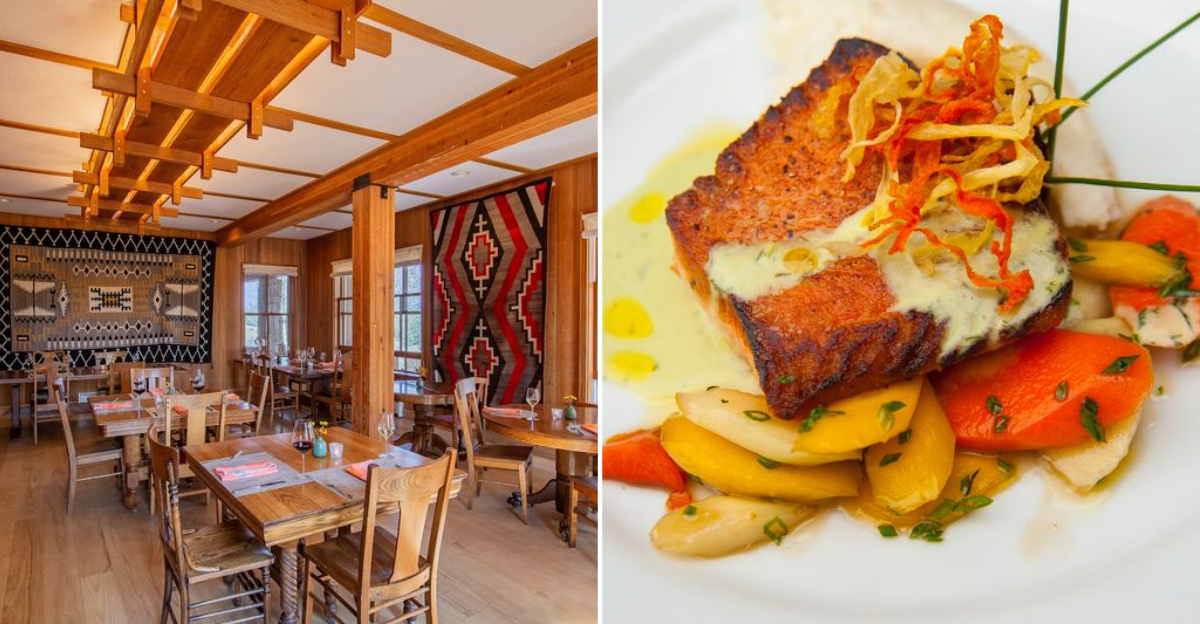
Wild caught salmon this good has a way of making every previous version feel like a rehearsal. This Idaho lodge built its entire reputation around exactly that realization.
The fish arrives with a provenance that shows up in the flavor before anyone explains the sourcing. That quality registers immediately and stays through the last bite.
Food lovers who make the trip describe the salmon with the reverence reserved for meals that permanently adjusted their standard. That adjustment happens before the plate is finished.
A lodge earning a food reputation on the strength of a single ingredient made a confident bet. Idaho delivered the river, the fish, and the kitchen willing to honor both completely.
Sourcing Techniques For Premium Wild Salmon
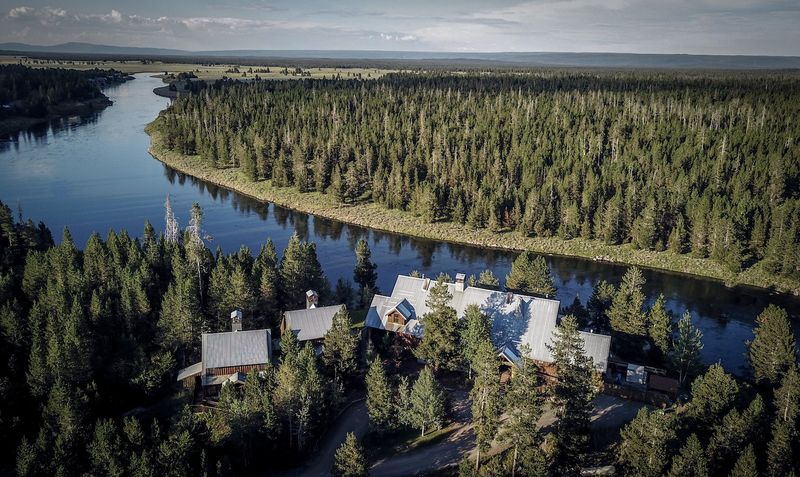
Wild salmon does not just appear on a plate by accident. It starts with carefully regulated fisheries along the Pacific Coast.
Harvest seasons typically run from May through October each year.
Henry’s Fork Lodge was the first restaurant in Idaho to join the Seafood Choices Alliance. That membership reflects a real commitment to knowing exactly where the fish comes from.
Sourcing from regulated fisheries means every salmon on the menu has a traceable story.
Common harvesting methods include gillnetting, purse seining, and trolling lines. Gillnets use specific mesh sizes to target the right species.
This reduces accidental catch of non-target fish.
Purse seining encircles whole schools of fish at once. It still allows non-target species to be carefully released.
Trolling lines are the most selective method of all.
After capture, salmon are immediately bled and chilled. Refrigerated seawater or slush ice preserves freshness from the very first moment.
Some fishermen even use special mats and slides to prevent bruising.
That level of care before the fish even reaches the kitchen makes a noticeable difference. You can taste the freshness in every bite.
Henry’s Fork Lodge sits at 2794 S Pinehaven Dr, Island Park, ID 83429, and the salmon they serve reflects every careful step in that sourcing chain.
Distinctive Flavors Of Wild Salmon Varieties
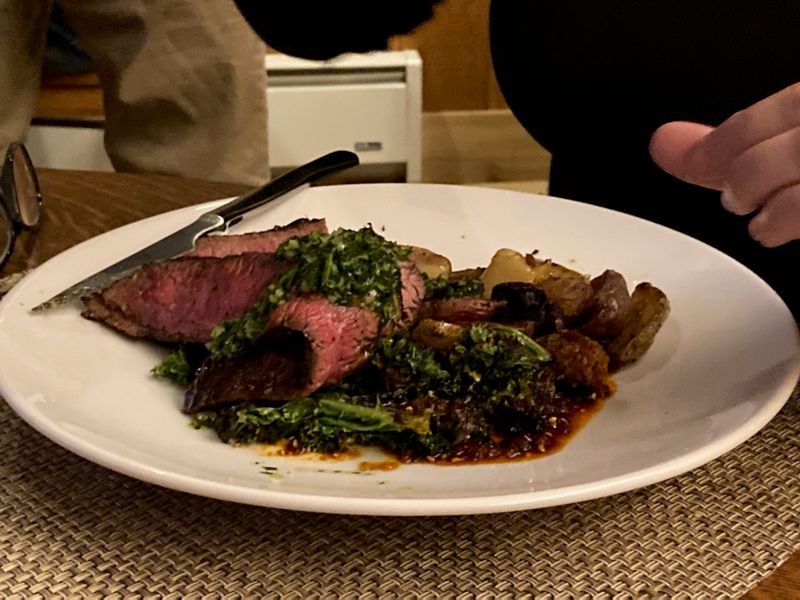
Not all wild salmon taste the same. Each species brings its own personality to the plate.
That variety is part of what makes wild salmon menus so exciting to explore.
King salmon, also called Chinook, is the heavyweight of the group. It has a high fat content and a buttery, rich texture.
Many chefs consider it the most prized of all wild species.
Sockeye salmon earns its reputation through bold, full-bodied flavor. Its deep red color comes from a natural diet rich in krill.
The firm texture holds up beautifully under high-heat cooking methods.
Coho salmon leans toward the milder side of the flavor spectrum. It has a slightly sweet, delicate taste with a medium-firm bite.
This makes it a crowd-pleaser for guests who prefer subtler fish.
Keta salmon is leaner and lighter in color. Its subtle flavor works well when paired with stronger seasonings or sauces.
Pink salmon rounds out the group with soft, pale flesh and low fat content.
Wild salmon gets its vibrant color naturally from its diet in open water. Farmed salmon simply cannot replicate that depth of flavor.
At Henry’s Fork Lodge, the daily menu changes to reflect whatever wild variety is at peak freshness, so every visit brings something genuinely new to the table.
Innovative Cooking Methods Enhancing Natural Tastes
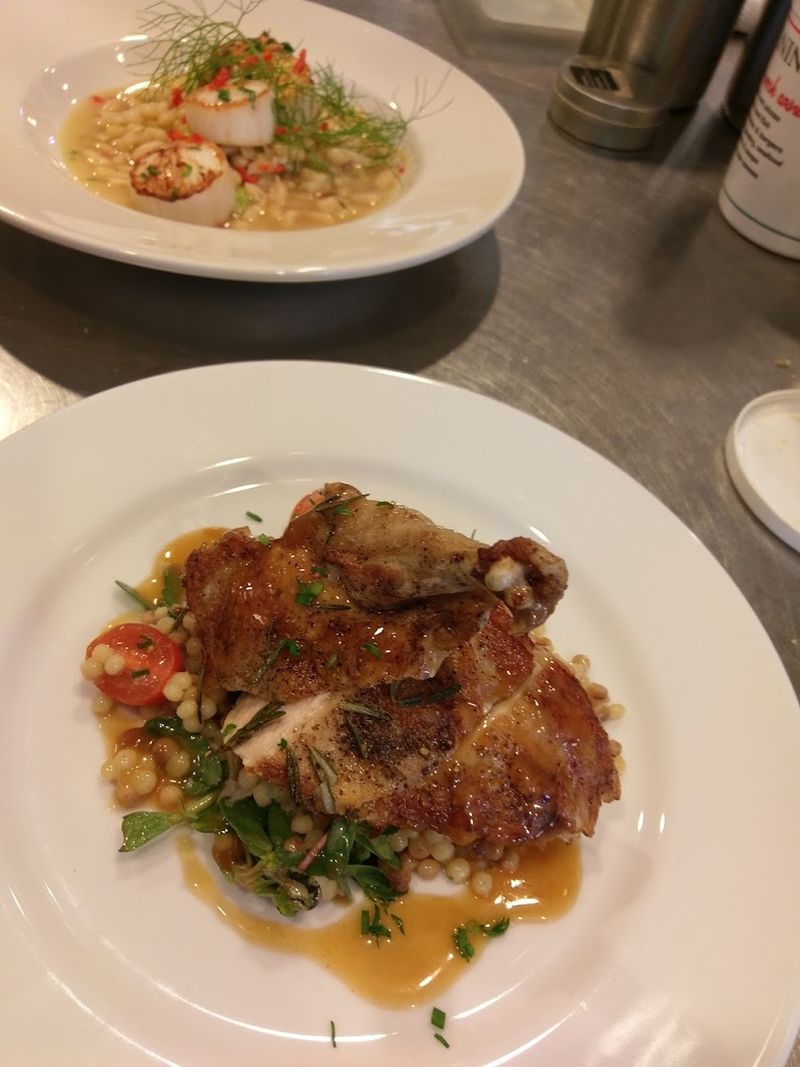
Wild salmon is leaner than farmed salmon, and that changes everything about how you cook it. It needs less time on heat and more attention to temperature.
Get it right, and the results are genuinely memorable.
Baking at lower temperatures helps lock in moisture. Slow roasting keeps the center rare and flaky.
That soft, just-cooked center is what separates good salmon from great salmon.
Grilling adds a smoky char that plays well against the fish’s natural richness. A few minutes per side is usually all it takes.
The key is not walking away from the grill.
Poaching with herbs, garlic, onion, and aromatics creates a gentle, fragrant cook. The fish absorbs those flavors without losing its own identity.
Smoking wild salmon involves brining first, then air-drying, then a low, slow smoke. Cooking in parchment, also called en papillote, traps steam and keeps every drop of moisture inside.
Broiling works fast, with timing adjusted by the thickness of the fillet.
Henry’s Fork Lodge uses these techniques on a rotating daily menu. Each method is chosen to highlight whatever variety is freshest that day.
The result is salmon that tastes like it was caught and cooked on the same afternoon.
Health Benefits Unique To Wild Caught Salmon
Wild-caught salmon is one of the most nutrient-dense foods you can eat. It is loaded with Omega-3 fatty acids, specifically EPA and DHA.
Those compounds support heart health and brain function and help reduce inflammation in the body.
Eating wild salmon regularly can improve cholesterol levels. It also helps maintain healthy blood pressure over time.
That combination makes it a genuinely smart choice for long-term wellness.
Protein content is another major advantage. Wild salmon is an excellent source of complete protein with all the essential amino acids your body needs.
Muscle repair, immune support, and tissue growth all benefit from that protein load.
Vitamins D and B are present in meaningful amounts. Selenium, an important mineral for thyroid function, also shows up in wild salmon.
These nutrients work together to support overall health in ways that a simple supplement cannot fully replicate.
Wild salmon is lower in fat and calories compared to farmed varieties. Its anti-inflammatory properties contribute to healthier skin over time.
Tryptophan, a natural compound in salmon, even helps regulate mood and sleep quality.
The difference between wild and farmed salmon in terms of nutrition is real and measurable. Wild fish live active lives in open water, which directly affects their muscle composition and nutrient profile.
Choosing wild salmon at Henry’s Fork Lodge means you are getting every one of those natural advantages on your plate.
Seasonal Availability And Its Influence On Quality
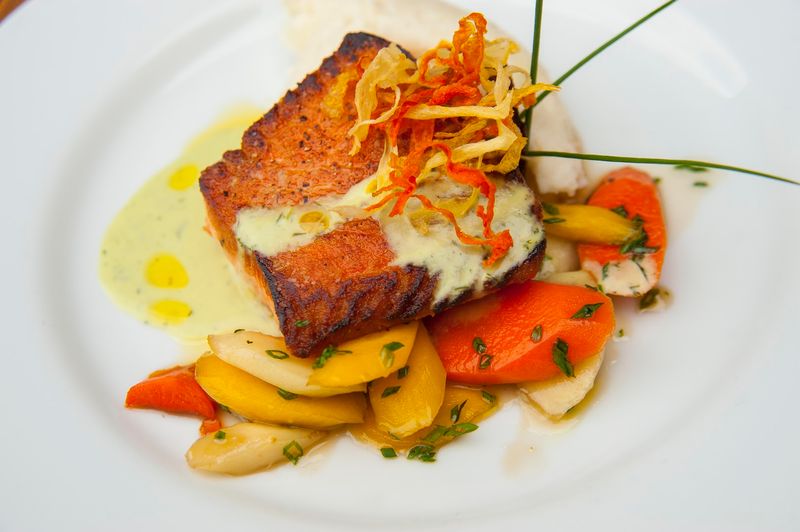
Wild salmon is a seasonal product, full stop. You cannot get peak-quality wild salmon year-round, and that is actually a good thing.
Seasonality is what guarantees the fish on your plate is at its absolute best.
Sockeye salmon peak during June and July. Chinook salmon runs strong from May through September.
Pink salmon comes into season from June to September, but only in alternating years.
The broader Pacific Coast harvest window runs from May through October. Outside of that window, what gets sold as fresh salmon has almost always been previously frozen.
Modern flash-freezing technology is actually excellent at preserving quality for up to two years.
Henry’s Fork Lodge builds its daily menu around what is genuinely fresh and in season. That means the salmon you eat there was chosen because it is at peak flavor right now.
The menu changes daily, which keeps things interesting and honest.
Buying or ordering wild salmon outside its natural season usually means settling for lower quality. The texture softens, the flavor dulls, and the color fades.
None of that happens when the fish is sourced correctly and served at the right time.
Chefs who understand seasonality treat it as a creative tool rather than a limitation. At Henry’s Fork Lodge, the seasonal rhythm of wild salmon shapes the entire dining experience from the first course to the last bite of dessert.
Pairing Wild Salmon With Complementary Ingredients
Wild salmon has a bold, natural flavor that pairs best with ingredients that complement rather than compete. Light, fresh, and acidic elements tend to work beautifully.
They lift the fish without drowning out what makes it special.
Citrus fruits are a classic starting point. Lemon, lime, and orange all bring brightness that cuts through the richness of the fish.
A simple squeeze of lemon over a grilled sockeye fillet does more work than most people expect.
Fresh herbs like dill, rosemary, and thyme add aromatic depth. Garlic and butter remain reliable classics for good reason.
They enhance the salmon’s natural oils without overwhelming the palate.
Sweet and savory combinations open up a whole different direction. Honey, maple syrup, and mustard create a glaze that caramelizes beautifully over heat.
Soy sauce and ginger push the flavor profile toward something bold and Asian-inspired.
On the side, roasted broccoli, asparagus, and spinach all hold their own next to salmon. Grains like quinoa or brown rice round out the plate with texture and substance.
For something unexpected, harissa or a peanut-based satay sauce can completely change the character of the dish.
Henry’s Fork Lodge uses seasonal ingredients to build pairings that feel intentional and fresh every single night. The daily menu rotation means the kitchen is always working with what is at peak quality.
That approach turns a great piece of fish into a genuinely complete meal.
Sustainable Practices Supporting Wild Salmon Populations
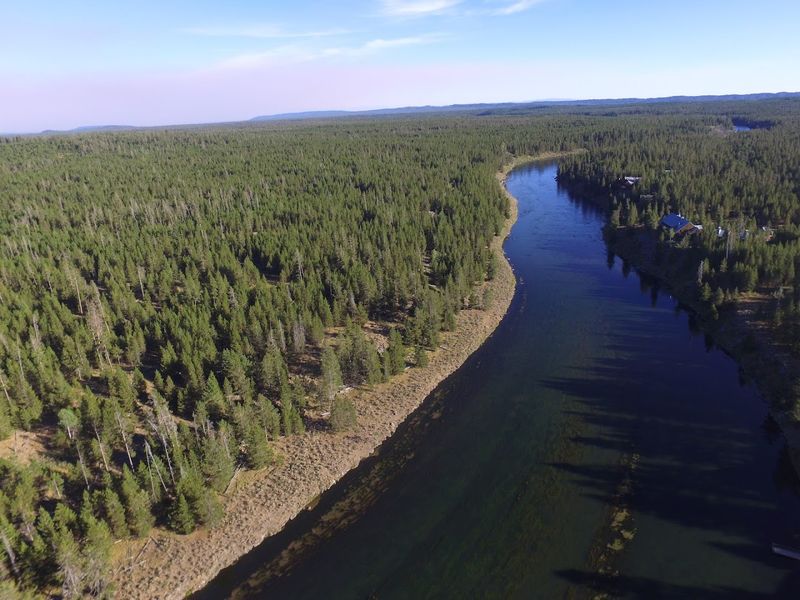
Henry’s Fork Lodge made history as the first restaurant in Idaho to join the Seafood Choices Alliance. That is not a small detail.
It signals a genuine, documented commitment to sustainable seafood sourcing.
Sustainable fishing methods like gillnetting, purse seining, and trolling all prioritize fish population health. Gillnets use carefully selected mesh sizes to reduce bycatch.
Purse seining allows non-target species to be released before the catch is brought aboard.
Science-based management guides how much fish can be harvested each season. The Alaska Department of Fish and Game sets annual catch limits based on thorough scientific assessments.
These limits exist to protect spawning populations and long-term fish supply.
Seasonal closures protect critical spawning areas during vulnerable periods. Fishing restrictions reduce stress on populations when numbers dip.
Alaska also enforces a strict ban on fish farms, which keeps wild salmon populations naturally robust.
Wild salmon play an important ecological role beyond just being food. They transport nutrients from the ocean into freshwater river systems.
That nutrient cycle supports the entire forest and wildlife ecosystems along the Pacific Coast.
Choosing wild salmon from a responsible source like Henry’s Fork Lodge means supporting the fishermen, the ecosystems, and the future supply of high-quality fish. Many Alaskan wild salmon carry Marine Stewardship Council certification.
That certification gives diners real, verifiable confidence in what they are eating.
Cultural Traditions Surrounding Wild Salmon Cuisine
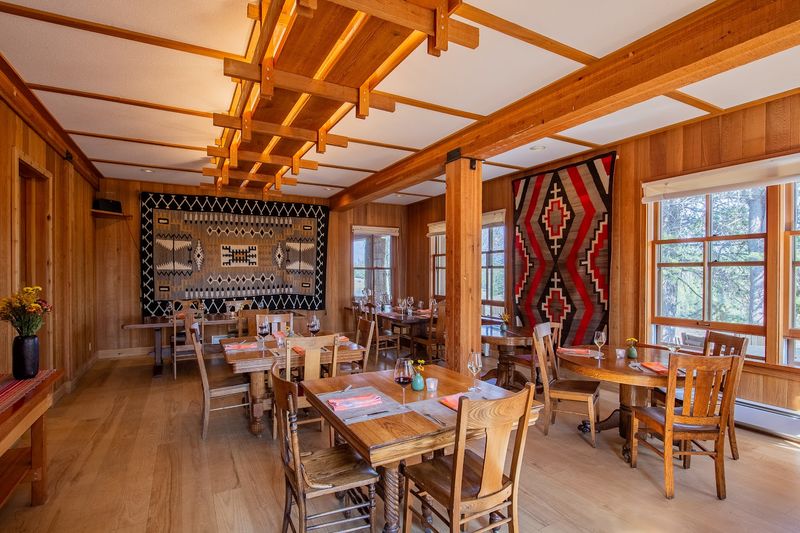
Salmon has shaped human culture along the Pacific Northwest for thousands of years. For Indigenous peoples, it was never just a food source.
It was a symbol of life, fertility, and spiritual connection to the land.
Salmon was recognized as one of the traditional First Foods honored in tribal ceremonies. Special rituals marked the arrival of the first salmon of each season.
These ceremonies expressed gratitude and asked for continued abundance in the years ahead.
The predictability of salmon migrations made them a reliable staple for entire communities. Indigenous populations developed hundreds of methods for catching and preserving salmon over generations.
Drying, fermenting, and smoking were all essential techniques for surviving long winters.
Smoking salmon started as a preservation necessity. Today, it has evolved into a celebrated culinary art form across North American food culture.
That smoky, cured flavor is now one of the most recognizable tastes in the world.
In traditional Japanese cuisine, raw salmon was historically avoided due to parasite concerns in wild Pacific fish. The Ainu people of Hokkaido had a different relationship with salmon entirely.
They revered it as a divine gift and even used salmon skin to craft clothing.
In Murakami, Japan, air-drying salted salmon remains a unique and beloved cultural preservation tradition. These deep cultural roots remind us that wild salmon is far more than a menu item.
At Henry’s Fork Lodge, serving wild salmon honors that long, meaningful history with every plate.