
This Illinois Former Capital Town Piles On Historic Charm That Keeps Locals Coming Back
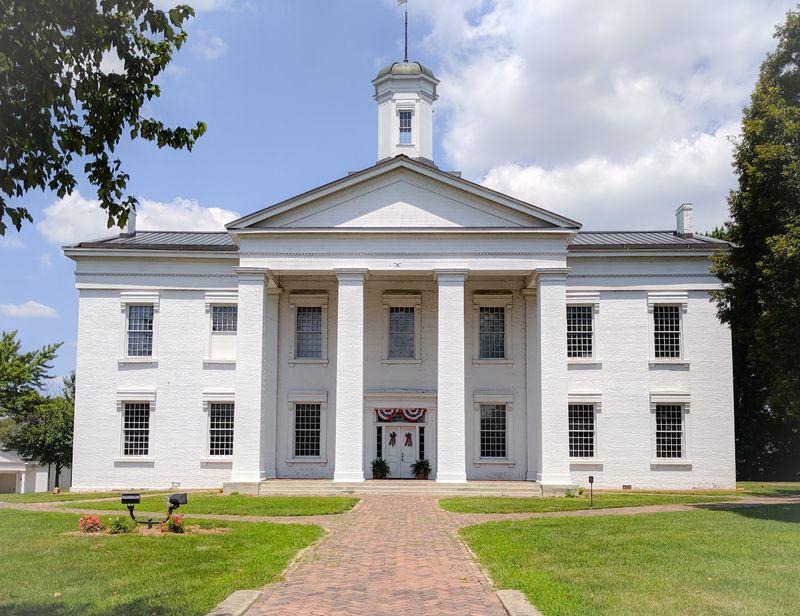
Abraham Lincoln learned to be a lawmaker in a white brick statehouse that still stands today, and it isn’t in Springfield. It sits about 60 miles northeast of the St. Louis area, in a small Illinois town that once ran the whole state.
The building went up in 1836. Just three years later, the capital packed up and moved away for good. Lincoln was one of the lawmakers who pushed for that move.
The funny thing is, the town never seemed to sulk about it. It kept the statehouse, kept the stories, and kept adding new reasons to visit.
A pioneer mother statue, a church turned museum, and a lake with fireworks all made the list.
I’ve come to realize that the best history towns don’t feel frozen. They feel lived in, with festivals, parks, and porches mixed right in with the old brick.
It just feels right that a place this small holds a story this big. So how did a 20-year capital turn into a town people keep returning to?
A Statehouse That Outlasted Its Own Job
Vandalia, Illinois served as the state capital from 1819 to 1839. That’s twenty years of laws, arguments, and big decisions in one small prairie town.
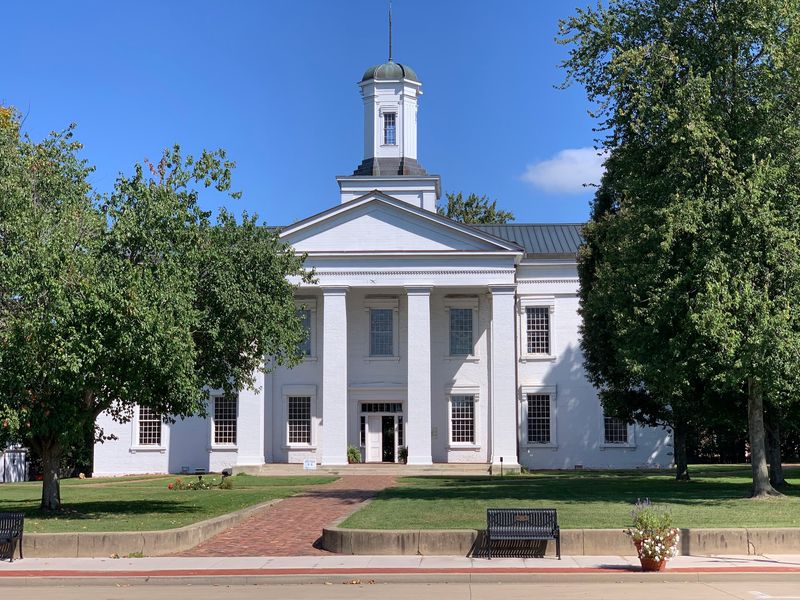
The star of that era is the Vandalia Statehouse, built in 1836. It’s the oldest surviving state capitol building in Illinois, which is a serious bragging right.
Here’s the twist that makes people grin. The town actually built this one after outgrowing earlier capitol buildings, hoping it would keep the government in place.
It didn’t work, and the capital moved to Springfield in 1839. Still, the building stayed, and today it’s run as a state historic site.
The Federal-style design is clean and simple, with white brick walls and a tidy look. Inside, the old House and Senate chambers have been restored to show how lawmakers worked back then.
You can find it at 315 West Gallatin Street, Vandalia, Illinois 62471. Guided tours and self-paced visits both make it easy to explore.
Plan to read the exhibits about the state’s earliest years. They turn dusty dates into real people making real choices, which is a lot more fun than a textbook.
Young Lincoln Practiced His Politics Right Here
Before the beard, the stovepipe hat, and the White House, Abraham Lincoln was a rookie state lawmaker. He served in the Illinois House of Representatives in this very building.
Lincoln held that seat from 1834 into the late 1830s. So the town of Vandalia saw him at the very start of his political story.
One moment from those years stands out. In 1837, Lincoln and fellow lawmaker Dan Stone filed a written protest stating that slavery was founded on injustice and bad policy.
That was a bold stand for a young legislator. It’s one of the earliest public records of his views on the issue.
Lincoln also belonged to a group of Sangamon County lawmakers nicknamed the Long Nine. They were all unusually tall, and they helped push the capital move to Springfield.
Yes, he helped move the capital away from the town that hosts his history today. Talk about a complicated relationship.
Standing in the restored chamber gives that story real weight. You can see the kind of space where those debates happened, which feels far more personal than reading about it.
Say Hello To The Madonna Of The Trail
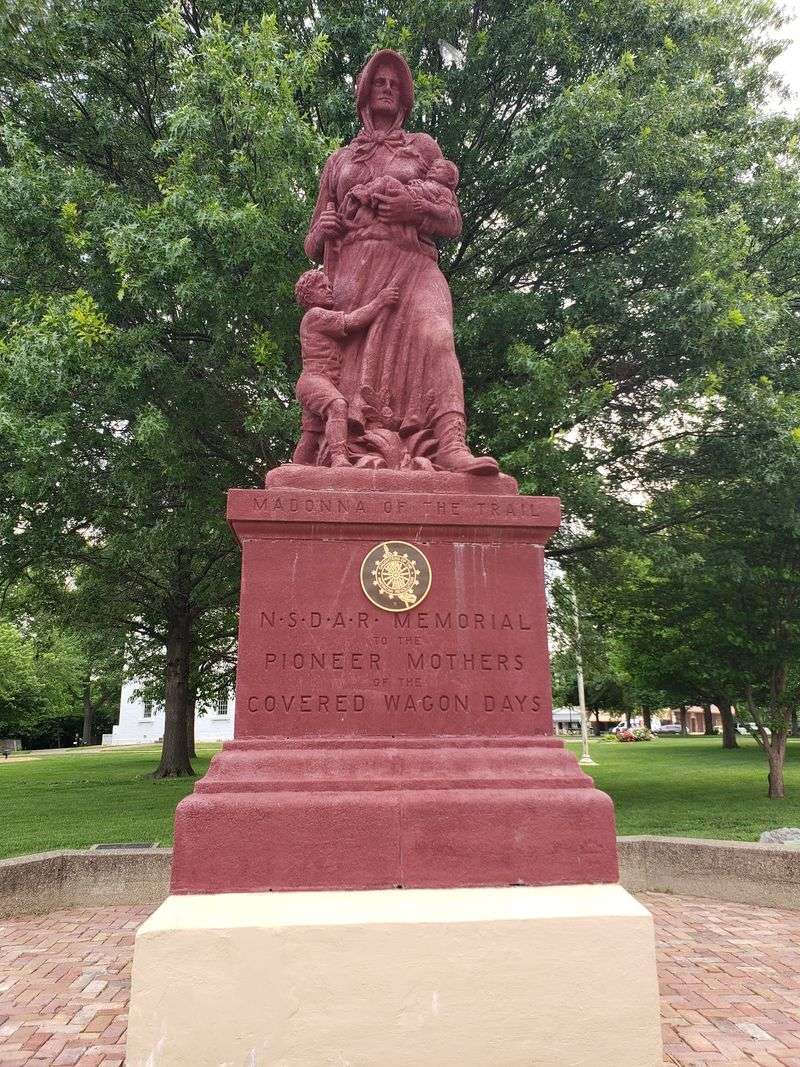
She stands tall, holds a baby, and has a young child clinging to her skirt. Meet the Madonna of the Trail, a statue on the Statehouse grounds.
The monument was dedicated in 1928. It honors the pioneer women who made the long, tough trip west with their families.
What makes her extra special is that she has eleven sisters. Twelve of these statues were placed across the country along old trails heading west.
Each one shares the same design, so spotting another one later can feel like running into an old friend. Collecting them all is a fun road trip goal.
Vandalia earned one because of its spot on the National Road. That made the town a key stop for travelers in the early 1800s.
The statue makes a great photo stop before or after a Statehouse tour. Kids usually love comparing their height to hers, and they always lose.
Take a minute to read the base, too. The words remind visitors that settling the West took grit from moms as much as anyone else.
The Old Road West Stopped Right Here
Long before interstates, there was the National Road. It was the first major highway built by the federal government, and it ended in Vandalia.
The road, also called the Cumberland Road, started in Maryland. It carried wagons, settlers, and dreams toward the growing West.
Being the western end of that road made this Illinois town a big deal. Travelers, traders, and new families all came through on their way to new lives.
To get the full picture, stop by the National Road Interpretive Center in town. It covers the history of the road with exhibits and artifacts.
A model Conestoga wagon is one of the highlights. Seeing how small and bumpy those wagons were will make any modern car ride feel like luxury.
It’s a smart stop for families with curious kids. The displays explain how travel worked before gas stations and drive-thrus existed.
Pair this visit with the Madonna statue and the Statehouse. Together they tell one connected story about how people moved, settled, and built the Midwest.
A Church Became The Town’s Memory Box
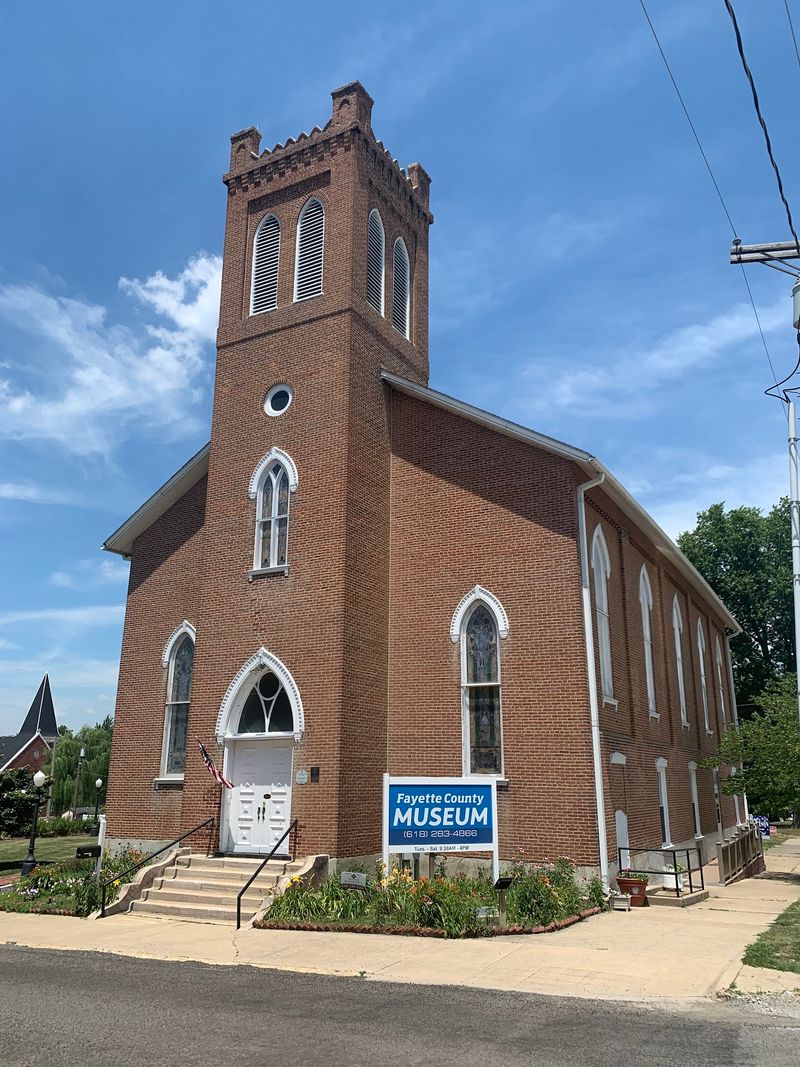
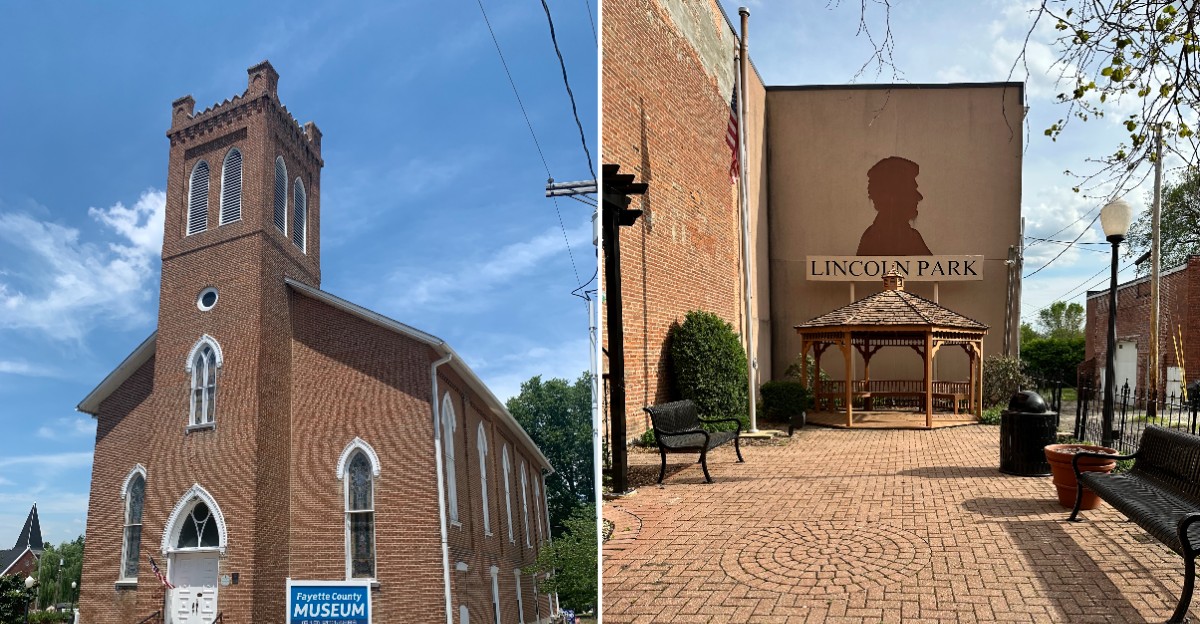
Pointed windows and a church-like shape give it away. The Fayette County Museum lives inside a former Presbyterian church built in 1867.
The building shows off an Early Gothic Revival style. You’ll find it at 301 West Main Street, just a short hop from the Statehouse.
A local group called Historical Vandalia, Inc. bought the building in 1970. After years of work, it opened as a museum in 1979.
Inside are thousands of artifacts donated by people from the area. That means the collection feels personal, like a giant family attic everyone agreed to share.
The first floor is split into ten rooms. Each one shows a different slice of daily life from the county’s past.
Watch for a 1917 Wicks pipe organ, a nice nod to the building’s church roots. There’s also a bank teller’s cage from 1865, which is wonderfully old-school.
Give yourself time to wander here. Small museums like this hold the stories big museums skip, and those stories often turn out to be the most memorable.
Small House, Big Literary Bragging Rights
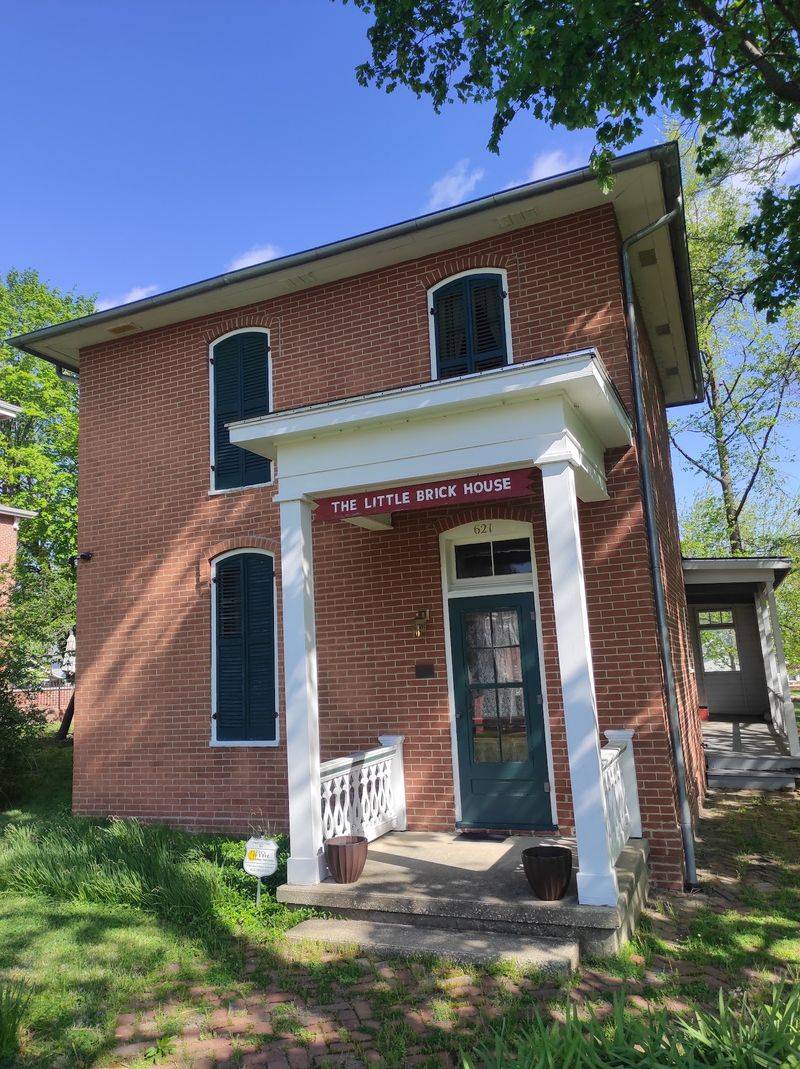
Don’t let the name fool anyone into skipping it. The Little Brick House at 621 St. Clair Street packs a lot of story into a modest frame.
Historians believe it dates to the mid-1800s, possibly as early as 1839. Its simple Italianate style is unusual for that period in the region.
The Vandalia Historical Society operates the home. Rooms are furnished with period pieces like china, engravings, and books from the days when Lincoln served in town.
The library is called the Berry-Hall room. It honors early artist James William Berry and Judge James Hall.
Hall helped make Vandalia a literary center of the Midwest. That’s a surprising claim for a capital town of muddy streets and wagon traffic.
The house is also listed on the National Register of Historic Places. It’s a quieter stop than the Statehouse, which makes it great for slow browsing.
Check with the historical society about visiting hours before you go. Small historic homes often keep limited schedules, so a little planning saves a disappointing drive-by.
Dress Up And Party Like It’s 1830
Some towns throw a festival. Vandalia throws a Grand Levee, and it brings the 1830s back to life on the Statehouse grounds.
The event happens each year on Father’s Day weekend in June. It recreates the social scene from the town’s capital days.
Think period clothing, old-fashioned crafts, and plenty of history mixed with fun. It’s a great way to show kids that history can be loud and lively.
Winter brings a softer kind of magic. In early December, the Statehouse hosts a Christmas Open House with 1830s-style decorations and candlelight.
That glow inside an old capitol building feels like stepping into a holiday card. It’s easily one of the coziest ways to see the place.
Both events tie straight back to the Statehouse story. They give returning visitors a reason to come back during different seasons.
Check the dates before planning a trip, since schedules can shift a little each year. Then bring a camera, because the costumes and candlelight practically beg for photos.
Trade The Museums For Lake Days
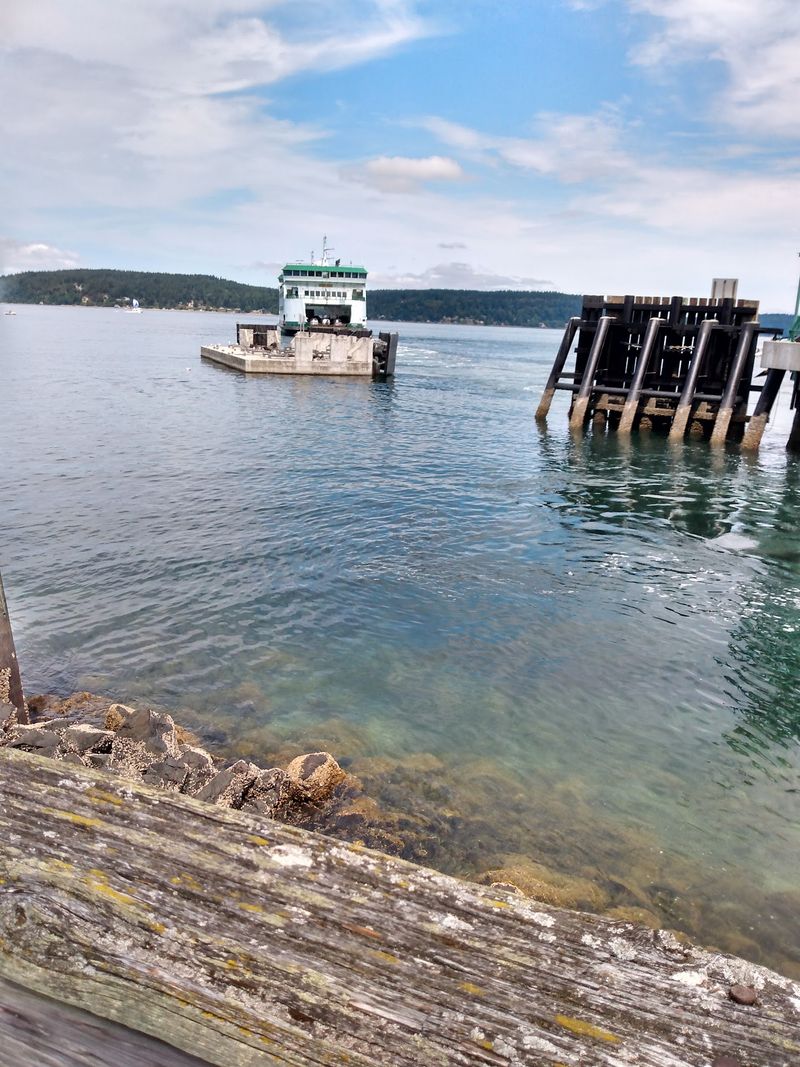
History is great, but sometimes a person just needs water and sunshine. Vandalia Lake handles that job nicely.
The lake is a local hub for swimming, camping, boating, and fishing. Anglers can cast for largemouth bass, catfish, and bluegill.
Each summer, the lake hosts Summerfest, a two-day event that started in 2023. Expect live music, sand volleyball, food trucks, and fireworks over the water.
Fireworks reflecting off a lake are hard to beat. Bring a blanket and claim a spot before the sky lights up.
Back in town, the park district keeps things busy with seven parks. There are ball fields and a public swimming pool for all ages.
The Kaskaskia River also runs past the city. It adds a nice natural backdrop to this corner of Illinois.
Mixing a morning museum visit with an afternoon at the lake makes a perfect day. It’s the kind of balance that keeps families and friends planning their next trip.
Downtown Strolls Wrap It All Up Nicely
After all that history, it’s nice to just wander. Downtown Vandalia mixes old brick buildings with locally owned shops and restaurants.
Gallatin Street is a natural place to start, since the Statehouse sits right on it. Shopping and history live side by side here, which makes walking easy.
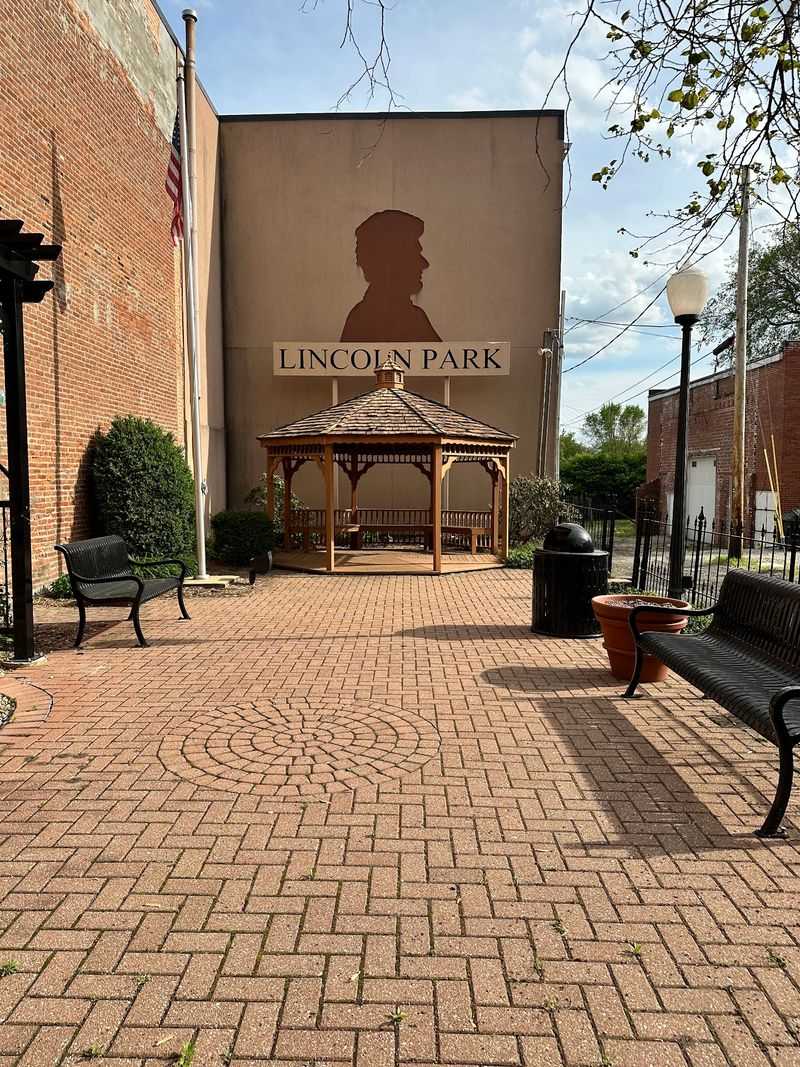
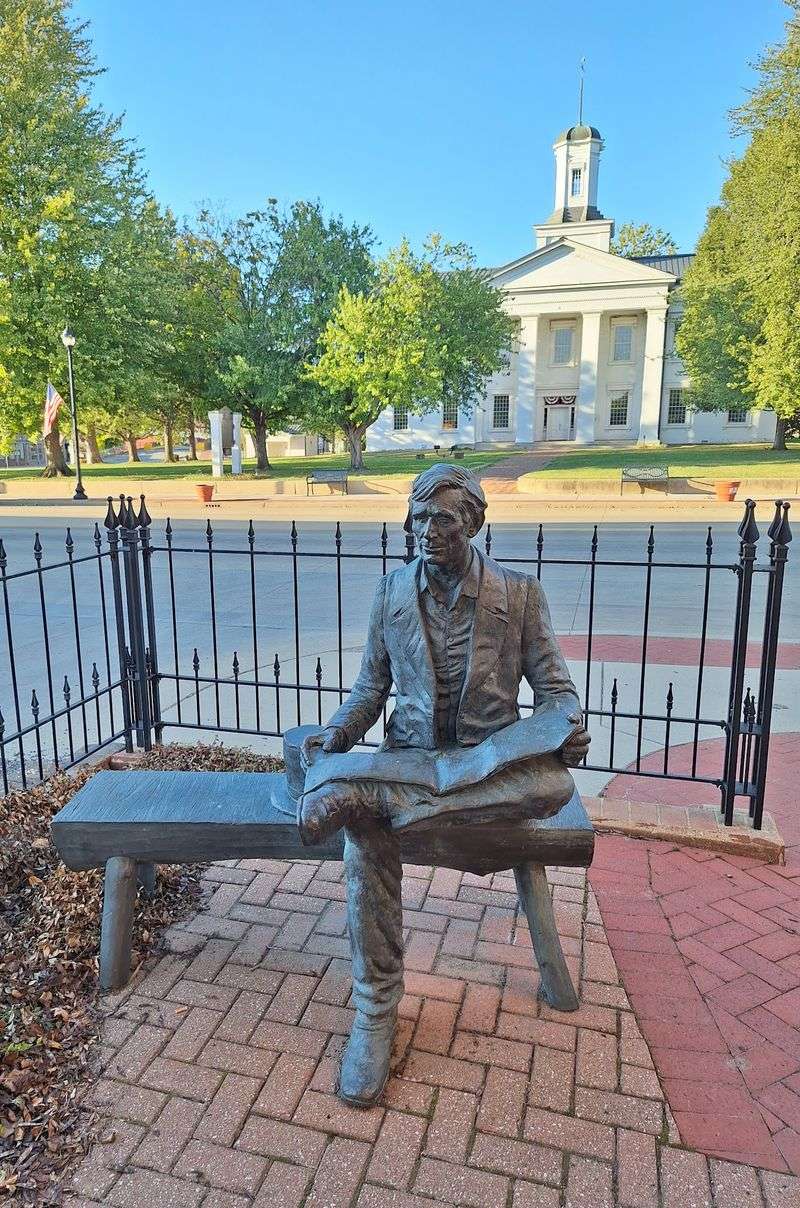
Across from the Statehouse, Lincoln Park offers a calm break. A bronze statue called Sitting With Lincoln shows him seated, so you can sit right beside him.
It’s a playful twist on the usual serious Lincoln statues. Expect lots of selfies, because sitting next to a future president doesn’t happen every day.
Vandalia is also the county seat of Fayette County. That gives downtown a steady, everyday energy beyond tourism.
Supporting local businesses keeps that energy going. Grab a bite, browse a shop, and you’ll feel more like a neighbor than a visitor.
Small Illinois towns often hide their charm in plain sight. This one puts it right out front, and that’s exactly why folks keep coming back.