
This Illinois Road Has So Many Snakes It Closes To Cars Every Spring And Fall
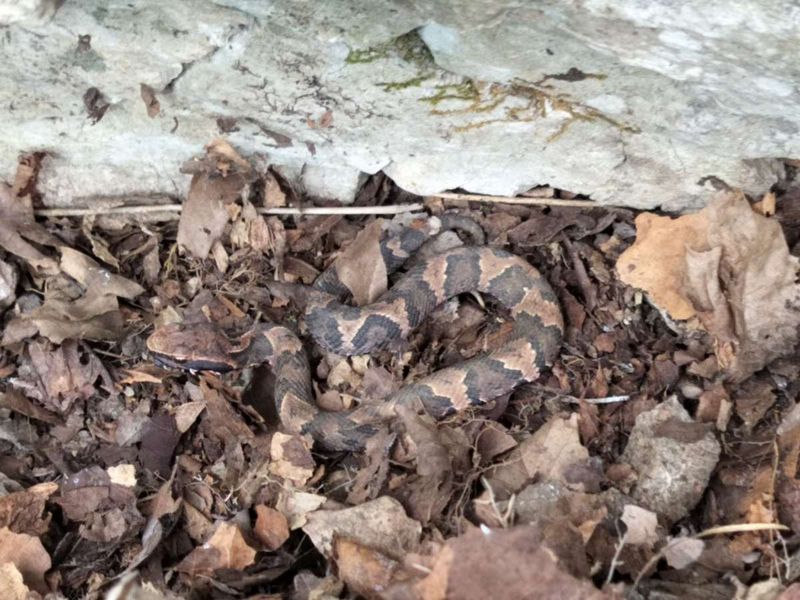
I expected a quiet gravel road and maybe a turtle or two. Instead, this corner of southern Illinois turned out to be a place where cars step aside so thousands of snakes, frogs, and salamanders can cross in peace.
It happens twice a year, and anyone willing to walk can watch. For curious families, it might be the most surprising nature outing in the state.
A Gravel Road at the Edge of the Shawnee
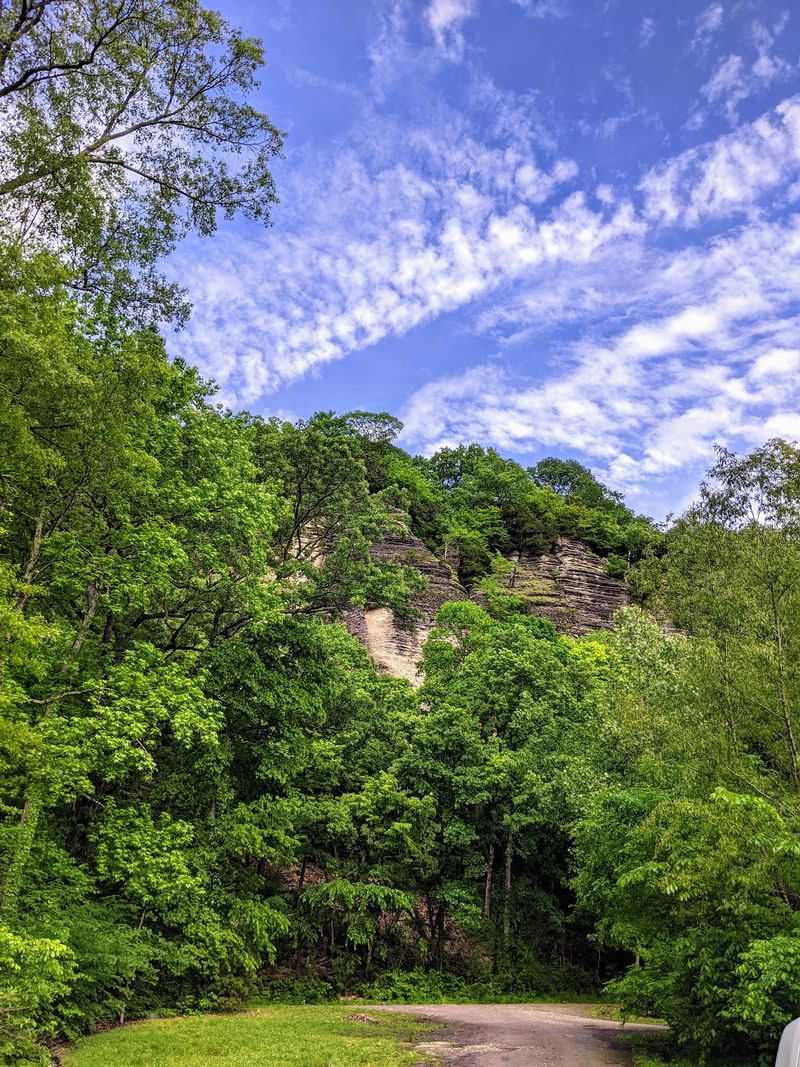
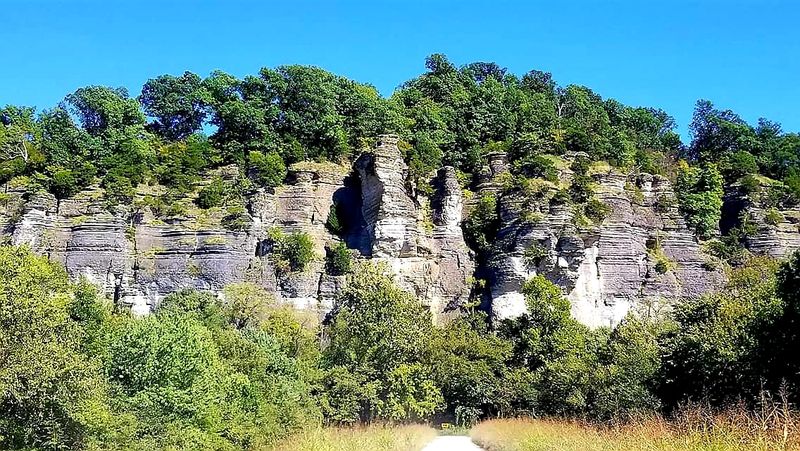
Picture a narrow gravel lane squeezed between a towering wall of limestone and a dark, still swamp. That lane is Forest Service Road No. 345, known to almost everyone as Snake Road.
It runs through the LaRue-Pine Hills Research Natural Area, part of the Shawnee National Forest in far southern Illinois.
The closest village is Wolf Lake, a small community in Union County. From Chicago, plan on a long drive of roughly five and a half to six hours down I-57, so most families turn it into an overnight trip.
Folks coming from Carbondale have it much easier, with the road well under an hour away.
What makes the spot famous is simple. Twice a year, the U.S.
Forest Service closes a 2.5-mile segment to vehicles so reptiles and amphibians can travel safely between their seasonal homes.
Walkers, however, are welcome. That means you can stroll the same path the animals use and watch the action at ground level.
Few places in the Midwest let you get this close to such a big natural event without a ticket, a guide, or a building in sight. It feels a little like stepping into a nature documentary.
Five Decades of Seasonal Closures
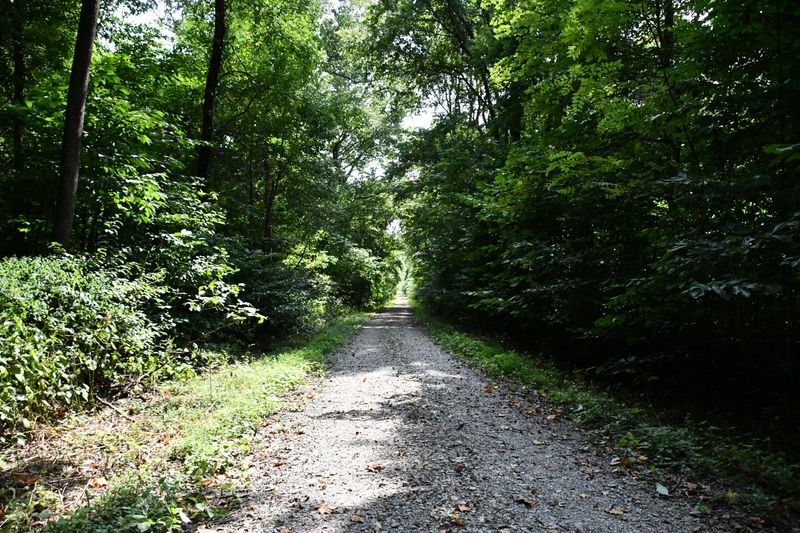
Back in 1972, long before most of today’s visitors were born, the Forest Service made an unusual decision. It began shutting this road to cars each spring and fall to protect the animals crossing it.
The practice has continued for more than fifty years.
Why go to such trouble for snakes? The answer lies in numbers.
Thousands of reptiles and amphibians move across the gravel during migration season, and passing tires could seriously harm a population that includes several threatened and endangered species.
The closures are tied to how the animals live. They spend warm months feeding in the lowland swamp, then retreat to cracks in the bluffs for winter.
Every crossing in either direction puts them right on the road.
Over time, the closure turned a little-known forest route into a destination. Herpetologists, photographers, students, and families now make the trip specifically to walk it.
The name Snake Road started as a casual nickname and stuck so firmly that many people never hear the official title at all.
Not many conservation efforts can point to such a long, steady track record. This one shows that sometimes the simplest move, just keeping cars out, may do a lot of good.
Where Bluff Meets Bottomland
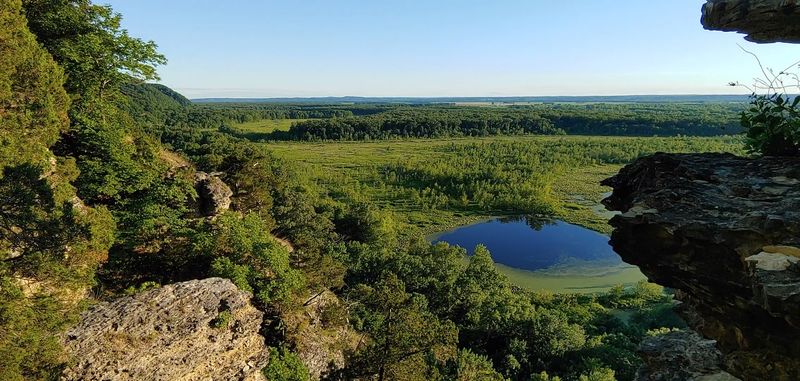
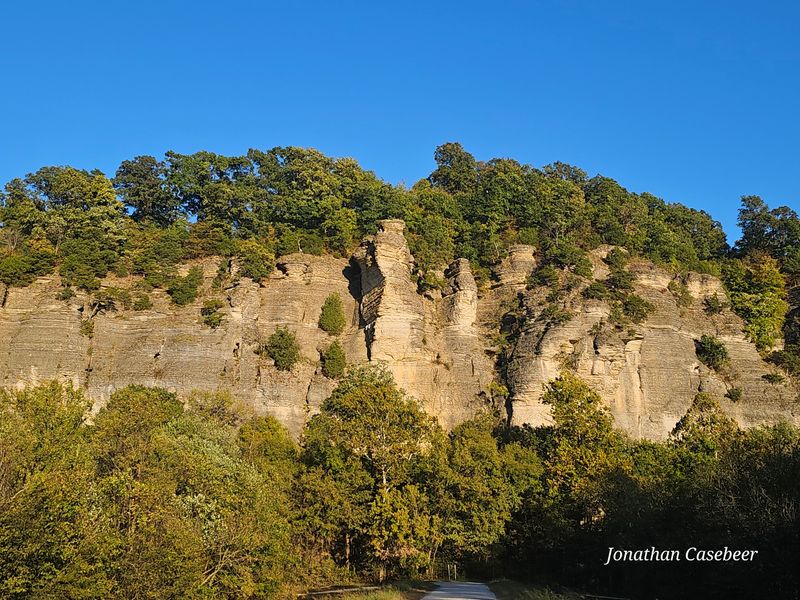
Two very different worlds sit side by side here. On one edge rise Ozark-style limestone bluffs, tall and rugged.
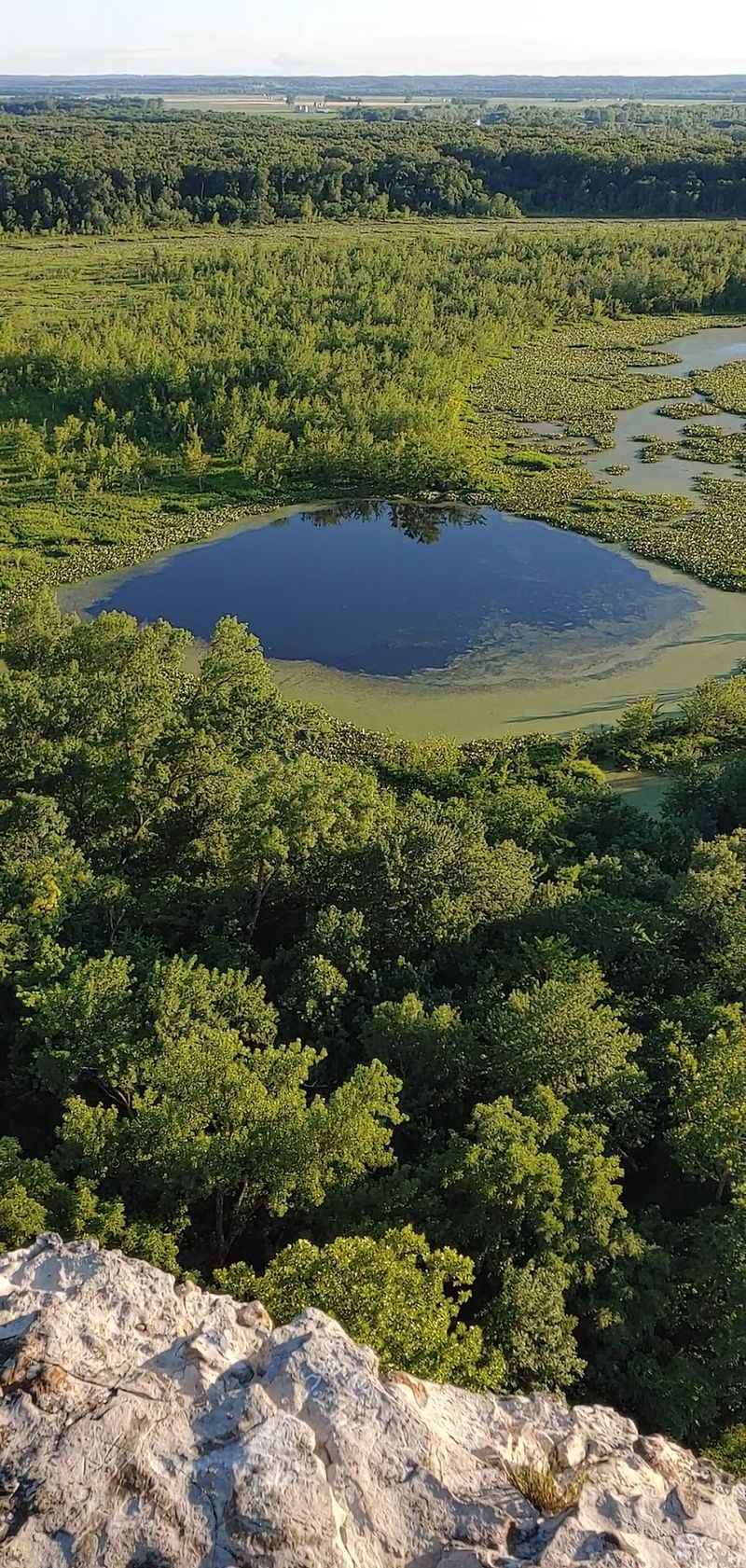
On the other spreads LaRue Swamp, a stretch of Mississippi River bottomland full of water, mud, and thick plant life.
That pairing is the secret behind everything that happens on the road. The swamp works as a summer feeding ground, packed with frogs, insects, and other food.
The bluffs offer deep crevices where animals can stay protected through winter cold.
Since the road cuts right between them, it becomes a crossing point. As ground temperatures shift with the seasons, creatures start moving, and the gravel is the only thing in their way.
Visitors often mention how striking it feels to have marsh and cliff so close together. You can look left at moss-covered rock and right at standing water in the same glance.
For kids learning about habitats in school, the contrast offers a living lesson that no textbook diagram quite matches.
Nature lovers also say the setting holds a wide range of rare species because of this mix. Few spots in Illinois pack so many environments into such a short walk, which helps explain the road’s reputation among scientists.
The Spring Window, March to May
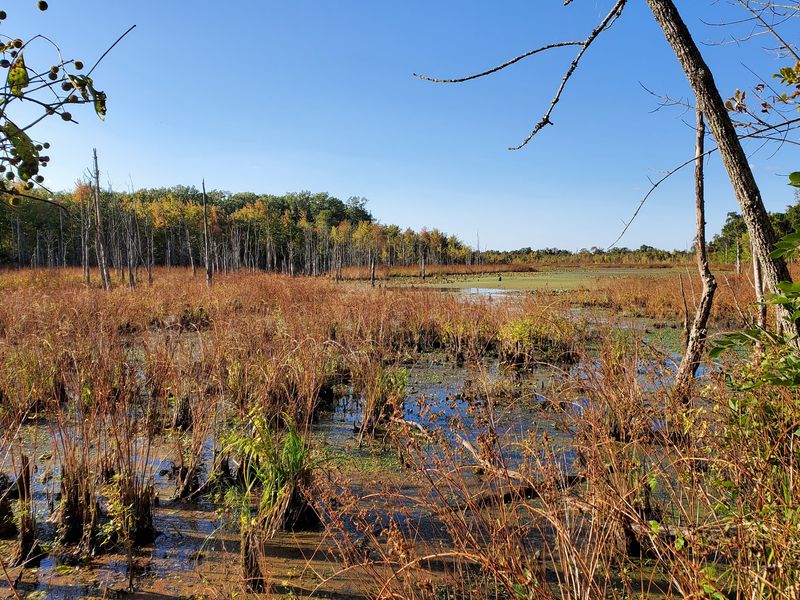
March 15 is the date to circle. That is when the spring closure typically begins, running until about May 15.
During those weeks, animals leave their winter hideouts in the bluffs and head down toward the swamp.
Early spring in southern Illinois can swing wildly. One day feels like light jacket weather, and the next might be chilly and gray.
Snakes respond to those changes, so activity often picks up on warmer, sunny days after a cool stretch.
Fans of the road say March and April tend to be peak times, though conditions shift from year to year. A visit one week might bring dozens of sightings, while another may be quiet.
Patience usually pays off here.
Spring also brings fresh greenery and the sound of frogs calling from the water. Even if the snakes are shy, the swamp tends to feel alive with chirps, splashes, and birdsong.
Families looking for an outdoor trip after a long Illinois winter may find this timing especially appealing.
Closure dates can be adjusted, so check with the Shawnee National Forest before making the drive. A quick look ahead may save you from arriving on the wrong week.
Fall’s Return Trip to the Bluffs
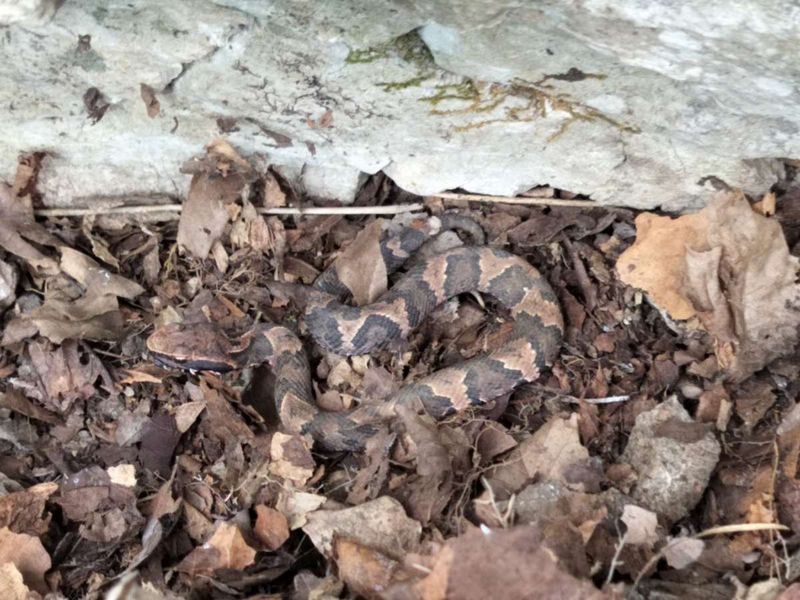
Autumn flips the direction of travel. From September 1 through October 30, the road usually closes again as animals leave the swamp and head back to the bluffs to settle in for winter.
October is often called a standout month. One visitor described a mid-October trip where they spotted 14 snakes across four different species, a big jump from an earlier fall visit that turned up far less.
That kind of variety keeps people coming back more than once a season.
There is a bonus, too. Fall color in the Shawnee can be beautiful, with leaves turning gold and orange along the bluff faces.
Pair the walk with the cooler air, and the outing feels a lot like a classic Illinois autumn day, just with scales instead of pumpkins.
Families who already plan fall trips to orchards or Starved Rock might consider this as a different kind of seasonal adventure. It offers something most kids will never see on an ordinary hike.
As with spring, exact dates can change. Checking the Forest Service schedule before you leave tends to make the trip smoother, especially if you are traveling several hours.
A Remarkable Roster of Snakes
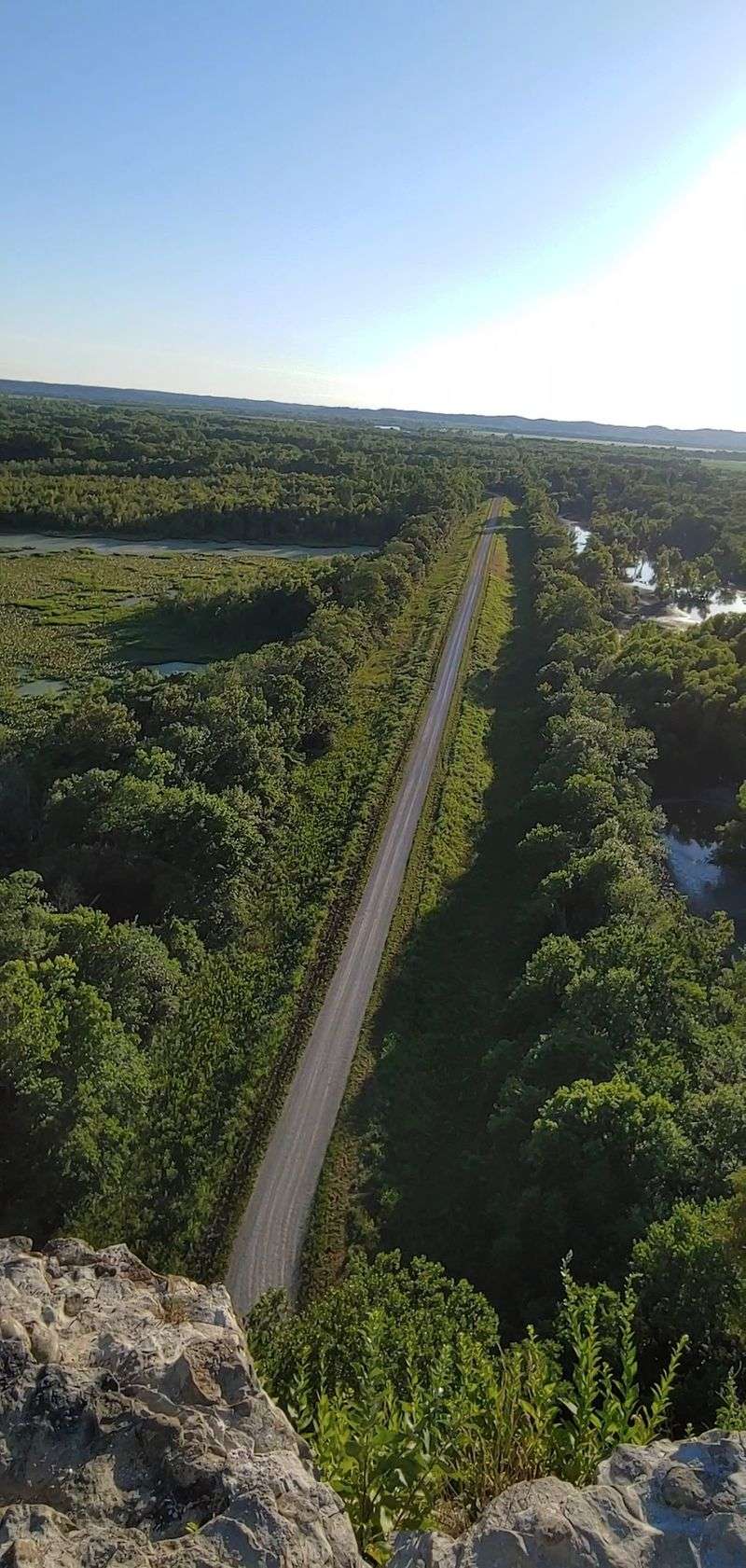
Somewhere between 22 and 35 snake species have been recorded in this area, depending on the source. That covers a large share of all snake species found in Illinois, packed into one small corner of the state.
Common sightings include garter snakes, rough greensnakes, ring-necked snakes, DeKay’s brownsnakes, and plain-bellied watersnakes. Rat snakes show up too.
Many of these are small and easy to miss, so slow walking and sharp eyes help.
Here is a fun fact for young naturalists. Enthusiasts say the Mississippi green watersnake can be found in Illinois only at this location, making the road a bucket-list stop for serious snake watchers.
Several species present here are listed as threatened or endangered at the state or federal level. That status is part of why the closures matter so much and why the rules about leaving animals alone are strictly enforced.
Frogs, salamanders, and other amphibians share the path, and one visitor mentioned spotting several green frogs along the way. Even kids who feel nervous about snakes may enjoy hunting for frogs near the water’s edge.
Bringing a simple field guide may help everyone put names to what they see.
Cottonmouths, Copperheads, and Rattlesnakes
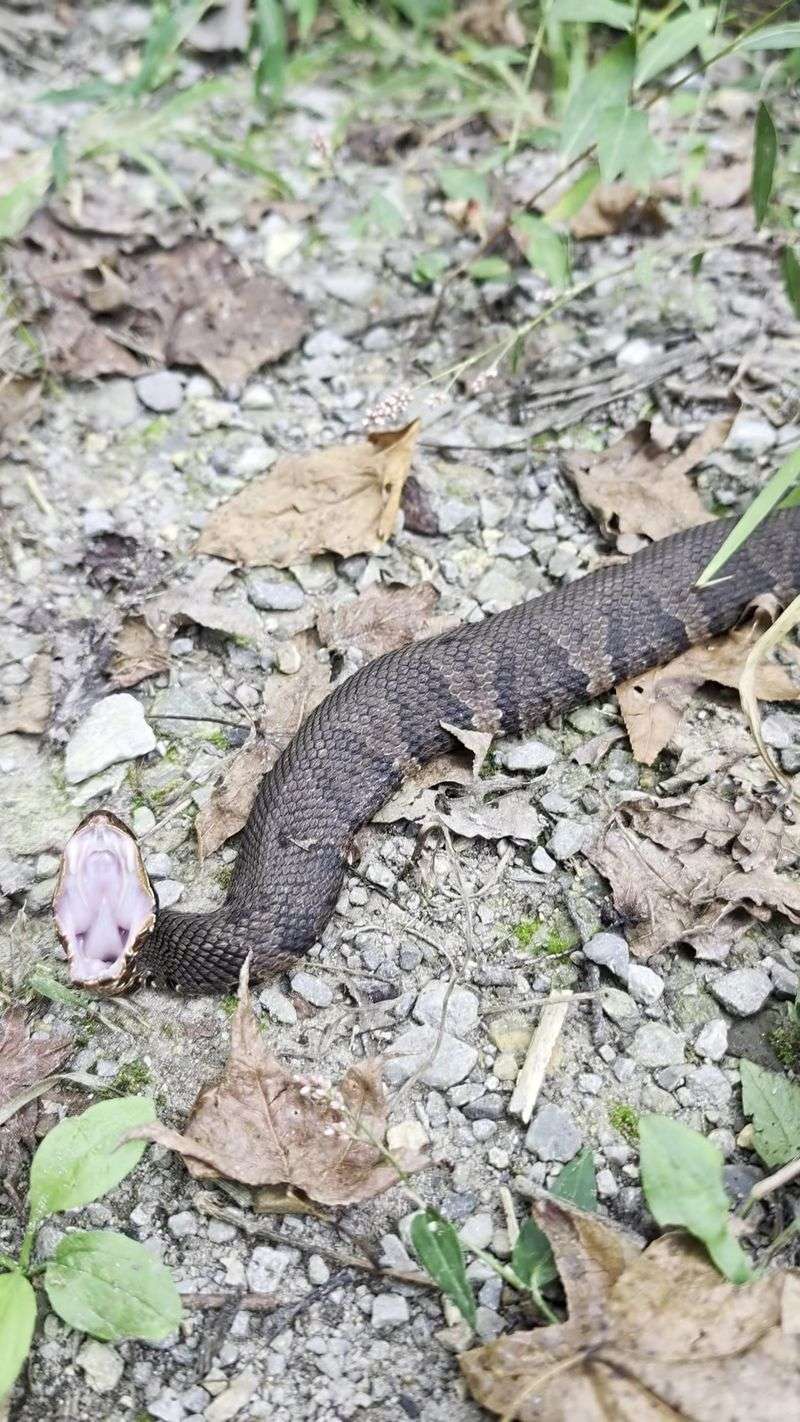
Illinois has four native venomous snake species, and three of them live along this road. The Northern Cottonmouth, also called a water moccasin, is the one people spot most often.
Copperheads and timber rattlesnakes are present as well.
Visitors frequently mention cottonmouths as the highlight. One couple reported seeing five during a single walk, a first for them.
Another described the road’s wildlife as mostly cottonmouths along with other species.
Should that make families nervous? A little caution is wise, though these animals generally prefer to be left alone.
Staying on the road, watching where you step, and keeping a healthy distance tends to make sightings calm and memorable.
Parents of younger children should keep them close and avoid letting them wander into leaf litter or along the swamp edge. Teaching kids to look but never touch is a good rule here, both for their comfort and for the animals.
Photographers often bring zoom lenses for exactly this reason. You can capture a sharp image of a coiled cottonmouth without crowding it.
Seeing one of these snakes in its natural setting, going about its business, tends to change how people think about them.
Walking the 2.5-Mile Stretch
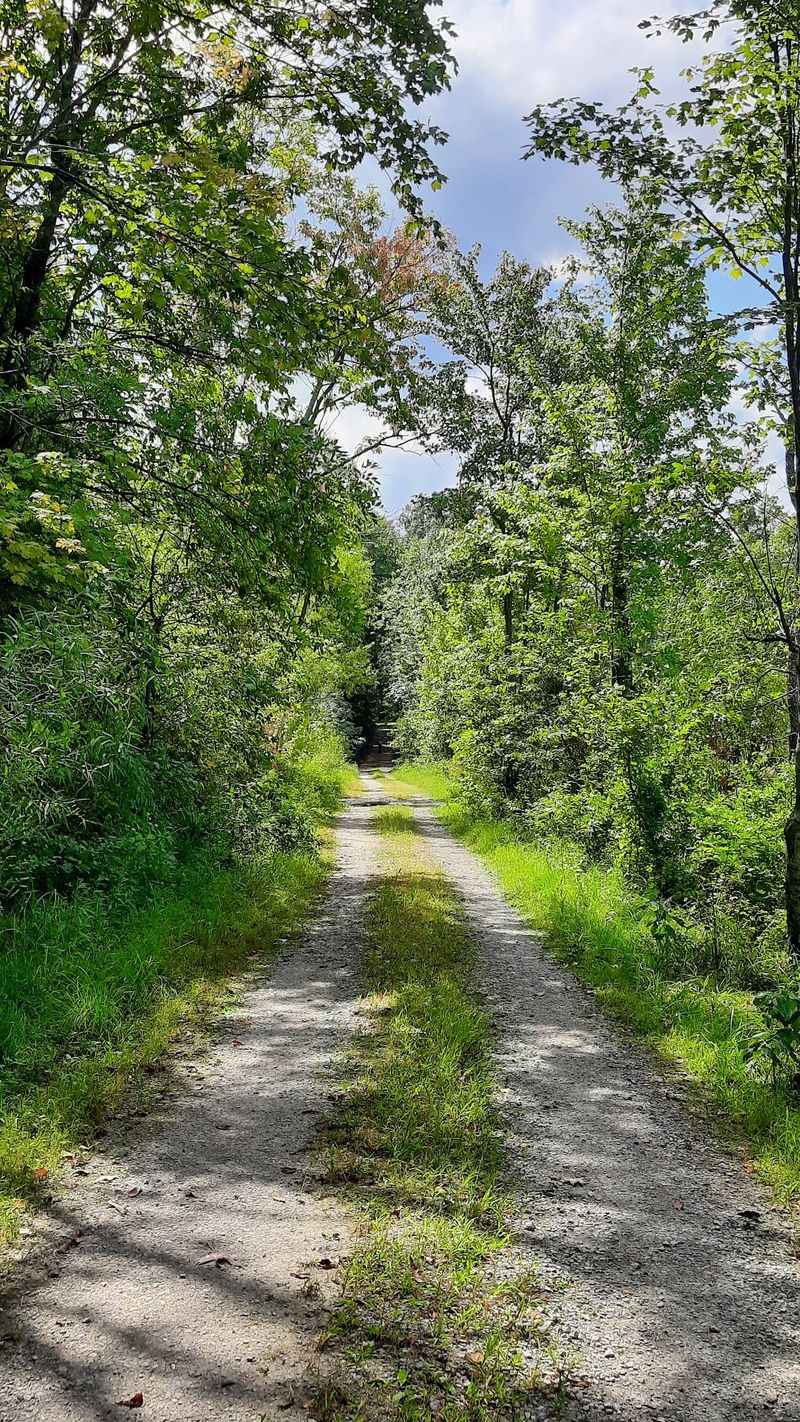
Once you park, everything happens on foot. The closed section stretches about 2.5 miles, with the bluff on one side and swamp on the other.
The surface is gravel, flat for the most part, which makes it manageable for most walkers.
Expect to move slowly. One visitor said it took about an hour and a half to cover the road one way, stopping for pictures and chatting with others.
A full out-and-back trip can easily fill half a day.
That pace suits the experience. Snakes often rest along the base of the bluff, tucked into rock cracks, or near the water.
Hurrying means missing them, so a slow amble works better than a brisk hike.
Strollers may handle the gravel, though rough patches and mud can make it bumpy. A carrier might be easier for very young kids.
Older children usually do fine, especially when they turn the walk into a spotting game.
Plan for weather, too. Rain can roll in quickly, and one group got caught in it on the return leg.
Sturdy shoes, a rain layer, water, and snacks make the long walk far more pleasant for everyone.
Inspiration Point and the Pine Hills Trails
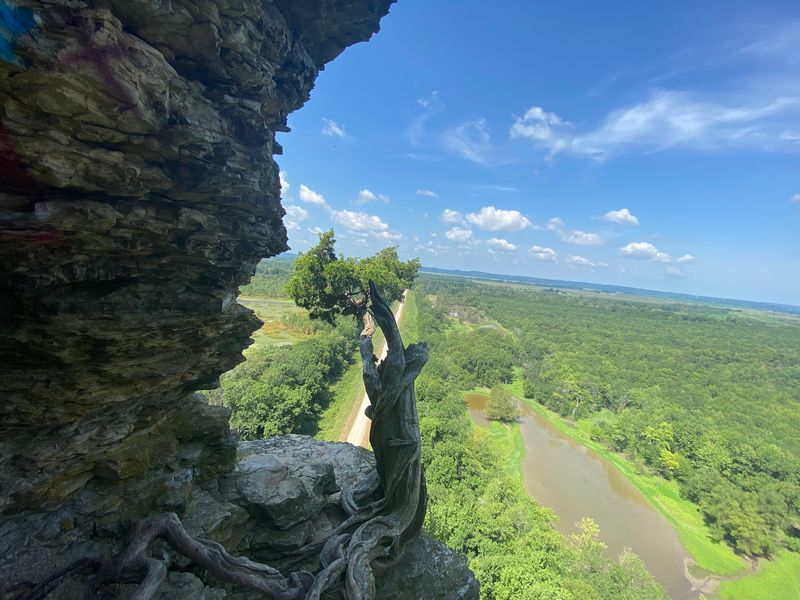
Not every visitor comes for reptiles. Some head to LaRue-Pine Hills for Inspiration Point and the surrounding hiking trails, which offer sweeping views from high on the bluffs.
One hiker described a trip specifically to see Inspiration Point, calling it full of adventure with very nice views. They mentioned driving roughly three miles on rough road to reach the trailhead and parking near the information board where the trail begins.
Mud can be a factor. During rainy periods, trails may get slick, so boots with good grip and a plan for messy shoes help.
Downloading a trail app before arriving is a smart move, since cell service in the forest can be unreliable.
For families, this offers a nice way to split the day. Walk part of Snake Road in the morning, then head up for a scenic picnic stop or short hike in the afternoon.
Kids who tire of searching the ground for snakes may enjoy the change of scenery from above.
Outside closure season, the overlook and trails still give people a reason to visit. The landscape stays dramatic year-round, from spring green to autumn gold to bare winter rock.
Rules That Keep the Road Open
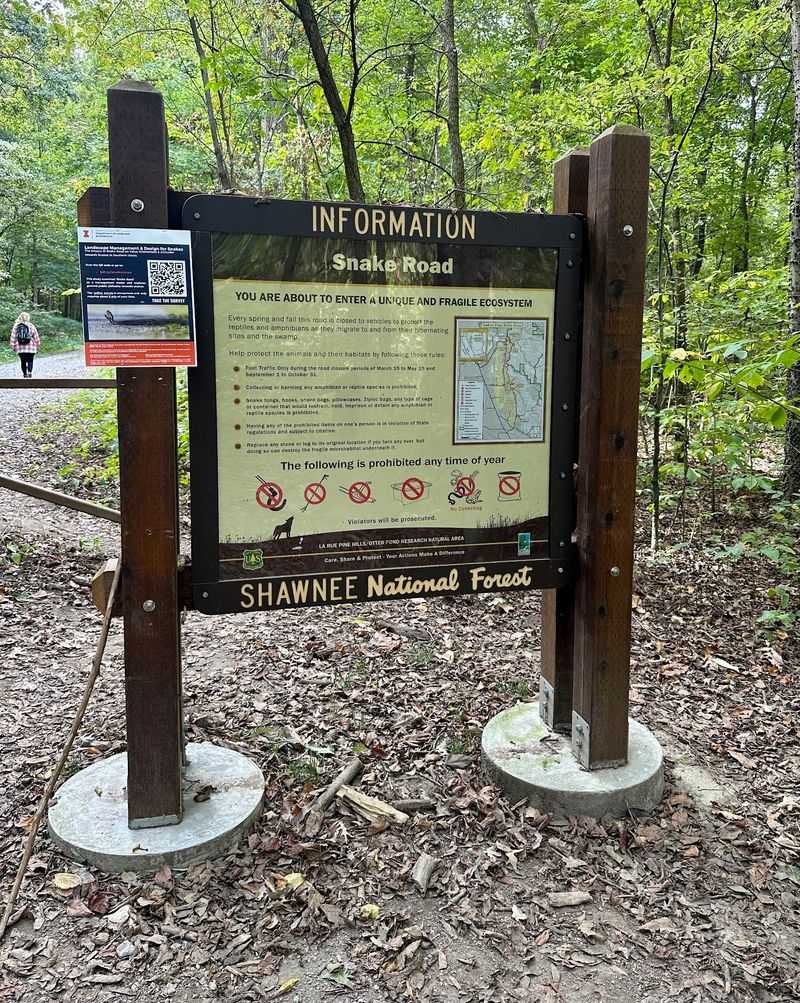
Hands off, always. Collecting or handling any animal on the road is prohibited under both federal and state law, and that includes snakes, frogs, salamanders, and plants.
Longtime fans stress this point strongly. Rangers and law enforcement are active in the area, and snake hooks or other handling tools are not allowed.
Visitors who simply watch and photograph usually have no trouble at all.
There is a bigger reason to follow the rules. Enthusiasts say the road has come close to closing to the public several times because of careless or unethical behavior.
Keeping access open depends on every visitor acting responsibly.
Parents play a special role. Regulars ask families to keep a close eye on kids, not just for safety but to respect photographers and others trying to enjoy a quiet moment with an animal.
A child running ahead could scare off a snake someone has waited an hour to see.
Good etiquette is easy. Stay on the road, give animals space, speak softly, and leave everything as you found it.
Teaching kids these habits on the walk may turn them into the next generation of people protecting places like this.
Fellow Walkers and Friendly Conversation
Strangers on Snake Road tend not to stay strangers for long. With everyone moving slowly and scanning the same rocks, conversations start naturally, often with a simple question about what someone just spotted.
Visitors describe the social side as a real highlight. One couple enjoyed meeting others interested in snakes and swapping stories along the way.
Another noted that plenty of people were walking and sharing their sightings during a busy October weekend.
That shared curiosity can be helpful. Experienced walkers sometimes point out a snake hidden in a crevice that newcomers would have walked right past.
Kids in particular may light up when an enthusiast shows them a camouflaged animal.
The crowd is a mix. Scientists, photographers, college students, couples, and families with children all show up, especially on pleasant weekends during peak weeks.
Weekdays may feel quieter if you prefer more space.
It suits anyone with patience and a sense of wonder. People who expect constant action might feel restless, while those who enjoy slow discovery tend to love it.
Bringing binoculars and a camera adds to the fun, and a notebook lets kids keep a tally of every species they find.
Getting There, Parking, and Facilities
From I-57, take Exit 30 and head roughly nine miles south on Route 3 toward Wolf Lake. The road access sits off Route 3 near the village, deep in Union County farm and forest country.
Small parking areas sit at each end of the closed segment. Visitors describe them as modest lots, so arriving earlier in the day on busy weekends may help you grab a spot.
The roads leading in can have potholes, so drive carefully.
Here is what catches many families off guard: there are no bathrooms. Plan restroom stops before arriving, and pack everything you might need, including water, snacks, sunscreen, and bug spray.
Nearby towns offer more services.
No admission fee appears in the available information, and walking the road is open to the public during closures. Still, checking with the Shawnee National Forest for current conditions and dates is wise before setting out.
Many travelers make a weekend of it. One couple stayed in Chester and explored across the river in Missouri the day before.
Carbondale is another handy base, with plenty of places to eat and sleep, plus easy access to other Shawnee trails.
Is the Long Drive South Worth It
Families who love the outdoors will likely find the answer is yes. Few places in Illinois offer such a rare chance to watch wildlife move freely through a landscape this dramatic, without gates, tickets, or crowds of buildings.
Timing matters most. Aim for spring or fall closure weeks, with March, April, and October often bringing the busiest activity, and remember that every year can differ.
A warm, sunny day after cooler weather may improve your odds.
Preparation matters almost as much. Without restrooms and with long walking distances, parents should plan carefully for younger kids.
Snacks, water, rain gear, and sturdy shoes can turn a potentially tiring outing into a happy one.
Kids who are curious about animals, or even a bit uncertain about snakes, may leave with new respect for creatures they once feared. That shift can be the real takeaway of the trip.
Combine the walk with Inspiration Point, a night in Carbondale or Chester, and other Shawnee sights, and the long drive from northern Illinois feels well spent. Just remember to walk slowly, look closely, and leave every animal exactly where you found it.