
This Kentucky Cave Turned Attraction Lets You Explore Underground Waterfalls And Discover A Fascinating World Beneath The Surface
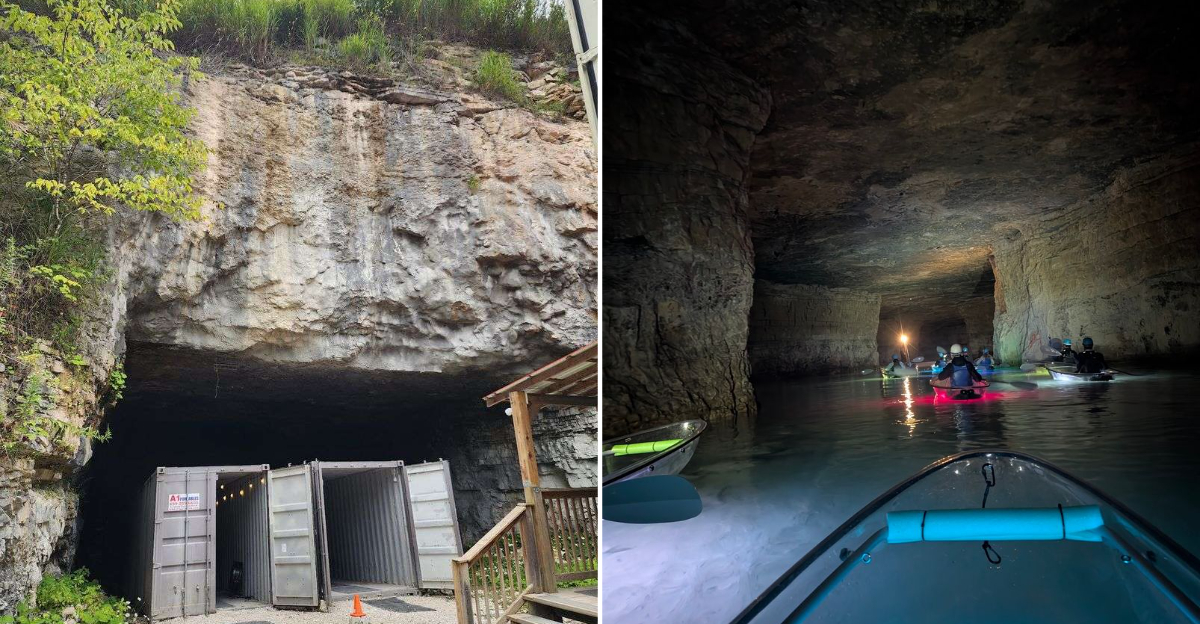
Few places let you physically step into an entirely different world, and that’s exactly what this Kentucky cave offers visitors. Underground waterfalls run through sections most people never expect to find beneath the surface.
Nothing about the tour feels rushed, giving each formation room to actually impress the crowd. Guides explain the geology behind each waterfall, adding depth beyond just walking through with a flashlight.
Regulars recommend blocking out extra time, since the cave stretches further than expected. Temperatures stay cool year round, offering relief regardless of the season outside.
Photography opportunities exist throughout, especially where water catches the limited light just right. This cave proved that sometimes the most fascinating worlds exist right beneath our feet.
Formation And History Of Waterfalls
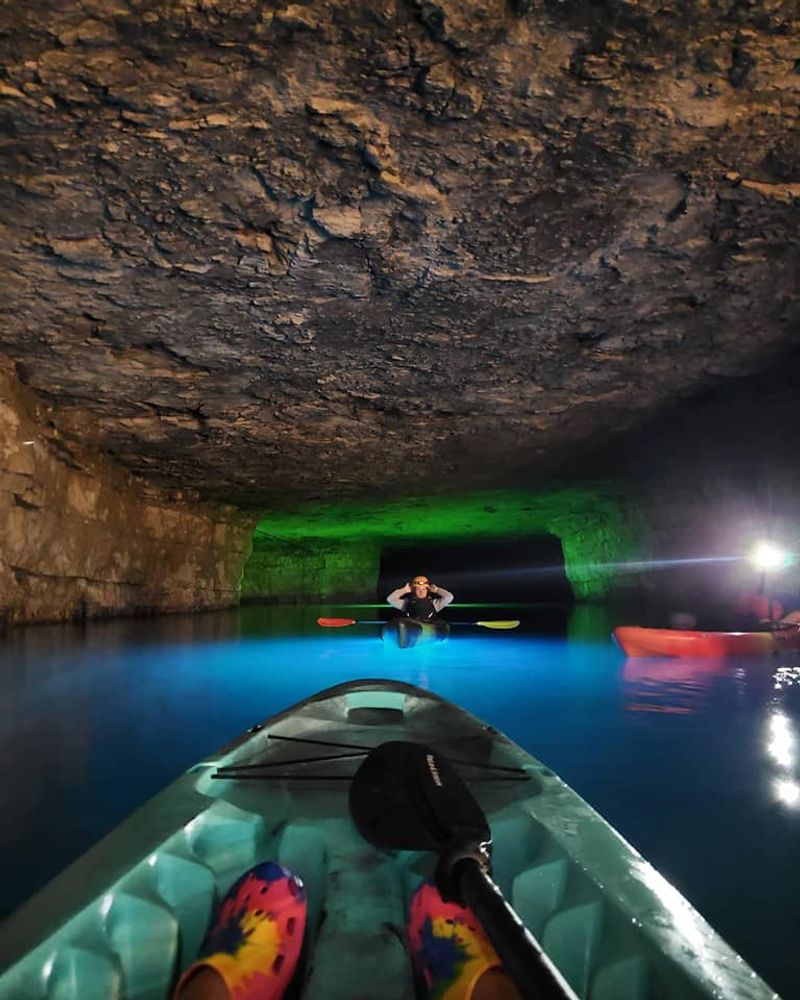
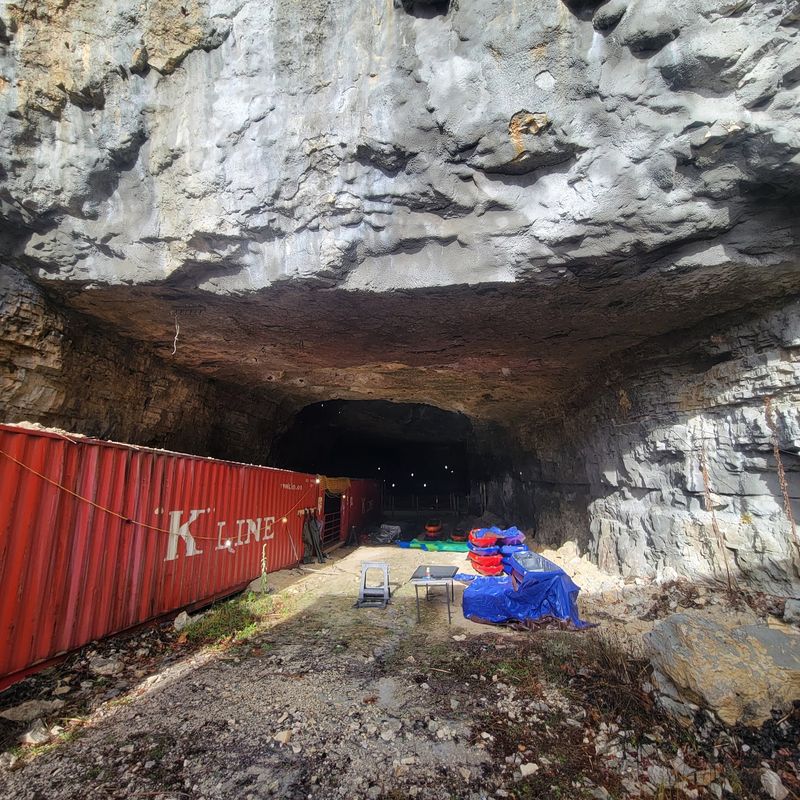
Back around 1890, miners started cutting into limestone here, hauling out stone by hand and machine for decades. They had no idea their workplace would eventually become a paddling destination.
The whole operation came to an abrupt end in 1985. Crews struck a natural spring or aquifer, and water poured in faster than pumps could push it back out.
Rather than fight a losing battle, they walked away and let the water win.
So what visitors float across today is not a natural cave at all. It’s a century-old mine that flooded itself, which somehow makes it even more interesting.
Water still shapes the place. Drips fall constantly from the ceiling, forming small trickles and little cascades along the rock faces.
After heavy rain above ground, those drips pick up speed and turn into something guides describe as a mini rainstorm underground.
Old artifacts and equipment remain in spots, quiet leftovers from the working years. Guides point them out with spotlights and explain how the mine ran, which turns a paddle trip into a history lesson that doesn’t feel like homework.
The combination is unusual. Industrial past, flooded present, waterfalls that only exist because a spring outmuscled a pump crew.
Find it all at 2478 Glencairn Rd, Rogers, KY 41365.
Unique Rock Formations In Subterranean Environments
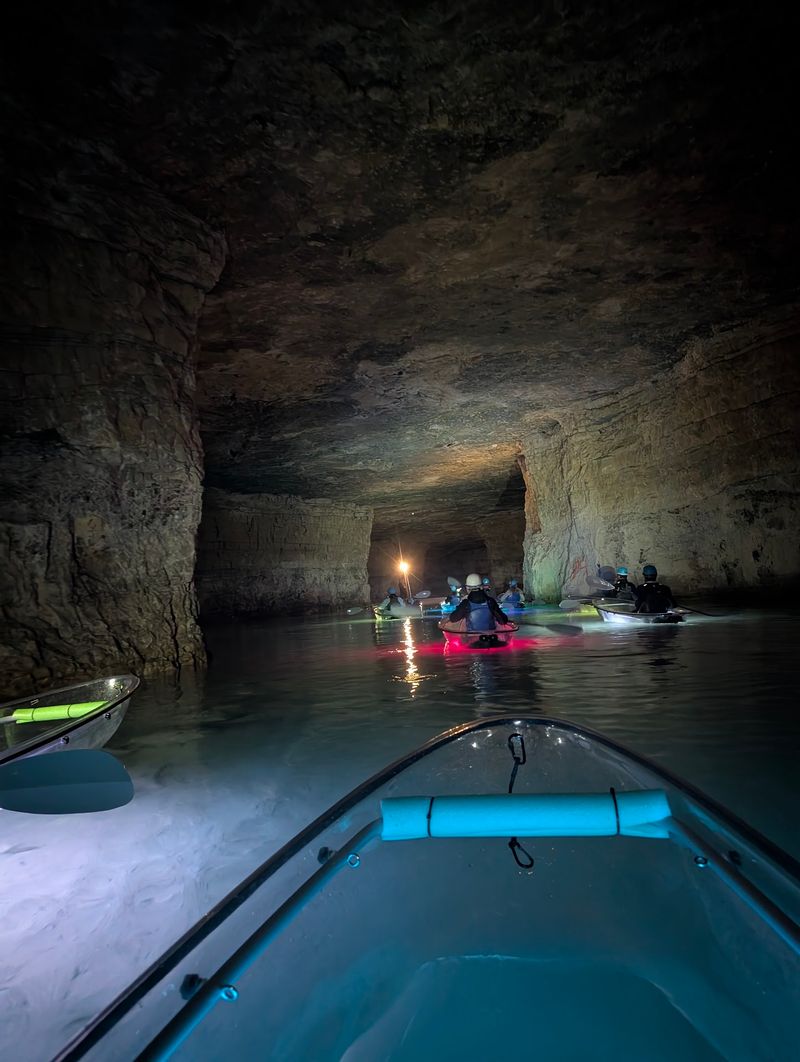
Rock walls here climb high enough to make a kayak feel like a toy boat. Cut faces from mining tools sit right beside shapes that water and time carved on their own.
Clear kayaks change the whole experience. With LED lights glowing underneath, submerged rock ledges and drop-offs come into view, revealing shapes that stay hidden from a regular boat.
Look up, and the ceiling has its own stories. Fossilized structures run across the roof in patterns that resemble ancient streambeds, evidence of a world that existed long before anyone thought about mining limestone.
Then there’s the sparkle. Guides talk about a glittering cave slime, a fungus that catches light because of moisture condensing on it.
Sounds gross, looks surprisingly magical.
Passages open into wide rooms and narrow back down again, so the scenery shifts as the tour moves along. Spotlights sweep across surfaces to highlight details that would vanish in the dark.
Nothing about the space feels manufactured for tourists. The rough edges, the leftover pillars holding up the ceiling, the stone patterns nobody planned, all of it reads as authentic.
Geology fans get plenty to study. Everyone else just enjoys the fact that rock can look this weird.
Flora And Fauna Adaptations To Cave Ecosystems
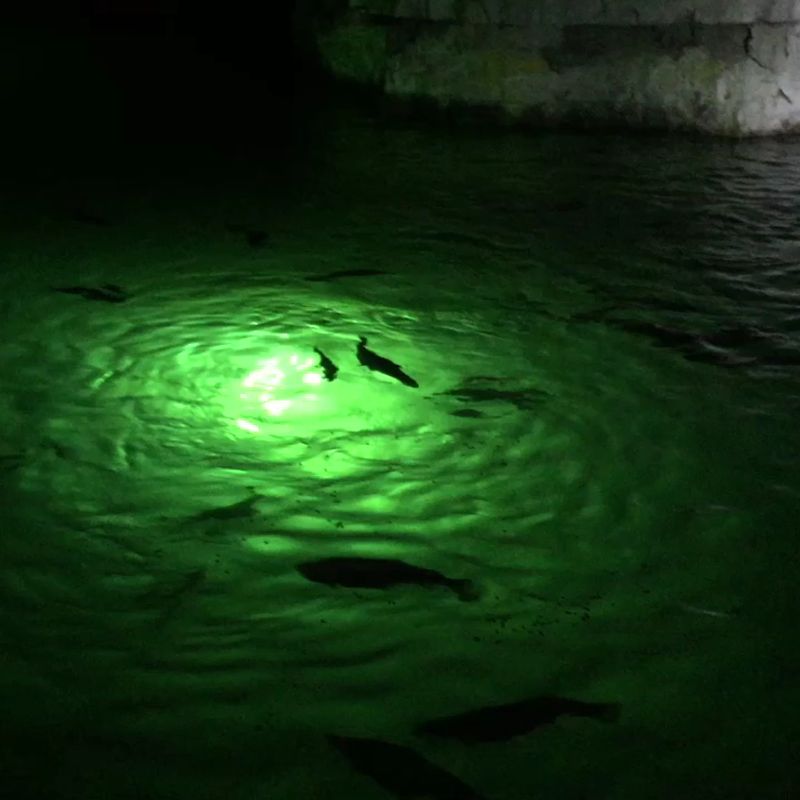
Rainbow trout patrol these waters, and they’re not shy about it. From a clear kayak, they slide past underneath like they own the place, which, fair enough, they kind of do.
Cave crickets cling to damp walls, and salamanders show up in quiet corners. Every so often a bat appears on the ceiling, wings folded, deep in hibernation and completely unbothered.
The steady 55 degree temperature explains the bats. Consistent cool air makes an ideal winter sleeping spot, no matter what the weather is doing outside.
Guides love this part of the tour. They explain how creatures survive in near total darkness, where food is scarce and light barely exists.
Kentucky’s wider cave systems host some genuinely bizarre residents, including the Northern Cavefish. That species evolved without visible eyes and without pigment, navigating instead through sensory papillae scattered across its skin.
Imagine finding your way around using only touch receptors on your body. That’s daily life for a cavefish, and it works well enough that the species has thrived for ages.
Wildlife spotting here rewards patience and a good headlamp. Slow down, scan the walls, watch the water, and the ecosystem starts showing itself.
Guided Tours And Safety Tips For Exploration
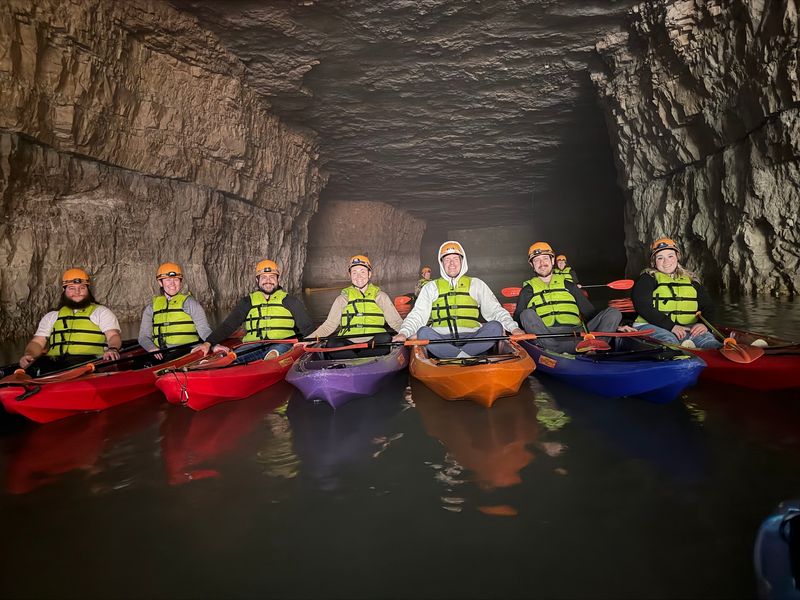
Three main ways to travel down here: kayak, stand-up paddleboard, or cave boat. Each one runs year-round because the underground climate never budges from roughly 52 to 55 degrees.
Water sits at a bracing 40 to 42 degrees. Nobody plans on swimming, but dressing for cold is smart regardless.
Every participant gets a helmet, a headlamp, and a personal flotation device before heading out. Guides handle spotlight duty, lighting up formations and old mine features along the route.
Never paddled before? Not a problem.
There’s no wind, no waves, and no current, so kayak and SUP tours work well for total beginners after a short paddling primer.
Clothing advice is simple. Light athletic layers that dry quickly, gloves, comfortable shoes, and an extra pair of socks in the car for afterward.
Kids feel the chill more than adults do, so bundle them up properly. Long sleeves make a real difference.
Standard tours run about an hour, and deluxe versions stretch to 90 minutes. Arriving 30 minutes early leaves time for check-in and gear.
Boat tours accept ages 3 and up with a 40-pound minimum weight, while kayak and SUP tours start at age 5. Pets and service animals stay behind due to the cold, confined, low-light conditions, and each tour includes a rescue-trained guide.
Hydrology And Water Flow In Cave Systems
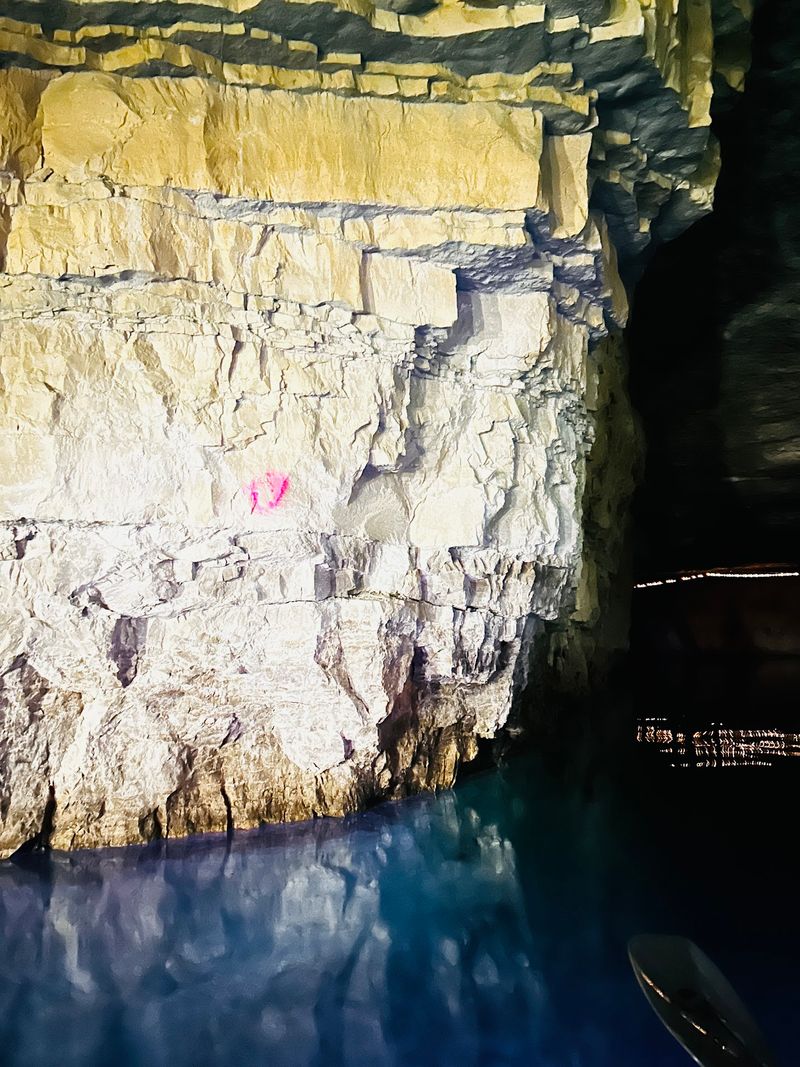
Everything wet in here traces back to one moment in 1985 when miners hit a spring. That single breach filled the tunnels and never stopped supplying water.
Depth reaches around 25 feet at the deepest points. Elsewhere, the floor sits close enough to the surface that a decent light reveals stone and sediment below.
Temperature holds near 40 to 42 degrees all year, summer heat and winter cold making zero difference. Underground plumbing runs on its own schedule.
Rain up top does eventually matter, just slowly. Water filtering down through limestone takes roughly four to seven days to reach the mine, and it arrives at a controlled trickle rather than a flood.
That delay matters for safety. Flash flooding isn’t a concern here, which is not something you can say about many wild cave systems.
When that rainwater does show up, ceiling drips get noticeably livelier. More sound, more movement, more of that indoor rainstorm effect.
Kentucky’s karst landscape makes all of this possible. Limestone bedrock riddled with cracks and channels moves water underground across the region, feeding rivers nobody can see from the road.
Floating on top of that system offers a rare look at how it actually behaves.
Photography Techniques For Low Light Scenes
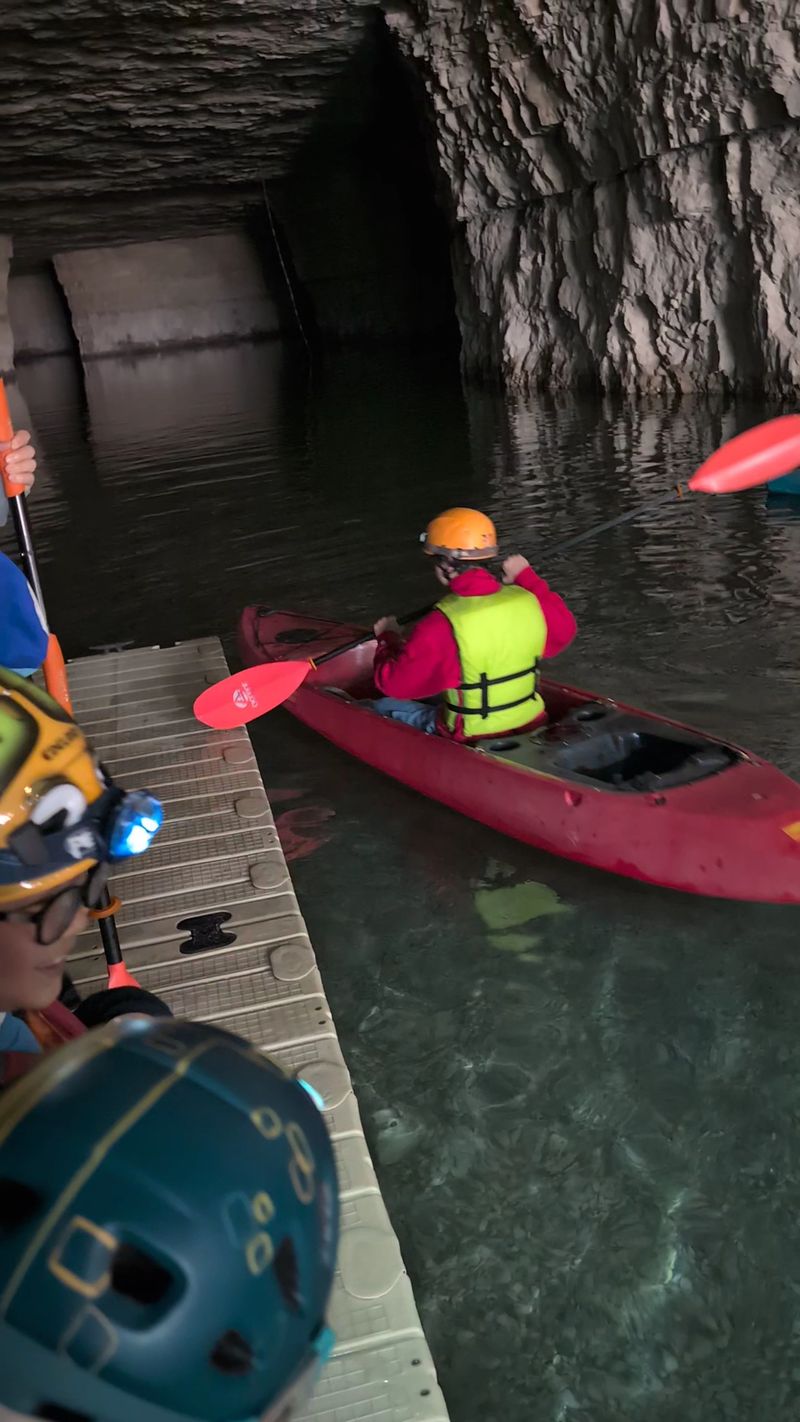
Cameras struggle down here, and that’s just physics. Almost no ambient light means the usual settings fall apart fast.
Narrow apertures between f/8 and f/16 keep both nearby rocks and distant walls sharp. Pair that with longer exposure times to let enough light reach the sensor.
Keep ISO low, ideally between 100 and 400, to hold digital noise down. Genuinely dark corners might force a bump upward, and that’s an acceptable trade.
Steadiness becomes everything during long exposures. A tripod solves the shake problem, though space and boat movement complicate things, so bracing against something solid helps.
Skip the pop-up flash. It flattens everything and turns interesting stone into a pale blob.
Subtle lighting works far better. Headlamps or small LED lights can graze across surfaces and bring out texture without looking artificial.
Clear kayak tours come with a built-in advantage. Underwater LED lights glow through the hull and illuminate submerged rock, which photographs beautifully.
Shoot in RAW when possible, then apply noise reduction later. High-ISO files clean up remarkably well with a little editing.
Wide-angle lenses capture the scale of the chambers. And protect the gear, because dampness is guaranteed, so a waterproof phone case or dry bag earns its keep.
Seasonal Variations In Cave Waterfall Activity
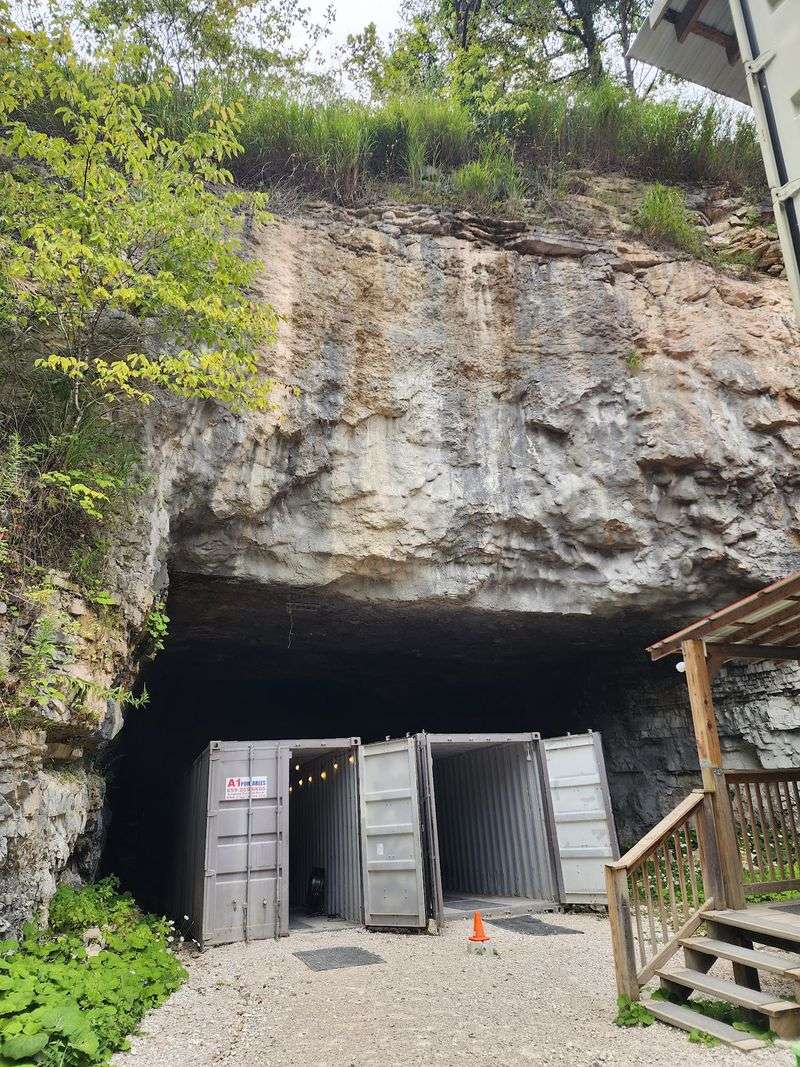
Weather forecasts lose most of their power once you’re underground. Temperature stays between 52 and 55 degrees whether it’s a July heat wave or a February freeze.
Tours run rain or shine for exactly that reason. The entire experience happens below the surface, so drizzle above changes nothing about the schedule.
Rain does leave its mark, just on a delay. Water needs about four to seven days to filter down through limestone and reach the mine.
Because that seepage happens gradually, there’s no risk of sudden surges. Just a steady increase in what falls from above.
Wet stretches make the ceiling far more active. Drips multiply, small streams appear along the walls, and the whole space gets noisier in a pleasant way.
Dry spells produce a calmer, quieter atmosphere. Still water, fewer sounds, and clearer views straight down through the surface.
Both versions have their appeal, which means there’s no wrong season to go. Summer visitors get relief from Kentucky humidity, and winter visitors find the underground actually warmer than the parking lot.
That slow filtering process also keeps building formations over time. Every drop adds a little more to the story.
Conservation Efforts To Protect Resources
Guides weave conservation into their storytelling without turning it into a lecture. They explain how fragile the balance is down here and what keeps it intact.
Kentucky’s karst country holds some of the most sensitive habitat in the country. Groundwater moves quickly through limestone, meaning surface pollution can reach underground ecosystems fast.
The American Cave Conservation Association, based in Kentucky, focuses on exactly this challenge. Their work covers caves, karstlands, and groundwater through both protection projects and public education.
Another example sits at Wells Cave Nature Preserve, managed by the National Speleological Society. That site protects a major cave system and doubles as a teaching ground for cave management and hydrology.
Education does a lot of heavy lifting. Once people understand that a spill or runoff on a farm field can affect a cave miles away, habits tend to change.
Species status makes the stakes clear. The Northern Cavefish is listed as near threatened or vulnerable, and groundwater contamination ranks among its biggest dangers.
Tours like these help by giving visitors a personal connection to an environment most people never see. Caring about a place gets easier after floating through one.
Small choices add up. Following guide instructions and keeping hands off formations protects what took thousands of years to form.