
This Lavender Farm In Arizona Smells Like A Slice Of Heaven
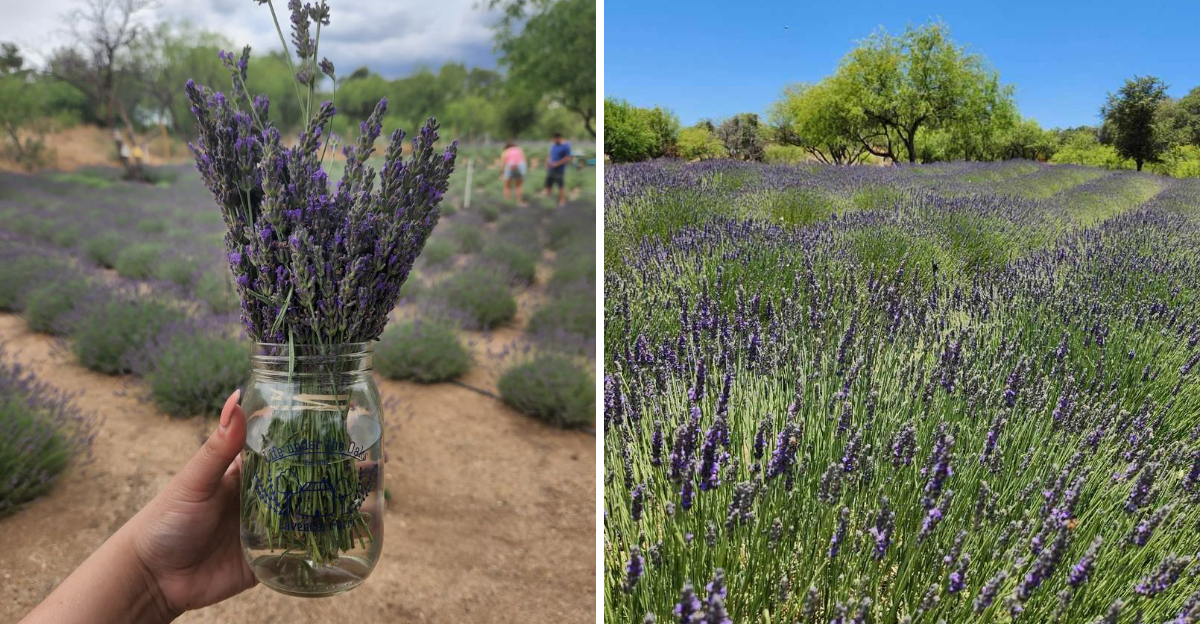
The scent hits first, long before the fields come into view. Life Under The Oaks Lavender Farm in Oracle, Arizona sits where high desert air meets rolling hills and oak groves, creating a place that invites visitors to slow down.
People arrive for the purple blooms, lingering fragrance, and the calm that settles in almost immediately. Run as a family operation and open Friday through Sunday, the farm offers fresh lavender bundles, workshops, and quiet picnic spots shaded by old trees.
A Lavender Farm Tucked Into Arizona’s High Desert Foothills
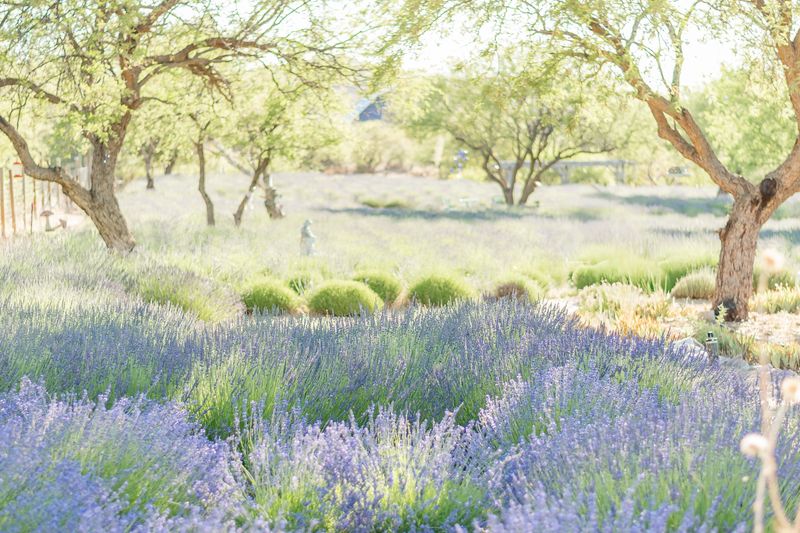
Oracle rests at an elevation that brings cooler air and a landscape marked by oak trees and open sky. Life Under The Oaks Lavender Farm occupies 1221 North Rancho Robles Road, a property shaped by family hands and a vision for creating something both beautiful and functional.
The farm draws people from Tucson and Phoenix, offering a break from heat and concrete.
Rows of lavender stretch across the land, framed by mature oaks that provide shade and character. The setting feels intentional, designed to encourage visitors to walk slowly and notice details.
Pathways wind between plantings, leading to seating areas and spots where the view opens up.
Farm animals roam in designated areas, adding movement and personality to the space. Donkeys, goats, and sheep live here year-round, becoming familiar faces to repeat visitors.
The combination of agriculture, livestock, and landscape creates an atmosphere that feels both working and welcoming.
Oracle itself remains a small community, known for quiet roads and mountain proximity. The farm fits naturally into this environment, offering an experience rooted in place rather than spectacle.
Bloom Season Is When The Farm Truly Comes Alive
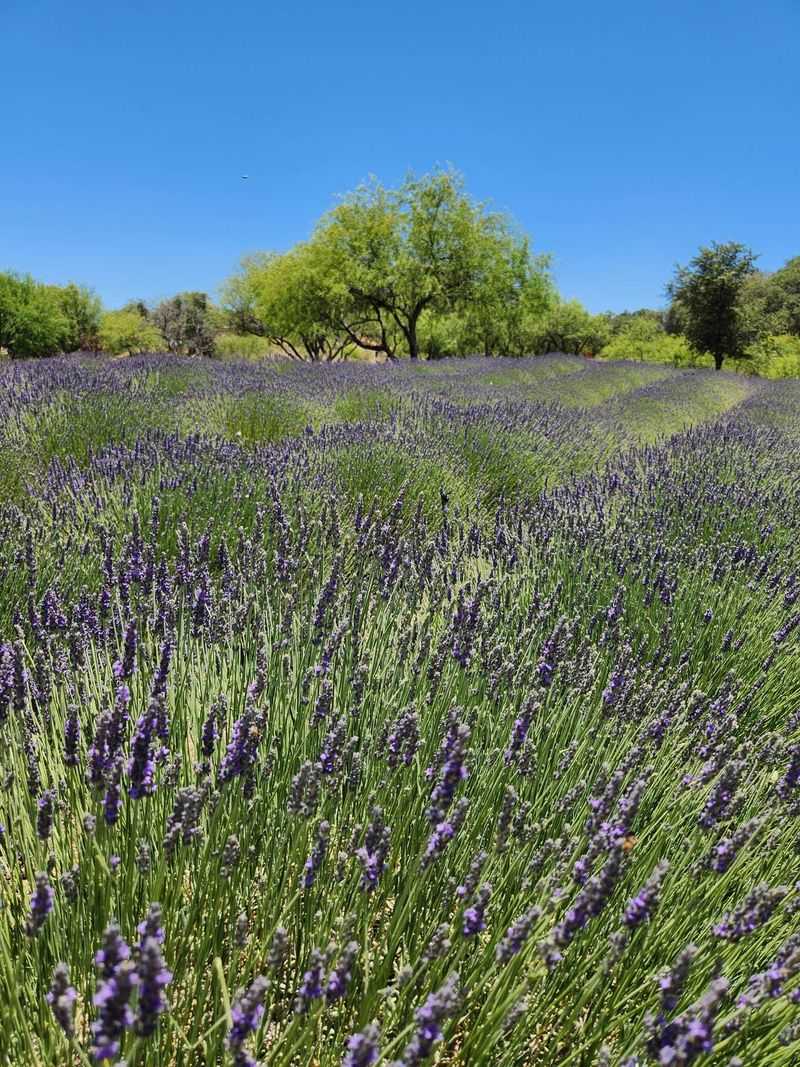
June marks the peak of lavender bloom at the farm, when the fields turn deep purple and the scent intensifies. Timing a visit for mid-June means encountering the plants at their fullest, with flowers open and ready for cutting.
The visual impact alone draws photographers and families looking for backdrop variety.
Butterflies and bees work the blooms constantly during this period, creating movement and sound throughout the rows. Visitors walking through the fields often comment on the insect activity, which adds energy without posing much risk.
The bees remain focused on their work, largely ignoring people passing nearby.
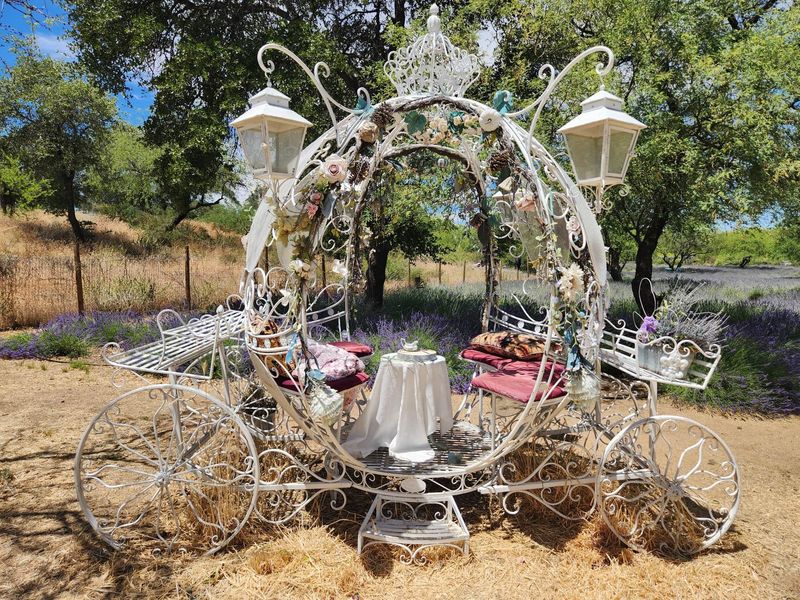
Different lavender varieties bloom at slightly different times, extending the season beyond a single week. Early bloomers near the carriage area open first, while other sections follow in succession.
This staggered timing allows the farm to maintain visual interest across several weeks.
Heat builds as summer progresses, but Oracle stays ten to twenty degrees cooler than lower desert areas. Morning visits during bloom season offer the best combination of comfortable temperatures and active pollinator presence.
U-Pick Lavender Lets Visitors Take The Scent Home
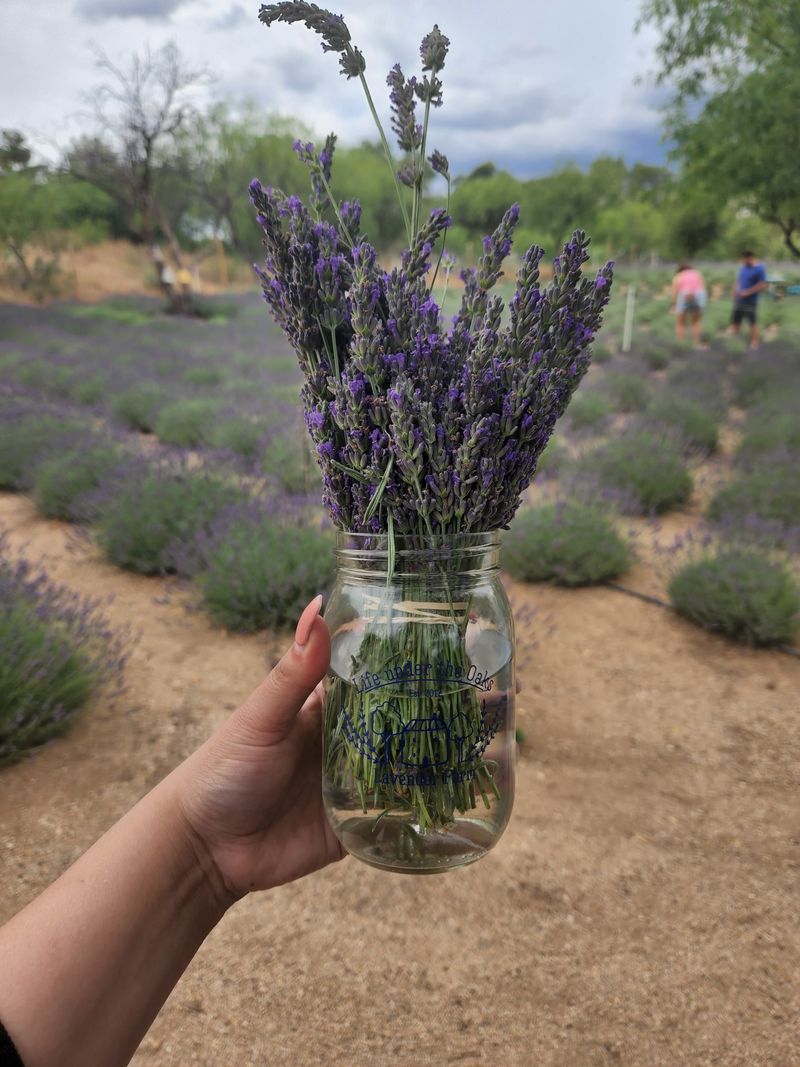
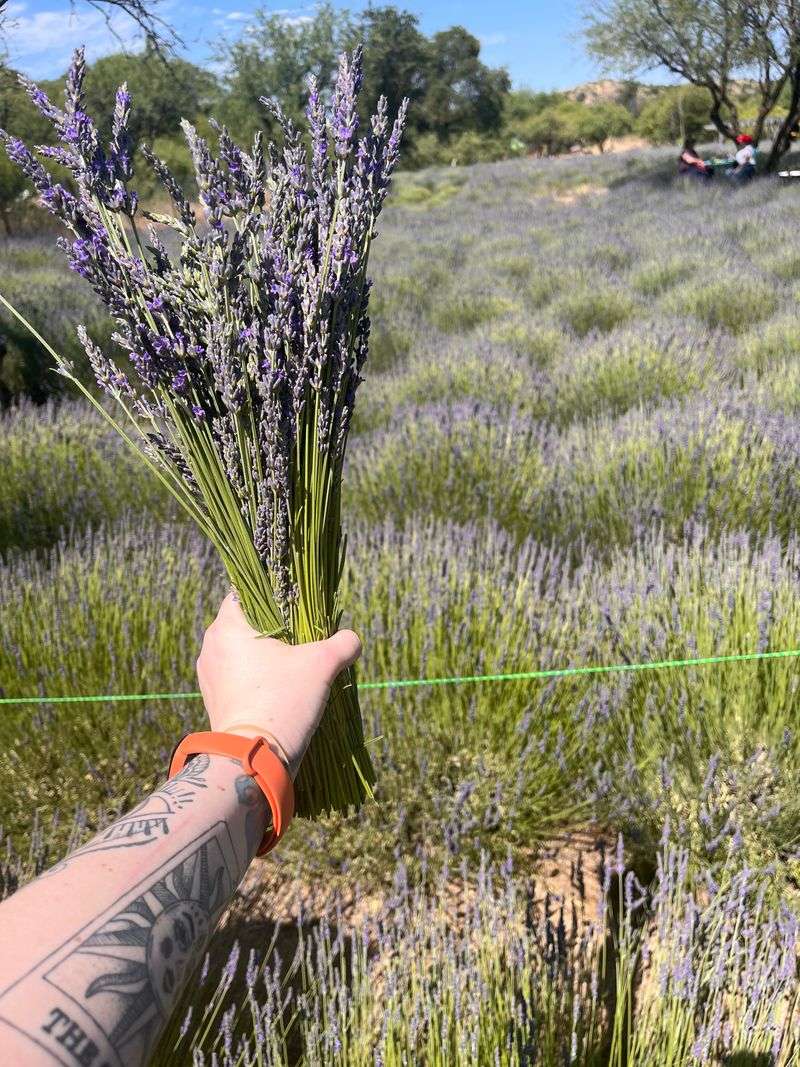
The farm offers U-Pick opportunities during bloom season, allowing visitors to cut their own bundles directly from the rows. For ten dollars, guests receive scissors and guidance on how to harvest stems properly.
The process takes about twenty minutes for most people, resulting in a bundle substantial enough to dry and display.
Staff members provide instruction on which stems to choose and how to cut without damaging the plant. The technique matters for both plant health and bundle quality, so learning the basics helps everyone involved.
Visitors often find the picking meditative, moving slowly through rows while selecting their favorite stems.
Fresh lavender carries a stronger scent than dried, filling cars and homes with fragrance that lasts for days. Many people hang their bundles upside down to dry, preserving both color and aroma for months.
The dried stems work well in arrangements, sachets, or simply left as decoration.
Children enjoy the picking process, though supervision helps ensure they cut correctly and avoid wandering into undesignated areas. Families often make U-Pick a central part of their visit, combining it with animal viewing and picnicking.
The Farm Is Family-Run And Intentionally Small
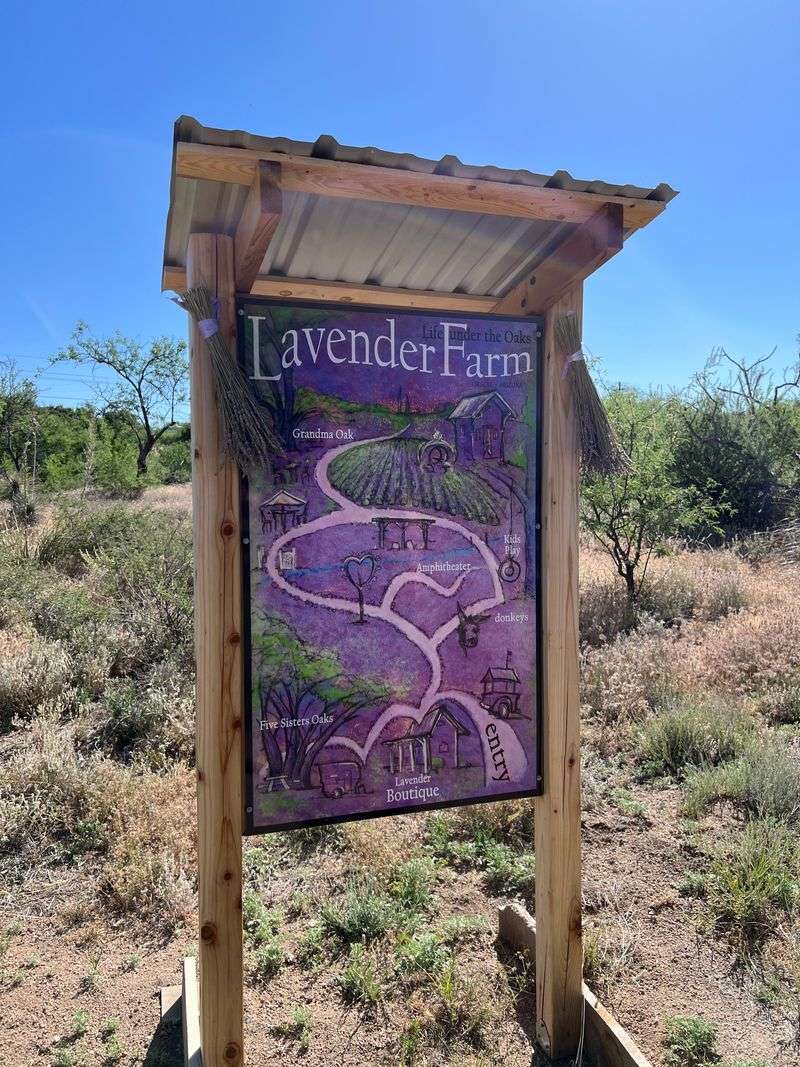
Carolyn and her family built Life Under The Oaks from vision to reality, maintaining control over every aspect of the operation. The farm remains deliberately small, prioritizing quality of experience over expansion.
This approach shows in the details, from hand-placed decorations to personally designed pathways that guide visitors through the property.
Operating only Friday through Sunday keeps the workload manageable while giving the family time to prepare and maintain the space properly. Hours run from ten in the morning until three in the afternoon, a window that allows for morning setup and afternoon cleanup.
The limited schedule also creates anticipation, making visits feel more special than if the farm stayed open daily.
Staff members interact with guests frequently, offering recommendations for events in Oracle or answering questions about lavender cultivation. The owner often walks through the property during operating hours, checking in with visitors and gathering feedback.
This personal touch distinguishes the farm from larger commercial operations.
Growth happens gradually, with improvements added each season based on visitor response and family capacity. Recent additions include decorated restrooms and expanded seating areas, all executed with the same attention to detail that characterizes the original design.
The Scent Hits You Before You Reach The Fields
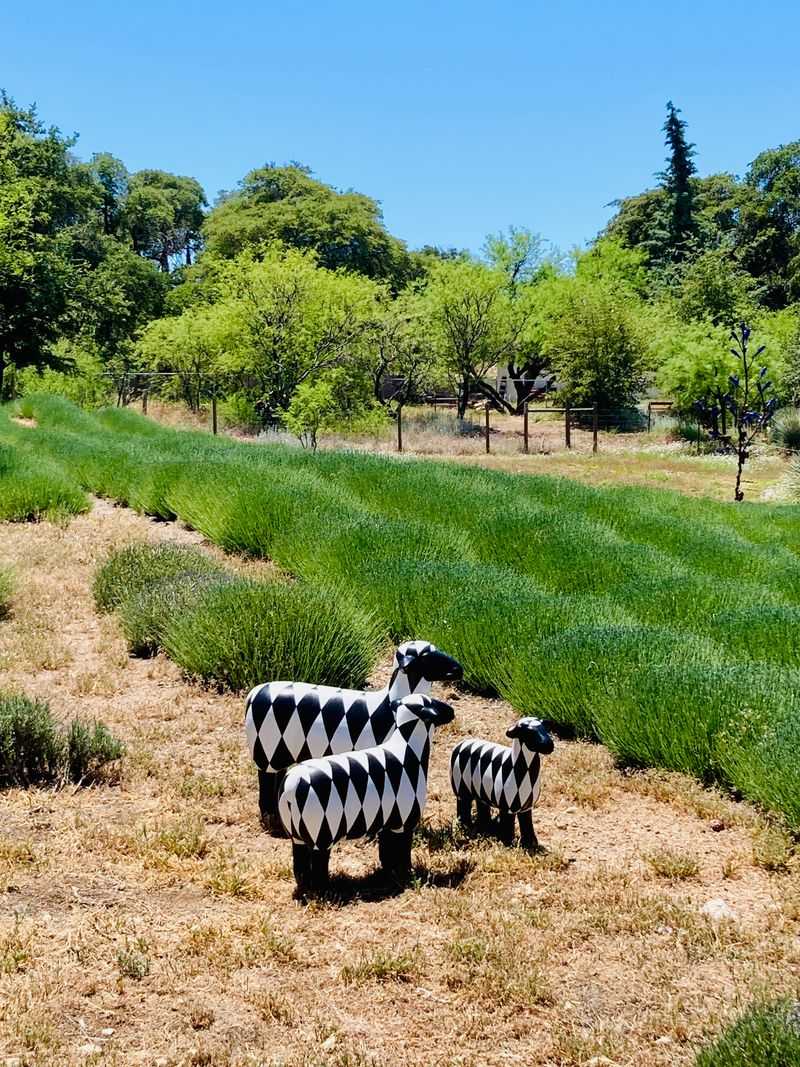
Parking at Life Under The Oaks places visitors close enough to the lavender rows that the fragrance becomes noticeable immediately. The scent carries on any breeze, announcing the farm before visual details come into focus.
This olfactory introduction sets expectations and creates an immediate sensory shift from the drive.
Lavender produces its strongest scent during warm hours when essential oils release more readily from the flowers. Mid-morning through early afternoon provides the most intense aromatic experience, though even cooler times carry enough fragrance to be remarkable.
The smell penetrates clothing and hair, lingering long after departure.
Different lavender varieties contribute slightly different notes to the overall scent profile, creating complexity rather than a single uniform smell. Some varieties lean sweeter, others more herbaceous, and the combination shifts as visitors move through different sections.
Paying attention to these variations adds another layer to the walking experience.
For many guests, the scent alone justifies the five-dollar entrance fee and drive to Oracle. Reviews consistently mention fragrance as a highlight, with some visitors describing it as therapeutic or calming.
The farm capitalizes on this by offering lavender-scented products in their boutique for those wanting to recreate the experience at home.
Workshops And Events Add To The Experience
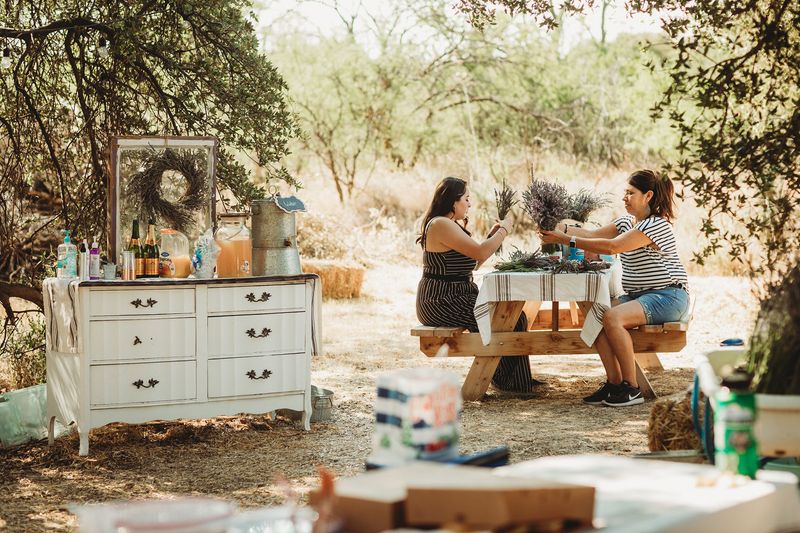
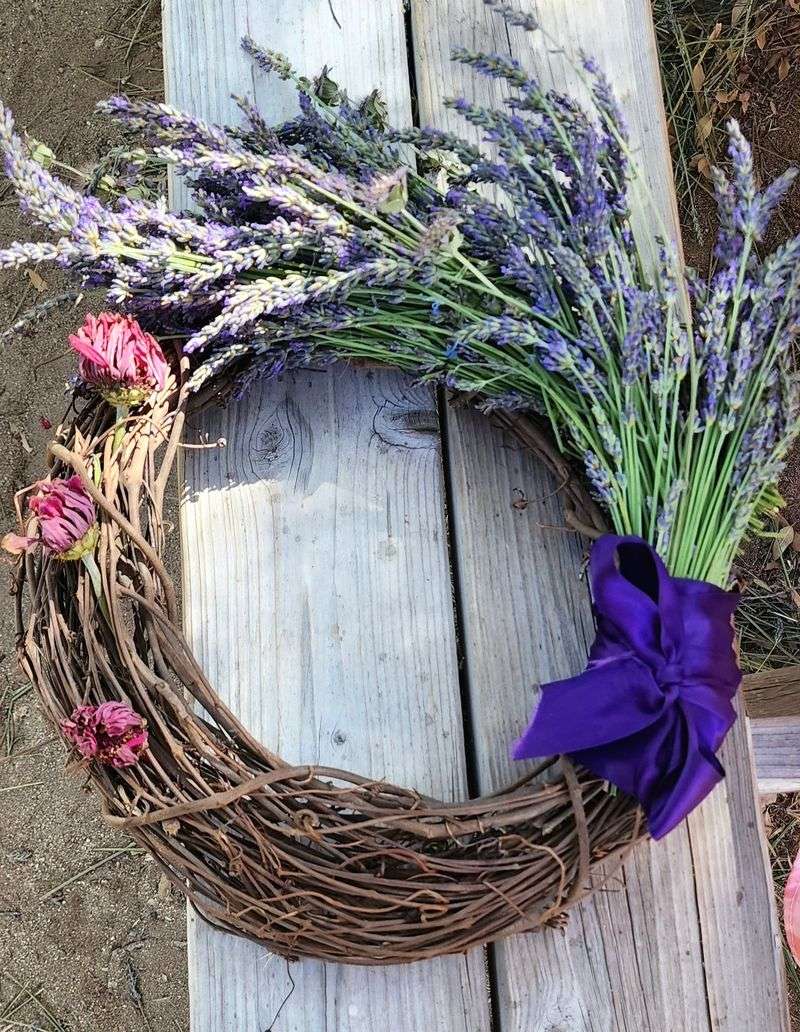
The farm hosts wreath-making workshops under large oak trees, providing both instruction and materials for participants. These sessions typically last a few hours, allowing time for learning techniques and creating finished products to take home.
Working with fresh lavender adds a sensory dimension to the crafting process that dried materials cannot match.
Fairy festivals draw families with young children, offering activities like crown making, face painting, and wand construction. These events transform the farm into a themed experience, with decorations and programming designed specifically for the occasion.
Parents appreciate the outdoor setting and the chance to combine nature exposure with imaginative play.
Lavender-themed dinners occur periodically, featuring food prepared with lavender as an ingredient or accompaniment. These meals showcase the culinary applications of the plant beyond simple decoration.
Service and presentation receive careful attention, creating an elevated dining experience in a farm setting.
Event schedules appear on the farm website, with advance registration required for most activities. Limited capacity ensures quality instruction and prevents overcrowding.
The family plans events based on season, farm capacity, and visitor interest expressed through previous attendance and feedback.
A Farm Boutique Showcases Lavender-Made Goods
The on-site boutique stocks products made with lavender grown and harvested at the farm, creating a direct connection between field and shelf. Items include sachets, soaps, culinary lavender, and dried bundles ready for display.
Pricing reflects the handmade nature and local sourcing of most goods.
Lavender lemonade and cookies frequently appear in visitor reviews as standout purchases, offering immediate gratification alongside take-home products. The lemonade balances floral notes with citrus and sweetness, creating a drink that surprises people unfamiliar with lavender in beverages.
Cookies provide a similar introduction to culinary applications, gentle enough to appeal to cautious tasters.
Staff members can explain product ingredients and suggest uses for items that might be unfamiliar to first-time lavender buyers. This guidance helps people move beyond basic sachets into more adventurous purchases like cooking blends or bath products.
The boutique becomes educational as well as commercial.
Shopping here supports the farm directly, with proceeds funding operations and improvements. Visitors often appreciate this connection, preferring to buy from the source rather than third-party retailers.
The boutique stays open during all farm hours, allowing people to browse before or after walking the grounds.
The Setting Encourages Slow Wandering, Not Rushed Visits
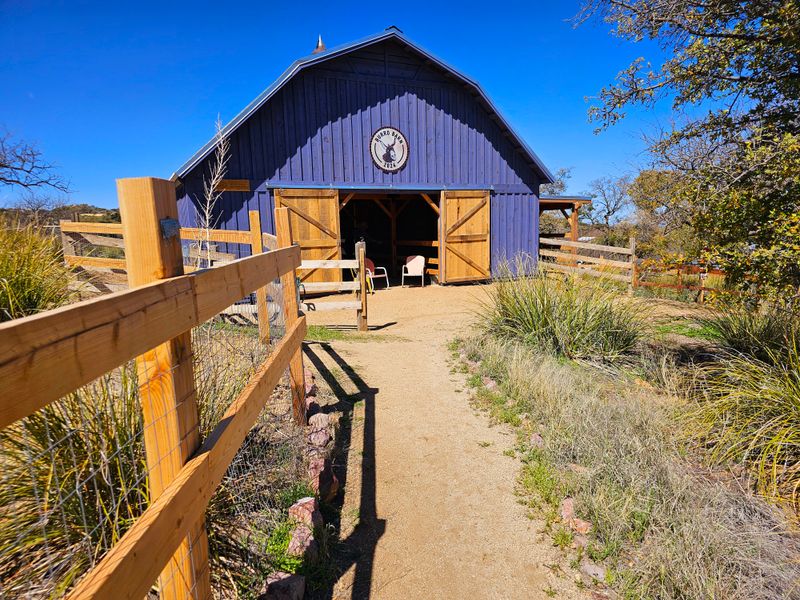
Pathways at Life Under The Oaks wind rather than run straight, creating a journey that reveals the property gradually. Benches and seating areas appear at intervals, positioned to take advantage of shade or views.
The layout suggests pausing rather than marching through, with no prescribed route or timeline.
Most visitors spend between forty-five minutes and an hour on the property, though some extend their stay to two hours when combining multiple activities. The farm accommodates this range, providing enough variety to sustain interest without overwhelming people who prefer shorter outings.
Gravel and dirt paths require steady footing but remain accessible to most walkers.
Decorative elements and fairy houses hide throughout the grounds, rewarding careful observation and giving children scavenger hunt opportunities. These details change seasonally as the family adds or adjusts installations.
Repeat visitors often seek out new additions, making each trip slightly different from the last.
The farm explicitly markets itself as a place for relaxation and connection rather than entertainment or amusement. This positioning attracts people looking for quiet outdoor time, whether alone, with a partner, or with family.
Reviews confirm that visitors who arrive expecting this atmosphere leave satisfied.
Oracle’s Location Makes It A Peaceful Day Trip
Oracle sits roughly an hour from both Tucson and Phoenix, making Life Under The Oaks accessible as a day trip without requiring overnight planning. The drive itself offers scenery as elevation increases and landscape shifts from pure desert to grassland and oak woodland.
This transition prepares visitors for the farm environment before arrival.
The town remains small and quiet, with limited commercial development and a strong sense of community character. Visitors looking for additional activities can explore local shops or hiking trails, though many choose to make the farm their primary destination.
Oracle’s size means less traffic and fewer crowds compared to tourist-heavy areas.
Cooler temperatures at Oracle’s elevation provide relief during Arizona’s brutal summer months, making the farm viable when lower desert areas become unbearable. This climate advantage extends the practical visiting season and increases comfort during peak bloom time in June.
Morning visits offer the best temperatures, though shade from oak trees helps throughout the day.
Farm staff sometimes recommend events happening in Oracle on the same day, encouraging visitors to extend their time in the area. This community connection benefits both the farm and local businesses, creating a network of support and cross-promotion.
It’s The Kind Of Place People Visit For The Feeling, Not Just Photos
Picnic baskets ordered in advance arrive ready for visitors to claim upon arrival, containing sandwiches, scones, lavender lemonade, and cookies. These meals encourage people to settle into a spot and spend extended time on the property rather than rushing through.
The food quality receives consistent praise, with portions sized appropriately for two people sharing.
Reviews emphasize the farm as a place for connection, whether with a partner, family member, or oneself. The environment supports conversation and quiet companionship equally well.
This emotional quality distinguishes the farm from purely visual attractions where photos become the primary goal.
Farm animals provide interaction opportunities that feel genuine rather than staged, with donkeys, goats, and sheep living their daily lives while visitors observe. Children particularly enjoy these encounters, which require no special programming or performance.
The animals exist as part of the farm ecology rather than entertainment props.
Many guests express plans to return, citing the feeling of the place as much as specific activities or sights. This repeat intention suggests the farm succeeds at creating an experience that resonates beyond a single visit.
The combination of sensory richness, thoughtful design, and genuine hospitality builds loyalty among visitors.