
This Legendary Aviation Museum In Idaho Hides A Secret Collection Of Rare Aircraft
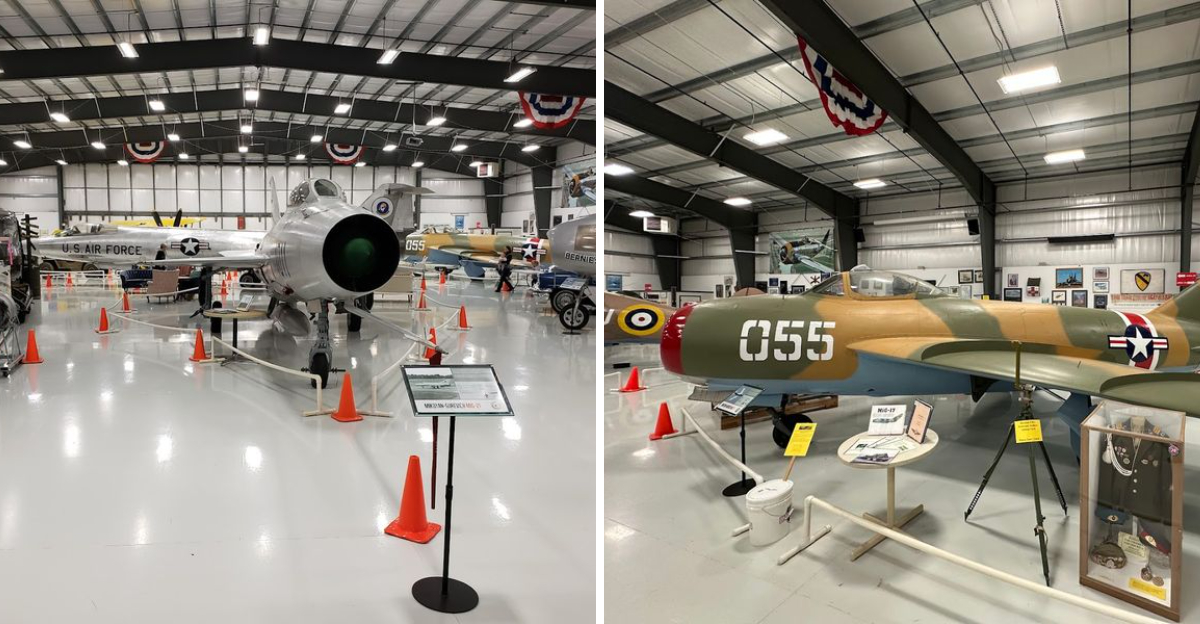
Some museums simply display objects behind glass. This aviation museum offers something far more compelling by placing visitors right in the middle of history.
Walking through the hangars in Nampa, Idaho, it quickly becomes clear that this is not the kind of place where you rush from one exhibit to the next. With a collection spanning from World War I through the Global War on Terror, the museum showcases historic aircraft alongside personal stories and military artifacts that many people would never expect to find in a mid-sized Idaho city.
Spending time here feels less like a typical museum visit and more like stepping into the stories behind the machines.
A Remarkable Collection Of Fully Restored Warbirds
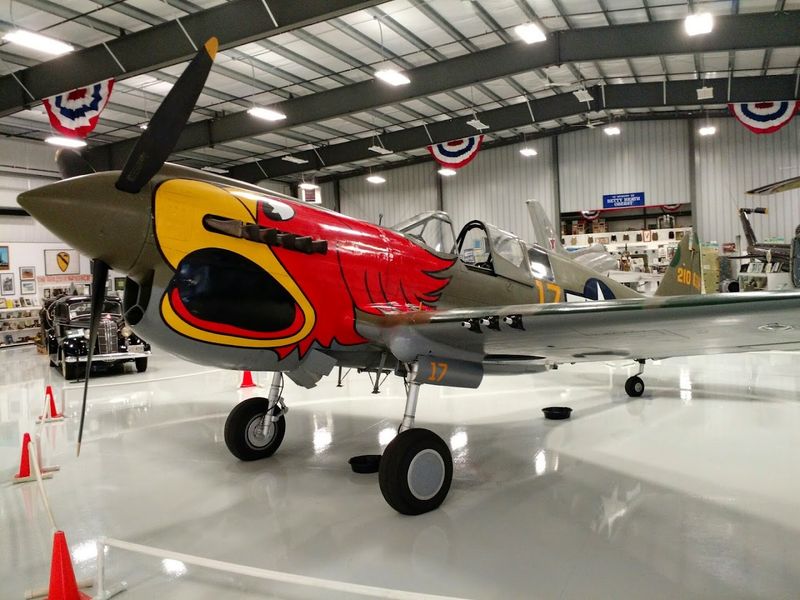
Walking into the main hangar at the Warhawk Air Museum feels like stepping onto a flight line frozen in time. The aircraft on display are not rough survivors or static shells, they are fully restored warbirds, each one maintained to airworthy standards.
According to museum staff, all aircraft in the collection are air certified and capable of flight, which is a distinction that very few aviation museums can honestly claim.
The quality of the restorations is immediately apparent. Paint schemes are accurate, cockpit interiors are complete, and the mechanical details hold up under close inspection.
Visitors often linger far longer than they planned, circling each aircraft and reading the accompanying information cards with genuine interest.
Families with children find the warbirds especially magnetic, and it is easy to understand why. There is something viscerally honest about standing beside a machine that actually flew in combat, knowing it could fly again tomorrow.
The P-40 Warhawk That Inspired The Museum’s Name
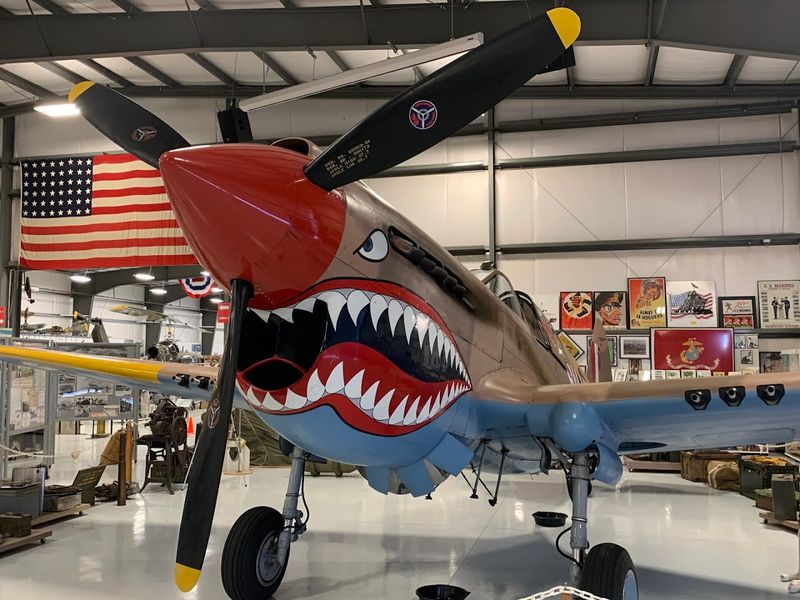
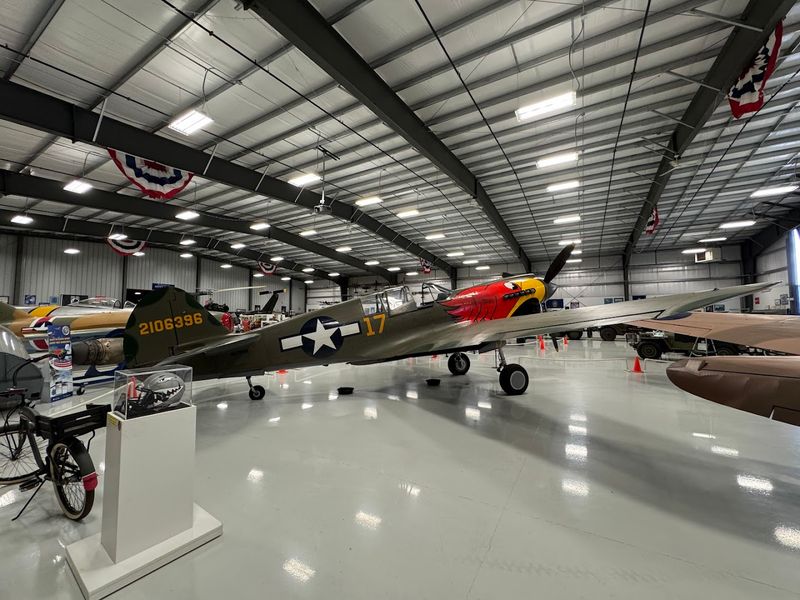
The Curtiss P-40 Warhawk is the aircraft that gave this museum its identity, and seeing one up close explains the choice immediately. The P-40 was the primary American fighter at the start of World War II, famously flown by the Flying Tigers over China and Burma.
Its shark-mouth nose art became one of the most recognizable images of the entire war, and the example on display at the Warhawk Air Museum carries that same fierce character.
Beyond its visual impact, the P-40 represents a pivotal moment in American military history, a period when the country was scrambling to build an air force capable of fighting on two fronts simultaneously. The museum presents this context clearly, connecting the aircraft to the broader story of the war without overwhelming visitors with technical detail.
For anyone who grew up reading about World War II, standing beside a real P-40 carries a weight that photographs simply cannot replicate.
Historic Aircraft From Several Military Eras
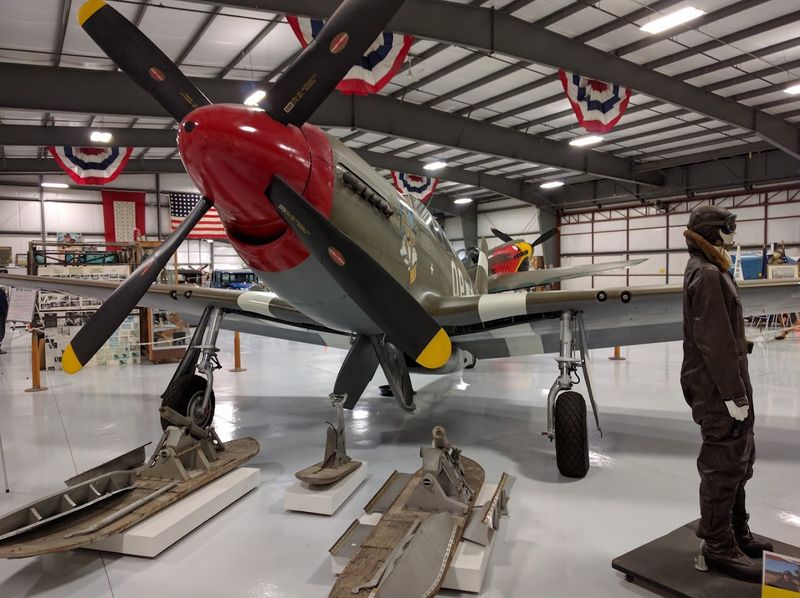
One of the more underappreciated qualities of the Warhawk Air Museum is its chronological range. Most visitors arrive expecting a World War II collection and leave having encountered aircraft and artifacts that stretch from World War I through the jet age and beyond, including exhibits that address the September 11 attacks and the Global War on Terror.
The museum is organized into three distinct sections, each covering a different period of military aviation history. Moving between them gives visitors a clear sense of how rapidly aviation technology evolved across just a few decades, from fabric-covered biplanes to swept-wing jets capable of breaking the sound barrier.
This span of history is presented without becoming overwhelming. The curators have made deliberate choices about what to include and how to frame it, so the experience feels cohesive rather than cluttered.
Visitors with no prior aviation knowledge leave with a genuine understanding of how air power shaped modern conflict.
Aviation Displays That Go Beyond The Aircraft
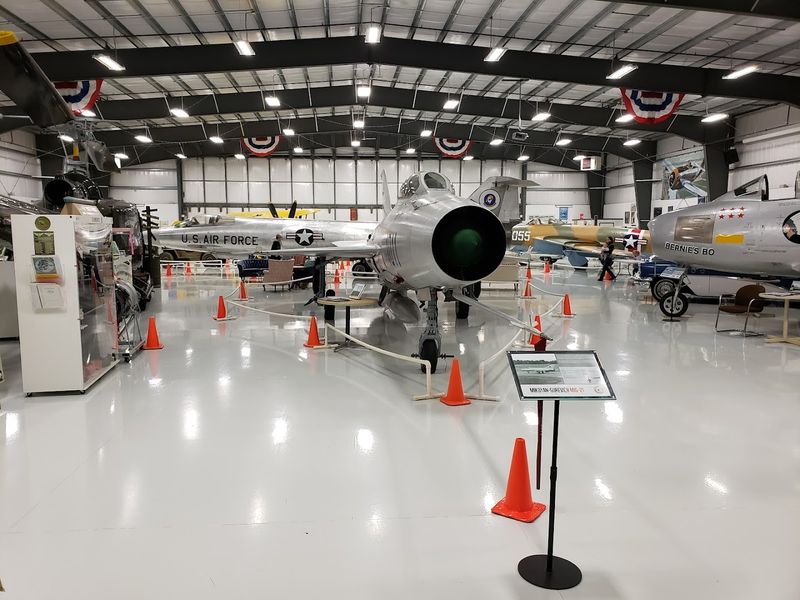
The aircraft at the Warhawk Air Museum are the obvious attraction, but the supporting displays deserve equal attention. Hundreds of artifacts fill glass cases throughout the museum, flight gear, medals, uniforms, personal letters, photographs, and equipment that belonged to real people who served in real conflicts.
The depth of this collection consistently surprises first-time visitors.
The museum also holds what is reportedly the largest collection of female military uniforms of any aviation museum in the country. This alone sets it apart from institutions that focus exclusively on aircraft and male service members, offering a more complete picture of who actually contributed to the war effort.
Binders near the entrance contain biographical information on individual veterans, and visitors are welcome to read through them at their own pace.
Personal Stories From Veterans And Pilots
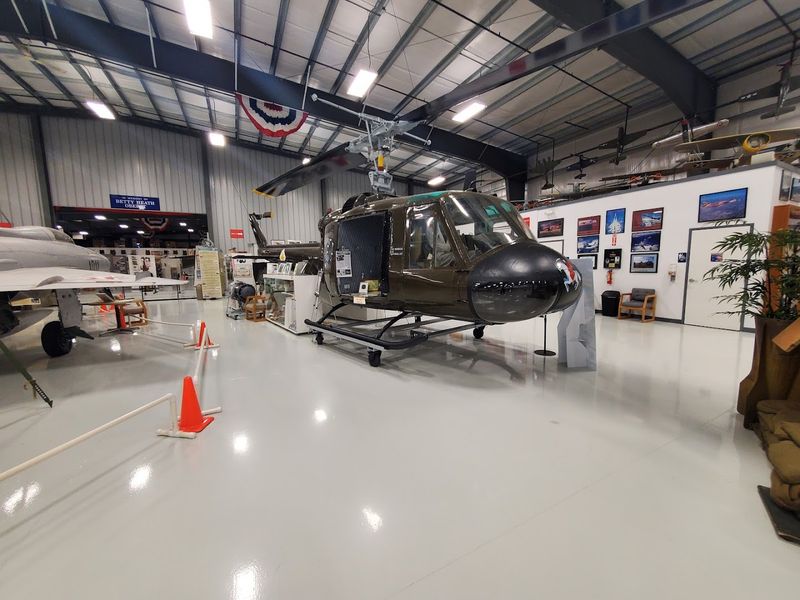
The most memorable part of a visit to the Warhawk Air Museum often has nothing to do with an aircraft. It comes from a conversation with one of the museum’s volunteer guides, many of whom are veterans with firsthand experience of military service.
These volunteers circulate through the exhibits and offer context, anecdotes, and personal recollections that no display panel can fully replicate.
Past visitors have specifically named volunteers like Paul and Ron as individuals who transformed their museum experience, turning a casual afternoon stop into something genuinely moving. The volunteers do not simply recite facts, they share stories, answer questions with patience, and occasionally reveal details that are not written anywhere in the museum.
This human element is what separates the Warhawk Air Museum from a typical aviation attraction. History presented through personal memory carries a different kind of weight, and the museum clearly understands that.
The volunteers are, in many ways, living exhibits themselves.
One Of Idaho’s Most Important Aviation History Museums
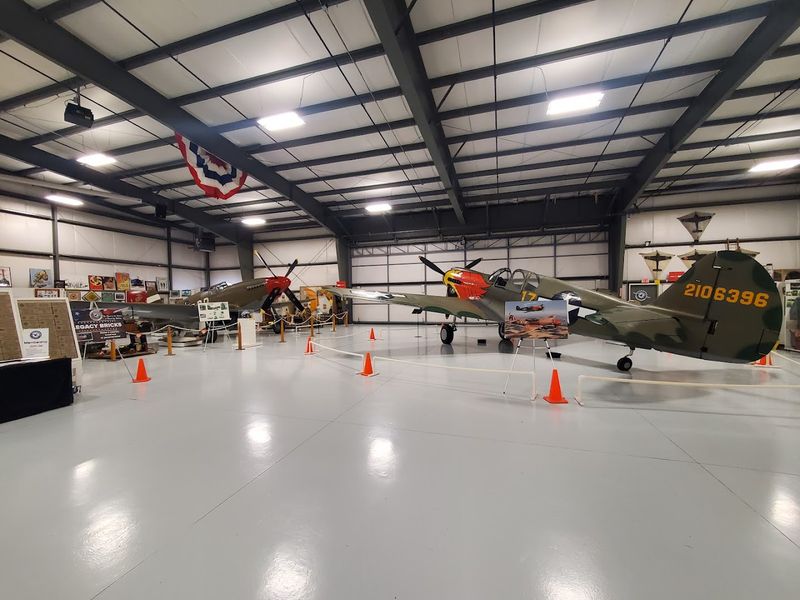
Idaho is not the first state most people associate with aviation history, but the Warhawk Air Museum makes a compelling case that it should be. Located adjacent to the Nampa Municipal Airport at 201 Municipal Dr, the museum documents the specific role that Idaho and its residents played in America’s military conflicts, from the early days of flight through the post-9/11 era.
The exhibits highlight Idaho-connected pilots, service members, and units with a level of local specificity that gives the collection a distinct regional character. This is not a generic aviation museum that could exist anywhere, it is grounded in a particular place and a particular community’s relationship with military service.
Open Tuesday through Saturday from 10 AM to 5 PM and Sunday from 11 AM to 4 PM, it is accessible and well-organized for visitors of all backgrounds and ages.
Aircraft Restorations That Bring History Back To Life
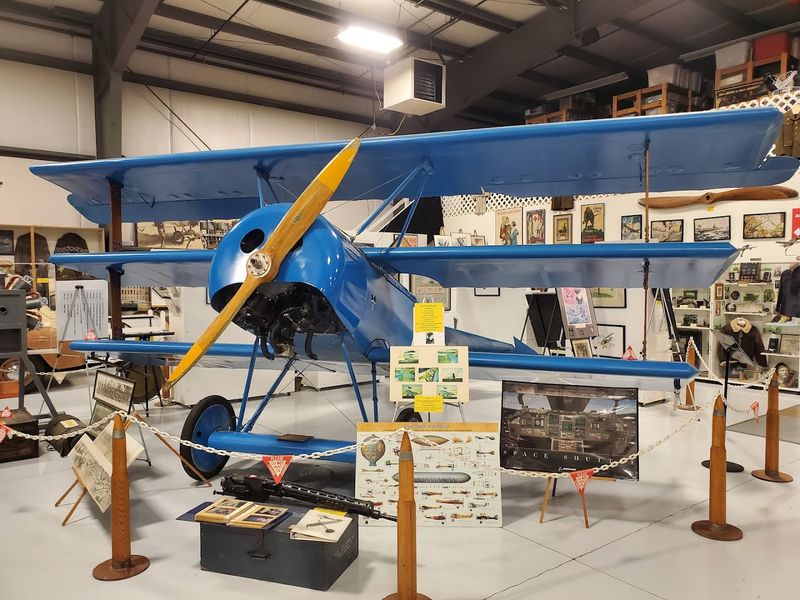
Restoration work is an art form that demands obsessive accuracy, and the Warhawk Air Museum takes it seriously. Every aircraft in the collection has been brought back to flying condition, not merely made to look presentable from a distance.
The distinction matters enormously to anyone who appreciates the difference between a preserved artifact and a fully functional machine.
The level of mechanical authenticity visible in each restoration reflects years of careful research and skilled labor. Cockpit instruments are period-correct, engine compartments are complete, and exterior finishes match historical documentation.
This commitment to accuracy elevates the museum above many larger institutions that display aircraft in deteriorating or partially restored condition.
Knowing that these aircraft could theoretically take off and fly adds a layer of immediacy to the experience that static displays simply cannot provide. The Warhawk Air Museum treats its aircraft as living history rather than museum pieces, and that philosophy shapes every aspect of how the collection is presented and maintained.
A Massive Hangar Filled With Rare Military Memorabilia
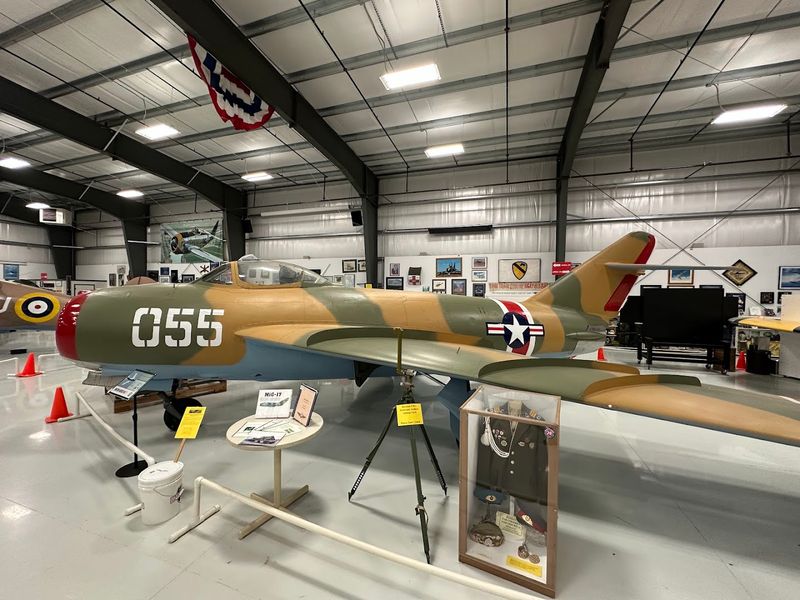
The physical scale of the Warhawk Air Museum has grown considerably over the years. One longtime visitor noted on a recent return that the museum is now roughly three times the size it was eighteen years ago, a growth rate that reflects both community support and an expanding collection of donated materials.
The hangar space now accommodates aircraft, artifact displays, and themed exhibit areas without feeling cramped or chaotic.
Flags from numerous countries hang throughout the space, and display cases contain items ranging from military-issue personal equipment to rare decorations and citations. The variety is genuinely impressive, visitors frequently report discovering something unexpected in a corner or display case they almost walked past.
The museum also houses a War on Terror wing, which extends the narrative well beyond the World War II focus that many visitors initially expect. A small gift shop near the entrance rounds out the visit for those looking to bring something home.
The phone number for visitor inquiries is +1 208-465-6446.
A Living Tribute To American Military Aviation
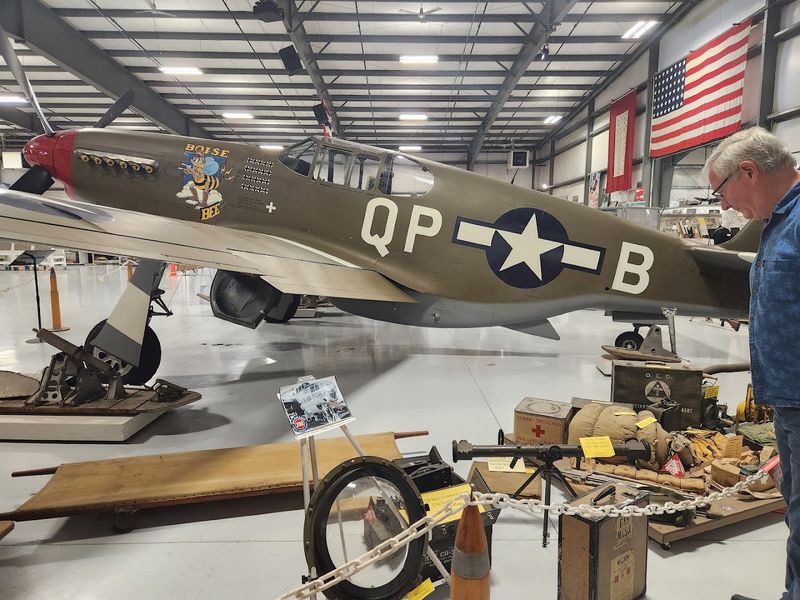
There is a deliberate reverence in how the Warhawk Air Museum approaches its subject matter. Every artifact, every photograph, and every biographical binder reflects a commitment to honoring the individuals behind the history rather than simply cataloguing equipment.
This human-centered approach gives the museum an emotional dimension that technical aviation exhibits rarely achieve.
The September 11 exhibit, in particular, has drawn consistent praise from visitors for its measured and respectful tone. It does not sensationalize or oversimplify, it acknowledges the weight of what happened and connects it to the broader continuum of American military service that the museum documents throughout its other galleries.
Families who have donated personal items to the collection can see their contributions properly contextualized within a larger historical narrative. Soldiers, nurses, pilots, and civilians all find representation here.
The museum functions as both an educational resource and a memorial, and it manages to hold both roles simultaneously without either one diminishing the other.
A Surprising Treasure For Aviation Enthusiasts
Most visitors to the Warhawk Air Museum arrive with modest expectations and leave genuinely astonished. The museum’s location in Nampa, a city of modest size in southwestern Idaho, does not immediately suggest world-class aviation collection, which is precisely what makes the discovery so satisfying.
The museum offers scavenger hunts for younger visitors, military and senior discounts at the door, and special events including a Veterans Breakfast that draws families from across the region. The atmosphere is welcoming without being performative, and the staff consistently receive praise for their knowledge and approachability.
For aviation enthusiasts specifically, the combination of airworthy aircraft, authentic restorations, deep archival materials, and knowledgeable veteran volunteers creates an experience that is difficult to find anywhere else. The Warhawk Air Museum website at warhawkairmuseum.org provides current hours and event listings for those planning a visit.