
This Little Massachusetts Sanctuary Is Home To Hundreds Of Adorable Rescued Guinea Pigs
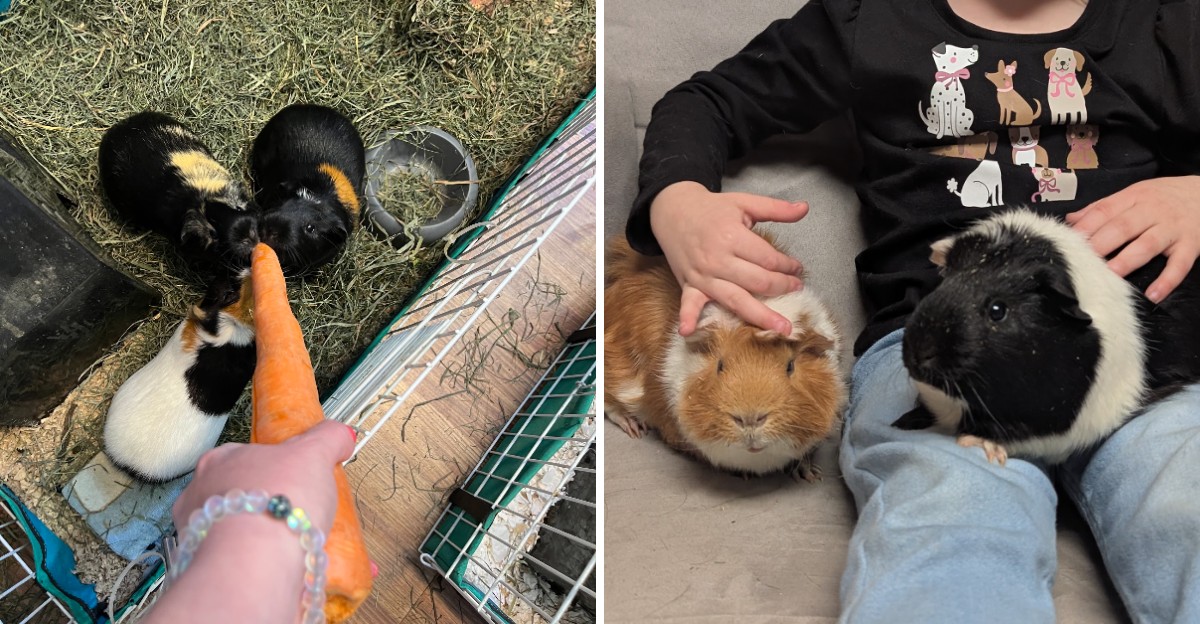
Somewhere near the coast, roughly 350 to 400 guinea pigs share one building, and their cages stack from floor to ceiling. That’s a lot of wheeking.
It might be the squeakiest address in Massachusetts.
Every single one of these piggies was rescued. Some came from hoarding cases, and others were surrendered by families who couldn’t keep them.
Volunteers feed, groom, and love them daily.
Visitors can stop by to meet the herd, and feeding them fresh veggies is part of the fun. I could easily spend hours just listening to the happy chatter when the lettuce comes out.
I can’t help but appreciate a place that treats tiny pets like big deals.
You might even meet a furry best friend who’s been waiting for you. So how many cute faces can one heart handle in a single afternoon?
Let’s find out together.
Hundreds Of Squeaky Residents Call One Cozy Building Home
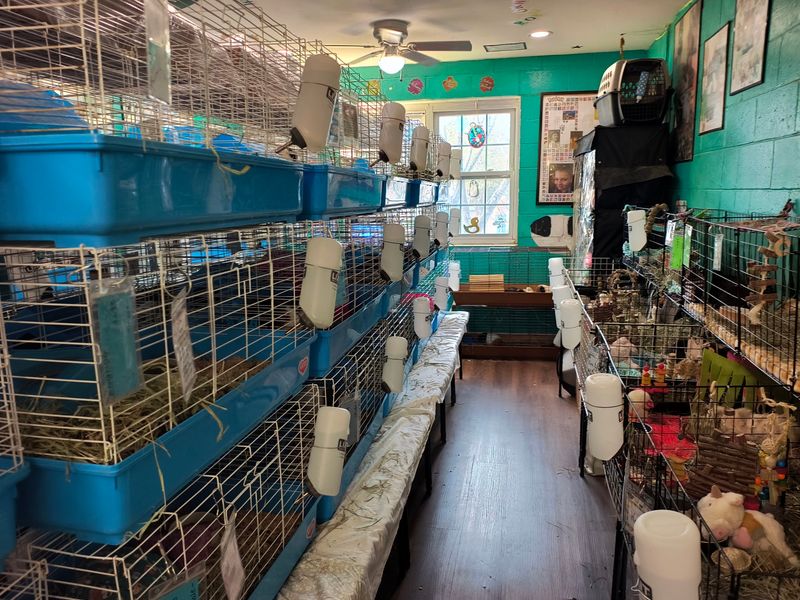
Count the noses at the Guinea Pig Sanctuary and you’ll probably lose track. The rescue usually cares for about 350 to 400 guinea pigs at any given time.
That number is wild for a small building. Cages stack from floor to ceiling, so every inch of space gets put to work.
The sanctuary is an independent 501(c)(3) nonprofit focused only on guinea pigs. No dogs, no cats, no hamsters.
Just a whole lot of whiskers and squeaks.
It’s also known as the first and only licensed guinea pig rescue in Massachusetts. That’s a pretty special title for a place built around such small animals.
The sanctuary runs as a true no-kill shelter. Piggies stay safe here until they find a family, and some special-needs residents live here long term.
You’ll see babies, seniors, fluffy ones, and smooth ones. Colors range from snowy white to caramel swirls and everything in between.
Boys are especially common here, so pairs of brothers are often waiting. If you’ve ever wondered what a guinea pig village looks like, this is it.
Just expect plenty of opinions from the residents.
A Big-Hearted Story Grew From A Very Hard Road
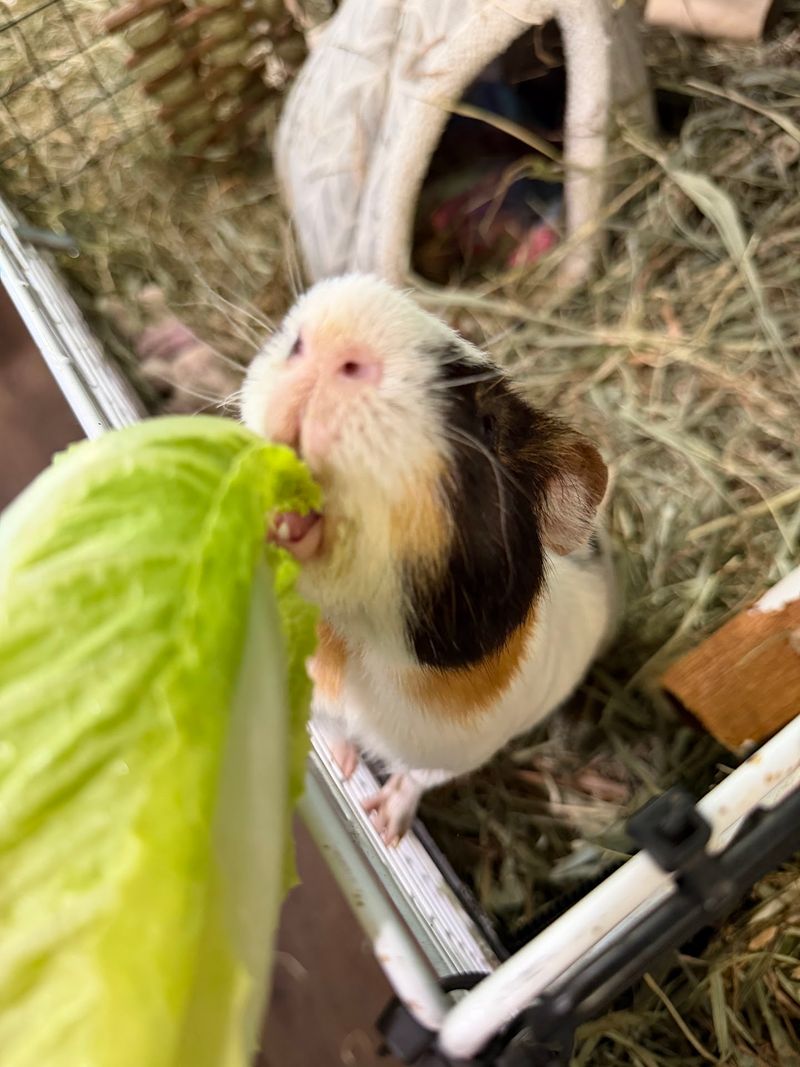
Plenty of rescues start with a love of animals. This one started with healing.
The founder, Alex, formed a deep bond with guinea pigs as care animals after a serious bonfire accident in 2009.
Those little companions became a big part of the recovery. Before long, rescuing more of them turned into a family mission.
The sanctuary first operated out of the family home in Hampton, New Hampshire. Then, in February 2019, a terrible fire struck that home and brought heartbreaking loss to the family.
Many people would have stepped away after that. Instead, the family kept going, and the community rallied behind them.
Volunteers helped secure the current building in Salisbury in March 2020. Today, Kimie Smothermon runs the operation alongside a dedicated crew.
Knowing this backstory makes a visit feel even more meaningful. Every clean cage and full hay rack reflects years of determination.
The sanctuary calls its supporters a village, and it fits. Donors, volunteers, and adopters all play a part.
The result is a rescue that grew stronger after hard times, one piggy at a time.
Bring A Bag Of Lettuce And Become Instantly Popular
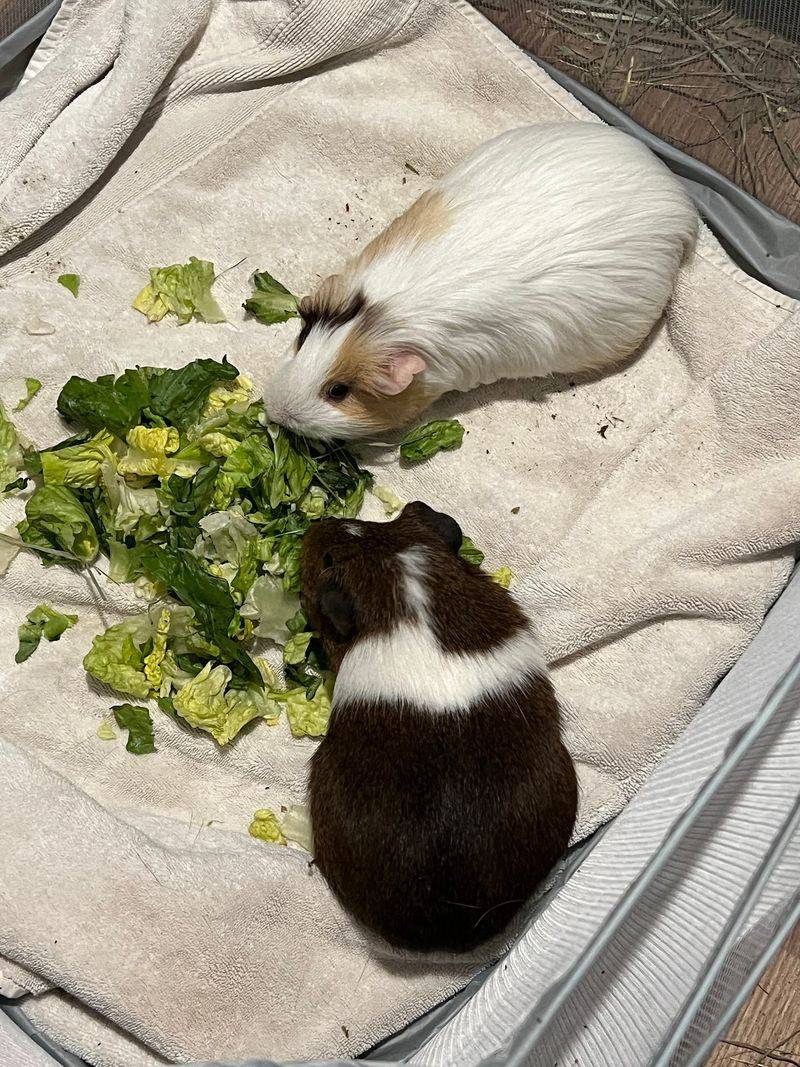
Lettuce is basically currency here. Visitors can feed the guinea pigs fresh produce, and the reaction is loud, fast, and very cute.
The sanctuary often has veggies on hand for guests to share. You’re also welcome to bring your own, which helps stretch the food supply.
Romaine, baby carrots, and broccoli are common picks for visitors. Got extra garden produce at home?
Donated veggies are a great way to help these hungry little eaters.
Guinea pigs make a high-pitched sound called wheeking when they get excited. Expect a full chorus once they realize snacks are coming.
You might also spot popcorning. That’s when a happy guinea pig hops straight up in a little burst of joy.
I’d probably start with a big bag of romaine and work my way down the rows. Feeding goes quickly, so pace yourself if you want every pig to get a turn.
Kids especially love this part. It turns a simple visit into a hands-on lesson about caring for animals.
Plus, nothing beats a crowd of tiny fans cheering for your salad.
Quirky Walls And Happy Quotes Set The Mood
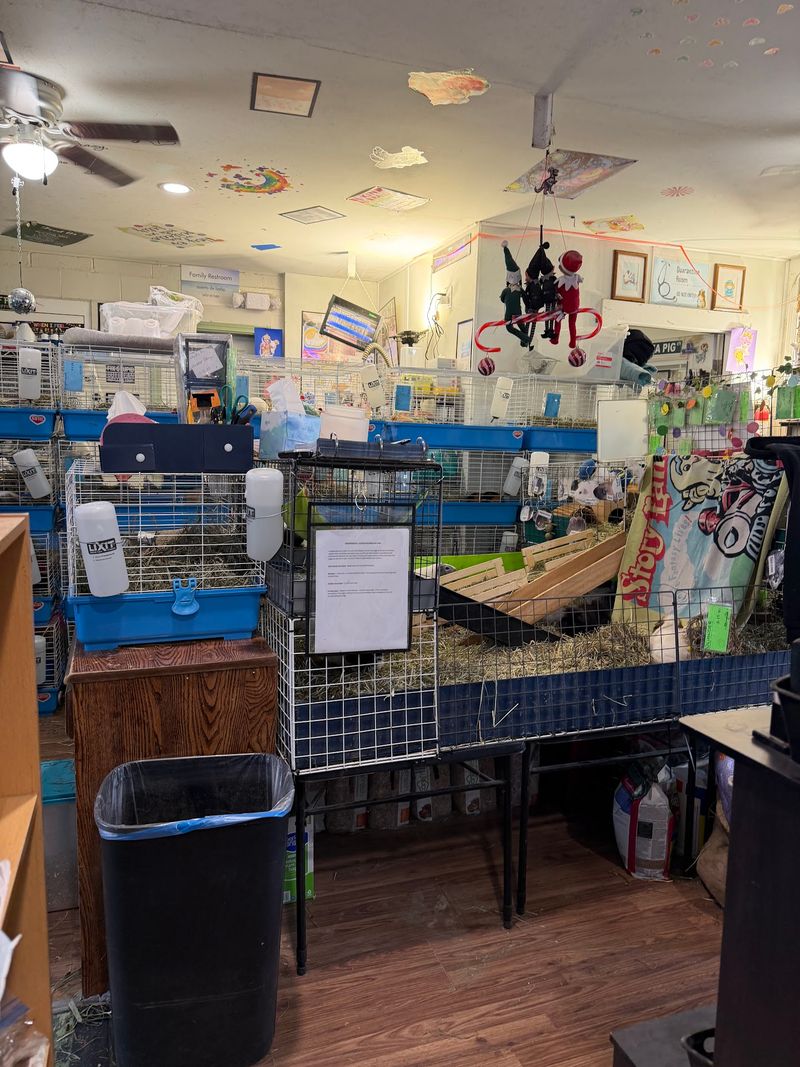
A home with a sprinkle of frat house, romper room, and quirkiness. That’s how the sanctuary itself has been described, and honestly, it sounds perfect.
The rooms are meant to feel calm, happy, and full of positive energy. Uplifting drawings and quotes cover the walls and even the ceilings.
Look up while you’re there. You might find an encouraging message right above a row of snoozing piggies.
Now for a quick heads-up. The space is tight, since hundreds of animals live inside one building.
Plan to move carefully and keep bags small. Strollers and big groups may need a little extra patience squeezing through.
That cramped feeling is part of the charm, though. It shows how much room the sanctuary has made for animals in need.
The atmosphere leans more homey than clinical. It feels like stepping into someone’s very busy, very loving living room.
There’s even a small display of products guinea pig owners should avoid buying. It’s a smart touch that teaches while you browse.
Fun decor and useful lessons in one spot? That’s a pretty good combo.
Speed Dating For Piggies Is A Real Thing Here
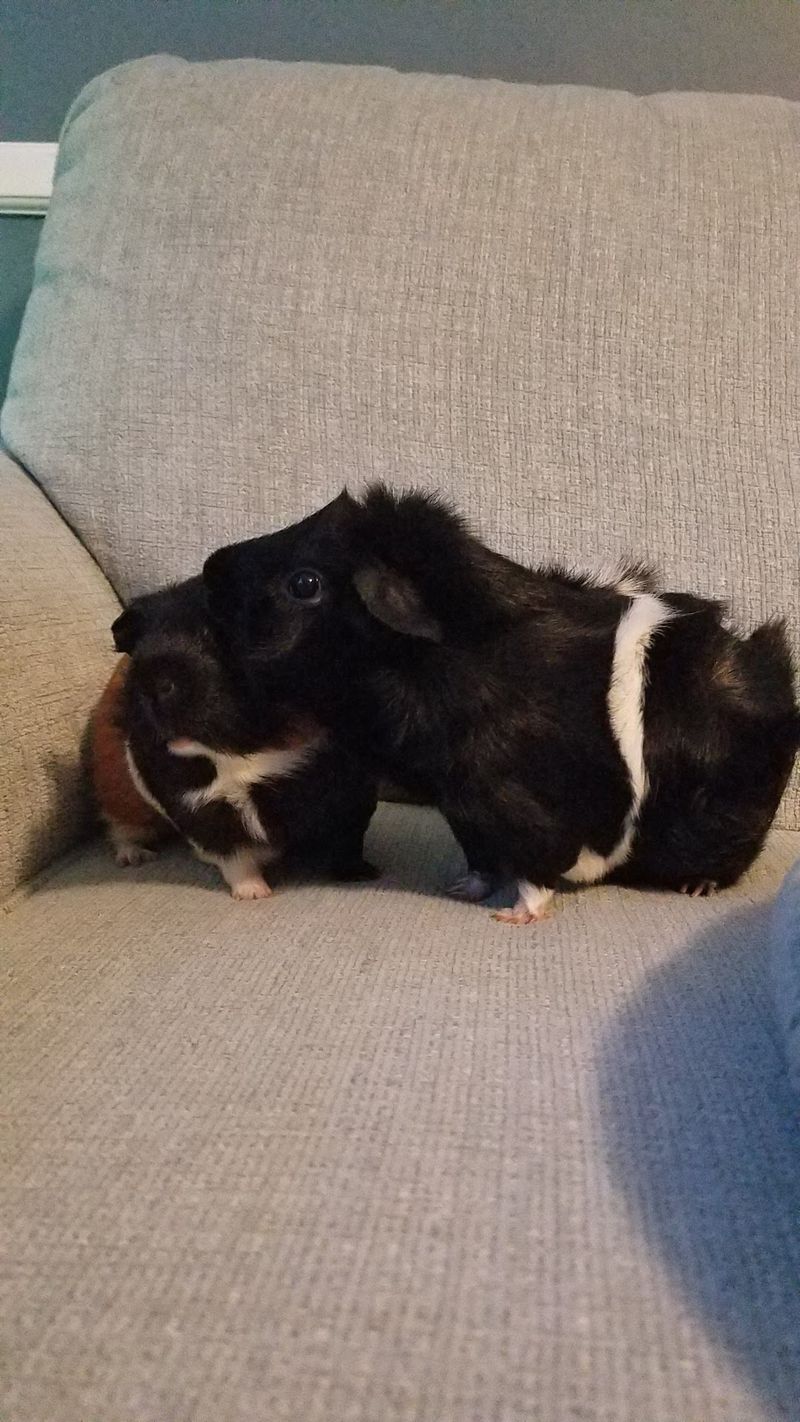
Guinea pigs get lonely fast. They’re herd animals, so the sanctuary encourages adopting them in pairs.
Already have one piggy at home? You can bring yours in for some speed dating to find a good match.
Yes, that’s really what it’s called.
Most adopters spend around 30 minutes meeting guinea pigs before choosing. That time helps families find personalities that fit their home.
No appointment is needed to see adoptable piggies. Just remember the sanctuary is closed on Wednesdays.
The paperwork is simple. You’ll share basic details like your name, address, and phone number.
Renters should check with their landlord first. The sanctuary asks adopters to make sure guinea pigs are allowed before bringing them home.
Adopters are asked to send weekly photo updates for the first month. It’s a sweet way to show your new pals are thriving.
If life ever changes and you can’t keep them, they return to the sanctuary. Piggies usually go home the same day, often with helpful supplies and info.
That’s a fast track to a very squeaky household.
Hay, Playtime, And A Bigger Cage Than You’d Guess
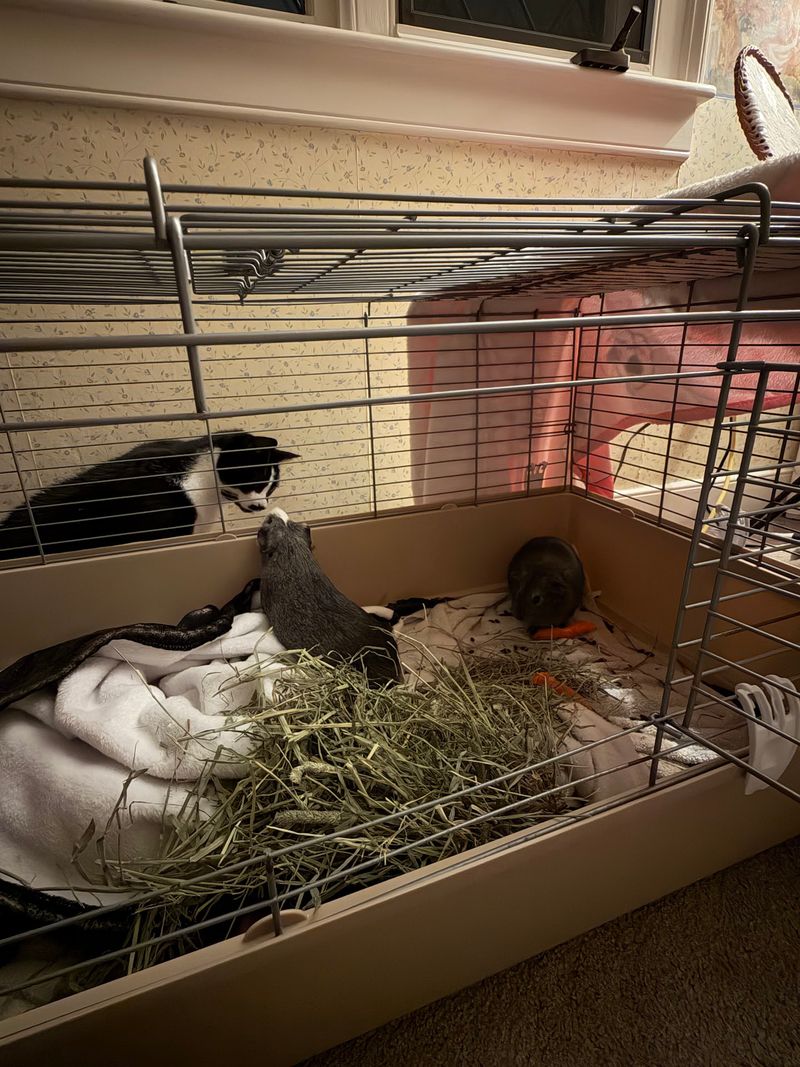
About 90 percent of a guinea pig’s diet should be hay. The sanctuary recommends second-cut Timothy hay, offered several times a day.
Botanical hay works as a fun treat. Pellets should be limited to about one-eighth cup per pig, once daily.
Read pellet labels closely. Adult guinea pigs shouldn’t eat food with alfalfa as the main ingredient.
Space matters too. A pair needs at least 10.5 square feet, roughly 30 by 50 inches, with a solid bottom.
More room is always better. Most store cages are much smaller than that, so plan ahead.
Daily attention is a must. These social critters need to be held and talked to every day.
Without enough interaction, they can become depressed and eat less. A playpen or gate makes it easy to give them 1 to 3 hours of playtime.
Fair warning about the noise. Guinea pigs can be very vocal, especially when they hear a fridge door open.
Think of it as a tiny alarm system that only cares about snacks. The sanctuary happily explains all this before you adopt.
Family Days Turn Curious Kids Into Piggy Experts
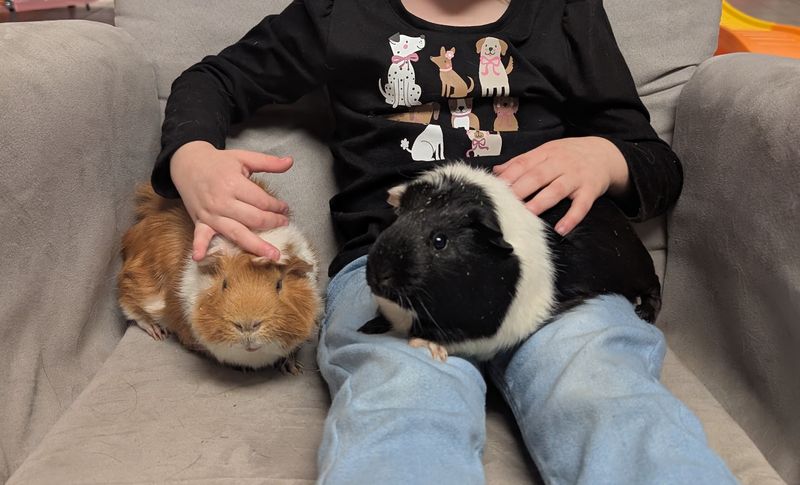
Kids learn quickly when the lesson squeaks back. The sanctuary hosts family days and play days so children can learn guinea pig care up close.
These events mix fun with real knowledge. Families get to interact directly with the animals while picking up practical tips.
It’s a smart move before adopting. Your child can see how much attention, hay, and cleaning these pets need.
Even if you’re not adopting, a visit is a sweet outing. Feeding, petting, and watching the herd can fill an afternoon nicely.
The sanctuary also offers fun opportunities around holidays. It’s a place that likes bringing the community together.
Before you go, set a few ground rules. Gentle hands and quiet voices help the shyer piggies feel safe.
Some residents are extra sensitive, so volunteers guide where and how guests interact. Following their lead keeps everyone comfortable.
I would definitely make time for a play day with younger kids. It beats a lecture on pet responsibility any day.
And honestly, grown-ups tend to enjoy it just as much.
Volunteers, Boarding, And Free Checkups Keep It All Running
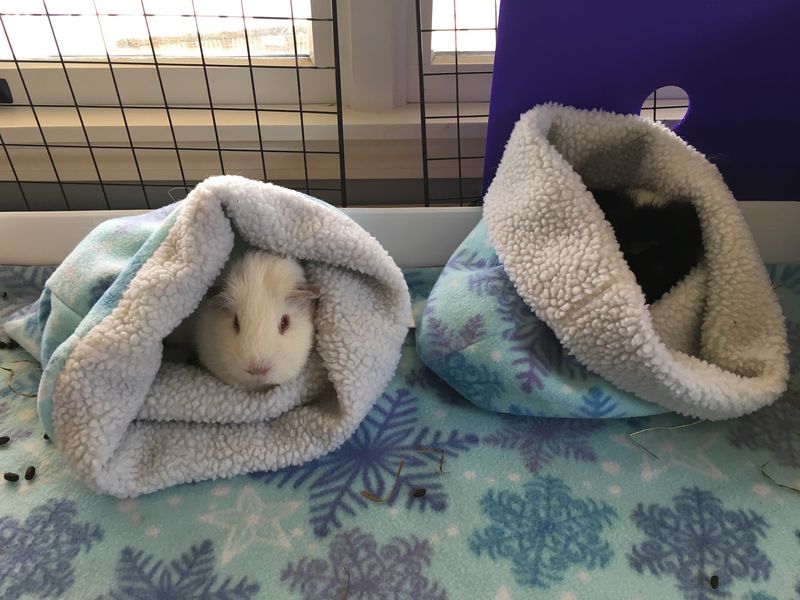
Everyone here is a volunteer. That includes the folks feeding, grooming, and rehoming hundreds of guinea pigs every week.
Locals can pitch in without signing up for a long-term commitment. Even one afternoon of hay and water duty helps.
Going on vacation? The sanctuary offers boarding, so your piggies can enjoy a stay with experienced caretakers.
It also handles surrenders. Online appointments are available for surrenders, and the sanctuary also tries to accommodate emergencies during its operating hours.
Owners surrendering pets are asked to bring cages and belongings. Those supplies help the next family down the line.
Here’s a perk many people don’t know about. The sanctuary offers free nail-trimming services and guidance on guinea pig care.
Volunteers aren’t veterinarians, so deeper medical care goes to a partner vet clinic. Still, a quick check can catch problems early.
There’s also a small gift shop with fun goodies like stickers. The whole operation is funded by its community.
So every visit, donation, or shift really does keep the lights and hay coming.
Plan Your Trip Around Those Closed Wednesdays
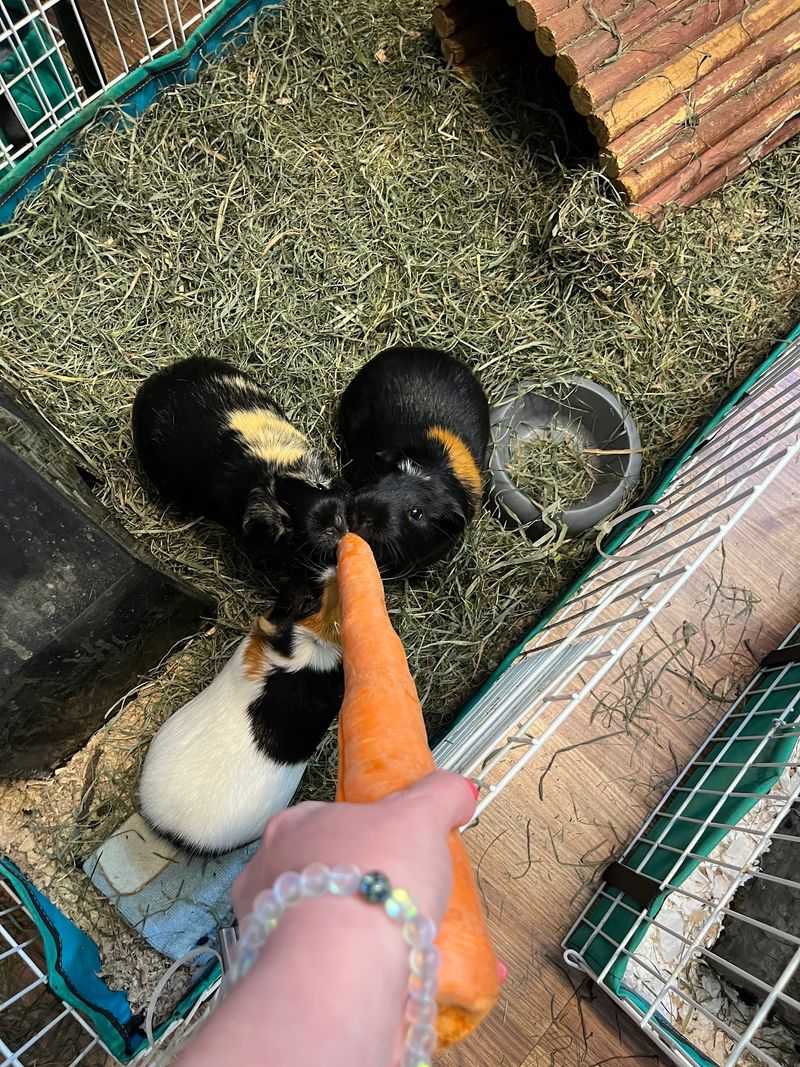
Mark Wednesday off your calendar. That’s the one day the sanctuary stays closed to visitors.
The rest of the week is wide open for piggy time. Monday, Tuesday, and Thursday run from noon to 5 p.m.
Fridays stretch longer, from 11 a.m. to 6 p.m. Saturdays and Sundays run from 11 a.m. to 5 p.m.
You’ll find the Guinea Pig Sanctuary at 129 Bridge Rd, Salisbury, MA 01952. It sits in the far northeast corner of Massachusetts, close to the New Hampshire line.
That location makes it easy to reach from several states. The rescue serves New Hampshire, Maine, Massachusetts, Vermont, Rhode Island, Connecticut, and New York.
Some families gladly drive an hour or two for the right pair. Once you see the herd, that trip makes a lot of sense.
Pack a bag of fresh veggies before you head out. Wear comfy clothes, since things can get snug inside.
Bring some patience for choosing a favorite, too. With hundreds of faces staring back, picking just two might be the hardest part of your whole day.