
This Local Legend In Arkansas Is Famous For Crawfish Etouffee That Draws Visitors From Across The State
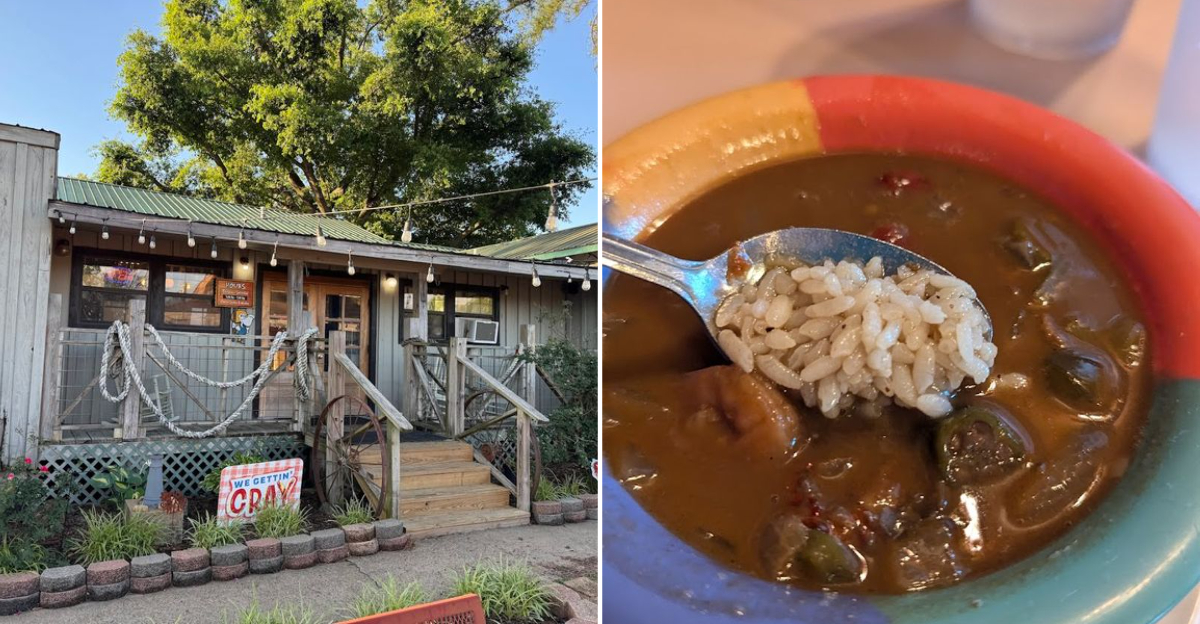
A single dish built this reputation. Decades later, nothing about that has changed.
The drive here passes through the kind of Arkansas countryside that doesn’t prepare anyone for what’s waiting at the end of it. A modest building, a parking lot that fills up fast on weekends.
A kitchen that has been running the same crawfish etouffee recipe long enough that regulars measure their loyalty in years rather than visits. Word traveled the way it always does with places like this, slowly at first and then all at once.
People from three hours away make the trip specifically for one bowl. Most of them consider that a completely reasonable exchange.
The restaurant doesn’t advertise, and it doesn’t need to. Everyone who matters already knows the address, and the ones who don’t tend to find out through someone who does.
History Of Crawfish Etouffee In Arkansas
Crawfish etouffee did not just appear on Arkansas menus overnight. It traveled north from Louisiana bayou kitchens, carried by Cajun families who brought their recipes, their roux techniques, and their love of bold seasoning with them.
Who Dat’s Cajun Restaurant in Bald Knob has been part of that story since 1992.
The restaurant was built on a foundation of authentic Cajun cooking. A real Cajun chef developed the recipes, and that matters more than most people realize.
Authenticity is not a marketing word here. It is the actual reason people keep showing up year after year.
Arkansas is not a state most people associate with Cajun food. That is exactly what makes Who Dat’s so remarkable.
It proved that great etouffee does not require a Louisiana zip code. It requires the right cook, the right ingredients, and a genuine respect for the tradition behind the dish.
Over three decades, the restaurant became a landmark. Locals grew up eating there.
Newcomers discovered it and told their friends. Word spread slowly at first, then faster, until the line outside on a Friday evening told the whole story without a single word needed.
You can find Who Dat’s Cajun Restaurant at 3209 AR-367, Bald Knob, AR 72010.
Key Ingredients That Define Traditional Flavor
Crawfish etouffee is not a complicated dish, but every single ingredient pulls serious weight. The foundation is a dark roux, and at Who Dat’s, that roux is cooked low and slow until it hits a deep, nutty brown color.
That color means flavor. There are no shortcuts here.
Crawfish tails are the obvious star, but the supporting cast matters just as much. Shrimp, tomatoes, and a blend of aromatics like onion, celery, and bell pepper create the base.
Green onions go on top as a garnish, adding a fresh pop against the richness of the sauce.
Seasoning is where Cajun cooking separates itself from everything else. The spice blend at Who Dat’s is built to complement the crawfish without drowning it out.
Each bite has heat, depth, and a little something you cannot quite name but absolutely recognize as real Cajun cooking.
Rice is not an afterthought. It is the vehicle that carries all that sauce to your mouth efficiently and deliciously.
A good scoop of long-grain white rice underneath a ladle of etouffee is one of the most satisfying combinations in American regional cooking.
Who Dat’s gets that balance exactly right, and that is why the dish keeps people coming back long after their first visit.
Cooking Techniques For Perfect Texture
Getting crawfish etouffee right comes down to technique, and the technique starts with patience. Building a dark roux requires constant stirring over steady heat.
Walk away too soon, and you get pale, flavorless sauce. Push it too far, and you burn the whole thing.
The sweet spot is narrow, and experienced Cajun cooks know exactly where it is.
At Who Dat’s, the crawfish tails are added at the right moment. Overcooking crawfish makes them rubbery and sad.
Undercooking them leaves the sauce tasting raw. The timing has to be precise.
Years of practice show up in every plate that comes out of that kitchen.
Texture in etouffee is a balance between thick and flowing. The sauce should coat the back of a spoon but still spread naturally over rice.
Too thick, and it clumps. Too thin and it disappears into the bowl.
Who Dat’s hits that middle zone consistently, which is harder than it sounds.
The finishing step is often overlooked but never skipped by serious cooks. A quick adjustment of seasoning right before plating makes the whole dish come alive.
Fresh green onions added at the end keep their brightness. Hot food served immediately on warm plates completes the process.
Every detail matters when the goal is a perfect bowl of etouffee.
Regional Variations Within Arkansas
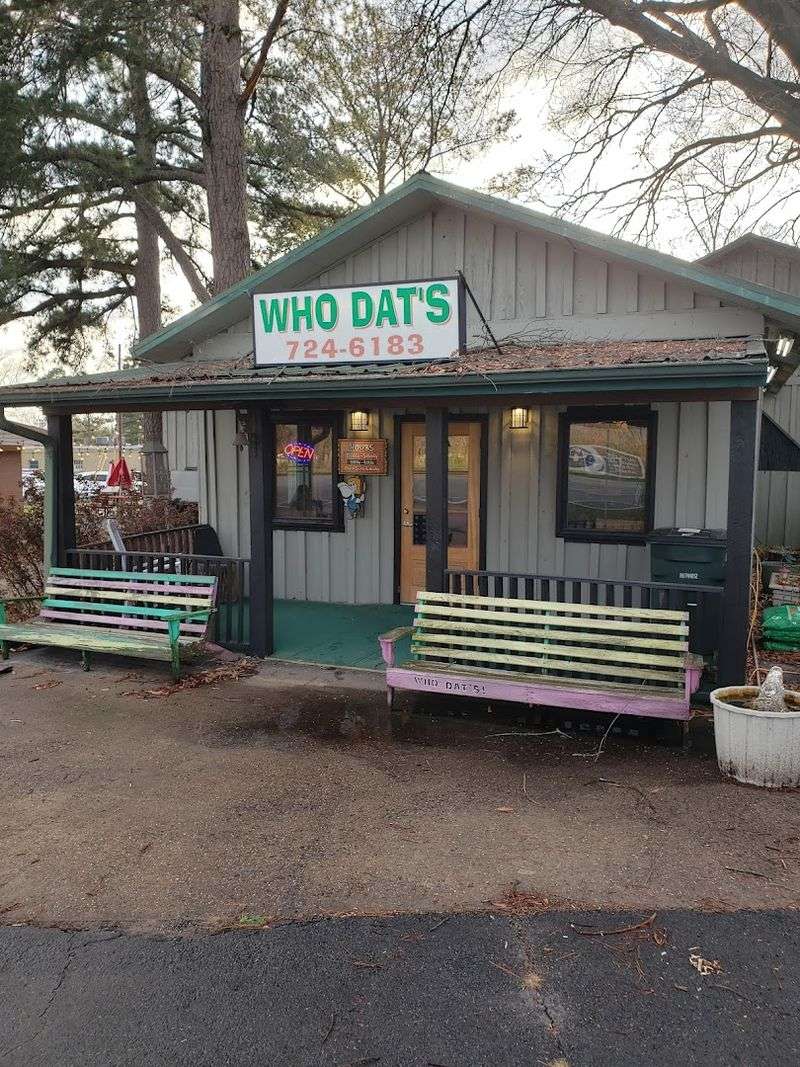
Arkansas has its own relationship with Cajun food, shaped by geography and the steady influence of Louisiana culture crossing the border over generations. Most of the state leans toward Southern comfort food.
But pockets of genuine Cajun cooking exist, and Who Dat’s in Bald Knob is the most celebrated example in the region.
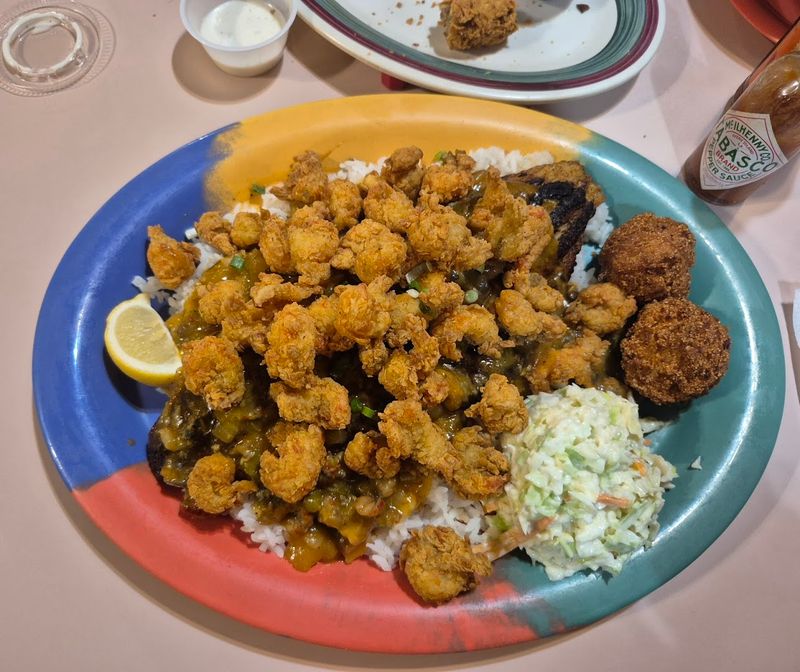
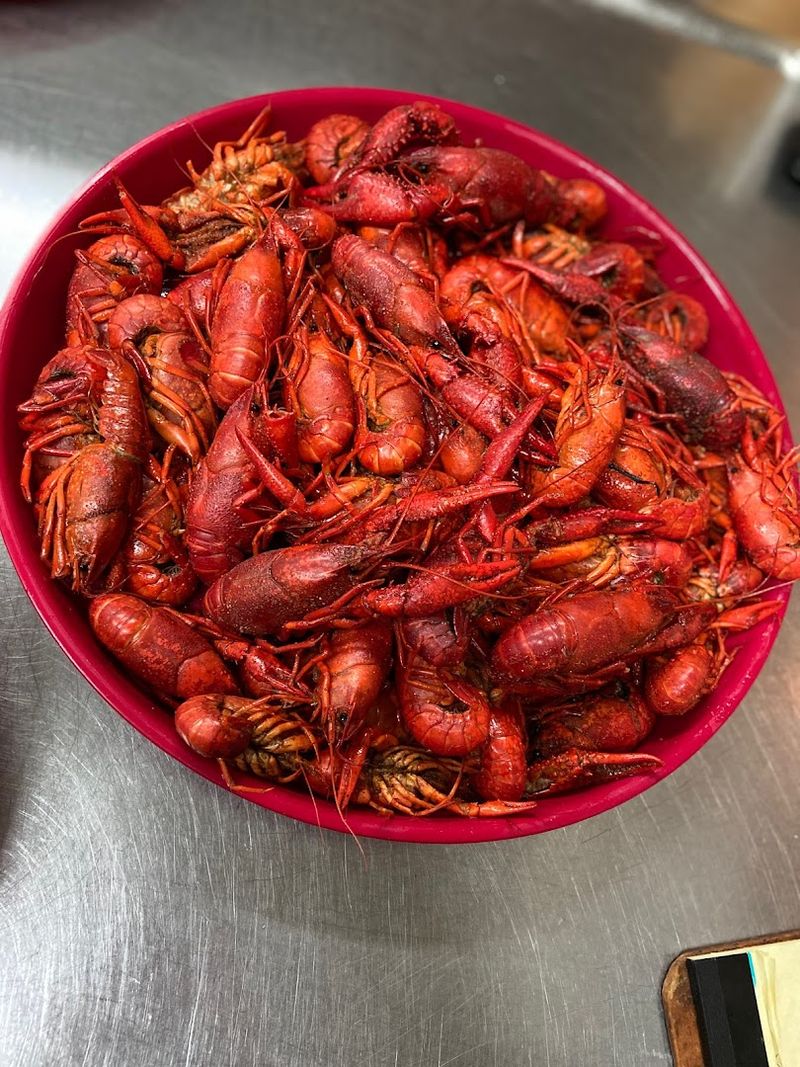
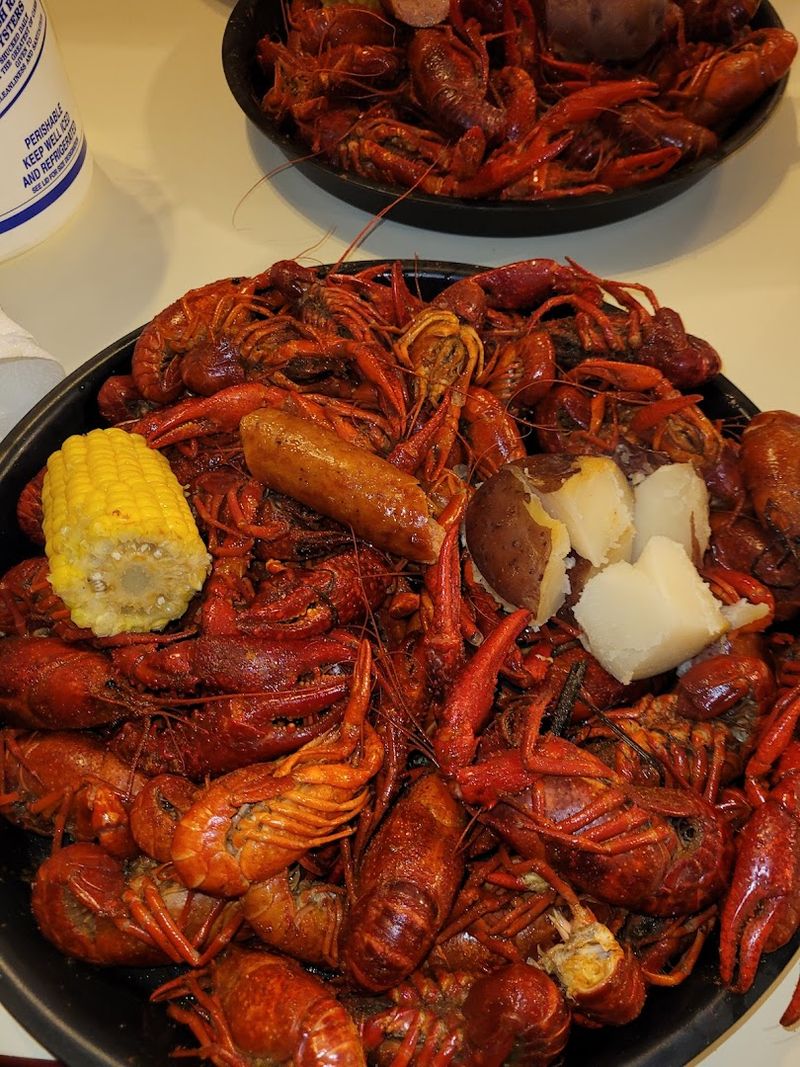
The restaurant does not just serve one version of crawfish. The menu includes boiled crawfish by the pound, fried crawfish tails, crawfish pie, and crawfish etouffee.
That variety reflects how seriously the kitchen takes the ingredient. Six different preparations of the same crustacean are not a gimmick.
It is a statement.
One standout dish is the Triple Decker. It features blackened catfish topped with crawfish etouffee and fried crawfish tails stacked together.
That combination is uniquely Arkansas in spirit, blending local catfish tradition with Louisiana-style preparation. It is the kind of dish that does not exist anywhere else in quite the same way.
Regional cooking always reflects the place it comes from. Who Dat’s shows what happens when Cajun tradition meets Arkansas ingredients and Arkansas appetite.
The result is not a copy of Louisiana cooking. It is something that grew from those roots but developed its own identity over thirty-plus years of feeding a loyal and hungry crowd in a small Arkansas town.
Pairing Suggestions With Non-Alcoholic Beverages
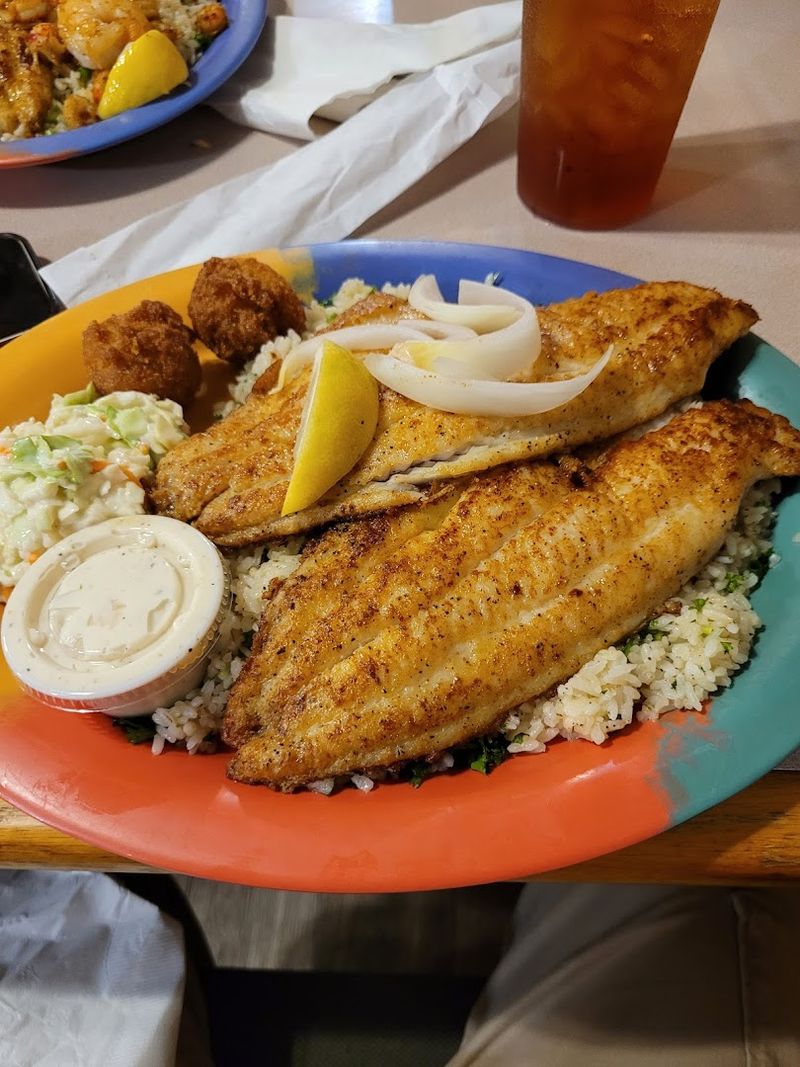
Crawfish etouffee is bold, rich, and a little spicy. That means your drink choice matters more than you might think.
The right beverage cools the heat and refreshes your palate between bites. The wrong one just sits there and lets the spice build up until your eyes water.
Sweet iced tea is the classic Arkansas pairing, and it works brilliantly with etouffee. The sweetness offsets the heat while the cold temperature gives your mouth a break.
It is the most natural combination at any Southern table, and Who Dat’s keeps the tea flowing.
Lemonade is another smart choice. The acidity cuts through the richness of the roux-based sauce.
Each sip essentially resets your taste buds, so the next bite of crawfish hits just as hard as the first one. Fresh-squeezed versions work best, but a good cold lemonade from any source gets the job done.
Sparkling water with a squeeze of citrus is worth considering if you want something lighter. The carbonation lifts the heaviness of a rich dish without adding sweetness.
It keeps the focus on the food, which at Who Dat’s is exactly where your attention should be. Avoid anything too sweet or too heavy, because the etouffee is already doing plenty of work on its own.
Let the drink support the meal, not compete with it.
Cultural Significance And Community Impact
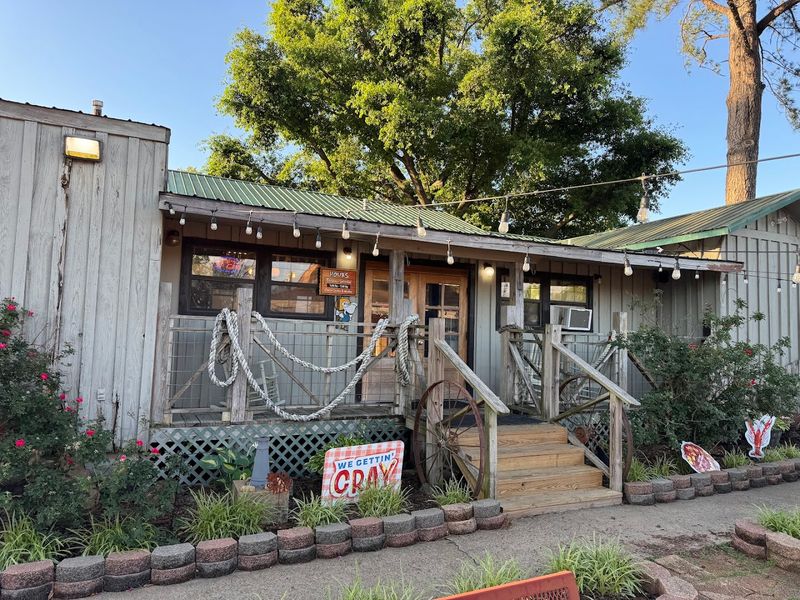
Who Dat’s has been part of Bald Knob since 1992. That is over three decades of feeding the community, employing locals, and keeping Cajun culture alive in a place most people would not expect to find it.
That kind of staying power means something real. Small towns in Arkansas do not support restaurants for thirty years unless the food and the atmosphere genuinely earn it.
The restaurant draws people from across the state. Customers have driven nearly two hours for a table.
That is not a casual dinner decision. That is a destination trip, and it speaks to how deeply Who Dat’s has embedded itself in the regional food conversation.
People talk about it the way they talk about landmarks.
The interior pays tribute to Louisiana bayou culture with decor that feels genuine rather than decorative. There is even a small gift shop inside.
Those details show a restaurant that takes its identity seriously and wants guests to feel connected to the tradition behind every dish on the menu.
Community impact is not always measured in big numbers. Sometimes it is measured in anniversary dinners celebrated at the same table for decades.
It is measured in families who have been coming since the mid-nineties and still show up on a Tuesday evening. Who Dat’s has built that kind of loyalty, and that is the most meaningful measure of what a local restaurant can achieve.
Seasonal Availability And Freshness Factors
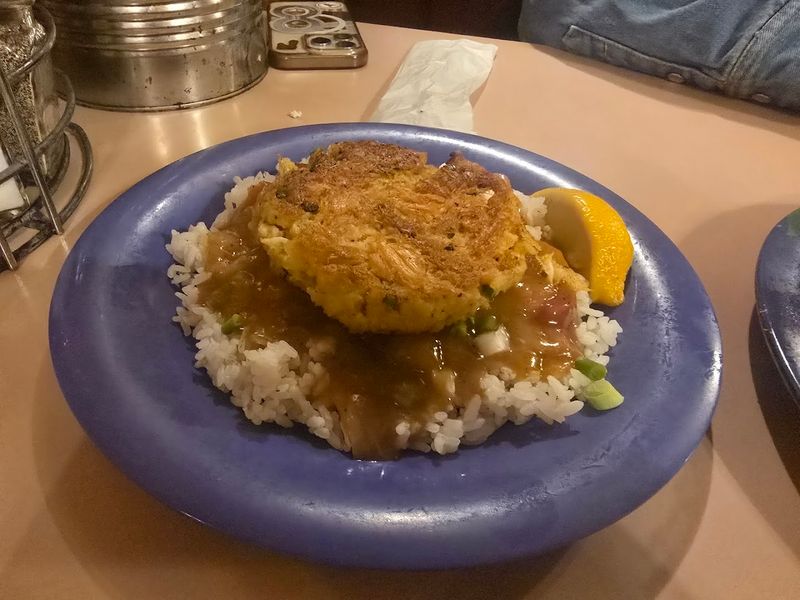
Crawfish have a season, and anyone serious about etouffee pays attention to it. The peak crawfish season in the South runs roughly from late winter through early summer.
During that window, the crawfish are at their largest and most flavorful. Outside that window, quality can vary depending on the source and how the product was handled.
Who Dat’s has built its reputation on getting the crawfish right. A restaurant that has operated since 1992 knows how to source its ingredients and how to maintain quality across different times of the year.
Consistency is one of the hardest things to achieve in a kitchen, and it is one of the things longtime customers at Who Dat’s mention most.
Freshness shows up immediately in etouffee. Fresh crawfish tails have a clean, slightly sweet flavor that holds up against the bold roux.
Older or improperly stored crawfish taste muddy and flat, no matter how good the sauce is. The difference is obvious to anyone paying attention.
Seasonal awareness also affects the menu at Cajun restaurants in general. Boiled crawfish by the pound, for example, is most satisfying during peak season when the crawfish are fat and full.
Visiting Who Dat’s during crawfish season gives you access to the full range of the menu at its absolute best. Plan your trip accordingly if you can.
Tips For Enjoying Crawfish Etouffee At Home
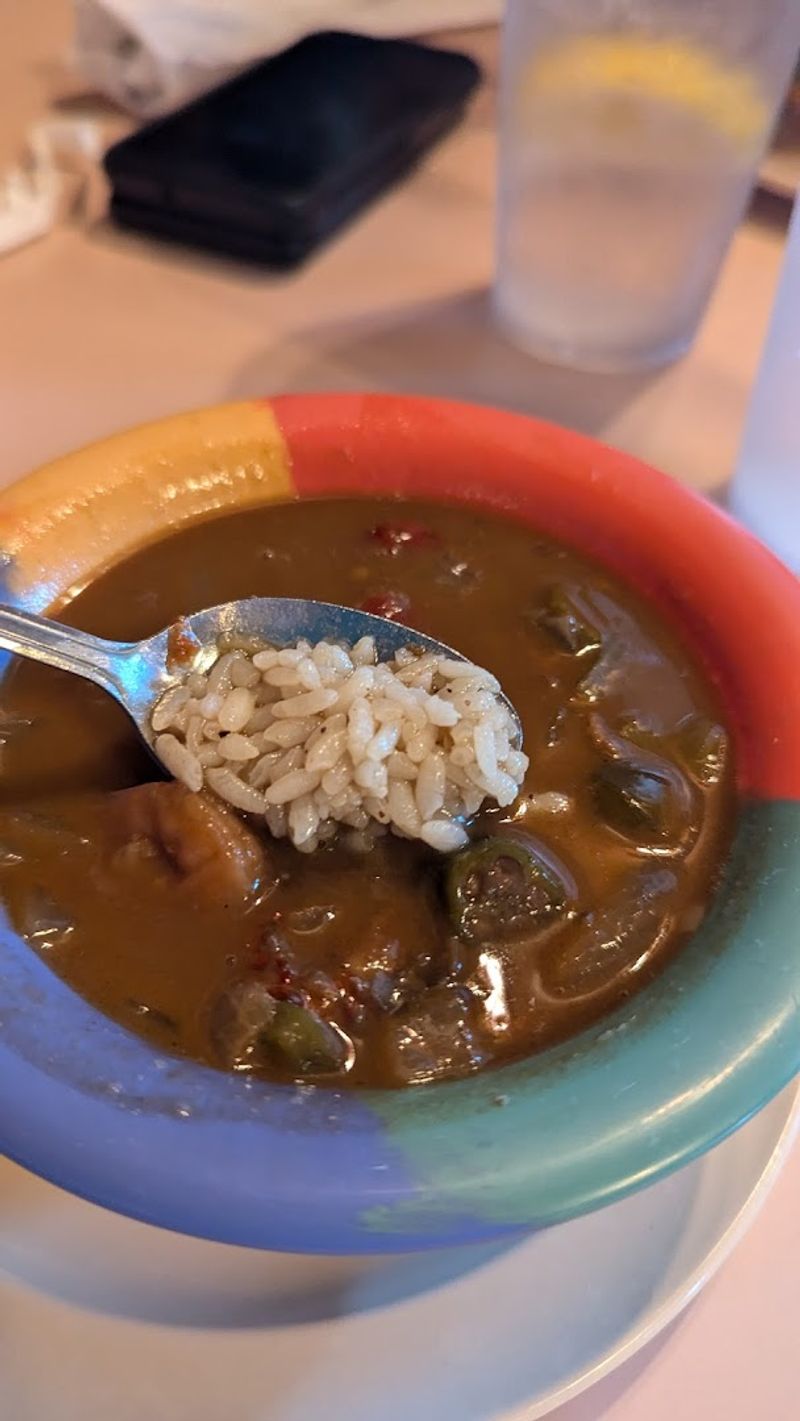
Making crawfish etouffee at home is absolutely possible, and it is worth the effort. The first tip is not to rush the roux.
Set aside time and keep stirring. A dark roux takes twenty to thirty minutes of attention.
It is the single most important step, and patience here pays off in every bite later.
Use frozen crawfish tails if fresh ones are not available in your area. They work well as long as they are fully thawed and patted dry before going into the pan.
Excess moisture dilutes the sauce and throws off the texture. Dry crawfish tails absorb the roux and seasonings much more effectively.
Season in layers, not all at once. Add seasoning when you cook the aromatics, again when you add the crawfish, and then taste and adjust right before serving.
That approach builds depth. A single dump of seasoning at the end produces a flat, one-dimensional result, no matter how much you add.
Serve immediately over hot rice. Etouffee does not wait well once it is plated.
The rice absorbs the sauce quickly, and the dish is at its peak for about the first five minutes after plating. If you are cooking for a group, stagger the plating so everyone gets a fresh bowl.
After eating Who Dat’s version, you will have a clear target to aim for in your own kitchen.