
This Log Home Honors The Exact Spot Where Tennessee’s Path To Statehood Began
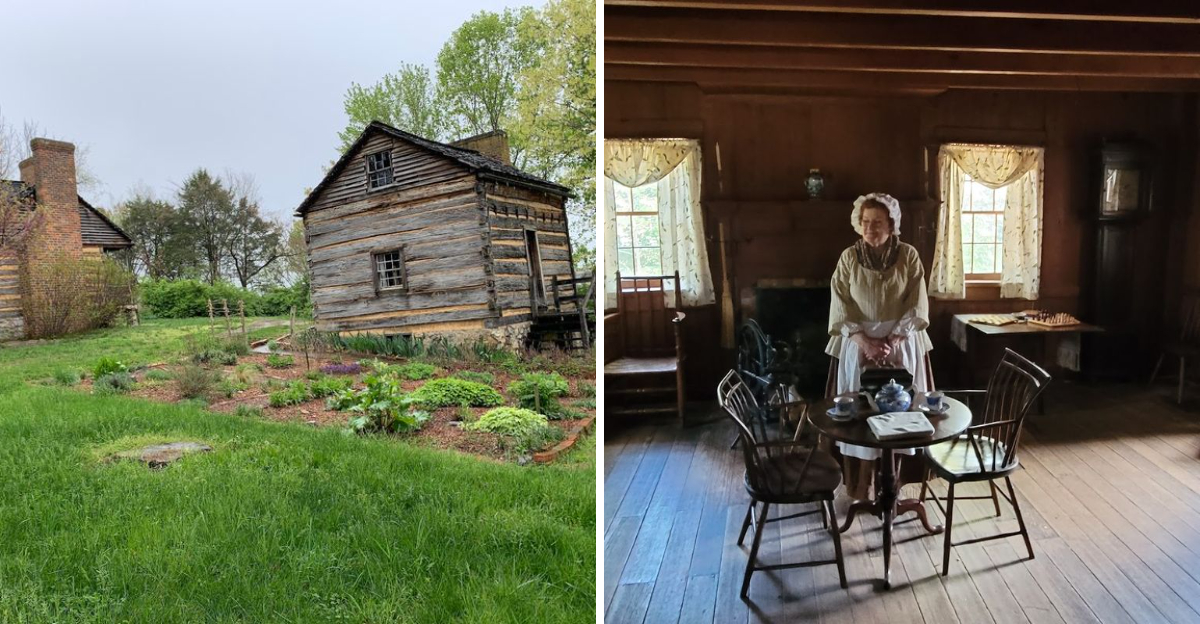
Before Tennessee had a governor, a flag, or even official statehood, its story had to start somewhere.
That beginning was not marked by marble columns or a grand capitol building. It started with a log home, a frontier family, and a stretch of land where big decisions helped shape the future of the region.
This place brings early Tennessee history down to a human level. You can almost feel the weight of those first political conversations, the daily work of settlers, and the uncertainty of a territory trying to become something more.
It is simple at first glance, but that is exactly what makes it powerful.
For anyone who loves old homes, state history, or places that make the past feel close, this log landmark gives you a rare look at where Tennessee’s road to statehood truly began.
The Cobb-Massengill House And Its Place In American History
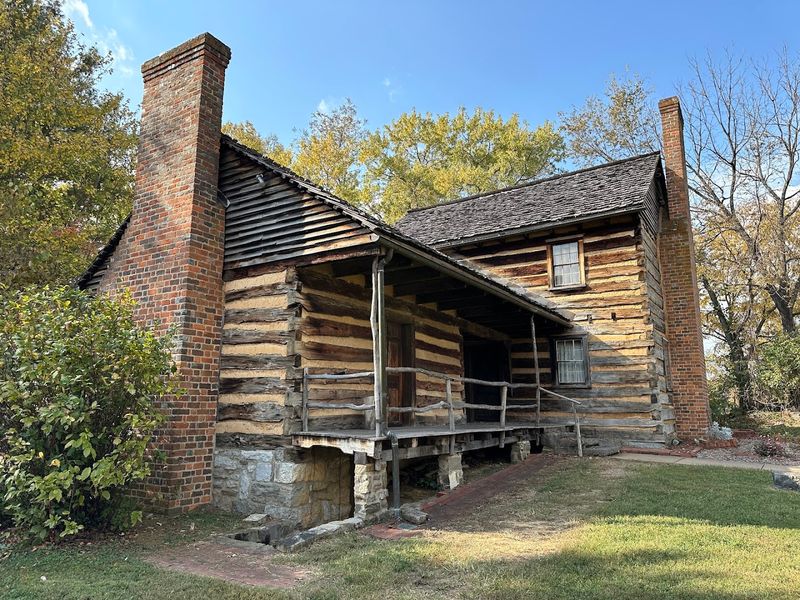
Before Tennessee had a name as a state, it had a log house. This place was originally built by William Cobb between 1770 and 1772. That makes it one of the oldest surviving structures associated with American territorial governance west of the Appalachians.
From 1790 to 1792, this two-story log home served as the first temporary capital and official headquarters of the Southwest Territory, formally known as the Territory of the United States South of the River Ohio.
That is a long title for a territory that would soon become one of the most recognizable states in the American South.
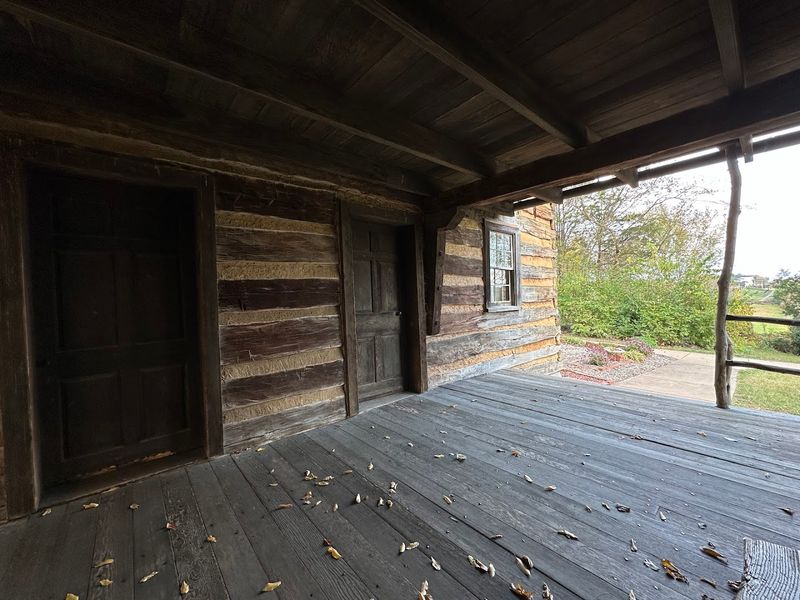
Dendroarchaeological research suggests the present structure dates to the late 1820s, though it sits on the same historic ground. Every plank and beam carries the weight of that founding era.
Visiting the house today means standing on the exact soil where a government was organized, where census counts were taken, and where the blueprint for Tennessee statehood was quietly, deliberately drawn up.
Governor William Blount And The Southwest Territory Capital
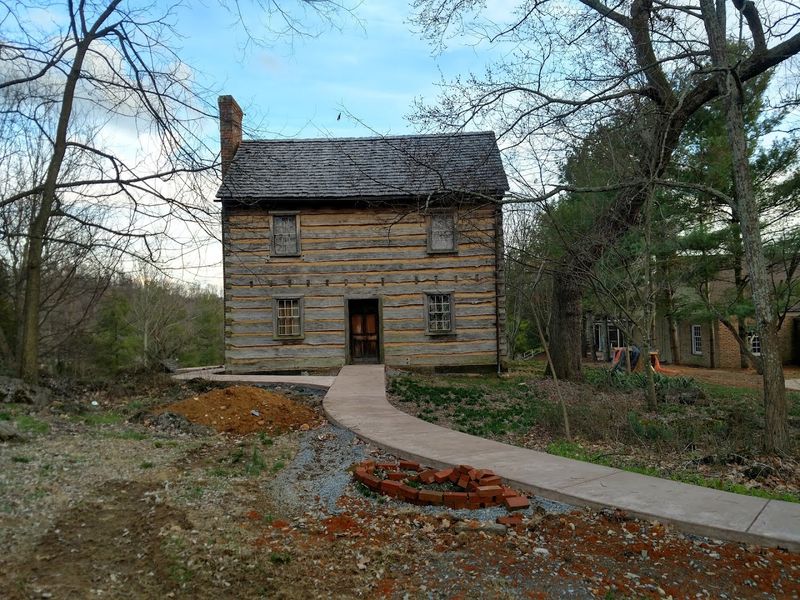
President George Washington appointed William Blount as governor of the newly created Southwest Territory in 1790, and Blount wasted no time setting up operations. He chose Rocky Mount as his base, making the Cobb home both his residence and the seat of territorial power.
It was an unusual arrangement by modern standards, but perfectly practical for the frontier era.
During his two years at Rocky Mount, Governor Blount organized the territorial government from scratch. He conducted official censuses, established courts, and met with Native American tribal leaders to negotiate treaties that would open land for incoming settlers.
Each of those actions moved the territory closer to the population threshold required for statehood under the Northwest Ordinance framework.
Blount carried the full weight of federal authority in a region that was still largely unmapped and unsettled. His presence at Rocky Mount gave the territory credibility and structure at a time when both were urgently needed.
By the time he relocated the capital to Knoxville in 1792, the groundwork had been laid. Tennessee officially entered the Union as the 16th state on June 1, 1796, and the journey had started right here.
Rocky Mount As A Living History Museum Experience
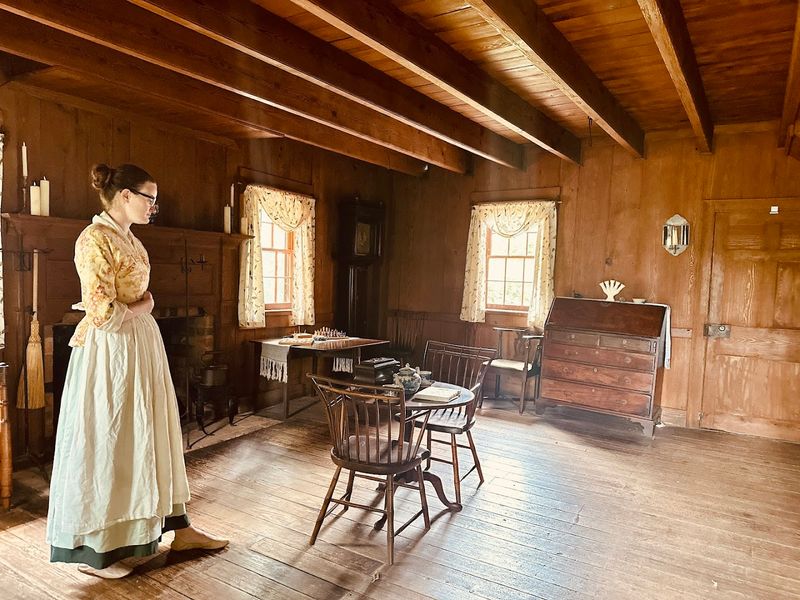
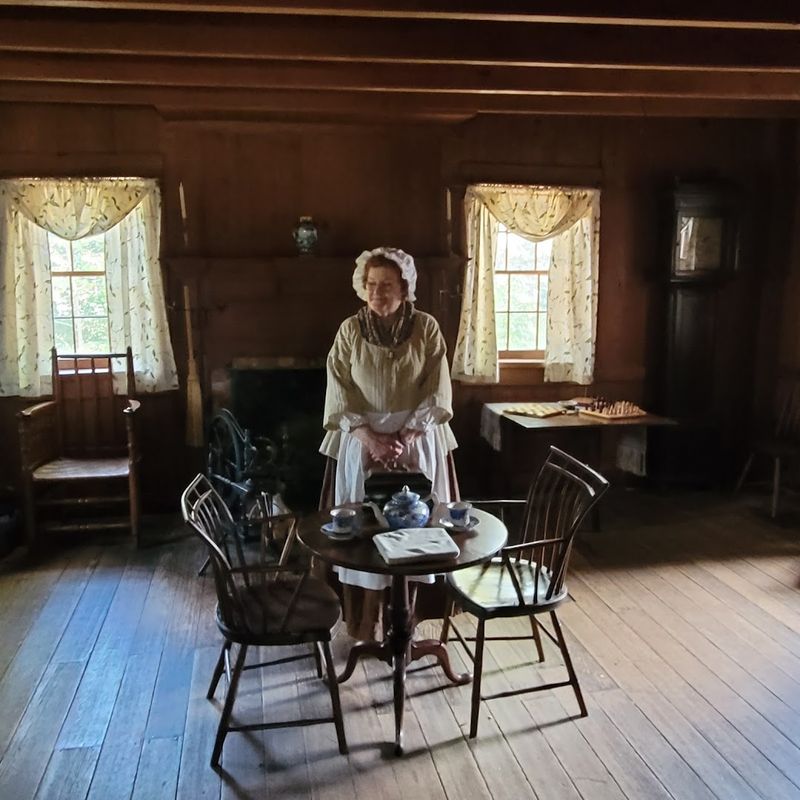
Walking through Rocky Mount today is nothing like reading a textbook. The site operates as a fully immersive living history museum, where trained interpreters portray residents and figures from 1791 with impressive accuracy.
Staff members stay in character throughout the visit, speaking in period-appropriate language and going about the daily routines of frontier life as if the calendar never moved forward.
Visitors have described the experience as stepping through a time warp.
One reviewer recalled feeling genuinely transported the moment they were led onto the grounds, and another singled out the warmth of the kitchen, where gingerbread and conversation made the 18th century feel oddly comfortable.
These are not scripted performances in the theatrical sense. They are carefully researched portrayals grounded in real historical records.
The museum also includes a well-organized indoor exhibition space with authentic artifacts from the period. A short film provides helpful context before the outdoor tour begins.
Groups move through the Cobb house, the gardens, and the outbuildings with guides who can answer detailed questions about daily life, governance, and the people who actually lived here.
What Visitors Can Expect During A Tour Of The Grounds
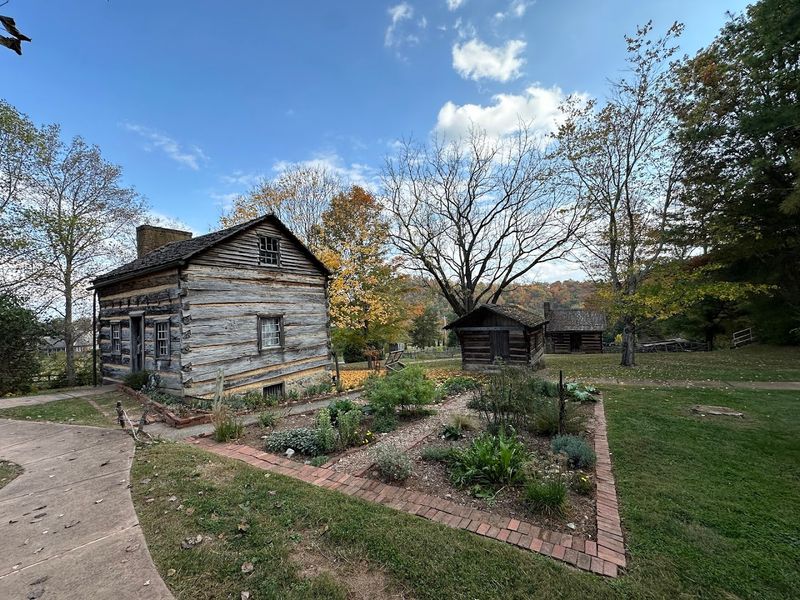
A visit to Rocky Mount unfolds in a satisfying sequence. Most guests begin inside the museum, where exhibits and artifacts introduce the history of the Southwest Territory and the families connected to the site.
A short documentary film follows, giving visitors enough background to appreciate the outdoor portion of the tour without feeling lost.
From there, a guide leads the group to the Cobb-Massengill House itself. The rooms are furnished with period pieces, and every detail has been selected to reflect life in 1791.
Interpreters demonstrate cooking, crafts, and domestic routines that were standard practice for frontier households.
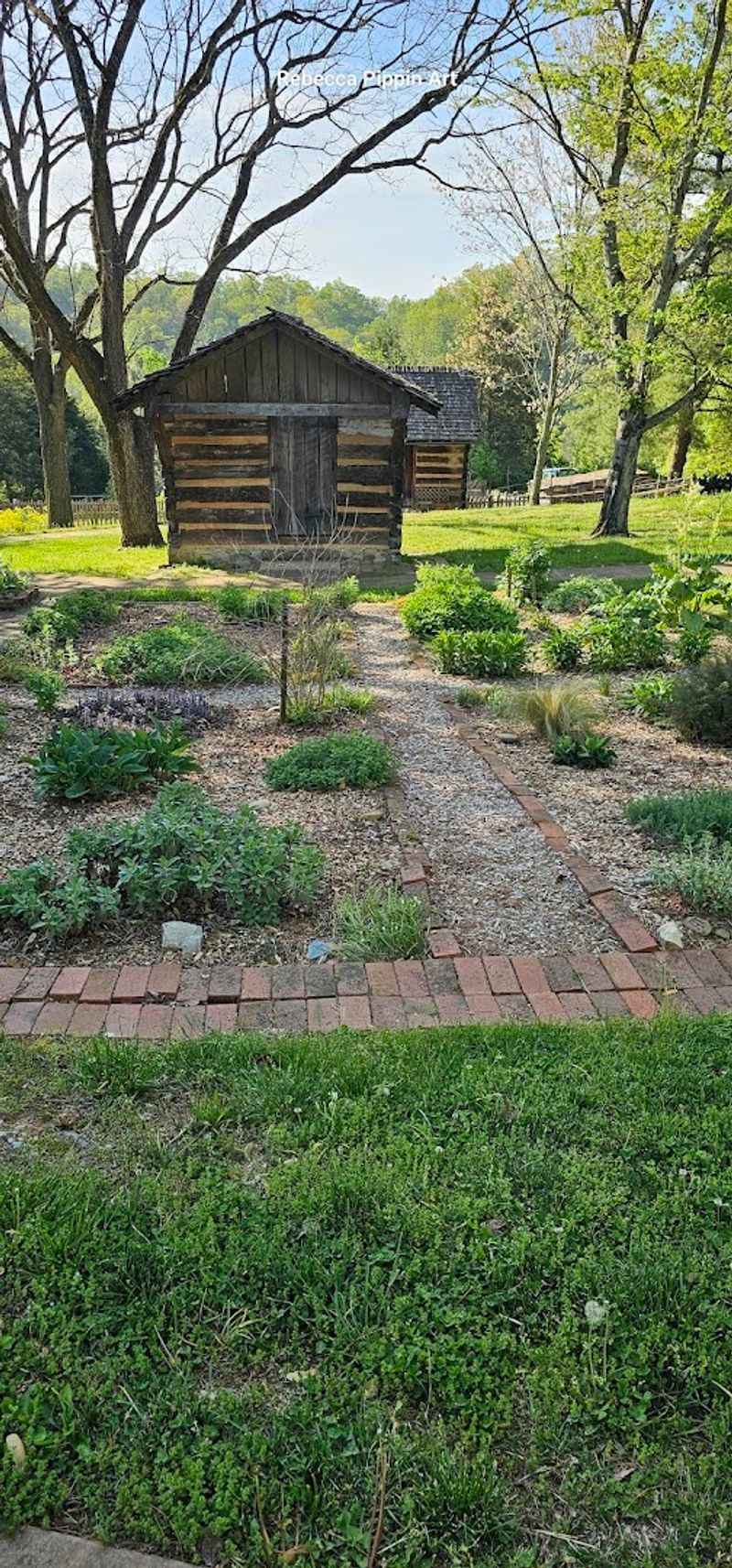
The gardens outside are tended to reflect what would have been grown during that era, and farm animals including sheep and rabbits add a layer of charm that younger visitors especially enjoy.
After the guided portion, walking trails allow for independent exploration of the surrounding countryside. Reviews consistently mention the views from these trails as a highlight.
The property is well-maintained and clearly cared for by a team that takes its mission seriously. Plan to spend at least two hours to do the site justice.
The museum is open Wednesday through Saturday from 11 AM to 5 PM. You can reach them at +1 423-538-7396 or visit rockymountmuseum.com for current schedules.
Seasonal Events That Bring History To Life In New Ways
Rocky Mount does not limit its programming to standard daytime tours. Throughout the year, the site hosts a rotating calendar of special events that draw visitors back season after season.
Each event is designed to highlight a different aspect of 18th-century life, and the production quality is consistently high.
The Candlelight Christmas event has earned particular praise. Reviewers describe candlelit walkways, hearth-side gingerbread, and costumed characters that include Father Christmas himself.
The atmosphere during these evenings is warm and genuinely atmospheric without feeling forced or overly theatrical. The Haunting on the Hill event each October blends local folklore with historical figures, creating a tone that is eerie without being overwhelming.
One visitor described it as the perfect mix of historical and spooky.
Spring brings Woolly Days, a celebration centered on fiber arts and farm traditions of the era. The summer calendar includes Independence Day programming with vendors, crafts, and period demonstrations.
The Harvest Festival in October offers another opportunity to experience the site in full seasonal color. Checking the website before your visit is strongly recommended, as events sell out and schedules shift.
Each event adds a new layer to what is already a deeply rewarding destination.
The Role Of Census And Treaties In Earning Statehood
Statehood in early America was not simply declared. It had to be earned through a documented process that required meeting specific population thresholds and demonstrating organized governance.
Governor Blount understood this clearly, and his work at Rocky Mount was directly aimed at satisfying those federal requirements.
Two of the most important actions taken during the Rocky Mount years were the conducting of official censuses and the negotiation of treaties with Native American tribes.
The census data provided the federal government with evidence that the territory was growing fast enough to qualify for statehood.
The treaties, while deeply complicated by the power dynamics of the era, were intended to establish agreements over land use and to reduce the conflicts that were slowing settler migration into the region.
Each new settler who arrived and stayed increased the population count. Each treaty that held, however imperfectly, reduced the risk of violent conflict that could have driven settlers back east.
Blount managed both tracks simultaneously from his base at Rocky Mount. The result was a territory that reached the required population and political maturity in just a few years.
Tennessee became a state in 1796, only six years after Blount first arrived at the Cobb house to begin his work.
How Rocky Mount Was Preserved And Opened To The Public
The story of how Rocky Mount survived into the modern era is one of deliberate effort and community commitment. The State of Tennessee acquired the property in 1959, recognizing its significance as the birthplace of territorial governance in the region.
Three years later, on April 1, 1962, the site opened its doors to the public under the management of the Rocky Mount Historical Association.
That partnership between state ownership and local stewardship has proven to be a productive one.
The Rocky Mount Historical Association has maintained the site with care and expanded its programming over the decades to keep the experience relevant and engaging for contemporary audiences.
The living history model, which now defines the visitor experience, developed over years of thoughtful investment in interpretation and education.
Visitors regularly note the quality of the guides, the condition of the grounds, and the sense that the people running the museum genuinely care about what they are doing. For a site of this historical weight, that kind of sustained attention to quality is exactly what the story deserves.
Rocky Mount sits at 200 Hyder Hill Rd in Piney Flats and remains one of the region’s most rewarding historical destinations.
Family Visits And Educational Programs At Rocky Mount
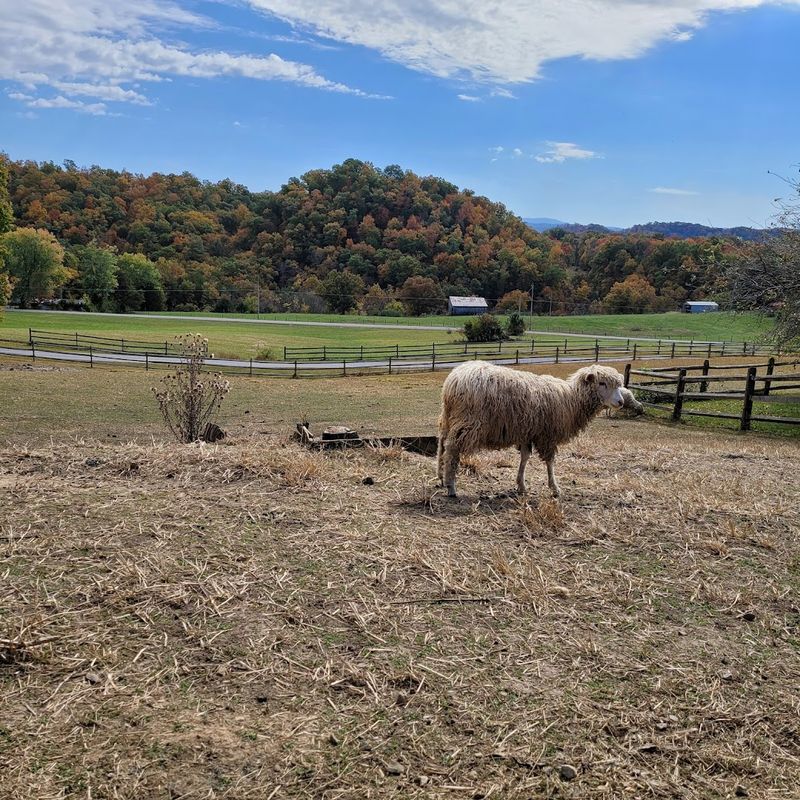
Rocky Mount has built a strong reputation as a destination that works exceptionally well for families. School field trips are a regular part of the schedule, and the programming is structured to keep children engaged through participation rather than passive observation.
One visitor recalled watching a group of kids get genuinely excited about fireplace cooking, which is exactly the kind of hands-on moment that makes history stick.
The site divides school groups into smaller clusters, allowing each group to rotate through different activities. This keeps energy levels manageable and ensures that every child gets meaningful time with each element of the experience.
Activities range from traditional crafts to garden exploration to animal encounters with the sheep and rabbits that live on the property.
For families visiting outside of school programs, the tour format works equally well. A three-year-old can enjoy the outdoor spaces and animals while older children and adults absorb the historical detail.
The guides are skilled at adjusting their presentations to suit the age and interest level of whoever is in front of them.
Rocky Mount is open Wednesday through Saturday from 11 AM to 5 PM. Checking the website at rockymountmuseum.com before visiting helps ensure your group arrives on a day that matches your interests and expectations.
Planning Your Visit To Rocky Mount In Piney Flats
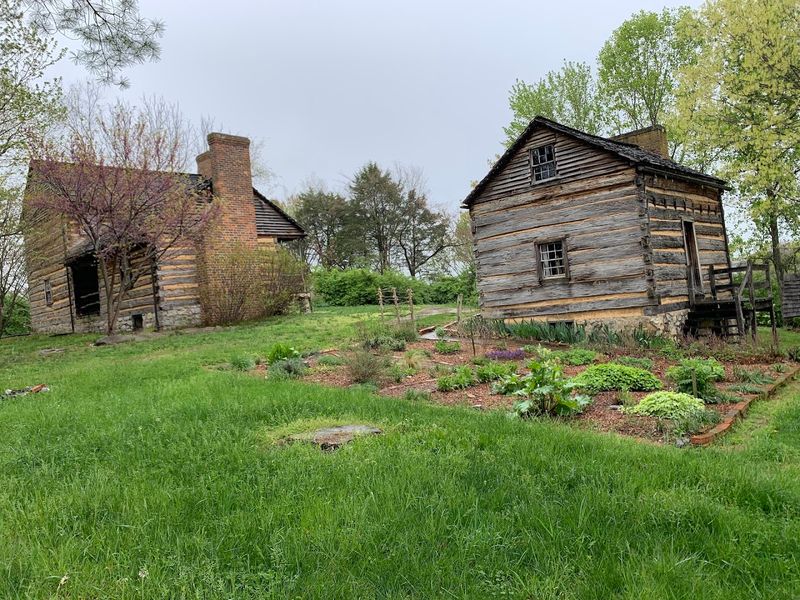
Getting to Rocky Mount is straightforward. The site sits roughly 20 minutes from the Meadowview Resort area and within easy reach of the greater Tri-Cities region.
The surrounding countryside is scenic, and the drive itself offers a pleasant introduction to the rural character of East Tennessee.
Museum hours run Wednesday through Saturday from 11 AM to 5 PM. The site is closed Sunday through Tuesday.
Admission fees apply, and while online ticket purchasing is available, reading the booking notes carefully before completing a purchase is advisable.
One reviewer had an unfortunate experience arriving during a large school group visit that had not been properly blocked from public booking. The staff handled the situation professionally, but the lesson is worth noting.
For questions about scheduling or upcoming events, the museum can be reached at +1 423-538-7396. The website at rockymountmuseum.com keeps an updated events calendar that is worth bookmarking.
Seasonal programming fills up quickly, particularly around Christmas and Halloween. Arriving on a quieter weekday afternoon often allows for a more personal experience, as one visitor discovered when they had an entire tour guide to themselves.
Rocky Mount rewards those who plan ahead and arrive ready to be genuinely surprised by what a log house can teach.