
This Louisiana Po’Boy Roast Beef Is So Overstuffed That Standing Up Is The Only Honest Way To Eat It
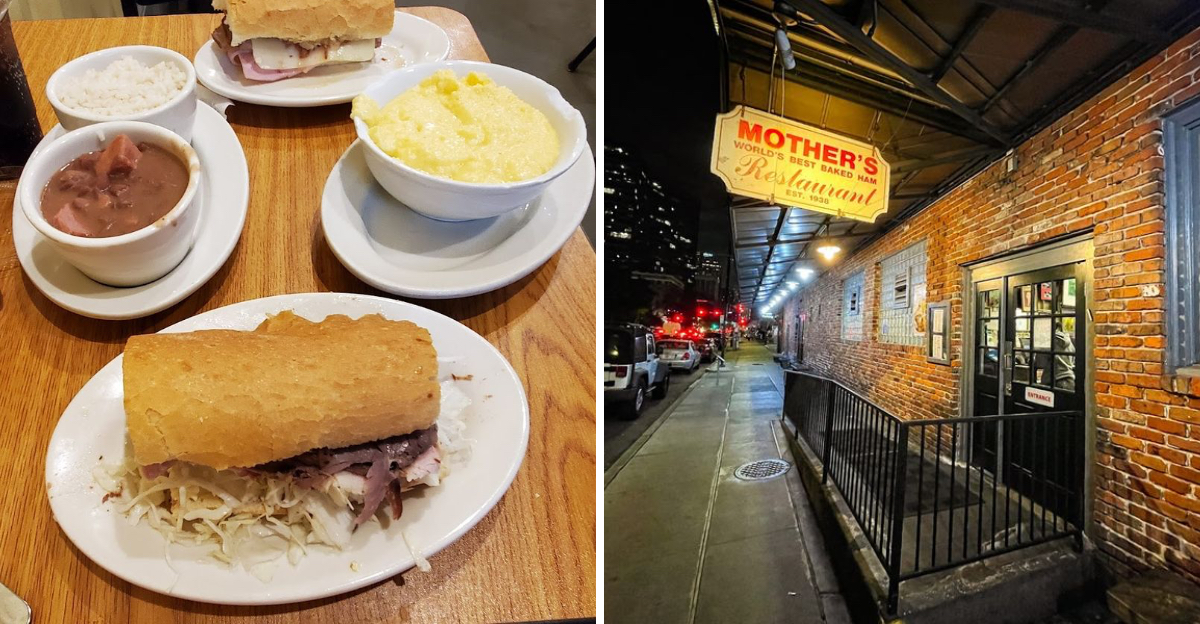
Ready for a sandwich that turns lunch into a full-on event? Louisiana takes po’boys seriously, and this New Orleans institution has been proving it since 1938.
The roast beef creation here is so overstuffed that standing up is honestly the only way to eat it. Tender slow-roasted beef, rich debris dripping with au jus, baked ham, and a full-dressed finish on airy French bread.
Shredded cabbage, pickles, and Creole mustard round out every glorious, messy bite. Fair warning: it gets wonderfully out of hand.
Louisiana does not do things halfway, and this sandwich is proof of that. Grab extra napkins, lean forward over the tray, and just commit.
Your po’boy standards will never quite be the same after this.
What Exactly Is The Famous Ferdi Special
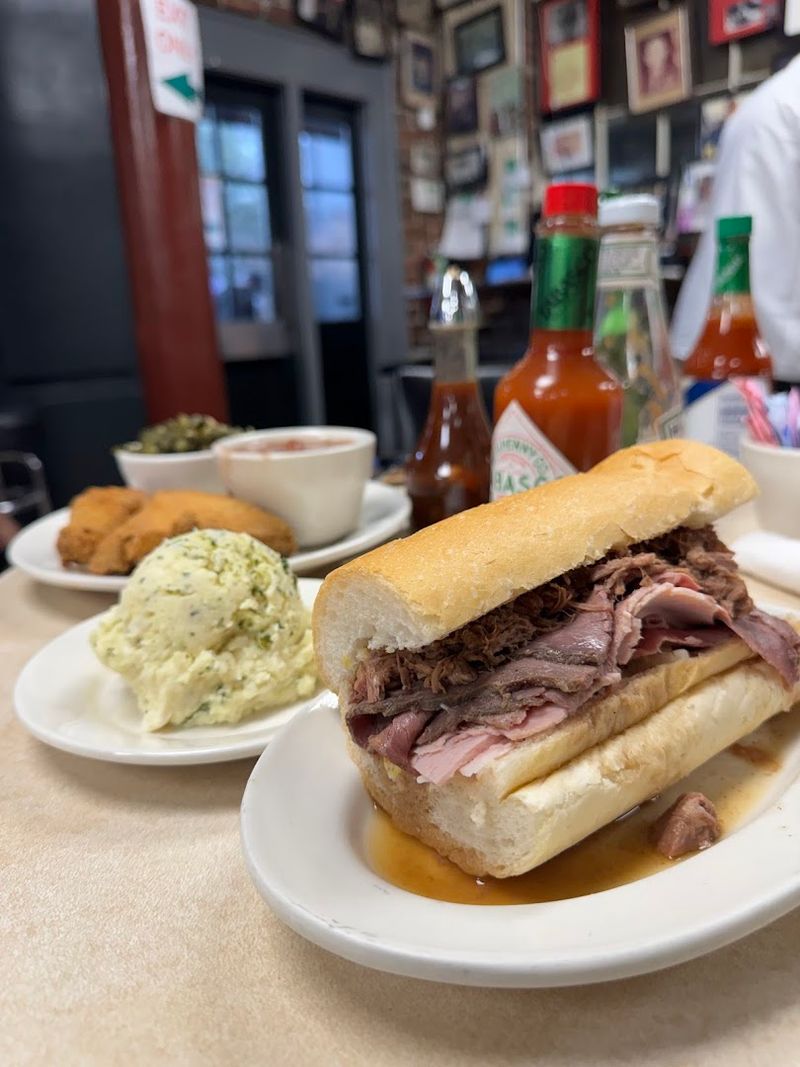
Forget everything you think a sandwich can be. The Famous Ferdi Special at Mother’s Restaurant is a full-on event packed onto French bread.
It layers Mother’s best baked ham with generous slices of roast beef and something called debris. Debris refers to the tender shreds of roast beef that fall into the dripping gravy during the slow cooking process.
The whole thing gets dressed with shredded cabbage, pickles, mayonnaise, and both Creole and yellow mustards. Every component has a job to do, and each one does it well.
The French bread holds up for a while, but the au jus eventually wins. The bottom soaks through, the filling shifts, and suddenly the sandwich is a gloriously messy challenge.
This is not a tidy desk lunch. It demands full attention, both hands, and ideally a stack of napkins.
Mother’s Restaurant has been serving this iconic sandwich since 1938, and the recipe has stayed remarkably consistent over the decades.
The Debris That Changes Everything
Debris sounds like a problem, but at Mother’s, it is the main attraction. These are the small, tender shreds of roast beef that break off during the long, slow cooking process and fall directly into the hot gravy below.
They absorb every bit of that rich au jus. By the time they land on your sandwich, they are deeply flavored, meltingly soft, and almost impossibly savory.
The debris is what separates this po’boy from every other roast beef sandwich in the country. Other places slice the beef and call it done.
Mother’s lets the cooking process do something extra.
Those fallen pieces become something richer and more complex than the sliced roast beef sitting right next to them. Both go onto the bread together, which means the sandwich has two distinct textures of the same protein.
It sounds simple, but the result is layered and satisfying in a way that is hard to replicate. Debris is the detail that loyal customers keep coming back for.
French Bread That Takes A Real Beating
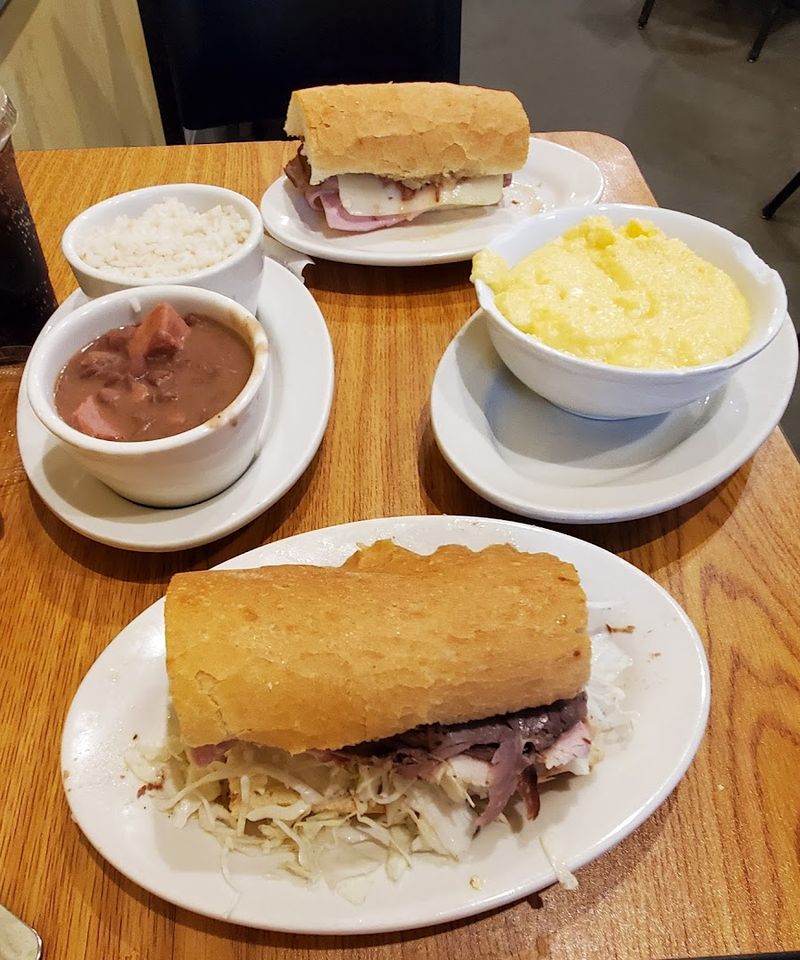
The bread matters more than people expect. New Orleans French bread has a specific character that sets it apart from a baguette or a hoagie roll.
The crust is crisp and crackly when fresh. The interior is soft and airy, which gives it a lightness that heavier rolls simply do not have.
That lightness is exactly why the gravy hits so hard.
When the au jus from the roast beef and debris soaks into the bread, the bottom layer becomes almost pudding-soft. The top crust holds its shape a little longer, giving the sandwich a brief structural window before things get genuinely messy.
Mother’s reportedly goes through around 150,000 loaves of French bread per year. That number reflects just how central the bread is to the whole experience.
It is not a vehicle for the filling, it is a co-star.
Eating it quickly is the move. The longer the sandwich sits, the more the bread surrenders to the gravy, and surrender here is delicious but structurally catastrophic.
Why Standing Up Makes Total Sense
Sitting down with this sandwich is optimistic at best. The Ferdi Special is tall, heavy, and soaked through with gravy before it even reaches the table.
Standing gives a better angle. The filling has somewhere to go that is not directly onto a lap.
Leaning slightly forward over a counter or tray turns the dripping into a manageable situation rather than a clothing emergency.
This is not unique to Mother’s. Many classic po’boy shops in New Orleans are built around the idea of eating quickly and upright.
The counters are the right height. The napkin dispensers are always close.
There is also something honest about standing to eat a sandwich this size. It signals that the food is the priority, not the performance of dining.
No tablecloth, no ceremony, just a serious sandwich and the focus it deserves.
Regular visitors tend to develop a technique. Tilt the bread slightly, take bites from the center first, and keep a napkin ready at all times.
The sandwich rewards the prepared.
The Dressing That Pulls It All Together
Dressing a po’boy is its own art form, and Mother’s approach is specific. The Ferdi Special comes with shredded cabbage, sliced pickles, mayonnaise, Creole mustard, and yellow mustard all working together.
The cabbage adds crunch and freshness that cuts through the richness of the roast beef and debris. Without it, the sandwich would feel heavier and one-dimensional.
The pickles bring a sharp, briny note that wakes up the palate between bites. They do not overwhelm the meat.
They simply remind you that balance exists even inside something this indulgent.
The mustard combination is the most interesting detail. Creole mustard is coarser and more pungent than its yellow counterpart.
Using both creates a layered heat that is warm and slightly tangy rather than sharp.
Mayonnaise ties everything together with a creamy base that softens the acidity. Together, these toppings transform what could be an overwhelming meat sandwich into something genuinely balanced.
The dressing is not an afterthought. It is the reason the sandwich works.
The Scale Of Mother’s Operation Is Staggering
The numbers behind Mother’s are hard to wrap your head around. The restaurant reportedly cooks over 175,000 pounds of ham and roast beef every single year.
That figure is not a marketing claim. It reflects decades of consistent demand from locals and visitors who keep returning for the same thing.
The kitchen operates at a pace that most restaurants never approach.
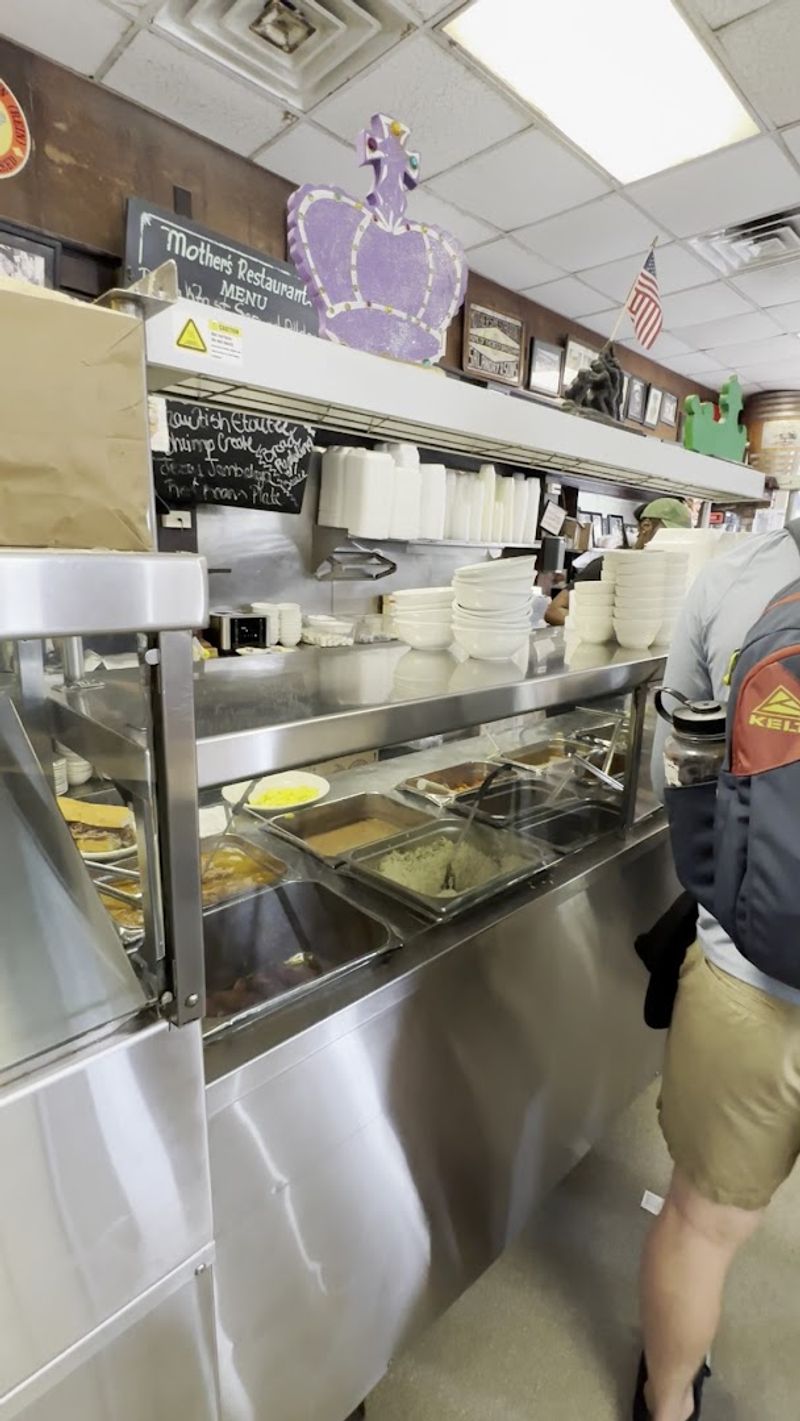
The cafeteria-style ordering system helps manage the volume. Customers order at the counter, take a receipt, find a seat, and wait for food to be brought out.
The system keeps things moving even when the line stretches out the door.
The rhythm of the place feels practiced and confident. Staff move with the efficiency of people who have done this thousands of times, because they have.
The scale of production does not seem to affect the consistency of the food.
That kind of output, maintained over many decades, says something real about how the kitchen runs. It is not chaos.
It is a finely tuned machine built around meat, bread, and gravy.
The Cafeteria Style That Actually Works
Counter ordering can feel impersonal, but at Mother’s it feels exactly right. The setup suits the food and the pace of the place without any awkwardness.
Customers walk in, receive a paper menu near the door, and join the line. Knowing the order before reaching the counter is strongly recommended.
The line moves quickly, and hesitation slows everyone behind you.
Once the order is placed and paid, the receipt goes on the table. A server collects it and brings the food out.
It is a simple system that removes the usual back-and-forth of table service.
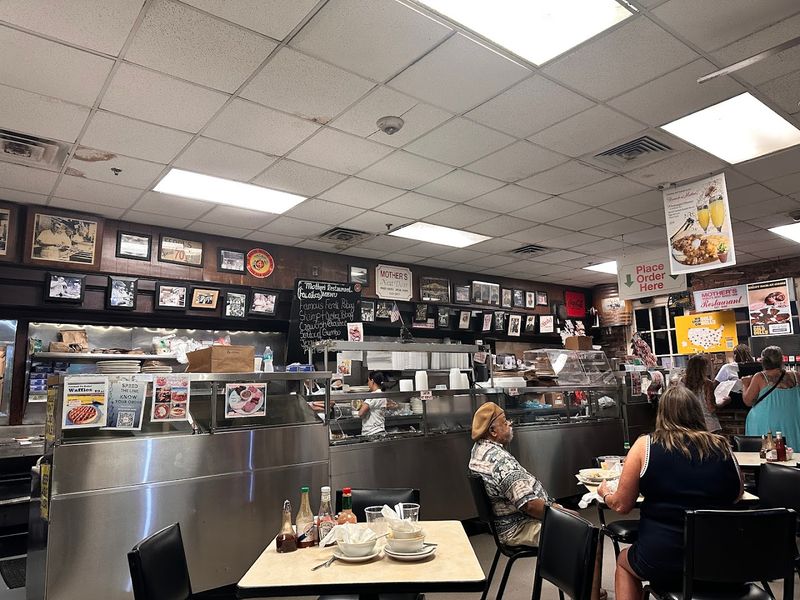
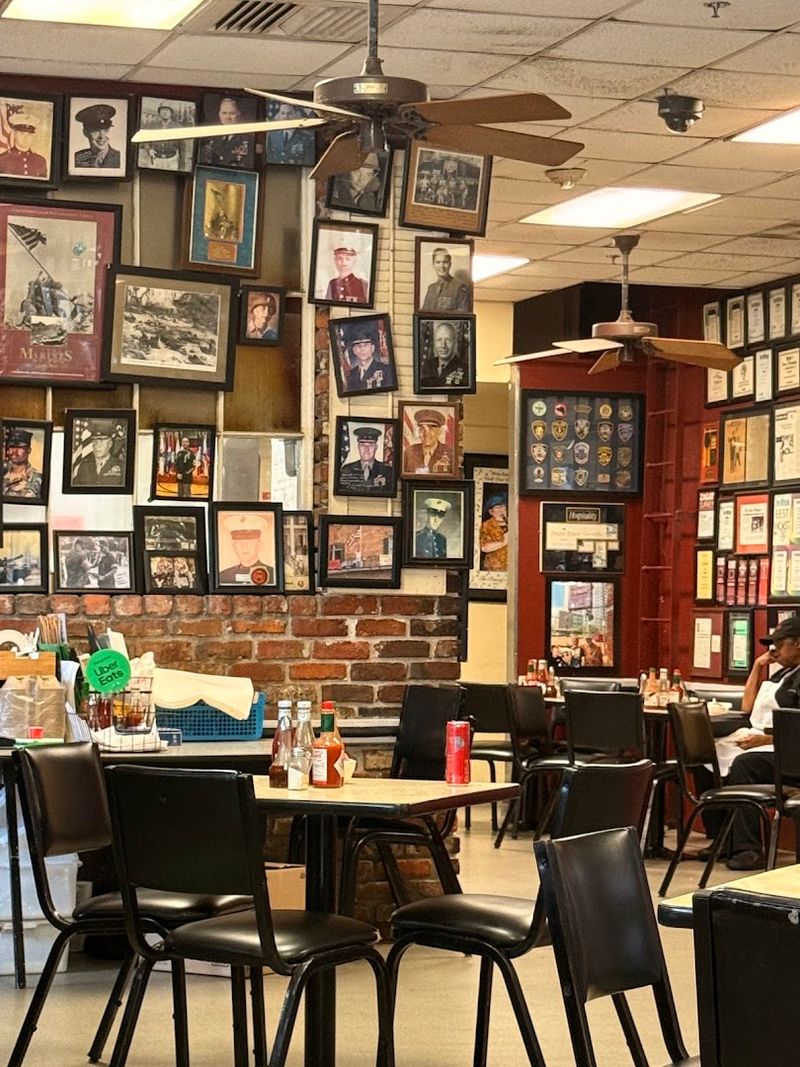
The walls are covered in framed photographs that have accumulated over many years. The interior is compact and no-frills, which keeps the focus squarely on eating rather than atmosphere.
Half portions are reportedly available, which makes the menu more accessible for lighter appetites. The ordering style also means tipping is handled differently than at a traditional sit-down restaurant, so having cash on hand can be useful.
The whole experience feels refreshingly unpretentious.
Sides That Deserve Serious Attention
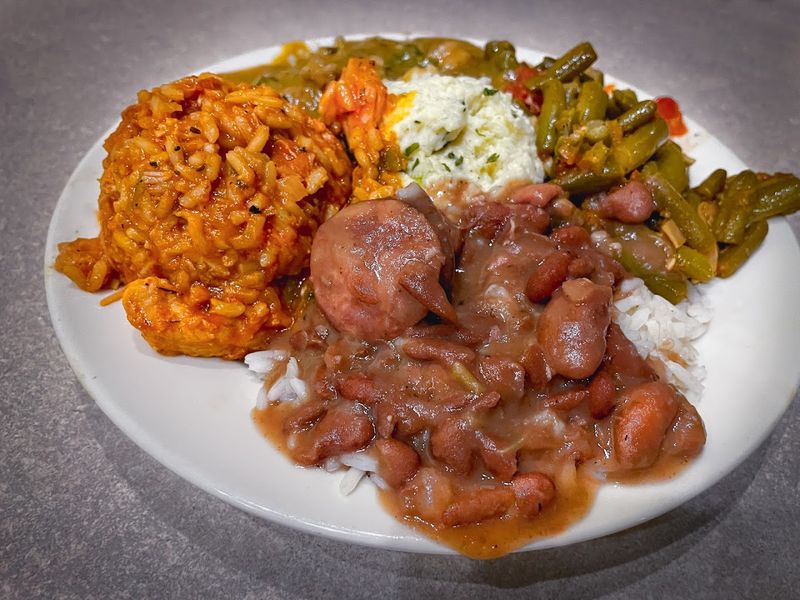
The po’boy gets all the attention, but the sides at Mother’s hold their own. Red beans and rice is a Louisiana staple, and the version here is hearty, well-seasoned, and deeply comforting.
Jambalaya appears on many tables and delivers that classic combination of smoky, savory, and filling. It is the kind of dish that does not need embellishment to be satisfying.
Green beans show up as a side option that balances out heavier plates. They are simple and straightforward, which fits the overall tone of the menu.
Nothing here tries too hard to be something it is not.
The combination platter is worth considering for those who want to sample multiple dishes in one sitting. It covers a range of Southern and Creole staples without requiring multiple orders.
Bread pudding rounds out the menu as a dessert option that fits the comfort food ethos of the whole restaurant. Every side reflects the same philosophy as the po’boy: straightforward ingredients, generous portions, and flavors that feel familiar and honest rather than fussy or trend-driven.
Breakfast At Mother’s Is Worth Waking Up For
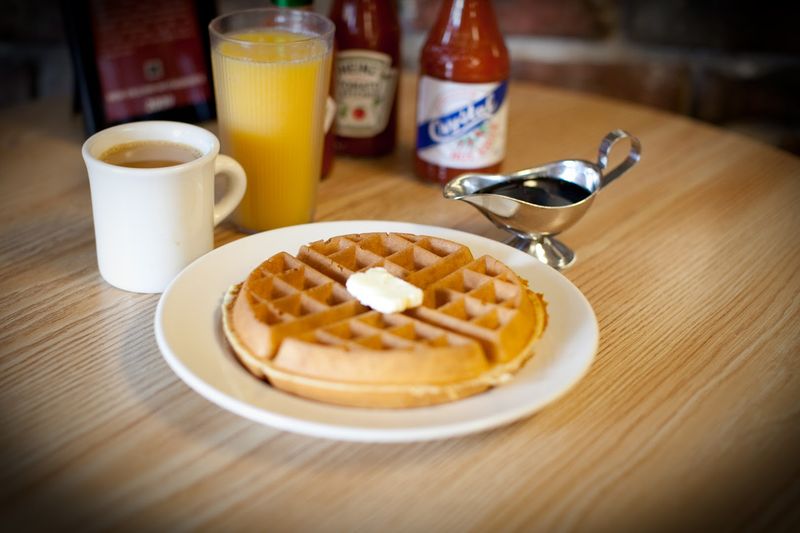
Most visitors come for the po’boys, but the breakfast menu at Mother’s quietly earns its own loyal following. The morning spread leans fully into Southern comfort territory.
Ham and cheese omelettes are a popular choice, made with the same quality ham that defines the lunch and dinner menu. The grits are creamy and consistent, which is exactly what grits should be.
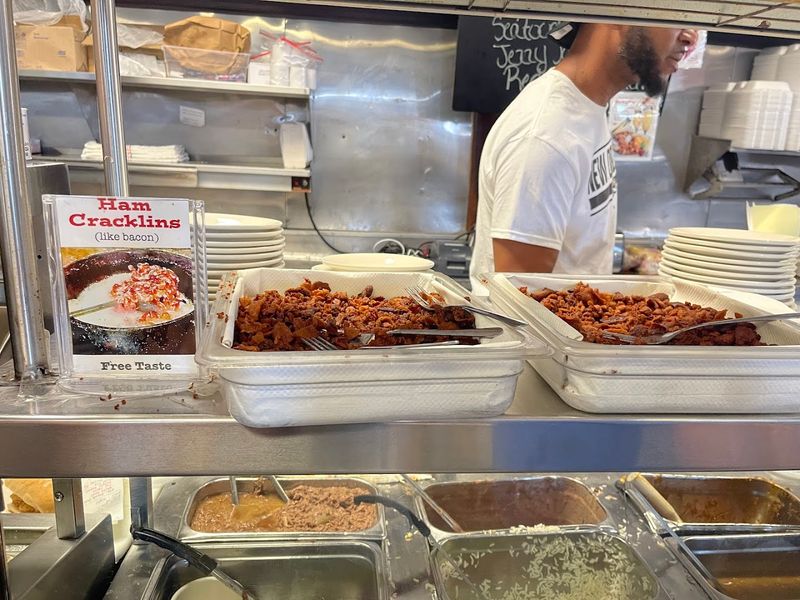
Toast comes with homemade jam, a small detail that elevates a simple side into something memorable. Pork cracklins appear as a breakfast option that feels genuinely regional rather than a novelty addition.
The biscuits have earned particular praise from visitors who tried them. They are soft, substantial, and served with jam on the side.
For some, the biscuit alone justifies the stop.
Shrimp and grits is another morning option for those who want something with a little more depth. The breakfast service follows the same counter-order format as the rest of the day, keeping things efficient and unfussy.
Morning visits tend to move at a slightly calmer pace than the midday rush.
A New Orleans Institution Since 1938
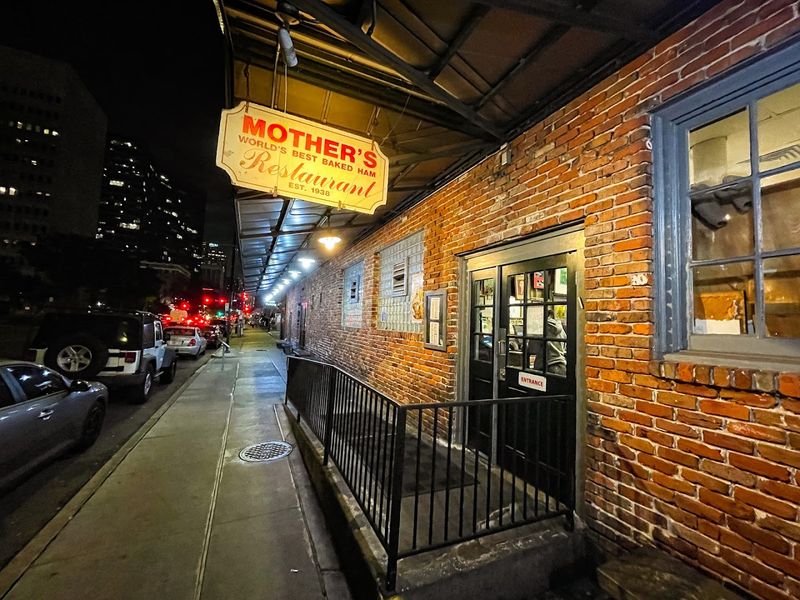
Very few restaurants survive long enough to become part of a city’s identity. Mother’s Restaurant has been doing exactly that since 1938, operating from the same address in the heart of New Orleans.
The line outside is often a reliable indicator that something worth eating is happening inside.
The walls covered in photographs are not decoration for decoration’s sake. They are a record of decades of customers, events, and daily life that have passed through the same space.
The history feels lived-in rather than staged.
The restaurant draws both longtime locals and first-time visitors, which is a balance that not every historic spot manages to maintain. The food stays consistent because the approach stays consistent: good ingredients, generous portions, and a menu rooted in Louisiana tradition.