
This Louisiana State Park Has Been Quietly Outperforming Bigger Name Parks For Years
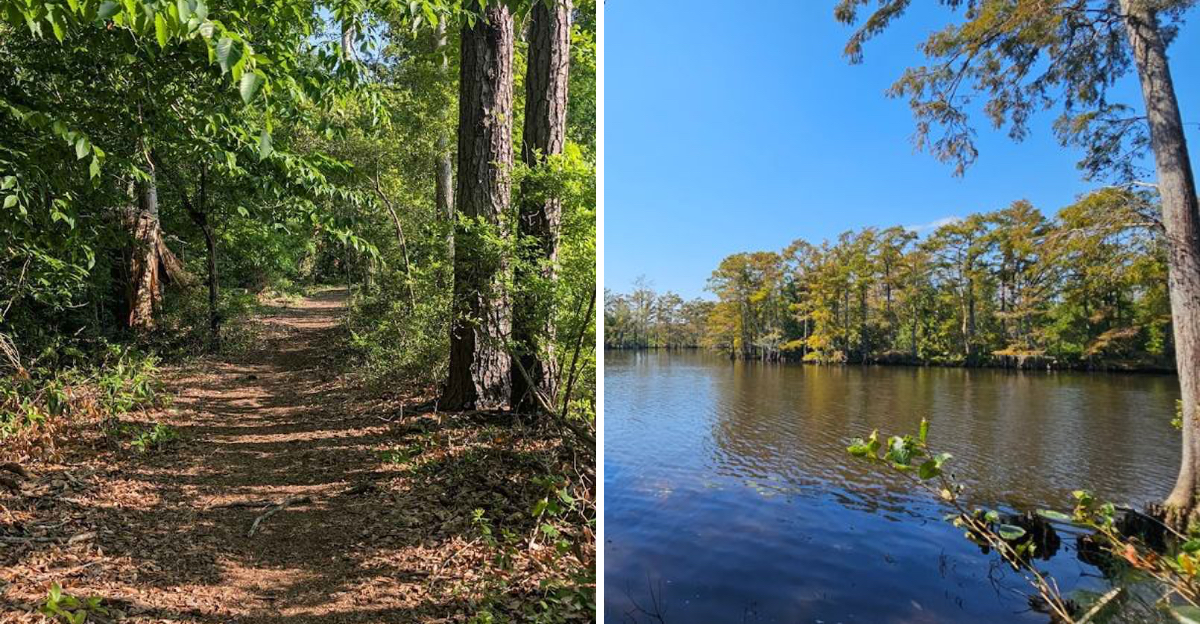
Cypress knees push straight up through black water just outside a quiet stretch of southwest Louisiana. Most travelers drive past without slowing down.
Spanish moss drapes over dark lagoons while pine canopies tower just steps away. Birders chase species counts most sanctuaries can only dream about.
Alligators glide through the water, unfazed by every camera pointed their way. Multiple trails wind through swamp, forest, and an old stagecoach route, each with its own mood.
Sunrise paddles bring herons, mist, and still water together into a quiet scene. Cabins, a lodge, and a disc golf course give overnight visitors plenty of reasons to stay longer than planned.
Louisiana keeps treasures like this surprisingly low key, and that quiet only makes the discovery sweeter. Maybe it’s time to pencil in a visit.
A Park With A Story Worth Knowing
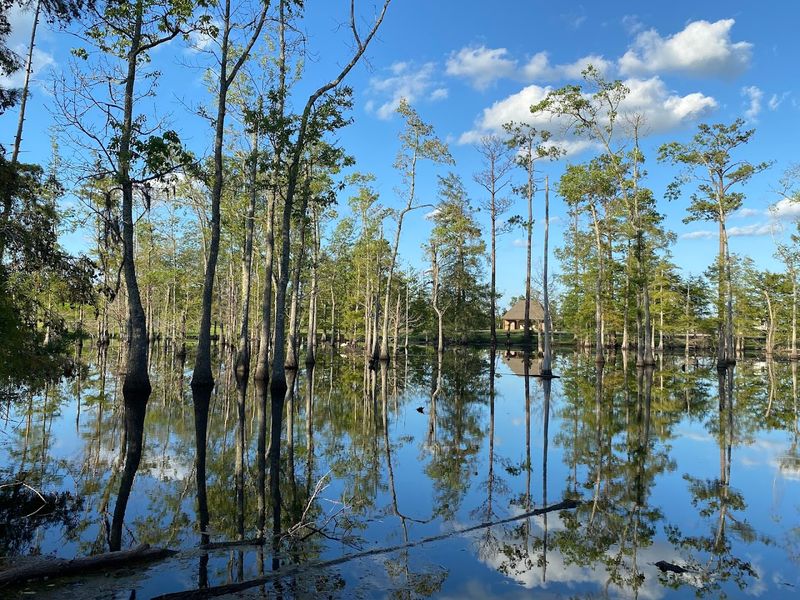
History has a way of sneaking up on you in places like this. Sam Houston Jones State Park was officially established in 1944, named after Louisiana’s 46th governor, who played a direct role in making it happen.
That founding story gives the park a sense of purpose that goes beyond just picnic tables and parking lots. It was built with intention, and that intention has aged well.
Located at 107 Sutherland Rd, Lake Charles, LA 70611, the park sits in Calcasieu Parish, a region of Louisiana that doesn’t always make the travel headlines but absolutely should.
Understanding where this place came from makes the visit richer. The park isn’t just land set aside for weekends.
It represents a deliberate effort to preserve southwestern Louisiana’s natural character for future generations.
Knowing that history while standing under a canopy of old-growth pines adds a quiet layer of meaning that most state parks simply can’t match.
The Landscape That Stops People Mid-Stride
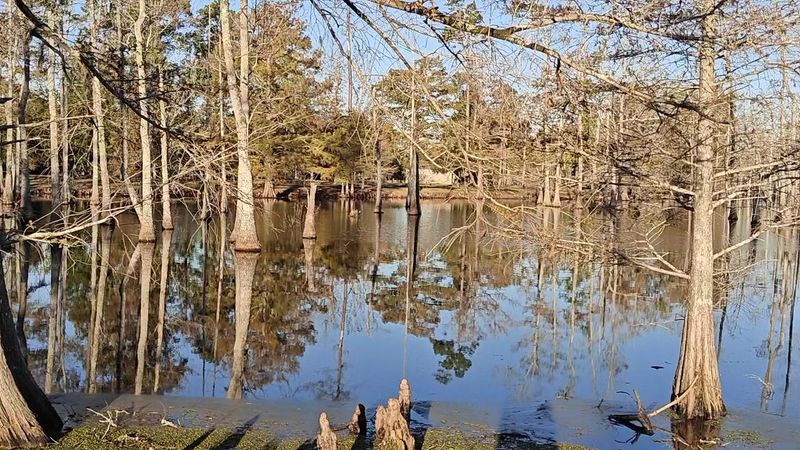
Forget what you think a Louisiana park looks like. This one layers bald cypress trees, tupelo swamps, longleaf pine stands, and mixed hardwood forests all into one continuous, breathable landscape.
The visual contrast alone is worth the trip. Spanish moss hangs over dark water while sunlight cuts through tall pines just a few steps away.
Over 70 acres of longleaf pines grow here, a species that once blanketed huge sections of the southeastern United States before logging and development reduced their range dramatically.
Standing in that section of the park feels like stepping into something rare. These trees take a long time to establish, and their presence signals a healthy, well-managed ecosystem.
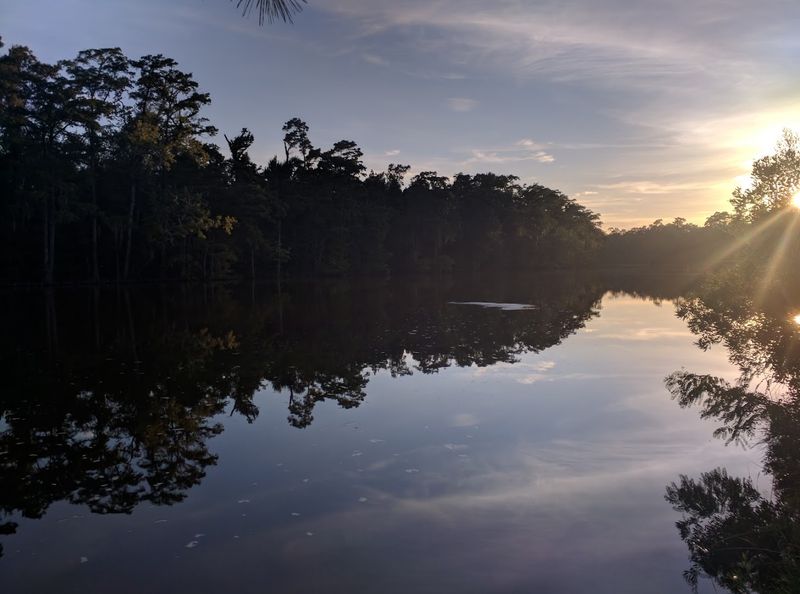
The tree-filled lagoons are particularly striking in the early morning hours. Mist sits low over the water, birds call from the canopy, and the whole scene feels untouched.
Louisiana’s natural beauty is often associated with the coast, but this inland landscape proves the state has plenty more to offer.
Bird Watching That Rivals Dedicated Sanctuaries
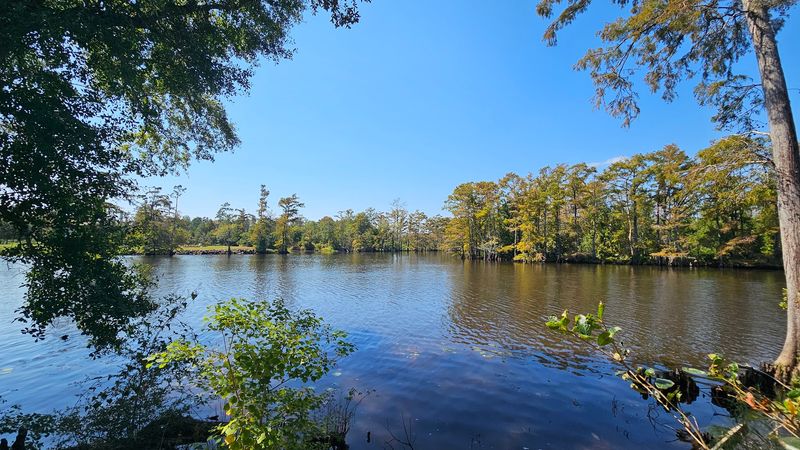
Nearly 200 bird species have been recorded at this park annually, and that number climbs during migration season. The park sits just north of Louisiana’s most productive birding corridor, which means the flyover traffic is exceptional.
Warblers, herons, egrets, and raptors all move through or take up residence here depending on the time of year. Serious birders plan entire trips around this park’s seasonal patterns.
Guided bird walks are organized at the park, making it accessible even for beginners who want an introduction to the species present. Showing up without experience is completely fine here.
The trail system weaves through multiple habitat types, which is a major advantage for birding. Each habitat attracts different species, so a single morning hike can produce a surprisingly long checklist.
Early spring and fall migrations are peak times, but even in summer the park delivers. Louisiana’s warm climate keeps bird activity going year-round in ways that northern parks simply cannot replicate.
Trails That Cover Every Skill Level
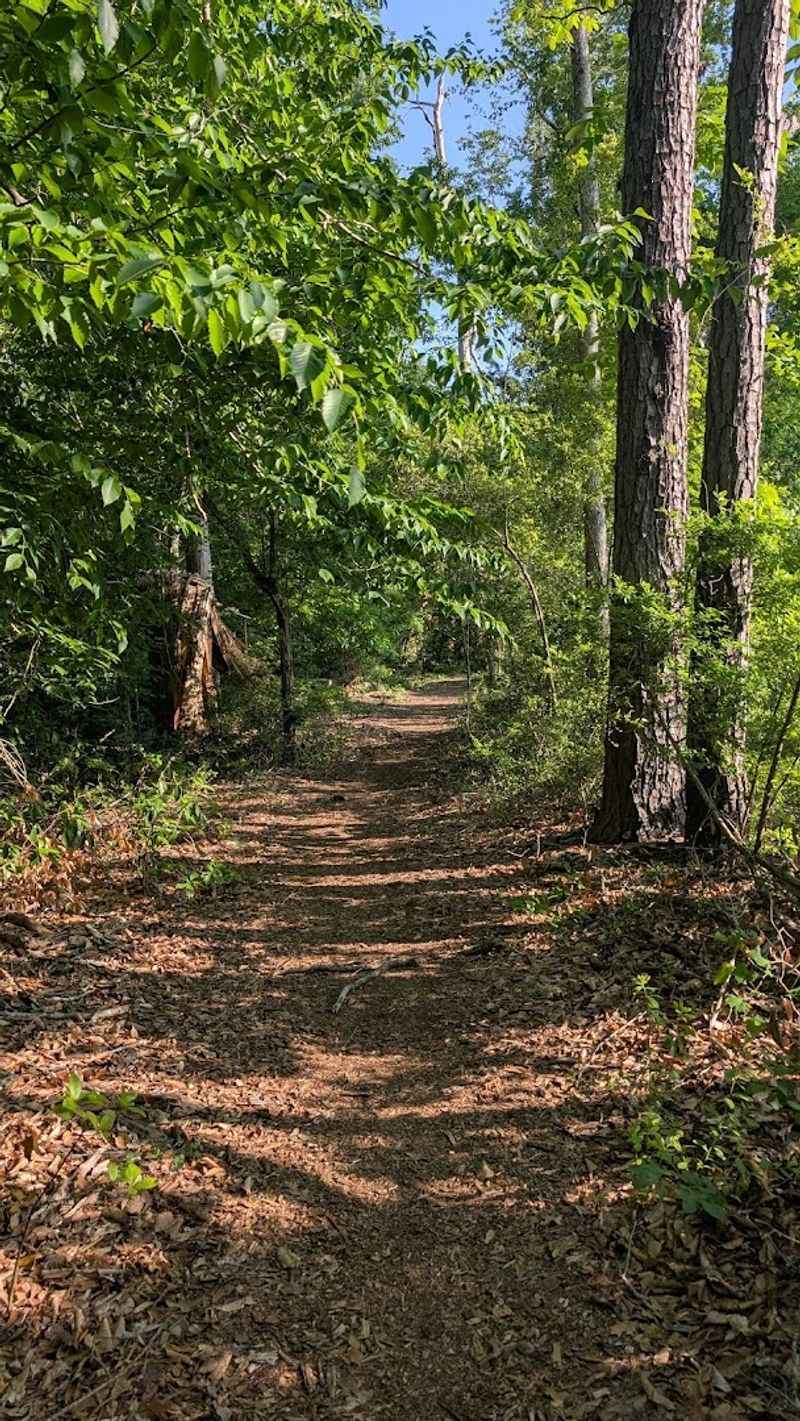
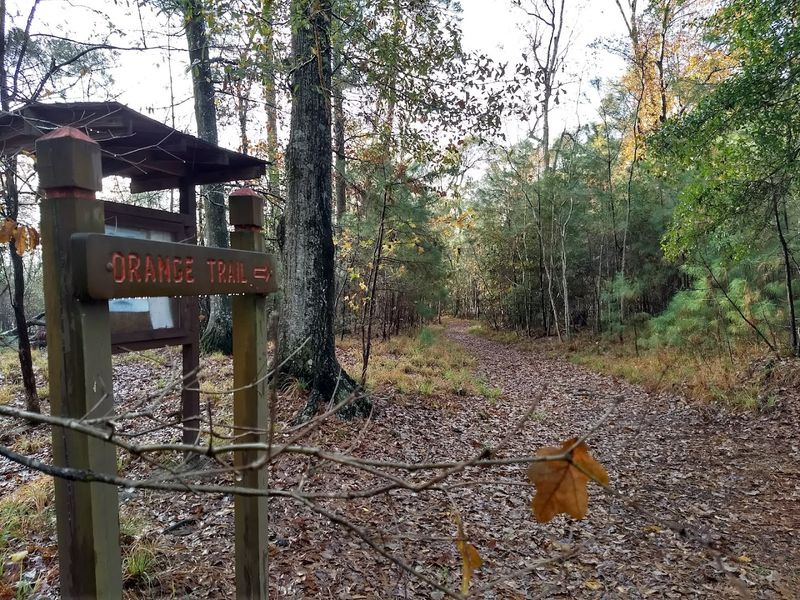
Eight miles of interconnected trails spread across five named paths give visitors real options. The Riverwalk Trail, Cypress Tupelo Trail, Swamp Walk Trail, Longleaf Pine Trail, and an old stagecoach road each offer a distinct feel.
That stagecoach road is a detail worth pausing on. Walkers are literally following a route used by travelers from a completely different era of Louisiana history.
The trails accommodate hikers, cyclists, and wildlife watchers without feeling overcrowded. The network is well-marked and connects smoothly, so it’s easy to string together a longer route or keep things short.
Each trail passes through different vegetation zones, which keeps the scenery from feeling repetitive. One stretch might be open pine canopy, the next dense cypress overhang above a narrow boardwalk.
Families with younger kids tend to favor the flatter, shorter loops near the water. More experienced hikers can push through the full network for a solid half-day outing.
The trails are genuinely varied and worth exploring more than once.
Water Access That Opens Up The Whole Region
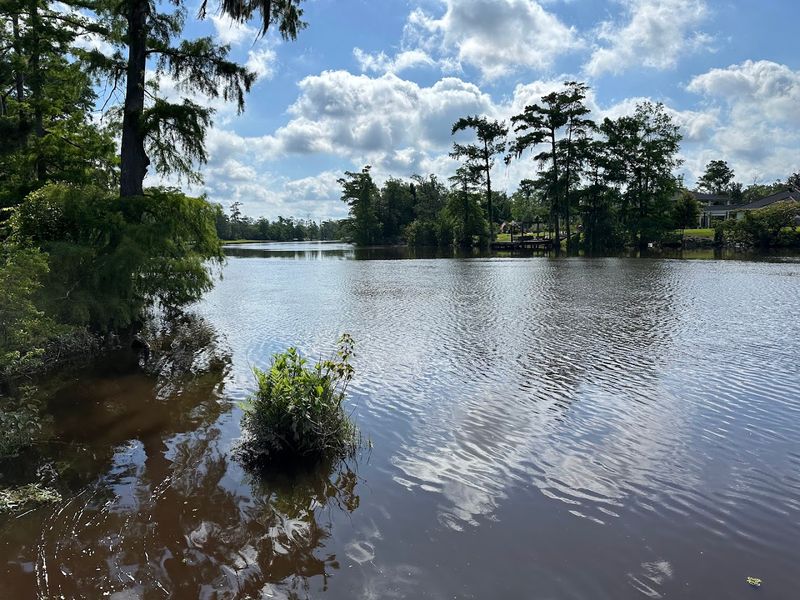
Two boat launches on the West Fork of the Calcasieu River give the park a direct connection to one of southwestern Louisiana’s most dynamic water systems. From here, paddlers and boaters can reach Calcasieu Lake.
Kayak rentals are available through a self-serve kiosk near the launch area, which makes spontaneous water trips easy. No advance booking or complicated logistics required.
Fishing is a major draw on the water. Largemouth bass, crappie, catfish, and bream are all commonly caught in the river system, and the park’s fishing boardwalk adds another access point for those who prefer to stay on solid ground.
The river itself sets a mood that’s hard to describe without experiencing it. Dark tannin-stained water, overhanging trees, and the occasional alligator sighting make every paddle feel like a proper adventure.
Wildlife along the banks includes otters, raccoons, and deer, which often appear at the water’s edge in the early morning. Getting out on the water early is consistently the best decision visitors make here.
Wildlife That Keeps Everyone On Their Toes
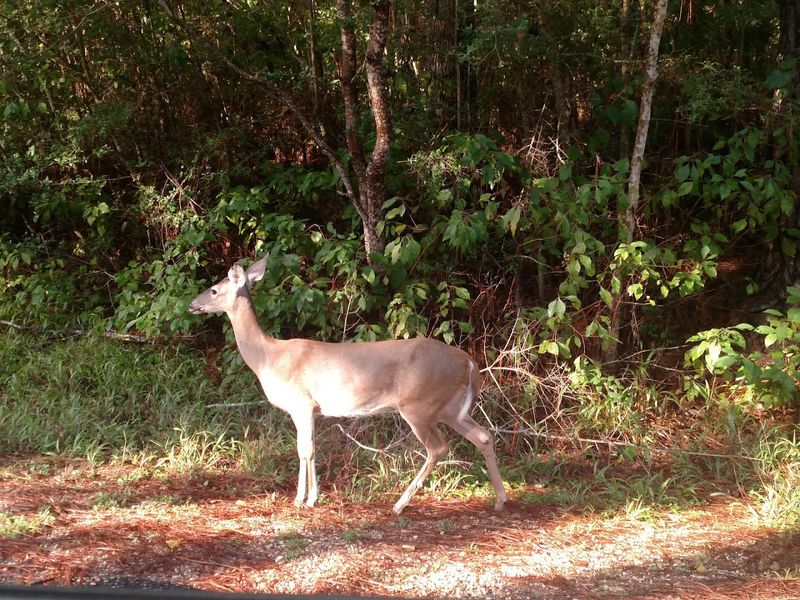
Deer move through the pine sections at dusk. Bobcats have been spotted near the swamp edges.
Alligators cruise the lagoons with the calm confidence of animals that have been here far longer than any visitor.
The wildlife list at this park is impressively long for a property just over 1,000 acres. Squirrels, rabbits, otters, raccoons, and foxes all share the landscape in a way that makes every walk feel unpredictable.
Spotting an otter in the river is one of those moments that tends to stop conversations entirely. They’re quick, playful, and genuinely surprising to see in the wild.
Alligators are present and visible, especially near the water features and lagoons. They’re a natural part of Louisiana’s ecosystem, and the park doesn’t pretend otherwise.
Visitors are encouraged to observe from a respectful distance, which the trail system makes easy. The design of the paths keeps humans and wildlife in comfortable proximity without creating conflict.
This level of biodiversity in one compact park is a genuine rarity.
Camping And Cabins That Actually Deliver
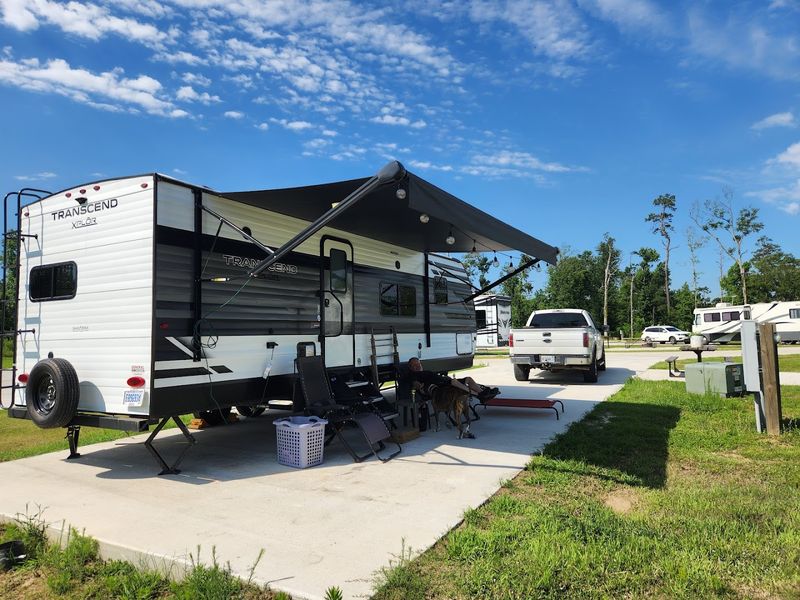
Thirty premium RV campsites with full hookups handle the crowd that prefers to bring their own setup. The campground includes laundry facilities and strong Wi-Fi, which is a combination that earns loyalty from long-stay visitors.
Ten deluxe cabins round out the overnight options, with one designed to be ADA compliant. Each cabin sleeps up to eight people, making them practical for family trips or group getaways.
The lodge option steps things up considerably. It sleeps up to 14 guests, is also ADA compliant, and gives larger groups a private, fully contained base for exploring the park.
Staying overnight changes the experience entirely. The park quiets down after dark, and the sounds of the forest take over in a way that daytime visitors never get to hear.
Morning in the campground, with mist rolling off the water and birds starting their calls, is one of those experiences that makes people rebook before they’ve even packed up their gear.
Louisiana’s state park system has some solid overnight options, but this one consistently stands out.
A Restoration Project On A Serious Scale
Hurricane Laura hit this park hard in 2020. The damage forced a multi-year recovery effort that reshaped large sections of the forest and trail system.
What followed was one of the more ambitious restoration efforts in Louisiana’s state park history. A corporate investment worth five million dollars, the largest single donation ever received by a Louisiana state park, launched a six-year habitat restoration project.
The project targets over 800 acres of degraded forest and wetland. Around 245,000 native trees are being planted as part of the effort, with goals that include improving ecosystem resilience and reducing wildfire risk.
Watching a forest actively recover is its own kind of experience. Visitors today are walking through a landscape in the process of healing, which gives the park an energy that older, undisturbed parks don’t have.
The restoration also improves the experience for future visitors. More native trees mean better habitat, cleaner water, and a more dynamic landscape over the coming decades.
Progress on this scale takes time, but the early results are already visible.
Disc Golf, Events, And Reasons To Come Back
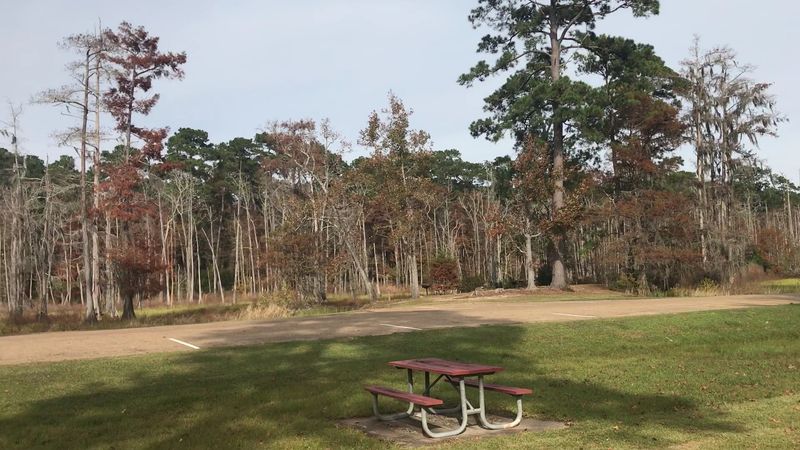
An 18-hole disc golf course reopened in 2025 after sustaining damage from Hurricane Laura. Its return added a recreational layer that appeals to a younger crowd and families looking for structured outdoor activity.
The course runs through the forested sections of the park, which means players are navigating trees, elevation changes, and natural obstacles rather than a flat open field. That challenge is exactly what disc golfers come looking for.
Beyond disc golf, the park hosts annual events that pull in visitors from across the region. The Southwest Louisiana Gumbo Cookoff and the Gator Gauntlet Off-Road Triathlon are both crowd favorites.
Guided bird walks add a recurring reason to return throughout the year. Each season brings different species and different conditions, so the walk never feels like a repeat.
Picnic areas, a playground, and rentable covered pavilions round out the day-use options. Groups can book a pavilion and make a full day of it without ever feeling like they’ve run out of things to do.
The variety of activities here is genuinely hard to beat at this price point.
Why This Park Keeps Earning Its Reputation
Repeat visitors are the most honest review a park can get. Sam Houston Jones State Park has them in abundance, which says more than any rating system could.
The combination of factors here is hard to replicate. Diverse ecosystems, strong wildlife presence, varied trails, solid overnight facilities, and active restoration all come together in one compact, well-managed space.
Louisiana has no shortage of beautiful outdoor destinations, but this park earns its standing through consistency. It delivers on its promise every season, not just during peak conditions.
The peaceful atmosphere is frequently cited by visitors as the defining quality. That kind of quiet is increasingly rare, and people travel specifically to find it.
For anyone who has written off state parks in favor of national parks or private resorts, this place makes a compelling counter-argument. The experience is personal, unhurried, and deeply connected to the natural character of southwestern Louisiana.
Big parks get the attention. This one gets the devotion.
That gap is exactly what makes Sam Houston Jones worth the drive.