
This Low-Key California Mountain Town Is Locals’ Best-Kept Secret
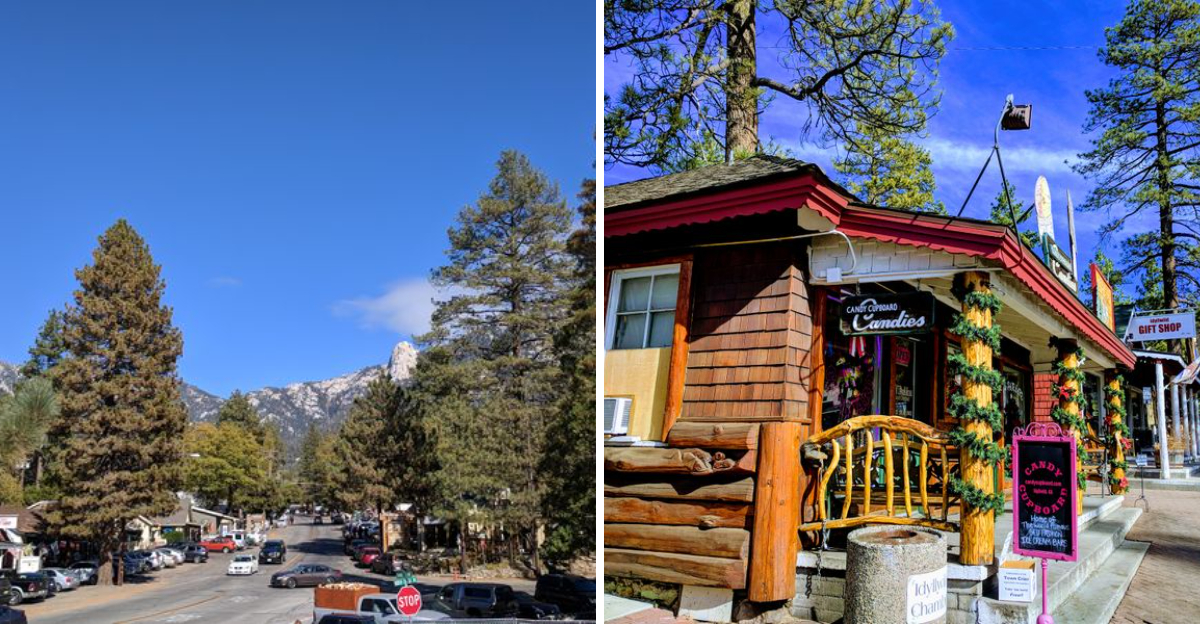
Tucked into the San Jacinto Mountains at an elevation where the air cools and the pines thicken, Idyllwild–Pine Cove remains one of Southern California’s quietest mountain retreats.
While nearby desert cities shimmer under relentless sun, this unincorporated community offers shaded trails, local art galleries, and a rhythm shaped more by seasons than by schedules.
It’s a place where residents still know their neighbors, where wildlife moves freely through backyards, and where the absence of corporate chains feels intentional rather than accidental.
A Mountain Community Tucked High In The San Jacinto Range
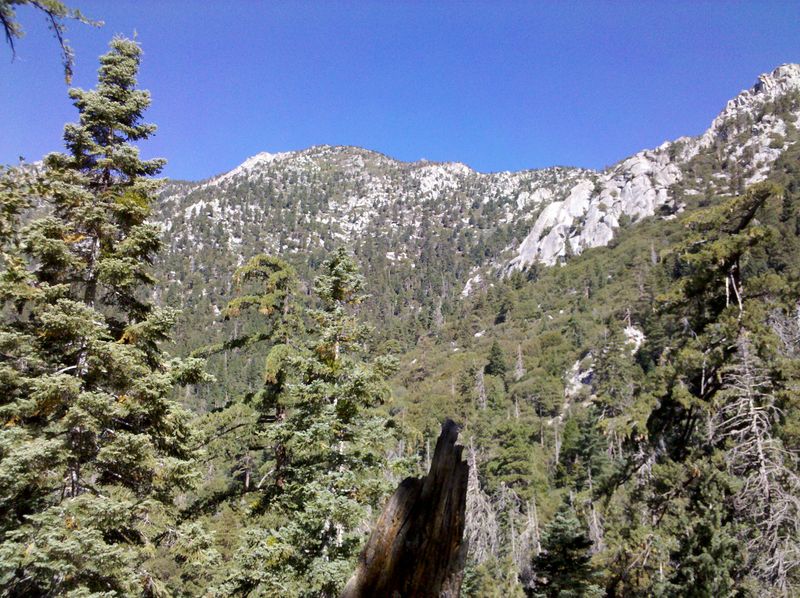
Perched at 5,400 feet above sea level, Idyllwild–Pine Cove sits within the rugged folds of the San Jacinto Mountains, a granite spine that rises abruptly from the desert floor of Riverside County.
The drive up Highway 243 winds through chaparral and oak woodland before entering a corridor of towering ponderosa and Jeffrey pines.
By the time you reach the town center, the landscape has shifted entirely—cool, fragrant, and noticeably removed from the sprawl below.
This elevation brings more than scenery.
It delivers a microclimate that supports Douglas fir, incense cedar, and black oak, species more commonly associated with the Sierra Nevada than Southern California.
Wildflowers bloom in late spring along Forest Service roads, and winter snowfall is common enough that locals keep chains in their trunks.
The surrounding peaks, including Tahquitz and Suicide Rocks, form a dramatic backdrop visible from nearly every street.
These landmarks have drawn climbers, hikers, and photographers for decades, yet the town itself remains modest in scale and ambition.
Not A Resort Town — Just Quiet Streets And Pine Forests
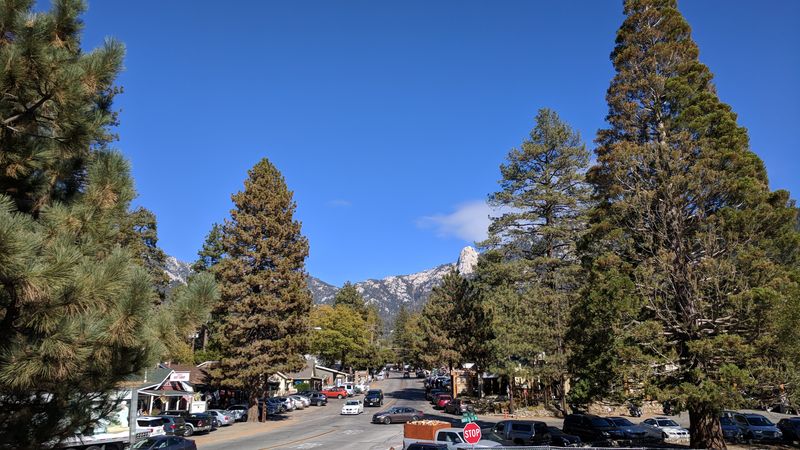
Idyllwild–Pine Cove never developed the infrastructure or appetite for large-scale tourism.
There are no ski lifts, no golf courses, and no convention centers.
What exists instead is a network of narrow, winding roads lined with cabins, cottages, and small lodges that blend into the forest rather than dominate it.
The town’s commercial district spans just a few blocks along North Circle Drive and stretches modestly along Highway 243.
You’ll find a handful of cafés, a couple of grocery stores, and a scattering of boutiques and galleries, but nothing resembling a resort complex.
Most businesses close early, and the sidewalks empty by evening.
This quietness is structural, not seasonal.
Even during summer weekends, when day-trippers arrive from the Coachella Valley, the town retains a subdued character.
Visitors come for solitude, not entertainment, and the local economy reflects that preference.
The absence of flashy signage and chain hotels reinforces a sense that Idyllwild was built for residents first, guests second.
A Small, Unincorporated Town That Kept Its Independence
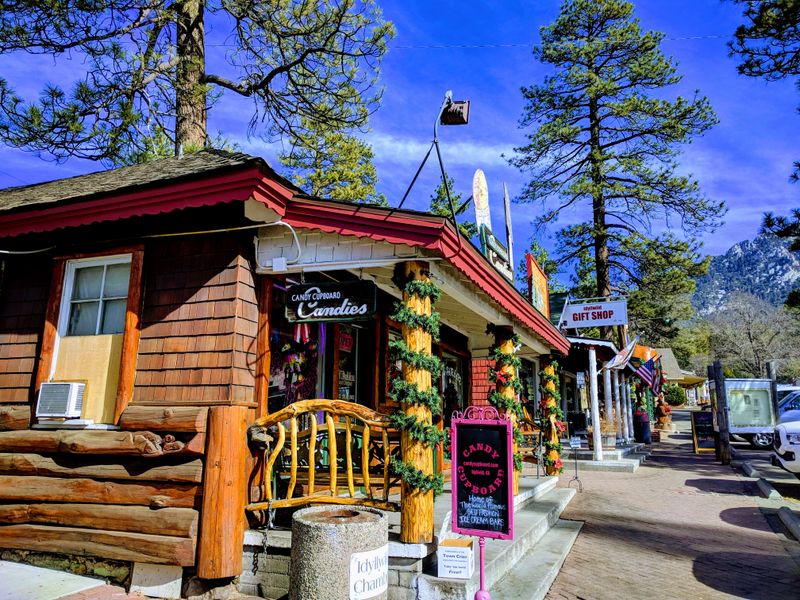
Unlike most California mountain communities, Idyllwild–Pine Cove has never incorporated as a city.
It remains under the jurisdiction of Riverside County, with local governance handled through a combination of county services and community organizations.
This arrangement has allowed the town to avoid the pressures that come with municipal budgets, development mandates, and political campaigns.
Residents have historically resisted incorporation, preferring to maintain local control through volunteer boards and neighborhood associations.
The Idyllwild Town Crier, a weekly newspaper, serves as the primary forum for public discourse.
Decisions about zoning, land use, and public safety are debated openly, often at community meetings held in the town library or at the local firehouse.
This independence has preserved a certain informality in how things get done.
There’s no mayor, no city council, and no formal downtown redevelopment plan.
What emerges instead is a patchwork of local initiatives, from art walks to trail maintenance days, organized by residents who simply see a need and address it.
Cooler Summer Temperatures Compared To Southern California Cities
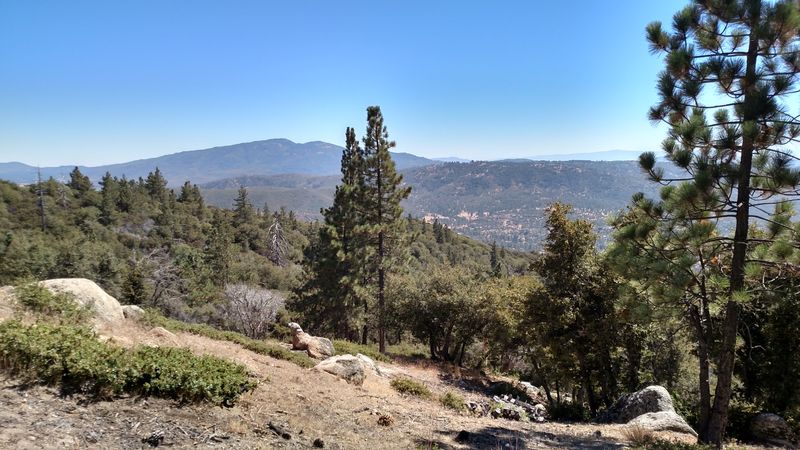
When Palm Springs bakes at 110 degrees in July, Idyllwild typically hovers in the mid-70s.
This temperature differential is not subtle—it’s the reason many desert residents maintain second homes here, and why weekend traffic up the mountain increases sharply as summer progresses.
The elevation and forest canopy work together to moderate heat, creating conditions that feel closer to the Pacific Northwest than to inland Southern California.
Evenings cool down quickly, often dipping into the 50s even during peak summer.
Mornings can be brisk enough to warrant a jacket, and afternoon thunderstorms are common in late summer, rolling in from the southeast and drenching the forest in brief, intense downpours.
This weather pattern supports a landscape that remains green well into autumn, a stark contrast to the parched valleys below.
Winter brings a different kind of appeal.
Snowfall transforms the town into a postcard scene, with frosted pines and wood smoke curling from chimneys.
The cold is real but manageable, rarely severe enough to isolate the community for long.
A Walkable Village Center With Local Shops And Cafés
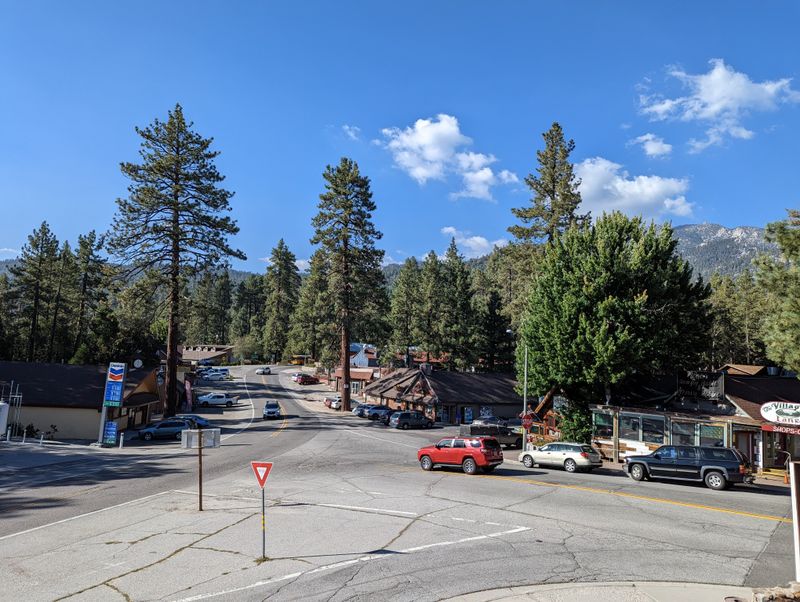
The heart of Idyllwild is compact enough to explore on foot in less than an hour.
North Circle Drive forms a loose loop through the commercial district, with shops, restaurants, and galleries clustered along both sides.
Sidewalks are uneven in places, and parking is tight, but the scale encourages strolling rather than driving from one errand to the next.
Cafés here serve the kind of coffee that locals debate with surprising intensity—espresso pulled from machines that have been in place for years, pastries baked on-site, and conversations that stretch long past the last sip.
Bookstores stock regional history and trail guides alongside fiction.
Gift shops lean toward handmade ceramics, woodwork, and photography rather than mass-produced souvenirs.
The village center also hosts a weekly farmers market during warmer months, where vendors sell honey, preserves, and organic produce grown in the surrounding foothills.
It’s a small affair, but it draws a steady crowd and reinforces the town’s preference for local goods over imported convenience.
Surrounded By National Forest And Endless Hiking Trails
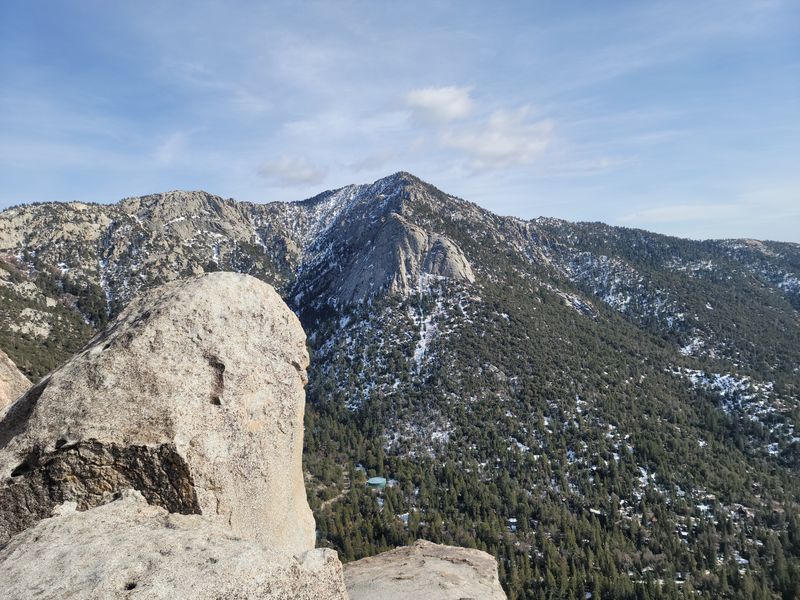
Idyllwild–Pine Cove is entirely enveloped by the San Bernardino National Forest, which means that wilderness begins where pavement ends.
Hundreds of miles of trails radiate from the town in every direction, ranging from easy nature walks to strenuous alpine ascents.
The Pacific Crest Trail passes within a few miles, and several feeder trails connect the town to this iconic long-distance route.
One of the most popular hikes leads to Tahquitz Peak, a 8,846-foot summit with panoramic views stretching from the Salton Sea to the San Gorgonio Wilderness.
The trail climbs steadily through mixed conifer forest, emerging above the treeline near the summit.
Another favorite, Suicide Rock, offers a shorter but equally rewarding scramble to a granite outcrop that overlooks the entire Idyllwild basin.
Trailheads are easy to reach, often located just off main roads or within walking distance of town.
Forest Service rangers maintain the trails, and local hiking groups organize regular outings.
The trails themselves are well-marked, though weather can change quickly at elevation, making preparation essential.
A Strong Arts And Music Scene For Such A Small Town
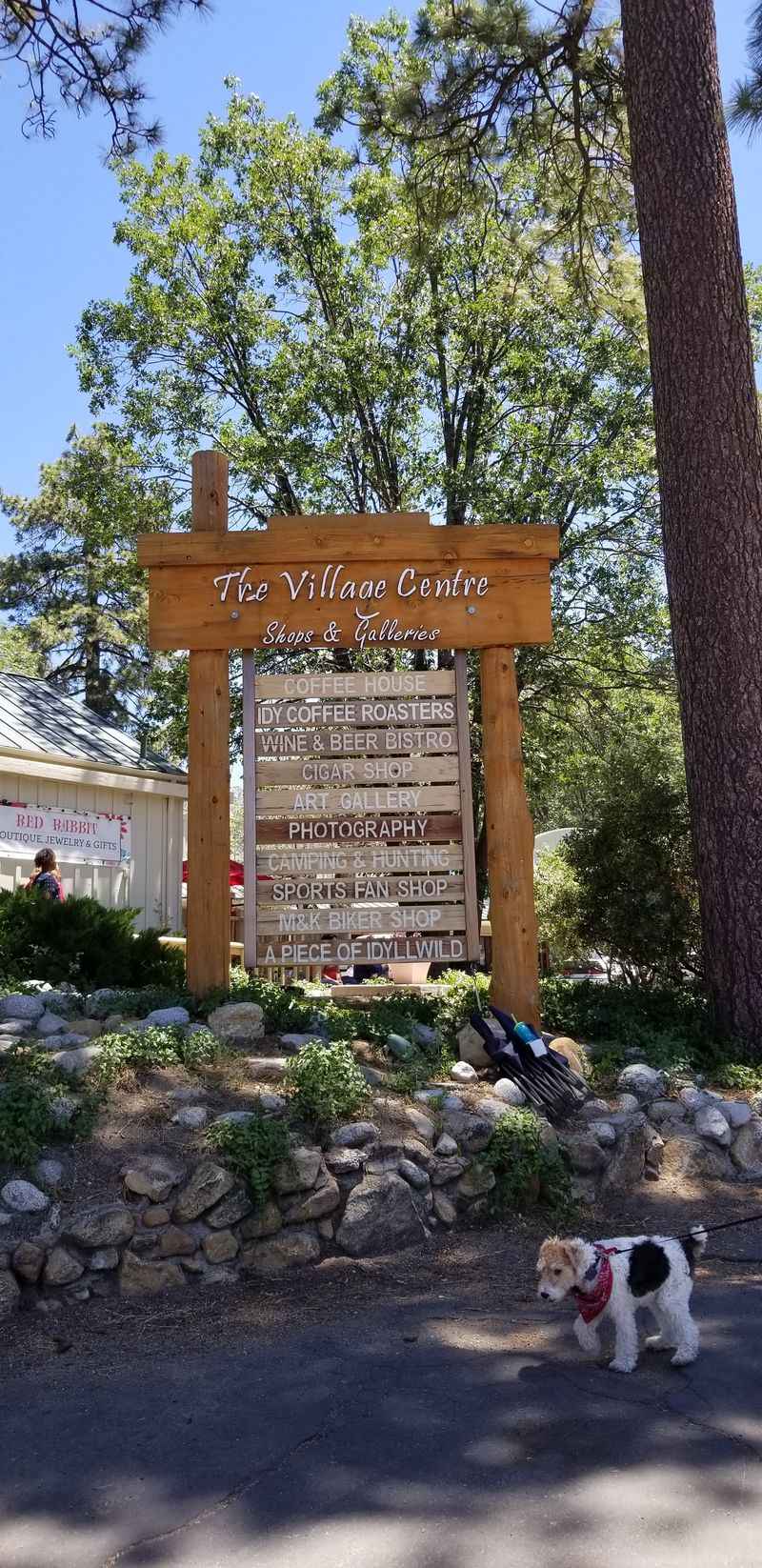
Idyllwild has cultivated an arts community that feels outsized for a town of fewer than 4,000 residents.
Galleries line the main streets, showcasing work by local painters, sculptors, and photographers, many of whom moved here specifically for the light, the solitude, and the creative community.
First Fridays bring crowds to openings and receptions, where wine flows and conversations about technique and inspiration unfold easily.
The Idyllwild Arts Academy, a boarding school for high school students focused on the arts, anchors much of this creative energy.
The campus includes performance halls, studios, and exhibition spaces that host concerts, theater productions, and artist residencies throughout the year.
Many events are open to the public, and locals attend regularly, blurring the line between school and community.
Music also thrives here, from folk and bluegrass jam sessions at local venues to the annual Idyllwild Jazz in the Pines festival, which has drawn musicians and audiences for decades.
The town’s acoustic environment—quiet, surrounded by forest—makes live music feel particularly resonant.
Minimal Chain Stores Help Preserve Its Local Character
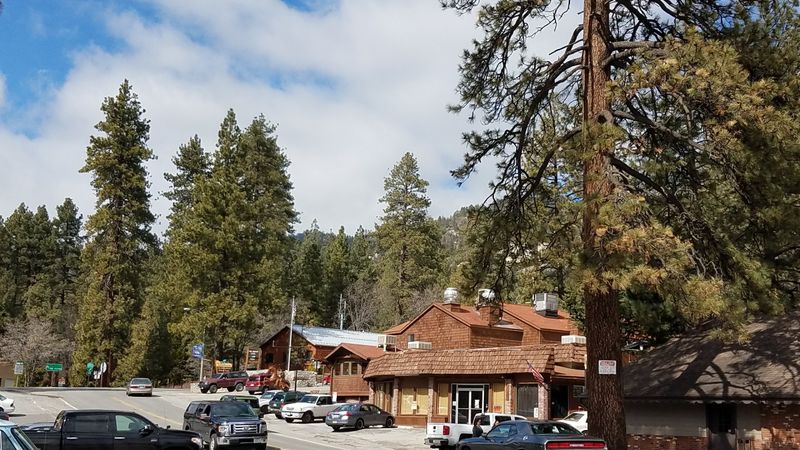
You won’t find a Starbucks, a Target, or a fast-food franchise in Idyllwild–Pine Cove.
The absence is not accidental.
Local zoning and community resistance have kept national chains at bay, preserving a commercial landscape dominated by independent businesses.
This creates an economic ecosystem where owners know their customers by name and where profits circulate within the community rather than flowing to distant corporate offices.
The town’s grocery stores, hardware shops, and restaurants are all locally owned.
Prices can be higher than in the valley below, a reflection of both transportation costs and the lack of bulk-buying power.
But residents accept this trade-off, viewing it as part of the cost of maintaining local character and supporting neighbors.
This independence extends to services as well.
The post office, the library, and the fire station are all staffed by people who live in town, and the sense of mutual reliance is palpable.
When a business closes, the community takes notice, and when a new one opens, it’s often a topic of conversation for weeks.
Wildlife Sightings Are Part Of Everyday Life
Black bears wander through backyards with enough regularity that residents keep bear-proof trash cans and avoid leaving pet food outdoors.
Sightings are frequent, especially in late summer when bears forage intensively before hibernation.
Most encounters are benign—bears are more interested in garbage and birdseed than in people—but the presence of large wildlife reminds residents that they share this landscape with species that were here long before the first cabin was built.
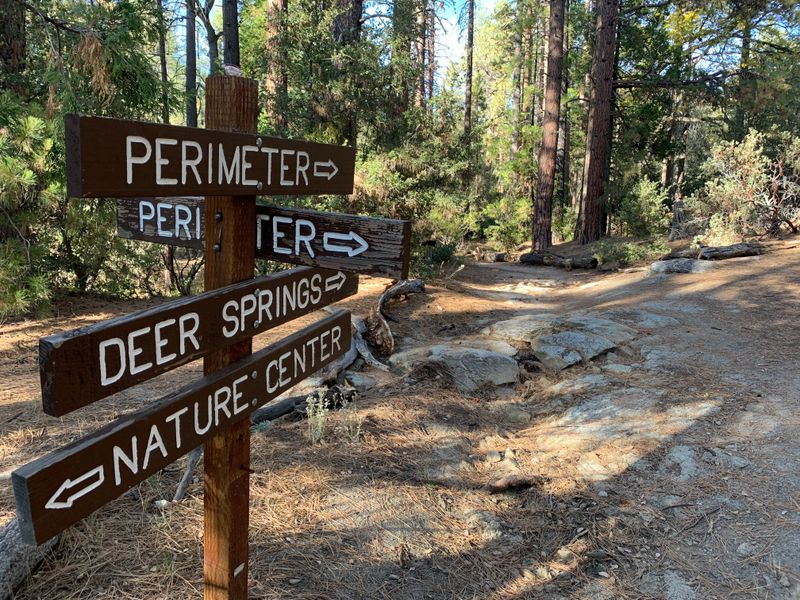
Deer graze in meadows and along roadsides, often in groups, and bobcats slip through the underbrush at dawn and dusk.
Coyotes howl at night, their calls echoing through the forest.
Bird activity is constant, with Steller’s jays, acorn woodpeckers, and mountain chickadees providing a soundtrack to daily life.
In winter, bald eagles occasionally pass through, and red-tailed hawks are a common sight overhead.
This proximity to wildlife shapes behavior.
People lock their doors not for security but to keep curious bears from wandering inside.
Gardens are fenced, and evening walks are taken with awareness rather than distraction.
Popular With Locals, Not Built For Mass Tourism
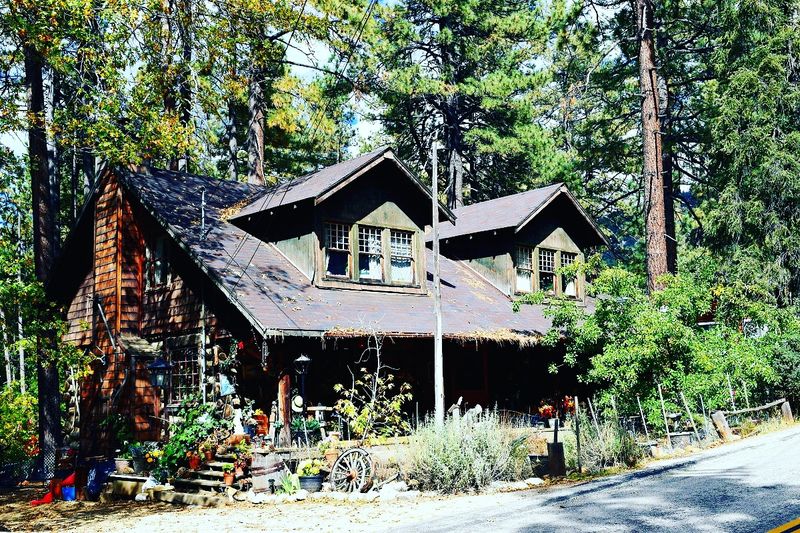
Idyllwild–Pine Cove functions primarily as a retreat for Southern California residents who know it exists and return regularly.
It’s not marketed aggressively, and it doesn’t appear on many tourist itineraries.
There are no tour buses, no influencer hotspots, and no viral Instagram locations that draw crowds.
What draws people instead is word of mouth—recommendations passed between friends, family traditions that span generations, and a reputation for being the kind of place that doesn’t change much.
Many visitors are repeat guests, returning to the same cabin or lodge year after year.
Some eventually buy property, joining a community that values continuity over novelty.
The town’s appeal lies not in what’s new but in what remains consistent: the trails, the trees, the pace.
This dynamic keeps visitor numbers manageable.
Weekends can be busy, particularly in summer and during fall foliage season, but the town never feels overrun.
The infrastructure simply doesn’t support mass tourism, and that limitation has become one of Idyllwild’s defining characteristics.
Peaceful Neighborhoods Designed Around Nature, Not Traffic
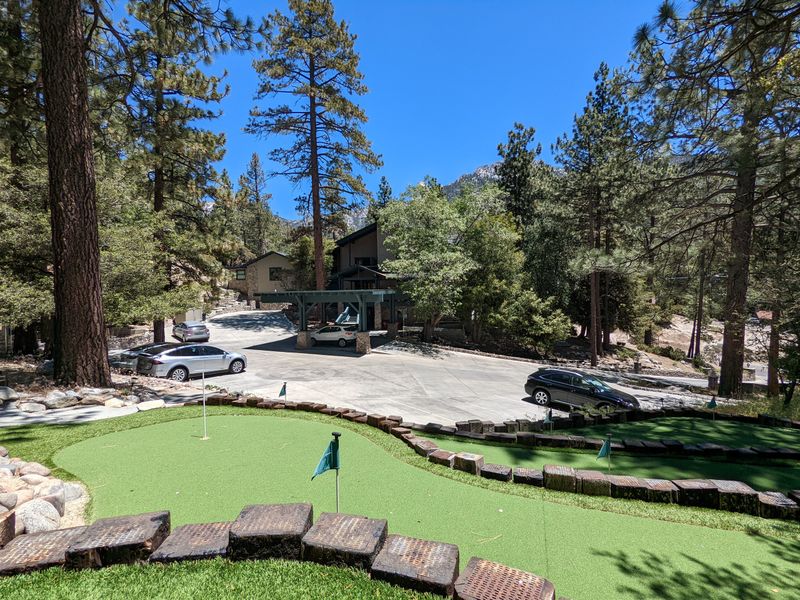
Residential streets in Idyllwild–Pine Cove meander through the forest rather than cutting through it.
Homes are set back from the road, often partially hidden by trees, and driveways are long and unpaved.
There are no sidewalks in most neighborhoods, no streetlights, and no curbs.
This lack of urban infrastructure creates a rhythm where walking, biking, and driving all happen slowly, with attention to surroundings rather than to destination.
Lot sizes vary, but most properties include enough land to maintain a buffer of forest between neighbors.
This spacing, combined with the natural soundproofing provided by trees, makes for a quiet living environment.
You might hear a dog bark or a woodpecker drilling, but you won’t hear traffic noise or the hum of nearby highways.
The town’s layout reflects a philosophy that prioritizes preservation over development.
New construction is carefully reviewed, and building codes emphasize fire safety and environmental sensitivity.
The result is a neighborhood fabric that feels woven into the landscape rather than imposed upon it.
A Place Where Mountain Living Still Feels Authentic
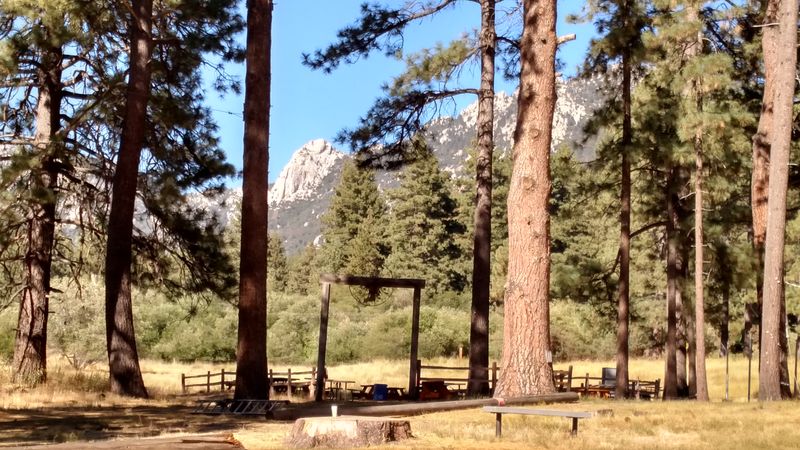
Authenticity is a term that gets overused in travel writing, but in Idyllwild–Pine Cove it applies without exaggeration.
The town has not been sanitized for tourism, nor has it been redesigned to fit a mountain-chic aesthetic.
Cabins are weathered, roads are narrow, and services are basic.
Power outages happen, especially in winter.
Cell service is spotty.
The grocery store runs out of certain items, and you learn to plan accordingly.
This rawness appeals to people who want mountain living without the gloss.
There’s no pretense here, no performance of rusticity.
People chop their own firewood, clear snow from their driveways, and deal with the realities of living at elevation in a forested environment.
The town’s character emerges from necessity rather than design.
What makes Idyllwild feel authentic is the absence of marketing.
It doesn’t try to sell itself, and it doesn’t apologize for its limitations.
You either appreciate what it offers, or you move on.
That straightforwardness, more than any single feature, defines the place.