
This Low-Key Georgia Eatery Is All About Classic Italian Cooking
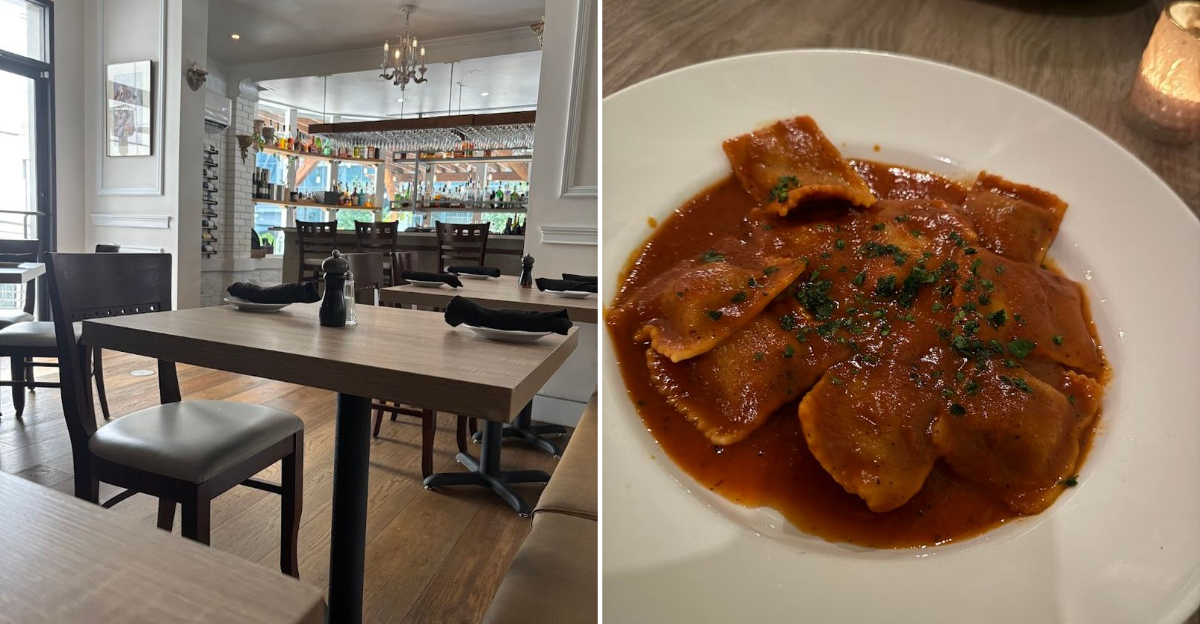
When Italians open a restaurant, you sense right away that something special is taking shape. There is a quiet confidence behind it, built on tradition, patience, and pride.
This community has rooted itself deeply across America, even in places like the state of Georgia. Their dedication does not go unnoticed, it lives in every detail, every plate, every flavor that reaches the table.
This restaurant offers a rich spread of Italian dishes, crafted with care and intention. It feels as if you have been transported to the heart of Italy, surrounded by warmth, aroma, and timeless recipes that speak for themselves.
Handmade Techniques For The Perfect Bite
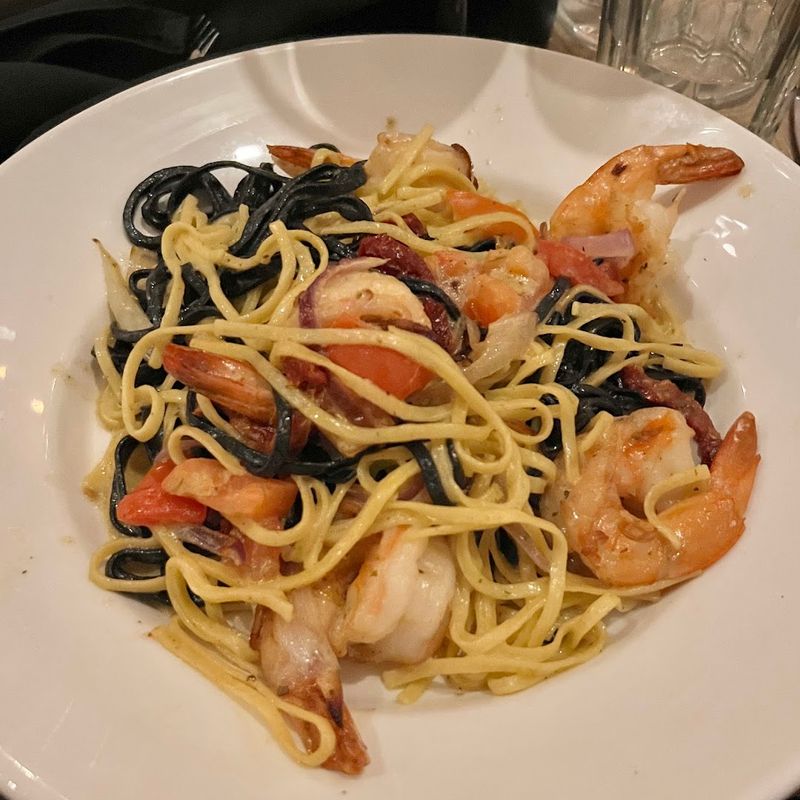
Handmade pasta in Georgia is not a marketing trick. It is the whole point.
Every strand and sheet starts from scratch, shaped by hand using methods passed down through Italian culinary tradition. You can actually taste the difference the moment it hits your tongue.
Machine-made pasta at Pasta da Pulcinella has a uniform texture that feels a little too perfect. Handmade pasta has a slight roughness that grabs onto sauce in the best possible way.
That texture is not an accident. It is the result of knowing exactly how to work the dough.
The kitchen at 1100 W Peachtree St NW, Atlanta, GA 30309, takes this seriously. Rolling, folding, and cutting are done with patience, not shortcuts.
Each shape is chosen to match a specific sauce, because the pairing matters more than most people realize. A wide pappardelle holds a rich ragu differently than a thin spaghetti would.
These small decisions add up to a plate that feels intentional from start to finish. If you have ever wondered why some pasta dishes just hit differently, the handmade technique is usually the answer.
Seasonal Ingredients That Elevate Italian Classics
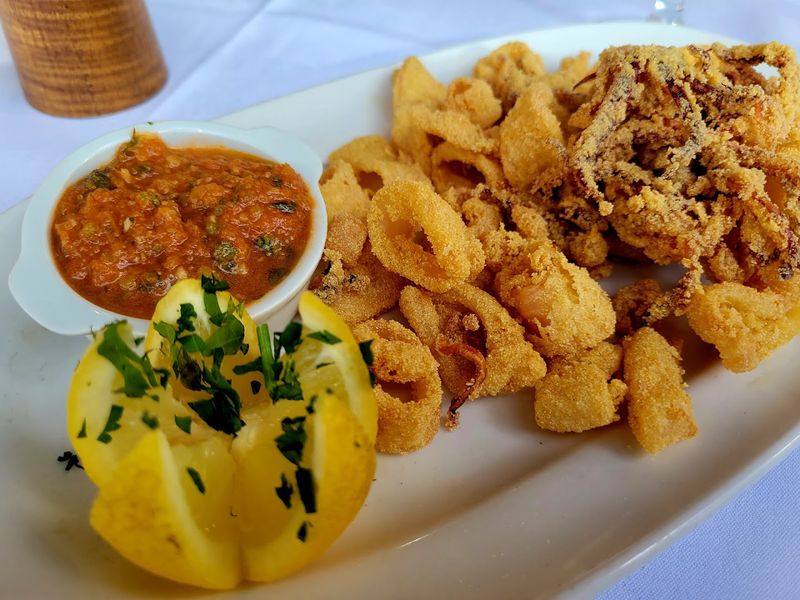
Seasonal cooking is one of those ideas that sounds fancy but is actually pretty simple. You use what is fresh right now, not what has been sitting in a warehouse for three weeks.
Pasta da Pulcinella follows this logic with real commitment, and you can taste it in every dish.
When tomatoes are at peak ripeness in summer, the sauces are brighter and more alive. When hearty greens come in during cooler months, they show up on the plate in ways that feel warm and grounding.
The menu shifts to reflect what is actually good, not just what is convenient.
This approach keeps the food honest. There is no hiding behind heavy seasoning when your ingredients are already doing the work.
Classic Italian cooking has always leaned on this idea. The original Italian cooks were not working with imported goods flown in from across the world.
They cooked with what the land gave them that week. Pasta da Pulcinella carries that spirit into Atlanta, bringing a very old way of thinking into a modern dining room.
Eating here feels connected to something real and rooted.
Traditional Sauces And Their Unique Flavor Profiles
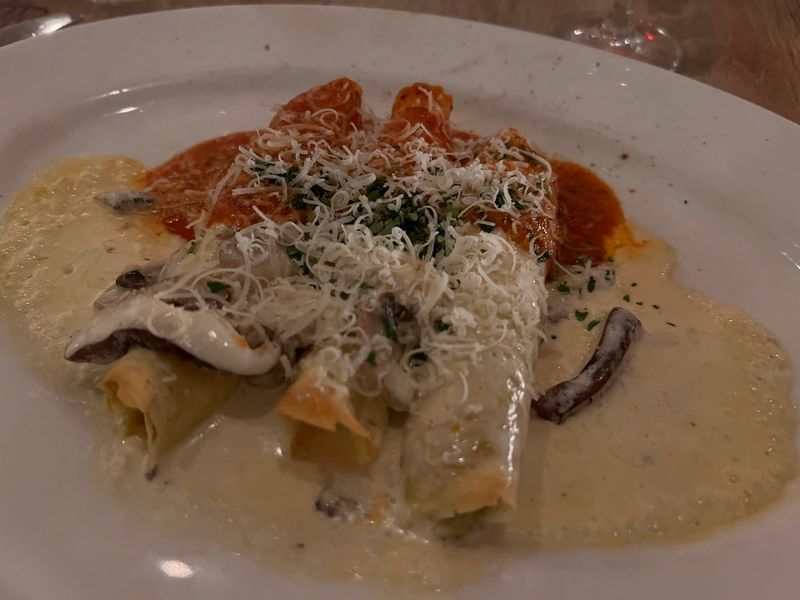
Italian sauces are not all the same, and Pasta da Pulcinella makes sure you know the difference. Each sauce on the menu has its own personality.
Some are bright and acidic, built on crushed San Marzano tomatoes. Others are slow-cooked and deep, layered with umami from hours on the stove.
A classic pomodoro is simple but unforgiving. If the tomatoes are not right, the whole sauce falls flat.
A bolognese needs time. Rush it, and it tastes like ground meat in tomato water.
Do it right, and it becomes something almost magical. The kitchen here does not rush.
There is also the cacio e pepe approach, where the sauce is just pasta water, cheese, and pepper working together in perfect harmony. No tomatoes, no cream.
Just technique and trust. Each sauce style at Pasta da Pulcinella reflects a different region of Italy, bringing geographic variety to a single menu.
Trying different dishes here is like taking a short culinary tour across the Italian peninsula without ever leaving Atlanta. Every bowl tells a story about where it came from and why it has lasted for generations.
Drink Pairings That Complement Italian Dishes
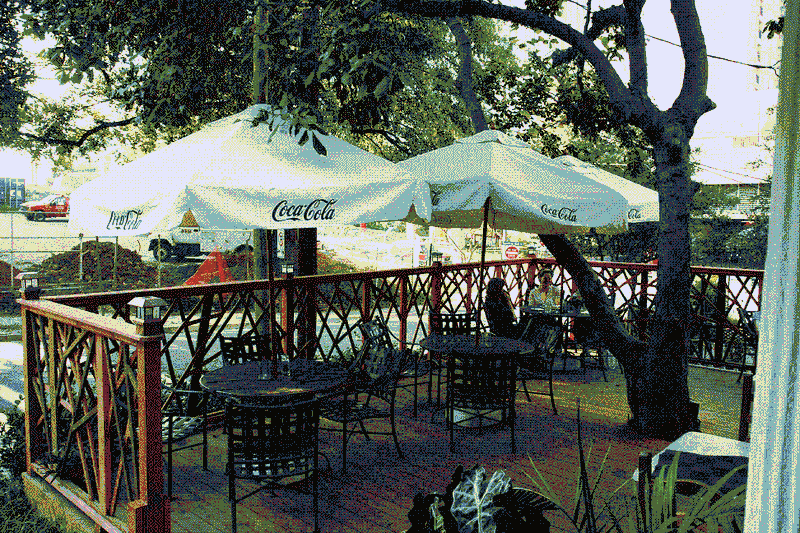
Pairing the right drink with Italian food makes the whole meal click into place. At Pasta da Pulcinella, non-alcoholic options are thoughtful and well-matched to the food.
A bright, citrusy Italian soda cuts through a rich cream sauce beautifully. Sparkling water with lemon keeps the palate clean between bites.
Housemade lemonades and herbal sodas are worth exploring here. They are refreshing without being sweet to the point of distraction.
When you are eating something bold and savory, you want a drink that resets your taste buds, not one that competes with the food for attention.
Cold brew coffee or an espresso at the end of a meal is a classic Italian move. It signals that the meal is wrapping up and gives you that final satisfying note to close on.
Italians have been doing this forever, and it works every single time. The key is balance.
Your drink should support the dish, not overpower it. Think about acidity, sweetness, and temperature as tools.
Pasta da Pulcinella gives you enough variety to experiment and find what works best for your palate on any given visit.
The History Behind Rustic Italian Recipes
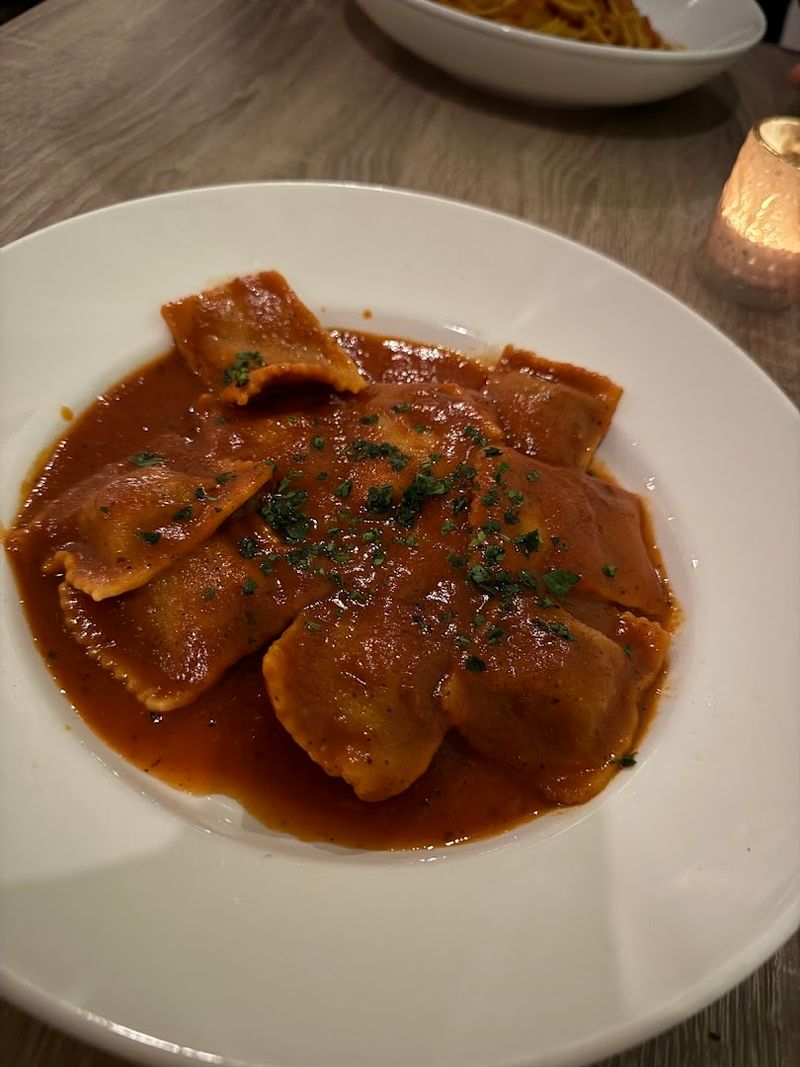
Rustic Italian cooking did not come from fancy restaurants. It came from farmhouses, grandmothers, and people who had to make something incredible out of very little.
Pasta da Pulcinella draws from that tradition, and it shows in every dish that comes out of the kitchen.
Many of the recipes on the menu trace back to Southern Italy, where cucina povera, meaning poor kitchen cooking, turned humble ingredients into legendary dishes. Stale bread became panzanella.
Leftover pasta became frittata di pasta. Nothing was wasted, and everything was delicious.
This history matters because it explains why the food feels so grounded. There is no pretension here.
The recipes were built for real people who were hungry after long days of work. That practicality is baked into the flavor.
When you eat at Pasta da Pulcinella, you are not just having dinner. You are connecting to a long line of cooks who figured out how to feed people with heart and creativity.
Atlanta gets a direct link to that culinary heritage every time this kitchen opens its doors and starts the stoves. History has never tasted this good.
Creating Cozy Ambiance With Italian Decor
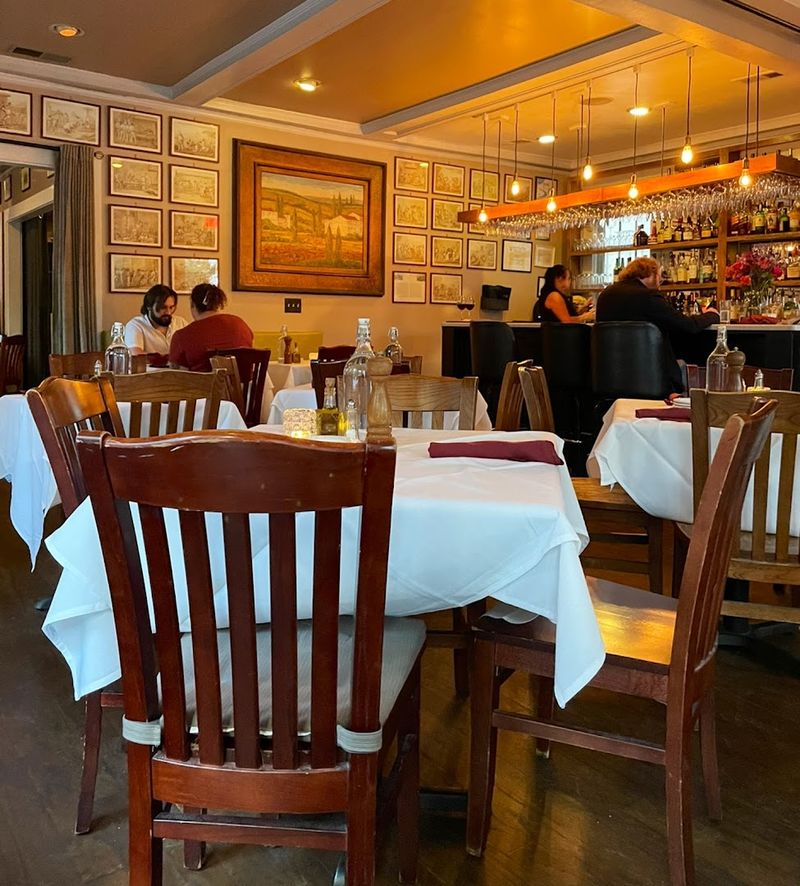
Entering Pasta da Pulcinella feels like someone actually thought about how you would feel once you sat down. The decor is not overdone.
It leans into classic Italian trattoria vibes without going full tourist-trap stereotype. Warm lighting does a lot of heavy lifting here.
Small tables, close seating, and soft background noise create a space that feels alive but not chaotic. You can actually hold a conversation without shouting across the table, which is rarer than it should be in Atlanta dining.
The details matter. Checkered accents, simple table settings, and a relaxed layout all signal that this is a place meant for lingering over food.
Italian decor traditions are rooted in hospitality. The goal was always to make guests feel at home, not impressed.
There is a big difference between those two things. Pasta da Pulcinella nails the at-home feeling.
You settle in quickly, the tension of the day starts to drop, and suddenly, all you care about is what is coming out of the kitchen next. Good ambiance is not just aesthetics.
It is the invisible ingredient that makes a meal feel complete from the moment you arrive.
The Role Of Fresh Herbs In Enhancing Taste
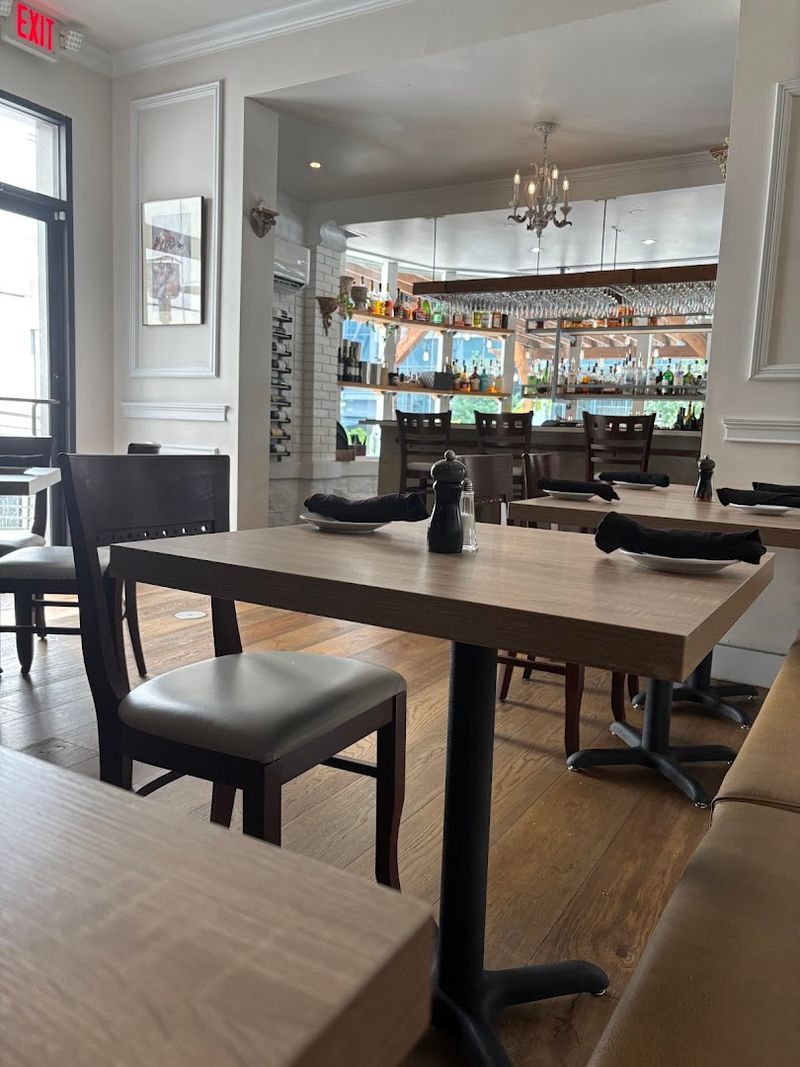
Fresh herbs are the quiet heroes of Italian cooking. Basil, rosemary, thyme, oregano, and flat-leaf parsley each bring something specific to the table.
Pasta da Pulcinella uses them generously, and you notice immediately. A dish with fresh basil on top smells different before you even take a bite.
Dried herbs have their place, but fresh ones add a brightness that dried simply cannot replicate. Fresh oregano on a tomato sauce tastes green and lively.
Dried oregano tastes earthy and warm. Both are useful, but knowing when to use which one is a real skill.
This kitchen gets that distinction right.
Rosemary on roasted elements adds a woodsy depth that feels very Italian countryside. Parsley at the end of a dish lifts everything and adds a clean finish.
These are not decorations. They are functional flavor tools that change the entire character of a dish.
Italian cooks have known this for centuries. The herb garden was as important as the pantry.
At Pasta da Pulcinella, that philosophy is alive and well. Every plate arrives with herbal notes that remind you just how much flavor nature provides when you pay attention to it.
Desserts That Capture The Essence Of Italy
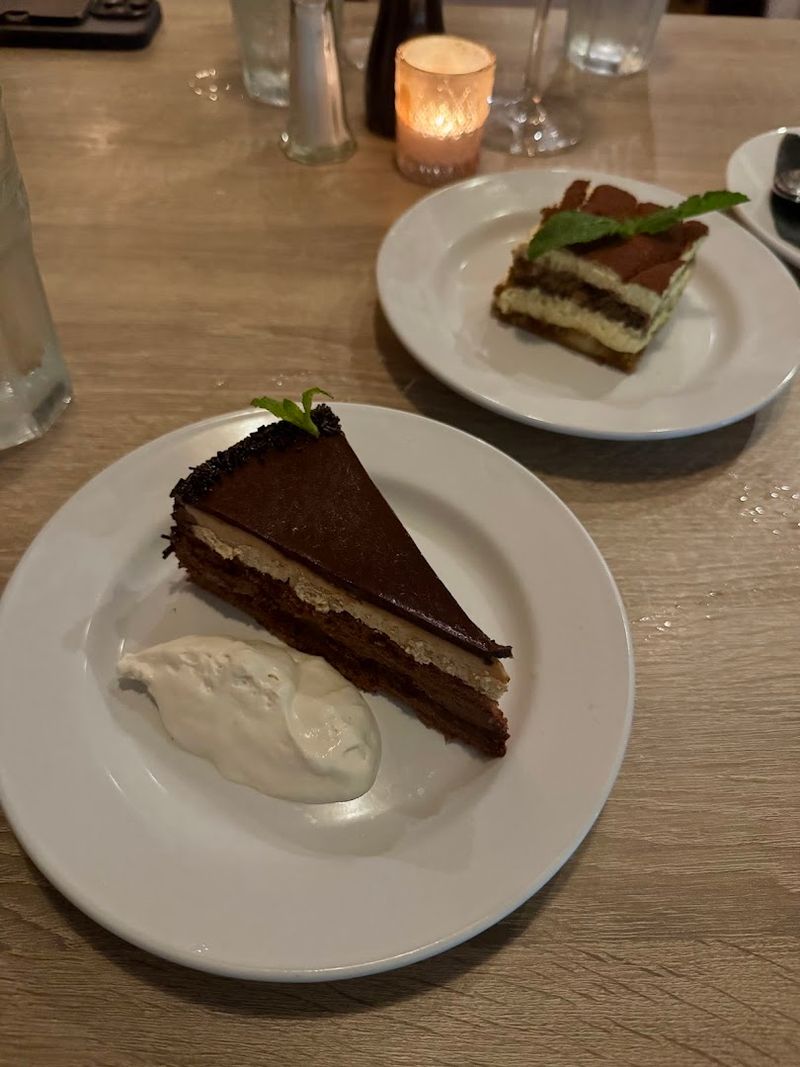
Italian desserts are not trying to be the loudest thing on the table. They are confident, restrained, and deeply satisfying.
Pasta da Pulcinella closes the meal the same way a great Italian grandmother would. With something sweet that does not overwhelm but lingers in the best way.
Tiramisu is the crowd favorite for a reason. Layers of espresso-soaked ladyfingers and mascarpone cream create something that is simultaneously light and rich.
Every bite feels like a reward for finishing your pasta. Panna cotta, when done right, is one of the most elegant things a kitchen can produce.
Silky, barely sweet, and finished with something bright like berry compote or citrus.
Italian desserts have centuries of history behind them. They were designed to complement a meal, not compete with it.
The sugar levels are lower than those of American desserts by design. The focus is on texture and quality ingredients rather than sweetness alone.
Ending a meal at Pasta da Pulcinella with one of these desserts feels like a natural full stop to the whole experience. You leave satisfied but not stuffed, happy but not in a sugar coma.
That balance is very much the Italian way.