
This Magical Tennessee River Walk Has A Fairy Village Along The Trail
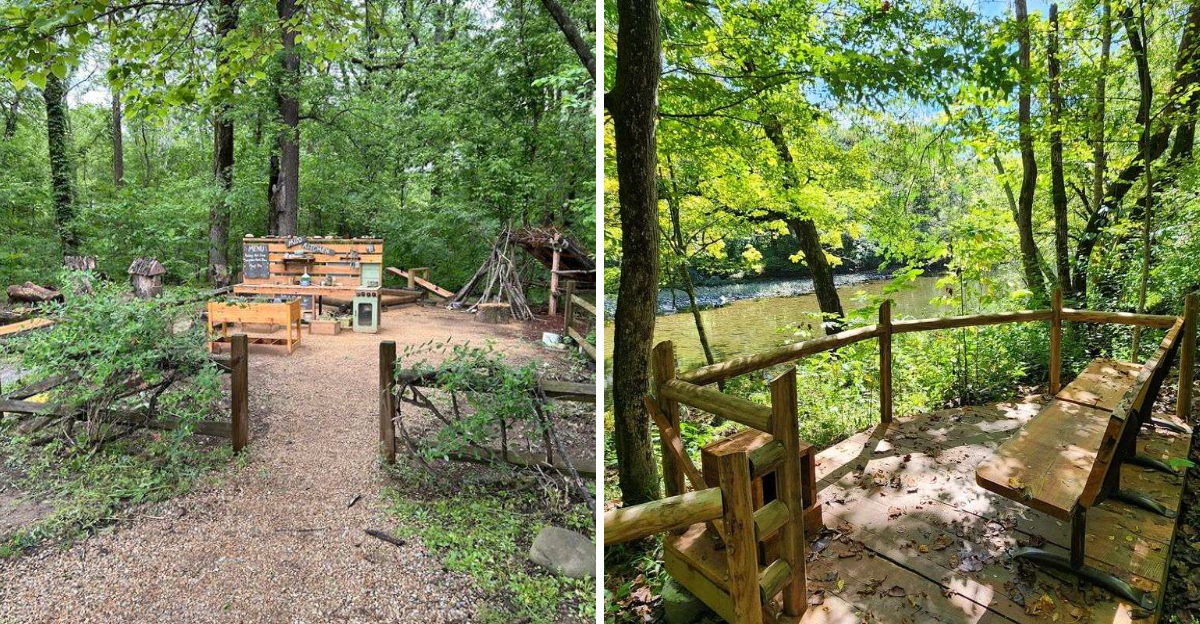
Tennessee can turn a simple riverside stroll into something that feels almost make believe.
One minute, you are following the water and enjoying an easy trail. The next, tiny doors, little houses, and playful details start appearing like the forest has been keeping a secret just for you.
Who would expect a fairy village to show up during a peaceful walk? That surprise is exactly what makes this place so charming.
Kids will want to stop every few steps. Adults might pretend they are only taking photos for the kids, but nobody is really fooled.
The river adds calm, the trees add shade, and the small handmade touches give the whole walk a storybook mood.
It is short, sweet, and easy to love. Tennessee has many scenic trails, but this one brings a little magic along for the walk.
A Gentle Invitation To The Natural World
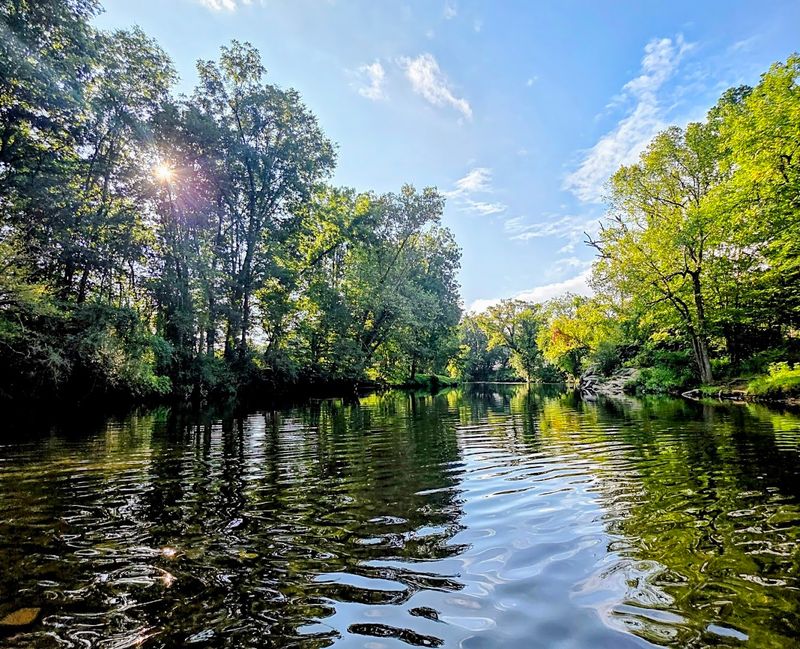
Before you ever spot a fairy door or read a tree sign, the trail itself sets the tone. This river walk opens quietly, without fanfare, and that restraint is part of its appeal.
A well-maintained path winds alongside the Little River, offering clear sightlines to the water and a canopy of trees that keeps the air noticeably cooler.
This is a nature learning park, which means the experience goes a step beyond a standard stroll. Visitors encounter designated garden zones, pollinator beds, and interpretive signage that makes the surroundings feel informative rather than passive.
You are not just passing through a landscape – you are reading it.
The park is freely accessible to the public and open around the clock, every day of the week.
Parking is most convenient at the Campground United Methodist Church across the road, and a pedestrian underpass beneath the main highway provides safe access to the trail.
For families, first-time visitors, or anyone seeking a low-effort outdoor experience with genuine substance, this is an ideal starting point in the Townsend area.
The Whispering Trail And Its Miniature Dwellings
Somewhere along the path, the walk shifts from pleasant to genuinely enchanting.
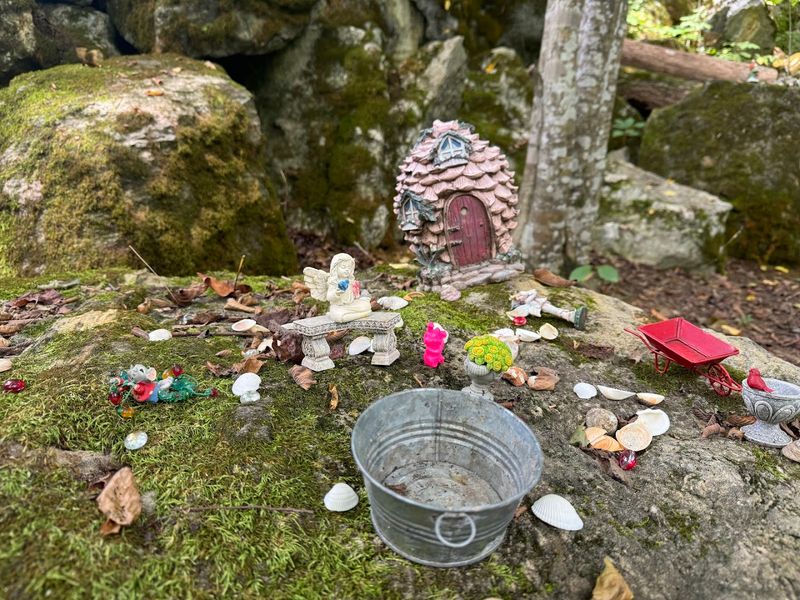
Small structures appear among the roots and stones – miniature houses, tiny doors, and carefully arranged scenes that form what the park calls the Faerie Village.
The installations are charming without being overdone, and they carry the kind of craftsmanship that suggests real affection went into their placement.
Children slow down here instinctively. Adults do too, though they may not admit it as quickly.
The fairy garden sits within the broader Children’s Discovery Garden section of the trail, making it a focal point of the imaginative experience the park offers.
One visitor famously suggested bringing a small gnome to add to the display, and that spirit of playful participation feels entirely appropriate.
What makes the Faerie Village work is its scale. Nothing is oversized or theatrical.
The tiny dwellings feel organic to their surroundings, as though they grew from the landscape rather than being placed on top of it.
For a trail that also functions as an arboretum and nature education space, this touch of whimsy creates a memorable contrast that elevates the entire experience considerably.
An Arboretum’s Flourishing Collection
The Townsend River Walk earned its certification as a Tennessee Arboretum in 2011, a recognition that was renewed in both 2016 and 2021.
That sustained commitment to botanical standards reflects the ongoing care that volunteers and organizers have invested in the property over more than a decade.
Certification is not handed out casually, and maintaining it requires consistent effort.
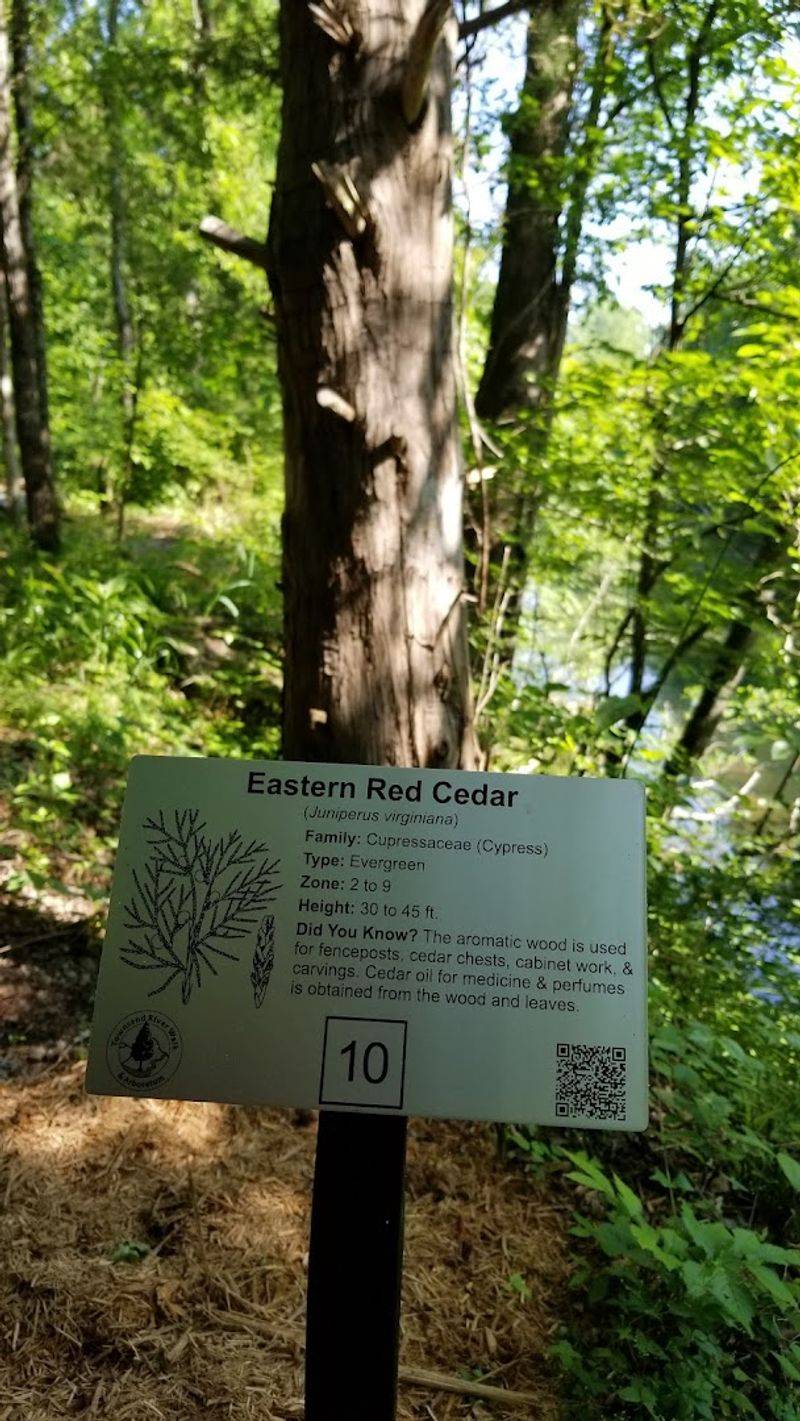
Currently, the arboretum features 49 signed trees, with two additional plantings planned for 2026. Each tree sign includes a QR code that visitors can scan with a mobile device to access detailed information about that specific species.
It is a practical, modern touch that transforms an ordinary walk into an interactive learning session without requiring a guide or printed materials.
The tree collection represents a thoughtful selection of species suited to the region, and walking through the arboretum section gives visitors a genuine sense of the botanical diversity that defines East Tennessee’s landscape.
Whether you are a seasoned naturalist or someone who simply enjoys knowing the name of the tree casting shade overhead, the signed collection offers something useful and satisfying.
The combination of education and atmosphere at 7447 E Lamar Alexander Pkwy in Townsend is unusually well balanced for a free public space.
Playful Discoveries In The Children’s Garden
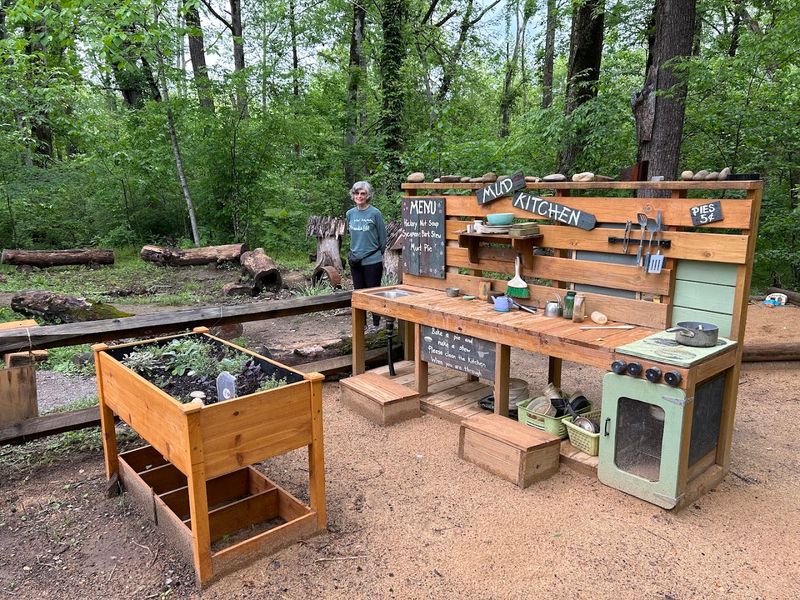
The Children’s Discovery Garden is the kind of outdoor space that earns repeat visits.
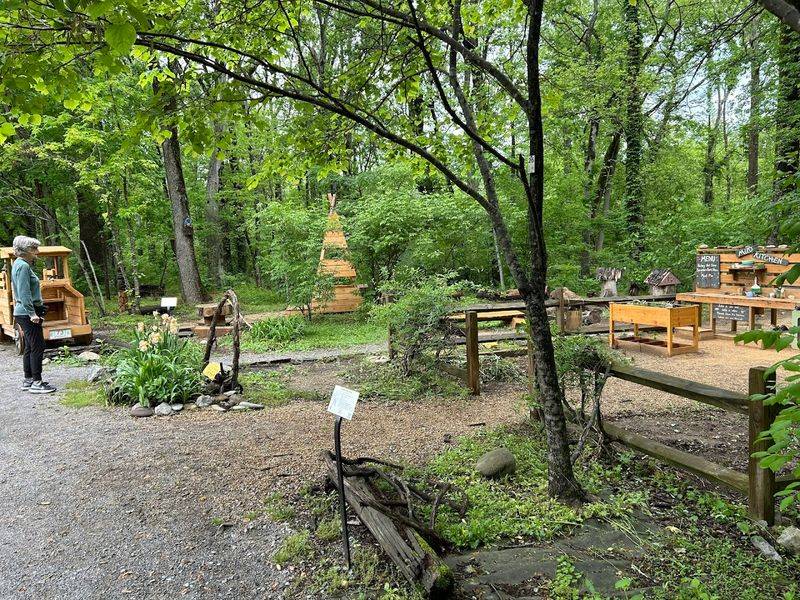
Beyond the Faerie Village, the area includes a Mud Pie Kitchen, a Build-a-Shelter zone, a See Saw, and a collection of wooden play structures built with obvious intentionality.
Among the standout pieces are a vintage-style 1973 Wooden Play Truck and a Hand Carved Bear, both crafted from wood sourced directly from the surrounding area.
Parents who have visited note that the play area strikes a balance most outdoor installations miss – it is open-ended enough to encourage imagination, yet structured enough to feel purposeful.
Children are not handed a script for how to play here. The space invites them to build, explore, dig, and invent their own games without electronic prompts or rigid equipment.
Looking ahead, an Outdoor Nature Learning and Storytelling Center is planned for 2026, which will include a dedicated library and seating area.
That expansion suggests the people behind this project understand that the garden is more than a playground – it is a learning environment.
For families visiting the Townsend area, the Children’s Discovery Garden alone is worth planning extra time into your itinerary.
Echoes Of History Along The Little River
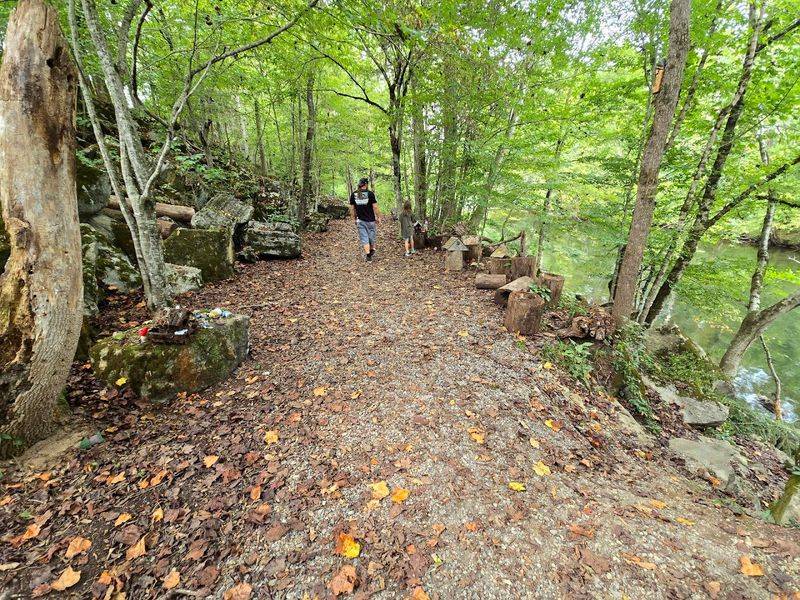
The ground beneath your feet on this trail has a longer story than it first appears.
The Townsend River Walk follows what was once an abandoned segment of old Highway 73, which itself was built on an even older railroad bed.
That layered history gives the path a sense of continuity. Generations of people moved through this corridor for very different reasons, and now it serves as a place for leisure and learning.
The Little River runs alongside much of the route, and its presence is constant without being overwhelming.
The water provides a natural soundtrack and a visual anchor that prevents the walk from feeling enclosed despite the tree cover.
Several seating areas positioned near the riverbank invite visitors to pause and simply watch the current move past.
Robert and Elaine Russell are credited with conceiving and establishing the original River Walk, transforming a neglected stretch of old pavement into a community asset.
Their vision shaped not just the path itself but the philosophy behind it, that a place can serve both ecological restoration and public enjoyment simultaneously.
Understanding that history adds a layer of appreciation that makes the walk feel less like a casual outing and more like participation in something ongoing.
Cultivating Beauty Through Native Plantings
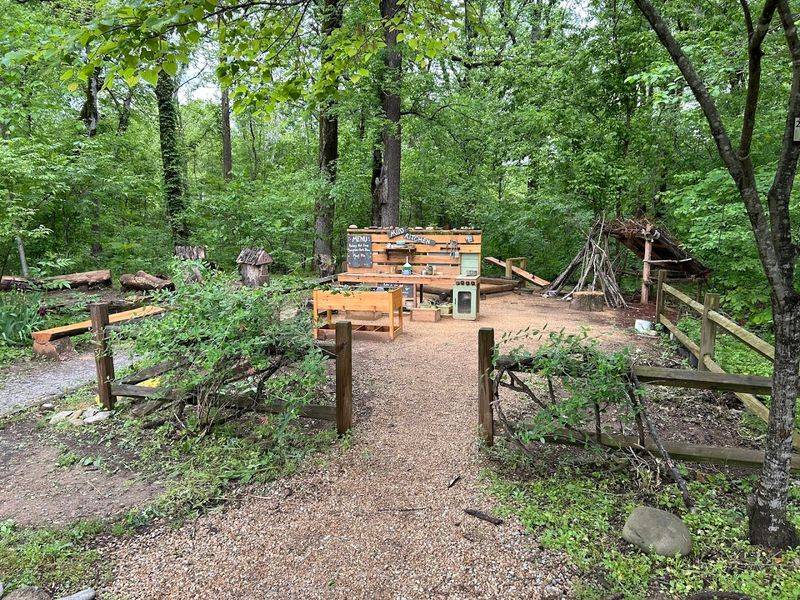
One of the quieter achievements of the Townsend River Walk is its approach to landscaping.
Rather than importing ornamental species for visual effect, the organizers have focused on removing invasive plants and replacing them with flora native to the region.
The result is a garden that feels coherent and ecologically honest rather than artificially curated.
Among the plantings you will encounter are various ferns, coneflowers, cardinal flowers, and a particularly striking collection of Gregory Bald flame azaleas.
The azaleas, known for their vivid orange and red blooms, are among the most visually dramatic native plants in the Southern Appalachian region.
Seeing them along a public walking trail rather than behind the gates of a botanical garden feels like a genuine gift.
The pollinator gardens woven throughout the property serve a practical ecological purpose beyond aesthetics.
They attract bees, butterflies, and hummingbirds, which means the trail offers wildlife observation opportunities that vary by season and time of day.
For visitors who enjoy photography or birdwatching, these plantings create natural focal points along the route.
The commitment to native species also means the garden improves over time, becoming more established and diverse with each passing year.
Thoughtful Design For Serene Exploration
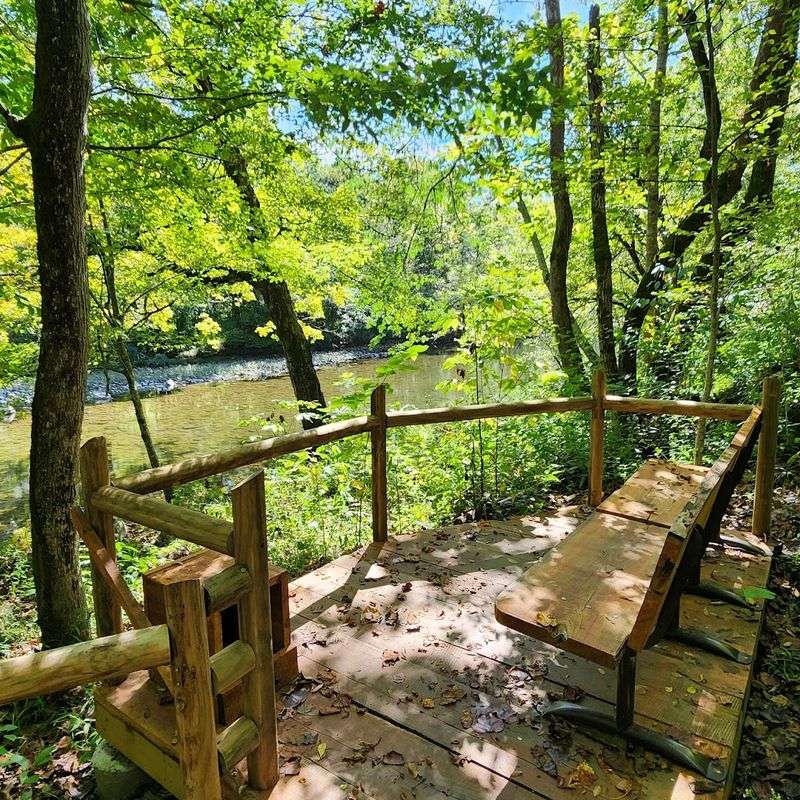
Good trail design is invisible when it works well.
At the Townsend River Walk, the layout feels intuitive – paths connect without confusion, seating appears where you actually want to rest, and the flow between different sections of the park feels unhurried and logical.
That kind of spatial thinking does not happen accidentally; it reflects deliberate planning by people who understand how visitors move through outdoor spaces.
The northern end of the trail is handicap accessible, which broadens the range of visitors who can enjoy the full experience.
Multiple entry points along the route also mean that visitors can tailor the length of their walk to suit their energy or time constraints.
The trail does not demand a full commitment to offer something worthwhile.
A pedestrian underpass beneath the main highway connects the parking area at Campground United Methodist Church to the trail safely, eliminating the need to cross a four-lane road.
That detail matters more than it might seem. It makes the park genuinely family-friendly rather than just nominally so.
The park is open 24 hours a day, seven days a week, which means early morning visits before the summer heat builds are entirely possible and, by most accounts, especially rewarding.
The Visionary Spirits Behind The Path
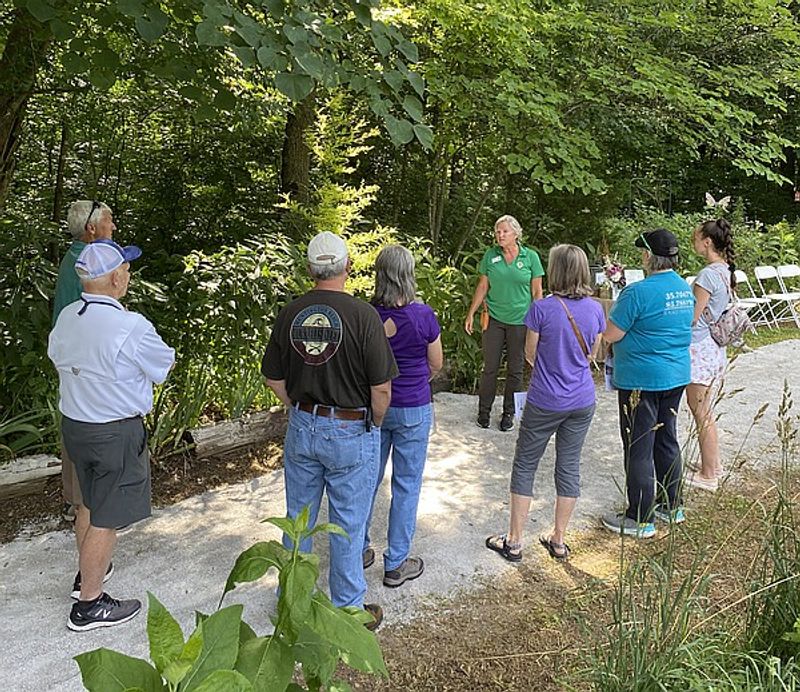
Public spaces of this quality rarely sustain themselves. Behind the Townsend River Walk & Arboretum is a community of volunteers whose ongoing labor keeps the trail clean, informative, and continually improving.
Visitors who spend time here often remark on how well-maintained the path is, and that maintenance is not the work of a municipal department. It reflects personal investment by individuals who care about the place.
Robert and Elaine Russell, the founders of the original River Walk, established a model of civic creativity that others have built upon.
The Children’s Discovery Garden, for instance, was developed by dedicated volunteers who used locally sourced wood and hands-on construction to create play structures with real character.
Meeting those volunteers on the trail, as some visitors have reported, reveals the depth of commitment that drives the project forward.
Plans for 2026, including the Outdoor Nature Learning and Storytelling Center and two additional arboretum tree plantings, suggest that the vision behind the Townsend River Walk remains active and ambitious.
This is not a finished project being maintained in amber. It is a living space, growing and adapting in response to the community it serves.
That ongoing energy is perhaps the most compelling thing about it.
Seasonal Transformations On Display
A trail this ecologically varied does not look the same in April as it does in October, and that variability is one of its underappreciated strengths.
The Gregory Bald flame azaleas draw visitors during their spring bloom cycle, when the trail takes on a warmth of color that feels almost theatrical against the surrounding green.
Later in the season, the wildflower beds shift through their own sequence of blooms as coneflowers and cardinal flowers come into their own.
Autumn brings a different kind of spectacle. The arboretum’s 49 signed trees include species that produce notable fall color, and walking beneath a canopy in transition offers one of the more satisfying sensory experiences the trail provides.
The Little River, visible throughout the walk, reflects seasonal changes in light and water level that alter the atmosphere of the route in subtle but meaningful ways.
Winter visits are quieter and less populated, which has its own appeal for those who prefer solitude over spectacle.
The bare trees make the trail’s structure more visible, and the absence of foliage reveals perspectives that remain hidden during the growing season.
Returning across different seasons is the surest way to understand what the Townsend River Walk & Arboretum actually offers in full and it offers quite a lot.