
This Maryland Coastal Bay Was Once A Swimmer’s Paradise, But Now Jellyfish Fill The Water
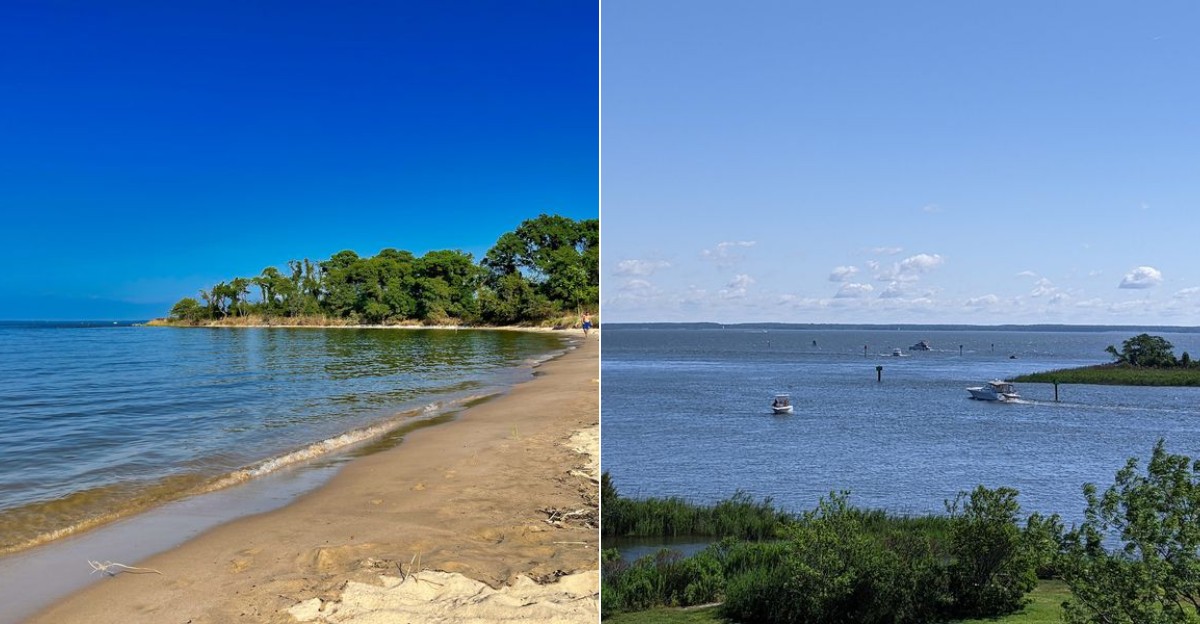
Cool water once meant something different on this stretch of coast. People waded straight across a narrow channel here long before bridges ever existed.
Kids learned to swim just steps from shore for generations. Ever imagined crossing open water on foot, shoes dangling from your hand?
Warmer summers and saltier water changed the whole equation. Pale jellyfish now crowd the shallows exactly when swimmers used to show up.
The good news never left, though. Boats still crowd the channel, and crab houses still fill their decks every warm evening.
Paddlers glide through marshes thick with herons and ospreys instead. Trails stretch for miles and sunsets turn the whole sky orange and pink.
Maryland traded one kind of fun for another here, not lost it.
A Colonial Nickname Says Everything
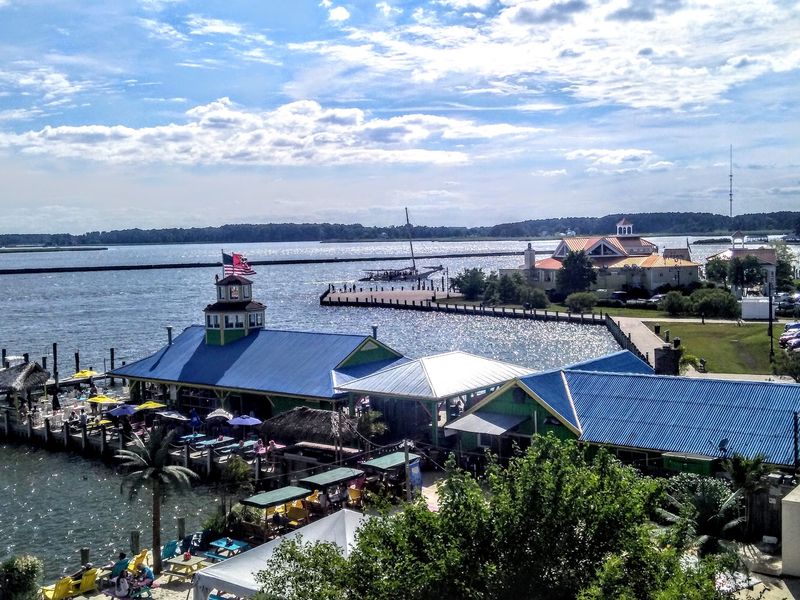
Colonial travelers once called this shallow crossing The Wading Place, and the nickname was literal. Horses and people could splash straight across the channel when the tide dropped low.
Today that same stretch of Maryland water is known as Kent Narrows.
The Narrows is a slim ribbon of water linking the Chester River with Eastern Bay. It slices between Kent Island and the rest of the Delmarva Peninsula.
Bridges now carry traffic over the spot where boots used to get wet.
For generations, families waded, floated, and cooled off here on hot afternoons. Kids learned to swim in water barely deeper than a bathtub.
Watermen worked crab lines a few feet away.
Things look different now. Boat traffic owns the main channel, and swarms of jellyfish crowd the warm summer shallows.
Swimming has quietly slipped off the list of things people do here.
Does that make the place less interesting? Not even close.
The history feels closer when you stand on the shoreline and picture wagons rolling through the shallows.
Can you imagine crossing a bay channel on foot with your shoes in your hand?
Bring a camera, because the view from the walkways is wide open. Morning light turns the water silver, and workboats leave long wakes behind them.
Locals still point out the old crossing. The wading days are gone, but the story still floats around every piling.
Meet The Bay’s Stinging Locals
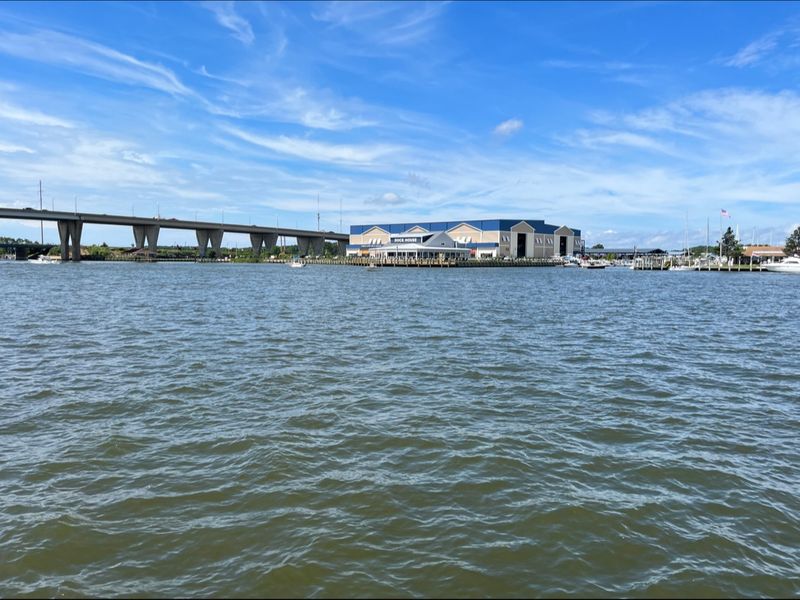
Sea nettles are the summer celebrities nobody asked for. Their bells look milky white and round, like small floating plates, with tentacles trailing far behind.
From May through October they drift thick through Maryland’s middle bay waters.
A nettle sting arrives sharply and leaves a red welt. It hurts, though it is not dangerous for most people.
Rinsing the spot with vinegar or salt water helps calm the burn.
Moon jellyfish also show up, and they are the giants of the group. Some grow ten to twelve inches across, with hundreds of tiny tentacles fringing the rim.
Their sting is mild, so most swimmers barely notice them.
Then there is the lion’s mane, a cold weather visitor with an orange-brown bell. It prefers the months between late November and March.
Its sting packs a punch, but it is not a threat to your life.
Ever tried counting jellyfish from a dock and lost track after twenty?
Watching them is honestly hypnotic. They pulse, pause, and glide with zero effort, riding the current wherever it wants to go.
Kids love spotting them from piers and boat ramps.
Keep hands to yourself, though. Even a washed-up jellyfish sitting on the shoreline can still sting bare skin.
Sandals and a little patience go a long way here.
Warm Water Changed The Rules
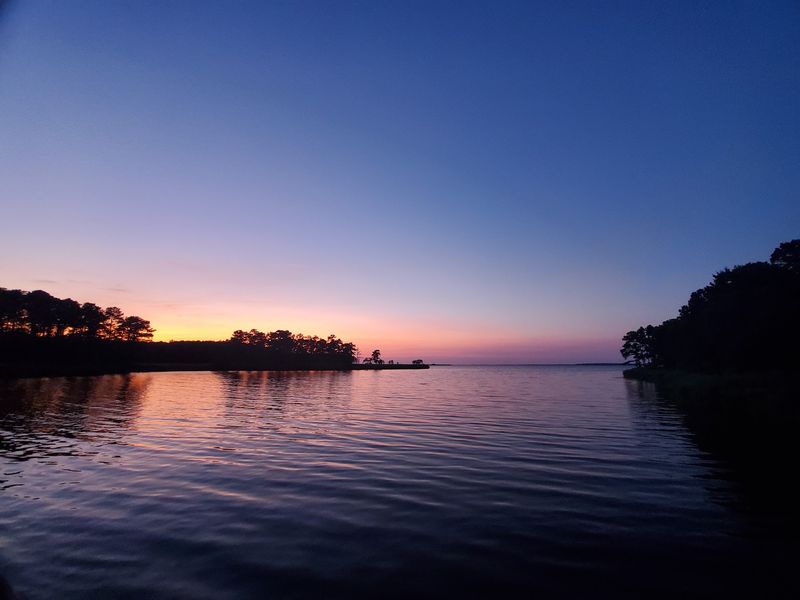
Blame the recipe, not the jellyfish. Warm water, salty water, and slow current create the perfect nursery for sea nettles.
Mix all three, and the shallows fill up fast.
Summers in Maryland have run hotter, and the bay soaks up that heat. Jellyfish love it.
Their numbers climb when the thermometer does.
Dry stretches matter too. Less rain means less fresh water pouring in from rivers, so the bay turns saltier.
Sea nettles thrive when salinity sits near 13.5 parts per thousand.
Weak currents seal the deal. Without a strong push, swarms linger instead of drifting back toward the ocean.
They pile into coves, creeks, and channel edges.
Scientists have tracked bigger blooms up and down the East Coast. Swimmers describe blankets of jellyfish where they used to paddle freely.
So what does that mean for your trip? Plan water time for early summer, or head out on a boat instead of into the water.
Would you rather swim in June or watch jellyfish in August?
Late summer brings the biggest crowds of nettles. Cooler weeks in spring and fall usually feel friendlier.
Checking local conditions before you pack a swimsuit saves disappointment.
Nature keeps rewriting the schedule here. The bay still rewards visitors who stay flexible.
Ask around at the marinas, since folks on the water always know what is drifting through.
Boats Own This Skinny Channel
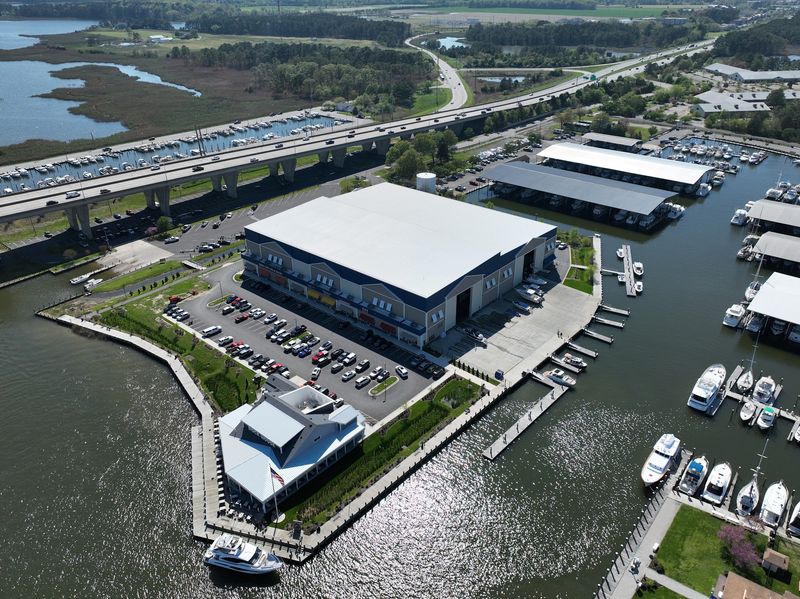
Engines rumble here from sunrise onward. The Narrows works as a shortcut for boaters moving between the Chester River and Eastern Bay, so traffic never really stops.
Swimming in the main channel is not the plan, and honestly, you would not want to try.
Marinas line both shores with slips, ramps, and charter offices. Fishing boats head out for rockfish, and crabbing cruises leave with baskets ready.
Charter captains know where the fish hold on each tide. First-timers can book a half day and learn knots, rigs, and patience.
The drawbridge is a small show of its own. Watch masts glide through the gap while cars wait above.
Have you ever waved at a sailboat from a bridge sidewalk?
Paddlers stick to calmer edges, away from the wake and wash. Kayak launches sit near the shoreline parks, which keeps everyone happier.
Sunset cruises are popular in Maryland’s warm months, and reservations go quickly. Hours and seasons shift with the weather, so call ahead before driving out.
Fishing licenses are required for most trips, though charters often cover that detail. Ask when you book, and bring sunscreen plus a hat you do not mind losing to the wind.
The water here has always been a workplace first. Watermen still pull crab pots at dawn, same as their grandfathers did.
Give them room and they might wave back.
Crab Feasts On The Docks
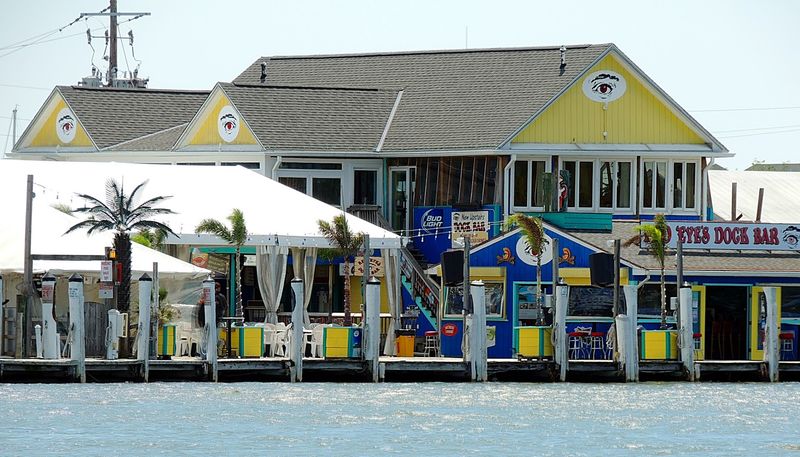
Brown paper, wooden mallets, and a pile of steamed crabs. That is dinner around here, and nobody apologizes for the mess.
Dockside restaurants seat you close enough to hear the water slap the pilings.
Maryland steamed crabs come dusted in seasoning that makes your fingertips tingle. Picking them takes practice, and the servers will happily show newcomers the trick.
Crab cakes, soft shells, and fried oysters fill out the menus. Cream of crab soup shows up too, thick and rich.
Boaters tie up and walk straight to a table. Cars park a few steps away, so no boat is required.
What is your move, crab mallet or crab cake?
Outdoor decks catch the breeze off the channel, and seating fills quickly on bright afternoons. Arriving early or late usually means a shorter wait.
Seasons matter with seafood. Crabs run best in the warmer stretch of the year, while oysters shine when the air turns cool.
Menus and opening times change through the year, so a quick phone call before you set out is smart.
Fun bit of history: this small waterfront community once ran packing houses that shipped local seafood far beyond Maryland. Crab and oyster work built these docks.
Eating here connects you to that story, one claw at a time. Bring napkins, and maybe a second shirt.
Paddle The Wetlands Instead
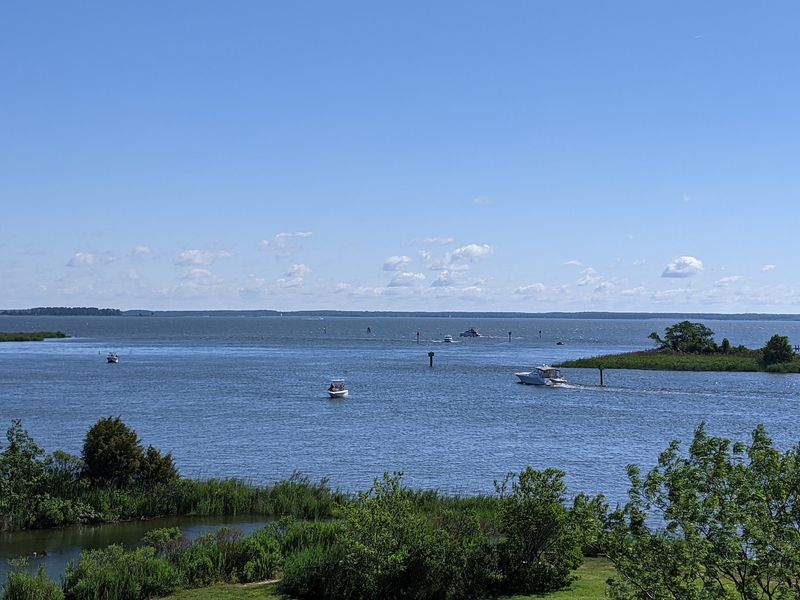
Skip the swim and grab a paddle. The Chesapeake Bay Environmental Center sits minutes from the channel, with marsh trails, ponds, and quiet launch spots.
Kayaks, canoes, and paddleboards glide through wetlands that hum with life.
Herons stalk the shallows on stilt legs. Ospreys scream overhead and drop for fish without warning.
Turtles slide off logs the second your bow appears.
Paddling keeps you above the water, which solves the jellyfish problem neatly. Sea nettles drift below while you cruise along dry and comfortable.
Beginners do fine on the protected creeks. Wind picks up in the open bay, so morning trips tend to be smoother.
Could you spot ten bird species before lunch?
Guided paddles and rentals are available in season, though schedules shift with weather and staffing. Confirming availability ahead of time is worth the two minutes.
Wear shoes you can soak. Bring water, bug spray, and a dry bag for your phone.
Boardwalks and short trails work well for anyone who prefers staying on land. Observation blinds let you watch waterfowl without spooking them.
Maryland’s marshes are nurseries for crabs, fish, and countless small creatures. Sliding through them slowly teaches more than any sign ever could.
The quiet out there is the real souvenir. Pack a snack and stay a while.
Trails, Parks And Wildlife Views
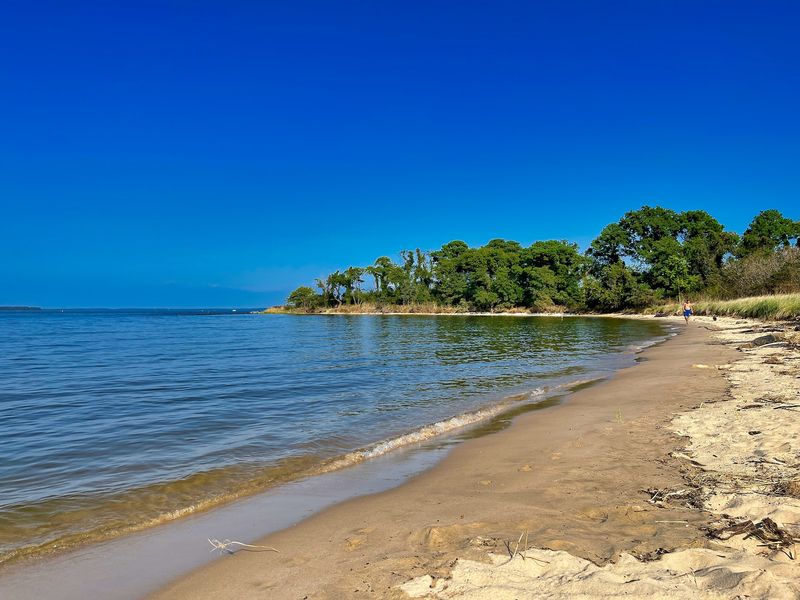
Six and a half miles of paved trail, zero jellyfish. The Cross Island Trail runs across Kent Island, linking the Narrows area with Terrapin Nature Park near the Bay Bridge.
Families spread blankets while boats slip past.
Terrapin Park hands you sandy beach, marsh, and grassland in one loop. The Bay Bridge stretches across the horizon like a giant sculpture.
Birdwatchers do very well here. Egrets, eagles, and migrating ducks pass through depending on the month.
Which view would you photograph first, the bridge or the marsh?
Trails stay flat and easy, which makes them friendly for all ages. Benches appear often enough for a rest and a long look at the water.
Bring bug spray in summer, since marshes come with mosquitoes. Winter walks feel crisp and empty in the best way.
Wading into the water is still possible in some spots, but nettles crowd the shallows during late summer. Ankle-deep exploring with water shoes is the safer choice.
Sunsets over this part of Maryland turn orange, pink, and purple in about ten minutes flat. Photographers set up early along the shoreline.
Stay until the color fades, because the show finishes strong.
Heritage, Sunsets And Simple Directions
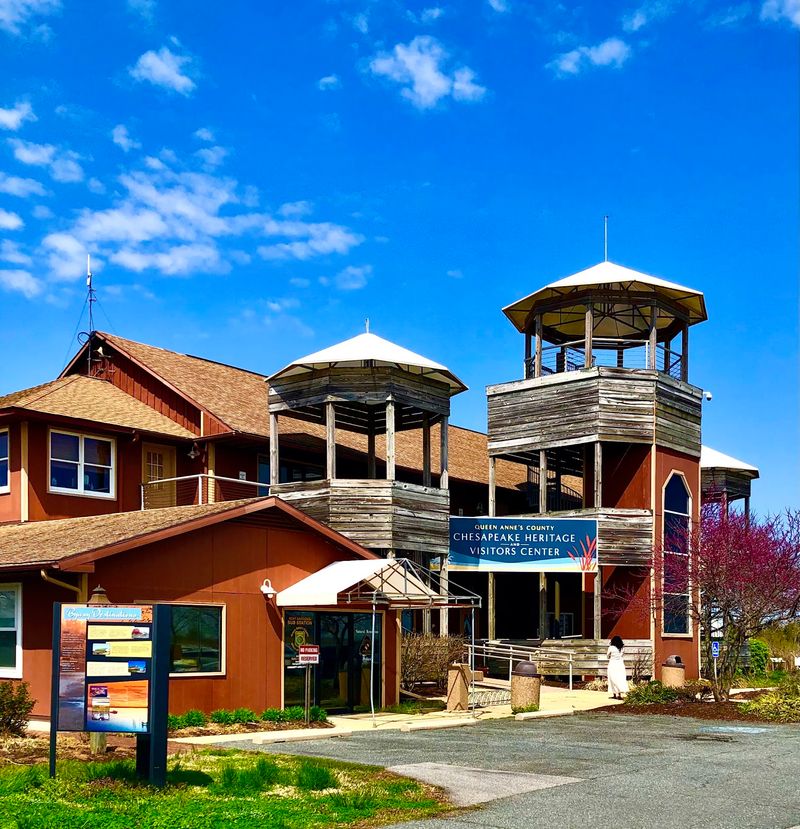
History gets a proper home at the Chesapeake Heritage and Visitors Center, where displays explain the bay, its creatures, and the people who worked it. The Watermen’s Memorial Monument nearby honors those who made a living on this water.
Both spots take less than an hour and stick with you longer.
Interpretive panels cover oysters, crabs, jellyfish, and shifting water conditions. Kids get a science lesson without realizing it.
Shoppers can detour to outlets along the route toward Ocean City. Local shops sell nautical crafts and seafood seasoning worth taking home.
Ready to point your car in the right direction? Set your map for 425 Piney Narrows Road, Chester, MD 21619, and you will land right in the heart of the Kent Narrows waterfront.
Parking is easy near the marinas and restaurants. The area sits just off Route 50, about an hour from Baltimore or Washington.
Seasonal hours change often for centers, charters, and kitchens. A quick check online or by phone before you leave keeps the day smooth.
Swimming may have faded from the routine, but this corner of Maryland still delivers. Crab dinners, workboats, marsh trails, and wide skies fill the gap easily.
Stay for sunset on a dock railing. The channel turns gold, the boats slow down, and the jellyfish keep pulsing below, doing exactly what they have always done.