
This Massachusetts Farm Works As A Wildlife Sanctuary Where Kids Can Meet Rescued Foxes And Owls
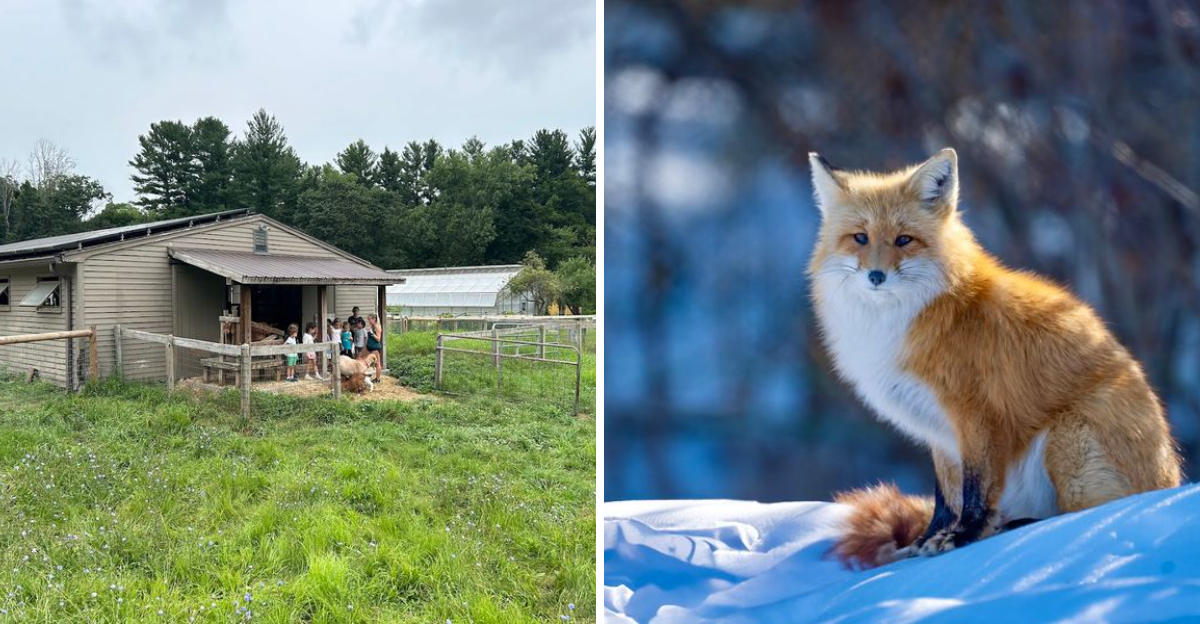
A farm visit gets a lot more exciting when the animals are not limited to goats, chickens, and sheep. At one beloved Massachusetts destination, kids can meet rescued wildlife, wander past working farm areas, and learn why foxes, owls, and other native animals need safe places to live.
It feels playful, but there is plenty of meaning behind the fun.
The setting brings together open fields, barns, trails, and animal habitats in a way that keeps young visitors curious without making the day feel like a classroom lesson.
Little ones can watch farm life in action, spot birds overhead, and come face to face with creatures they may have only seen in books.
For families looking for an outing with fresh air, real animals, and a little heart, this Massachusetts farm has plenty to offer.
A Working Farm And Wildlife Sanctuary Combined Into One Destination
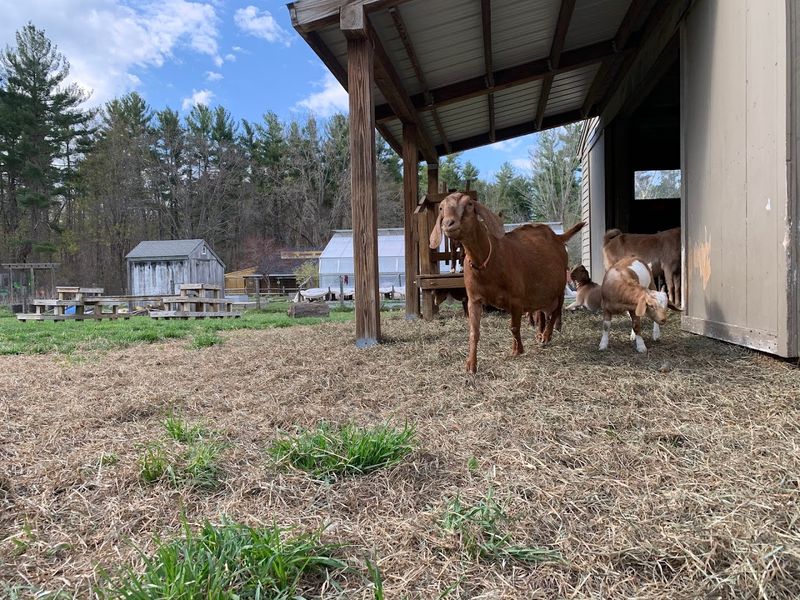
Not every farm doubles as a certified wildlife sanctuary, but this one pulls it off with quiet confidence. The property spans enough land to support both a fully operational agricultural operation and a series of native wildlife exhibits that draw families from across the region.
On one side of the property, you have barns filled with cows, pigs, goats, sheep, horses, chickens, and rabbits. On the other, you have carefully managed enclosures where rehabilitated animals that can no longer survive on their own live out their days in safety.
The contrast between the two worlds is part of what makes a visit here so memorable.
Mass Audubon has managed this land for decades, and the organization brings a thoughtful conservation philosophy to every corner of the farm. The result is a place that feels purposeful rather than performative.
Families come here not just for entertainment but to genuinely learn something about the land and the creatures that depend on it. The farm holds a rating of 4.6 stars from visitors, which reflects the consistent quality of the experience.
Bird Hill And Its Remarkable Collection Of Raptors On Display
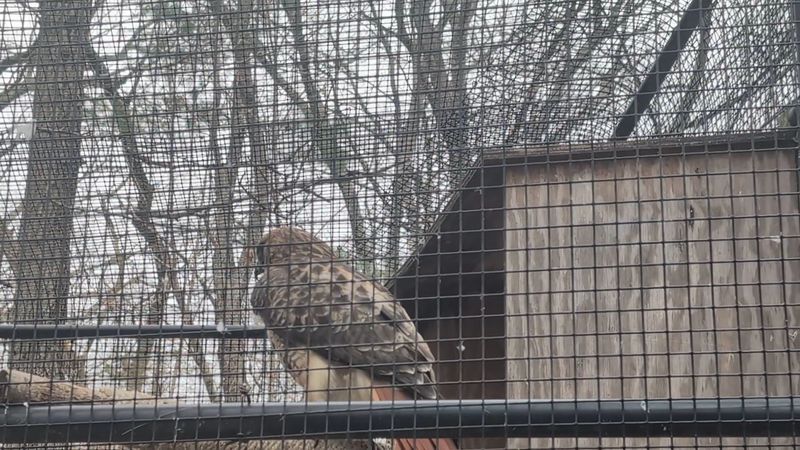
Bird Hill is one of the most talked-about spots on the entire property, and for good reason.
This section of the farm houses a rotating cast of raptors including hawks, owls, and even a black vulture, all living in open-air enclosures designed to reflect their natural habitats.
Visitors regularly mention the hawks and owls as highlights of their trip.
Watching a red-tailed hawk sit still on a perch while children gather just a few feet away creates a moment of genuine connection that no screen can replicate.
The owls, in particular, tend to draw long stares and whispered conversations from kids who have never seen one up close before.
The birds at Bird Hill are permanent residents, meaning they cannot be released back into the wild due to injuries or human habituation. Their presence here serves an educational purpose that goes beyond simple display.
Staff and volunteers are often nearby to answer questions and share details about each bird’s background. It is the kind of informal learning that sticks with young visitors long after the car ride home, making Bird Hill one of the most compelling reasons to visit Drumlin Farm.
The Red Fox Exhibit That Children Absolutely Cannot Stop Talking About
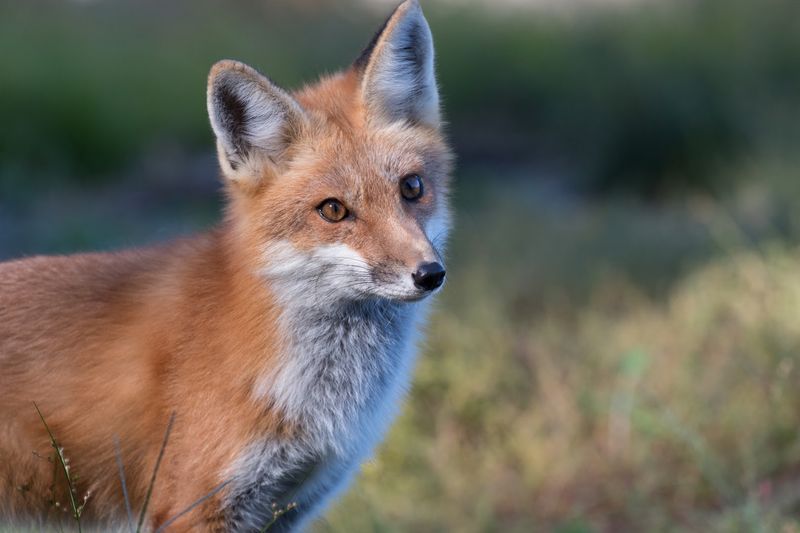
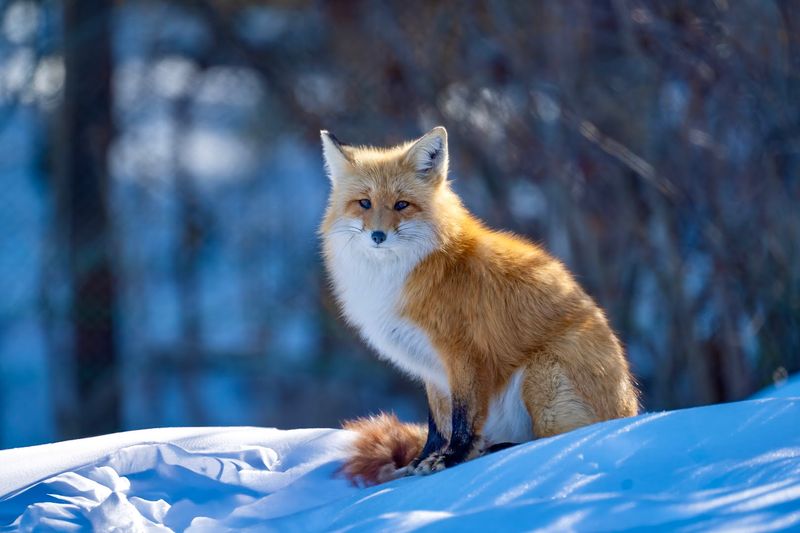
There is something about a red fox that captures the imagination of a child instantly. The sharp ears, the vivid coat, the watchful eyes that seem to hold a private thought.
At Drumlin Farm, the New England Wildlife Explorations exhibit gives visitors a chance to observe a resident red fox up close in a setting that reflects the edge habitats these animals naturally prefer.
This fox, like the other wildlife on the property, lives at the farm permanently because it cannot survive independently in the wild. That context matters, and the farm does a good job of communicating it to visitors of all ages.
Children come away understanding that the animal is not a pet and not a performer, but a wild creature with a real history.
Multiple visitor reviews single out the foxes as a standout memory. One reviewer called them a personal favorite alongside the sheep and the red-tailed hawk.
Another mentioned spotting the red fox on a regular visit, treating it as a reliable highlight.
The exhibit sits within a broader exploration of New England native species, so the fox shares the narrative space with other animals that call this region home.
Educational Programs That Turn A Farm Visit Into A Real Learning Experience
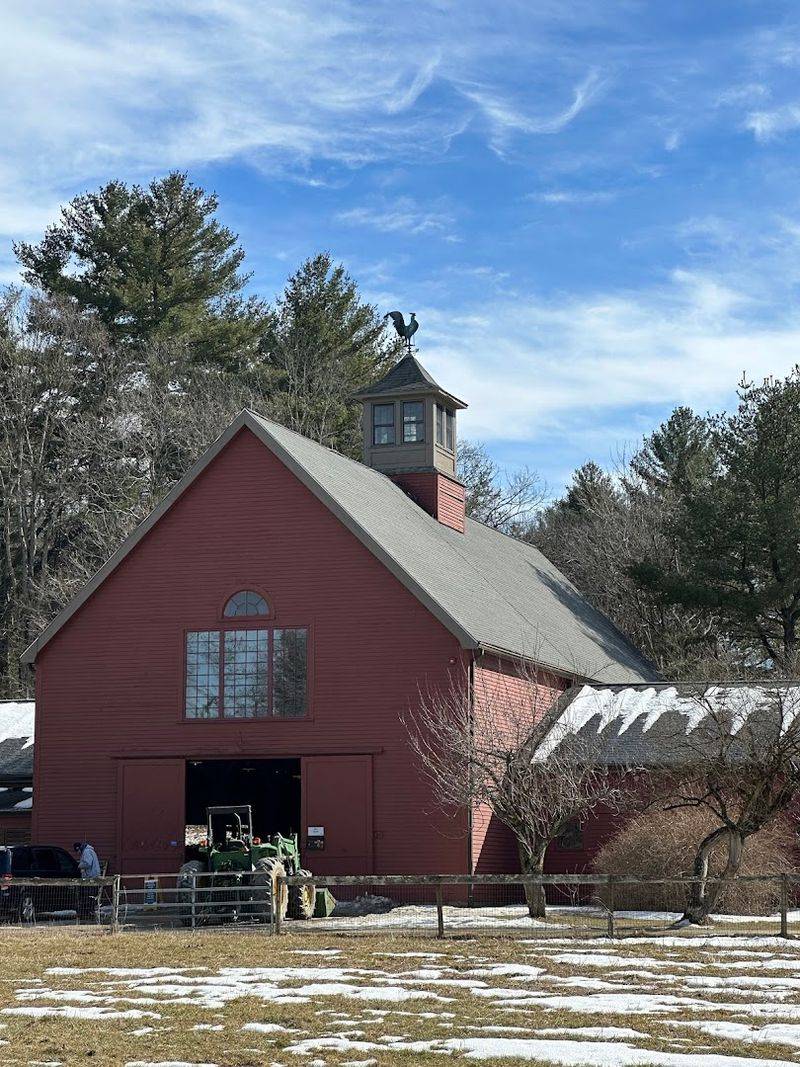
A visit to Drumlin Farm is not simply a walk-through.
The farm runs a full calendar of educational programs designed for children, families, and school groups, and most of these activities are included with general admission.
That kind of value is increasingly rare at nature-based destinations, and families notice it.
Programs cover topics ranging from New England habitats and native species identification to hands-on farm work and seasonal agriculture. The farm also runs a preschool program and a popular summer camp that brings children back year after year.
During school vacation weeks, special programming draws larger crowds, so booking ahead during those periods is a smart move.
The educational approach here is grounded and practical rather than overly theatrical. Kids are not just told about foxes and owls.
They observe them, ask questions, and receive answers from people who clearly know and care about the subject. One reviewer described the animals as well cared for and praised the educational programs specifically.
Another noted that a visit during April vacation was so enjoyable that they regretted not discovering the farm sooner. That kind of enthusiasm is a reliable sign that the programming is doing exactly what it sets out to do.
Farm Animals That Bring The Barnyard To Life For Young Visitors
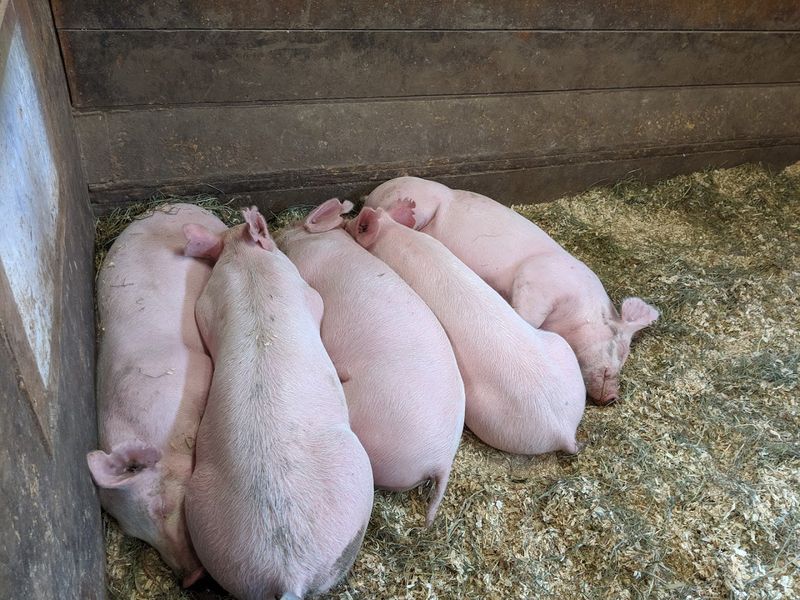
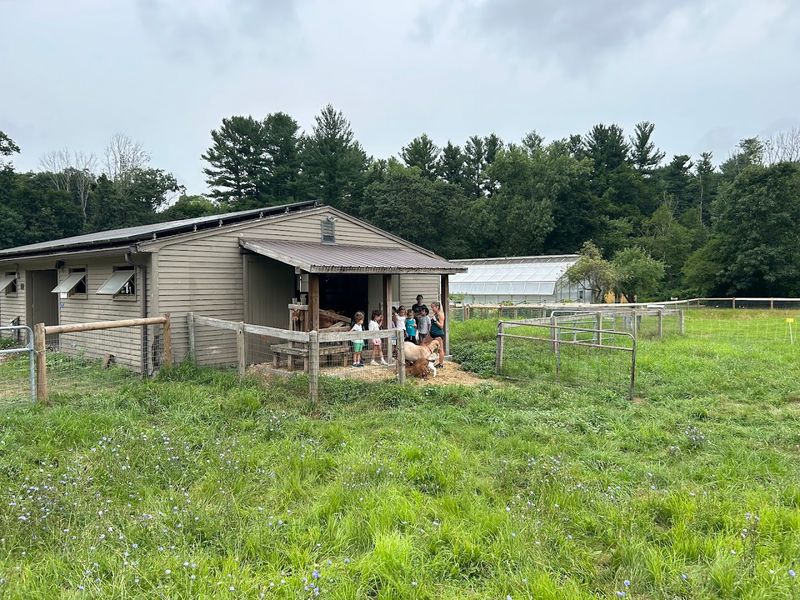
Long before a child spots the fox or hears the owl, they are usually already wide-eyed at the animal barns. Cows, horses, pigs, goats, sheep, chickens, and rabbits all live on the property, and their barns are accessible to visitors throughout the day.
The spring season is particularly electric, when newborn lambs and kids arrive and the barns fill with a kind of gentle, chaotic energy that parents find just as delightful as their children do.
One reviewer shared that their grandchildren were especially taken with the baby pigs, and that memory of standing near a piglet clearly carried real weight.
Another noted that the farm gets busy on spring weekends during the lambing season, recommending that visitors reserve parking and tickets in advance to avoid disappointment.
That tip is worth following seriously if a spring visit is on the calendar.
The farm makes no attempt to turn the barns into a theatrical experience. The animals are simply there, living their lives, and visitors are welcome to observe.
That straightforwardness is part of the appeal.
Children who grow up in suburban or urban environments rarely get this kind of unmediated contact with farm life, and Drumlin Farm provides it without pretense or packaging.
Walking Trails That Offer A Quieter Side Of The Farm Experience
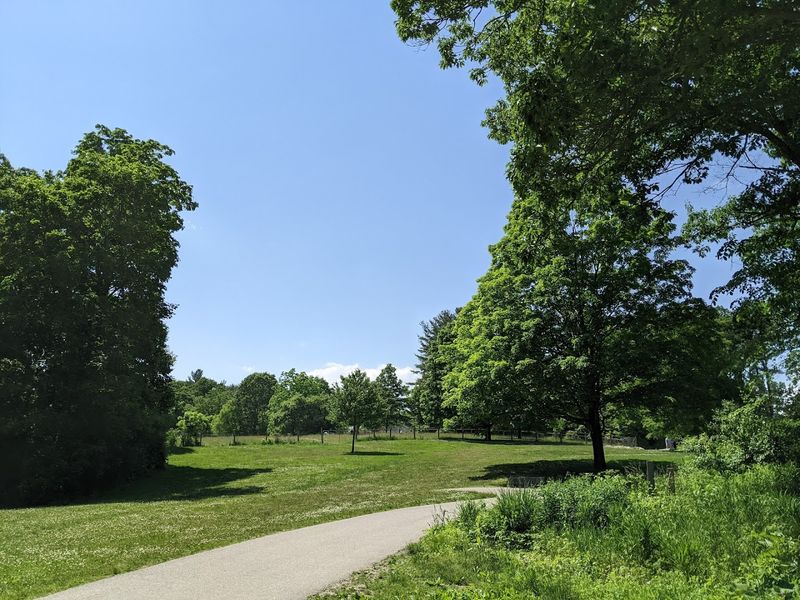
Beyond the barns and wildlife exhibits, Drumlin Farm holds a network of walking trails that wind through fields, woodlands, and up to the top of the drumlin itself, the glacially formed hill.
These trails attract visitors who want something slower and more reflective than the barn circuit, and they deliver that experience reliably.
One reviewer described the area as serene and beautiful, noting it as ideal for photography, a quiet walk, or simply shedding stress. Another mentioned that the hiking trails are spacious enough that you rarely feel crowded, even on days when the barns are busy.
That separation of energy levels across the property is a thoughtful design feature, whether intentional or organic.
The trails also pass through habitats that connect directly to what the wildlife exhibits teach inside the farm. Walking through a meadow edge after seeing the red fox exhibit, for example, gives children a concrete sense of where these animals actually live.
The landscape does some of the teaching on its own. Ice Pond, mentioned warmly by one reviewer, adds another point of interest along the way.
The trails are free to explore with admission and require no special equipment beyond comfortable footwear.
The Farm Stand And Gift Shop Worth Exploring Before You Leave
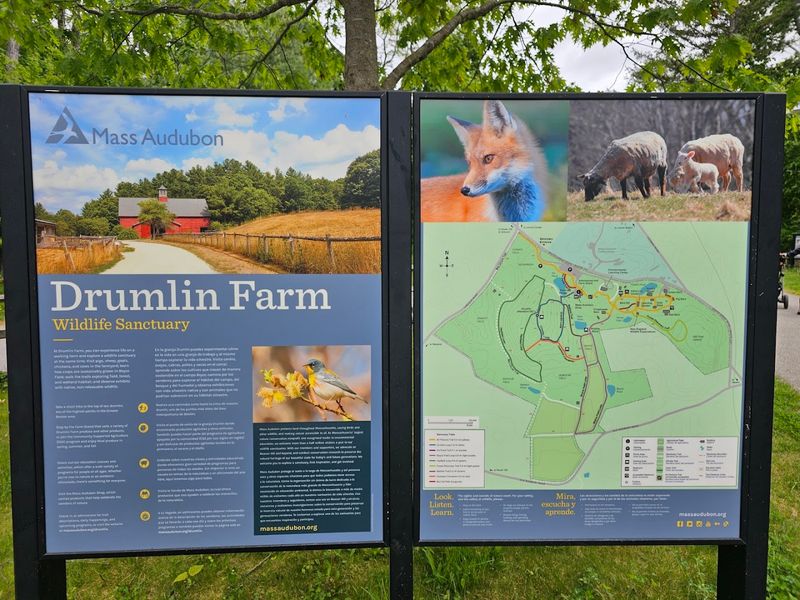
Drumlin Farm grows its own vegetables, raises its own animals, and sells the results directly to visitors through a seasonal farm stand.
Fresh eggs, seasonal produce, honey, and farm-raised meat are all available, and the quality draws consistent praise from visitors who have made the farm stand a regular stop.
One reviewer mentioned picking up pickling cucumbers and squash and being charmed by a staff member who handed their grandchildren stickers along with the purchase.
The gift shop near the entrance is more substantial than most visitors expect.
It carries nature-themed toys, children’s books, bird feeding supplies, bottled beverages, and frozen treats in the summer months.
One reviewer called it surprisingly large and noted that the prices are quite affordable, which is a welcome contrast to the souvenir shops at larger tourist attractions.
Proceeds from the shop support the Massachusetts Audubon Society, so spending money there carries a bit of extra meaning.
There is no snack bar on the property, so packing a lunch and using one of the designated picnic areas is the practical move for families planning a full day. The farm stand operates seasonally, so checking ahead before a late autumn or winter visit is advisable.
The gift shop, however, is open year-round during regular operating hours.
Practical Visitor Information To Help Plan Your Trip Smoothly
Drumlin Farm is open Tuesday through Sunday from 9 AM to 5 PM and is closed on Mondays. Adult admission runs around nine dollars, and Mass Audubon members enter free, which makes a membership worth considering for families who plan to visit more than once during the year.
The farm is located at 208 S Great Rd, Lincoln, MA 01773, and parking on-site is straightforward on most weekdays.
Spring weekends are the busiest period, particularly when the baby animals arrive.
Buying tickets and reserving parking in advance during those weeks prevents the frustration of turning away at a full lot.
The farm can be reached by phone at 781-259-2200, and additional program details are available at the official website through Mass Audubon.
Tractor ride tickets, when available, should be purchased at the admission counter before exploring, as the ride departs from the red barn in the middle of the property.
Restrooms and hand-washing stations are located throughout the farm, which parents of young children will appreciate immediately. There are no food vendors beyond the gift shop and seasonal farm stand, so arriving with snacks and water is a practical habit.
The overall atmosphere is relaxed and accessible, and the staff are consistently described by visitors as friendly, knowledgeable, and genuinely invested in the experience.
Why Drumlin Farm Earns Repeat Visits From Families Across Massachusetts
Plenty of places attract a first visit. Far fewer earn a second, third, or fourth.
Drumlin Farm sits firmly in the latter category, and the visitor reviews make that pattern unmistakable.
Families describe coming back seasonally, whether that means newborn lambs in spring, pumpkins in autumn, or the sugaring season wrapping up in early March.
The combination of working farm, wildlife sanctuary, educational programming, and natural trails creates a destination with enough variety that repeat visits never feel redundant. Children grow into the experience differently at different ages.
A toddler who once stared wide-eyed at a chicken will return at age eight ready to ask questions about the red-tailed hawk. That kind of layered engagement is rare and valuable.
One reviewer summed it up by calling Drumlin Farm a combination of a working farm, wildlife sanctuary, and walking trails that works well for all ages. Another said the experience was well worth an hour-long car ride and expressed regret at not having found it sooner.
That mixture of warmth and mild self-reproach is about as honest an endorsement as a place can receive, and Drumlin Farm earns it consistently across seasons and visitor types.