
This Massachusetts Lake Takes On An Unusual Color Every Late Summer
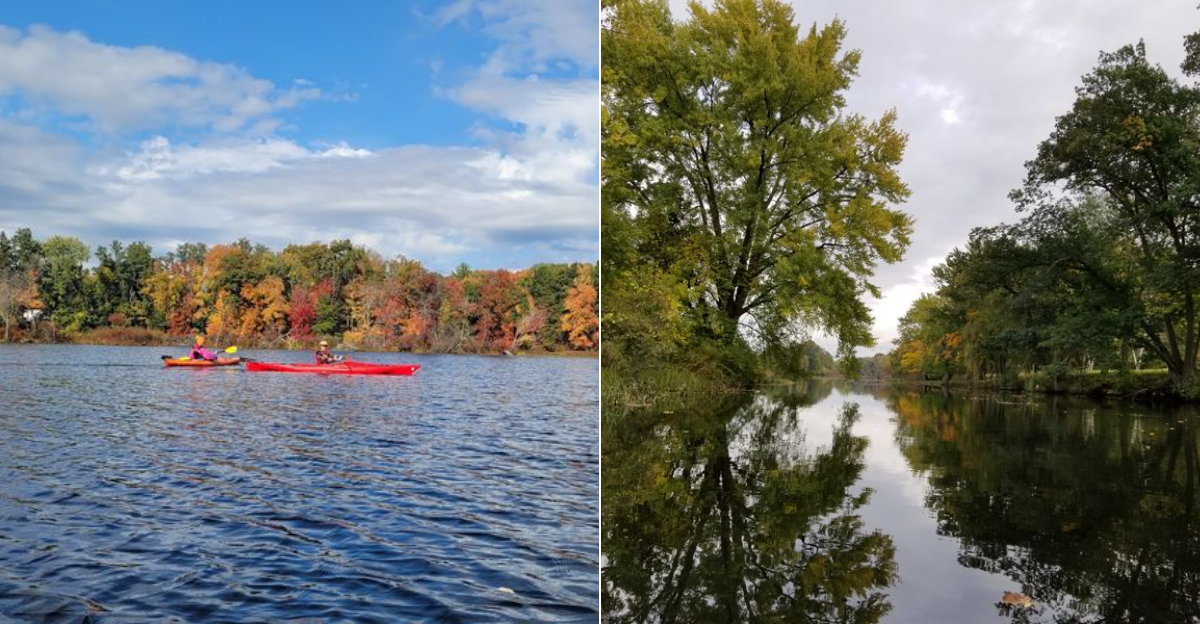
A lake is supposed to keep roughly the same look all summer. This Massachusetts spot has other plans, turning a striking shade of green late in the season when conditions line up just right.
What causes such a dramatic change? Warm weather can encourage blue-green algae to multiply rapidly, creating a vivid surface that looks almost unreal from the shoreline.
The transformation is beautiful, but it is not an invitation to get closer. During an active bloom, swimming and paddling should be avoided, and pets need to stay safely away from the water.
Outside of bloom season, the lake offers a much calmer experience. Quiet trails, wildlife, and peaceful water make it an easy place to slow down and enjoy a completely different side of Massachusetts.
That contrast is what makes the lake so interesting. One visit can show you calm blue water, while a late-summer return can reveal an entirely different landscape.
The Lake’s Colorful Secret
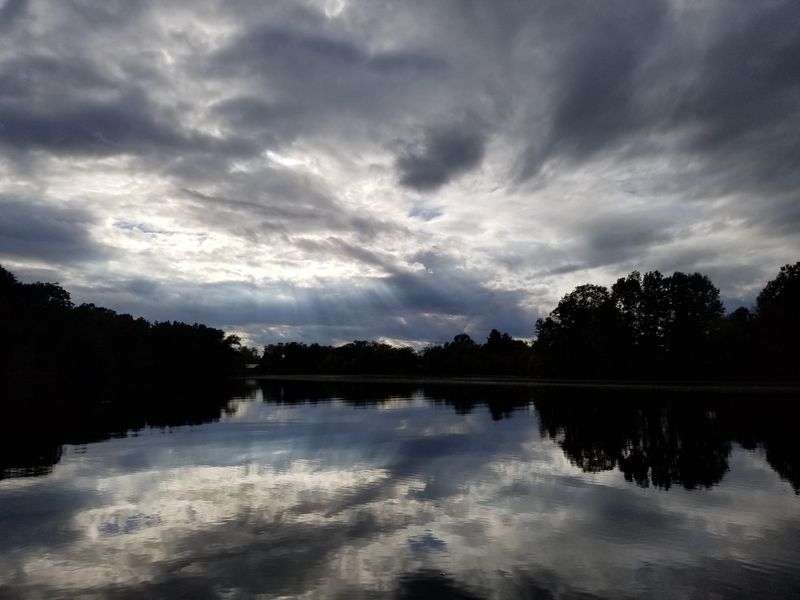
Seventy acres of historic millpond, and once a year it puts on a color show. Lake Warner sits quietly in Hadley, Massachusetts, until late summer arrives and the water shifts into unexpected shades.
The cause is cyanobacteria, often called blue-green algae. Warm weather and extra nutrients let it multiply fast.
The result can look bright teal one week and thick pea soup the next.
Some visitors say it resembles paint stirred across the surface. Others swear it glows when the sun hits at the right angle.
Photographers love it for exactly that reason.
Here is the honest part. Those blooms can produce toxins, which means no swimming and no wading while the color lasts.
Keep dogs leashed and far from the shallows, since pets are the most at risk.
Watching from land costs you nothing and gives you the whole picture anyway. Bring a camera, find a shady spot, and let the water do its thing.
The color usually fades as temperatures drop, so timing changes year to year. Locals often check conditions before heading out, and you should too.
Massachusetts has plenty of pretty lakes, but few of them reinvent themselves on a seasonal schedule like this one. Have you ever watched a body of water completely change its personality overnight?
Protecting These Precious Waters
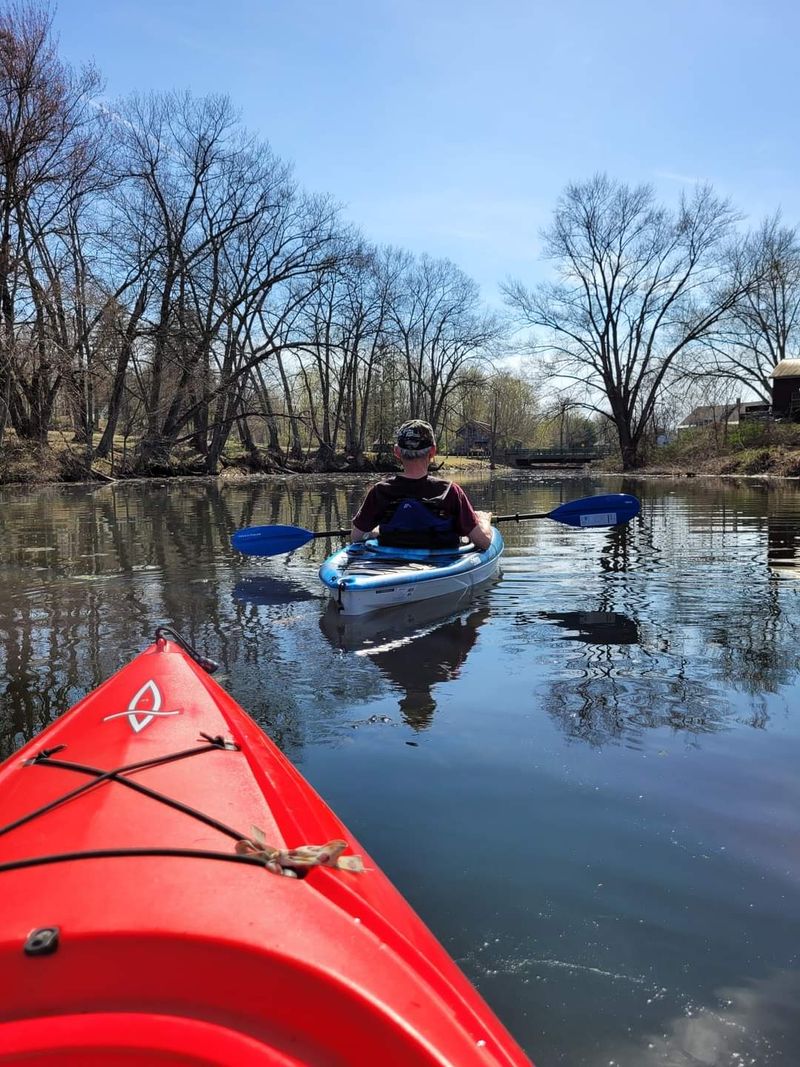
Good news travels slowly, so here it is. Water quality at this lake has improved over the past five years, earning an overall Grade C.
That letter might not sound thrilling, but progress counts. Grades like this come from regular testing and years of steady attention.
Much of the improvement comes from cutting down what flows into the water. Lawn fertilizer, stormwater runoff, and farm nutrients all feed algae blooms.
Less of that going in means fewer blooms coming out.
Visitors play a part too, in small ways that add up. Pack out trash, skip feeding waterfowl, and stay on marked paths so the banks do not erode.
Rinse your kayak or canoe before moving between lakes as well. Invasive plants hitchhike easily, and one careless launch can undo years of work.
Think of it as leaving the place slightly better than you found it. Nobody notices a single wrapper picked up, but the shoreline does.
Massachusetts has a strong tradition of local water monitoring, and this lake benefits from it directly. Volunteers collect samples, track changes, and share what they learn with the public.
The lake is not a lost cause. It is a work in progress with real momentum.
What small habit could you change to help a place like this stay healthy?
Birdsong And Quiet Wonders
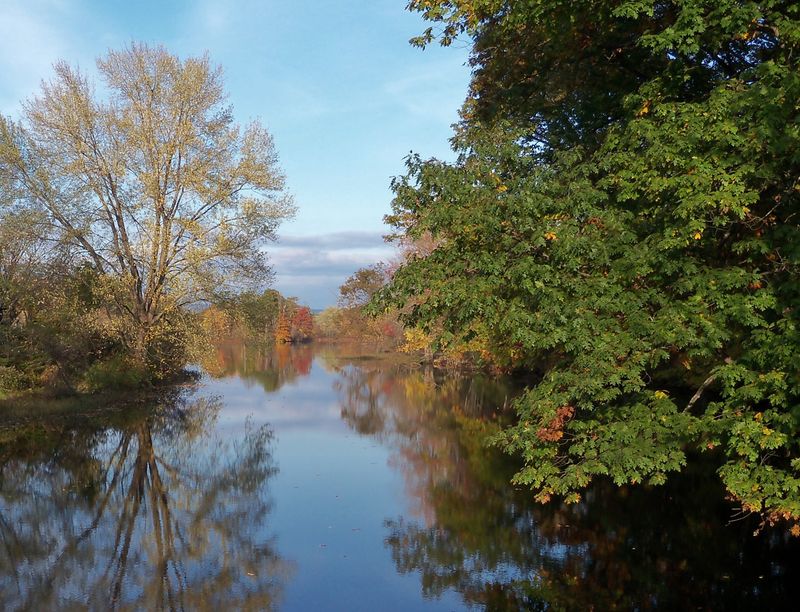
Arrive early and the soundtrack does the welcoming. Birds run this shoreline in the morning hours, long before anyone else shows up.
Herons stalk the shallows with ridiculous patience. Red-winged blackbirds shout from the cattails.
Ducks paddle past like they own the whole millpond.
Bring binoculars if you have them, though bare eyes work fine here. The water is narrow enough in places that wildlife feels close without you crowding it.
Spring and fall migrations bring surprise visitors, so no two trips look the same. Keep a list if you enjoy that sort of thing.
Turtles claim the sunny logs by mid-morning, stacked up and completely unbothered. Watch long enough and one will slide off with a plop.
Dragonflies patrol the edges in summer, flashing blue and green. Kids find them fascinating, and honestly, so do adults who forget to look.
Move slowly and speak softly, and the wildlife stays put. Charge toward the water and everything vanishes in three seconds flat.
Massachusetts protects a lot of wetland habitat, and places like this show why that matters. Quiet corners give animals somewhere to raise young and rest during long journeys.
Paddle Across Calm Water
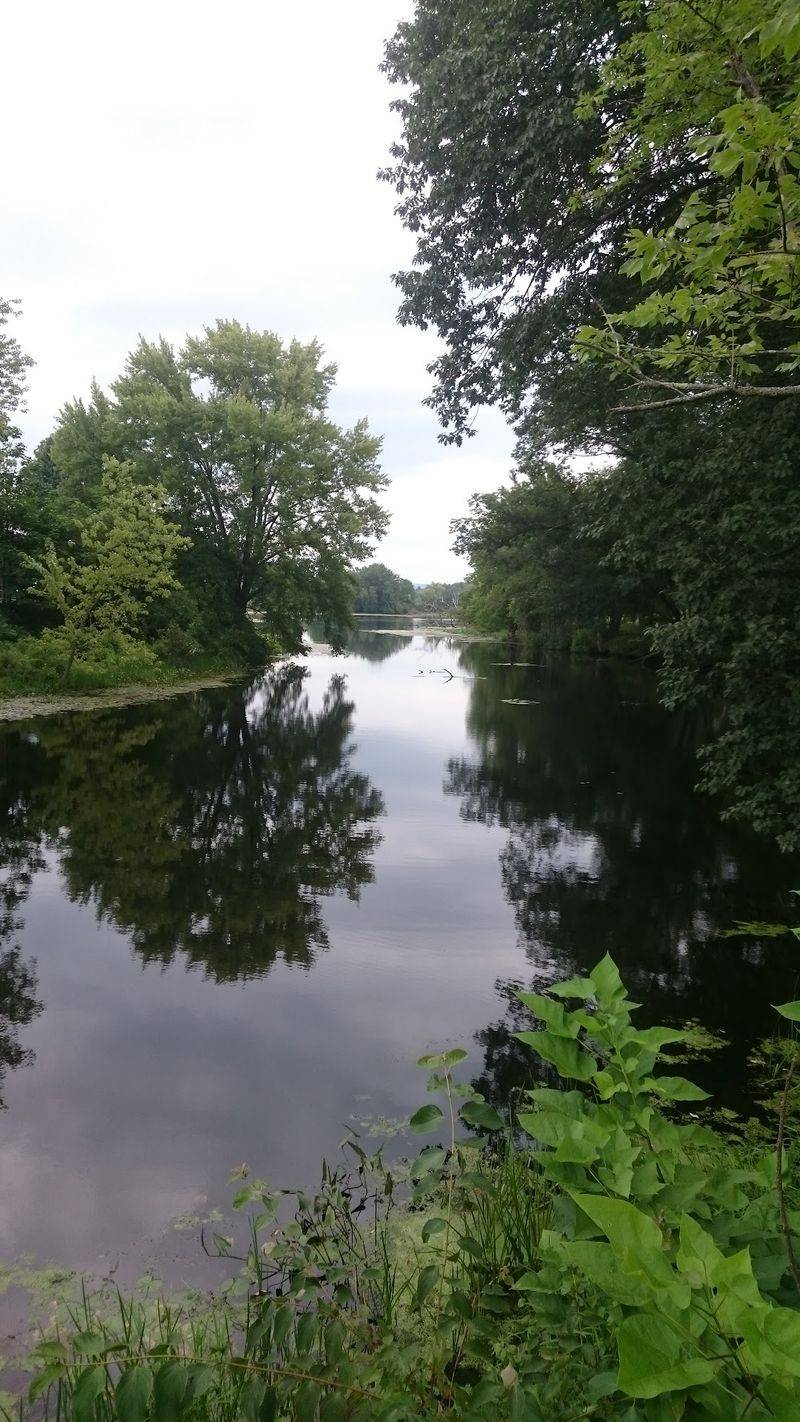
Flatwater paddling with almost no drama. That is the pitch here, and it holds up beautifully.
The perimeter runs roughly 3.4 miles, which makes for a satisfying loop without wearing you out. Canoes and kayaks both work well on this stretch.
Beginners do fine because there is no current fighting you. Experienced paddlers still enjoy it for the scenery and the winding edges.
Timing matters more than skill though. Early season is the sweet spot, when water levels are good and the algae has not arrived yet.
Once the late summer color shows up, paddling gets complicated. Contact with bloom water is not worth the risk, so check conditions before you load the roof rack.
Bring a life jacket, sunscreen, and more water than you think you need. Shade comes and goes depending on which bank you hug.
The Mill River connection adds extra interest for curious paddlers. Explore slowly and you will find nooks that most visitors never see.
Wildlife barely reacts to a quiet boat, which is half the fun. Herons let you drift surprisingly close.
Massachusetts paddlers have long treated this spot as a reliable, low-stress outing. It rewards people who take their time rather than race the shoreline.
Trails Worth Your Boots
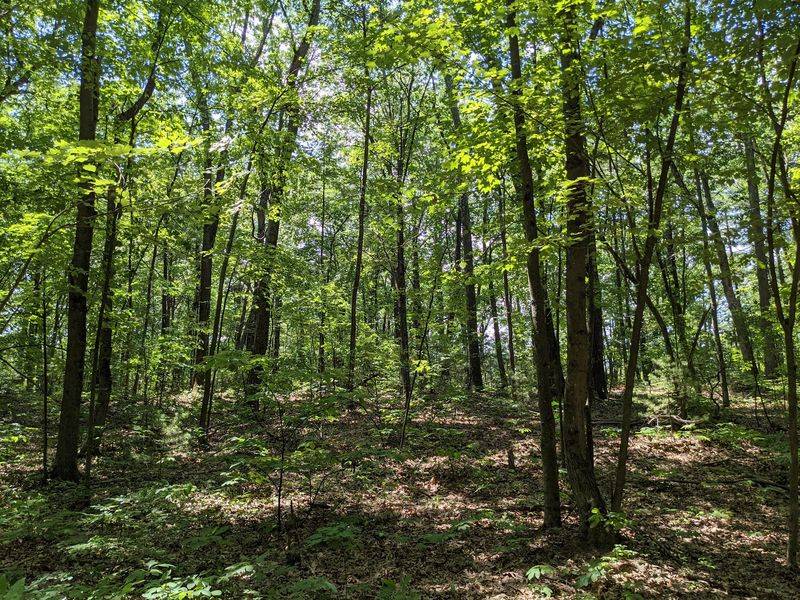
Dry land has its own rewards around here. Walking paths thread through the woods near the lake, and they are easy to fall in love with.
Mount Warner sits nearby as a local landmark, part of a protected wildlife management area covering roughly 98 acres. Woodland trails wander through it at a friendly grade.
Nothing here demands mountaineering gear. Sneakers handle most of it, though sturdy shoes help after rain.
Old stone walls appear out of nowhere, leftovers from farms that stood here generations ago. Spotting one always feels like finding a clue.
Autumn turns the whole area into a color explosion. Maples go first, then oaks hold on stubbornly into November.
Spring brings wildflowers and a lot of mud, so plan footwear accordingly. Summer offers shade, which matters more than you expect on humid days.
Trail markers guide you, but downloading a map beforehand is smart. Cell service can get patchy under heavy tree cover.
Go slowly and you will notice mushrooms, mosses, and woodpecker holes that fast hikers blow right past. The forest floor is genuinely interesting up close.
Protected land like this is one of the quiet luxuries of Massachusetts. Somebody fought to keep it open, and you get to enjoy the result.
Winter Turns Everything Magical

Cold weather does not close this place. It just hands the lake a completely different costume.
When ice conditions are safe, skaters show up and make the most of it. There is something old-fashioned and wonderful about gliding across a frozen millpond.
Safety comes first, always. Ice thickness varies wildly, so never assume, and check local guidance before stepping out.
Snowshoeing along the surrounding trails is another winter treat. Fresh powder muffles everything, and the woods go completely silent.
Animal tracks crisscross the snow, telling stories about who passed through overnight. Deer, fox, rabbit, all of it written right there.
Bare trees open up views that summer leaves hide completely. Suddenly you can see the whole shape of the shoreline.
Dress in layers, because standing still gets chilly fast. Hot cocoa in a thermos is not optional in our opinion.
Winter light in Massachusetts turns golden by mid-afternoon, and the frozen surface catches it perfectly. Photographers should aim for that window.
Fewer visitors come during these months, which means the quiet belongs mostly to you. Some people prefer it exactly this way.
A brisk walk here beats another afternoon indoors scrolling on the couch. Give yourself the break.
Does a frosty morning by a frozen lake sound like the reset you have been needing?
A Community That Cares
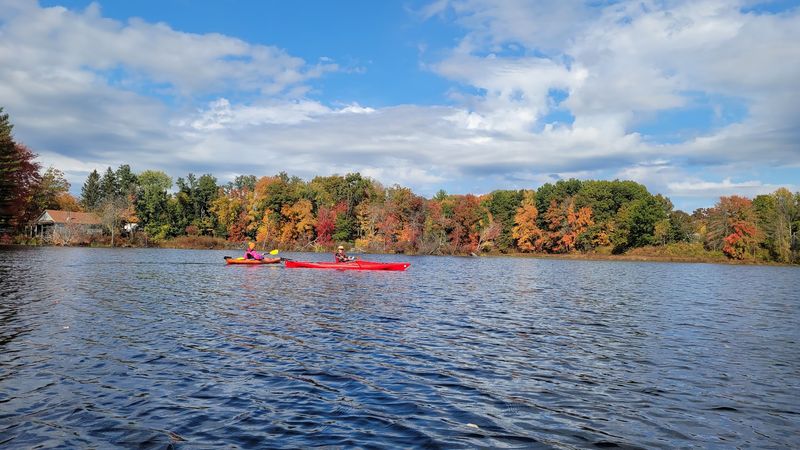
Behind every well-kept natural spot, somebody is doing unglamorous work. Here, that group is the Friends of Lake Warner and the Mill River.
Their focus is preservation and improvement, plain and simple. They watch over the water, the dam, and the habitat around it.
Volunteer energy fuels a lot of what happens here. Cleanups, monitoring, and public education all take steady hands.
They also help spread the word about bloom conditions each late summer. That kind of communication keeps visitors and pets safe.
Efforts like theirs are why the water quality trend has moved in the right direction. Improvement rarely happens by accident.
Visitors can support the cause without doing much at all. Follow posted guidance, respect the shoreline, and leave no trace behind.
Learning a bit about the site before you arrive makes the visit richer too. Knowing why the lake changes color turns a strange sight into a fascinating one.
The historic millpond gives the area real character, tying today’s recreation to the region’s working past. That layered history is common across Massachusetts, and it is worth appreciating.
Community stewardship is contagious, honestly. Watch people care for a place and you start caring too.
Plan Your Perfect Visit
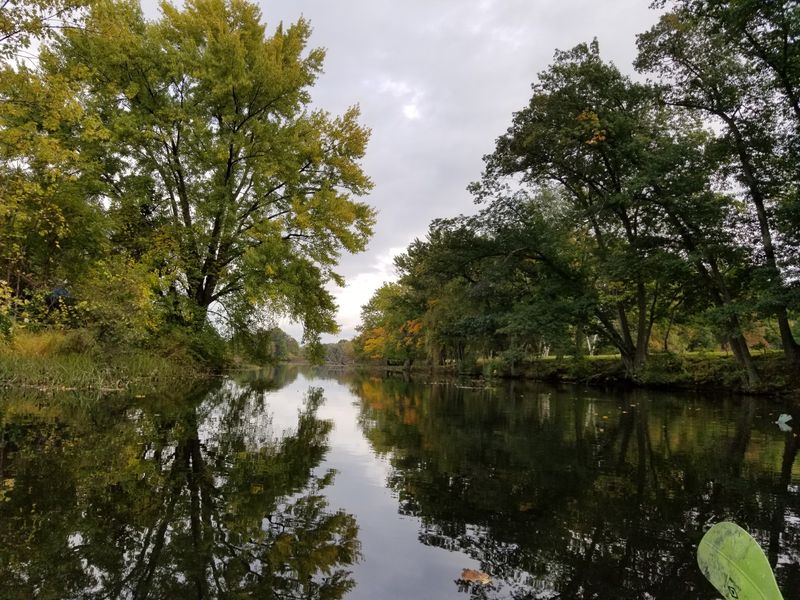
Ready to go? Getting here is refreshingly simple, and the lake welcomes visitors all year long.
Head for the public boat ramp off Mount Warner Road in Hadley, MA 01035, and you will find the access point without trouble. Parking is straightforward, though it fills on beautiful weekends.
Daylight hours are your best bet, roughly sunrise to sunset. Days and access can change seasonally, so confirm current information before setting out.
Check water conditions too, especially from July through early fall. Posted advisories exist for a reason, and skipping a swim is a small price for peace of mind.
Pack sunscreen, bug spray, water, and snacks. There is no shop waiting to rescue you at the trailhead.
Sturdy shoes serve you well in every season here. Trails can be soft, rocky, or icy depending on the month.
Bring a camera or just your phone, because the light over the water rewards patience. Sunset shots are especially good.
Pair the visit with a wander through nearby farmland scenery for a full day out in western Massachusetts. The area is generous with views.
Give yourself permission to slow down for a few hours. You have earned an easy afternoon outdoors.