
This Massachusetts Monastery Just Outside Boston Has Wooded Grounds And Sweet Bread Baked By The Monks
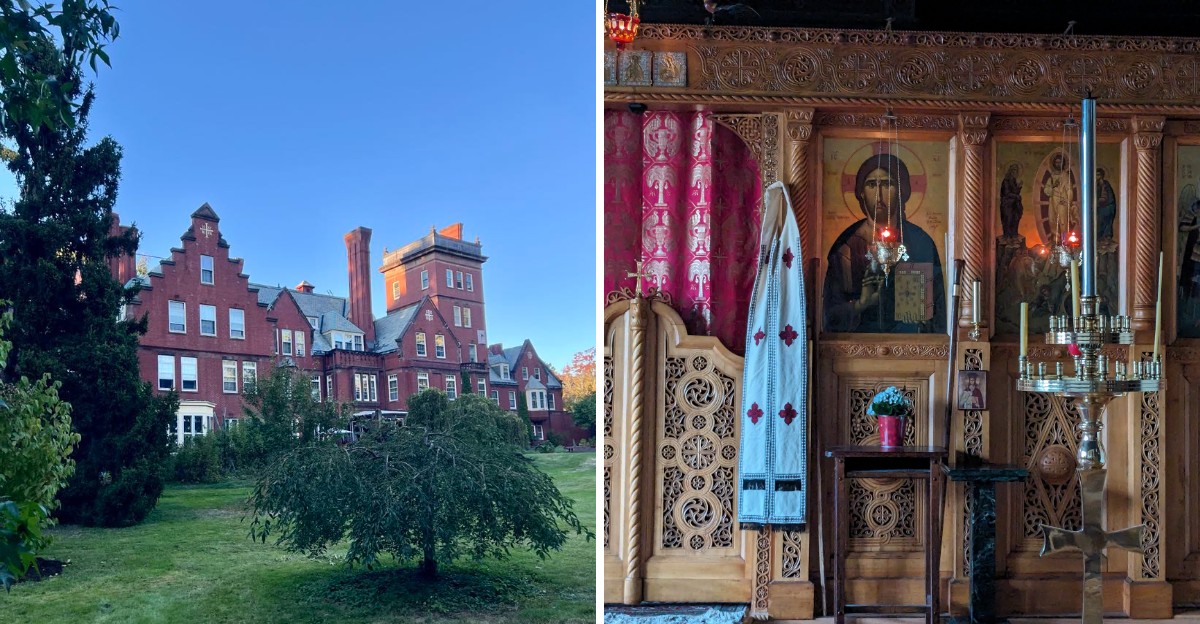
You do not expect a quiet monastery, wooded grounds, and freshly baked sweet bread this close to Boston. Yet this Massachusetts property brings all three together in one unusual visit.
Trees cover much of the land, walking paths wind through the property, and the monastery buildings give the place a calm, old world character. It is the kind of stop that encourages you to slow down and notice the small details.
Then there is the bread.
The monks bake traditional sweet bread by hand, adding a warm and memorable food tradition to the experience. The smell alone can make it difficult to leave without thinking about a loaf.
Visitors can spend time walking the grounds, taking in the quiet surroundings, and getting a glimpse of monastic life near one of New England’s busiest cities. It feels peaceful, unexpected, and very different from the usual Boston area outing.
A Peaceful Hilltop Minutes From Boston
Boston traffic and quiet prayer rarely share a zip code. Yet here they sit side by side, with only a short drive between them.
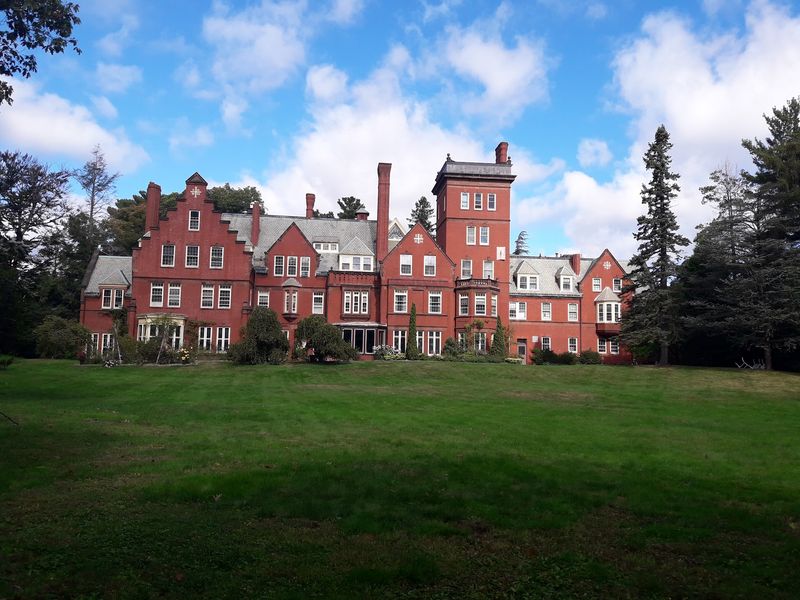
Holy Transfiguration Monastery makes its home on a hill in Brookline, Massachusetts.
The exact spot is 278 Warren St, Brookline, MA 02445. That puts it close to Jamaica Plain and just over the line from the city. Fenway Park and the famous Longwood hospitals are not far off at all.
Climbing the hill is part of the fun. The busy streets fade behind you, and tall trees take over the view. It feels a bit like changing countries without packing a suitcase.
The monastery is a working home for a community of Orthodox monks. It serves as the main monastery for the Holy Orthodox Church in North America.
The brothers live together, pray together, and share their daily work.
Here is a helpful tip before you go. Check the website, bostonmonks.com, to learn about service times and shop hours.
A monastery runs on a set schedule, and prayer always comes first. Planning is easy once you know the rhythm. Think of it as a calm side trip on a busy Boston day. You can go from city buzz to birdsong in minutes.
From A Haverhill Winter To A Brookline Home
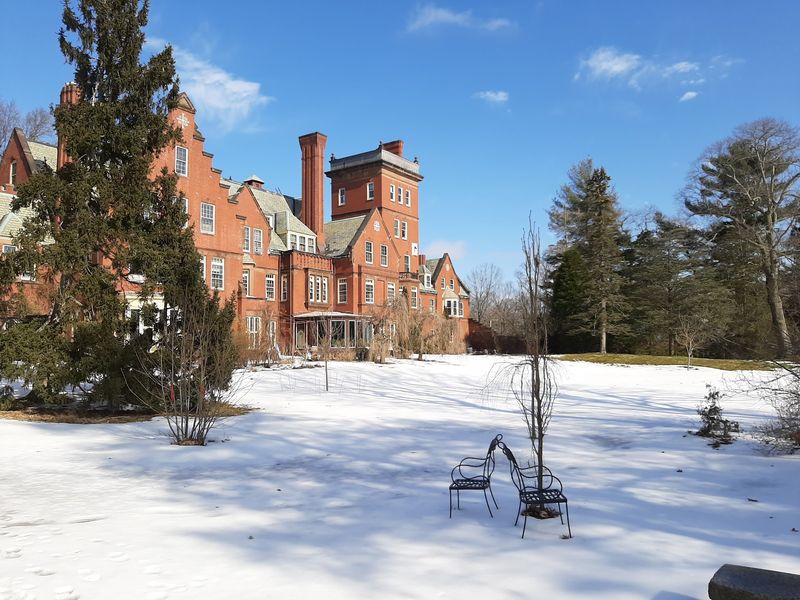
Big stories often start small, and this one started in the cold. The community first formed in the winter of 1960 in Haverhill, Massachusetts.
A handful of monks began a life of shared prayer there.
The brothers did not stay put for long. In 1961, they moved to Jamaica Plain, a Boston neighborhood with plenty of old houses and leafy streets. Their numbers kept growing year after year.
By 1970, the house in Jamaica Plain felt far too snug. More monks meant more beds, more space for services, and more room to work.
So the community found the Brookline property it still calls home today.
Today, the brotherhood is a mix of backgrounds. About one-third of the monks have Greek roots, while the rest come from many different places.
Together they follow a cenobitic life, which simply means they live as one community. Everything is shared, from meals to chores to prayer times. No one lives off on his own schedule.
The group works like a family that has chosen the same goal.
Fun fact for history fans: the monks follow the Julian Calendar, often called the Old Calendar. That means some holidays land on different dates than you might expect. Christmas, for example, falls in January by the civil calendar.
An 1881 Mansion With Scottish Roots
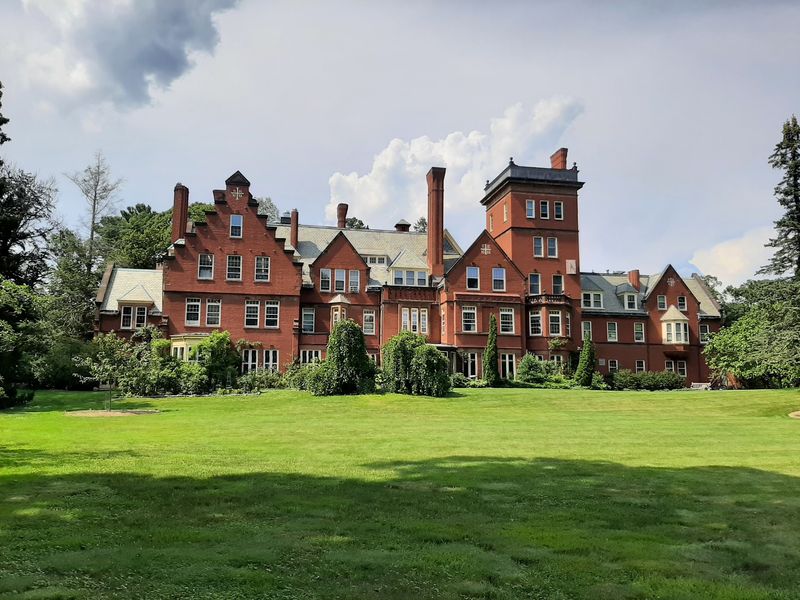
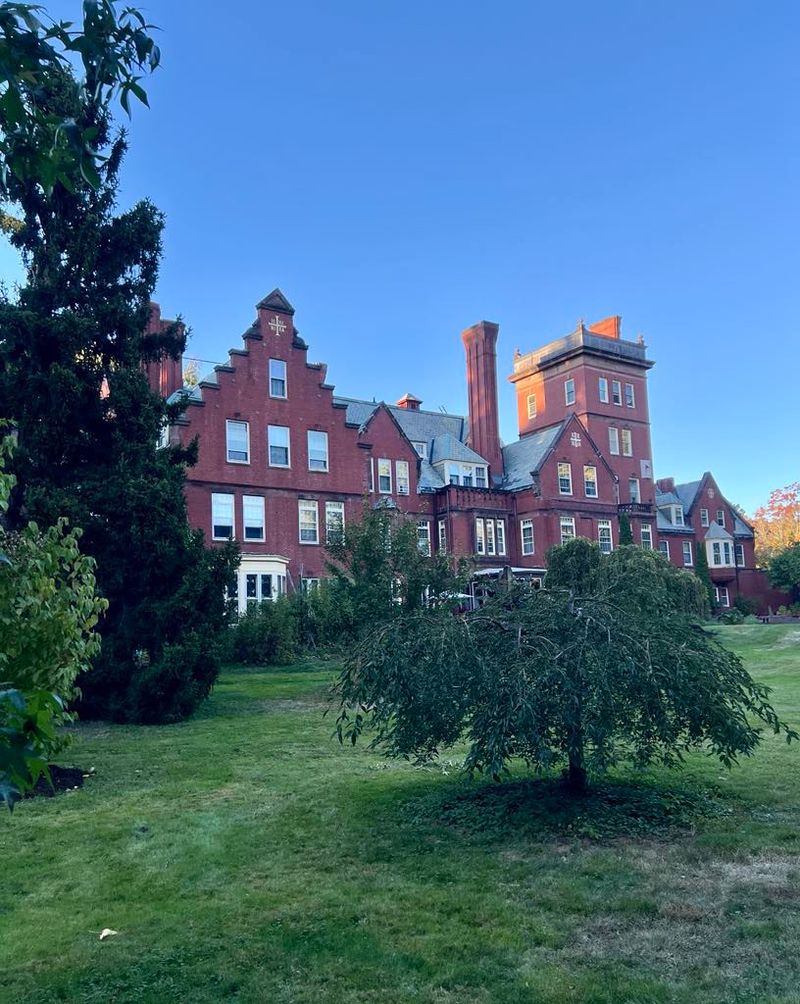
Some houses whisper their age, and this one practically announces it. The main building is a three-story mansion built in 1881.
That makes it older than the first Boston subway by more than a decade.
Its design has a fun twist. The house is said to be inspired by a 17th-century Scottish manor. Picture sturdy walls, strong lines, and a look that feels more Highlands than New England.
Before the monks arrived, it was a private estate. When the brothers bought it in 1970, they gave the old rooms a brand new purpose.
Spaces once meant for fancy dinners now support a life of prayer.
Next door stands a coach house with its own clever story. Long ago, a building like this would have sheltered horses and carriages.
The monks turned it into living quarters to make room for their growing family.
That kind of reuse deserves a nod. Rather than tearing down the past, the community found ways to keep it standing.
The result is a campus where history and daily life share the same roof.
If architecture makes your heart race, bring your camera for the outside views. Be polite and ask before snapping photos near the church or the monks.
Holy Transfiguration Monastery is a home first, and privacy matters.
Nineteen Acres Of Whispering Woods
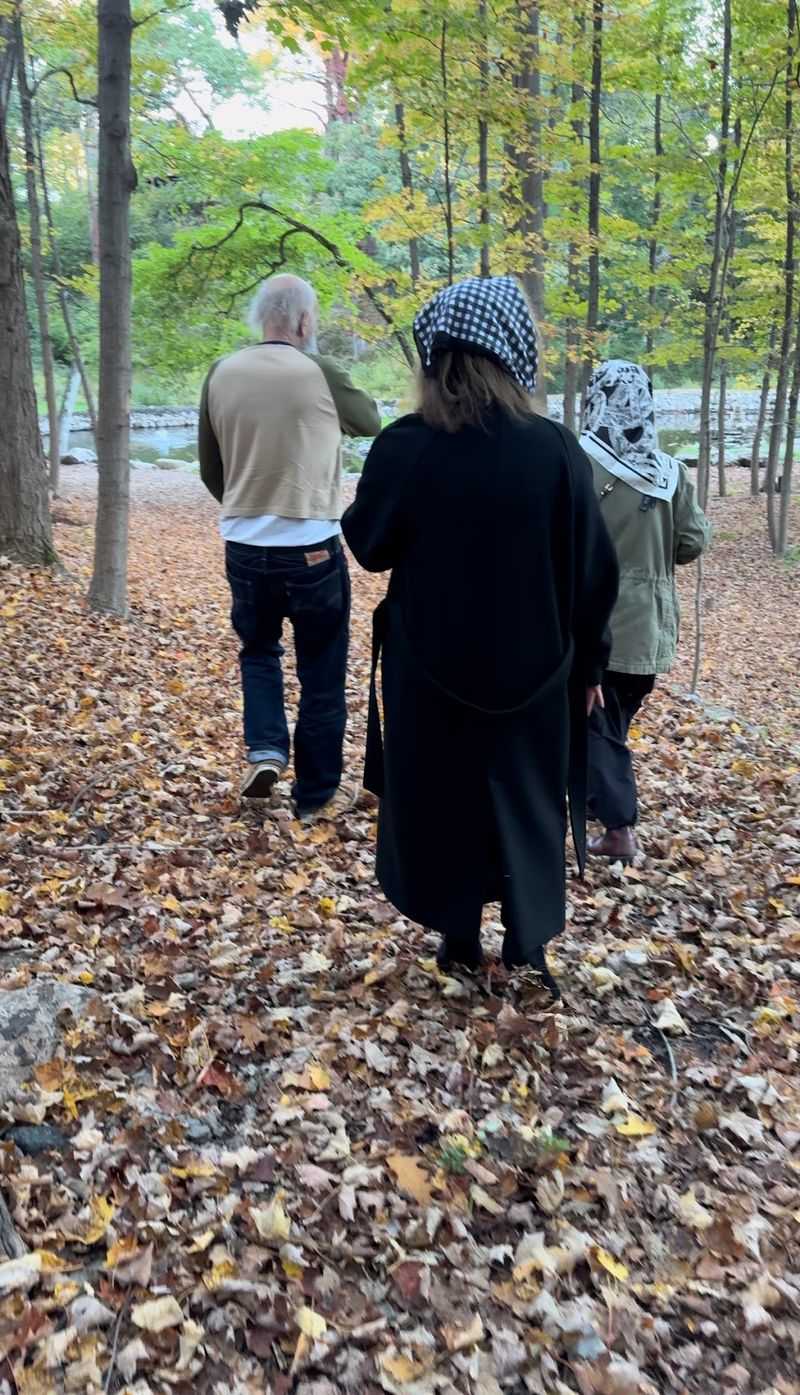
Brookline is known for tidy lawns and neat hedges, so the woods here come as a happy surprise. The monastery property covers about 19 acres. Much of that land is thick with trees.
Nineteen acres is a lot of room in a busy suburb. That is roughly the size of 14 football fields, all wrapped around a quiet hilltop.
Tall trees rise on the slopes around the old buildings. In spring, fresh green leaves fill in the branches. In fall, the colors turn to red and gold, the way only New England can manage.
The woods matter for more than looks. They give the monks a natural wall of quiet between their prayers and the city. Nature does the soundproofing for free.
Here is a practical tip for wandering the grounds. Wear sturdy shoes, since hilly ground and roots can be tricky.
Stick to open areas and respect any signs or closed doors. Keep your voice low, too. Many monks spend their day in prayer, and silence is part of their work. A soft step shows respect and helps everyone enjoy the calm.
Nature fans may find plenty to love. Squirrels dash across branches, and songbirds fill the air on bright mornings.
It is a small slice of forest life just a few miles from downtown.
Meet The Hardworking Goat Crew
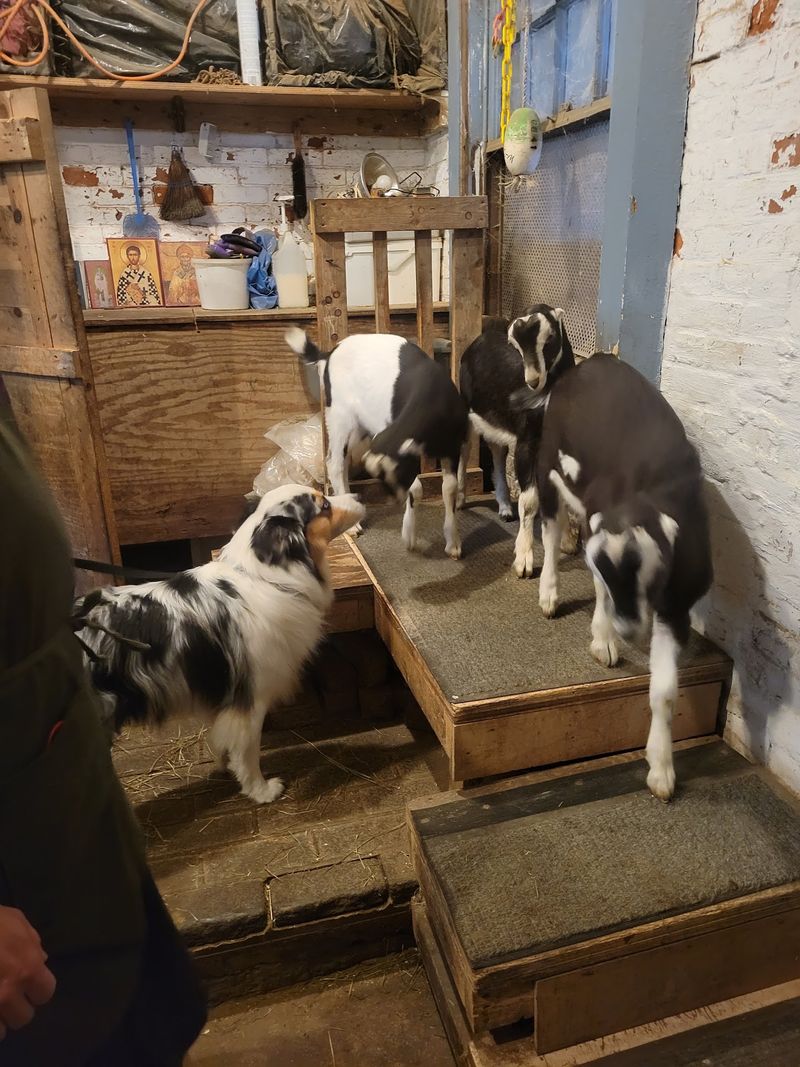
Not every monastery has a goat crew, but this one does. A part of the land is set aside for raising goats.
They are not just cute faces on the hillside. The goats have a real job. They supply milk and cheese for the monastic community. Fresh dairy right from the backyard is about as local as food can get.
That matters because the monks follow a careful diet. They do not eat meat at all. On Mondays, Wednesdays, and Fridays, they also skip fish and dairy as part of their fasting.
So on the other days, homemade milk and cheese are a welcome treat. The goats help make simple, healthy meals possible.
Their work fits right into the rhythm of monastery life.
Goats are famous for their big personalities. They are curious, clever, and known for nibbling almost anything within reach.
Farmers often joke that a goat can find a way through any fence.
If you spot the herd, enjoy the moment from a respectful distance. Ask a monk or staff member before getting close.
These animals belong to a working farm corner, not a petting zoo.
Kids especially may love seeing farm life so close to Boston. It is a great chance to talk about where food comes from. Milk does not start in a carton, after all.
Sweet Bread Born From An Anatolian Recipe
A recipe from Anatolia, a loaf baked by monks, and a crowd that could not get enough. That is the short version of how the sweet bread became famous. The long version is even tastier.
Anatolia is the large region that makes up much of modern Turkey. Families there have baked sweet breads for generations.
The monks brought that tradition to their Brookline kitchen.
For many decades, the bread showed up only twice a year. It was baked for Christmas and Easter and often given away as a gift.
Getting a loaf felt like a holiday prize. Then word spread, and demand kept rising. People wanted it in July, not just at the holidays. So the monks began baking it daily, and now it is available all year long.
The ingredient list reads like a grandmother’s pantry. Wheat flour, butter, eggs, whole milk, sugar, yeast, spices, and sesame seeds make up the dough. There are no preservatives and no artificial colors.
That simple mix gives the bread a soft, rich texture and a lightly sweet flavor. The sesame seeds add a toasty little crunch on top.
It is the kind of bread that disappears faster than you planned. Serving ideas are easy. Try a slice warm with morning tea, or toast it for a quick snack. Leftovers, if any exist, make excellent French toast.
Easy Ways To Get Your Hands On A Loaf
Good news for bread lovers: you do not need a holiday to get a loaf. Holy Transfiguration Monastery offers several easy ways to buy it. Each loaf costs $15.
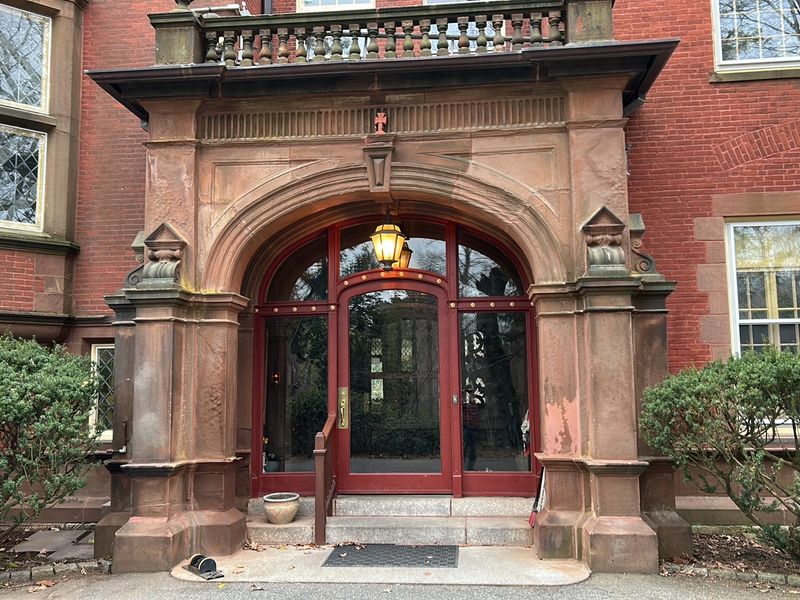
The most classic option is buying it right at the monastery. That way you can see the grounds and pick up your bread on the same outing. It is a sweet reward after a quiet walk.
Online ordering is another choice. If you live in Boston, Brookline, Cambridge, or Newton, you can get next-day delivery. That is fast enough to plan a Saturday brunch on a Friday.
Friends far from Massachusetts are not left out either. The monks offer express shipping across the country.
A loaf can travel from a Brookline hill to a kitchen in Texas or California.
There is also a handy local shop partner. Brookline Booksmith, the well-loved independent bookstore in Coolidge Corner, carries the sweet bread in an exclusive deal.
Grab a novel and a loaf in one stop.
Here is the best part. A large share of the money from bread sales goes to charity. Every slice helps someone beyond the monastery walls.
Planning a gift? A loaf makes a thoughtful present for teachers, neighbors, or hosts. It is homemade, meaningful, and far more memorable than another gift card.
Icons, Incense, And Chanting That Stays With You
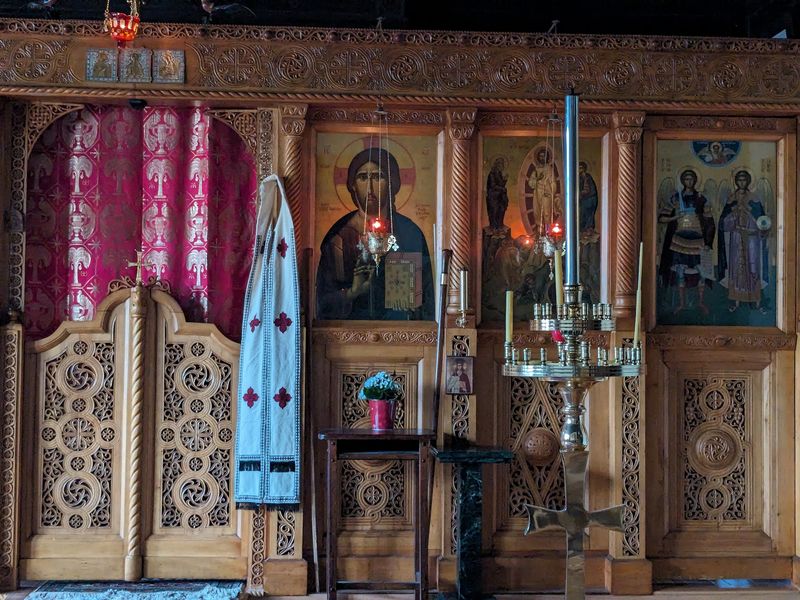
Bread may steal the spotlight, but the monks have other talents too. They create icons, books, and incense. All of these are sold through the monastery store.
Icons are painted images of Christ, Mary, and the saints. In Orthodox churches, they are treated with deep respect and used in prayer.
The monks offer a wide selection, from small pieces to much larger works. The incense is another favorite. It is used in services and fills a room with a warm, sweet scent. Many people buy it to bring a bit of that peaceful feeling home.
Services are the true heart of the monastery. Prayer is the main work of every monk here.
Daily services are held mostly in English and Greek, with some Church Slavonic mixed in.
The chanting is something special to hear. Voices rise and blend in ancient melodies that have been sung for centuries.
Even if you do not know the words, the sound can be moving.
Dress with care before stepping inside. Men and women should cover their arms and legs, and women are asked to wear a headscarf. Coverings can often be borrowed if you forget.
Small manners go a long way, too. Speak softly, silence your phone, and follow the lead of those around you. A little respect makes Holy Transfiguration Monastery a peaceful stop for everyone.