
This Massachusetts Restaurant Has Been Family-Owned For Generations, And Locals Can’t Get Enough
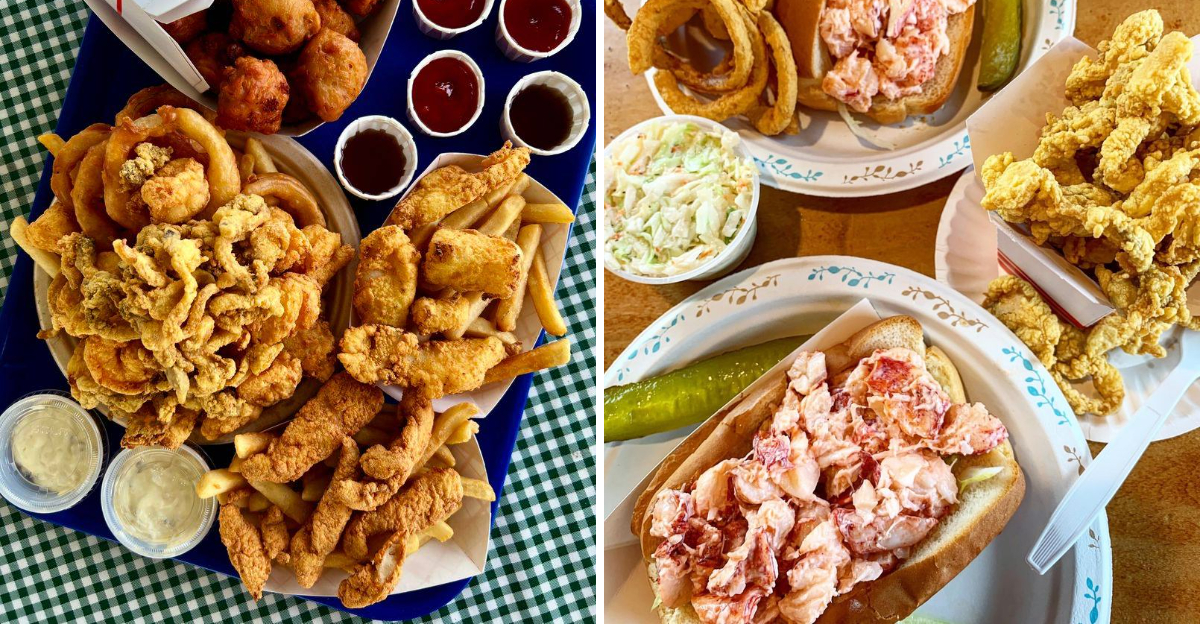
Woodman’s of Essex has served fried clams and fresh seafood to hungry New Englanders since 1914, making it one of the oldest family-run restaurants in Massachusetts. Five generations of the Woodman family have kept the original recipes alive, refusing to chase trends or compromise on quality.
Locals return year after year because the food tastes exactly like it did when their grandparents first visited, and that kind of consistency builds loyalty that no amount of marketing can buy.
The Birthplace Of The Fried Clam That Put New England On Mapping
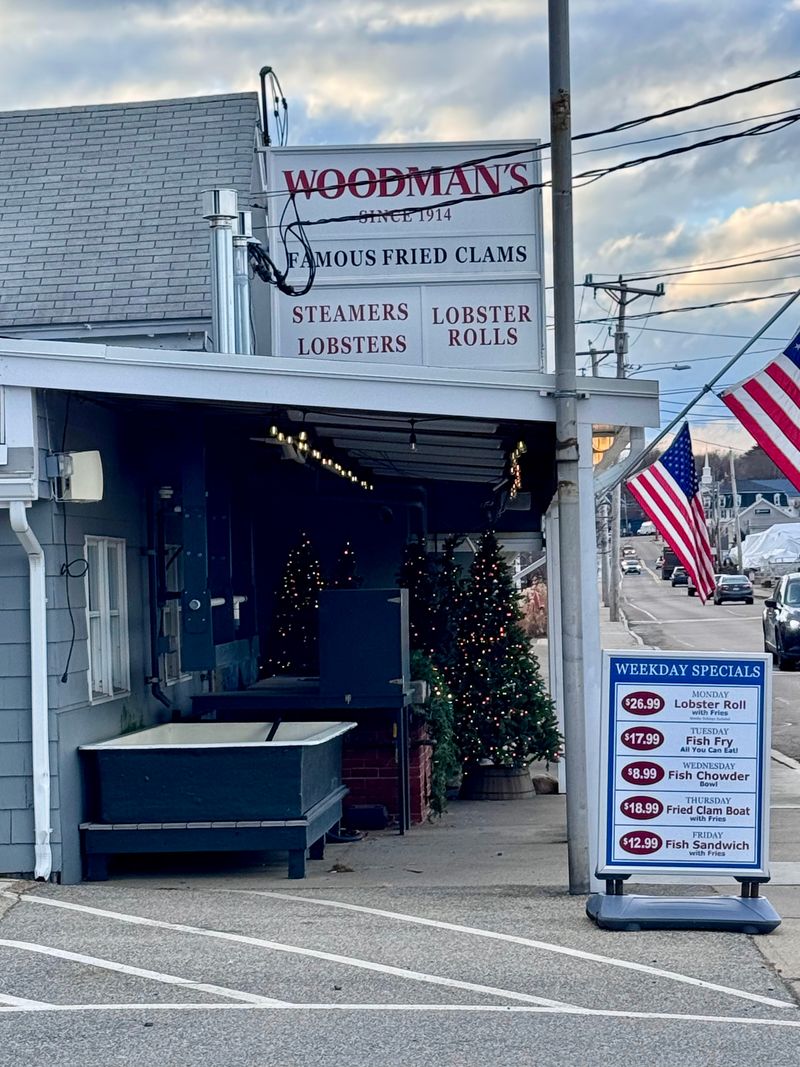
Back in 1914, Chubby Woodman decided to toss a clam into hot oil alongside his potato chips, and that single moment of culinary curiosity changed seafood history forever. Before that fateful day, nobody had thought to fry a whole clam, but once word spread about the crispy, golden result, people traveled from neighboring towns just to taste what everyone was talking about.
The Woodman family still uses that same corn flour breading recipe today, refusing to add heavy seasonings because they believe the clam should speak for itself.
You can still order the dish exactly as it was served over a century ago at 119 Main St, Essex, MA 01929. Every bite connects you to that original innovation, and the taste remains remarkably unchanged despite all the years that have passed.
Some food traditions fade away, but this one stuck around because it got everything right from the very beginning.
Over A Century Of Family Ownership Since 1914
Running a restaurant for more than a hundred years requires more than good recipes. It demands a family willing to sacrifice weekends, holidays, and personal time to keep the doors open and the fryers hot.
The Woodman family has passed down not just their cooking techniques but also their work ethic, with each generation learning the business from the ground up before taking over management responsibilities.
Five generations have now stood behind those counters, and the current family members still work shifts alongside their employees during busy summer rushes. They greet regulars by name and remember orders from customers who visited last season.
This kind of personal investment creates an atmosphere that chain restaurants simply cannot replicate, no matter how hard they try.
The family takes pride in maintaining the original standards set by Chubby Woodman himself. They continue using corn flour for breading and refuse to thicken their chowder with unnecessary additives, keeping everything gluten-free and true to the recipes that made them famous.
Generations Of Locals Who Grew Up Coming Here
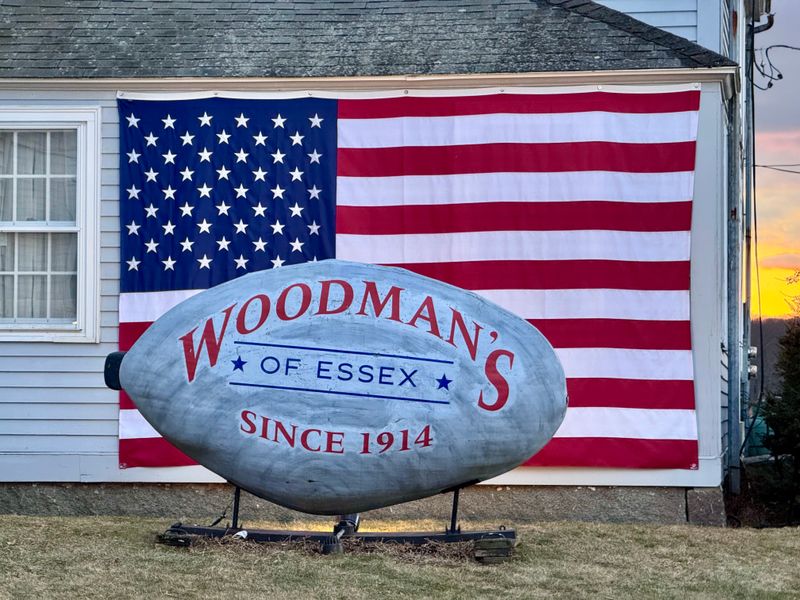
Ask anyone who grew up in Essex about their childhood memories, and Woodman’s will likely appear in at least three different stories. Grandparents brought their children here in the 1950s, those children brought their own kids in the 1980s, and now those grandchildren are bringing the next generation to experience the same flavors and traditions.
This cyclical pattern creates a restaurant culture built on shared memory rather than flashy advertising campaigns.
Locals can recall specific moments tied to particular meals: celebrating little league victories with fried clam plates, stopping by after beach days for lobster rolls, or grabbing chowder on cold autumn evenings when the summer crowds finally disappeared. These experiences get woven into family histories, becoming part of the stories people tell when they want to explain what growing up in this part of Massachusetts felt like.
The restaurant’s consistent quality makes these return visits possible. People trust that the food will taste exactly as they remember, and that reliability turns casual diners into lifelong advocates.
Classic Seafood Done The Same Way For Decades
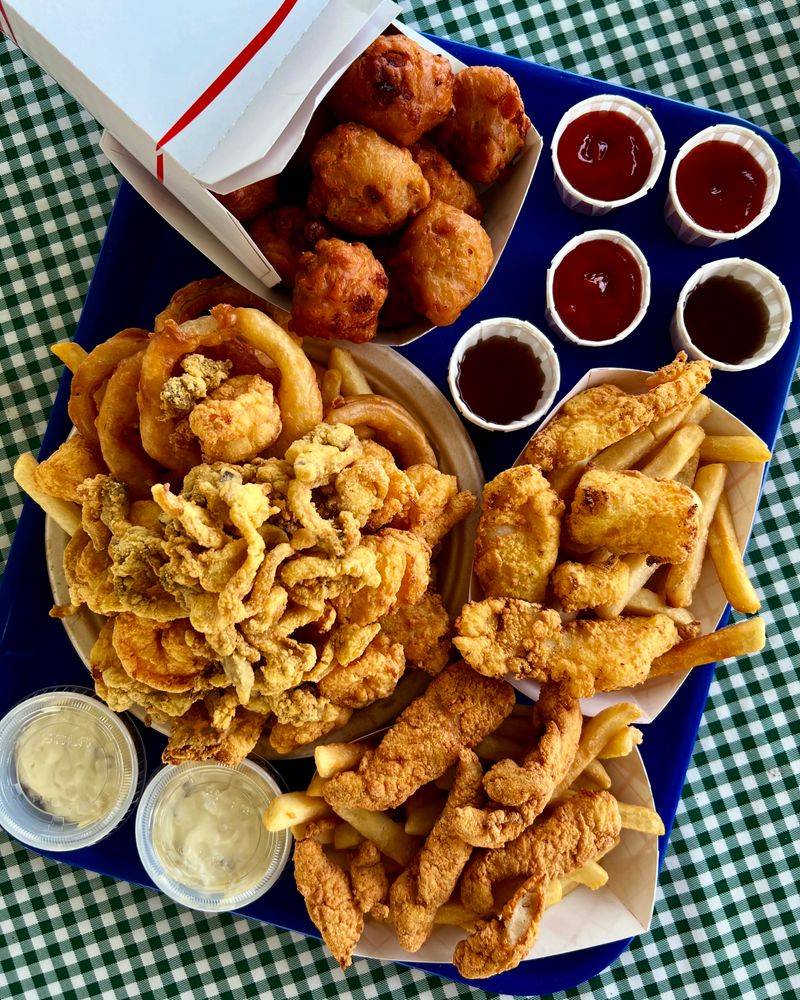
Consistency might sound boring to some people, but when you perfect something, changing it for the sake of novelty makes absolutely no sense. Woodman’s figured out how to fry seafood properly back when most restaurants were still experimenting, and they saw no reason to mess with success.
Their corn flour breading produces a lighter, crispier coating than standard flour mixtures, and the lack of heavy seasoning allows the natural sweetness of fresh clams and scallops to shine through without interference.
The kitchen staff follows the same preparation methods that were established generations ago. They hand-cut their fries, bread each piece of seafood individually, and maintain strict oil temperatures to ensure even cooking.
These details matter more than most diners realize, and taking shortcuts would compromise the quality that keeps people coming back season after season.
Visitors sometimes expect exotic flavor combinations or trendy preparations, but Woodman’s refuses to chase food fads. They serve straightforward, honest seafood prepared with skill and respect for the ingredients.
Lobster, Clams And Chowder That Locals Insist Are Unbeatable
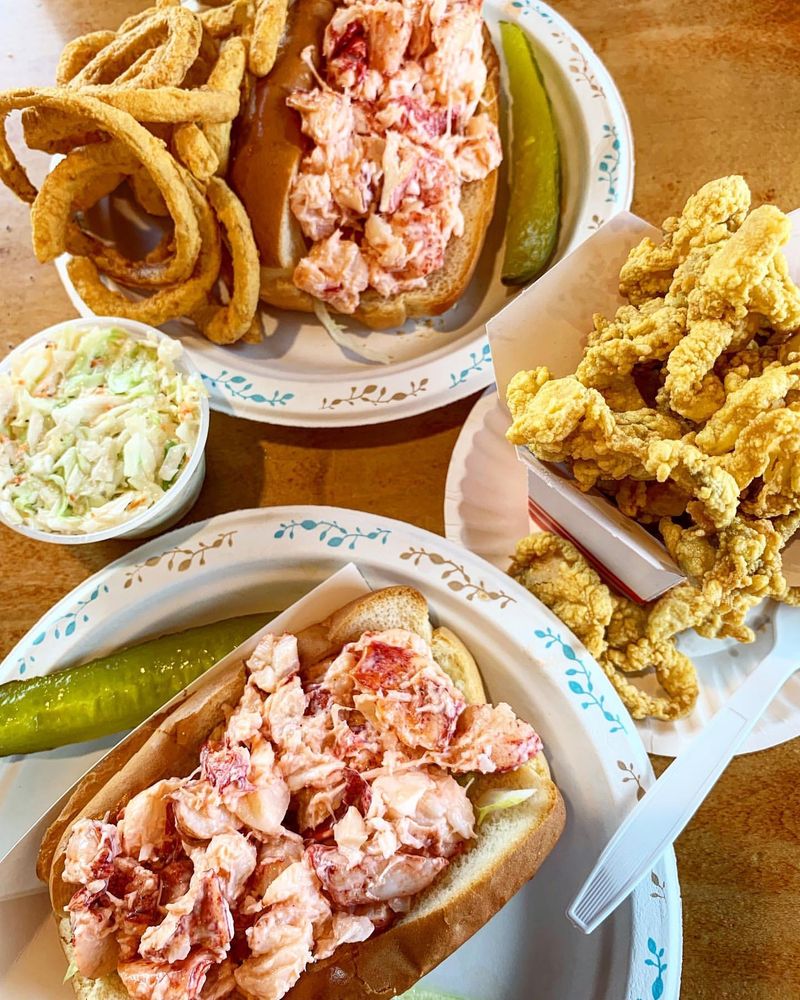
Locals get defensive when visitors suggest trying other seafood spots in the area, and that protectiveness comes from genuine belief rather than blind loyalty. They know what good lobster tastes like, and they recognize when a restaurant cuts corners by using frozen seafood or skimping on portions.
Woodman’s earns its reputation by serving lobster rolls stuffed with pure, unadulterated meat and nothing else to distract from the main attraction.
The clam chowder follows a traditional recipe that stays intentionally thin rather than relying on heavy cream or flour thickeners. Some visitors find this surprising, but New Englanders appreciate the cleaner flavor profile that allows the clams and potatoes to stand out.
The chowder remains gluten-free because the kitchen never saw a need to add unnecessary ingredients just to make it thicker.
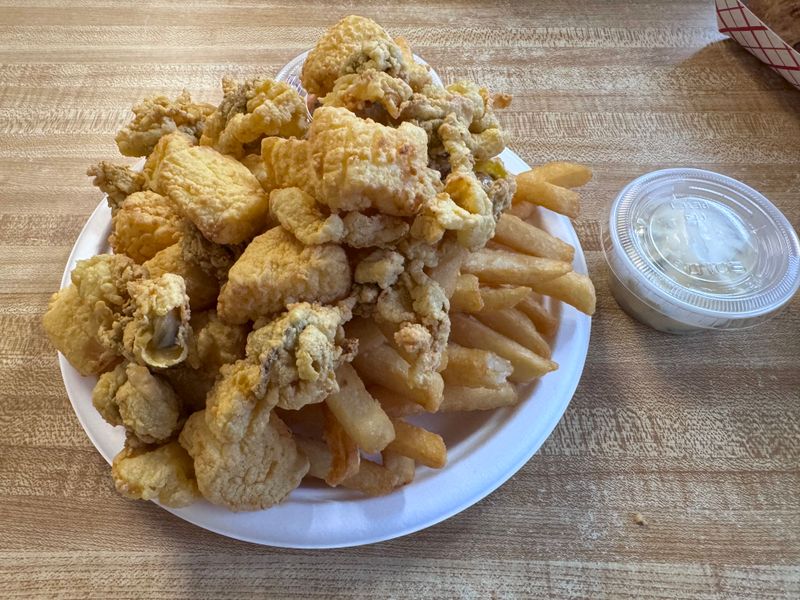
Fried whole belly clams represent the restaurant’s signature dish, and locals insist that nobody else in the region does them better. The clams arrive plump and tender inside their crispy coating, proving that proper technique matters more than fancy equipment.
A Historic Coastal Setting That Feels Steeped In Tradition

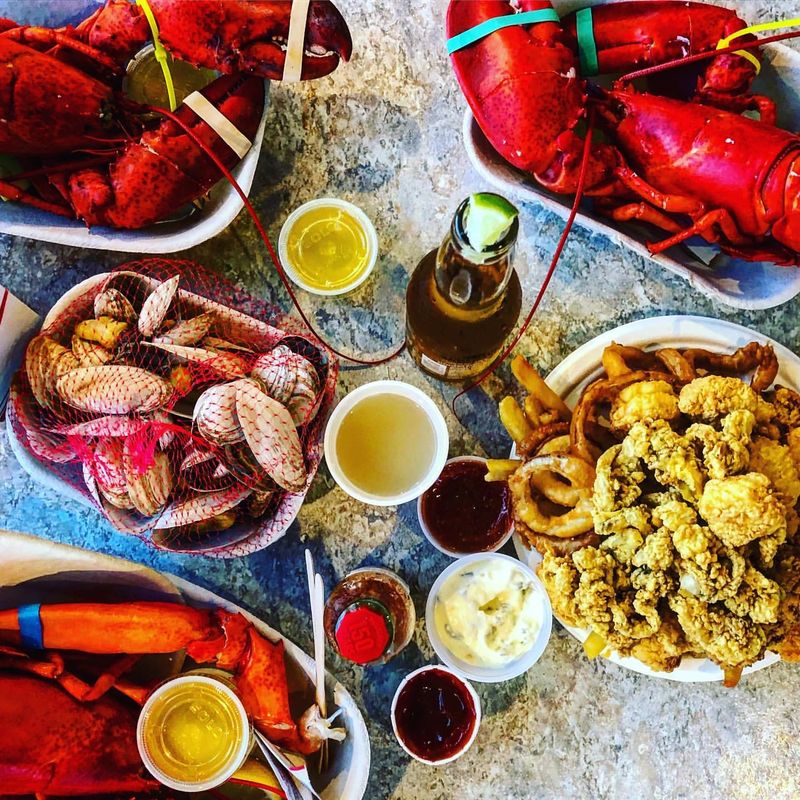
Location matters almost as much as food quality when it comes to creating memorable dining experiences. Woodman’s sits right along the Essex River, giving diners views of the water while they crack open lobster tails and dip onion rings in tartar sauce.
The building itself looks like it belongs in a postcard advertising authentic New England charm, with weathered wood siding and simple signage that hasn’t changed much over the decades.
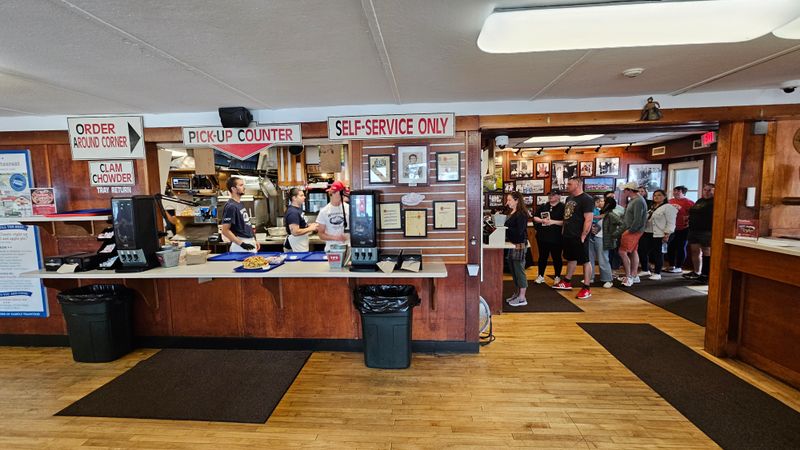
Inside, the counter-service setup keeps things moving efficiently even during peak summer hours. Customers order at the front, receive a number, and wait for their food to arrive hot and fresh from the kitchen.
The no-frills approach works because people come here for the seafood, not for white tablecloths and elaborate presentations.
Outdoor seating at the picnic tables provides the full coastal experience, especially on warm afternoons when the breeze carries the scent of salt water and fried seafood. The setting enhances the meal without overwhelming it, creating an atmosphere that feels both casual and special at the same time.
Menu Staples Passed Down Through The Same Family Kitchen
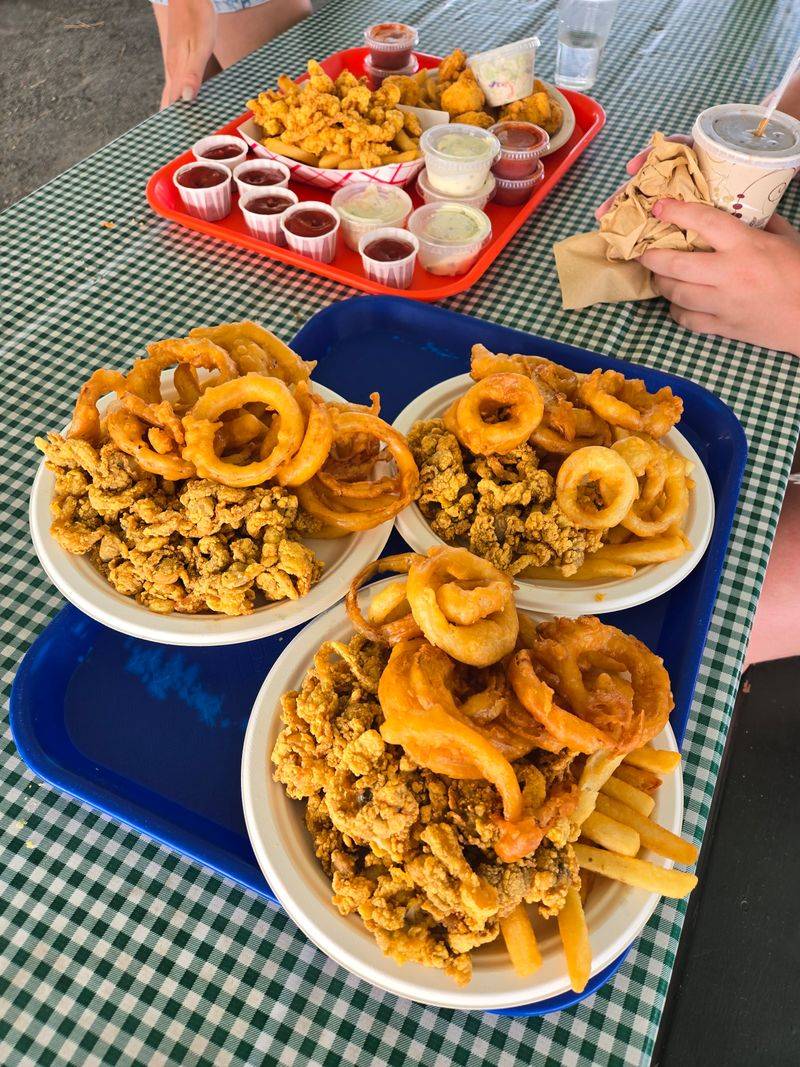
Family recipes carry weight because they represent tested knowledge rather than guesswork or temporary trends. The Woodman family guards their preparation methods carefully, teaching each new generation the proper way to bread seafood, maintain oil temperature, and time each order for maximum freshness.
These techniques get passed down verbally and through hands-on training rather than written manuals, preserving the human element that makes the food taste distinctly homemade despite the commercial scale.
The menu itself remains remarkably stable, featuring the same core items that appeared decades ago. You can order fried clams, scallops, haddock, shrimp, lobster rolls, and clam chowder with confidence that each dish will arrive prepared exactly as intended.
The kitchen also accommodates gluten-free requests easily because their corn flour breading naturally avoids wheat products.
Generous portions have always been part of the Woodman’s experience. Plates arrive loaded with seafood, fries, and onion rings, often surprising first-time visitors who expected standard restaurant servings.
This abundance reflects old-school hospitality values that prioritize customer satisfaction over profit margins.
Summer Lines That Stretch Because The Food Is Worth It
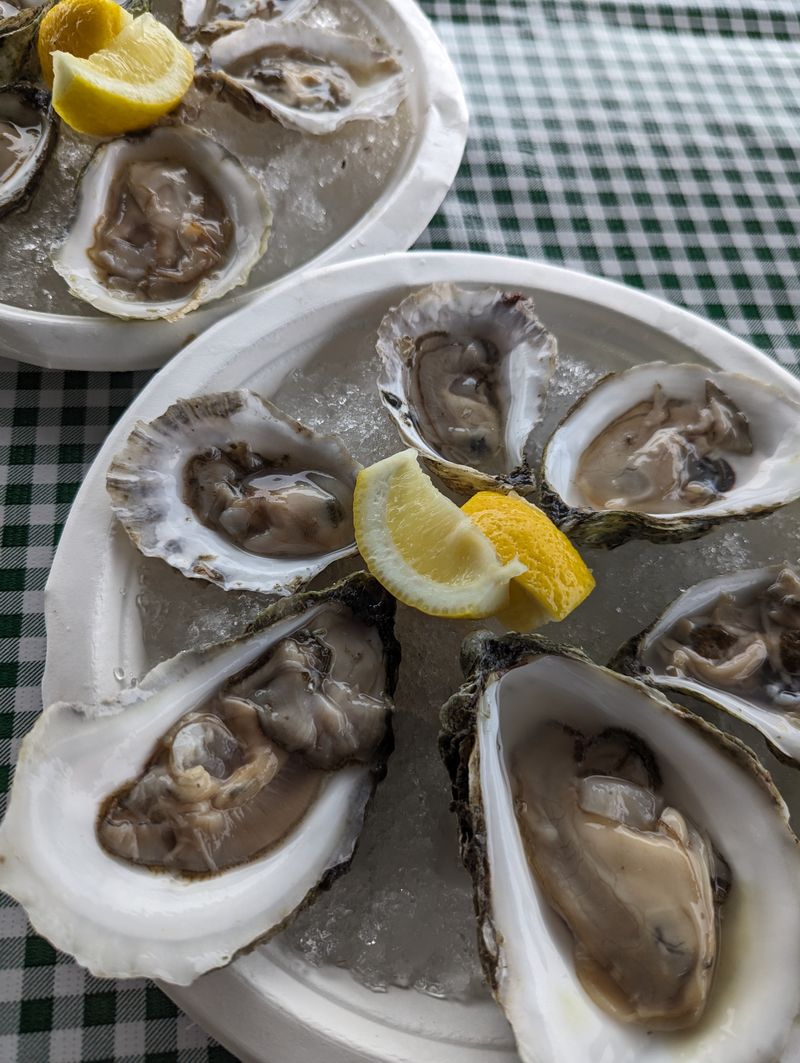
Long lines typically signal either excellent food or lack of alternatives, and in Woodman’s case, the former definitely applies. Summer weekends bring crowds that stretch from the ordering counter out through the parking lot, yet people wait patiently because they know the payoff justifies the inconvenience.
The counter-service system moves surprisingly quickly despite the volume, with experienced staff taking orders efficiently and kitchen workers maintaining steady output even during the busiest rushes.
Smart visitors arrive during off-peak hours or visit on weekdays when the crowds thin out considerably. Monday through Thursday lunch service at 119 Main St, Essex, MA 01929 offers the same great food with significantly shorter wait times.
The restaurant also stays open year-round, giving locals the advantage of enjoying their favorite dishes during the quieter fall and winter months when tourists head home.
First-time visitors sometimes express shock at the prices, but portion sizes explain the higher numbers on the menu. A single seafood platter easily feeds two people, and the quality of the ingredients justifies the cost for anyone familiar with current seafood market rates.
Woodman’s Influence On Essex’s Seafood Culture Runs Deep
One restaurant can shape an entire town’s identity, and Woodman’s certainly accomplished that feat for Essex. The success of their fried clam innovation attracted other seafood businesses to the area, transforming this small coastal community into a recognized destination for people seeking authentic New England seafood experiences.
Other restaurants opened nearby, each trying to capture some of the magic that Woodman’s created, but the original remained the standard against which all others got measured.
Local fishing industries benefited from the increased demand for fresh clams, scallops, and lobster. Commercial fishermen knew they had a reliable market for their catch, and that economic stability helped sustain the working waterfront that defines so much of coastal Massachusetts culture.
The relationship between restaurant and fishing community created a symbiotic system that strengthened both industries.
Tour guides now include Woodman’s in their Essex itineraries, and food writers regularly feature the restaurant in articles about regional cuisine. This attention brings visitors who might never have discovered Essex otherwise, boosting the local economy while spreading awareness of traditional New England foodways.
A Beloved Institution Locals Recommend Without Hesitation
Recommendation culture reveals a lot about restaurant quality because people protect their reputations by only suggesting places they truly trust. Locals recommend Woodman’s without qualification or disclaimer, confident that visitors will enjoy the experience and thank them later.
This enthusiastic endorsement stems from personal experience rather than marketing influence, making it far more valuable than any paid advertisement could ever achieve.
The restaurant maintains a 4.5-star rating across thousands of online reviews, which represents impressive consistency given the volume of customers they serve annually. Positive reviews consistently mention the generous portions, fresh seafood, and efficient service, while negative comments typically focus on prices or personal taste preferences rather than quality issues.
The Woodman family actively responds to feedback, demonstrating their ongoing commitment to customer satisfaction.
Regular customers develop personal relationships with staff members who remember their usual orders and greet them warmly when they arrive. This familiarity transforms a simple meal into a social experience, reinforcing the community bonds that make small-town dining so appealing compared to impersonal chain restaurants.